Top 6 Castles around Saint-Félix-De-Pallières
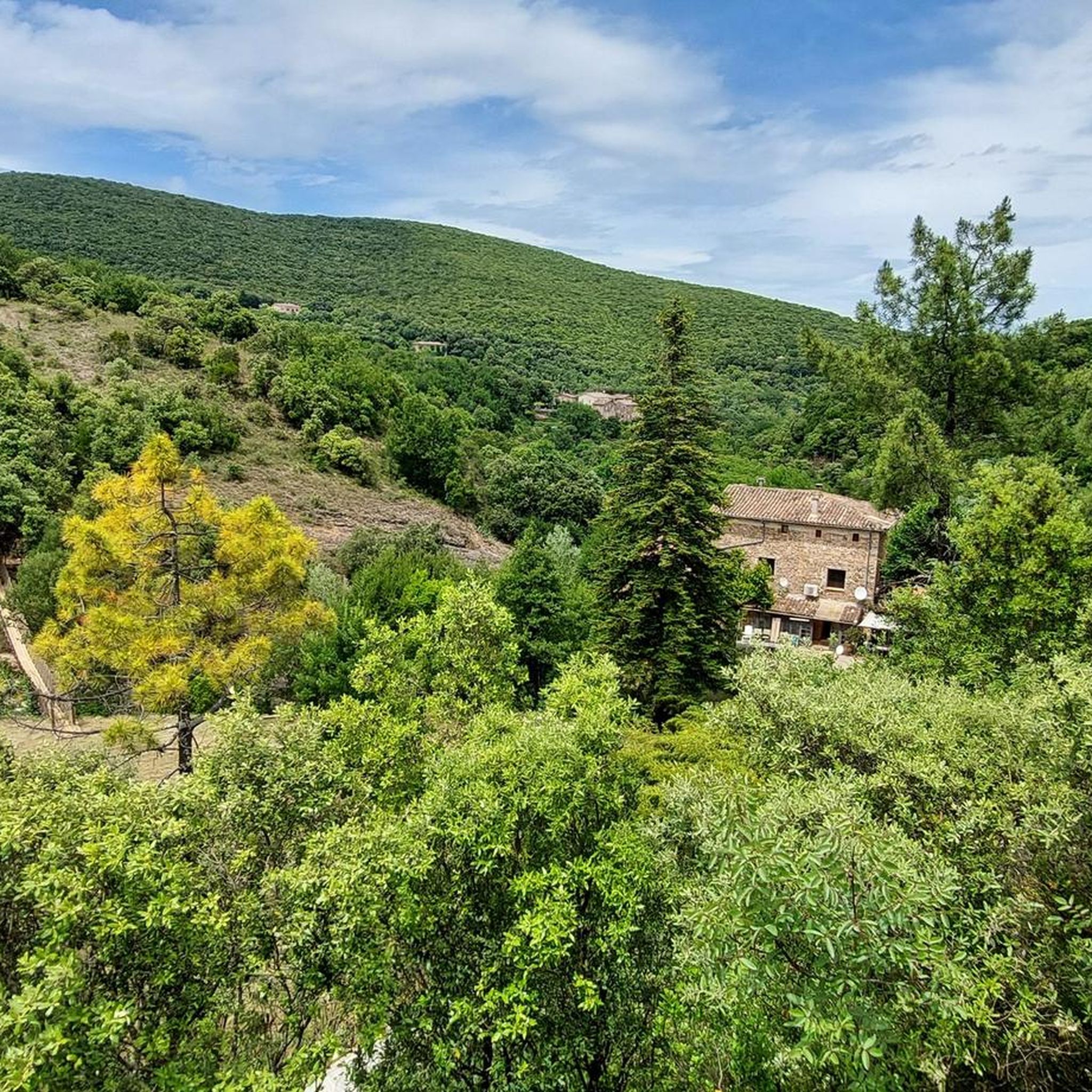
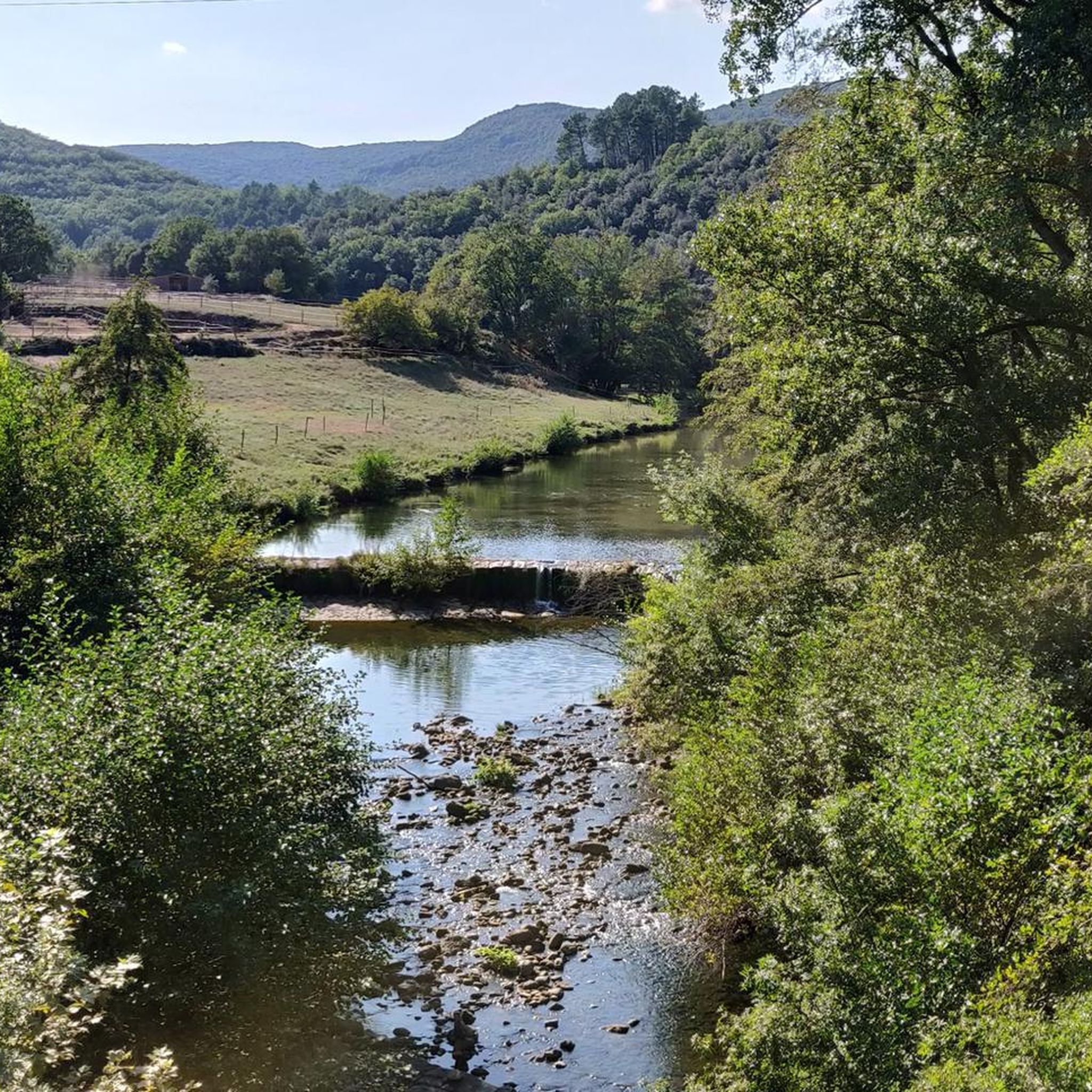
Castles around Saint-Félix-De-Pallières are situated in a region known for its historical depth and natural landscape within the Cévennes. The area features historical edifices, some with origins dating back to the 12th century, reflecting a rich past. These structures are often set within extensive grounds, offering insights into regional heritage. The surrounding terrain includes forests and natural features characteristic of the Gardon region.
Best castles around Saint-Félix-De-Pallières
- The most popular castles is Saint-Roman-de-Codières Village and Medieval Tower, a historical…
Last updated: July 8, 2026
Saint-Roman-de-Codières Village and Medieval Tower
Highlight • Historical Site
Translated by Google •
Tip by

Saint-Bonnet-de-Salendrinque
Highlight • Settlement
It …
Translated by Google •
Tip by
Sign up now to discover places like this
Get recommendations on the best single tracks, peaks, & plenty of other exciting outdoor places.
Sign up for free
Château de Tornac
Highlight • Castle
Translated by Google •
Tip by

Roquevaire Castle
Highlight • Castle
The old castle of Roquevaire, seems over time, to be restored.
Well maintained place.
Castle, garden, chapel, a beauty in the middle of nature :)
Translated by Google •
Tip by

Château de Saint-Hippolyte-le-Vieux (Ruins)
Highlight • Castle
A 12th century castle which has several names: - Le Castellas / The old castle / Roquefourcade / The castle of Saint-Hippolyte-le-Vieux.
Translated by Google •
Tip by

Sign up for free to discover even more castles around Saint-Félix-De-Pallières.
Sign up for free
Already have an account?
Start today with a free account
Your next adventure awaits.
Login or Signup
Popular around Saint-Félix-De-Pallières
Tips from the Community

Pretty little village in the Cevennes.
0
0

Private domain! The old castle of Roquevaire, seems over time, to be restored. Well maintained place. Castle, garden, chapel, a beauty in the middle of nature :)
0
0

A very nice place with a great view! A 12th century castle which has several names: - Le Castellas / The old castle / Roquefourcade / The castle of Saint-Hippolyte-le-Vieux.
0
0

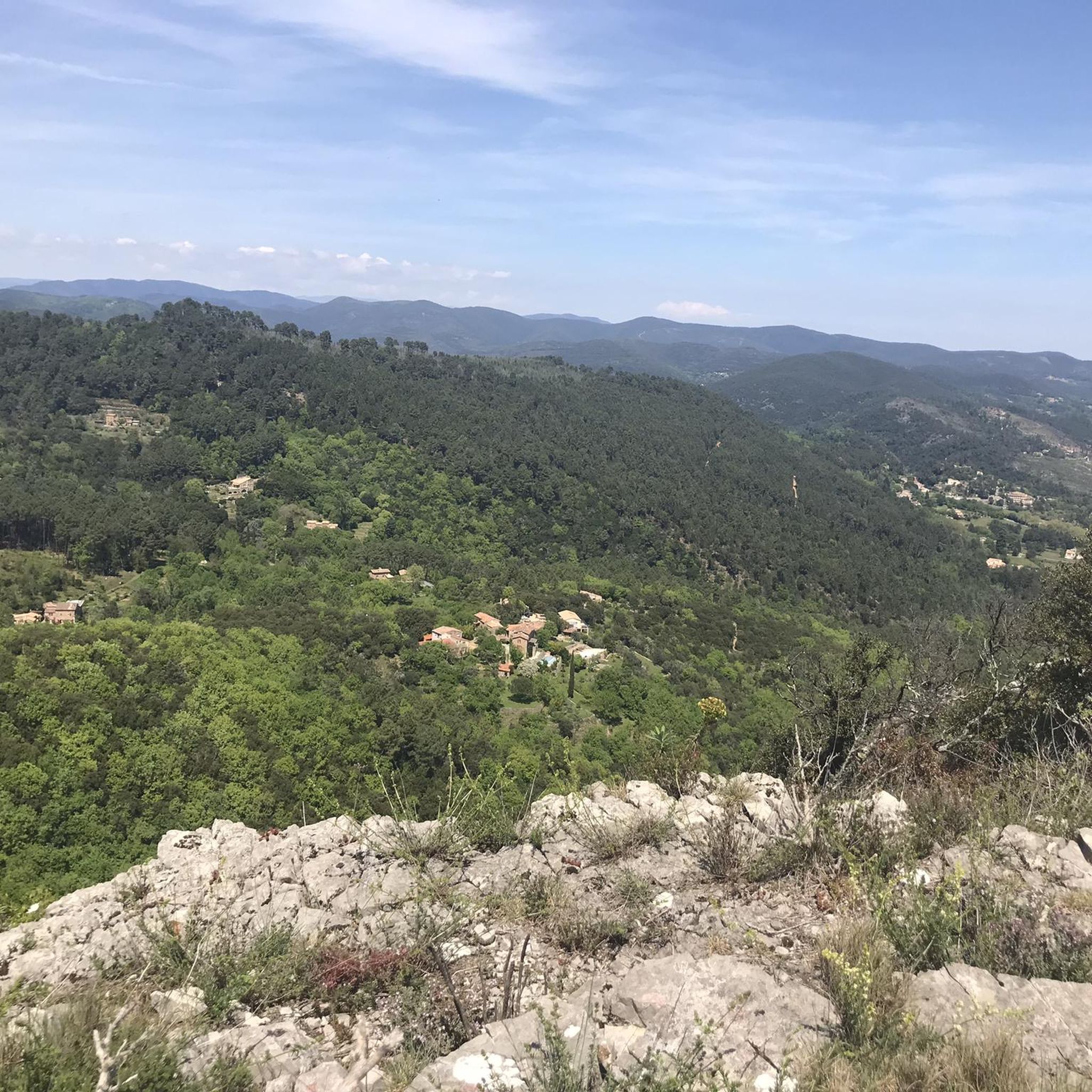
Very close to Anduze, the castle of Tornac is a 12th century castle perched on a rocky outcrop and which offers a magnificent view of the Gardon d'Anduze.
0
0
Very close to Anduze, the castle of Tornac is a 12th century castle perched on a rocky outcrop and which offers a magnificent view of the Gardon d'Anduze.
1
0
The castle of Roquevaire, of which only ruins remain, is relatively recent contrary to what one might think, since it was built in the 17th century (on a site already occupied).
0
1

This village has a listed monument: the castle of Castellas. Its origin goes back a long way because it is located on the site of an ancient Roman oppidum. It was from the year 864 that a Carolingian fortress was erected, which the locals called Castellas in the Occitan language. This castle has been registered as a historical monument since December 26, 1980. It cannot be visited because it is a private residence.
1
0
The historical heritage of this village is very old. Testimony of the Neolithic, of the seven menhirs identified in the town, five are still erected. This town is located on the Saint-Roman pass, which gives it strategic importance. The name of the village comes from a military camp built by the Romans in the 1st century AD. The camp was then called Romanus de Codeyra. Aware of the strategic location of the Col de Saint-Roman, a castle was built in the Middle Ages instead of the Roman oppidum and the tower built by the Saracens.
2
0
Frequently Asked Questions
What are some notable castles to visit around Saint-Félix-De-Pallières?
Beyond the most popular, you can explore sites like Roquevaire Castle, which, despite being a private domain, features a well-maintained setting with ruins, a garden, and a chapel. Another option is the Château de Saint-Hippolyte-le-Vieux (Ruins), a 12th-century castle offering great views.
Can I visit the Château de Saint-Félix-de-Pallières?
The Château de Saint-Félix-de-Pallières, also known as the Château des trois seigneurs, is a private property. While not open for casual public visits, it operates as a high-end tourist accommodation and event venue, specializing in weddings, seminars, and private events. You can experience its historical ambiance through guesthouse stays or exclusive rentals. For more information, you might check the local tourism site: Piemont Cevenol Tourisme.
What kind of history do the castles in this region offer?
The castles around Saint-Félix-De-Pallières boast a rich and often turbulent history, with origins dating back to the 12th century. Many, like the Château de Saint-Félix, have endured events such as the Wars of Religion and the French Revolution. Sites like Saint-Roman-de-Codières Village and Medieval Tower are built on ancient Roman oppida, showcasing layers of history from the Neolithic period through medieval times. The region's castles reflect centuries of strategic importance and architectural evolution.
Are there any castles with good viewpoints?
Yes, several castles offer excellent viewpoints. Château de Tornac, for instance, is perched on a rocky outcrop near Anduze and provides magnificent views of the Gardon d'Anduze. The Château de Saint-Hippolyte-le-Vieux (Ruins) is also noted for its great views.
What outdoor activities can I do near these castles?
The region around Saint-Félix-De-Pallières is ideal for various outdoor activities. You can find numerous hiking trails, such as the 'Dolmen loop from Traviargues' or the 'Lacan – Château de Tornac loop from Tombe'. For mountain biking, consider routes like the 'Chemin de Sources – Château de Tornac loop'. Cycling enthusiasts can enjoy longer rides like the 'Saint-Jean-du-Gard – Lasalle loop'. You can find more details and routes in the Hiking around Saint-Félix-De-Pallières, MTB Trails around Saint-Félix-De-Pallières, and Cycling around Saint-Félix-De-Pallières guides.
Are there family-friendly castles or activities nearby?
While specific castles may have limited public access, the historical villages surrounding them, such as Saint-Roman-de-Codières, offer a charming atmosphere for families to explore. The extensive natural parks and hiking trails nearby also provide opportunities for family outings in nature, often with historical landmarks along the way.
What is the best time of year to visit the castles and the region?
The Cévennes region generally offers pleasant weather for exploring castles and outdoor activities from spring through autumn. Spring brings blooming landscapes, while autumn provides comfortable temperatures and beautiful foliage. Summer can be warm, but is ideal for combining castle visits with water activities in the Gardon d'Anduze. Winter visits might be quieter, but some sites or facilities could have reduced hours.
Are there any castles that are part of a larger historical village?
Yes, Saint-Roman-de-Codières Village and Medieval Tower is a prime example. This historical site includes a medieval tower built on the site of a Roman oppidum, and the village itself has heritage dating back to the Neolithic period. Similarly, Saint-Bonnet-de-Salendrinque features the Castellas castle, originating from a Carolingian fortress built on an ancient Roman oppidum, within its settlement.
What natural features can I expect to see around the castles?
The castles in this region are often nestled within the natural landscape of the Cévennes and Gardon region. You can expect to see extensive forests, rocky outcrops, and views of rivers like the Gardon d'Anduze. The Château de Saint-Félix, for example, is set within a vast park and extended by a 104-hectare forest, featuring a large stone basin.
Are there places to eat or stay near the castles?
Saint-Félix-De-Pallières and nearby villages offer options for dining and accommodation. While specific cafes or restaurants directly adjacent to every castle might be limited, you can find local establishments in the villages. The Château de Saint-Félix itself provides high-end tourist accommodation and event facilities for those seeking a luxurious stay.
How long should I plan for a visit to the castles?
The duration of your visit depends on which castles you choose to explore and your interest level. For sites like Saint-Roman-de-Codières Village and Medieval Tower, you might spend a few hours exploring the village and tower. If you plan to visit multiple sites or combine your visit with hiking or other outdoor activities, you could easily spend a full day or more exploring the region's historical and natural attractions.
Most popular routes around Saint-Félix-De-Pallières
Most popular attractions around Saint-Félix-De-Pallières

Get inspired with the komoot mobile app


Explore more
Looking for the best castles somewhere else? Discover other guides around Saint-Félix-De-Pallières:
