Top 9 Lakes around Saint-Armel
Lakes near Saint-Armel Morbihan are primarily characterized by the unique aquatic landscape of the Golfe du Morbihan, an intricate network of salt marshes and estuaries. This region, part of the Regional Natural Park, is significant for its ecological value and diverse natural features. The area offers opportunities to explore saline marshes, tidal channels, and various water bodies that support rich biodiversity.
Best lakes around Saint-Armel
- The most popular lakes is Lasné Marsh, a natural area that covers 30 hectares…
Last updated: October 11, 2026
Lasné Marsh
Highlight • Natural
Translated by Google •
Tip by

View of the Gulf of Morbihan
Highlight • Viewpoint
Translated by Google •
Tip by

Sign up now to discover places like this
Get recommendations on the best single tracks, peaks, & plenty of other exciting outdoor places.
Anse de Mancel
Highlight • Natural
Translated by Google •
Tip by

Lestrenig Pond
Highlight • Forest
It was the pond of the Lestrenig manor.
Translated by Google •
Tip by

Duke's Pond
Highlight • Lake
Translated by Google •
Tip by

Sign up for free to discover even more lakes around Saint-Armel.
Already have an account?
Start today with a free account
Your next adventure awaits.

Tips from the Community

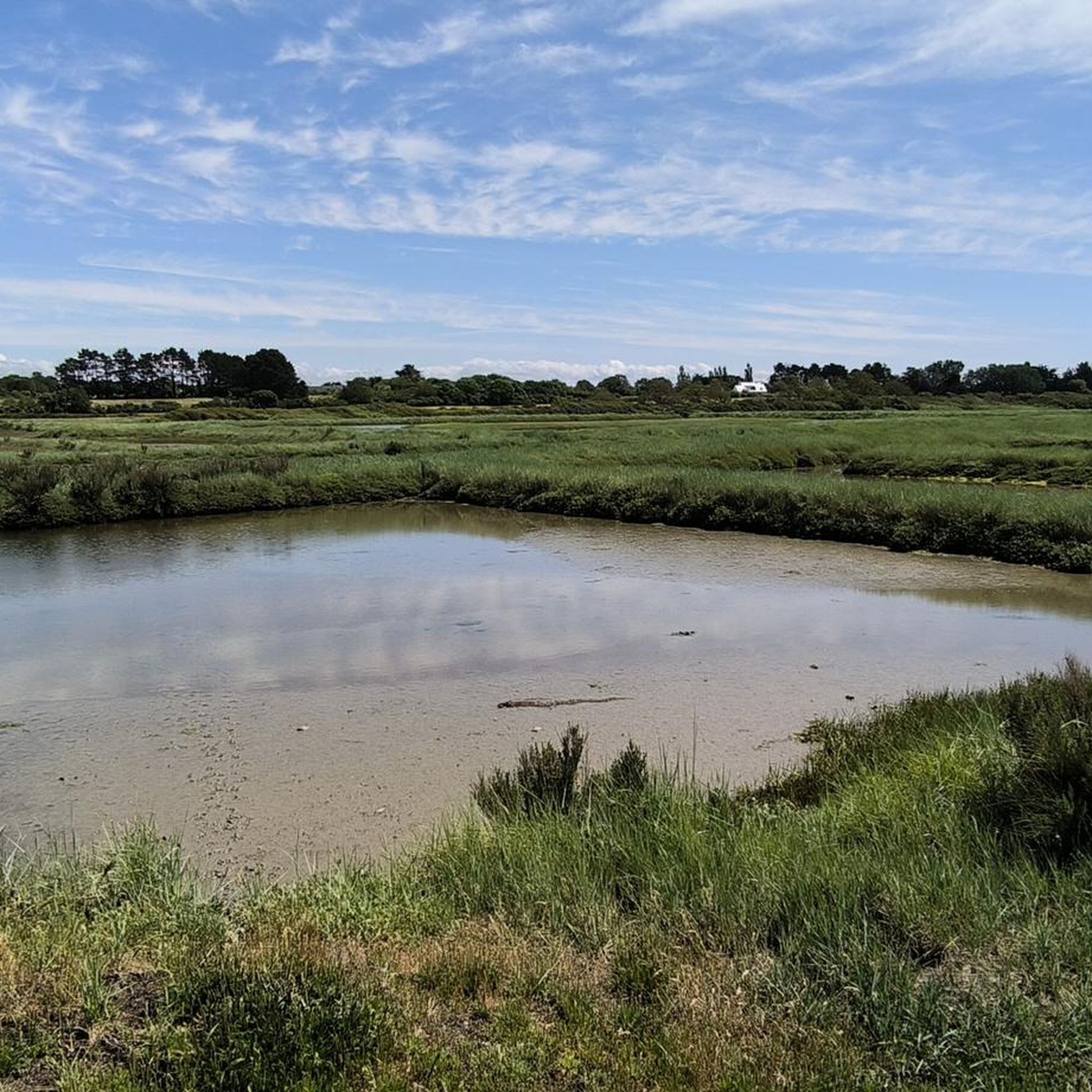
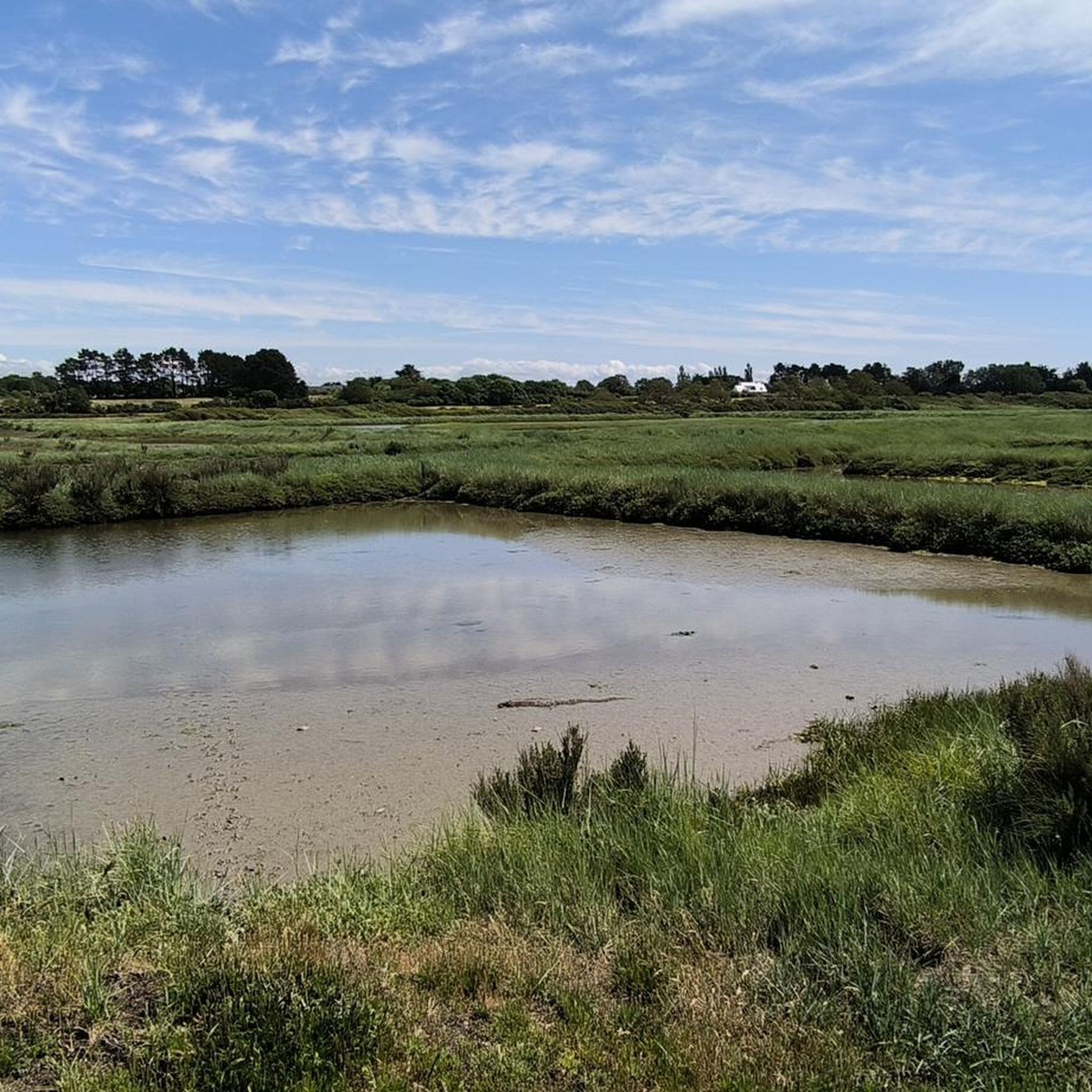
Small lake with an information board.
0
0

In the middle of the Gulf of Morbihan, Île-aux-Moines is the perfect place to admire the national reserve at 360 degrees. Exploring the island by bike is a delight.
0
0

Very pretty pond with a very special atmosphere. It was the pond of the Lestrenig manor.
1
0

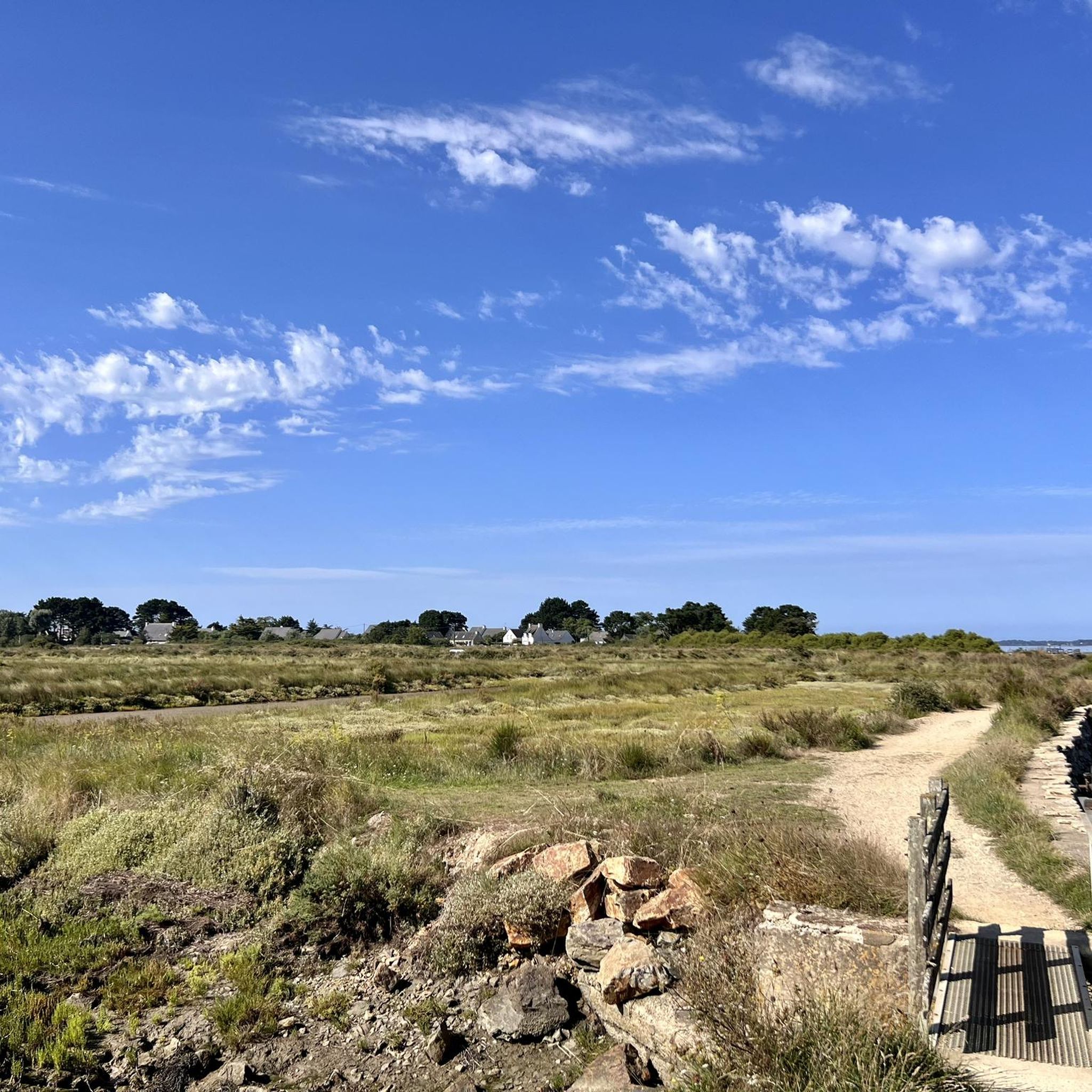
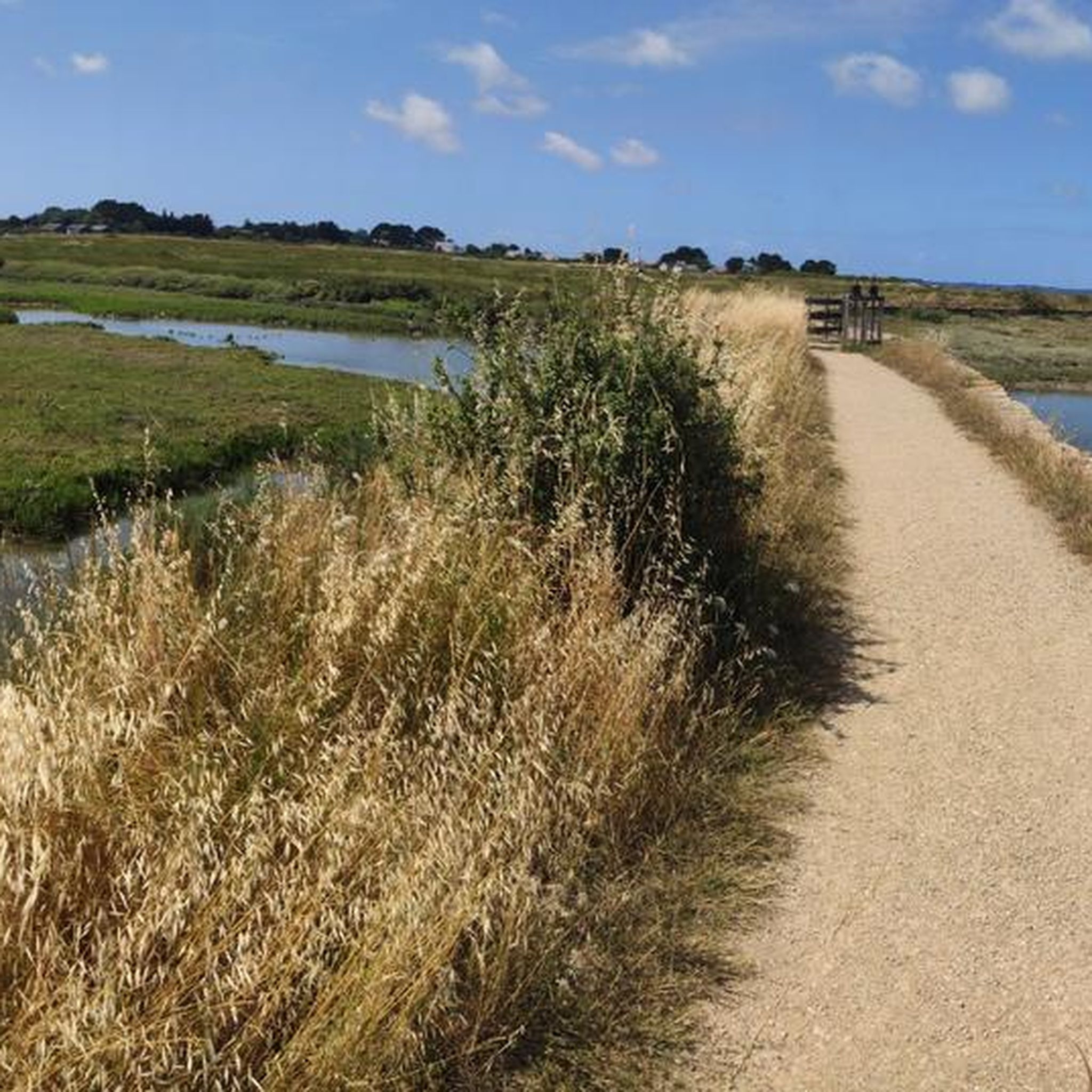
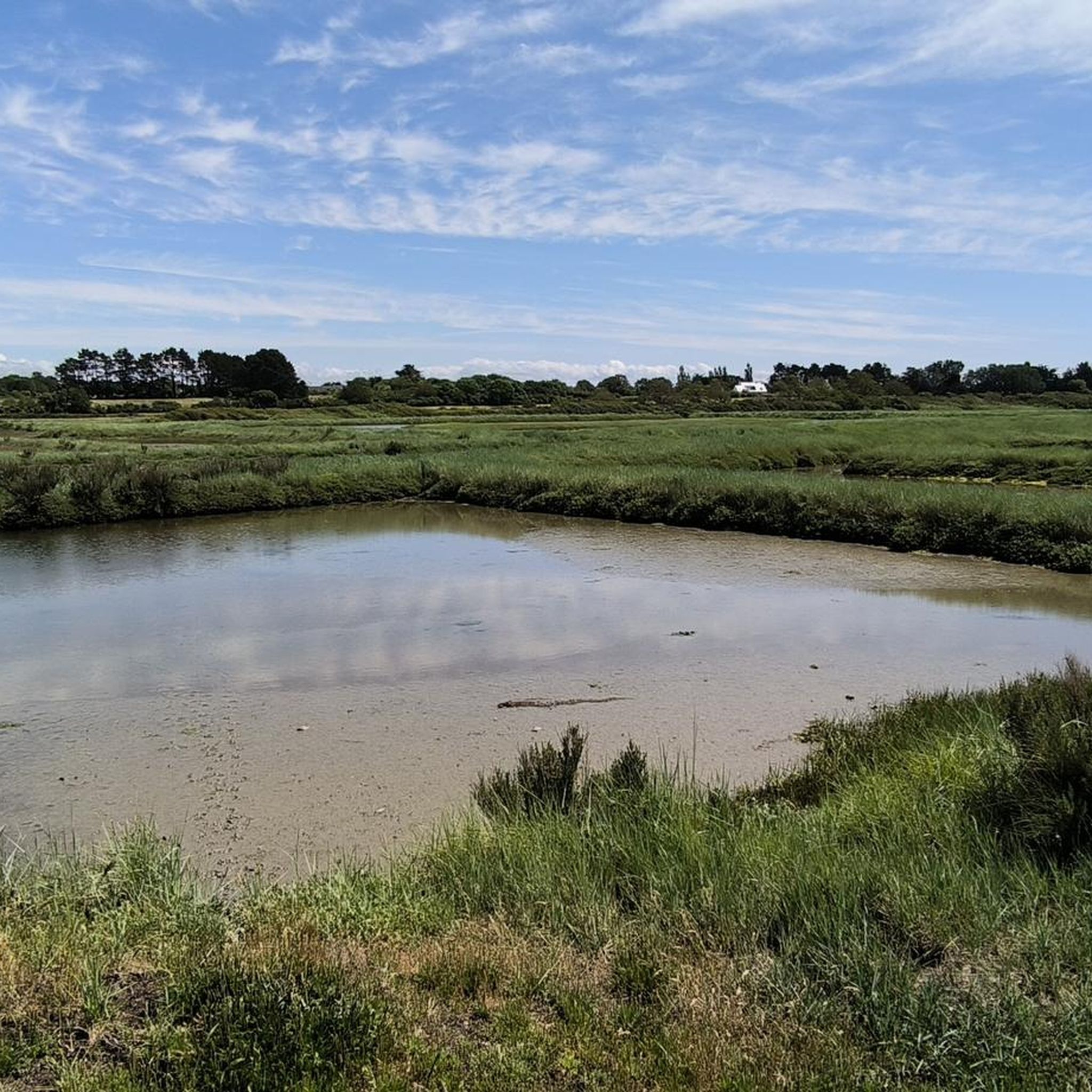
With a total surface area of 30 hectares, the marsh has been divided into three equal zones: an oyster farm, a quiet area for birds and a salt pan. In addition to their landscapes, the marshes bordering the Gulf of Morbihan are home to a wide diversity of birds.
2
0

Like the numerous marshes that embroider the interior of the Gulf of Morbihan, the Lasné marsh maintains a rich animal diversity. Every year, thousands of birds come to feed and nest in its waters. When walking, be discreet and equip yourself with a binocular to observe them.
0
0

The cove of Mancel includes an island, the island of Mancel. The villages of Mousterian and Montsarrac are located on either side of the cove. It is almost completely emerged at low tide and totally submerged during high tides. It is rich in eelgrass which attract waterfowl, such as geese, shelducks, swans and egrets. The sacred ibis is also common there since its accidental introduction into the gulf.
1
0
This immense expanse of water, 10 hectares and 2 to 3 meters deep, would probably be an old quarry from which the stones necessary for the construction of the first Gallo-Roman city were extracted, at the time when Vannes was still called Dariorithum. In addition, a legend is also attached to this body of water, that of a tragic story of a soldier in love with a mermaid. https://www.vannes-bretagne-sud.bzh/
1
0

This seemingly natural lake was actually built by monks in the 12th century and is great to run around in - thank you monks!
3
0
Frequently Asked Questions
What are the primary aquatic features to explore near Saint-Armel?
The region around Saint-Armel is primarily defined by the unique aquatic landscape of the Golfe du Morbihan, a large natural harbor with numerous islands and intricate tidal channels. Additionally, the Salt Marshes of Lasné are a significant ecological site. These areas are part of the Regional Natural Park and offer rich biodiversity.
Are there specific lakes or ponds suitable for family activities near Saint-Armel?
Yes, the Golfe du Morbihan itself offers many family-friendly activities, including boat trips and exploring its islands. For a more specific pond experience, Lasné Marsh is a protected natural area with guided tours that often cater to families, offering insights into salt production and local legends. The nearby Duke's Pond is also noted as family-friendly.
What kind of wildlife can I expect to see around the lakes and marshes?
The Golfe du Morbihan and the Salt Marshes of Lasné are prime locations for birdwatching, especially for migratory birds. You can spot species like barnacle geese, avocets, egrets, kingfishers, and white spoonbills. The Anse de Mancel is particularly rich in eelgrass, attracting waterfowl such as geese, shelducks, swans, and egrets. Binoculars are recommended for optimal observation.
Are there good hiking opportunities around the water bodies near Saint-Armel?
Absolutely. Coastal paths around the Golfe du Morbihan provide excellent opportunities for hiking. The Salt Marshes of Lasné also feature dikes ideal for walking and observing nature. For more structured routes, you can find various options in the Hiking around Saint-Armel guide, including trails like the 'Saint-Armel Salt Marsh and Passage Loop' and 'Fontaine du Clos du Mène – Lasné Marsh loop'.
What historical or cultural sites are associated with the lakes in this region?
The Salt Marshes of Lasné offer a unique glimpse into traditional salt production, with historical salt pans still in use. Guided tours provide insights into the salt worker's profession. The nearby Duke's Pond, despite its natural appearance, was actually built by monks in the 12th century and is believed to be an old quarry for Gallo-Roman city construction.
Can I go cycling near the lakes and coastal areas?
Yes, cycling is a popular activity. The Cycling around Saint-Armel guide offers routes like 'Le Café Armelois – View of the Gulf of Morbihan loop' and 'Port du Logéo – View of the Gulf of Morbihan loop'. The nearby Lac au Duc, though further afield, also features a greenway for cycling.
What is the best time to visit the lakes and marshes around Saint-Armel?
Spring is particularly rewarding, especially for birdwatching, as it's a key period for bird reproduction in the salt marshes. The mild weather of spring and early autumn also makes it ideal for hiking and cycling. Summer offers opportunities for water sports in the Golfe du Morbihan and Lac au Duc.
Are there any notable water bodies slightly further from Saint-Armel that are worth visiting?
Yes, the Étang de Pen Mur in Muzillac is a short distance away, known for fishing, wooded shores, and scenic hiking trails. Further inland, Lac au Duc, one of Brittany's largest inland lakes, offers extensive water sports and a unique 'Hydrangea Walk'. You can find more information about Étang de Pen Mur on Wikipedia.
What kind of water sports are available in the region?
The Golfe du Morbihan is excellent for exploring by boat, kayak, or stand-up paddle. While further from Saint-Armel, Lac au Duc is a significant regional hub for water sports, including sailing, windsurfing, kayaking, water-skiing, and wakeboarding.
Where can I find panoramic views of the Gulf of Morbihan?
The View of the Gulf of Morbihan highlight points to Île-aux-Moines as a perfect place to admire the national reserve with 360-degree perspectives. Exploring the island by bike is a delightful way to experience these views.
Are there any unique natural phenomena or features to observe?
The Golfe du Morbihan is characterized by its intricate network of saline marshes and tidal channels, which create a dynamic and ever-changing landscape. The Anse de Mancel, for instance, is almost completely emerged at low tide and totally submerged at high tide, showcasing the powerful tidal movements of the gulf.
What is the significance of the Lasné Marsh?
The Lasné Marsh is a protected natural area covering 10 hectares with 24 salt pans used for producing salt and fleur de sel. It's classified as a sensitive natural area due to its ecological importance, particularly for bird reproduction, and offers a unique insight into traditional salt production.
Most popular routes around Saint-Armel
Most popular attractions around Saint-Armel

Get inspired with the komoot mobile app


Explore more
Still not found your perfect lake around Saint-Armel? Check out the guides of these regions to see even more beautiful places.
