Top 5 Castles around Monoblet
Best castles around Monoblet are situated within the Cévennes region, characterized by its varied terrain and historical significance. The area offers a glimpse into medieval history, with several sites reflecting its past as a strategic location. These historical landmarks are often found along hiking trails, providing views of the surrounding natural landscape. The region's heritage includes fortified structures and ancient settlements.
Best castles around Monoblet
- The most popular castles is Saint-Roman-de-Codières Village and Medieval Tower, a historical site that…
Last updated: June 24, 2026
Saint-Roman-de-Codières Village and Medieval Tower
Highlight • Historical Site
Translated by Google •
Tip by

Saint-Bonnet-de-Salendrinque
Highlight • Settlement
It …
Translated by Google •
Tip by
Sign up now to discover places like this
Get recommendations on the best single tracks, peaks, & plenty of other exciting outdoor places.
Sign up for free
Château de Tornac
Highlight • Castle
Translated by Google •
Tip by

Roquevaire Castle
Highlight • Castle
The old castle of Roquevaire, seems over time, to be restored.
Well maintained place.
Castle, garden, chapel, a beauty in the middle of nature :)
Translated by Google •
Tip by

Château de Saint-Hippolyte-le-Vieux (Ruins)
Highlight • Castle
A 12th century castle which has several names: - Le Castellas / The old castle / Roquefourcade / The castle of Saint-Hippolyte-le-Vieux.
Translated by Google •
Tip by

Start today with a free account
Your next adventure awaits.
Login or Signup

Tips from the Community

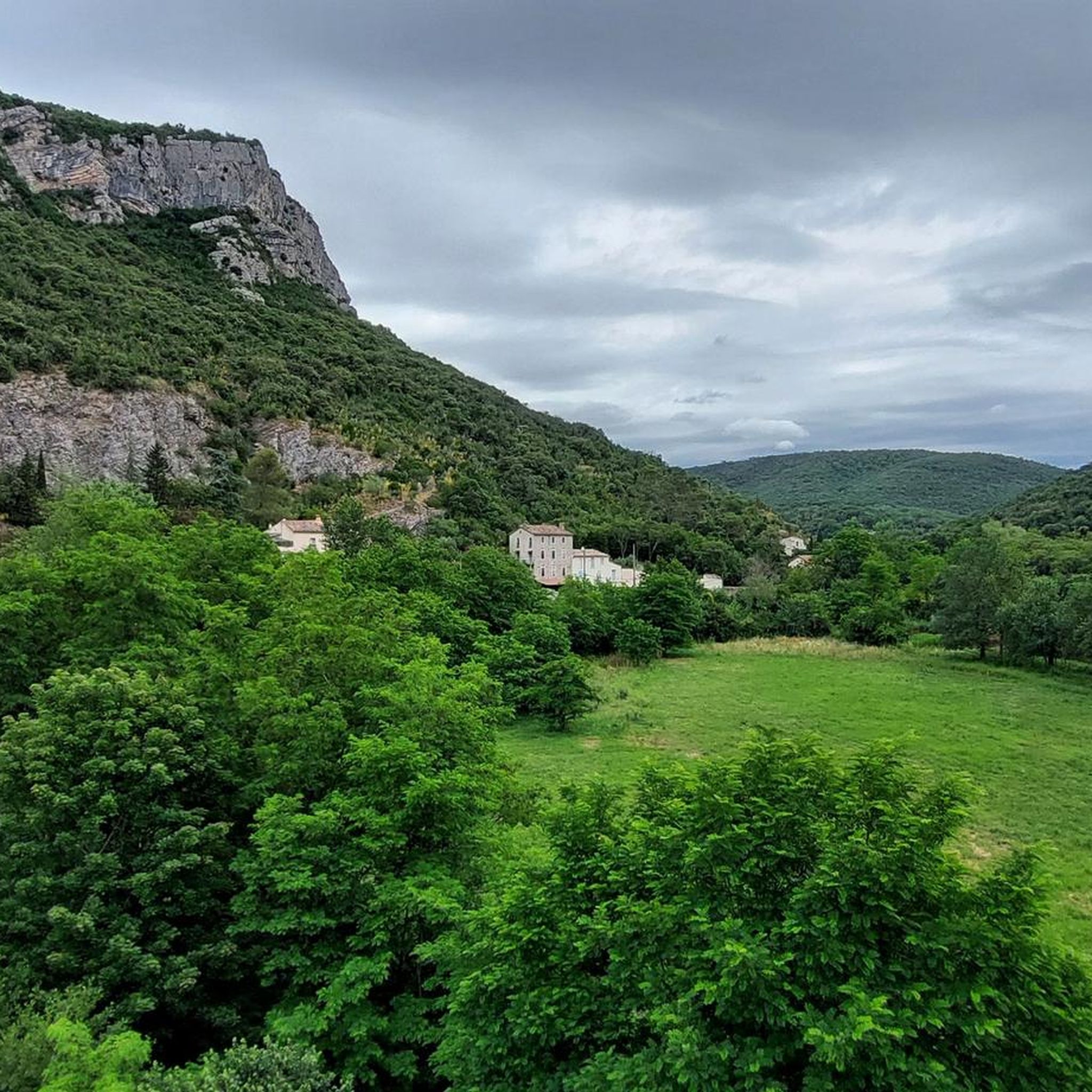
Pretty little village in the Cevennes.
0
0

Private domain! The old castle of Roquevaire, seems over time, to be restored. Well maintained place. Castle, garden, chapel, a beauty in the middle of nature :)
0
0

A very nice place with a great view! A 12th century castle which has several names: - Le Castellas / The old castle / Roquefourcade / The castle of Saint-Hippolyte-le-Vieux.
0
0

Very close to Anduze, the castle of Tornac is a 12th century castle perched on a rocky outcrop and which offers a magnificent view of the Gardon d'Anduze.
0
0
Very close to Anduze, the castle of Tornac is a 12th century castle perched on a rocky outcrop and which offers a magnificent view of the Gardon d'Anduze.
1
0
The castle of Roquevaire, of which only ruins remain, is relatively recent contrary to what one might think, since it was built in the 17th century (on a site already occupied).
0
1

This village has a listed monument: the castle of Castellas. Its origin goes back a long way because it is located on the site of an ancient Roman oppidum. It was from the year 864 that a Carolingian fortress was erected, which the locals called Castellas in the Occitan language. This castle has been registered as a historical monument since December 26, 1980. It cannot be visited because it is a private residence.
1
0
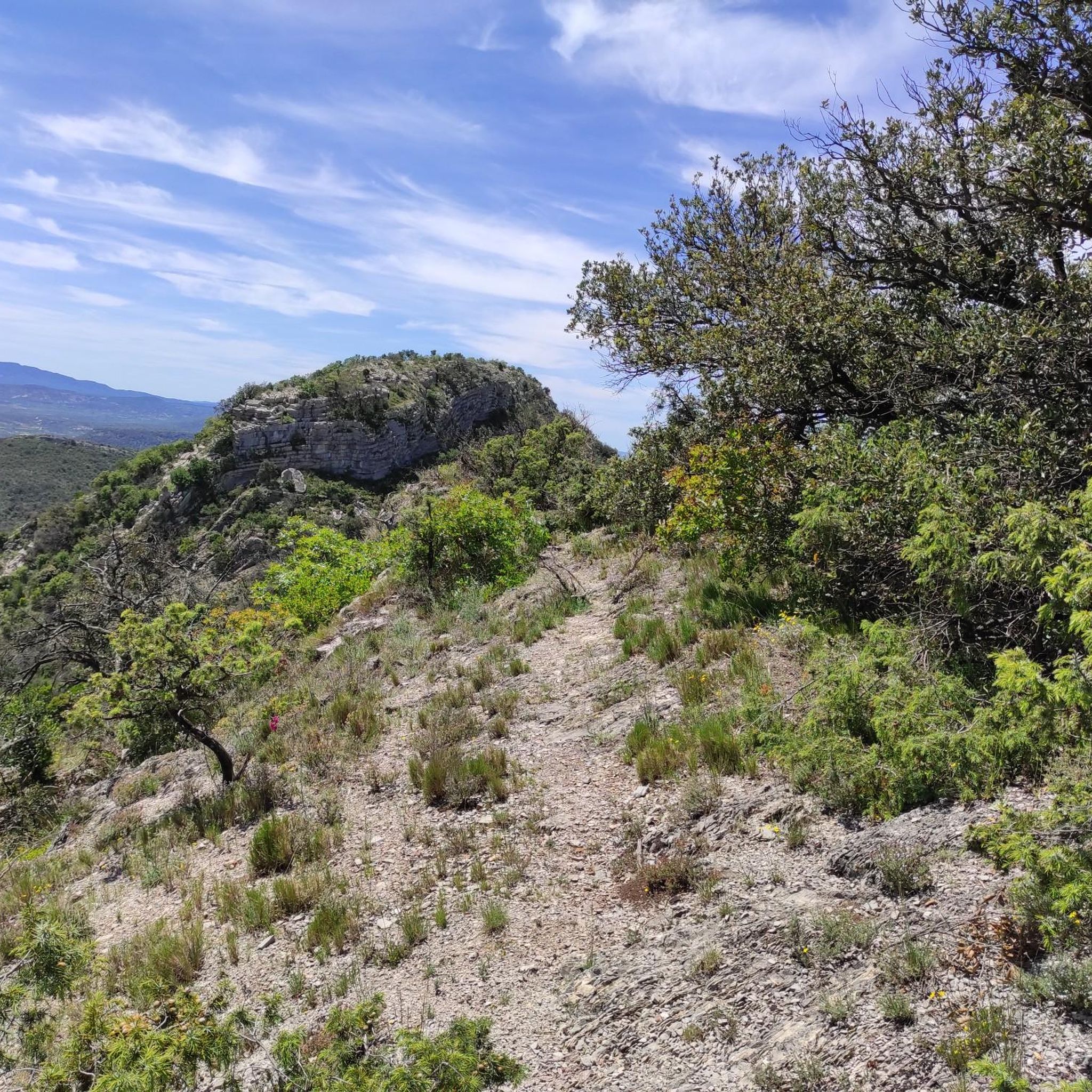
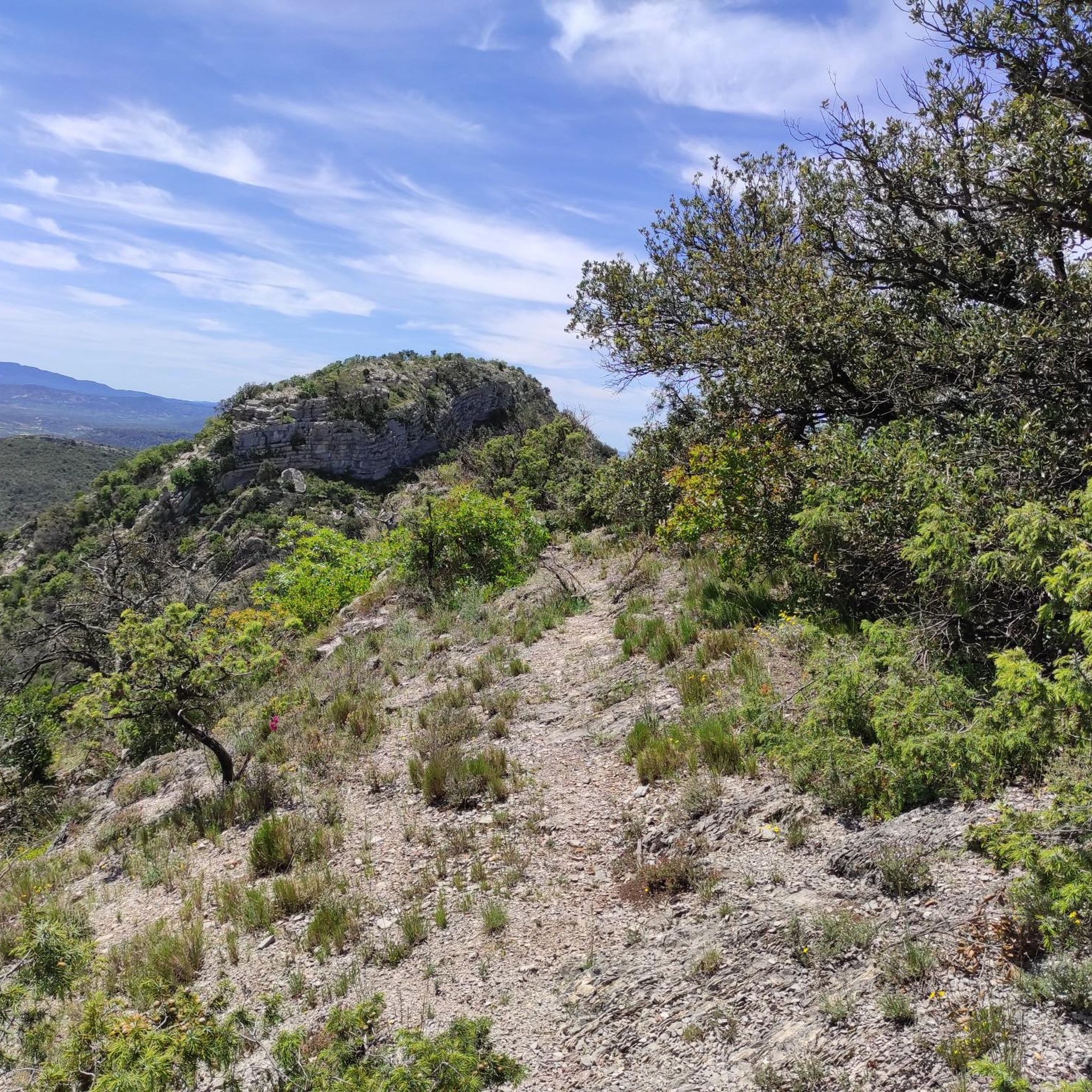
The historical heritage of this village is very old. Testimony of the Neolithic, of the seven menhirs identified in the town, five are still erected. This town is located on the Saint-Roman pass, which gives it strategic importance. The name of the village comes from a military camp built by the Romans in the 1st century AD. The camp was then called Romanus de Codeyra. Aware of the strategic location of the Col de Saint-Roman, a castle was built in the Middle Ages instead of the Roman oppidum and the tower built by the Saracens.
2
0
Frequently Asked Questions
What historical significance do the castles around Monoblet hold?
The castles in the Monoblet area, such as the Saint-Roman-de-Codières Village and Medieval Tower and the Saint-Bonnet-de-Salendrinque, often stand on sites of ancient Roman oppida, indicating their strategic importance through various historical periods. The region's history includes Frankish settlements, medieval fortifications by families like the Bermond d'Anduze, and roles in conflicts such as the Albigensian Crusade and the War of the Camisards, offering a deep dive into the Cévennes' past.
Are there any ruined castles worth visiting near Monoblet?
Yes, the Château de Saint-Hippolyte-le-Vieux (Ruins), also known as Le Castellas or Roquefourcade, is a 12th-century castle ruin offering a great view. Additionally, the Château de Fressac, though now in ruins, is a significant historical monument visible from Monoblet, with its keep and perimeter walls still standing. You can find more information about its history on Wikipedia.
What kind of views can I expect from these castle sites?
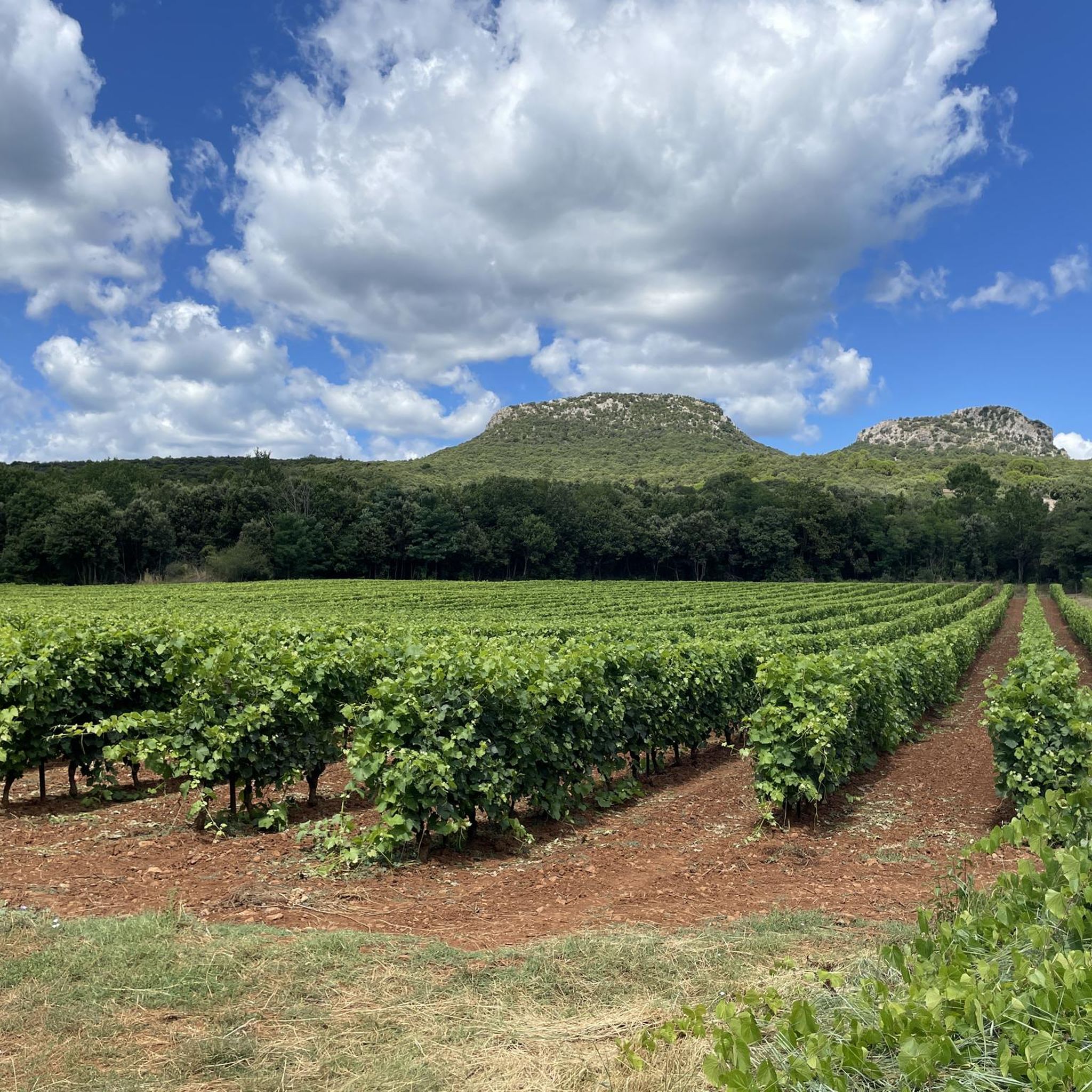
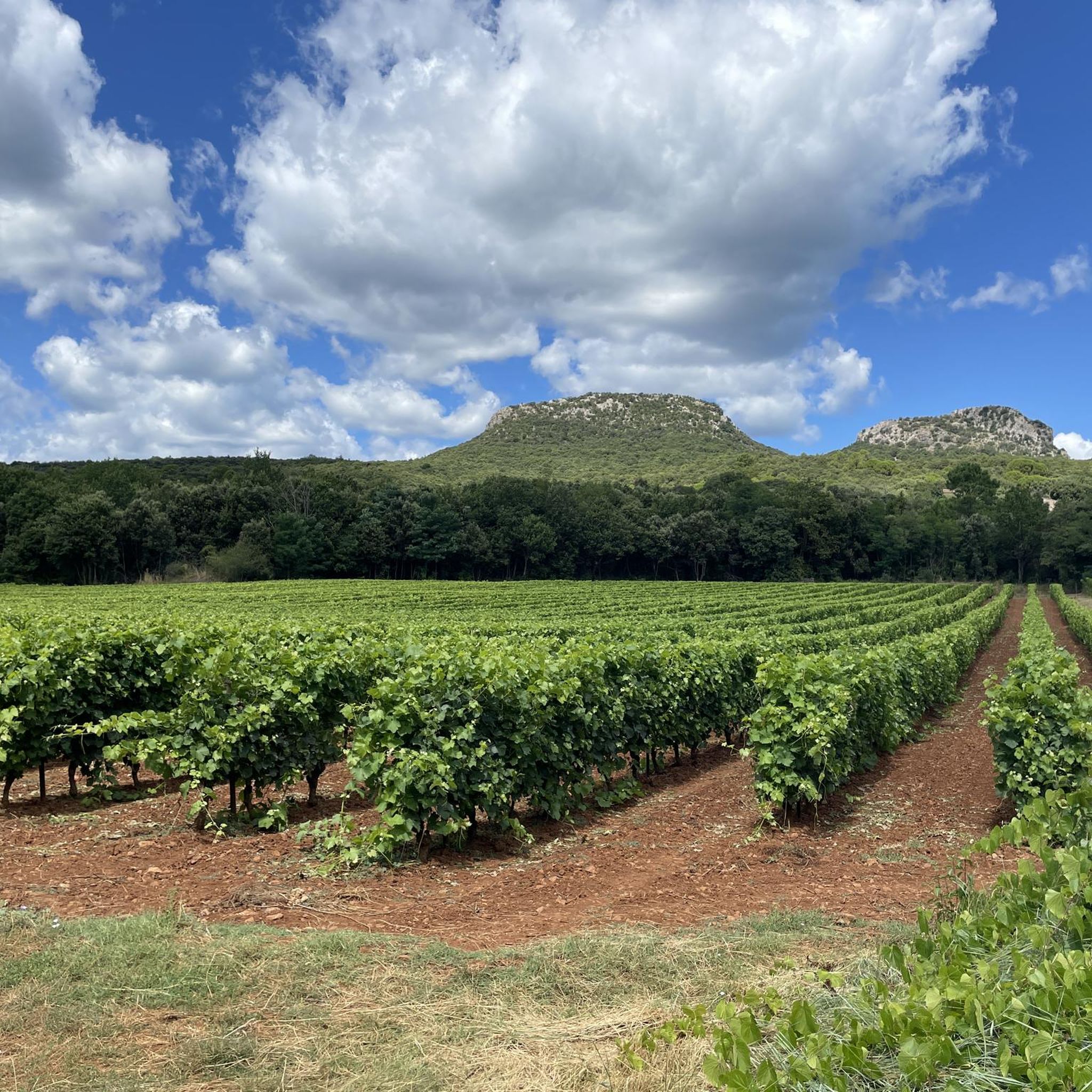
Many castle sites around Monoblet offer panoramic views of the surrounding natural landscape. For instance, Château de Tornac, perched on a rocky outcrop, provides a magnificent view of the Gardon d'Anduze. The hike to the Château de Fressac also offers stunning vistas of the Cévennes, including the 'Jumelles de Monoblet' mountains.
Are there hiking trails that include castles around Monoblet?
Yes, several castles are integrated into hiking experiences. The ruins of Château de Fressac are accessible via a hiking trail starting from the Fressac cemetery. Many of the historical sites, like the Saint-Roman-de-Codières Village and Medieval Tower, are found along trails, allowing you to combine historical exploration with outdoor activity. You can explore various hiking routes in the region on komoot.
What is the difficulty level of hiking trails near the castles?
The hiking trails in the Monoblet area, particularly those leading to castle sites, can vary in difficulty. Many are rated as 'intermediate' due to the varied terrain of the Cévennes. For example, the path to Château de Fressac involves an ascent to an altitude of 349 meters, offering a good workout with rewarding views.
Are the castles around Monoblet suitable for families?
While specific family-friendly amenities are not always present at historical ruins, the adventure of exploring ancient sites and the surrounding natural beauty can be enjoyable for families. The hikes to these castles offer an opportunity for outdoor activity and a tangible link to history, which can be engaging for children. Always check the specific highlight details for any tips on accessibility or suitability.
Can I visit the castles with my dog?
Many outdoor trails in the Cévennes region are dog-friendly, making it possible to bring your dog on hikes to castle ruins like Château de Fressac. However, for specific castle interiors or private residences like the castle of Castellas at Saint-Bonnet-de-Salendrinque, it's best to confirm any restrictions beforehand. Generally, exploring the exterior grounds and surrounding trails with a leashed dog is acceptable.
What are the parking options when visiting castles in the Monoblet area?
Parking availability can vary by location. For sites like Château de Fressac, you would typically find parking near the starting point of the hiking trail, such as the Fressac cemetery. For other village-based historical sites, parking might be available within the village itself. It is advisable to check local signage upon arrival.
Is there public transport available to reach the castles?
Public transport options directly to remote castle sites around Monoblet are generally limited. The region is best explored by car, especially for reaching trailheads to more secluded ruins. Some villages may have bus connections, but these often require further walking or local transport to reach the specific castle locations.
When is the best time of year to visit the castles around Monoblet?
The Cévennes region, where Monoblet is located, is pleasant for visiting castles and hiking during spring (April-June) and autumn (September-October). During these seasons, the weather is typically mild, and the natural scenery is vibrant, making outdoor exploration more comfortable than in the hotter summer months or colder winter.
What outdoor activities can I do near these castles?
Beyond exploring the castles themselves, the Monoblet area offers a variety of outdoor activities. You can find numerous cycling routes, including Cycling around Monoblet, Gravel biking around Monoblet, and Road Cycling Routes around Monoblet. These routes often pass through scenic landscapes, allowing you to combine castle visits with biking adventures.
Are there any cafes or accommodation options near the castles?
While direct amenities at castle ruins are rare, you can find cafes, pubs, and accommodation in nearby villages such as Monoblet itself, or larger towns like Saint-Hippolyte-du-Fort or Anduze. For example, the Saint-Roman-de-Codières Village and Medieval Tower has a nice café with a lovely terrace and a great view.
Most popular routes around Monoblet
Most popular attractions around Monoblet

Get inspired with the komoot mobile app


Explore more
Looking for the best castles somewhere else? Discover other guides around Monoblet:
