Top 9 Castles around Maur
Best castles around Maur are situated in a region characterized by its scenic lakes, such as Pfäffikersee and Greifensee, and distant views of the Alps. The area offers a blend of historical sites and natural landscapes, providing opportunities for exploration and cultural insight. Visitors can discover remnants of Roman forts and medieval castles, many of which offer panoramic views of the surrounding countryside. This region provides a diverse historical experience within a picturesque setting.
Best castles around Maur
- The most…
Last updated: June 24, 2026
Irgenhausen Roman Fort
Highlight • Historical Site
Translated by Google •
Tip by

Historic village of Greifensee
Highlight • Settlement
Translated by Google •
Tip by

Sign up now to discover places like this
Get recommendations on the best single tracks, peaks, & plenty of other exciting outdoor places.
Sign up for free
Friedberg Ruins
Highlight • Castle
Translated by Google •
Tip by
Uster Castle
Highlight • Castle
Translated by Google •
Tip by

Moosburg Castle Ruins
Highlight • Castle
Unfortunately, the untidy village youth seem to like …
Translated by Google •
Tip by

Sign up for free to discover even more castles around Maur.
Sign up for free
Already have an account?
Start today with a free account
Your next adventure awaits.
Login or Signup
Tips from the Community


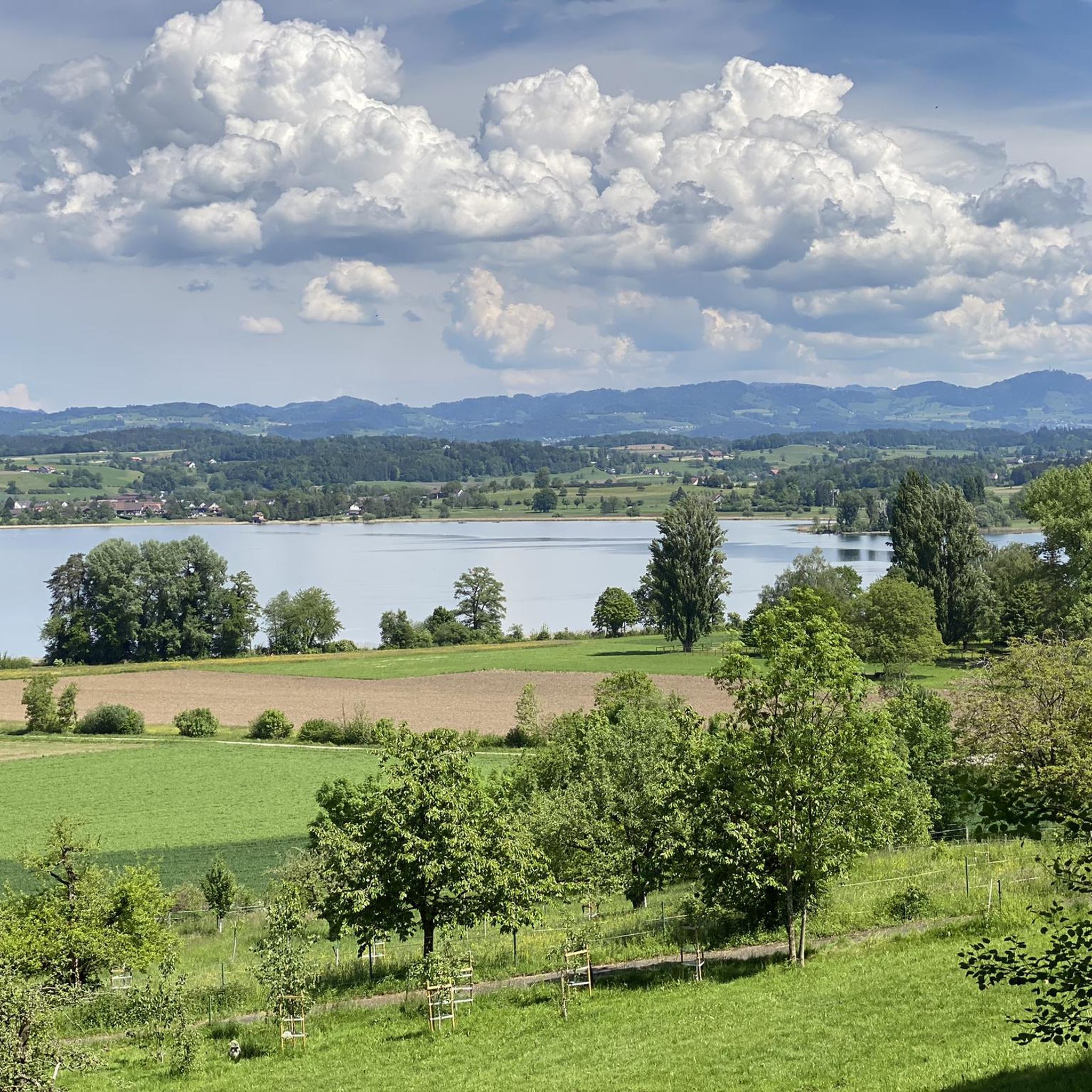
Very nice hiking trail directly at Lake Greifensee.
2
0

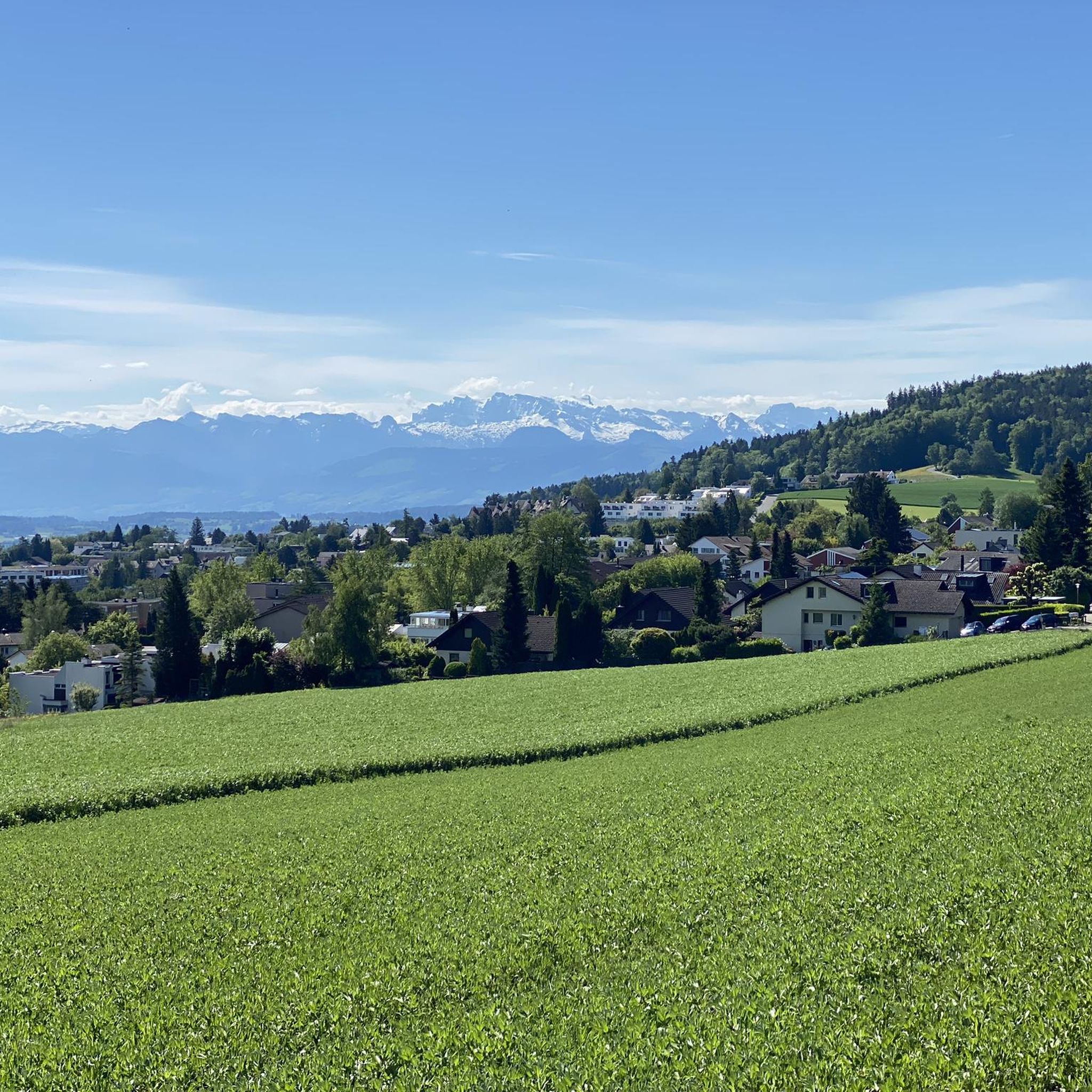
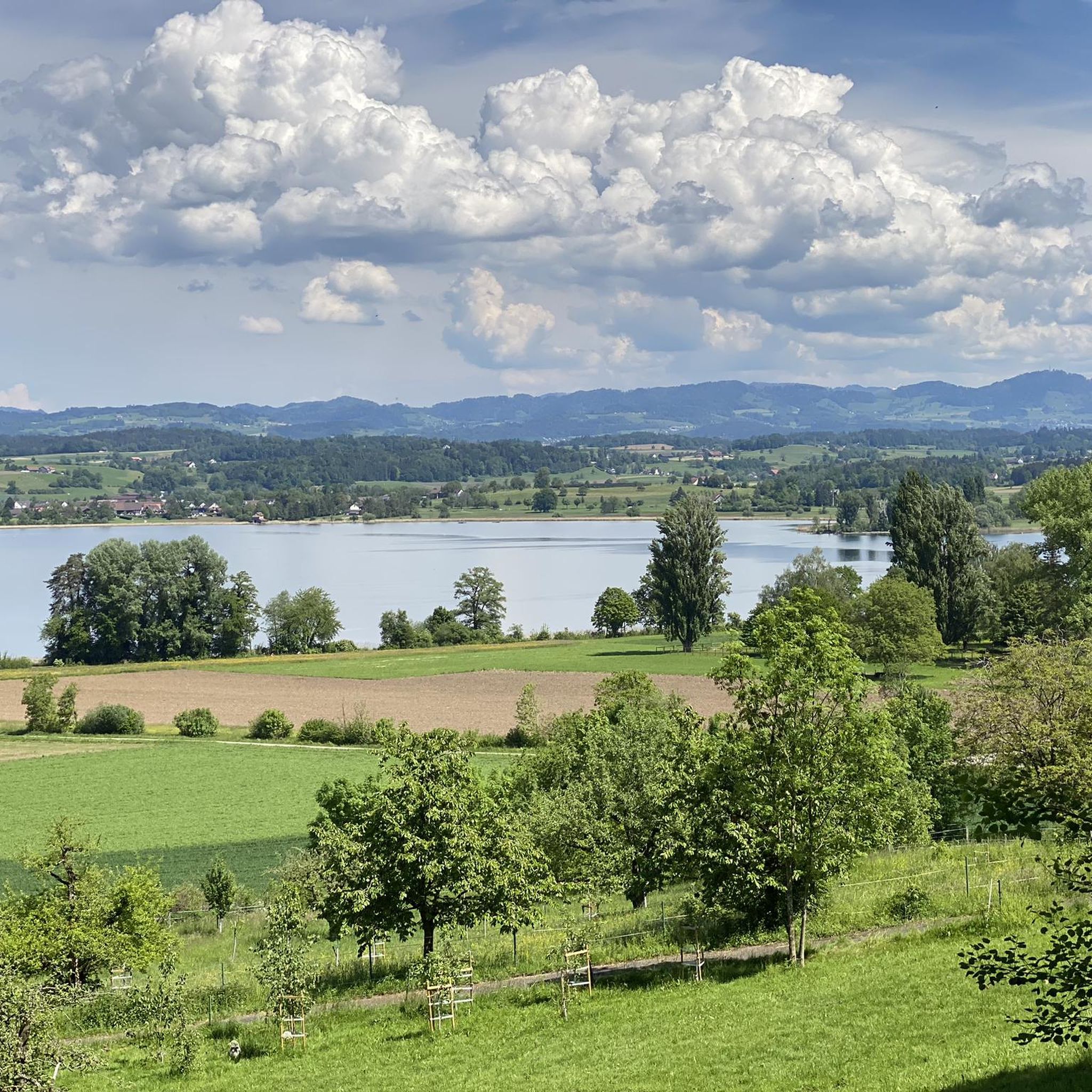
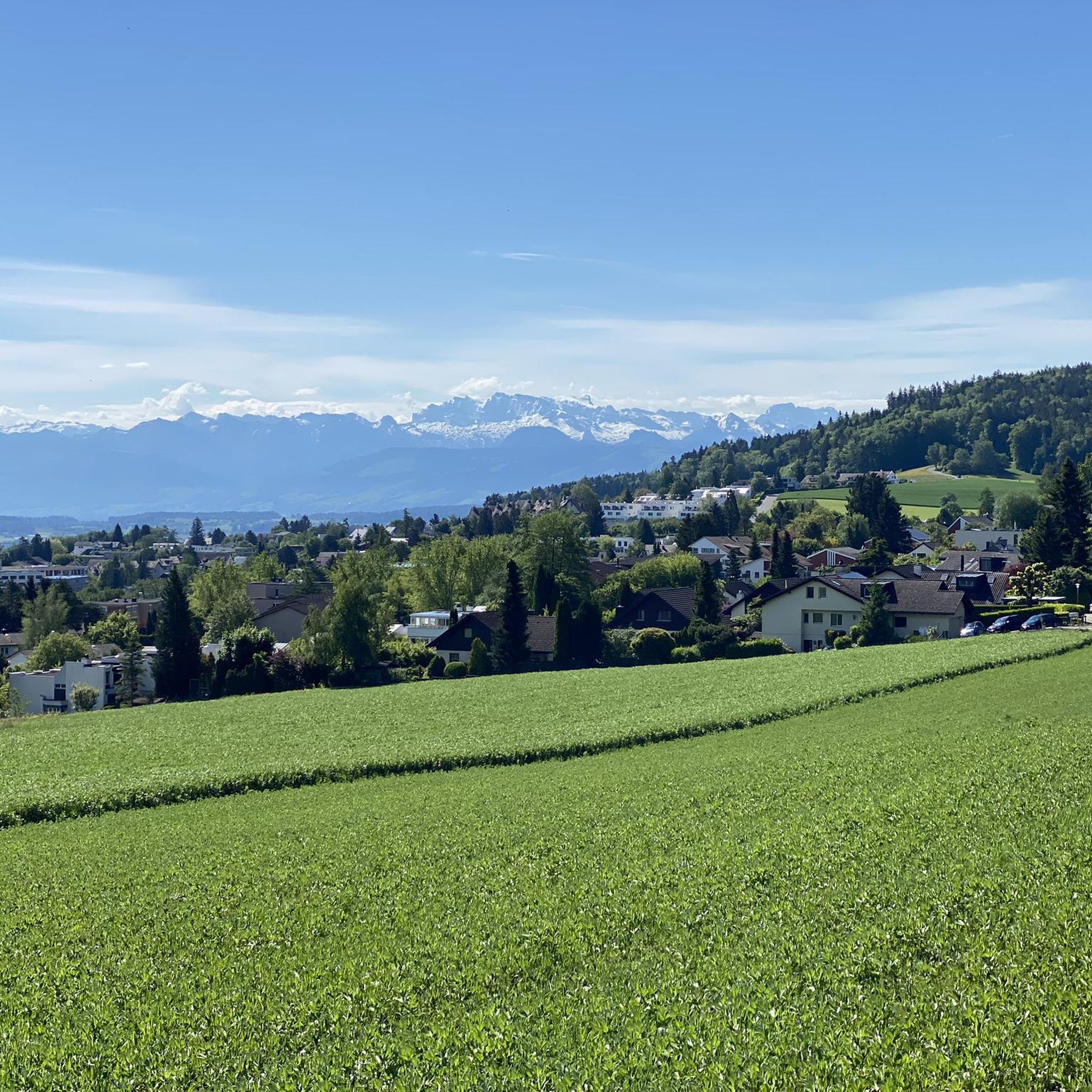
Beautiful viewpoint with a view of Lake Greifensee and the mountains
2
0


Variety! You have to drive around too many places and keep getting away from the lake.
1
1

A pretty village right on the lake. The only village that is directly on the lake. The passage is not obstructed.
3
0

In the restaurant up in front of the castle in the garden, relax briefly before, during or after the bike tour and enjoy the view
0
0
Frequently Asked Questions
Are there family-friendly castles to visit around Maur?
Yes, several castles around Maur are suitable for families. Irgenhausen Roman Fort offers open spaces, a fireplace, and shade for picnics. The Friedberg Ruins have information boards that make history engaging for all ages. Additionally, the Historic Village of Greifensee is an idyllic spot with nature for walking and cycling, and dining facilities.
What kind of historical sites can I expect to see near Maur's castles?
The region around Maur offers a diverse range of historical sites. You can explore remnants of Roman forts, such as the Irgenhausen Roman Fort, which dates back to the 3rd or 4th century. There are also medieval castle ruins like the Friedberg Ruins, built around 1200, and preserved historical villages like the Historic Village of Greifensee.
Can I find viewpoints with scenic views at the castles around Maur?
Many castles and historical sites in the Maur region offer excellent viewpoints. The Irgenhausen Roman Fort provides beautiful views of the Pfäffikersee and the surrounding area, including distant Alps. Uster Castle is known for its scenic outlooks over Lake Greifensee and the mountains. The Historic Village of Greifensee also offers picturesque lake views.
What outdoor activities are available near the castles in Maur?
The area around Maur's castles is rich in outdoor activities, especially around the scenic lakes Pfäffikersee and Greifensee. You can find numerous routes for running, hiking, and gravel biking. For detailed routes, explore the Running Trails around Maur, Hiking around Maur, and Gravel biking around Maur guides.
Are there hiking trails near the castles around Maur?
Yes, there are many hiking opportunities near the castles in Maur. For example, the Irgenhausen Roman Fort is situated on a small hill above Pfäffikersee, making it a great stop on a longer hike. The Historic Village of Greifensee is also surrounded by nature, ideal for walks. You can find various routes in the Hiking around Maur guide.
What is the best time of year to visit the castles around Maur?
The Maur region, with its lakes and historical sites, is pleasant to visit during spring, summer, and early autumn. These seasons offer mild weather ideal for exploring outdoor ruins and enjoying the scenic views. During summer, Uster Castle is open on Sundays for a few hours, allowing access to its tower.
Are there cafes or dining options near the castles?
Yes, some castle locations offer nearby dining options. The Historic Village of Greifensee, for instance, has facilities for dining, including restaurants like 'rest. To the crown' mentioned by visitors. For other sites, it's advisable to check local amenities in the nearest towns.
What do visitors enjoy most about the castles around Maur?
Visitors particularly appreciate the blend of historical insight and natural beauty. Many enjoy the panoramic views, especially from sites like Irgenhausen Roman Fort and Uster Castle. The well-prepared historical information boards at places like Friedberg Ruins are also highly valued for providing context to the ancient structures.
Is the Swiss National Museum in Zurich considered a castle in the region?
The Swiss National Museum in Zurich is a significant historical site built in a castle-like architectural style. While not a traditional medieval castle ruin, its design by Gustav Gull in 1898 evokes a 'medieval castle complex' and houses extensive cultural history collections, making it a notable 'castle' experience in the broader region.
What should I wear when visiting castles around Maur?
Given that many sites are ruins or involve outdoor exploration, comfortable walking shoes are highly recommended. Layers of clothing are also advisable, especially if visiting viewpoints, as weather conditions can change. If you plan to use the fireplaces at sites like Irgenhausen Roman Fort, consider appropriate attire for outdoor activities.
Are there any circular walks around the castles?
Yes, the region around Maur offers various circular walks that can incorporate castle visits. The natural landscapes around the lakes, such as Greifensee, are popular for such routes. You can find specific circular routes for hiking and running in the Hiking around Maur and Running Trails around Maur guides, many of which pass by or near historical points of interest.
Most popular attractions around Maur

Get inspired with the komoot mobile app


Explore more
Looking for the best castles somewhere else? Discover other guides around Maur:
