Top 3 Castles around Saintes-Maries-De-La-Mer
Best castles around Saintes-Maries-De-La-Mer are found in the broader Camargue region, a coastal area known for its unique natural landscape and historical fortifications. While Saintes-Maries-De-La-Mer itself features the notable fortified church Église Notre-Dame-de-la-Mer, other significant historical sites are located nearby. This area served as a strategic point for defense and trade, with structures built to protect against invasions. The landscape is characterized by its proximity to the Mediterranean Sea and the vast Camargue plains.
Best castles around Saintes-Maries-De-La-Mer
- The most…
Last updated: July 7, 2026
Tower of Constance
Highlight • Historical Site
Translated by Google •
Tip by

Towers and ramparts of Aigues-Mortes
Highlight • Castle
Translated by Google •
Tip by

Sign up now to discover places like this
Get recommendations on the best single tracks, peaks, & plenty of other exciting outdoor places.
Sign up for free
Château d'Espeyran
Highlight • Castle
Translated by Google •
Tip by

Start today with a free account
Your next adventure awaits.
Login or Signup
Popular around Saintes-Maries-De-La-Mer
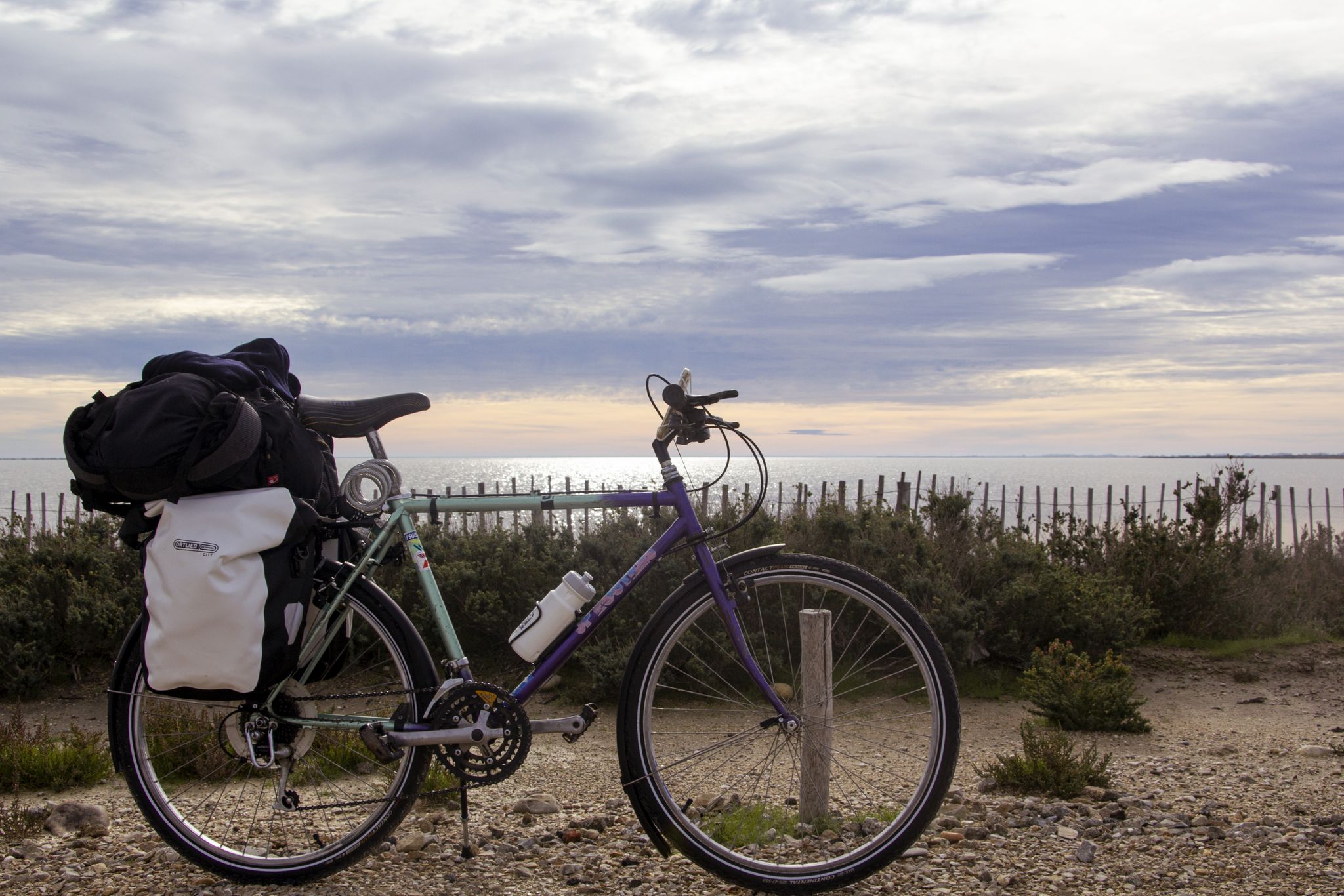
From Marseille to Montpellier — France's south coast by bike

Europe’s Seasonal Birding Hotspots

Provence to the Camargue – a journey along the Mediterranean borders
Cycling around Saintes-Maries-De-La-Mer
Hiking around Saintes-Maries-De-La-Mer
MTB Trails around Saintes-Maries-De-La-Mer
Running Trails around Saintes-Maries-De-La-Mer
Road Cycling Routes around Saintes-Maries-De-La-Mer

Gravel biking around Saintes-Maries-De-La-Mer
Other adventures around Saintes-Maries-De-La-Mer


Tips from the Community


A beautiful, old fortified town with nice restaurants and shops. For a small fee, you can take a walk along the city walls. Parking for cars is sometimes quite expensive – bicycles can be parked for free right at the entrance (and locked up).
1
0
Beautiful old town with its mighty walls.
0
0

This castle is located on the Espeyran estate. Today it is made up of a park, an archaeological reserve as well as a national microfilm and digitization center. It is possible to visit it during Heritage Days.
1
0


Started in Grau du Rou. Definitely do not follow this route completely. The beginning is beautiful. Aigues Mort is beautiful. But you shouldn't go much further than there. There will be a life-threatening section along a canal (10-15 km long). The French thought we were crazy for having been there. However, nothing was indicated on the part of Aigues Mort. Only about 5 km from the end did we discover this sign about the stray bulls when we closed the gate behind us.
2
1

The hustle and bustle of tourists is limited to two squares and part of it in a few side streets. The much larger part within the fortress was hardly frequented.
2
0

come early in the morning - before the other tourists!
2
1
Frequently Asked Questions
What types of fortifications can I visit around Saintes-Maries-de-la-Mer?
While Saintes-Maries-de-la-Mer itself features the unique Église Notre-Dame-de-la-Mer, a fortified church, the broader region offers a variety of defensive structures. These include the impressive medieval ramparts of Aigues-Mortes and historical châteaux like Château d'Espeyran.
What is the main fortified structure in Saintes-Maries-de-la-Mer itself?
The most significant fortified structure directly in Saintes-Maries-de-la-Mer is the Église Notre-Dame-de-la-Mer. This Romanesque church, dating back to the 9th century, was fortified around the 14th century to protect against invasions and pirates, featuring imposing stone walls and a rooftop with battlements.
What historical sites are near Saintes-Maries-de-la-Mer?
Beyond the fortified church in town, you can visit the magnificently preserved medieval town of Aigues-Mortes, home to the Towers and ramparts of Aigues-Mortes and the historic Tower of Constance. These sites offer deep insights into the region's past as a strategic port.
Are there any family-friendly castles or historical sites in the area?
Yes, both the Tower of Constance and Château d'Espeyran are noted as family-friendly. Exploring the ramparts of Aigues-Mortes can also be an engaging experience for families.
What kind of views can I expect from these fortifications?
From the rooftop terrace of the Église Notre-Dame-de-la-Mer, you get breathtaking 360-degree panoramic views of Saintes-Maries-de-la-Mer, the vast Camargue landscape, and the Mediterranean Sea. Walking along the Towers and ramparts of Aigues-Mortes also provides extensive views of the medieval town and surrounding salt marshes.
What is the historical significance of the fortifications in the Camargue region?
The fortifications in the Camargue, such as the Église Notre-Dame-de-la-Mer and the ramparts of Aigues-Mortes, highlight the region's turbulent history. They served crucial defensive purposes against invasions and pirates, and Aigues-Mortes was notably the port from which Saint Louis launched the Seventh Crusade.
What outdoor activities can I do near these castles?
The Camargue region offers various outdoor activities. You can find numerous hiking trails, road cycling routes, and MTB trails that allow you to explore the unique natural landscape, often passing by or near these historical sites.
Is there a 'hidden gem' castle or historical site worth visiting?
The Château d'Espeyran, located on the Espeyran estate, could be considered a hidden gem. It includes a park and an archaeological reserve, and is typically open for visits during European Heritage Days, offering a different historical experience away from the more prominent sites.
What is the best time to visit the castles and fortifications in the Camargue?
The Camargue region experiences a Mediterranean climate. Spring and autumn generally offer pleasant weather for exploring, with milder temperatures and fewer crowds. Summer can be hot, but the coastal breeze can make it bearable, especially for sites with panoramic views.
Are the castles and historical sites accessible by public transport from Saintes-Maries-de-la-Mer?
While direct public transport options to all sites might be limited, local bus services connect Saintes-Maries-de-la-Mer to larger towns like Aigues-Mortes. It's advisable to check local schedules in advance or consider driving for more flexibility to reach sites like Château d'Espeyran.
Can I find cafes or restaurants near these historical sites?
Yes, Saintes-Maries-de-la-Mer has various cafes and restaurants, especially near the Église Notre-Dame-de-la-Mer. The fortified town of Aigues-Mortes, with its bustling streets within the ramparts, also offers numerous dining options.
What do visitors enjoy most about the fortifications in this region?
Visitors particularly appreciate the unique blend of religious and military architecture, especially at the Église Notre-Dame-de-la-Mer. The opportunity to walk along the impressive ramparts of Aigues-Mortes and experience the historical atmosphere of these well-preserved sites is also highly valued.
Most popular routes around Saintes-Maries-De-La-Mer
Most popular attractions around Saintes-Maries-De-La-Mer

Get inspired with the komoot mobile app


Explore more
Looking for the best castles somewhere else? Discover other guides around Saintes-Maries-De-La-Mer:
