Top 6 Castles around Cœuvres-Et-Valsery
Best castles around Cœuvres-Et-Valsery are found in a region steeped in history, often situated overlooking the Aisne valley. This area presents a landscape where historical sites integrate with natural surroundings, providing opportunities for discovery. The castles here showcase centuries of architectural development, ranging from medieval fortresses to stately residences. Visitors can explore structures that narrate tales of past eras and notable historical figures.
Best castles around Cœuvres-Et-Valsery
- The most popular castles is Vic-sur-Aisne Castle, a castle that evolved from…
Last updated: July 7, 2026
Vic-sur-Aisne Castle
Highlight • Castle
Translated by Google •
Tip by

From November 1, 2023, the site will host the Cité internationale de la langue française.
Translated by Google •
Tip by

Sign up now to discover places like this
Get recommendations on the best single tracks, peaks, & plenty of other exciting outdoor places.
Sign up for free
Pernant Castle — 700 years
Highlight • Historical Site
Translated by Google •
Tip by

Château de Gabrielle d'Estrées
Highlight • Castle
Translated by Google •
Tip by
Château de Noue
Highlight • Castle
Translated by Google •
Tip by
Sign up for free to discover even more castles around Cœuvres-Et-Valsery.
Sign up for free
Already have an account?
Start today with a free account
Your next adventure awaits.
Login or Signup


Tips from the Community


Bakery, bar, tobacconist... Perfect for starting and finishing a hike
0
0
Ideal for starting a hike
1
0

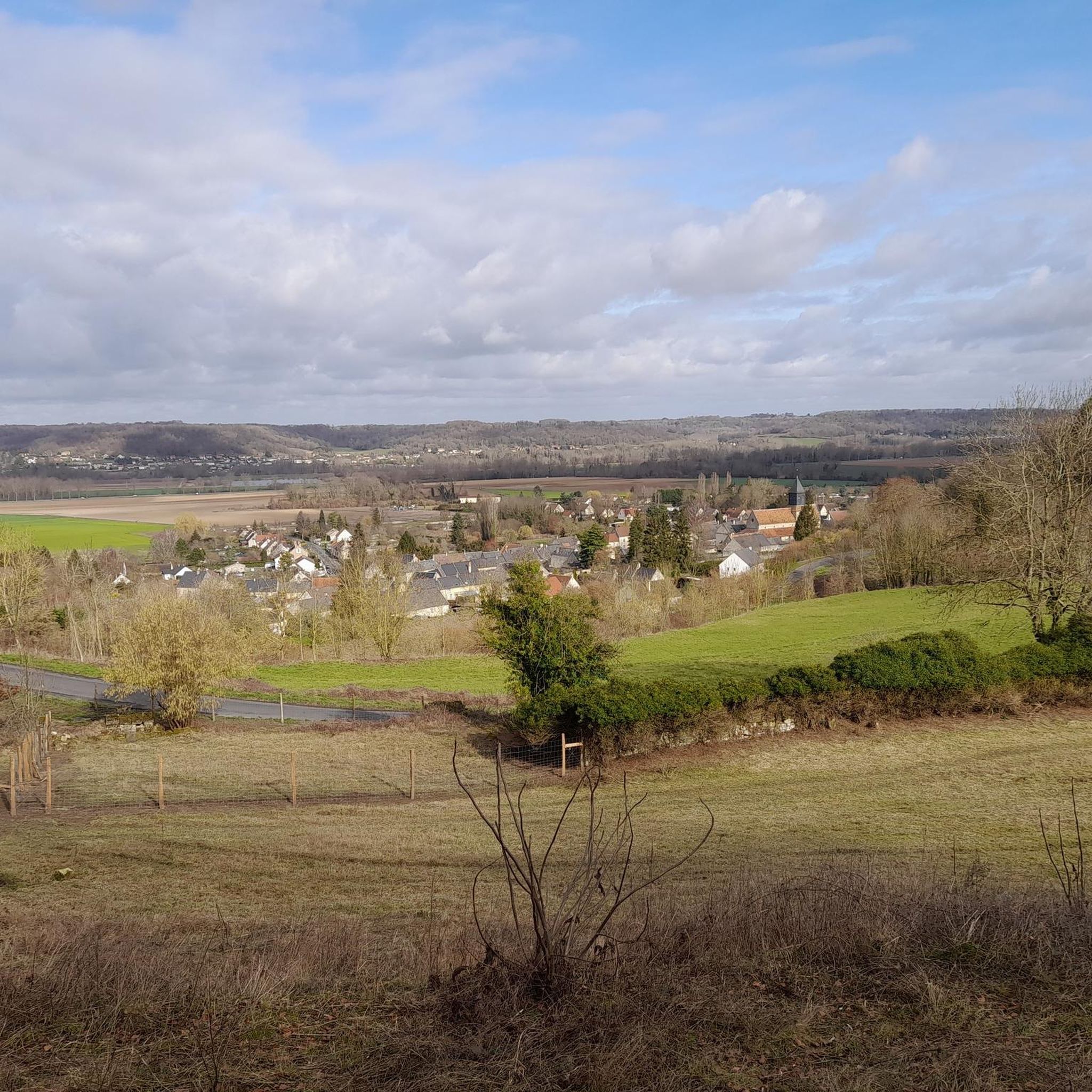
In the heart of the village of Vic-sur-Aisne, surrounded by a leafy park and overlooking the Aisne valley, lies the imposing Château de Vic-sur-Aisne. What today appears to be an elegant country house, bears in its walls the traces of a turbulent past. Originally built on the foundations of a medieval castrum, the estate grew in the 17th century into a stately castle, with symmetrical facades, round towers and an impressive thirteen-metre high keep — a remnant from the 13th century. The architecture reflects the transition from defensive structure to residential comfort: robust, but refined. The gardens, partly in French style with straight lines and box hedges, partly in English landscape style with winding paths and romantic corners, invite you to stroll and contemplate.
8
0
Superb renovation of the castle, the room where the tennis court was held is magnificent with this dome of words
0
0

The Château de Villers-Cotterêts was built in the 16th century by François I. From November 1, 2023, the site will host the Cité internationale de la langue française.
1
0
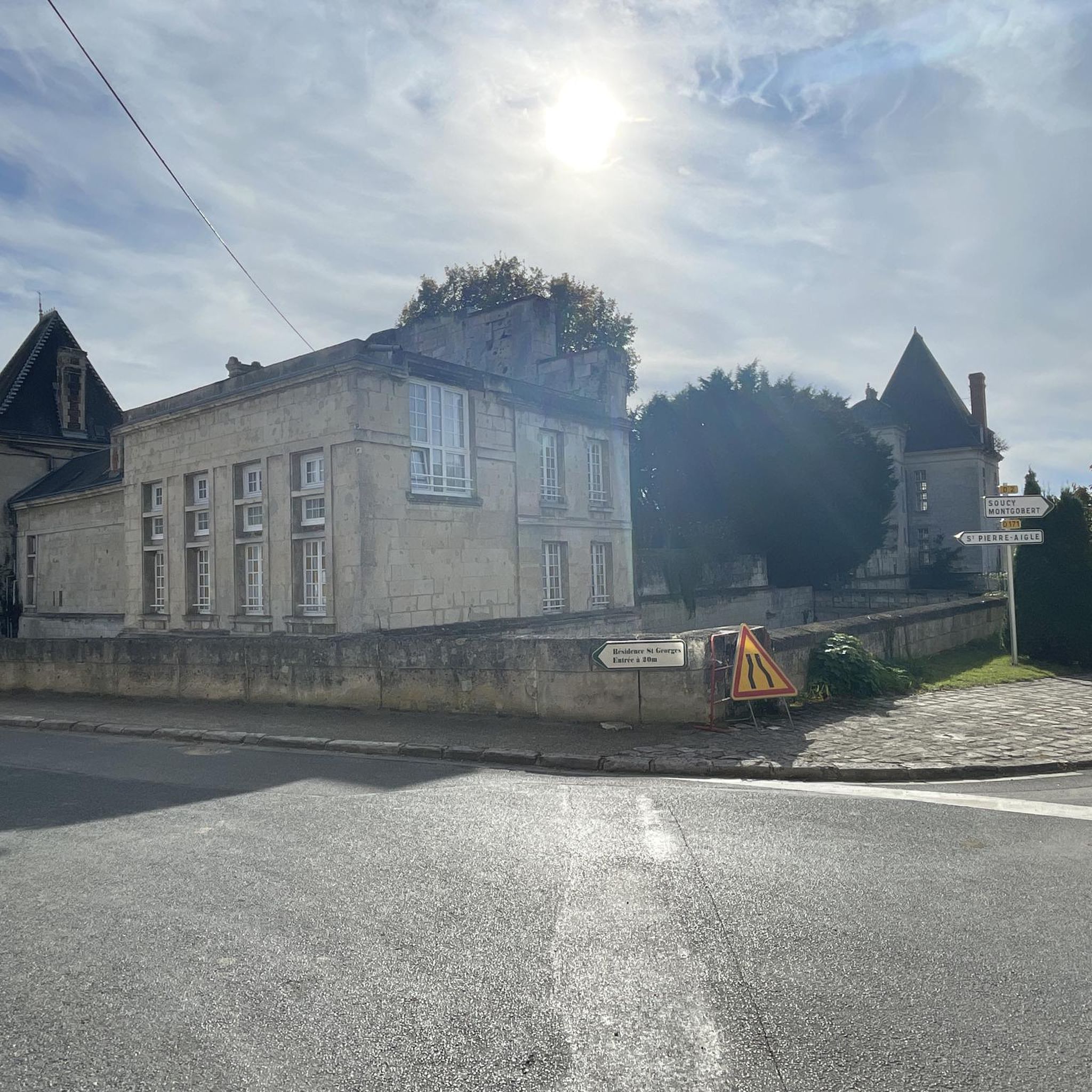
The Château de Pernant is a modest-sized medieval fortress located in Pernant, in the Soissonnais region of France. It is the historic monumental part of a larger whole, the Pernant estate, which serves as a cultural and musical center. The castle dates from the 14th/15th century and was rebuilt in the 16th century. During the First World War the area was bombed, causing extensive damage to the castle.
1
0
The first known castle at a place called la Noue or la Noüe was built at the end of the 10th or at the very beginning of the 11th century in the town of Pisseleux, in the commune of Villers-Cotterêts. It was replaced by another castle built in the 13th century and then in the 15th and 16th centuries, the enclosure, the keep, the dovecote and the turret can still be seen on the facade of the main building. Source: Wikipedia
0
0
Frequently Asked Questions
Are there family-friendly castles to visit around Cœuvres-Et-Valsery?
Yes, Vic-sur-Aisne Castle is noted as a family-friendly destination. Its spacious grounds and historical architecture offer an engaging experience for all ages.
What kind of historical sites can I expect to see besides castles?
The region is rich in history. Beyond the castles, you'll find sites like the Cité Internationale de la Langue Française – Château de Villers-Cotterêts, which, while a castle, now serves as a cultural hub for the French language. Other sites, like Pernant Castle — 700 years, offer insights into medieval life and wartime history through their ruins and underground structures.
What outdoor activities can I do near the castles?
The area around Cœuvres-Et-Valsery offers various outdoor activities. You can find numerous running trails, such as the 'Vic Keep – Vic-sur-Aisne Castle loop from Vic-sur-Aisne' (12.9 km), or explore mountain biking routes like the 'Château de Gabrielle d'Estrées – Pernant Castle — 700 years loop from Cœuvres-et-Valsery' (46.1 km). For road cyclists, there's the 'Vic-sur-Aisne Castle – Longpont Abbey loop from Vic-sur-Aisne' (68.9 km). You can find more details on these and other routes in the running, MTB, and road cycling guides for the region.
Are there any castles that offer a glimpse into specific historical figures?
Yes, the Château de Gabrielle d'Estrées allows visitors to imagine the daily life of Gabrielle D'Estrées, a significant female figure in French history, often associated with Henry IV.
What is the best time of year to visit the castles around Cœuvres-Et-Valsery?
While castles can be visited year-round, spring and autumn generally offer pleasant weather for exploring the grounds and surrounding areas. Summer provides longer daylight hours, while winter visits can offer a unique, quieter perspective, though some facilities might have reduced hours.
Can I find any medieval castle ruins in the area?
Absolutely. Pernant Castle — 700 years is a notable medieval fortress dating from the 14th century. It was partially destroyed during World War I, and you can explore its ruins and underground outbuildings, which were once quarries.
Are there any castles that have been significantly renovated or repurposed?
Yes, the Cité Internationale de la Langue Française – Château de Villers-Cotterêts is a prime example. Originally a 16th-century castle built by François I, it has undergone superb renovation and now hosts the Cité internationale de la langue française, featuring a magnificent 'dome of words'.
What do visitors enjoy most about the castles in this region?
Visitors appreciate the blend of historical significance and natural beauty. Many enjoy the transition from defensive structures to elegant residences, as seen at Vic-sur-Aisne Castle, and the opportunity to imagine past eras. The renovated interiors and unique cultural aspects, like those at the Cité internationale de la langue française, are also highly praised.
Are there opportunities for easy walks or circular routes near the castles?
Many castles are situated in areas conducive to walking. For instance, Vic-sur-Aisne Castle is surrounded by a leafy park with French and English-style gardens, inviting strolls. You can also find various running and walking routes in the region, some of which pass by or start near these historical sites.
What kind of architectural styles can be observed among the castles?
The castles showcase a range of architectural developments. You can see structures evolving from medieval castrums with robust keeps, like parts of Vic-sur-Aisne Castle, to elegant country houses with symmetrical facades. Château de Noue displays elements from the 10th to 18th centuries, including a keep, dovecote, and turret, reflecting centuries of modifications.
Is it possible to visit castles that combine medieval and later architectural periods?
Yes, Château de Noue is a great example, featuring a medieval castle alongside an 18th-century residence. Similarly, Vic-sur-Aisne Castle evolved from a medieval castrum to an elegant country house, retaining its 13th-century keep while incorporating later architectural styles.
What should I wear when visiting the castles?
Comfortable walking shoes are highly recommended, as many castles involve exploring extensive grounds, ruins, or multiple levels. Dressing in layers is also advisable, especially if you plan to spend time outdoors, as weather conditions can change. For winter visits, warm clothing is essential.
Most popular routes around Cœuvres-Et-Valsery
Most popular attractions around Cœuvres-Et-Valsery

Get inspired with the komoot mobile app


Explore more
Looking for the best castles somewhere else? Discover other guides around Cœuvres-Et-Valsery:
