Top 10 Castles around Küsnacht (ZH)
Best castles around Küsnacht (ZH) offer a glimpse into the region's medieval past amidst scenic natural landscapes. Küsnacht, situated on the shores of Lake Zurich, is characterized by its picturesque setting and proximity to historical sites. The area features the Küsnachter Tobel, a ravine known for its hiking trails and natural beauty. While grand, intact castles are not abundant directly in Küsnacht, the surrounding area provides access to significant historical ruins.
Best castles around Küsnacht (ZH)
- The most popular castles…
Last updated: October 4, 2026
Greifensee Castle
Highlight • Castle
Translated by Google •
Tip by

Historic village of Greifensee
Highlight • Settlement
Translated by Google •
Tip by

Sign up now to discover places like this
Get recommendations on the best single tracks, peaks, & plenty of other exciting outdoor places.
Schnabelburg ruins
Highlight • Castle
Translated by Google •
Tip by

Friedberg Ruins
Highlight • Castle
Translated by Google •
Tip by

Swiss National Museum, Zurich
Highlight • Historical Site
The 19th century is generally considered the century of nations and nation-states. While the construction of memorials, monuments, and institutions progressed rapidly in other …
Translated by Google •
Tip by

Sign up for free to discover even more castles around Küsnacht (ZH).
Already have an account?
Start today with a free account
Your next adventure awaits.
Popular around Küsnacht (ZH)
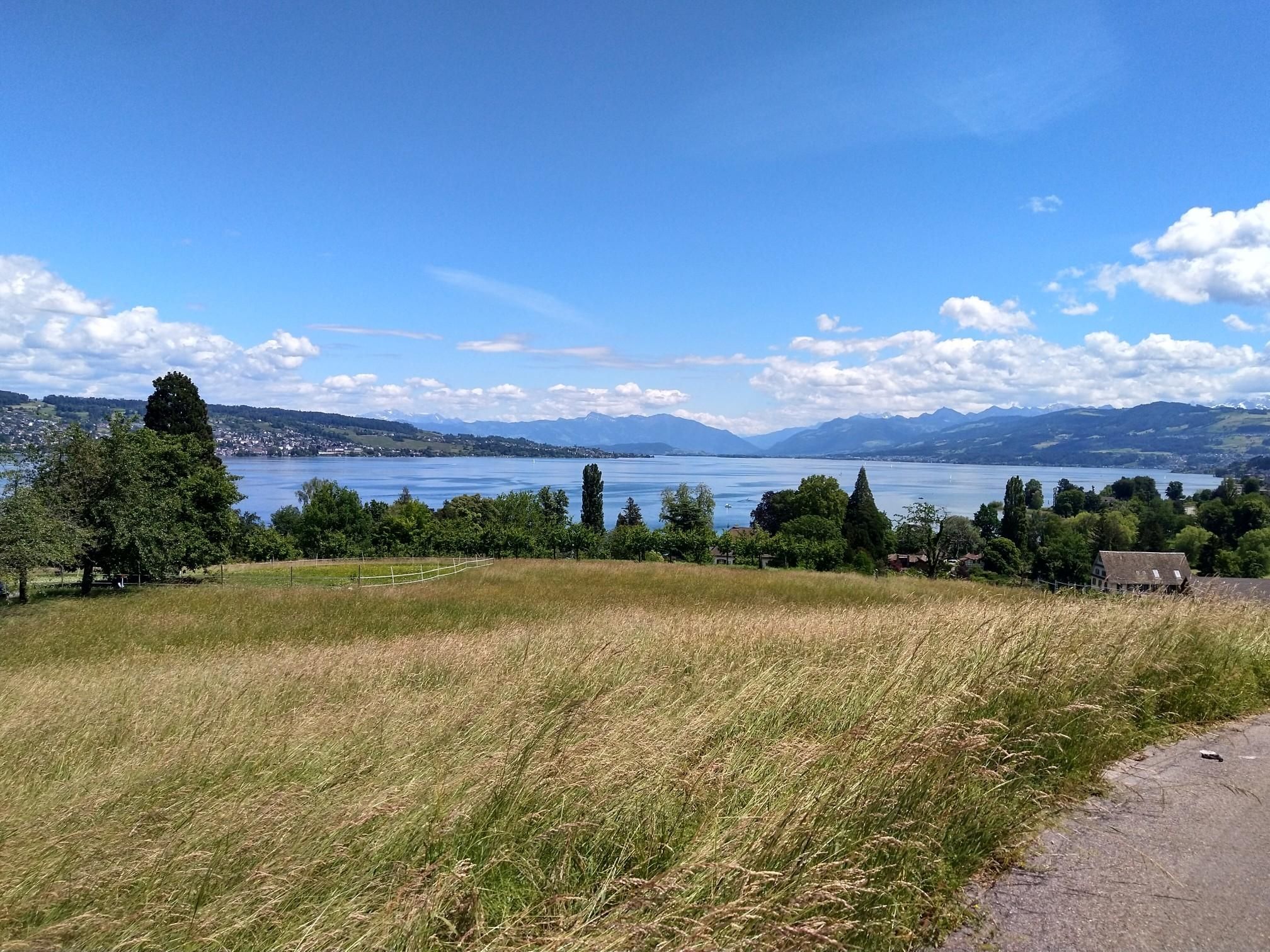
Lake Zurich loop – A land of contrasts
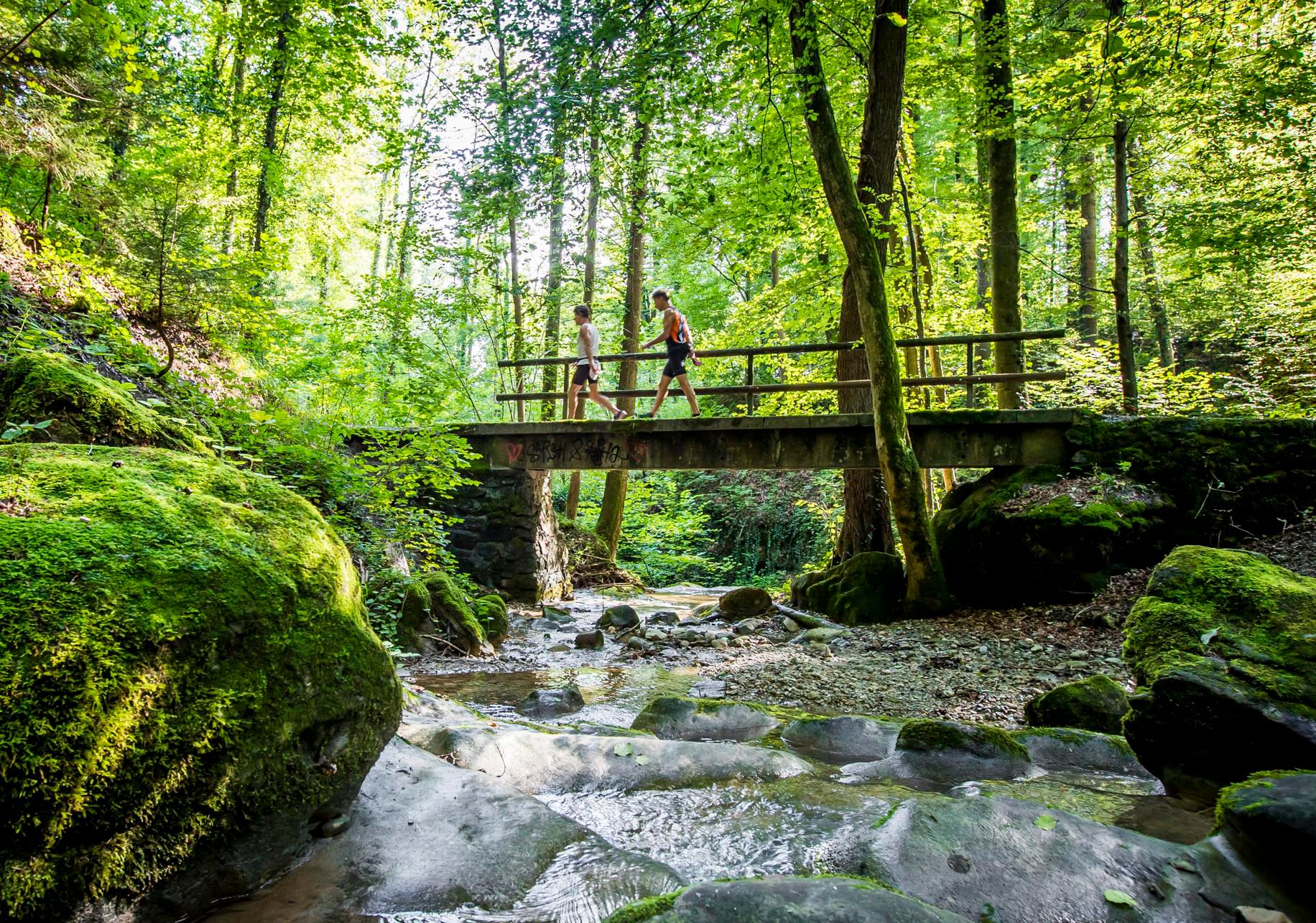
Exciting ridges & wild forests – hiking around Zurich
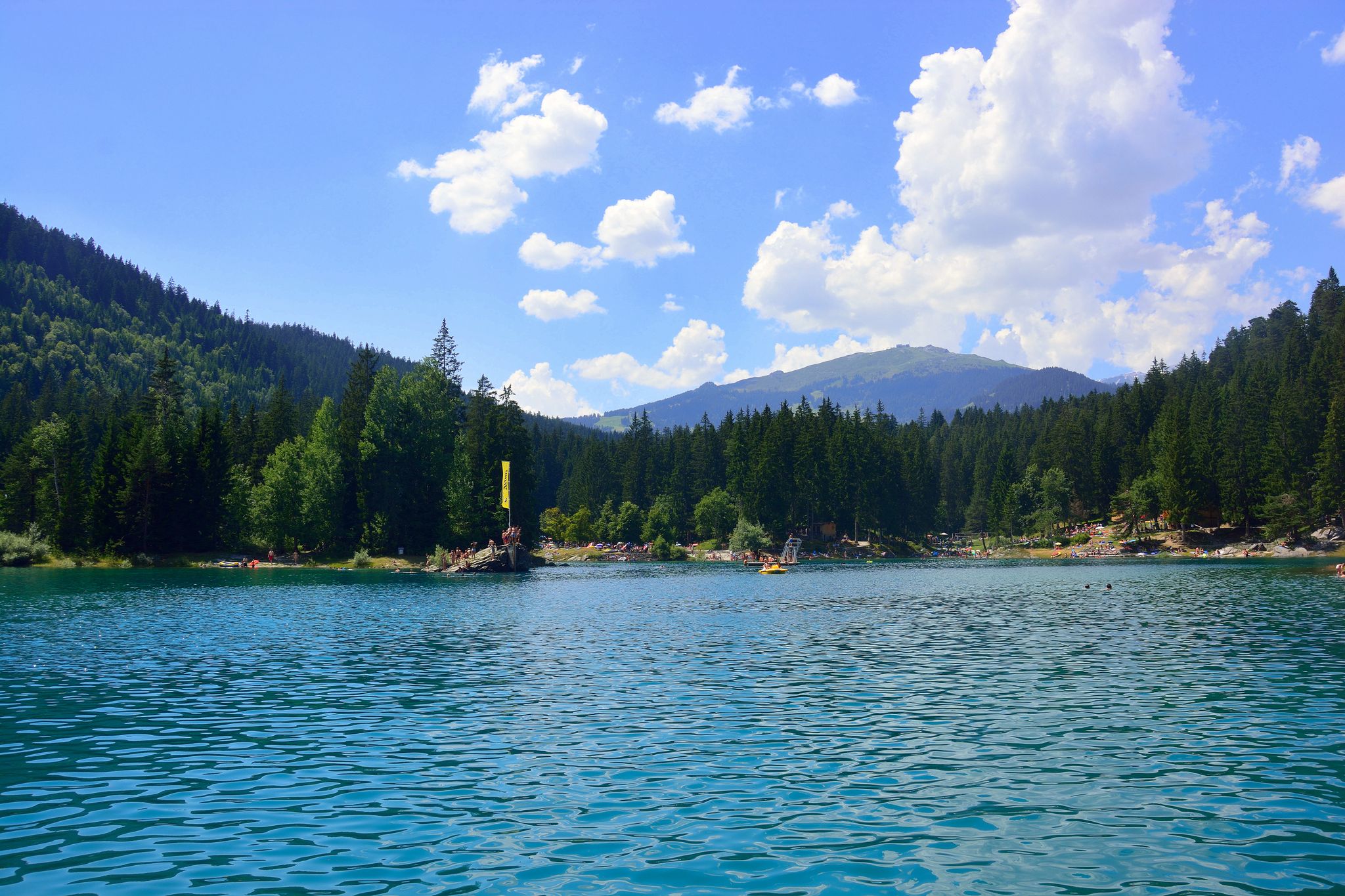
The most beautiful swimming lakes in Switzerland
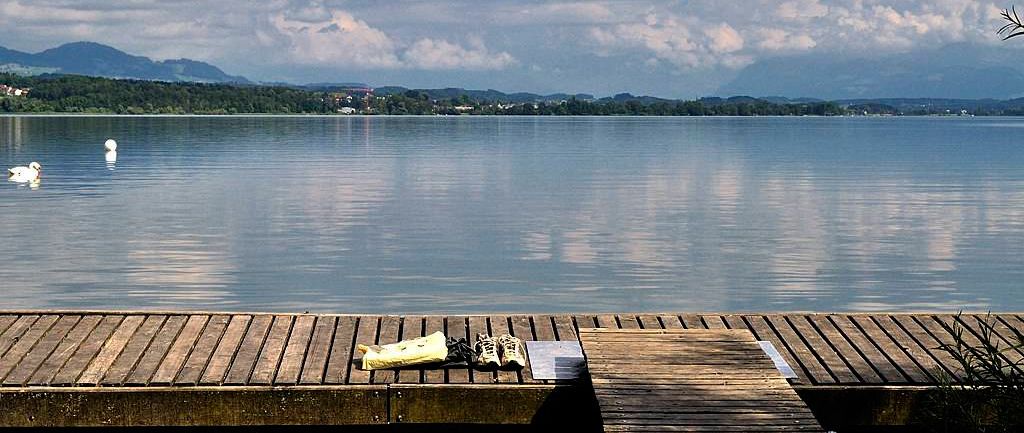
The most popular swimming spots around Zurich
Hiking around Küsnacht (ZH)
Road Cycling Routes around Küsnacht (ZH)
Cycling around Küsnacht (ZH)
Running Trails around Küsnacht (ZH)

Gravel biking around Küsnacht (ZH)
MTB Trails around Küsnacht (ZH)
Other adventures around Küsnacht (ZH)


Tips from the Community

From the north, a relatively easy, clearly visible, unmarked path leads to the plateau on which Schnabelburg Castle stands. The descent to the south is very steep and, when the ground is wet and/or covered in autumn leaves, also very slippery.
1
0


Remains of the foundation walls of a former hilltop castle
5
0

Greifensee Castle with beautiful historic houses.
2
0
Very nice hiking trail directly at Lake Greifensee.
2
0

Swiss National Museum, Zurich The Swiss National Museum houses a unique collection of Swiss cultural history and arts and crafts from its beginnings to the present day. The collection comprises over 870,000 objects and is divided into 14 collections. These collections serve as the source material and starting point for research and exhibitions. Text / Source: Swiss National Museum, Museumstrasse 2, Zurich https://www.landesmuseum.ch/de/ueber-uns/geschichte
12
0
History of the National Museum, Zurich The 19th century is generally considered the century of nations and nation-states. While the construction of memorials, monuments, and institutions progressed rapidly in other European countries, the young federal state of Switzerland was reluctant to consider a national museum. Such an undertaking aroused skepticism. There were also very pragmatic reasons: almost every canton possessed its own collections, reflecting the federalist nature of the young nation-state. It was Zurich National Councilor Salomon Vögelin who initiated the discussion about its establishment in 1883, inspired by the success of the national art exhibition at the Swiss National Exhibition in Zurich. After fierce disputes over the location, Zurich prevailed over Lucerne, Basel, and Bern in 1891. The young architect Gustav Gull utilizes various historicizing architectural elements from the late Middle Ages and the modern era: The Swiss National Museum was intended to be a creative unity between collection, exhibition, and architecture. The combination of the museum and the School of Applied Arts fulfills another important principle: to connect schools of applied arts with museums so that the past can serve as a model and inspiration for the students' work. Today, the National Museum Zurich is considered an exceptional 19th-century museum building and a monument of national importance. Opened in 2016, the new building by the Swiss architects Christ & Gantenbein perfectly complements Gustav Gull's building wing. It houses large, flexible exhibition halls, a modern library, and an auditorium for public events. Text / Source: Swiss National Museum, Museumstrasse 2, Zurich https://www.landesmuseum.ch/de/ueber-uns/geschichte
12
0
Frequently Asked Questions
What historical castles or ruins can I visit directly in Küsnacht (ZH)?
The most significant historical castle ruin directly in Küsnacht (ZH) is Wulp Castle (Ruine Wulp). Nestled within the scenic Küsnachter Tobel, these high medieval hilltop castle remains offer a glimpse into the region's past, with evidence of an 11th-century ring wall and a 12th-century residential tower. While largely in ruins, it's a fascinating site for history enthusiasts.
Are there other notable castle ruins near Küsnacht (ZH)?
Yes, beyond Wulp Castle, you can explore several other interesting ruins. The Friedberg Ruins feature remnants of walls and a well, with information boards providing historical context. Another site is Schnabelburg ruins, a hilltop castle ruin with small preserved walls, benches, and an official fire pit. Additionally, the Friesenberg Castle Ruins, originally a watchtower over Zurich, offers a great view.
What kind of hiking opportunities are available around the castle ruins?
The area around Küsnacht (ZH) is excellent for hiking, often combining natural beauty with historical sites. The Küsnachter Tobel, where Wulp Castle is located, is known for its scenic trails, a 'Dragon's Cave,' and a beautiful waterfall. For more structured routes, you can find various running trails, such as the 'Bridge and waterfall – Küsnachter Tobel loop from Küsnacht ZH,' which is a moderate 5.8 km route. Explore more options on the Running Trails around Küsnacht (ZH) guide.
Are the castle ruins around Küsnacht (ZH) suitable for families?
Many of the castle ruins and their surrounding areas are family-friendly. For example, the Friedberg Ruins are noted as family-friendly, offering an engaging historical experience. The scenic walks through areas like the Küsnachter Tobel, with features like the 'Dragon's Cave,' also make for an enjoyable family outing.
Can I bring my dog to the castle trails?
Generally, the hiking trails leading to and around the castle ruins in the Küsnacht (ZH) area are dog-friendly. It's always recommended to keep dogs on a leash, especially near historical sites or in areas with wildlife, and to clean up after them. The natural settings, like the Küsnachter Tobel, provide ample space for walks with your canine companion.
What is the best time of year to visit the castles and ruins?
The castle ruins around Küsnacht (ZH) can be visited year-round. Spring and autumn offer pleasant temperatures for hiking and vibrant natural scenery. Summer is also popular, though trails can be busier. Even in winter, a visit can be magical, with the ruins often dusted with snow, though some paths might be slippery. Always check local weather conditions before your visit.
How can I reach the castle ruins using public transport?
Küsnacht (ZH) is well-connected by public transport. You can typically reach the starting points of hikes to the ruins, such as the Küsnachter Tobel for Wulp Castle, via train or bus services from Zurich. From the Küsnacht train station, many trails are accessible on foot. Specific routes and schedules can be found on local public transport websites.
Are there viewpoints near the castle ruins?
Yes, several castle ruins offer excellent viewpoints. The Friesenberg Castle Ruins are specifically highlighted for their great view. The Schnabelburg ruins are also situated on a 'beak-shaped hill,' suggesting elevated positions with potential vistas. The scenic location of Wulp Castle within the Küsnachter Tobel also provides picturesque views of the surrounding nature.
What are some unique features or historical facts about these castles?
The Wulp Castle site has a history dating back to the Bronze Age, with Roman artifacts also found. The castle itself was involved in the Regensberg Feud in 1267. The Friesenberg Castle Ruins were originally designed as a watchtower overlooking Zurich. The Schnabelburg ruins, despite their small size, offer an official fire pit, inviting visitors to linger and enjoy the historical atmosphere.
What should I wear for hiking to the castle ruins?
For hiking to the castle ruins, especially those located in natural ravines like the Küsnachter Tobel, it's advisable to wear sturdy, comfortable hiking shoes. Layered clothing is recommended to adapt to changing weather conditions. Depending on the season, consider bringing rain gear, sun protection, and sufficient water. Some paths can be narrow or uneven, so appropriate footwear is key.
Are there places to eat or rest near the castle trails?
Yes, some ruins offer amenities for rest. The Schnabelburg ruins have several benches and an official fire pit. While specific cafes directly at the ruins are rare, the towns and villages near the trailheads, such as Küsnacht itself, offer various dining options. Many trails also feature scenic spots perfect for a picnic.
What other historical sites are worth visiting in the wider Küsnacht (ZH) area?
Beyond the castle ruins, the region offers other significant historical sites. The Swiss National Museum in Zurich, housed in a castle-like building, is the most visited historical museum in Switzerland. The Historic Village of Greifensee is another charming destination with historical significance. In Küsnacht itself, you can find the C.G. Jung Institute in the historic Seehof and the Ortsmuseum in the former Upper Mill.
What is the difficulty level of the hikes to these castle ruins?
The difficulty of hikes to the castle ruins varies. Many trails, especially those through the Küsnachter Tobel to Wulp Castle, are considered moderate. Highlights like Friedberg Ruins and Friesenberg Castle Ruins are often accessible via intermediate trails. Some paths leading to ruins, such as those to Schnabelburg ruins, can be narrow. Always check route descriptions for specific difficulty ratings.
Most popular routes around Küsnacht (ZH)
Most popular attractions around Küsnacht (ZH)

Get inspired with the komoot mobile app


Explore more
Looking for the best castles somewhere else? Discover other guides around Küsnacht (ZH):
