The 8 Most Amazing Peaks around Kloten
Best mountain peaks around Kloten offer diverse opportunities for exploration and views of the surrounding landscape. This region features elevated viewpoints and historical sites situated on hills. Visitors can experience panoramic vistas of lakes and distant mountain ranges. The area provides natural settings for outdoor activities, including forested paths and accessible towers.
Best mountain peaks around Kloten
- The most popular mountain peaks is Loorenkopf Tower, a viewpoint that offers views over parts of Lake Zurich and Lake Greifen. From…
Last updated: November 20, 2026
Loorenkopf Tower
Highlight • Viewpoint
Translated by Google •
Tip by

Lookout
Highlight • Viewpoint
Translated by Google •
Tip by

Sign up now to discover places like this
Get recommendations on the best single tracks, peaks, & plenty of other exciting outdoor places.
Eschenberg Tower
Highlight • Monument
Translated by Google •
Tip by

Stadelhofen Station
Highlight • Rest Area
Zurich Stadelhofen Station is one of thirteen SBB stations in the Swiss city of Zurich. Along with Zurich Main Station and Oerlikon Station, Stadelhofen is a key …
Translated by Google •
Tip by

The Gates of Hell at Kunsthaus Zürich
Highlight • Monument
Translated by Google •
Tip by

Sign up for free to discover even more peaks around Kloten.
Already have an account?


Tips from the Community

Rodin was probably inspired by Lorenzo Ghiberti's Gates of Paradise at the Baptistery in Florence, which was created between 1425 and 1452 and which he studied in detail during his trip to Italy in 1875. For over three years, Rodin cautiously approached the sculptural realization of Dante's work through sketches. Until his death in 1917, during which countless plaster casts were made, he continuously revised his figures. The first two bronze gates were not created until between 1926 and 1928, after Rodin's death. The work was therefore a long and arduous process; its completion, which the artist did not live to see, could only reward him for his efforts posthumously.
3
0

The Gate of Hell 1880–1917 The monumental Gate of Hell by Auguste Rodin, inspired by Dante's visions, testifies to the artist's experimental spirit and a new freedom in design. Rodin managed to imbue the human figure with a new immediacy, a pathos stirred by deeper psychic energies. This version of Rodin's "Gate of Hell" was realized as the fourth cast of the work between 1942 and at the latest 1947 by the Parisian foundry Rudier. The cast had been commissioned in 1942 by the German sculptor Arno Breker for the National Socialist "Führermuseum" in Linz. Although payments were made, delivery did not occur before the end of the war in 1945; the sculpture remained in Paris and in Rudier's ownership. After the war, in 1947, the work came to the Kunsthaus for an exhibition of metal casts from the Rudier foundry. Together with three other bronzes from Rudier's stock, two by Rodin and one by Bourdelle, the Gate of Hell was then acquired for the Kunsthaus in 1949. While the other works mentioned were acquired with a contribution from the city of Zurich, the Gate of Hell entered the collection via the so-called "Baufonds" and thus with funds from Emil Bührle. This "Baufonds" had been established in connection with the planning of the large exhibition hall paid for by Emil Bührle. Source: https://visitorguide.kunsthaus.ch/122022402/-30/122022402/false/0/-/-/61568569/122022382
0
0

Interesting door great building
0
0

very busy train station in the heart of Zurich
0
0

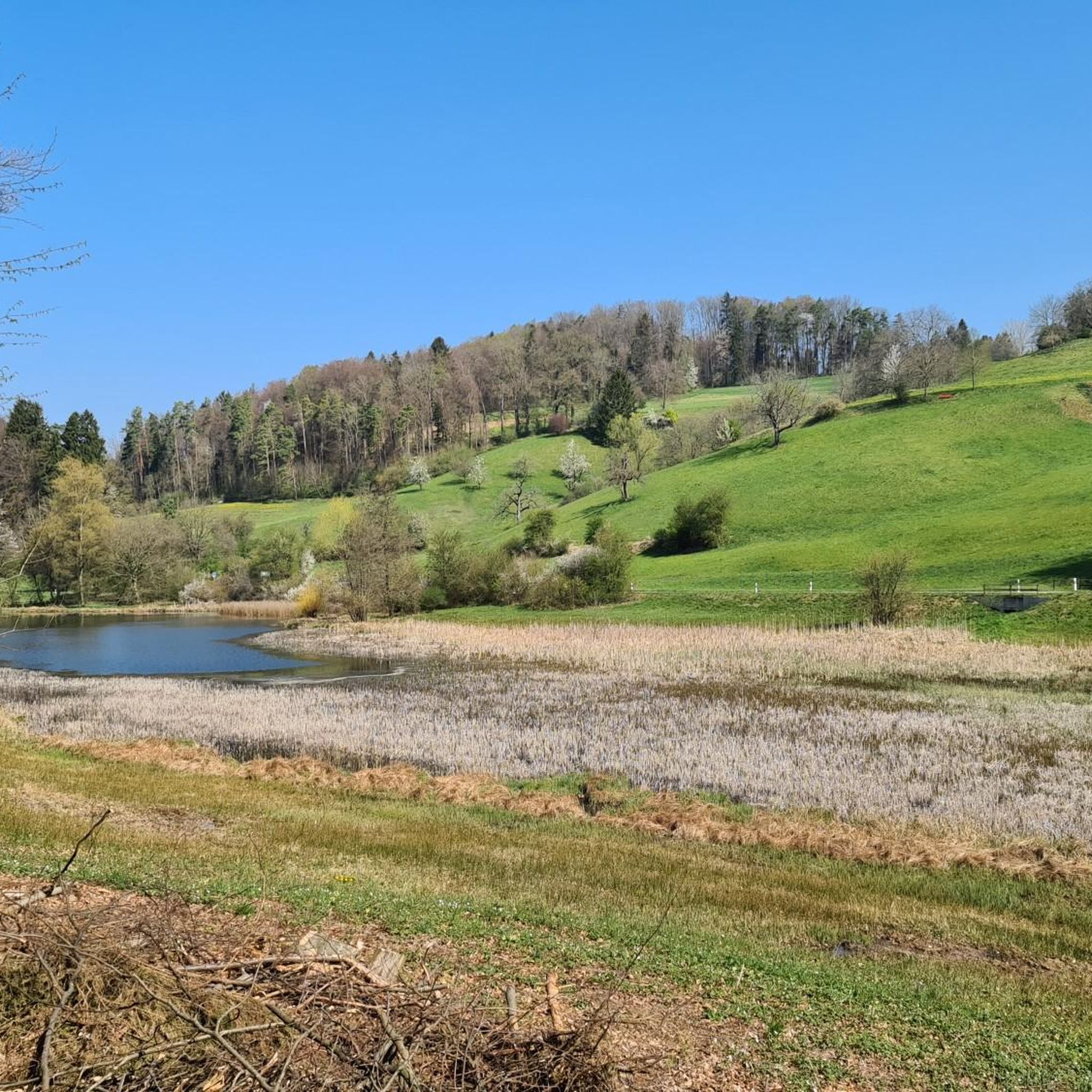
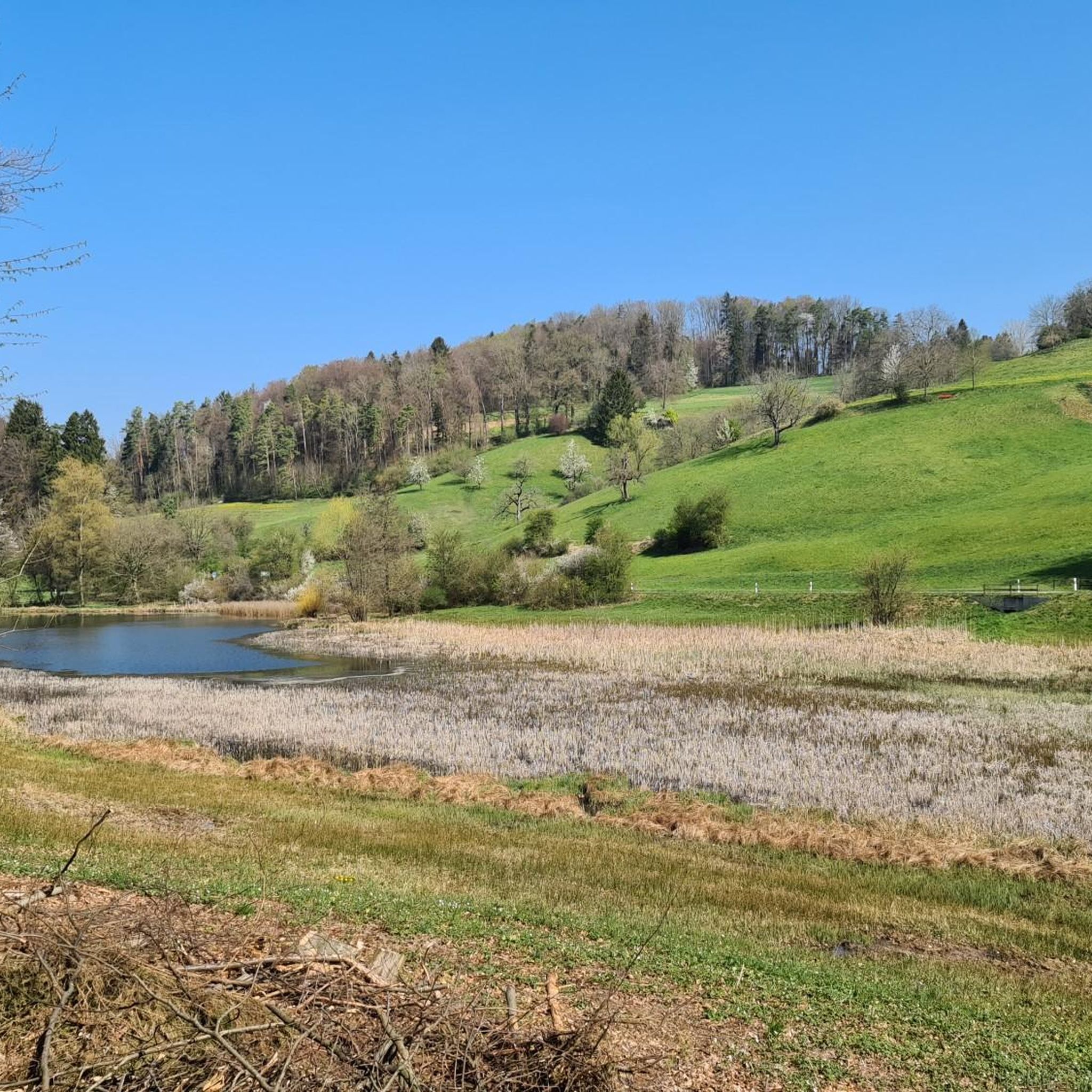
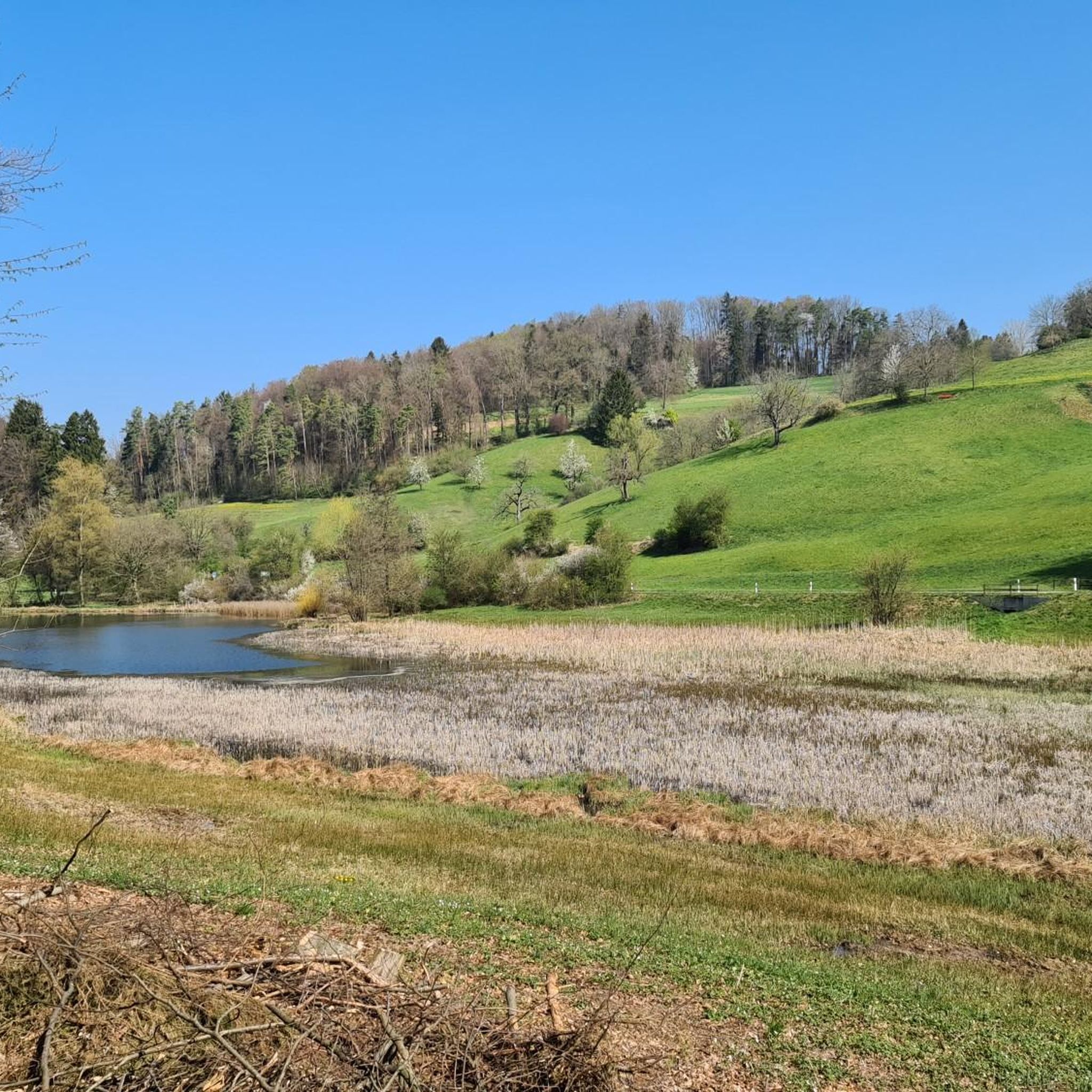
Great view with barbecue area, can be easily connected to the Irchelturm.
3
0

Just the right place to escape the hectic everyday life of the city and enjoy the world from above. The lake, the Alps and the city: everything is at your feet!
2
0

The late classicist Stadelhofen train station from 1894 was expanded in the 1990s as a result of the expansion of regional rail traffic. The Spanish architect Santiago Calatrava was commissioned with the project. Calatrava created an open, partly transparent roof made of concrete and steel for the platforms, which is modeled on the ribs of a bull.
1
0

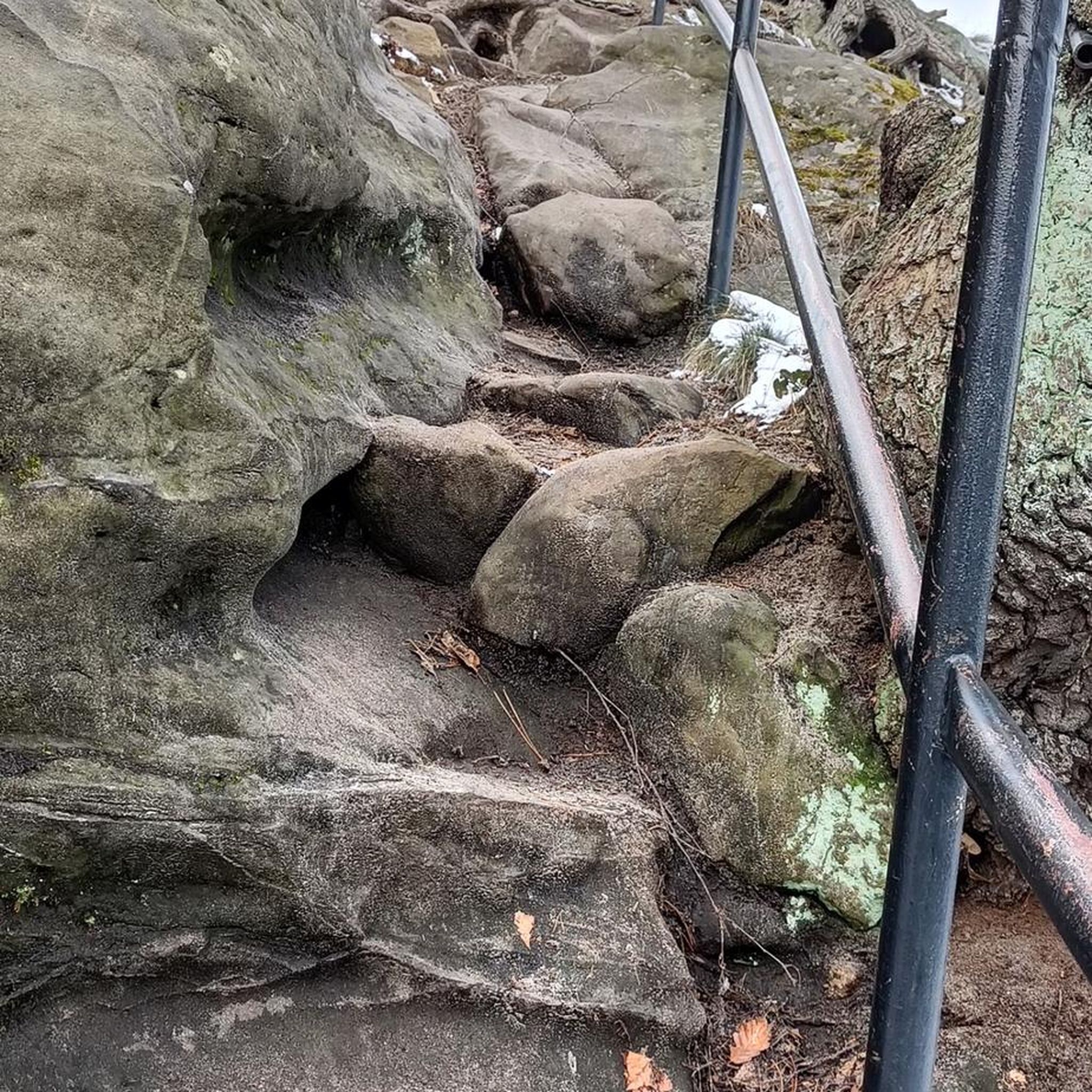
From the 31.5 meter high steel construction from 1888 you have a great view over Winterthur and the local recreation area Stadtwald Eschenberg. You can reach the viewing platform via 167 steps. If the visibility is good, you can see the Alps from here.
1
0
Frequently Asked Questions
What are some popular viewpoints among the mountain peaks around Kloten?
Two highly-rated viewpoints are the Loorenkopf Tower and the Eschenberg Tower. Loorenkopf Tower offers views over parts of Lake Zurich and Lake Greifen, with a mountain panorama visible from its 154 steps. Eschenberg Tower, a 31.5-meter high steel construction, provides views over Winterthur and the Stadtwald Eschenberg, with the Alps visible on clear days.
Are there any historical sites located on hills or peaks near Kloten?
Yes, you can visit the Rhinsberg Prehistoric Hillfort. This late Bronze Age hill fort features a clearly visible beaten path and the remains of a watchtower, offering a glimpse into the region's ancient past.
Are there family-friendly mountain walks around Kloten?
The Loorenkopf Tower is considered family-friendly and is easy to reach. It offers great views and even has a grill hut, making it suitable for a family outing.
What kind of natural scenery can I expect from the mountain peaks around Kloten?
The region offers diverse natural settings, including forested paths and elevated viewpoints. From various peaks, you can enjoy panoramic vistas of lakes like Lake Zurich and Lake Greifen, and on clear days, even distant mountain ranges like the Alps.
Can I bring my dog on mountain walks near Kloten?
Yes, some locations are dog-friendly. For example, the area around Loorenkopf Tower is suitable for walks with dogs.
What outdoor activities can I do near the mountain peaks around Kloten?
Beyond exploring the peaks, the Kloten area offers various outdoor activities. You can find numerous cycling routes, including road cycling and touring bicycle routes, as well as MTB trails. These routes often pass through scenic landscapes near the peaks.
What do visitors enjoy most about the mountain peaks around Kloten?
Visitors frequently highlight the stunning panoramic views, especially from towers like Eschenberg Tower, where the Alps are visible on clear days. The accessibility of these viewpoints and the opportunity for comfortable grilling at places like Loorenkopf Tower are also highly appreciated.
Are there easy mountain hikes suitable for beginners around Kloten?
Many of the elevated spots around Kloten are easily accessible. The path to Loorenkopf Tower, for instance, is considered easy to reach, making it a good option for beginners or those looking for a less strenuous walk.
What is the best time to visit the mountain peaks around Kloten for clear views?
For the best panoramic views, especially to see distant mountain ranges like the Alps from spots like Eschenberg Tower, it is best to visit on clear days. Spring and autumn often offer crisp air and good visibility, while summer provides longer daylight hours.
How can I access the mountain peaks around Kloten using public transport?
While specific public transport details for each peak are not provided, Kloten itself is well-connected. Major transport hubs like Zurich Main Station and Stadelhofen Station are nearby, offering connections that can get you close to various starting points for exploring the region's elevated areas.
Most popular attractions around Kloten

Get inspired with the komoot mobile app


Explore more
See even more amazing summits around Kloten with these guides:
