Top 6 Castles around Valliguières
Best castles around Valliguières are found in a region characterized by its historical significance and varied landscapes, including limestone plateaus and plains. This area of the Gard department offers a blend of cultural heritage and natural beauty. The castles here reflect centuries of history, from medieval fortifications to Renaissance architecture. Exploring these sites provides insight into the region's past.
Best castles around Valliguières
- The most popular castles is Ducal Palace of Uzès (Le Duché d'Uzès), a castle built across…
Last updated: June 23, 2026
Ducal Palace of Uzès (Le Duché d'Uzès)
Highlight • Castle
Translated by Google •
Tip by

Château de Lédenon
Highlight • Castle
Translated by Google •
Tip by

Sign up now to discover places like this
Get recommendations on the best single tracks, peaks, & plenty of other exciting outdoor places.
Sign up for free
Saint-Siffret Medieval Village
Highlight • Settlement
Translated by Google •
Tip by

View of the Château de La Capelle
Highlight • Castle
Translated by Google •
Tip by

View of the Ruins of Le Castellas
Highlight • Castle
Translated by Google •
Tip by
Sign up for free to discover even more castles around Valliguières.
Sign up for free
Already have an account?
Start today with a free account
Your next adventure awaits.
Login or Signup
Tips from the Community

On a wooded hill you discover this castle in gray stone. It cannot be visited, but know that it has four corner towers which protect four curtain walls and a square tower.
0
0

Limitless horizon. I suppose we must see the sea in very good weather. The arrival from the racing circuit further adds to the perspective. Its construction appears to date from the 12th century. Dating was made possible thanks to the use of blocks of calcitic concretions coming from the pipes of the Roman aqueduct of Nîmes. When visiting the castle, we can still spot these rubble stones today with their multiple parallel streaks which correspond to the different planes of crystallization of the limestone. By comparing with the blocks of the church of Saint Bonnet and the Saint Étienne chapel of Saint Hilaire d'Ozilhan, we were able to estimate the construction of part of this building around 1150-1200. But we had to wait until 1311 for it to be cited
0
0

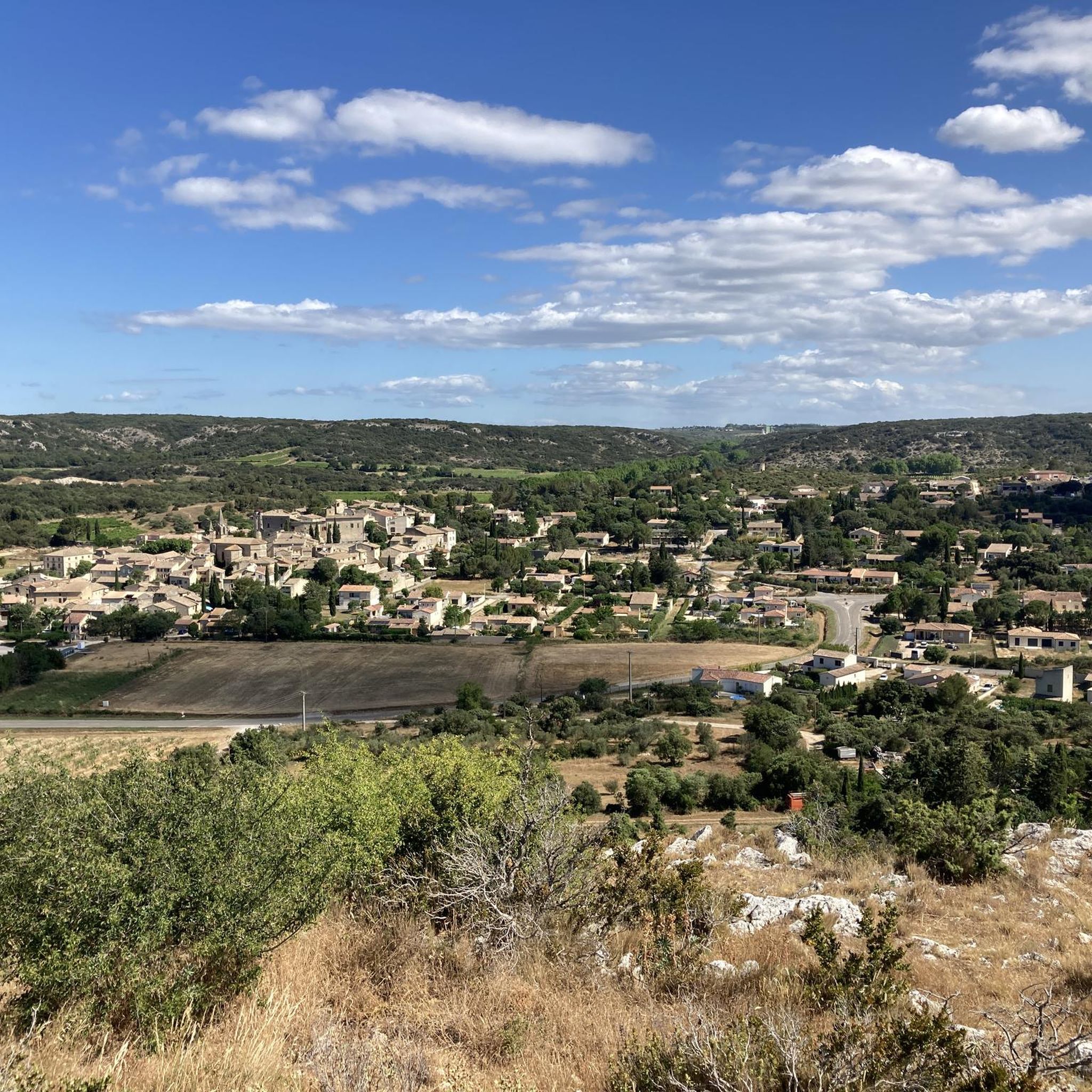
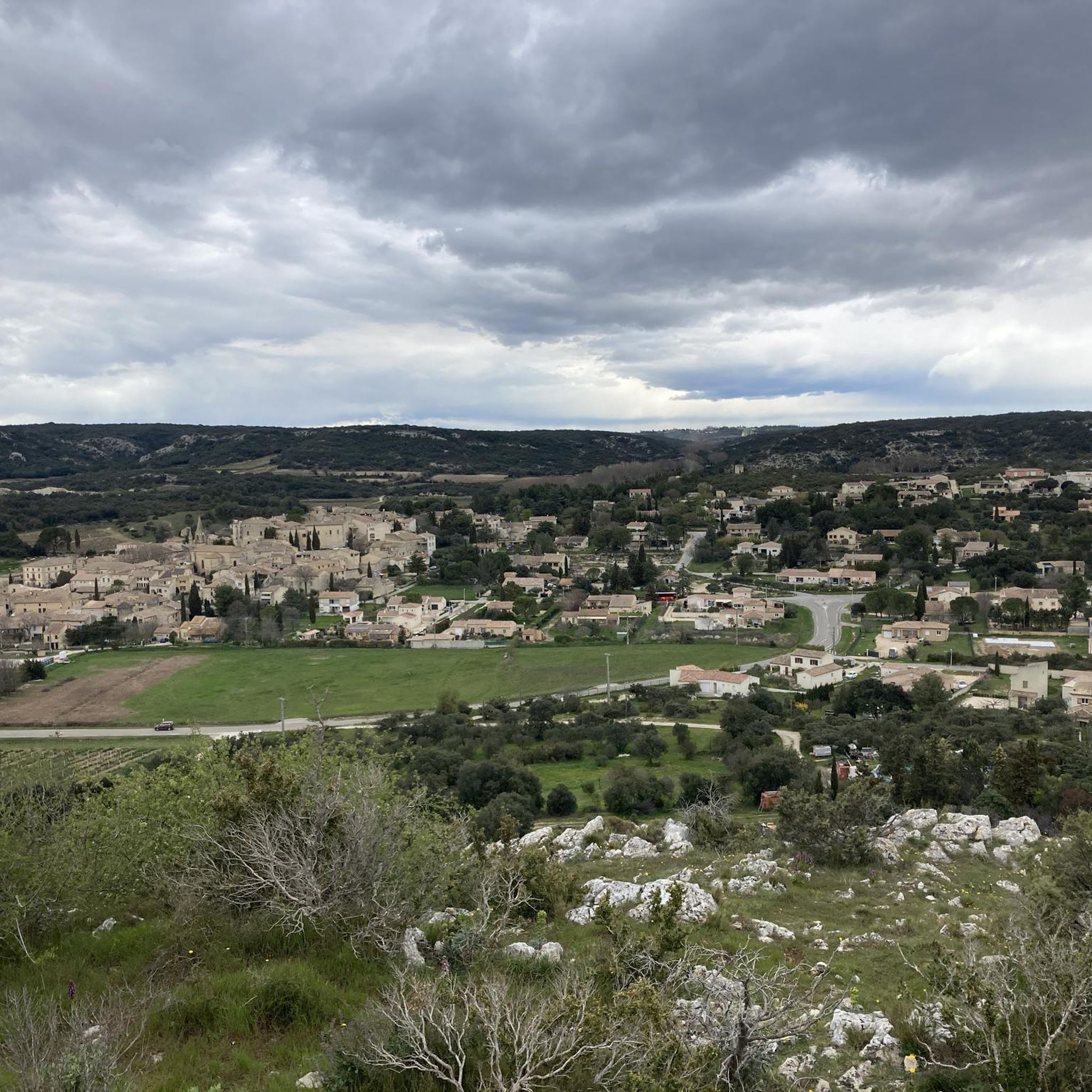
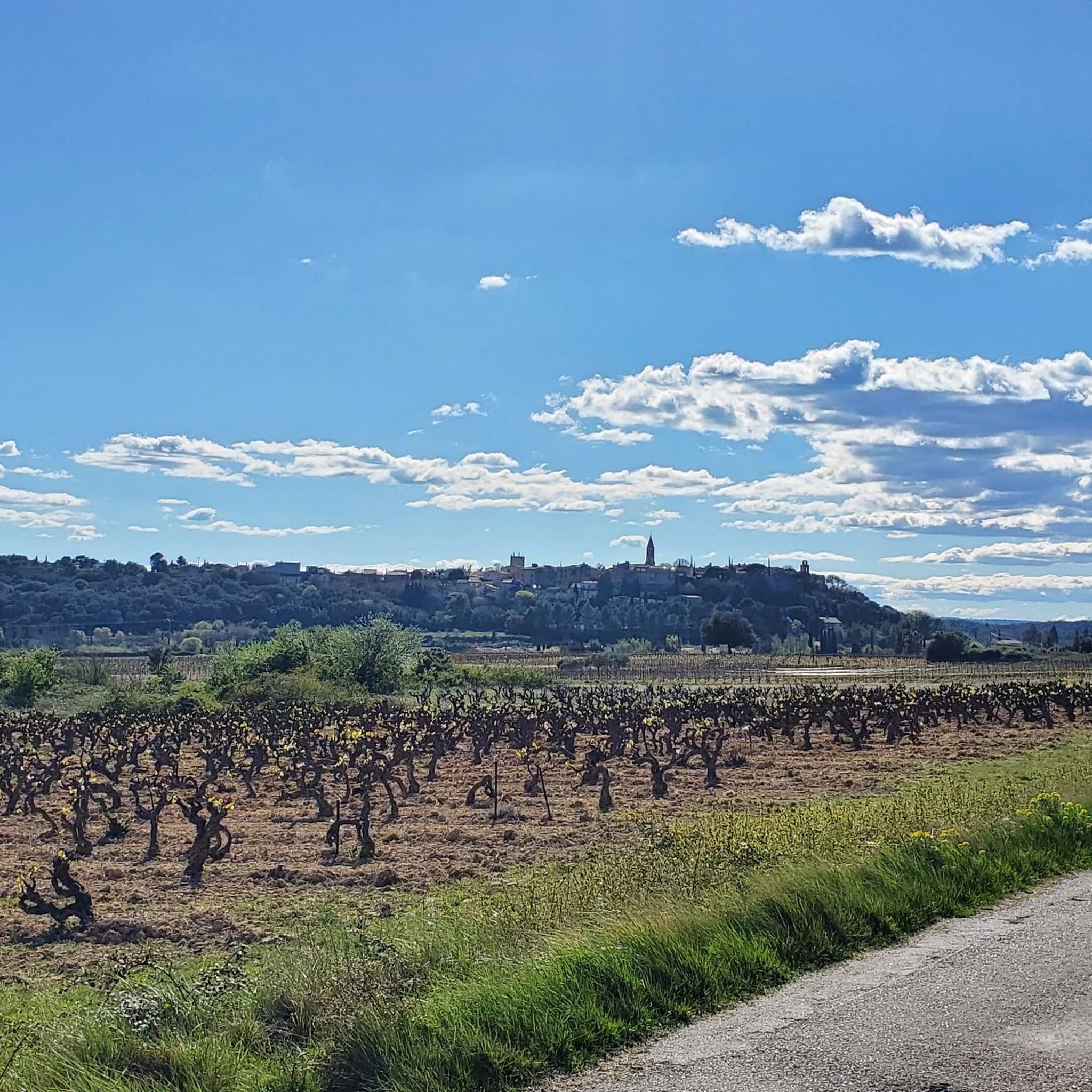
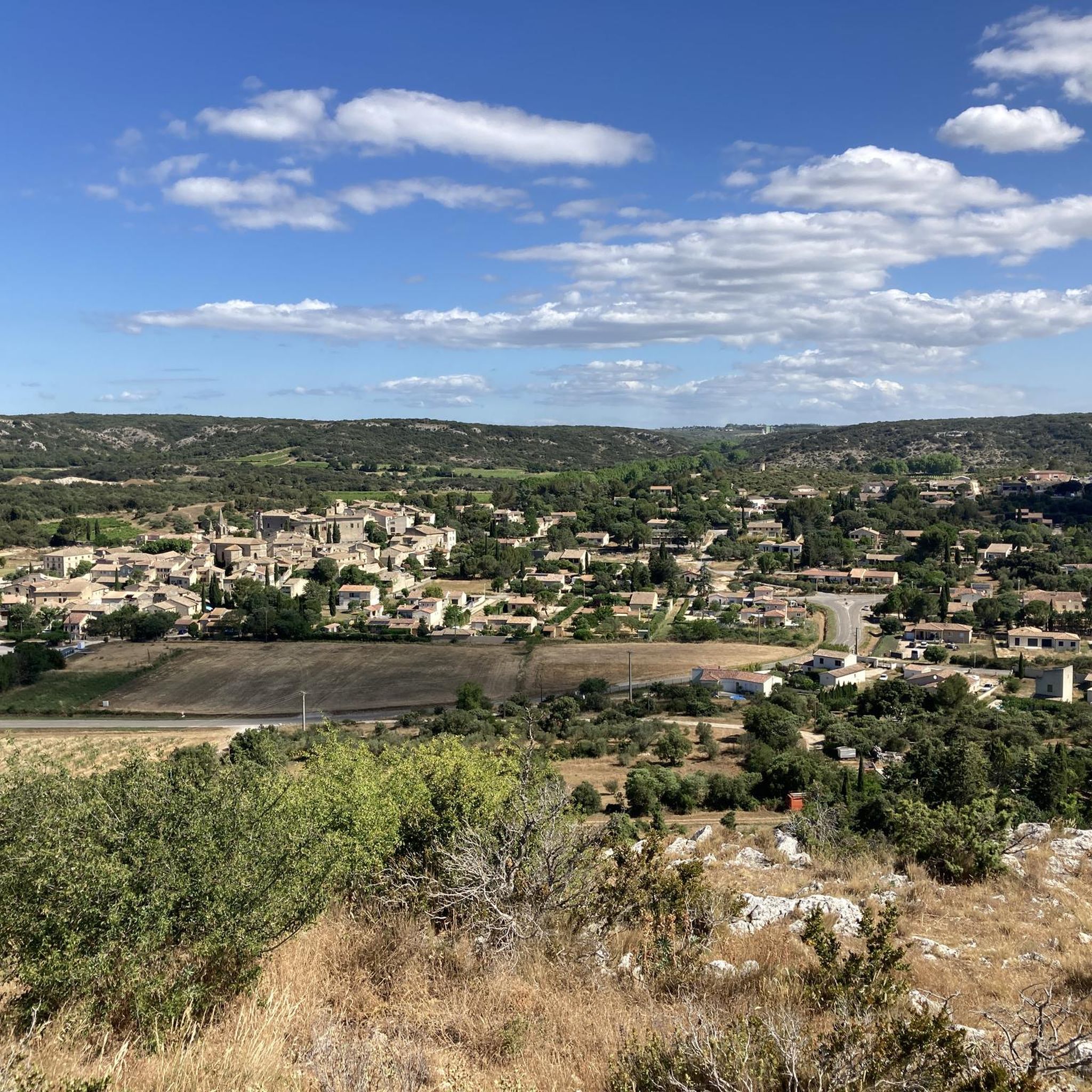
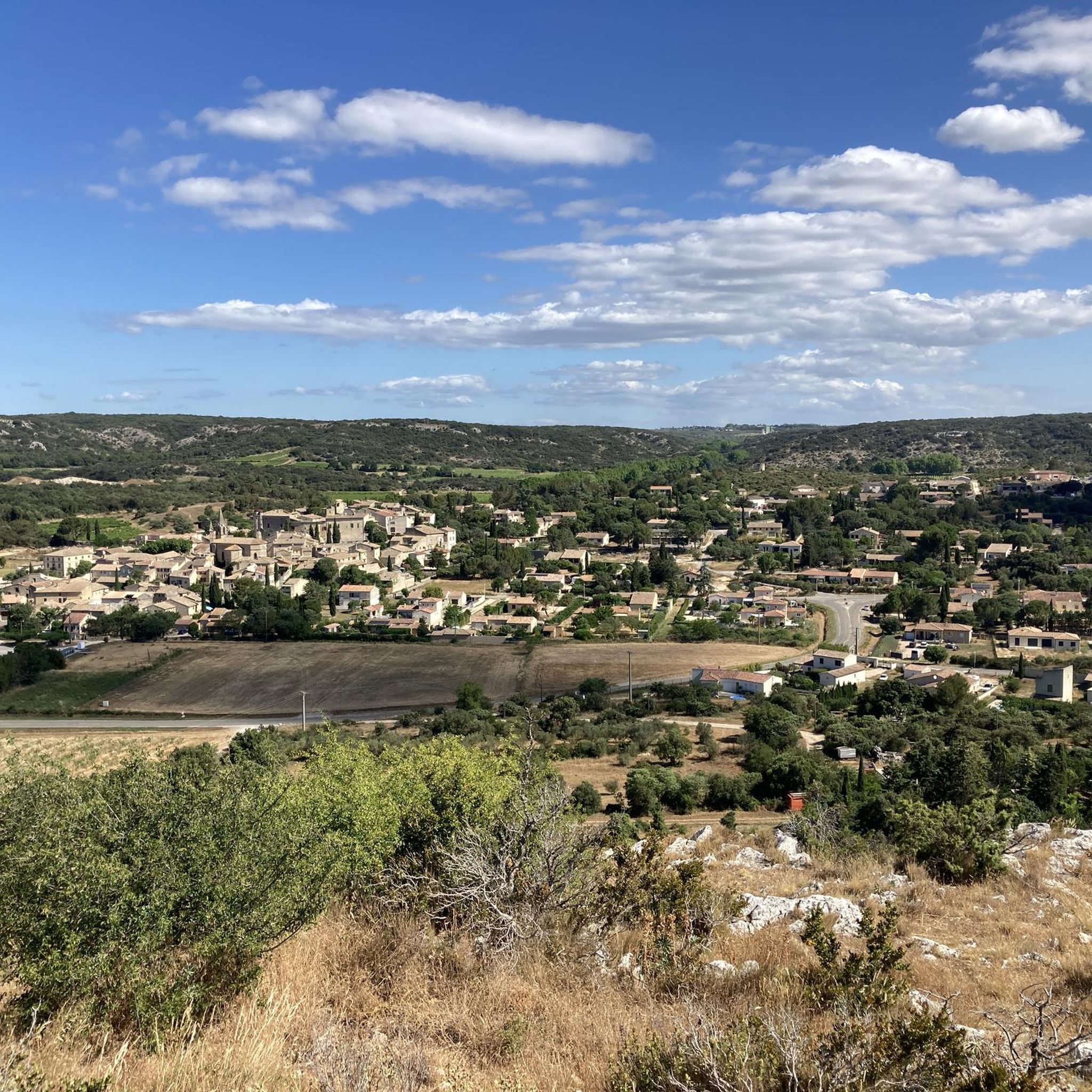
Saint Siffret is a magnificent medieval village located on the foothills of a limestone plateau a few kilometers from Uzès. Its cobbled streets, its Roman-Byzantine church, its stone houses and its 2 castles are worth the detour and a short visit.
1
0
Beautiful medieval castle (12th century) classified as a historic monument since 1990. Private property, cannot be visited but the facade and surrounding walls are worth a detour. Very beautiful view of the Rhône plain and the Alpilles
0
0
The Castellas is not to be confused with the Château de Saint-Victor-Lacoste, which is a hotel found in the center of the village of the same name. Here are the ruins of an ancient castle strategically located on a rocky pyramid. From up there you overlook the Tave plain and the Rhône valley. The ruins date from the 11th to the 12th century. From the way the fortress was designed, it seems impregnable. You can observe it along this road which slaloms between the large limestone rocks.
2
0

Nice little village. There is a tap, but do not fill your water bottle at the fountain which is not drinkable.
0
0

In 1565, Uzès became the first duchy of France. Located in the heart of the city, the duchy belongs to the Crussol family. The buildings of the Ducal Palace, also called the Castle of the Dukes, Château, Palais ducal, Le Duchè, were built during the Middle Ages, the Renaissance and the 17th century. The Castle (Château) of the Dukes was extended by three towers (Tours).
5
0

The high roof of the Gothic castle chapel was covered in the 19th century with glazed roof tiles depicting the Crussol family coat of arms. There are two other towers throughout the Duchy: the Tour polygonale and the circular medieval watchtower (Tour ronde de la vigie).
5
0
Frequently Asked Questions
What types of castles can I explore around Valliguières?
The region offers a diverse range of historical structures, from medieval fortifications and well-preserved ducal palaces to ancient defensive strongholds and castle ruins. You can find sites like the Ducal Palace of Uzès (Le Duché d'Uzès), which blends medieval, Renaissance, and 17th-century architecture, and the 11th-12th century View of the Ruins of Le Castellas.
Are there any medieval villages with castles to visit?
Yes, Saint-Siffret Medieval Village is a notable example. This picturesque village features cobbled streets, a Roman-Byzantine church, stone houses, and two castles, offering a glimpse into the region's rich history.
What are some of the most historically significant castles in the area?
The Ducal Palace of Uzès (Le Duché d'Uzès) is particularly significant, becoming France's first duchy in 1565. It showcases centuries of architectural evolution. The View of the Ruins of Le Castellas also holds historical importance, with ruins dating from the 11th to 12th century, strategically located overlooking the Tave plain and Rhône valley.
Can I visit castles that offer panoramic views?
Absolutely. The View of the Ruins of Le Castellas is situated on a rocky pyramid, providing extensive views of the Tave plain and Rhône valley. Similarly, the unvisitable but impressive Château de Lédenon offers beautiful views of the Rhône plain and the Alpilles.
Are there any castles that are not open for interior visits but are still worth seeing?
Yes, the Château de Lédenon is a beautiful 12th-century medieval castle classified as a historic monument. While it's private property and cannot be visited inside, its facade and surrounding walls are well worth a detour. The View of the Château de La Capelle also presents a striking sight on a wooded hill, though it cannot be visited internally.
What outdoor activities can I do near these castles?
The area around Valliguières offers various outdoor activities. You can find numerous hiking routes, such as the 'Aqueduct ruins – Pont du Gard loop' or 'Nathy loop'. For cycling enthusiasts, there are routes like the 'Bike loop from Valliguières' or the 'Saint-Quentin-la-Poterie – Uzès loop'. Gravel biking options are also available, including the 'Collias – Pont de Collias loop'. You can find more details on these activities in the Hiking around Valliguières, Cycling around Valliguières, and Gravel biking around Valliguières guides.
Are there easy walking trails or beginner-friendly routes near the castles?
Yes, for easier walks, you can explore routes like the 'Nathy loop from Rochefort-du-Gard', which is rated as easy. Many of the castle sites themselves, especially those in villages like Saint-Siffret Medieval Village, involve pleasant strolls through historical settings. Check the Hiking around Valliguières guide for more easy options.
What is the best time of year to visit the castles around Valliguières?
The region generally enjoys a Mediterranean climate. Spring and autumn offer pleasant temperatures for exploring, avoiding the peak heat of summer and the cooler, potentially wetter days of winter. These seasons are ideal for both castle visits and outdoor activities like hiking and cycling.
Are there any dog-friendly options for exploring castles or nearby trails?
While specific castle interior access for dogs can vary, many outdoor areas and trails around the castles are dog-friendly. For example, the various hiking routes listed in the Hiking around Valliguières guide often allow dogs, especially on leash. Always check local signage for specific restrictions at individual sites.
What should I wear for castle visits in the Gard region?
Comfortable walking shoes are highly recommended, as many castles involve walking on uneven terrain, cobbled streets, or climbing stairs. Layered clothing is also advisable, especially during spring and autumn, to adapt to changing temperatures. A hat and sunscreen are useful during sunnier months.
Are there any hidden gem castles or less-known historical sites near Uzès?
Beyond the prominent Ducal Palace of Uzès, exploring the smaller villages like Saint-Siffret Medieval Village can reveal charming, less-crowded historical experiences with their own castles and unique character. The ruins of Le Castellas also offer a more rugged, historical exploration away from typical tourist paths.
What do visitors enjoy most about the castles and historical sites in this region?
Visitors frequently appreciate the blend of historical significance and natural beauty. The well-preserved architecture, the strategic locations offering stunning views, and the opportunity to step back in time through medieval villages are often highlighted. The komoot community has shared over 35 photos and given more than 50 upvotes, indicating a strong appreciation for the area's cultural heritage.
Most popular routes around Valliguières
Most popular attractions around Valliguières

Get inspired with the komoot mobile app


Explore more
Looking for the best castles somewhere else? Discover other guides around Valliguières:
