Top 5 Castles around La Capelle-Et-Masmolène
Best castles around La Capelle-Et-Masmolène offer insights into the region's historical past. This commune, composed of two distinct hamlets, features medieval fortifications and significant historical sites. The landscape includes limestone plateaus and plains, providing varied terrain for exploration. Visitors can explore historical structures and enjoy panoramic views of the surrounding area.
Best castles around La Capelle-Et-Masmolène
- The most popular castles is Ducal Palace of Uzès (Le Duché d'Uzès), a castle that was extended by three towers during the Middle Ages, Renaissance, and 17th century. It became the first duchy of France in 1565 and belongs to the Crussol family.
- Another must-see spot is View of the Ruins of Le Castellas, a castle. These 11th to 12th-century ruins are strategically located on a rocky pyramid, offering views of the Tave plain and the Rhône valley.
- Visitors also love Saint-Siffret Medieval Village, a settlement featuring cobbled streets and stone houses. This village includes a Roman-Byzantine church and 2 castles, making it a destination for historical exploration.
- La Capelle-Et-Masmolène is known for its medieval fortifications, private châteaux, and restored chapels. The area offers a variety of historical structures to see and explore, from 11th-century ruins to 17th-century ducal palaces.
- The castles around La Capelle-Et-Masmolène are appreciated by the komoot community, with over 55 upvotes and 34 photos shared.
Last updated: August 30, 2026
Ducal Palace of Uzès (Le Duché d'Uzès)
Highlight • Castle
Translated by Google •
Tip by

Saint-Siffret Medieval Village
Highlight • Settlement
Translated by Google •
Tip by

Sign up now to discover places like this
Get recommendations on the best single tracks, peaks, & plenty of other exciting outdoor places.
Sign up for free
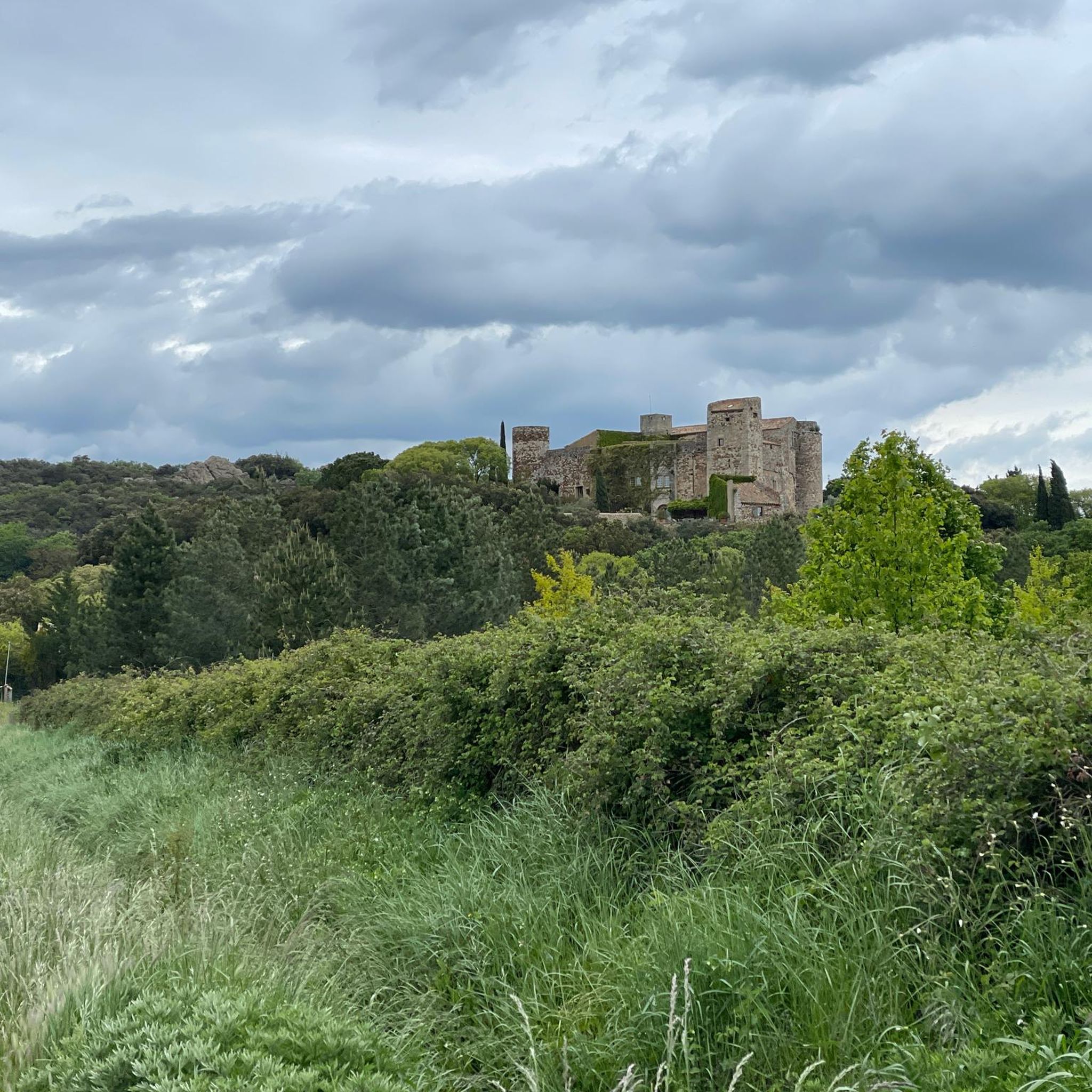
View of the Château de La Capelle
Highlight • Castle
Translated by Google •
Tip by

View of the Ruins of Le Castellas
Highlight • Castle
The ruins date from the 11th to the 12th century. From the way the fortress was designed, it seems impregnable. You can observe it along this road which slaloms between the large limestone rocks.
Translated by Google •
Tip by
Château de la Fare
Highlight • Castle
Translated by Google •
Tip by

Start today with a free account
Your next adventure awaits.
Login or Signup
Tips from the Community

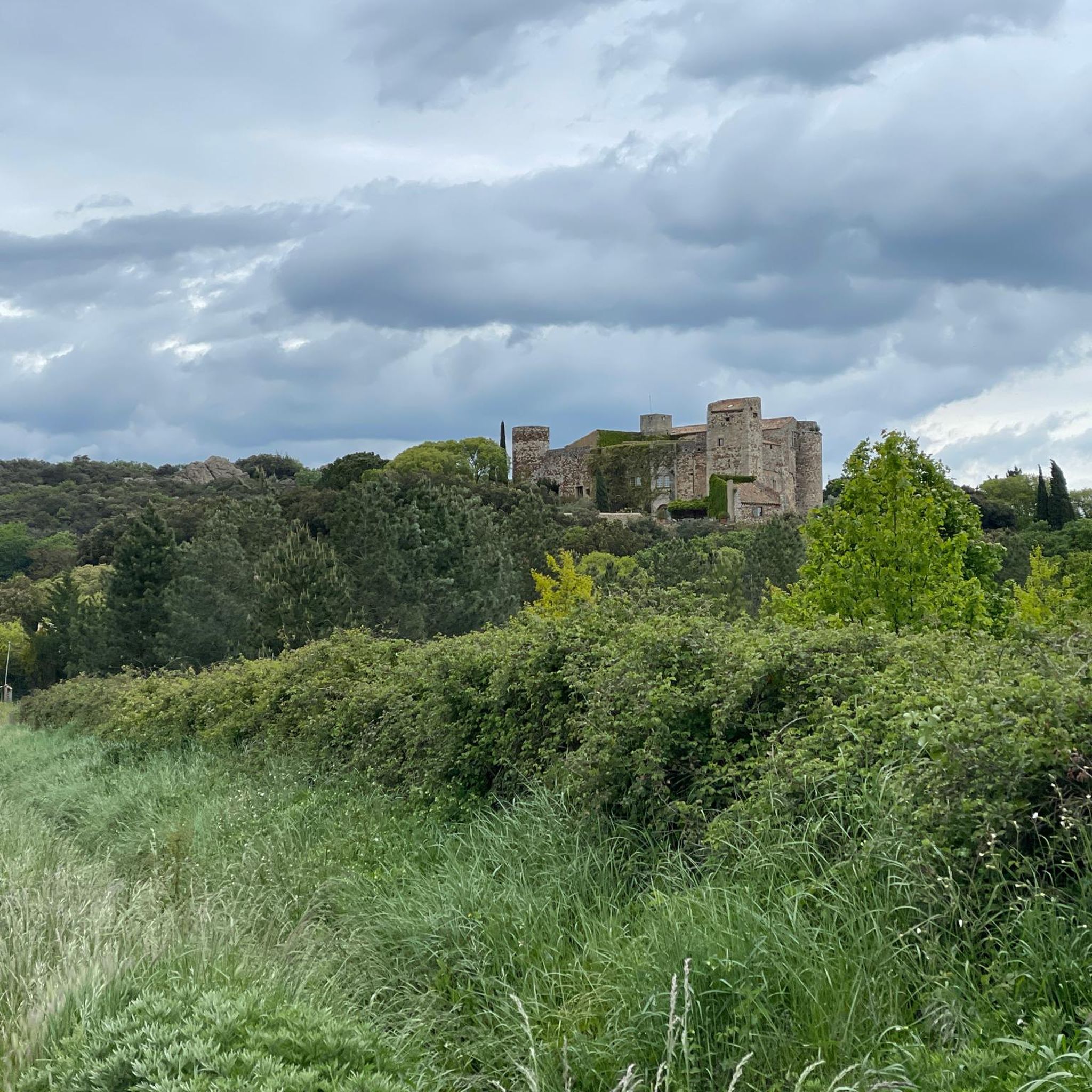
On a wooded hill you discover this castle in gray stone. It cannot be visited, but know that it has four corner towers which protect four curtain walls and a square tower.
0
0

Can be visited approximately 1 per hour
0
0

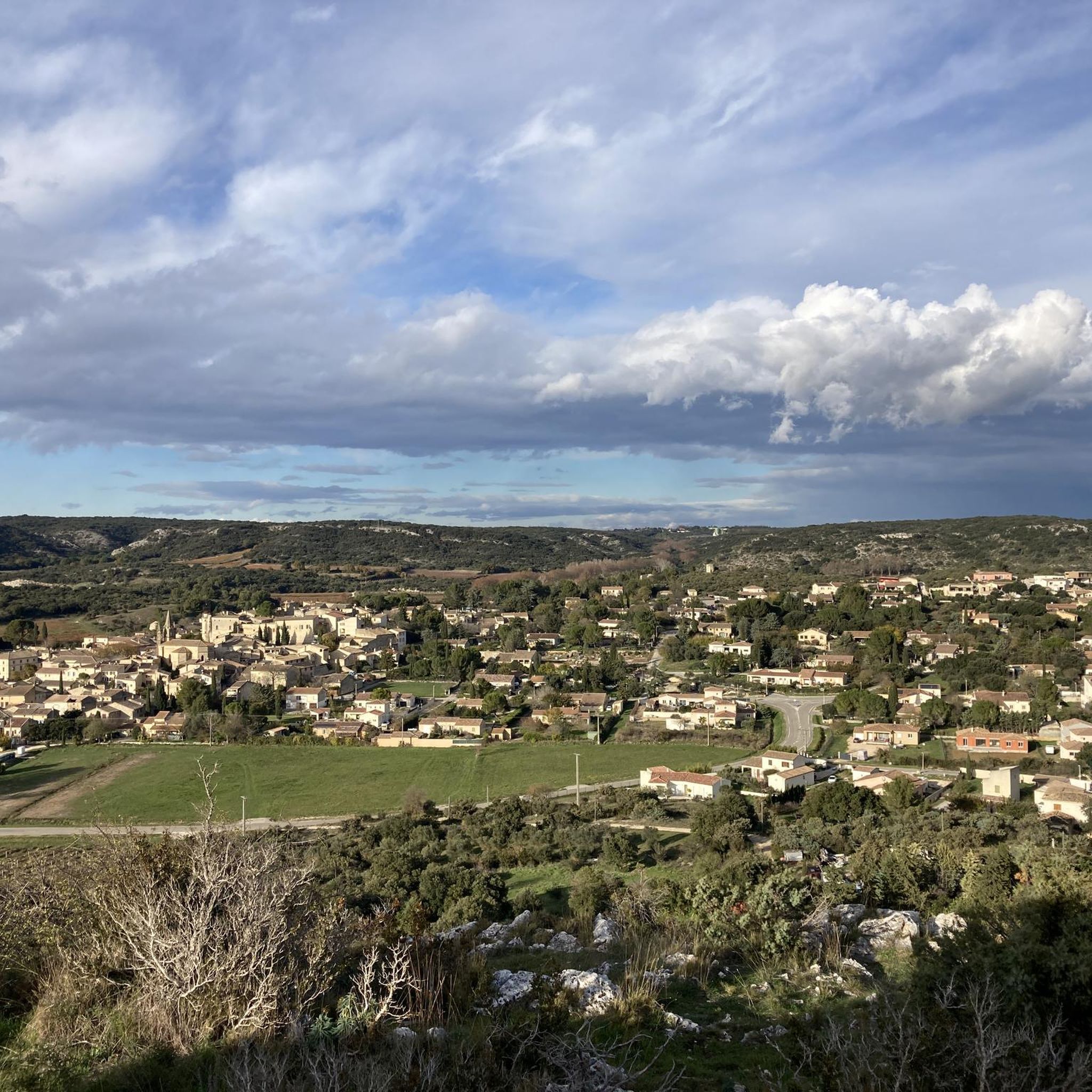
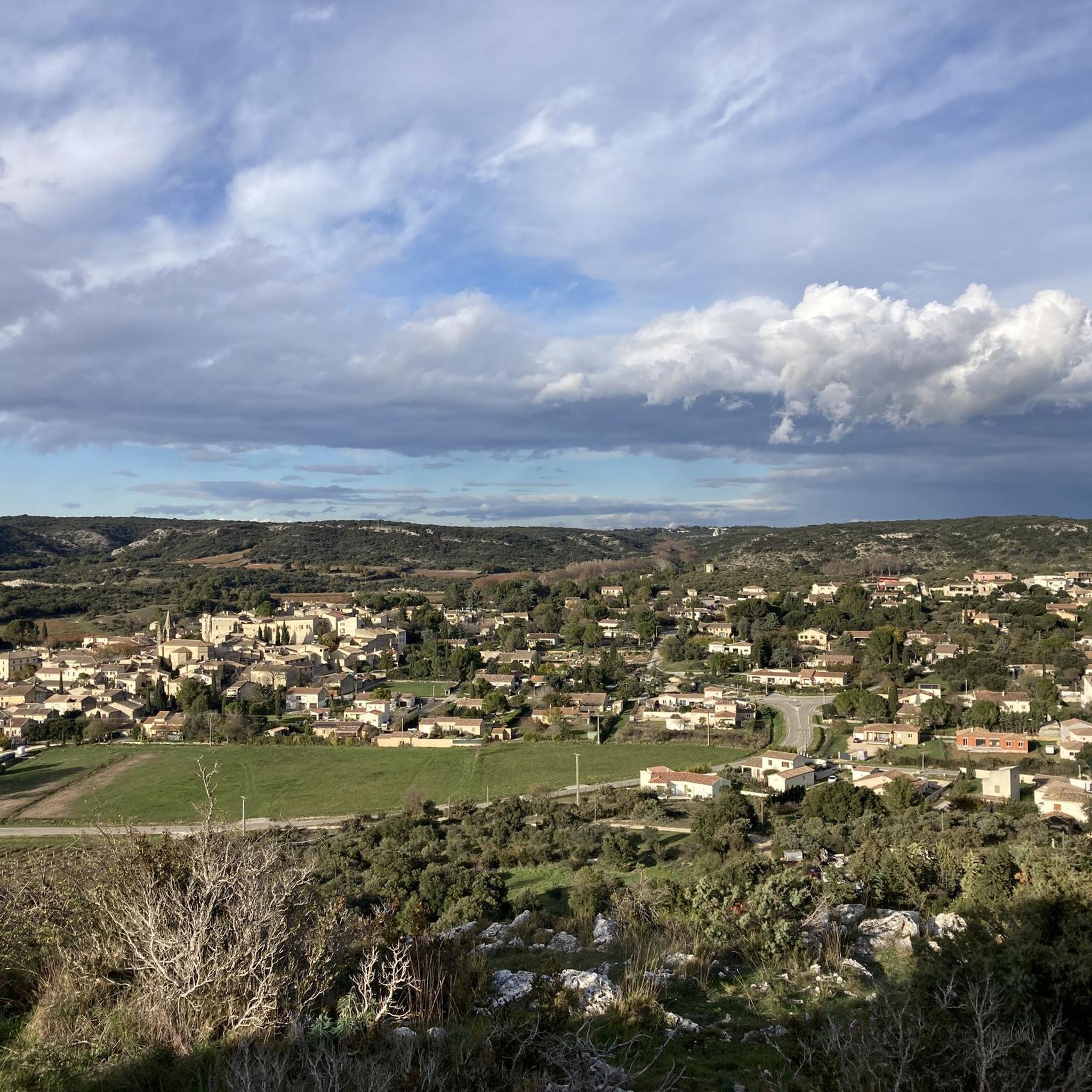
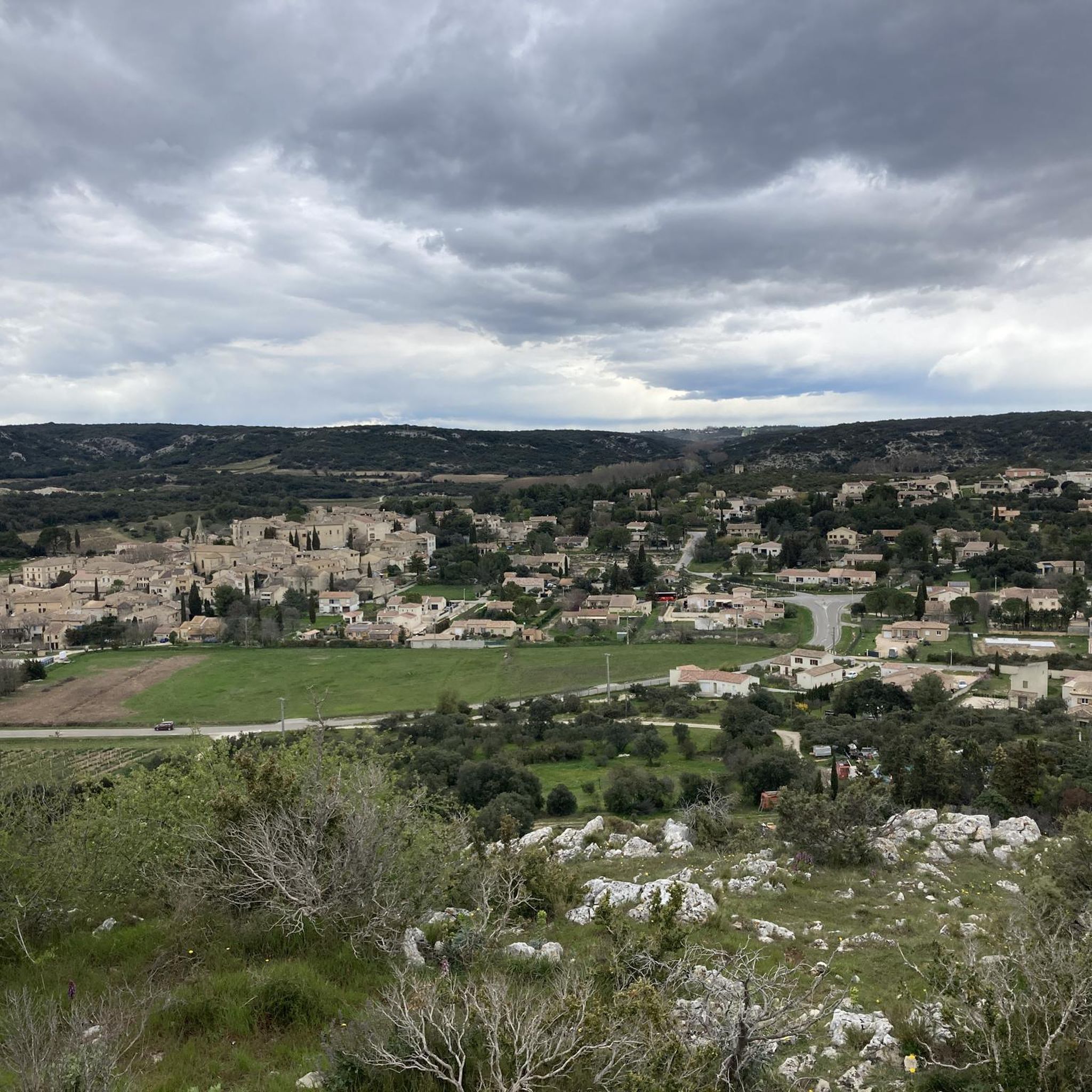
Saint Siffret is a magnificent medieval village located on the foothills of a limestone plateau a few kilometers from Uzès. Its cobbled streets, its Roman-Byzantine church, its stone houses and its 2 castles are worth the detour and a short visit.
1
0


The history of the Château de la Fare begins in the 12th century with the construction of a watchtower, at the foot of which a fortified house was built in the 13th century, blending into the village walls. The current castle dates from the 16th century and was rebuilt after a fatal fire.
1
0
The Castellas is not to be confused with the Château de Saint-Victor-Lacoste, which is a hotel found in the center of the village of the same name. Here are the ruins of an ancient castle strategically located on a rocky pyramid. From up there you overlook the Tave plain and the Rhône valley. The ruins date from the 11th to the 12th century. From the way the fortress was designed, it seems impregnable. You can observe it along this road which slaloms between the large limestone rocks.
2
0

Nice little village. There is a tap, but do not fill your water bottle at the fountain which is not drinkable.
0
0

In 1565, Uzès became the first duchy of France. Located in the heart of the city, the duchy belongs to the Crussol family. The buildings of the Ducal Palace, also called the Castle of the Dukes, Château, Palais ducal, Le Duchè, were built during the Middle Ages, the Renaissance and the 17th century. The Castle (Château) of the Dukes was extended by three towers (Tours).
5
0
Frequently Asked Questions
Are all castles around La Capelle-Et-Masmolène open to the public?
No, not all castles are publicly accessible. For instance, the Château de La Capelle is a private property and cannot be visited inside. However, the restored 11th-century Romanesque chapel at Masmolène Chateau is open to visitors and offers panoramic views. Other highlights like the Ducal Palace of Uzès are major attractions with public access.
What historical sites can I explore in La Capelle-Et-Masmolène and its surroundings?
Beyond the castles, you can explore the Saint-Siffret Medieval Village, which features cobbled streets, stone houses, a Roman-Byzantine church, and two castles. The Ducal Palace of Uzès, the first duchy of France, offers a deep dive into medieval and Renaissance history. The ruins of Le Castellas also provide a glimpse into 11th to 12th-century fortifications.
What outdoor activities can I do near these castles?
The region around La Capelle-Et-Masmolène is excellent for various outdoor activities. You can find numerous routes for road cycling, touring bicycle, and gravel biking. Many routes pass by historical sites and offer scenic views of the limestone plateaus and plains.
Are there family-friendly castles or activities in the area?
While specific family-friendly programs at castles are not detailed, exploring the Saint-Siffret Medieval Village with its charming streets and historical elements can be an engaging activity for families. The panoramic views from the restored chapel at Masmolène Chateau might also appeal to children. Many of the cycling routes nearby are of moderate difficulty, suitable for active families.
Where can I find panoramic views near the castles?
For stunning panoramic views, visit the restored 11th-century Romanesque chapel at Masmolène Chateau, which offers exceptional vistas of the surrounding landscape. Additionally, the View of the Ruins of Le Castellas, strategically located on a rocky pyramid, provides views of the Tave plain and the Rhône valley.
What is special about the Ducal Palace of Uzès?
The Ducal Palace of Uzès (Le Duché d'Uzès) is historically significant as Uzès became the first duchy of France in 1565. The palace buildings were constructed and extended across the Middle Ages, Renaissance, and 17th century, featuring three distinct towers. Its Gothic castle chapel has a unique roof covered in glazed tiles depicting the Crussol family coat of arms.
Can I bring my dog to the castles or nearby trails?
While specific castle policies for dogs are not always stated, many outdoor trails and natural areas around La Capelle-Et-Masmolène are generally dog-friendly. It's advisable to keep dogs on a leash, especially near historical sites or in populated areas. Always check local regulations for specific sites before visiting.
What is the best time of year to visit the castles in this region?
The best time to visit the castles and explore the region's outdoor activities is typically during spring (April-June) and autumn (September-October). The weather is generally pleasant for walking and cycling, avoiding the intense heat of summer and the cooler, potentially wetter conditions of winter. This allows for comfortable exploration of both indoor and outdoor historical sites.
Are there cafes or restaurants near the castles in La Capelle-Et-Masmolène?
The commune of La Capelle-Et-Masmolène itself is a small village. While specific cafes or restaurants directly adjacent to the private Château de La Capelle or the Masmolène chapel are limited, the nearby town of Uzès, home to the Ducal Palace, offers a wider selection of dining options. Some highlights, like the Château de la Fare, are noted to have nearby amenities such as a bakery.
What is the history of Château de La Capelle?
The Château de La Capelle dates back to the 12th century and served as the summer residence for the bishops of Uzès until the French Revolution. It features a medieval silhouette with a square tower and round corner towers protecting its curtain walls. Despite its historical importance, it is a private property and not open to the public, though it has undergone restoration efforts since 1965.
What remains of Masmolène Chateau today?
The 11th-century Masmolène Chateau is largely in ruins, with some defensive walls integrated into the village. The most significant remaining feature is its 11th-century Romanesque chapel, which has been carefully restored and is open to visitors. This chapel, along with its tower and keep, represents the last vestiges of Lord Adelard's domain and frequently hosts musical events.
How can I reach the castles using public transport?
Public transport options directly to the smaller castles in La Capelle-Et-Masmolène are limited. However, bus services connect La Capelle-Et-Masmolène to larger towns like Uzès, where the Ducal Palace is located. For other castles and ruins, driving or cycling might be the most convenient way to access them, often with parking available in nearby villages.
Most popular routes around La Capelle-Et-Masmolène
Most popular attractions around La Capelle-Et-Masmolène

Get inspired with the komoot mobile app


Explore more
Looking for the best castles somewhere else? Discover other guides around La Capelle-Et-Masmolène:
