Top 5 Gorges around Château-Ville-Vieille
Best canyons near Château-Ville-Vieille are primarily found within the Gorges du Guil, a significant natural formation in the Queyras Regional Natural Park. This area is characterized by a wild river that has carved impressive gorges over millions of years. The landscape features steep cliffs and diverse geological formations, providing a setting for various outdoor activities. Château-Ville-Vieille serves as a base for exploring these natural features.
Best canyons around Château-Ville-Vieille
- The most popular canyons is Gorges of the Guil, a…
Last updated: July 6, 2026
Gorges of the Guil
Highlight • Gorge
Translated by Google •
Tip by

Gorges du Guil
Highlight • Gorge
Translated by Google •
Tip by
Sign up now to discover places like this
Get recommendations on the best single tracks, peaks, & plenty of other exciting outdoor places.
Sign up for free
Ruine Blanche Ravine
Highlight • Gorge
Tip by

Guil Gorges
Highlight • Gorge
Translated by Google •
Tip by

Valley of the Torrent de Pierre Rouge
Highlight • Gorge
Tip by

Sign up for free to discover even more gorges around Château-Ville-Vieille.
Sign up for free
Already have an account?
Start today with a free account
Your next adventure awaits.
Login or Signup
Popular around Château-Ville-Vieille
The Komoot Torino-Nice Rally
The STONE KING Route – adventure enduro from High Alps to the Med
Seven hikes in France’s Southern Alps – refuges and high peaks
Lakes, white water and summits – Spain’s Queyras Mountains
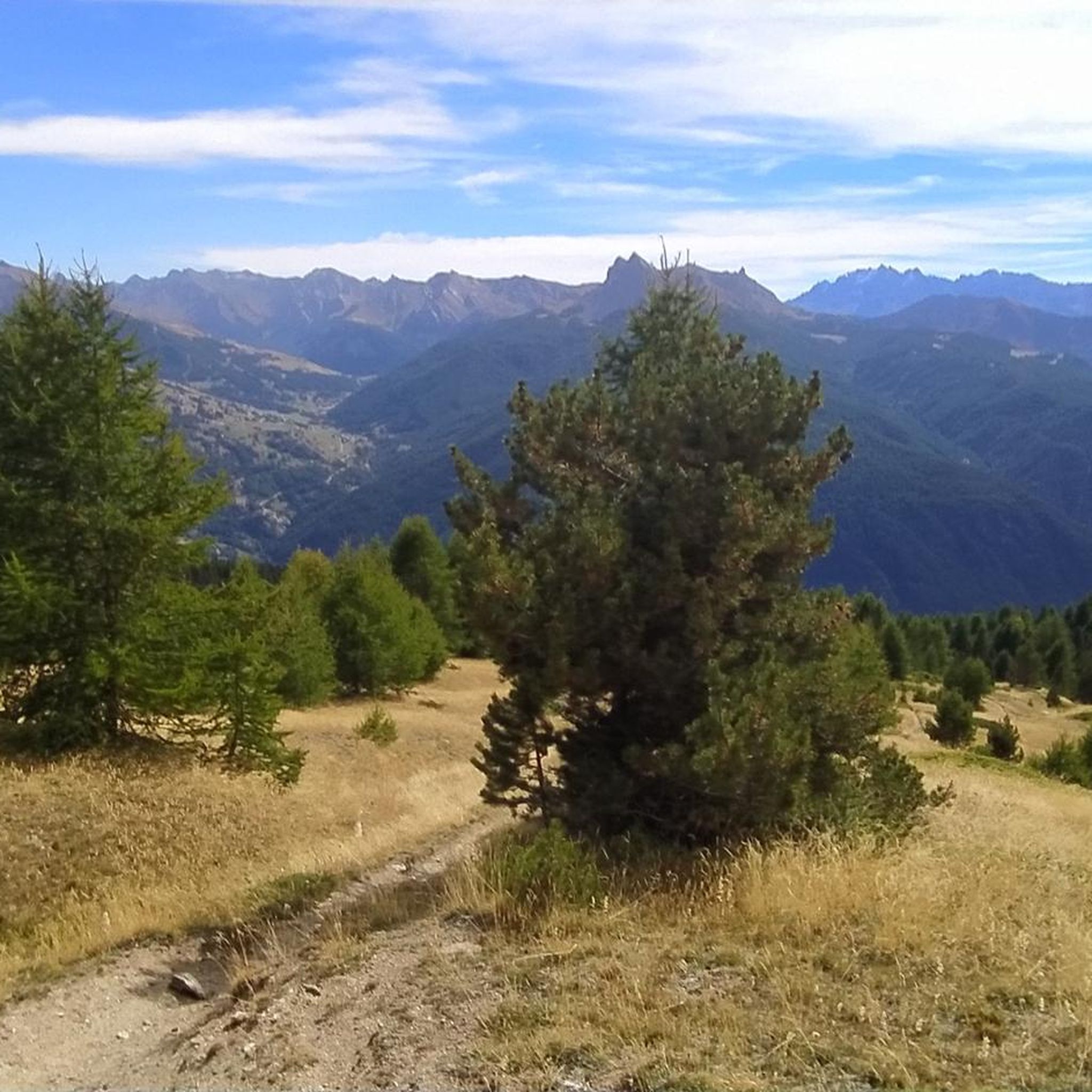
Road Cycling Routes around Château-Ville-Vieille
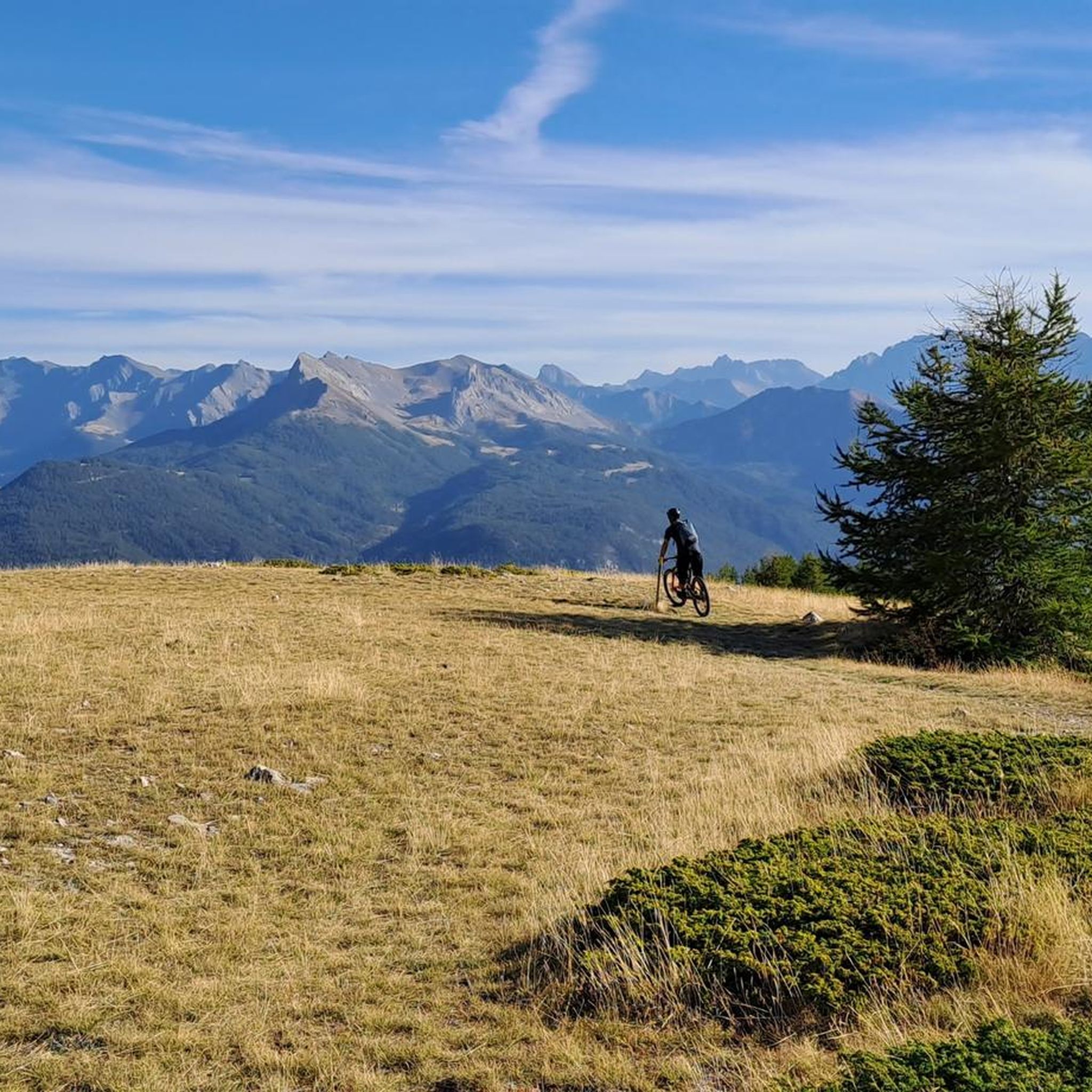
Hiking around Château-Ville-Vieille
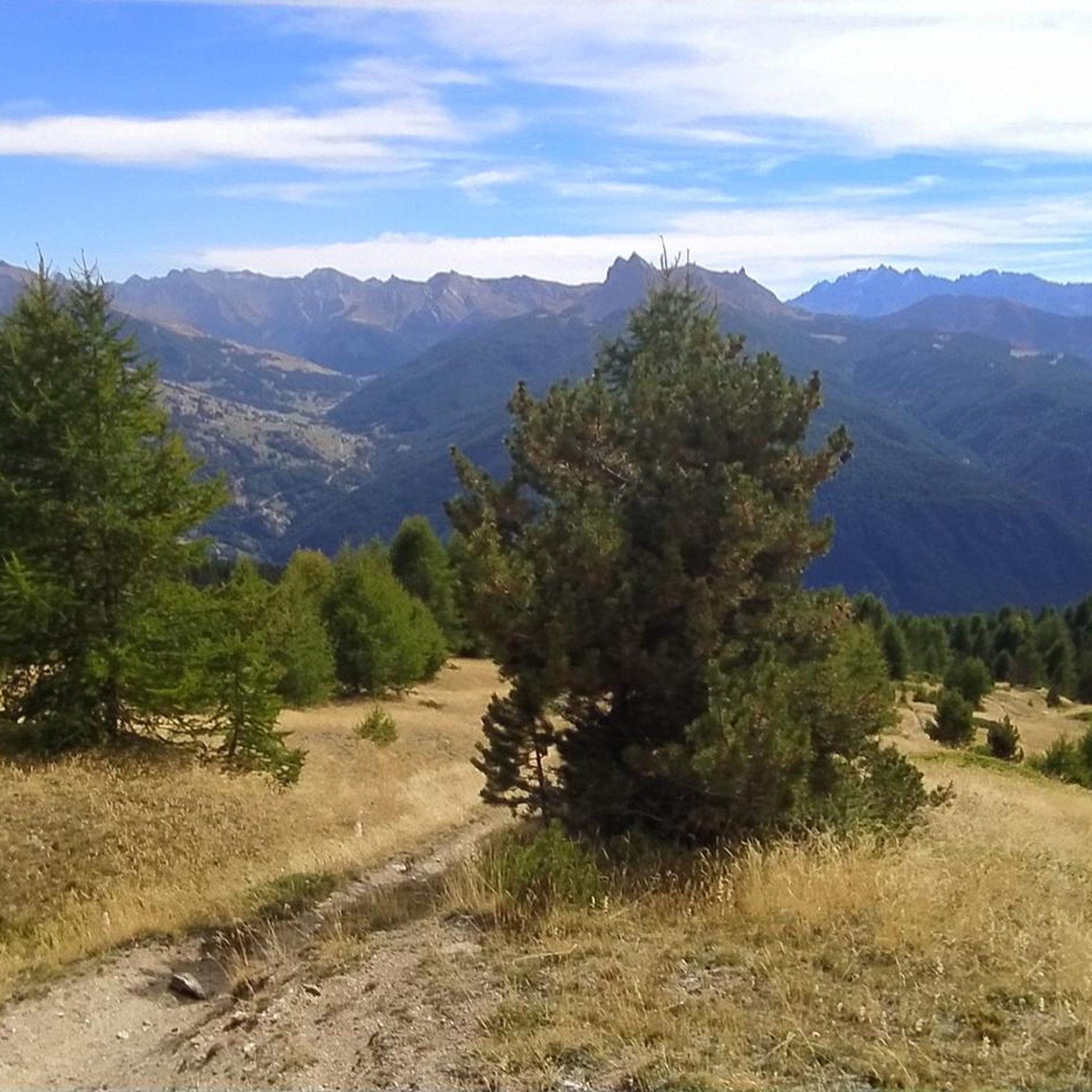
MTB Trails around Château-Ville-Vieille
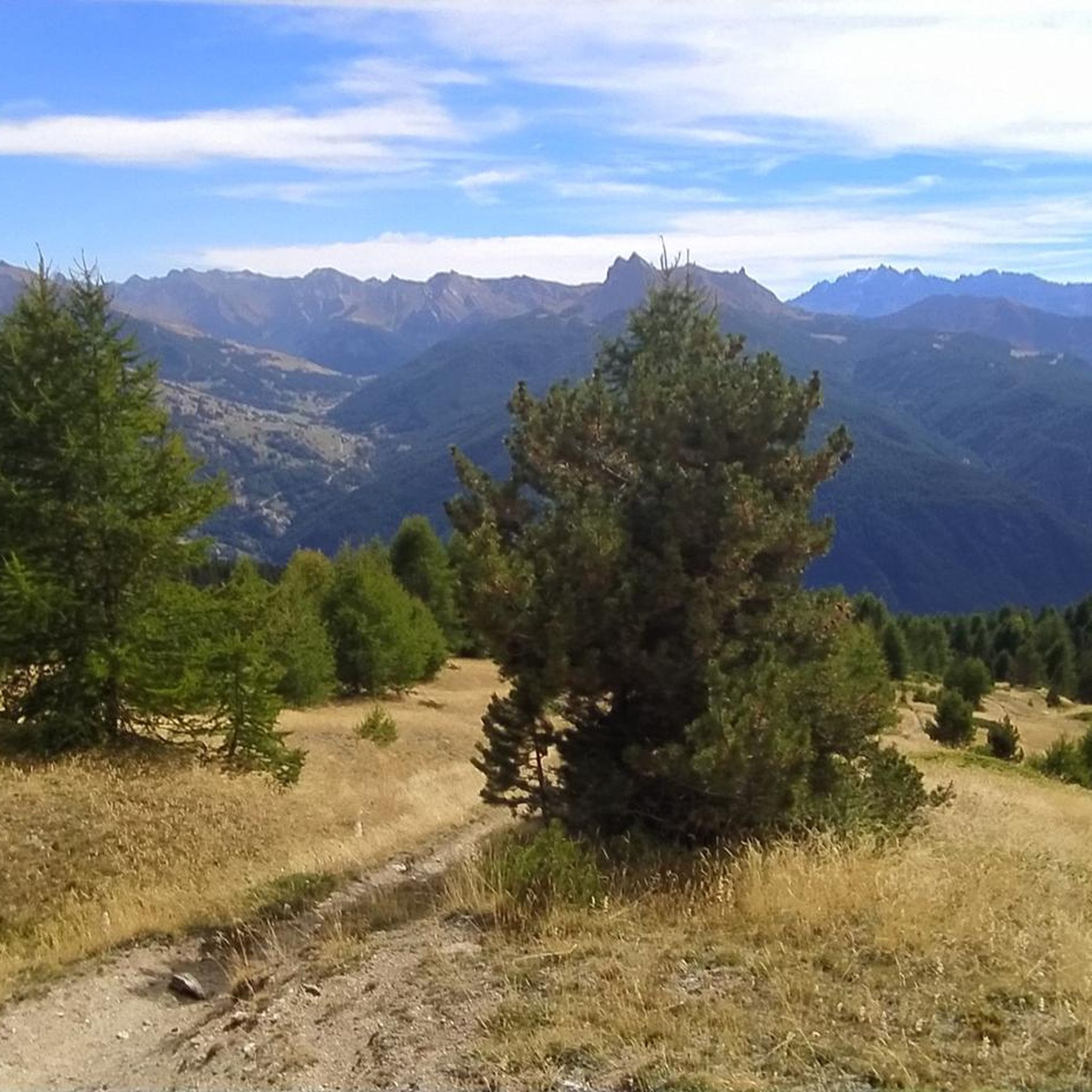
Cycling around Château-Ville-Vieille
Gravel biking around Château-Ville-Vieille

Mountain Hikes around Château-Ville-Vieille
Other adventures around Château-Ville-Vieille


Tips from the Community

An almost fairytale passage, the Guil has carved the rock over millions of years.
14
0
Incredible road, you enjoy it even more on a bike.
13
0
Cycling through these gorges is a wonderful experience.
15
0

Lovely valley surrounded by a bright palette of wildflowers, the squeaking of marmots and fresh breezes from rivers and waterfalls. The valley connects the refuge des Font de Cervières to the Pic du Malrif and le Lac du Grand Laus. The refuge offered delicious food in big portions, a shower and the possibility to use a blanket for the colder nights in a tent. The valley is for the moment on my top list for spotting marmots.
0
0

The Ruine Blanche ravine is a formation of gypsum that was deposited in the lagoons of the Alpine Ocean. The alpine ocean was a warm, shallow sea where corals lived (fossils from the Rochebrune massif in Arvieux). In the shallows swam ammonites (fossils from the pink marble quarry of Guillestre). In the lagoons were deposited gypsum (formation of the Ruine Blanche above the hamlet of Montbardon in Château-Ville-Vieille) and cargneules (Casse-déserte in Arvieux). Fossilized sea sands, wrinkled by the waves, still bear witness to a beach. The clay and limestone sediments deposited on the ocean floor were then transformed into shales by tectonic phenomena.
1
0

very impressive natural spectacle as the river digs into the valley
3
0

wonderful landscape at the foot of the Col dízoard.
2
0
Frequently Asked Questions
What are the primary canyons to explore around Château-Ville-Vieille?
The most prominent canyoning destination is the Gorges du Guil, a spectacular natural formation carved by the wild Guil river. You can experience different sections like the Gorges of the Guil, known for its continuous rapids, or the Guil Gorges, famous for its impressive road layout. Another unique natural monument is the Ruine Blanche Ravine, a gypsum formation offering insight into the region's ancient geological history.
What kind of canyoning experiences can I find in the Gorges du Guil?
The Gorges du Guil offers a range of canyoning experiences, from family-friendly descents in summer to more challenging routes in spring, with sections classified as Class IV and V. The wild and untamed Guil river provides varied rapids and sensations, making it suitable for both introductory rafting and more technical excursions. Aquatic hiking is also popular for exploring inaccessible sections.
Are there options for beginner canyoning near Château-Ville-Vieille?
Yes, local outfitters in Château-Ville-Vieille, such as QUEY'RAFT, provide guided canyoning trips on the Guil that cater to various skill levels, including family discoveries and introductory rafting experiences. These ensure safety with state-certified guides, making it accessible for beginners.
What geological features can be observed in the canyons around Château-Ville-Vieille?
The region is rich in geological history. The Ruine Blanche Ravine is a prime example, being a formation of gypsum deposited in ancient lagoons of the Alpine Ocean. You can find evidence of corals, ammonites, and cargneules, which are remnants of a warm, shallow sea that once covered the area.
What is the best time of year to visit the canyons for activities like canyoning or hiking?
The best time to visit depends on your desired activity. For family-friendly canyoning and aquatic hiking, summer offers more suitable conditions. Spring provides more challenging routes due to higher water levels. For hiking and cycling through the gorges, late spring to early autumn generally offers pleasant weather.
Are there any permits required for canyoning in the Gorges du Guil?
While the region research does not explicitly state permit requirements for individuals, it is highly recommended to go with professional guidance from local outfitters. They will ensure all necessary regulations and safety measures are met for canyoning activities in the Gorges du Guil.
What other outdoor activities can I do near the canyons of Château-Ville-Vieille?
Beyond canyoning, the area offers a variety of outdoor activities. You can find numerous routes for gravel biking, mountain hikes, and road cycling. The Gorges du Guil itself is popular for cycling, offering stunning views along the road.
Can I cycle through the Gorges du Guil?
Yes, cycling through the Gorges du Guil is a popular activity and offers a wonderful experience. The Gorges of the Guil and Gorges du Guil are highly recommended for their impressive landscapes. Be aware that some sections, like the Gorges du Guil, can have a lot of cars, so caution is advised.
What makes the Gorges du Guil a unique natural site?
The Gorges du Guil is recognized as one of France's last rivers without artificial development, offering a truly wild and natural experience. The river has carved impressive gorges over millions of years, creating a continuous sequence of rapids and revealing hidden heritage and inaccessible sites within its stunning scenery.
Are there any historical sites visible from the canyons?
Yes, the Gorges du Guil offers breathtaking views that include the historical backdrop of Fort Queyras, a medieval castle perched majestically above the gorges. This adds a cultural dimension to the natural beauty of the area.
What do visitors enjoy most about the canyons around Château-Ville-Vieille?
Visitors frequently praise the wild and natural beauty of the Gorges du Guil, describing it as an almost fairytale passage. The spectacular road layout through the gorges, also known as "Combe du Queyras," is also highly appreciated for its incredible landscape, especially by cyclists.
Is the area around Château-Ville-Vieille suitable for mountain biking?
Yes, the Gorges du Guil area is excellent for mountain biking. The Guil Gorge – Route de la Viste is specifically highlighted as an incredible place for mountain biking, offering a sumptuous setting. You can find more options in the gravel biking guide for the region.
Most popular routes around Château-Ville-Vieille
Most popular attractions around Château-Ville-Vieille

Get inspired with the komoot mobile app


Explore more
Already discovered everything in this region? See additional gorges around Château-Ville-Vieille for your next adventure:
