Top 5 Caves around Champagne-Sur-Seine
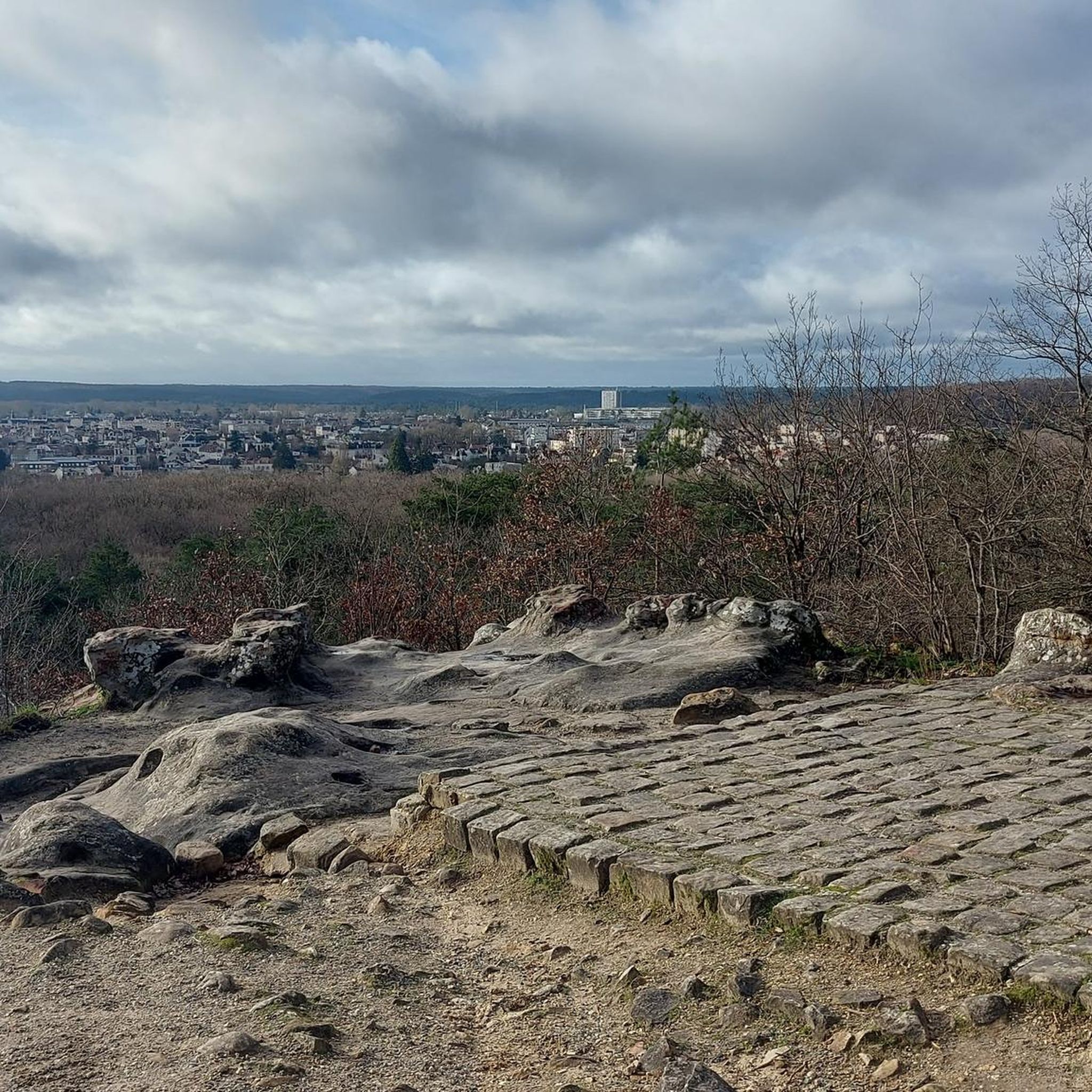
Best caves around Champagne-Sur-Seine are primarily natural rock formations and shelters found within the forested terrain surrounding the area. This region offers a landscape characterized by sandstone outcrops and unique geological features, providing numerous opportunities for exploration. These natural features contribute to the diverse outdoor experiences available, appealing to those interested in geological formations and historical sites. The terrain elevation difficulty varies, making these sites accessible for different activity levels.
Best caves around Champagne-Sur-Seine
- The most popular caves is Grotte…
Last updated: July 6, 2026
Grotte du Serment
Highlight • Gorge
Translated by Google •
Tip by

Béatrix Cave
Highlight • Cave
Translated by Google •
Tip by
Sign up now to discover places like this
Get recommendations on the best single tracks, peaks, & plenty of other exciting outdoor places.
Sign up for free
Troubetzkoï Family Shelter
Highlight • Cave
Translated by Google •
Tip by

Calvary Shelter
Highlight • Cave
Translated by Google •
Tip by
White Doe Cave
Highlight • Cave
Translated by Google •
Tip by
Start today with a free account
Your next adventure awaits.
Login or Signup

Tips from the Community

I do believe this is an excellent website. I stumbled upon it I may revisit once again since I saved as a favorite it. https://www-sunpass.com
0
0
The photo is not the Adam Solomon cave but that of the Troubetzkoï family shelter The cave is photo 6
0
0

Small cave in the woods, with engravings, in homage to Samuel Adam-Salomon - French sculptor of the 19th Century who spent most of his life in Fontainebleau. His works are mainly exhibited at the Musée d'Orsay, the Invalides and the Chateau de Versailles.
0
1

The cave of the oath is quite surprising, especially because the vault is made of a single rock. The letters D.F.D were engraved on the cave by Denecourt himself and mean "Last Madness Denecourt".
1
0

The Béatrix cave is a natural wonder hidden in the forest of Fontainebleau. This cave, dug in the sandstone, is accessible during an outing in the forest. It offers an enchanting spectacle with its stalactites, its concretions and its walls covered with moss. It is also known to have been the place of meditation of Queen Marie-Antoinette.
0
0
It is a shelter dug into the rock near the Croix du Calvaire. It is a perfect place to stop and refuel. The setting is impressive!
0
0
The Oath Cave is quite surprising, especially because the vault is made of a single rock. The letters D.F.D were engraved on the cave by Denecourt himself and mean "Last Folie Denecourt".
2
0
Marked with a "C", the Biche Blanche cave was designed by Denecourt himself to arouse the curiosity of hikers. There are many inscriptions historically associated with the farriers who looked after the horses of the military regiments around 1878.
1
0
Frequently Asked Questions
What kind of 'caves' can I expect to find around Champagne-Sur-Seine?
Around Champagne-Sur-Seine, you'll primarily discover natural rock formations and shelters within the forested terrain, characterized by sandstone outcrops and unique geological features. These are not deep caving experiences but rather accessible rock shelters and natural monuments. The broader Champagne region is also famous for its extensive underground champagne cellars, often referred to as 'caves', which are historical chalk quarries used for aging champagne.
Are there any historical caves or shelters to explore?
Yes, several shelters have historical significance. For instance, the Grotte du Serment features historical engravings by Denecourt himself. The Troubetzkoï Family Shelter contains engravings in homage to Samuel Adam-Salomon, a 19th-century French sculptor. Additionally, the White Doe Cave, designed by Denecourt, holds inscriptions historically associated with farriers from around 1878.
What are some of the most popular natural rock shelters in the area?
Visitors particularly enjoy the Grotte du Serment, known for its vault made of a single rock. Another popular spot is Béatrix Cave, a scenic cave carved into the rock often found at the end of a hike. The Calvary Shelter, dug into the rock near the Croix du Calvaire, also offers an impressive setting for a stop.
Are the caves around Champagne-Sur-Seine suitable for families?
The natural rock shelters and formations around Champagne-Sur-Seine are generally accessible and can be enjoyed by families. Many are located within forested areas, making for pleasant walks. The terrain elevation difficulty varies, offering options for different activity levels, but most are considered intermediate. Always check specific route details for suitability with younger children.
What geological features can I observe in these caves?
The region is characterized by sandstone outcrops. You can observe unique formations like the single-rock vault of the Grotte du Serment, and various shelters carved or dug into the rock, showcasing the natural erosion and geological structure of the area. These features are part of the diverse outdoor experiences available.
What outdoor activities can I combine with visiting these caves?
The caves are often integrated into hiking and walking routes. You can find various outdoor activities nearby, including running trails, road cycling routes, and gravel biking. For example, you can explore running trails like the 'Étang des Basses Godernes loop' or road cycling routes such as 'Electrical manufacturing – Breathtaking view of the Seine loop'. For more options, check out the Running Trails around Champagne-Sur-Seine, Road Cycling Routes around Champagne-Sur-Seine, or Gravel biking around Champagne-Sur-Seine guides.
What is the best time of year to visit the natural shelters?
The natural shelters and rock formations are generally accessible year-round. Spring and autumn offer pleasant temperatures for hiking through the forested terrain. Summer can also be enjoyable, with the shade of the trees providing relief. Winter visits are possible, but paths might be muddy or slippery, so appropriate footwear is recommended.
Are there any unique 'caves' in the broader Champagne region that combine geology with other interests?
Yes, beyond the natural shelters, the broader Champagne region offers unique experiences. For instance, La Cave aux Coquillages in Fleury-la-Rivière provides an unusual visit combining oenology with geology, allowing visitors to explore underground galleries and learn about fossils alongside wine. This offers a different perspective on the region's 'caves'.
What should I wear when exploring the natural shelters?
Given that many shelters are found within forested terrain and often at the end of hikes, comfortable walking shoes or hiking boots with good grip are recommended. Dress in layers suitable for the weather, as temperatures can vary, especially when moving between open areas and the cooler, shaded shelters. Bringing water and snacks is also advisable.
Are there any famous champagne cellars (caves) in the wider Champagne region that are worth visiting?
Absolutely. The Champagne region is renowned for its champagne cellars. Notable examples include the historic cellars of Taittinger and Pommery in Reims, known for their art installations and UNESCO World Heritage status. In Épernay, Mercier offers a unique train ride through its tunnels, and Moët & Chandon boasts extensive cellars. Other houses like Veuve Clicquot, Lanson, and Alfred Gratien also offer tours and tastings. For more information on visiting these, you can check resources like france.fr or epernay-tourisme.com.
What do visitors appreciate most about the natural shelters around Champagne-Sur-Seine?
Visitors often appreciate the scenic beauty and the sense of discovery these natural monuments offer. They enjoy the unique geological formations, such as the single-rock vault of the Grotte du Serment, and the impressive settings of shelters like the Calvary Shelter. The historical engravings and the peaceful forest environments also add to the appeal.
Most popular routes around Champagne-Sur-Seine
Most popular attractions around Champagne-Sur-Seine

Get inspired with the komoot mobile app


Explore more
Extend your search for the best caves by checking out these guides of the top ones around Champagne-Sur-Seine:
