Top 5 Caves around Seyssinet-Pariset
Best caves around Seyssinet-Pariset are primarily found within the Vercors Massif, a significant natural region near Grenoble in the Isère department of France. This area is characterized by its karstic landscape, which has led to the formation of numerous cave systems. These underground sites offer insights into geological processes and natural formations. The region provides access to both well-known show caves and more rugged, natural cave experiences.
Best caves around Seyssinet-Pariset
- The most popular caves is Cuves Trail, a cave that follows a beautiful path along La Furon. The cave is the lower exit of the Gouffre Berger, once known as the deepest cave in the world.
- Another must-see spot is Grottes de Mandrin, a series of small, interconnected caves. A route allows visitors to cross them, offering views of Grenoble and the surrounding region.
- Visitors also love Blowing Hole Cave, a natural monument belonging to a network of underground karst cavities. This complex extends over around fifty kilometers within the Vercors massif.
- Seyssinet-Pariset is known for its natural caves, fossil caves, and rock shelters. The area offers a variety of underground experiences, from easily accessible grottoes to more challenging karst systems.
- The caves around Seyssinet-Pariset are appreciated by the komoot community, with more than 40 upvotes and 36 photos shared by visitors.
Last updated: May 26, 2026
Cuves Trail
Highlight (Segment) • Cave
Translated by Google •
Tip by

Grottes de Mandrin
Highlight • Cave
Translated by Google •
Tip by

Sign up now to discover places like this
Get recommendations on the best single tracks, peaks, & plenty of other exciting outdoor places.
Sign up for free
Grotte de la Ture
Highlight • Cave
This cave gives an easy start for underworld exploration, and is wider than it is high.
You can also find many different bats species in this grotto.
Tip by

Blowing Hole Cave
Highlight • Cave
Translated by Google •
Tip by

Grotte Colomb
Highlight • Cave
Translated by Google •
Tip by

Start today with a free account
Your next adventure awaits.
Login or Signup
Popular around Seyssinet-Pariset
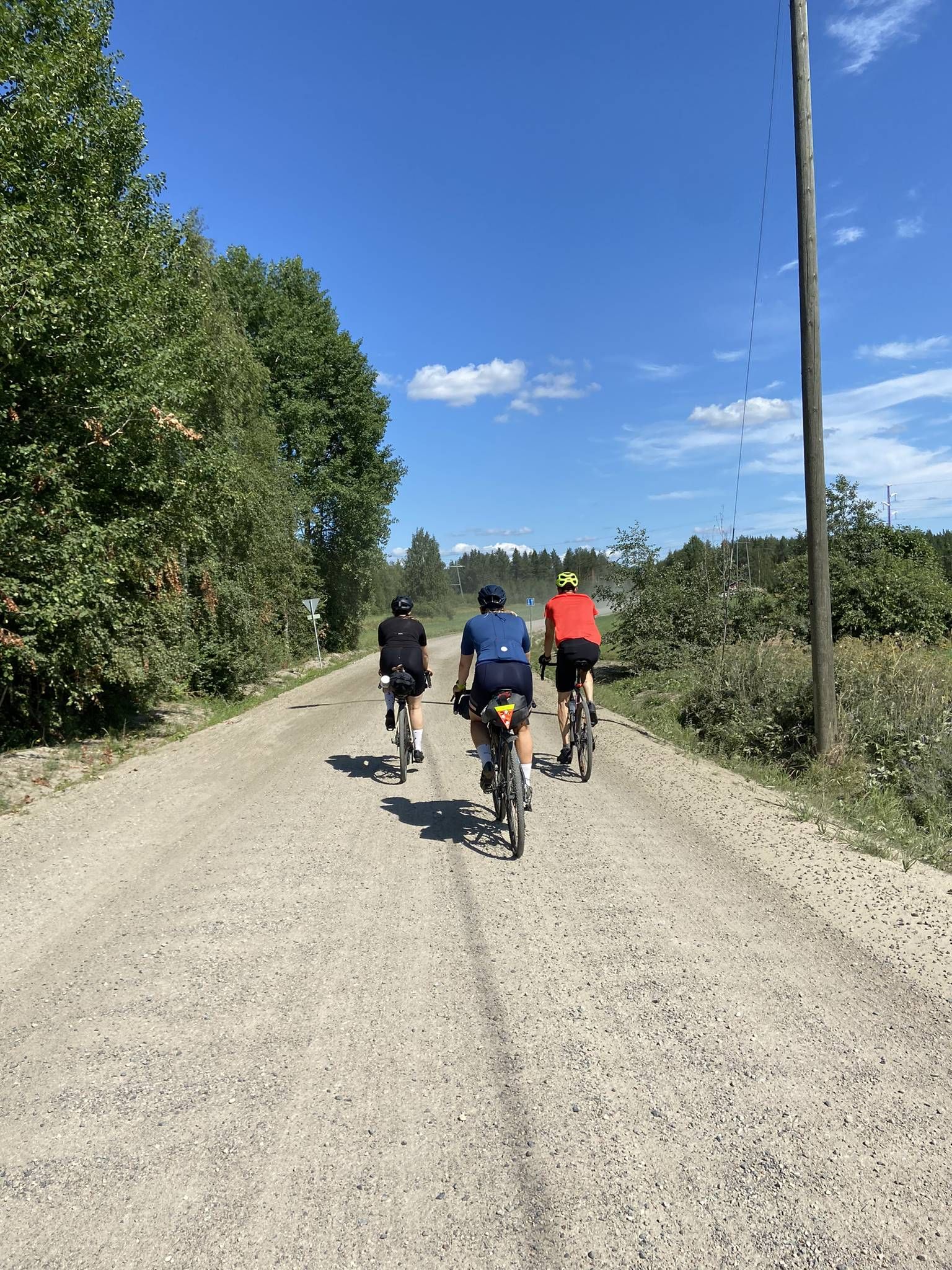
Naples to North Cape — Two friends, one purpose and many scoops of ice-cream
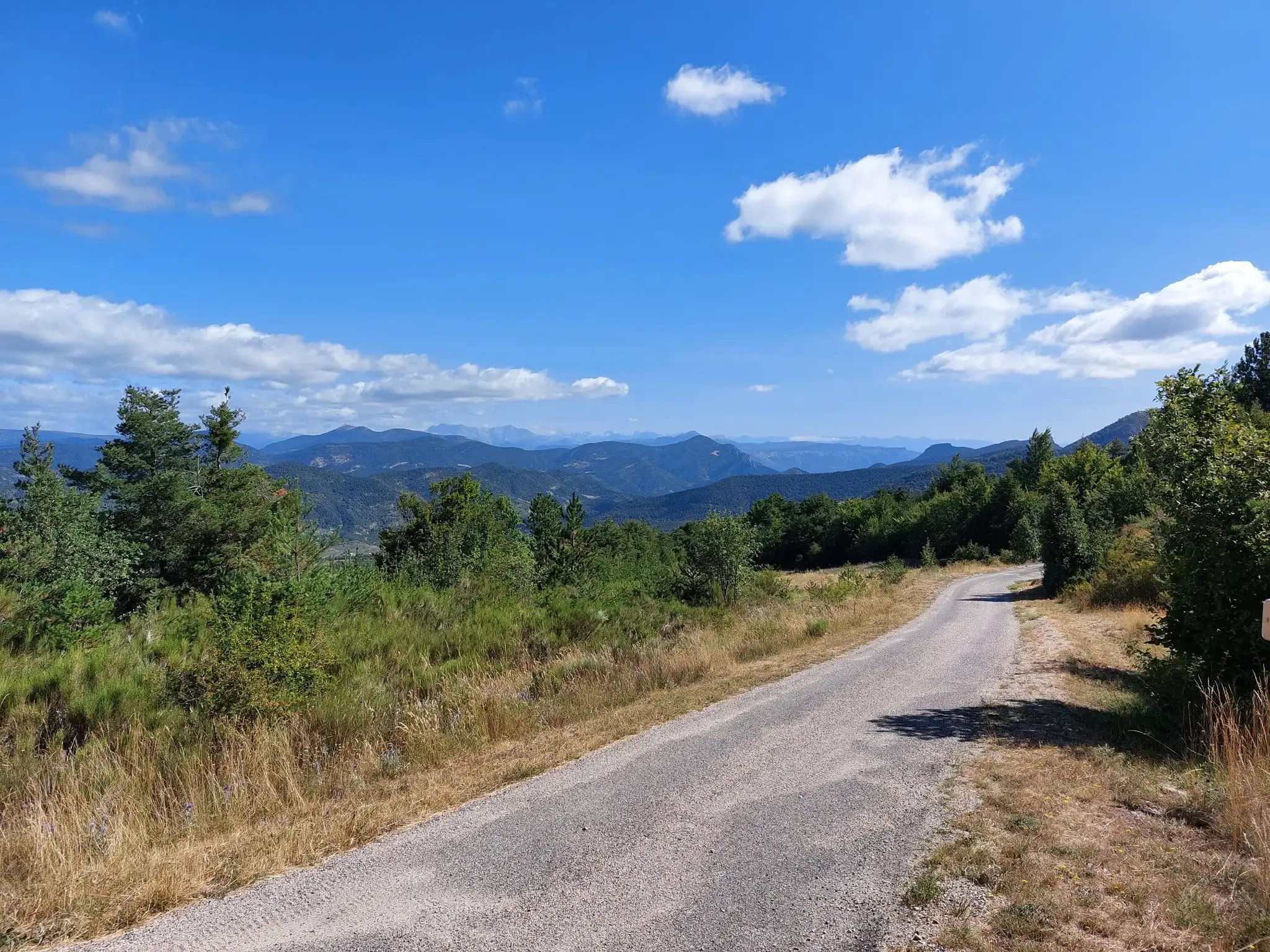
P'tites Routes du Soleil – crossing the pre-Alps from Lake Geneva to Nice
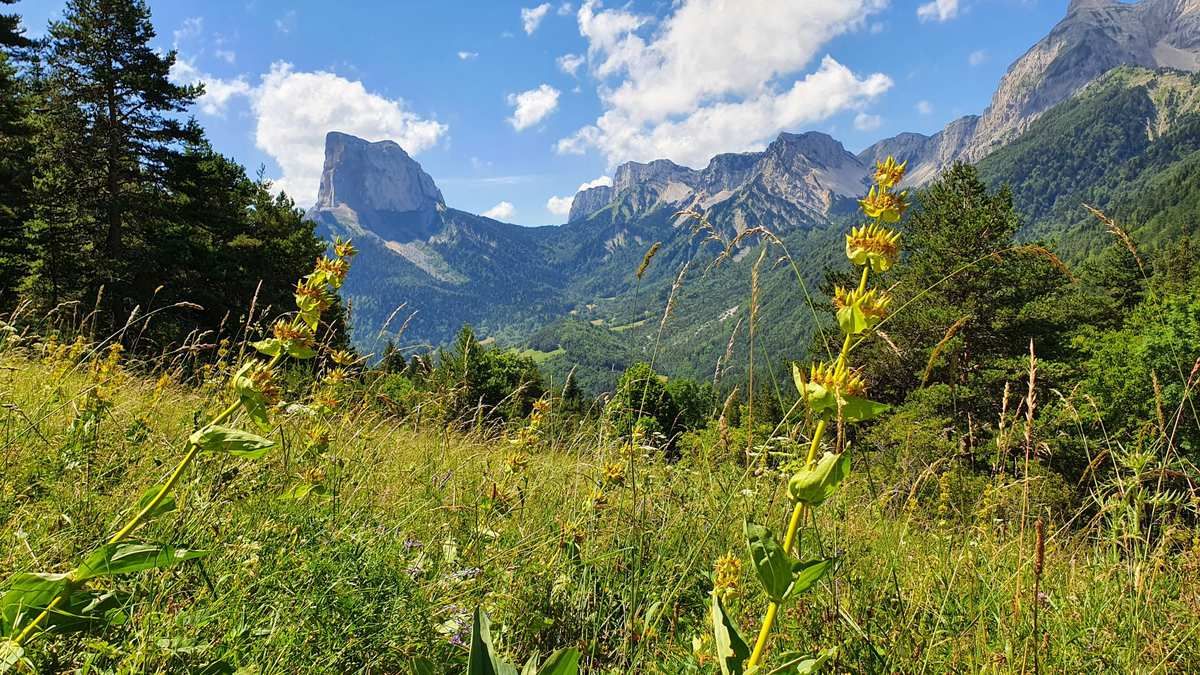
High altitude adventure — hiking across the high plateaus of the Vercors
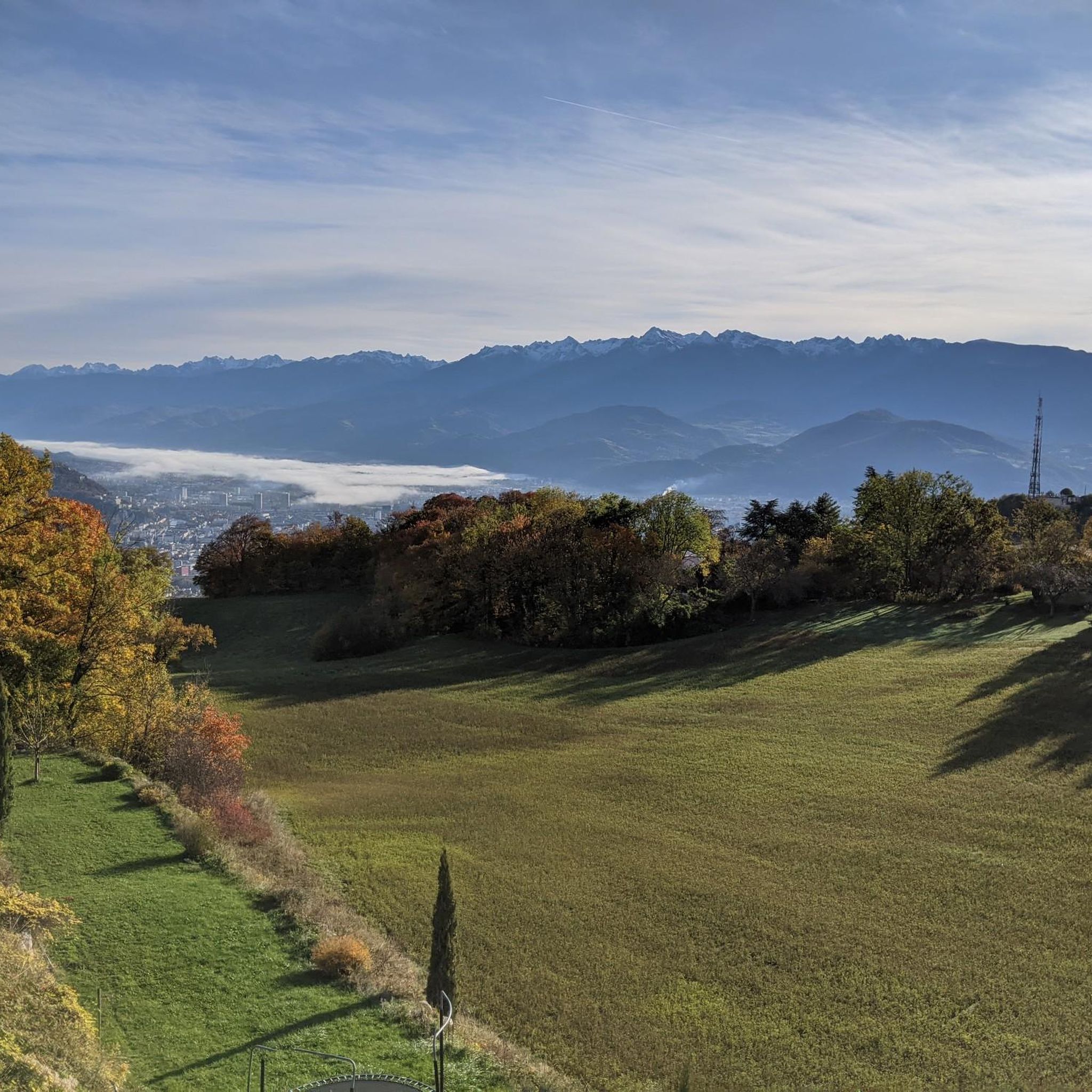
Road Cycling Routes around Seyssinet-Pariset
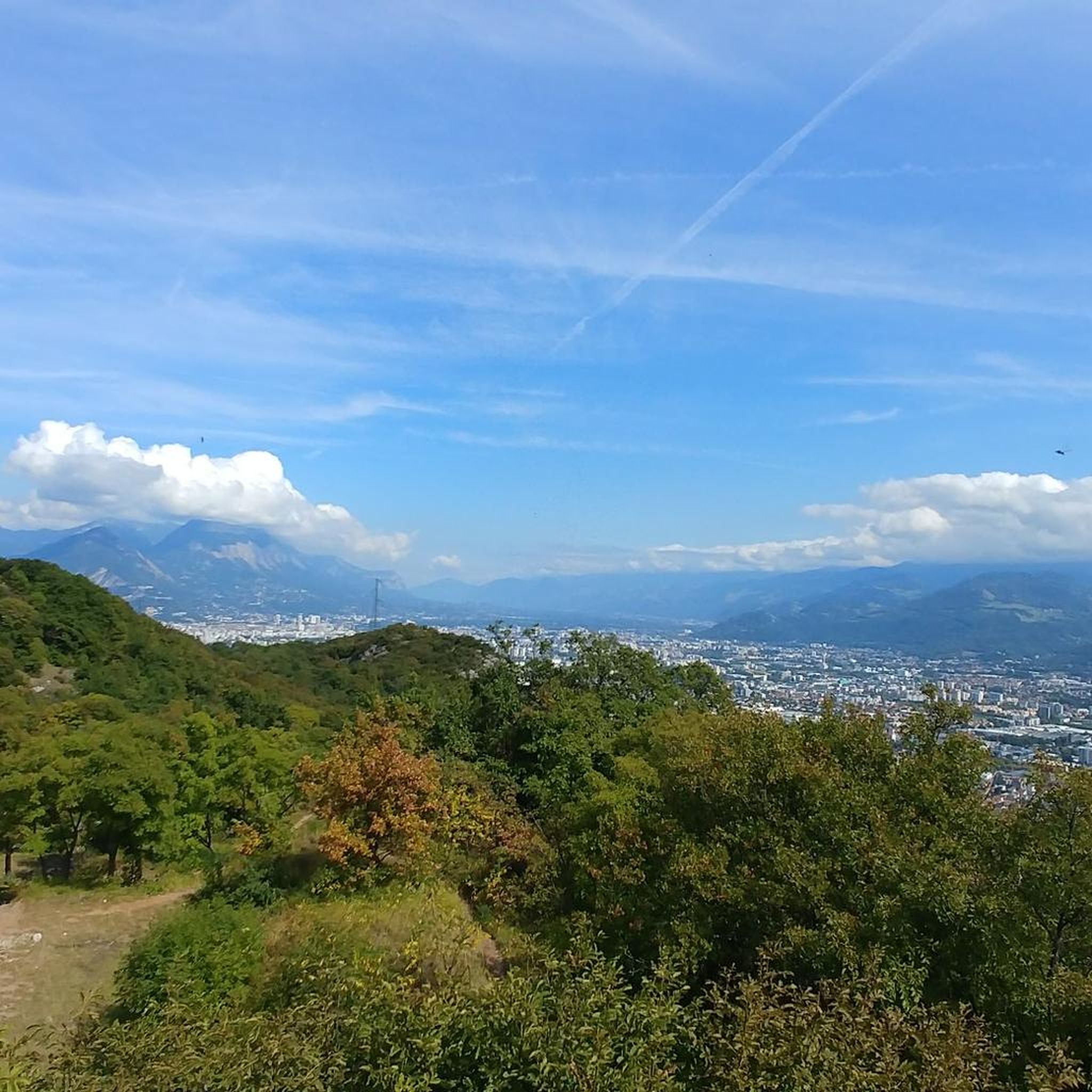
Cycling around Seyssinet-Pariset
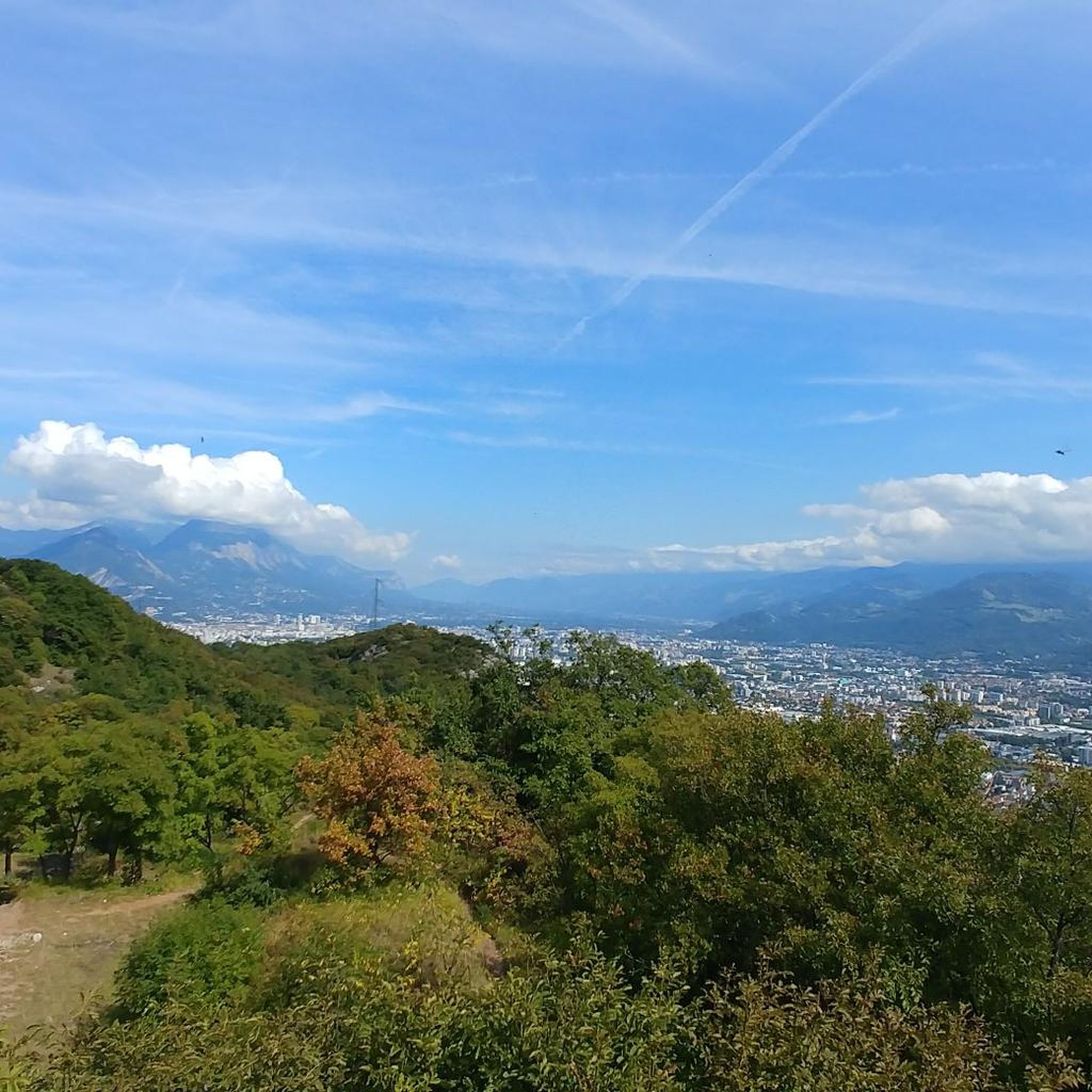
MTB Trails around Seyssinet-Pariset
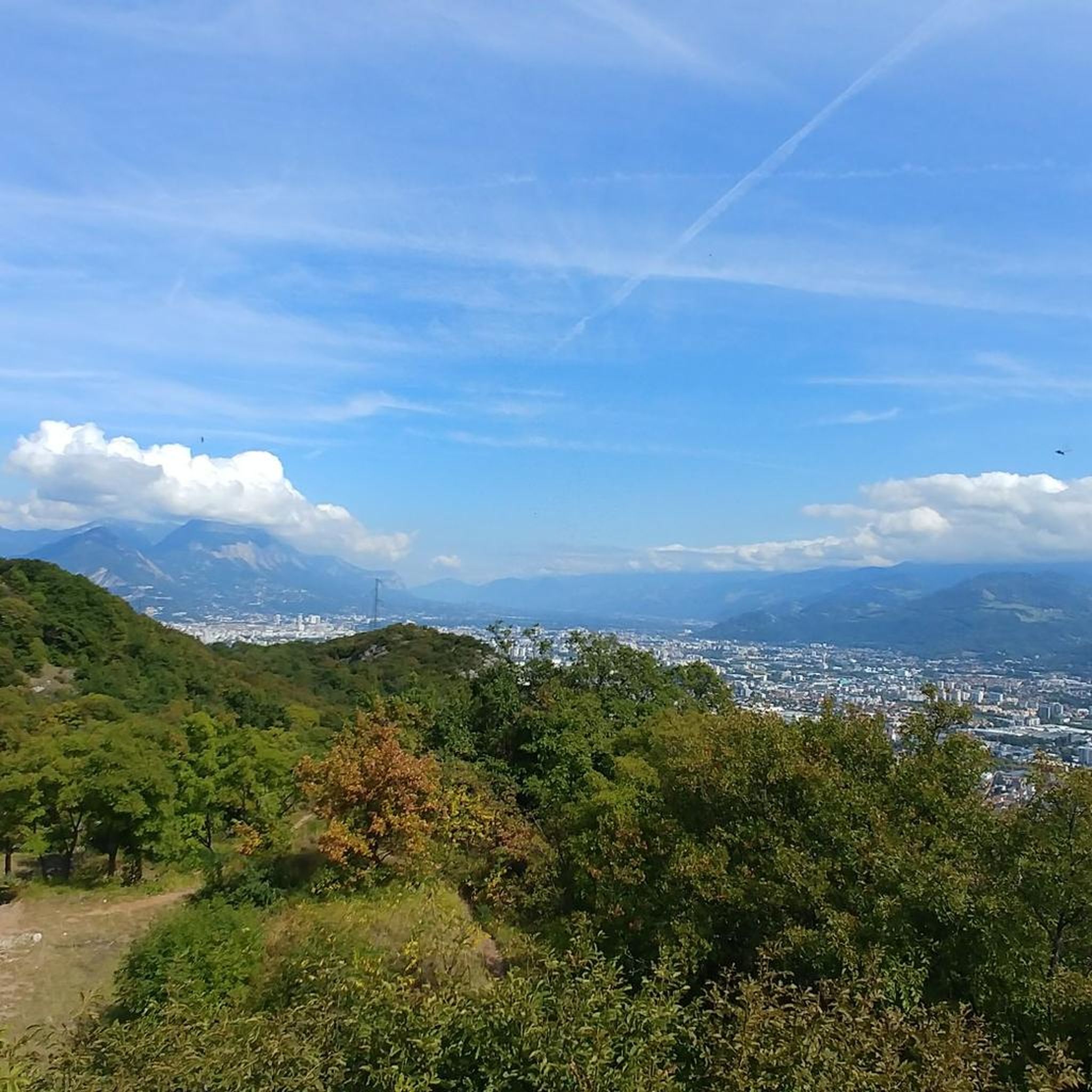
Hiking around Seyssinet-Pariset
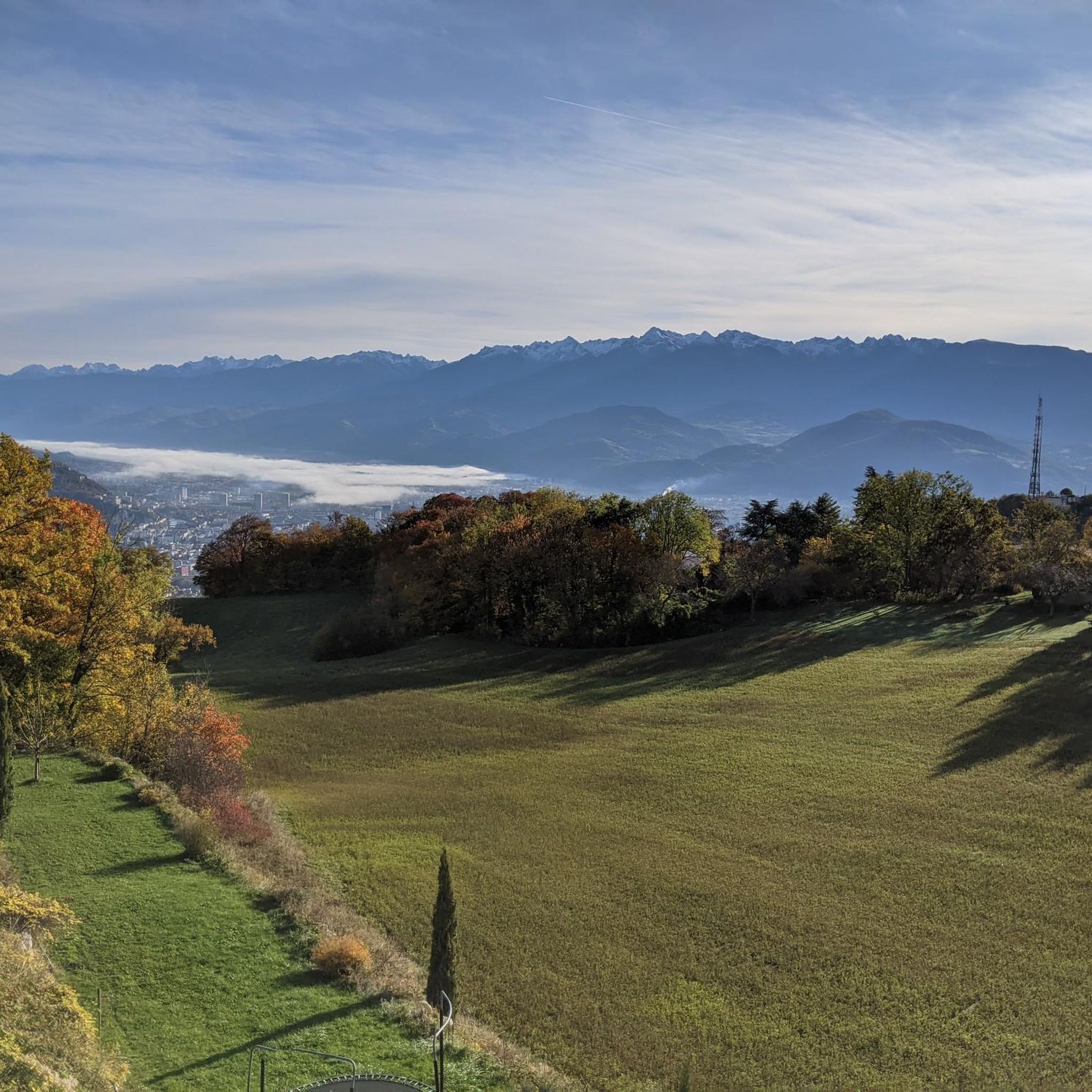
Running Trails around Seyssinet-Pariset
Gravel biking around Seyssinet-Pariset
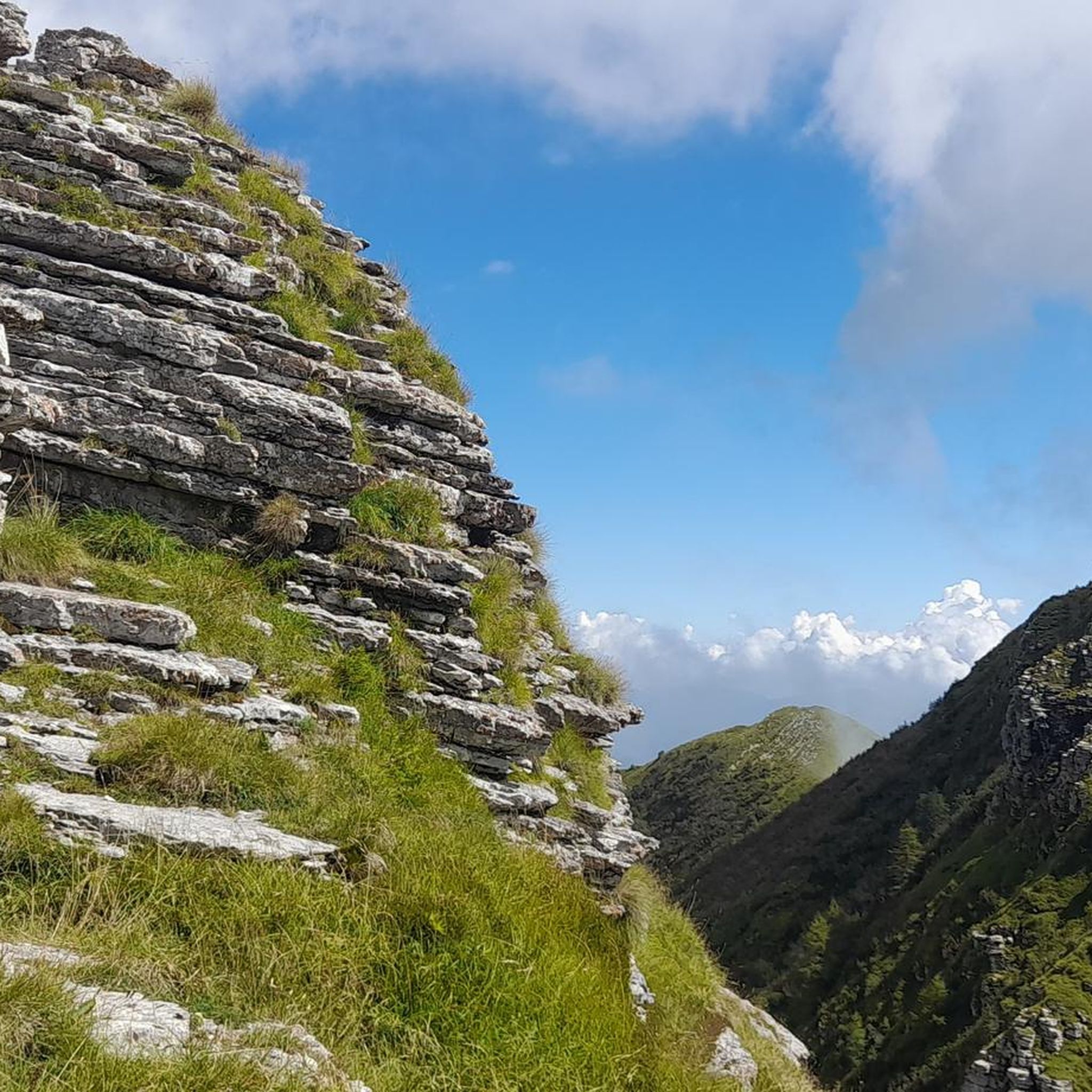
Mountain Hikes around Seyssinet-Pariset
Other adventures around Seyssinet-Pariset


Tips from the Community

Anyone visiting the fortress should also walk through the caves.
1
0

Take the time to climb a little higher than at the Bastille, because it's impressive.
1
0

The path of the vats is a very easy hike, the Furon at one point plunges under the rock. Spectacular
0
0


It is more of a rock shelter, a hunting stop where nearly 4016 remains or 451 marmots were counted among other animals including 1 reindeer, wild boar, ibex, chamois, birds, brown bears, foxes etc. As well as tools, including a needle made from a left marmot fibula. They were hunted mainly for their fur.
1
0

This cave, discovered in 1936, belongs to a network of underground karst cavities in the Vercors massif. In total, this complex extends over around fifty kilometers.
1
0

The Cuves are very easy to access. You can park near the chateau de sassenage. The route is very well signposted, the start is via stairs carved into the rock. After entering the cave, continue on the right bank of the Furon to the waterfall. A footbridge makes it possible to cross the Furon and to return by the left bank of the Furon and thus to make a loop. It's a family outing, which doesn't require any special skills, you just need a good pair of shoes.
2
0
Frequently Asked Questions
What unique geological features can I expect to see in the caves around Seyssinet-Pariset?
The region's caves, particularly in the Vercors Massif, are known for diverse geological formations. For instance, the Grotte de Choranche is famous for its exceptional concentration of delicate "fistulous" stalactites, which are crystalline white calcite tubes reaching up to three meters. You can also find underground rivers, lakes, and impressive chambers like the Cathedral Room there. The Grotte de la Ture is noted for its spectacular stalagmites and stalactites.
Are there any caves known for specific formations or underground rivers?
Yes, the Grotte de Choranche features the underground river Serpentine, which forms rimstones and emerald green lakes. The Cuves Trail, which leads to the Cuves de Sassenage, is shaped by the underground river "le Germe" and features narrow paths and flint galleries, with the Furon torrent forming a resurgence at its exit.
Are the caves around Seyssinet-Pariset suitable for families with children?
Many caves offer family-friendly experiences. The Cuves Trail at Cuves de Sassenage is described as a very easy, family outing that doesn't require special skills, just good shoes. The Grotte de Choranche also offers an hour-long guided tour with a sound and light show, which is engaging for all ages, and even features rare olms (blind salamanders) as part of a species protection program.
Do any caves in the region have historical or legendary significance?
Absolutely. The Cuves de Sassenage is steeped in local folklore, particularly the legend of the mysterious fairy Melusine, which is incorporated into a sound and light show during the tour. The Grotte Colomb is a significant Paleolithic settlement site, functioning as a rock shelter and hunting stop where numerous animal remains and tools have been found.
Can I take a guided tour in the caves near Seyssinet-Pariset?
Yes, both the Grotte de Choranche and the Cuves de Sassenage offer guided tours. The Grotte de Choranche provides an hour-long guided tour showcasing its formations and features, while the Cuves de Sassenage offers an unusual underground guided tour exploring over a kilometer of galleries, complete with its legend of Melusine.
Are there adventurous caving options available?
For those seeking more adventure, the Cuves de Sassenage offers "Accrogrotte®" routes in some areas. These include playful and aerial passages like monkey bridges, rope bridges, and zip lines, though these elevated paths are not mandatory for the standard tour.
What is the best time of year to visit the caves?
Caves generally maintain a cool, constant temperature year-round, making them a refreshing escape during warmer months. The Cuves de Sassenage, for example, offers a refreshing green environment, especially in summer. It's always advisable to check specific cave opening times and tour availability, as these can vary seasonally.
What should I wear when visiting the caves?
Given the constant cool temperatures inside caves, even in summer, it's recommended to wear layers and bring a light jacket or sweater. Comfortable walking shoes with good grip are essential, especially for areas with potentially damp or uneven surfaces, such as the Cuves Trail.
What outdoor activities can I do near these caves?
The region around Seyssinet-Pariset, particularly the Vercors Massif, offers a wide range of outdoor activities. You can find numerous hiking trails, such as those detailed in the Hiking around Seyssinet-Pariset guide, or explore mountain hikes like those in the Mountain Hikes around Seyssinet-Pariset guide. Cycling is also popular, with routes available in the Cycling around Seyssinet-Pariset guide.
Are there any caves that offer panoramic views of the surrounding region?
Yes, the Grottes de Mandrin, a series of small, interconnected caves, offers superb views of Grenoble and the surrounding region. A route allows visitors to cross these caves while enjoying the scenic outlooks.
What is the <a href="https://www.komoot.com/highlight/6256986" target="_blank" rel="noopener">Blowing Hole Cave</a>?
The Blowing Hole Cave is a natural monument discovered in 1936. It belongs to an extensive network of underground karst cavities within the Vercors massif, which extends over approximately fifty kilometers. It represents a significant part of the region's complex underground geology.
Are there any caves where I might see wildlife?
The Grotte de Choranche is one of only two sites in France where olms, blind salamanders adapted to karstic caves, are kept in captivity as part of a species protection program. Additionally, the Grotte de la Ture is known to host many different bat species.
Most popular routes around Seyssinet-Pariset
Most popular attractions around Seyssinet-Pariset

Get inspired with the komoot mobile app


Explore more
Extend your search for the best caves by checking out these guides of the top ones around Seyssinet-Pariset:
