Top 3 Castles around Beaumes-De-Venise
Best castles around Beaumes-De-Venise are found in a region known for its historical significance and picturesque landscapes. The area features the Dentelles de Montmirail and the Comtat Venaissin plain, offering strategic viewpoints. Beaumes-De-Venise is characterized by its vineyards, olive groves, and a rich past that includes ancient settlements and medieval strongholds. Exploring these sites provides insights into the region's heritage and natural beauty.
Best castles around Beaumes-De-Venise
- The most popular castles is Crestet Village, a settlement that offers narrow…
Last updated: May 25, 2026
Crestet Village
Highlight • Settlement
There's not much going on gastronomically. A restaurant with a great terrace - but …
Translated by Google •
Tip by

Château du Barroux
Highlight • Castle
Translated by Google •
Tip by

Sign up now to discover places like this
Get recommendations on the best single tracks, peaks, & plenty of other exciting outdoor places.
Sign up for free
Orange Gate
Highlight • Monument
Translated by Google •
Tip by

View of the Château du Barroux
Highlight • Castle
Translated by Google •
Tip by

Castellas de Durban Ruins
Highlight • Castle
Between the chapel ruins and the remains …
Translated by Google •
Tip by
Sign up for free to discover even more castles around Beaumes-De-Venise.
Sign up for free
Already have an account?
Start today with a free account
Your next adventure awaits.
Login or Signup
Popular around Beaumes-De-Venise
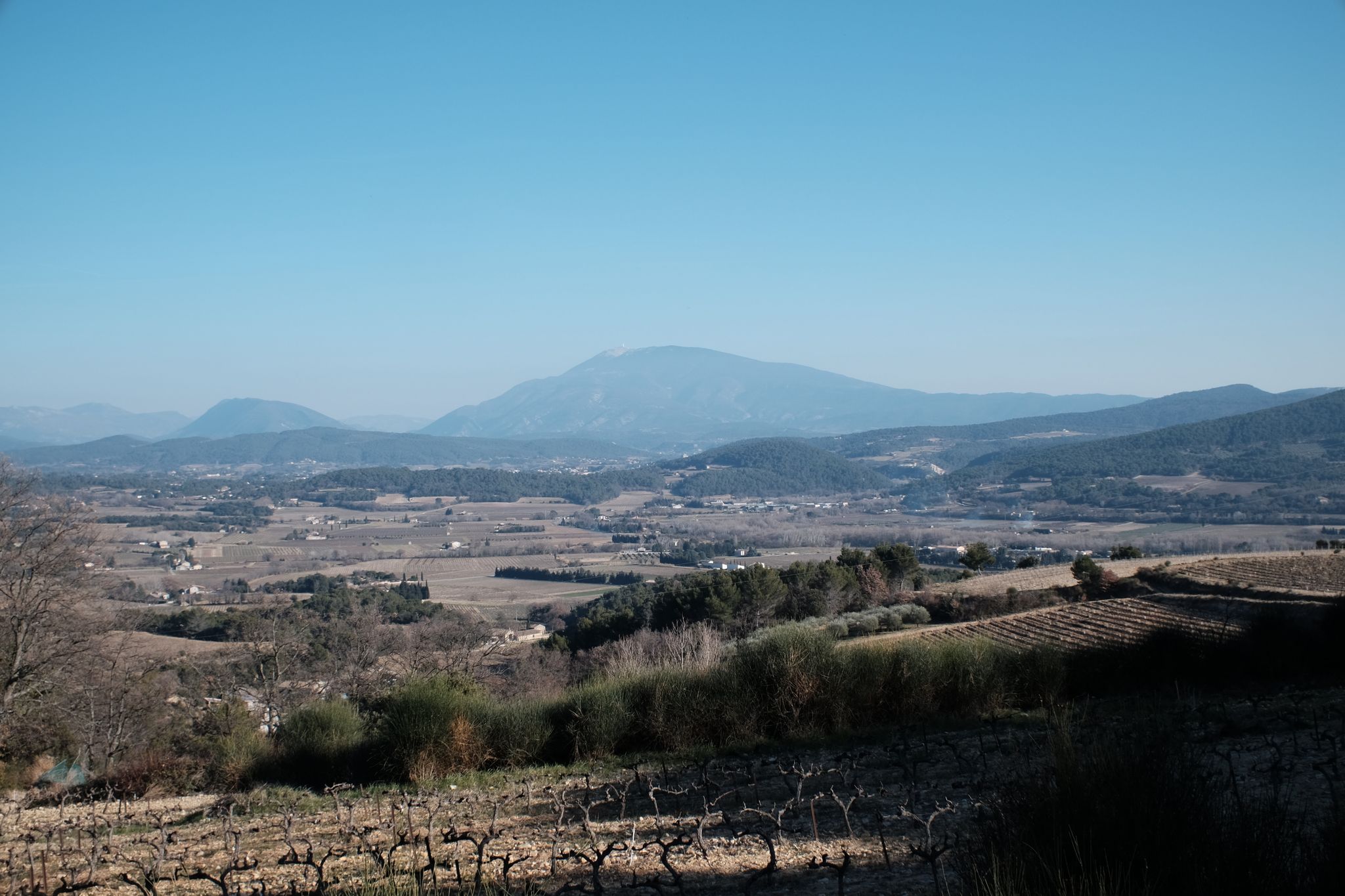
Adventure from north to south – Grande Traversée de Vaucluse
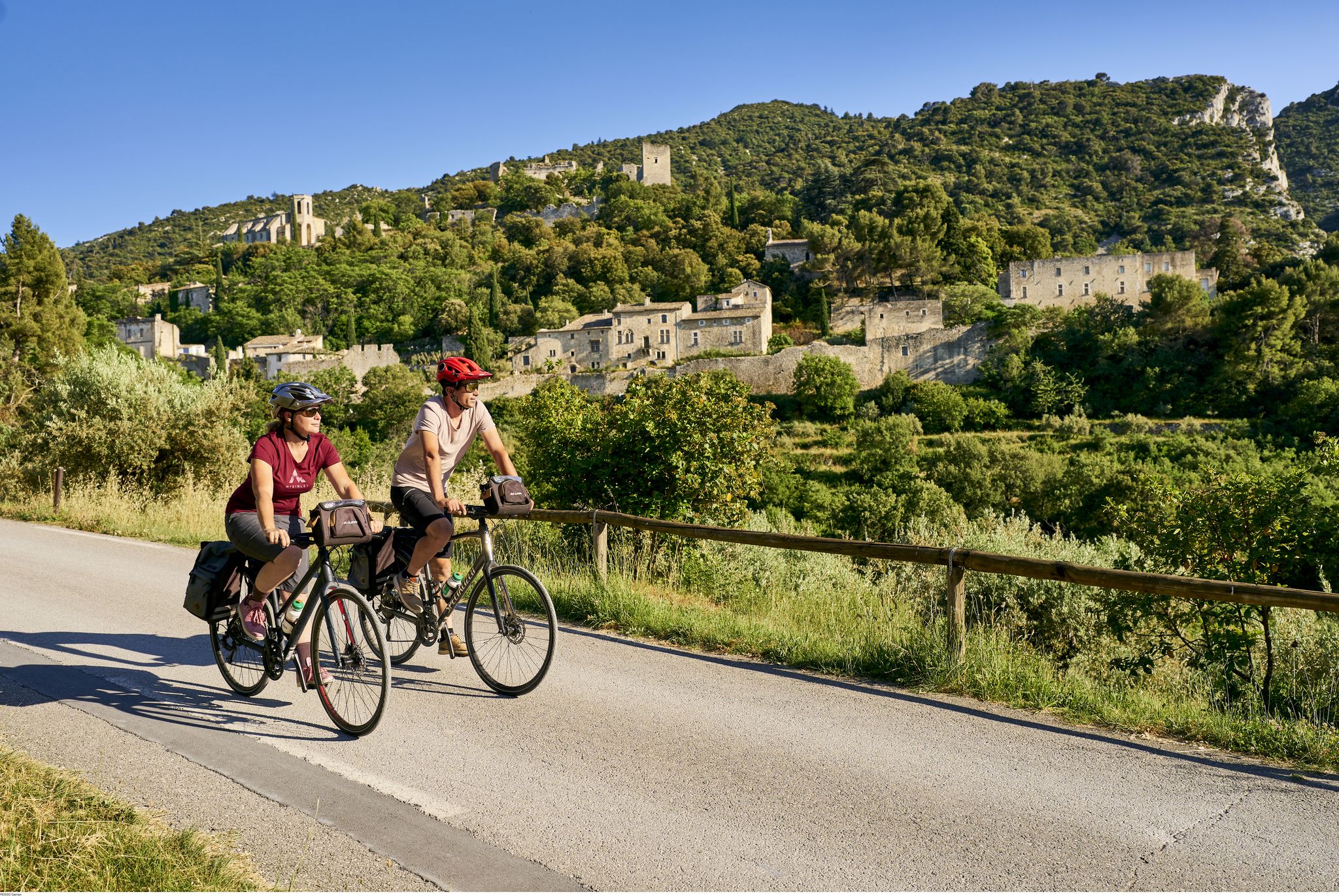
Epic landscapes in France’s Vaucluse — Provence by bike
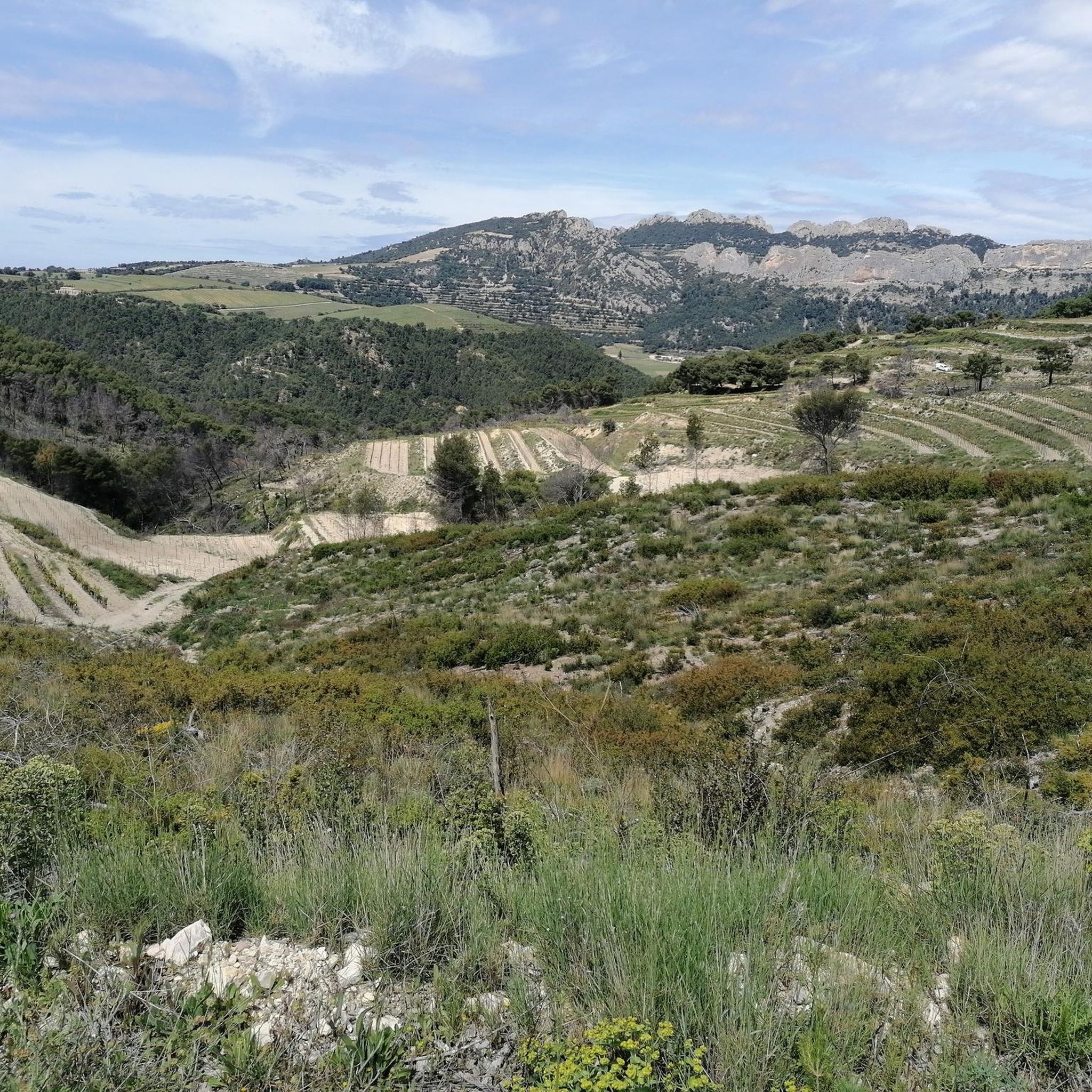
Hiking around Beaumes-De-Venise
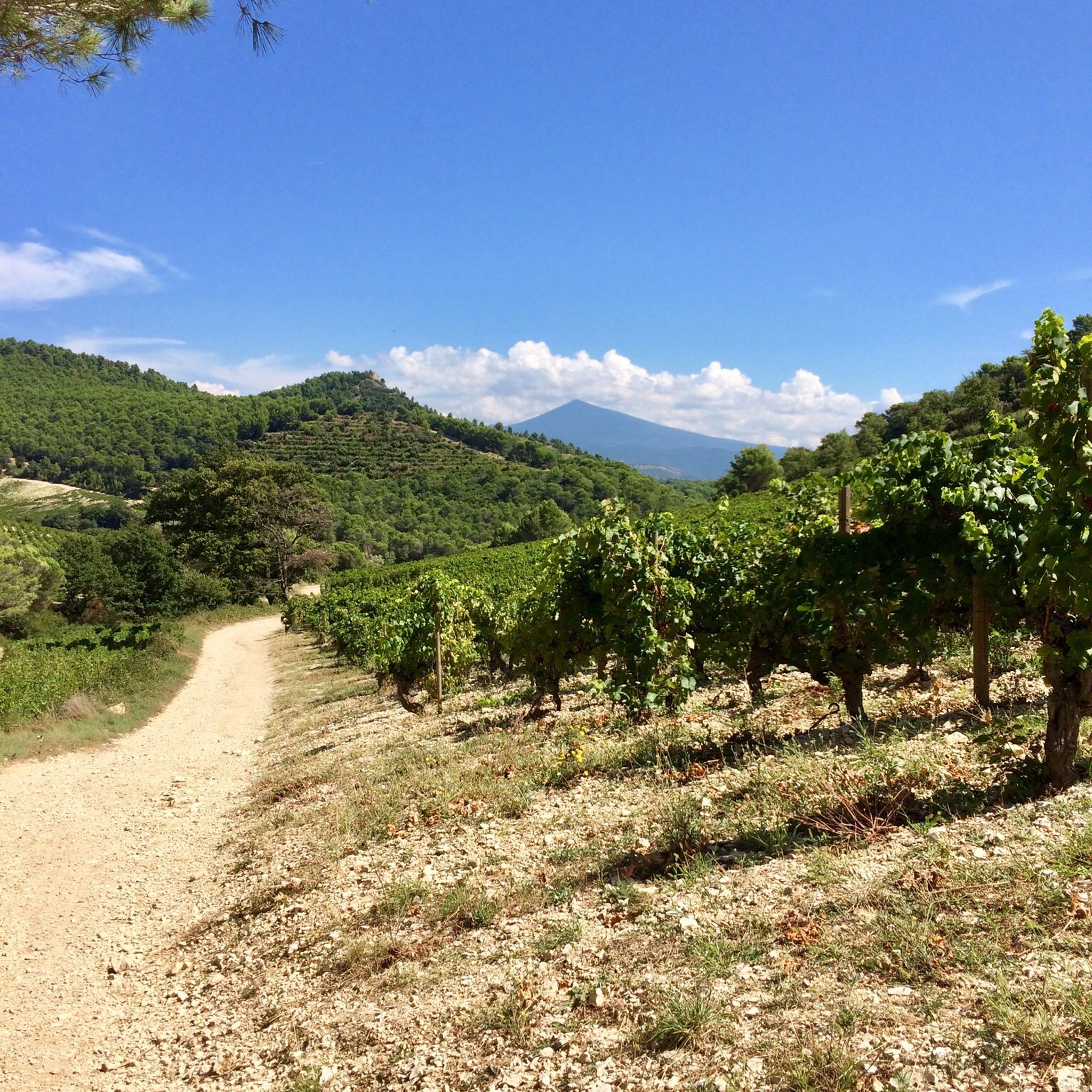
Cycling around Beaumes-De-Venise
Running Trails around Beaumes-De-Venise
MTB Trails around Beaumes-De-Venise
Road Cycling Routes around Beaumes-De-Venise
Gravel biking around Beaumes-De-Venise
Mountain Hikes around Beaumes-De-Venise


Tips from the Community

Bad Google translation of Brigitte Roth's comment. It should read 800 m of elevation gain.
0
0

beautiful castle that can be visited. The view from the castle to the surrounding area is very beautiful. Worth a stop.
0
0

When it was built, the Château du Barroux was a powerful keep, surrounded by thick walls, which protected the plain of Comtat Venaissin against Saracen and Italian invasions. In 1274, when the Comtat Venaissin was taken possession of by the Papacy, Barroux became a fiefdom under the control of the Apostolic Chamber of Carpentras, until 1791, when the Comtat was attached to France. Abandoned, damaged in 1793 by the revolutionary hordes, sold in the 19th century, it fell into complete ruin, and it served as a stone quarry for almost 150 years. until its purchase at the beginning of the 20th century by an industrialist, Mr. Vayson de Pradenne, who undertook restoration work. His family still owns the place today. During the war, it was partly used as an observation post by the German occupation troops. In 1944, during an ambush, the Resistance killed a German soldier in the surrounding area. In retaliation against this army of shadows, the occupying troops, gathering the inhabitants of Le Barroux, wanted to execute civilian hostages. Fortunately, the leader of the German detachment was relented and did not commit this revenge, but when they left, the Germans discovered straw mattresses and other traces of occupation in the castle. Thinking they had found a resistance hideout when it was in fact the former cantonment of their own troops, they set fire to the castle, which burned for 10 days. Under almost permanent restoration, the castle now houses a whisky distillery and a fossil exhibition.
0
0

There used to be a castle and the settlement of Durban here. The chapel and other buildings are gradually being rebuilt with donations. Between the chapel ruins and the remains of a watchtower there are two picnic tables with a wonderful view of the area to the south and Baumes-de-Venise. You can find out more about the project here: https://www.fondation-patrimoine.org/les-projets/castellas-de-durban-a-beaumes-de-venise
2
0
Since 1274, Carpentras belonged to the papal domain of the Comtat Venaissin. Between 1309 and 1314, Pope Clement V made Carpentras – alongside Avignon – his residence. During the term of office of Pope Innocent VI (1352–1362), the city was surrounded by a city wall with 32 towers and four gates to protect it from the plundering mercenary troops of the Grandes Compagnies. The 27 m high Porte d’Orange (around 1360) with its battlements is the only remaining city gate and is open on the city side as a three-wall gate tower (half-shell tower). It has two plank floors, one above the brick passageway (barrel vault) and the defense platform behind the battlements. https://de.wikipedia.org/wiki/Carpentras
2
0

clearly visible from afar!
0
1

Beautiful castle that is already visible from the Col de Suzette. This castle can be visited. To the side of this castle is a bistro, ideal for warm weather.
0
1
Frequently Asked Questions
What kind of castles can I expect to find around Beaumes-de-Venise?
The region features a mix of historical sites, from well-preserved castles to significant ruins. You can explore the ruins of the Castellas de Durban, which offers a deep dive into medieval history and ongoing restoration efforts. Other sites include the fortified Crestet Village with its castle, and the Château du Barroux, which can be explored independently.
Which castles offer the best panoramic views?
For breathtaking panoramic views, the Castellas de Durban Ruins are highly recommended. Perched on the Courens plateau, they offer majestic vistas of the Dentelles de Montmirail, the Comtat Venaissin plain, Mont Ventoux, and the Alpilles. Crestet Village also provides wonderful views from its hillside location.
Are there hiking opportunities near the castles?
Yes, the area around the Castellas de Durban Ruins is ideal for hiking, allowing you to explore the garrigue, olive groves, and vineyards. For more extensive options, you can find various mountain hikes in the region, including routes like 'Chemin de Cayron – Dentelles de Montmirail loop from Gigondas'. Discover more routes on the Mountain Hikes around Beaumes-De-Venise guide.
Are the castles around Beaumes-de-Venise suitable for families?
While many sites are historical ruins, the Orange Gate in Carpentras is explicitly noted as family-friendly. Exploring fortified villages like Crestet Village can also be an engaging experience for families, with its narrow streets and historical atmosphere.
What is the best time of year to visit the castles?
The best time to visit is typically during spring (April-June) or early autumn (September-October) when the weather is pleasant for exploring and hiking. Summer can be quite hot, especially for sites like the Castellas de Durban Ruins which are exposed. Winter visits are possible, but some facilities might have reduced hours.
Can I visit the castles with my dog?
While specific dog policies vary, outdoor sites and ruins like the Castellas de Durban Ruins are generally accessible for dogs on a leash. For indoor sections of castles or specific village areas, it's always best to check local regulations or signage upon arrival.
Are there any cycling routes near the castles?
Yes, the region offers various cycling opportunities. You can find road cycling routes like 'Sablet Village and Vineyards – Gigondas loop from Beaumes-de-Venise' or gravel biking routes such as 'Suzette Pass – Séguret Village loop from Beaumes-de-Venise'. Explore more options on the Road Cycling Routes around Beaumes-De-Venise guide and the Gravel biking around Beaumes-De-Venise guide.
What historical significance do the Castellas de Durban Ruins hold?
The Castellas de Durban Ruins are historically significant, with origins dating back to an ancient Celtic oppidum. It was a strategic feudal castle mentioned as early as 1137 and was part of the fortifications controlled by powerful comital families. It even played a role in the Albigensian Crusade. Ongoing archaeological work continues to uncover its rich past.
Are there any cafes or restaurants near the castles?
The Château de Crestet previously had a restaurant, though it's important to check current availability. In Crestet Village itself, there are limited gastronomic options, but a highly-rated bakery can be found nearby at Crestet Gare. The Château du Barroux also offers limited catering facilities suitable for a light lunch or drink.
How long should I plan for a visit to the castle sites?
For sites like the Castellas de Durban Ruins, you might spend 1-2 hours exploring the ruins and enjoying the views, especially if you combine it with a short walk. Visiting a fortified village like Crestet Village could take a similar amount of time. If you plan to visit multiple sites or include hiking, allocate a full day.
What are visitors' favorite aspects of the castles around Beaumes-de-Venise?
Visitors particularly enjoy the stunning panoramic views from elevated sites like the Castellas de Durban Ruins. The historical atmosphere of fortified villages such as Crestet Village, with its narrow cobbled streets and stone buildings, is also highly appreciated. The opportunity to explore the long history of sites like the Château du Barroux independently is another highlight.
Are there any wineries near the castles?
Beaumes-de-Venise is renowned for its vineyards, especially its Muscat wine. While not directly adjacent to every castle, the region surrounding these historical sites is rich with wineries. Exploring the area around the Castellas de Durban Ruins, for instance, will lead you through famous vineyards, offering opportunities for wine tasting.
Most popular routes around Beaumes-De-Venise
Most popular attractions around Beaumes-De-Venise

Get inspired with the komoot mobile app


Explore more
Looking for the best castles somewhere else? Discover other guides around Beaumes-De-Venise:
