Top 7 Caves around Montancy
Caves around Montancy offer a diverse range of geological formations and historical sites within a region characterized by its natural landscapes. The area features deep gorges, karstic sinkholes, and underground river systems, shaped by millions of years of geological activity. Montancy region caves provide opportunities for exploration, from ancient fossil sites to impressive underground chambers. This guide highlights several notable cave systems and related natural features, making it a destination for those interested in geology and natural history.
Best caves…
Last updated: October 9, 2026
Bief Waterfall
Highlight • Waterfall
Translated by Google •
Tip by

Échelle de la Mort
Highlight • Gorge
Translated by Google •
Tip by

Sign up now to discover places like this
Get recommendations on the best single tracks, peaks, & plenty of other exciting outdoor places.
Réclère Caves and Prehistoric Park
Highlight • Cave
Translated by Google •
Tip by

Bief de Vautenaivre Picnic Area
Highlight • Rest Area
You can also go to the Doubs here. Due to its proximity to Goumois, however, it is also …
Translated by Google •
Tip by

Trou du Creugenat Karst Sinkhole
Highlight • Natural Monument
Translated by Google •
Tip by
Sign up for free to discover even more caves around Montancy.
Already have an account?
Start today with a free account
Your next adventure awaits.
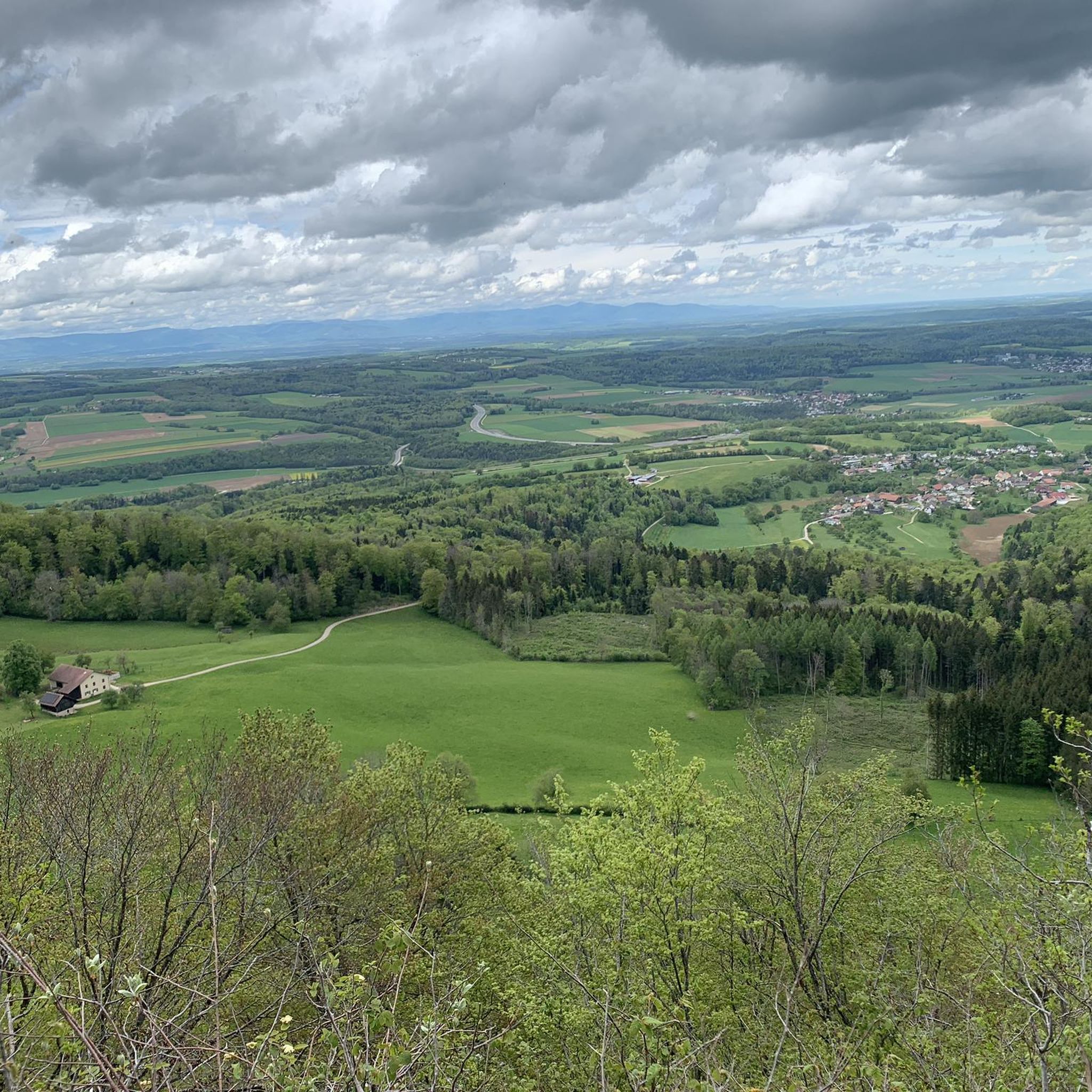
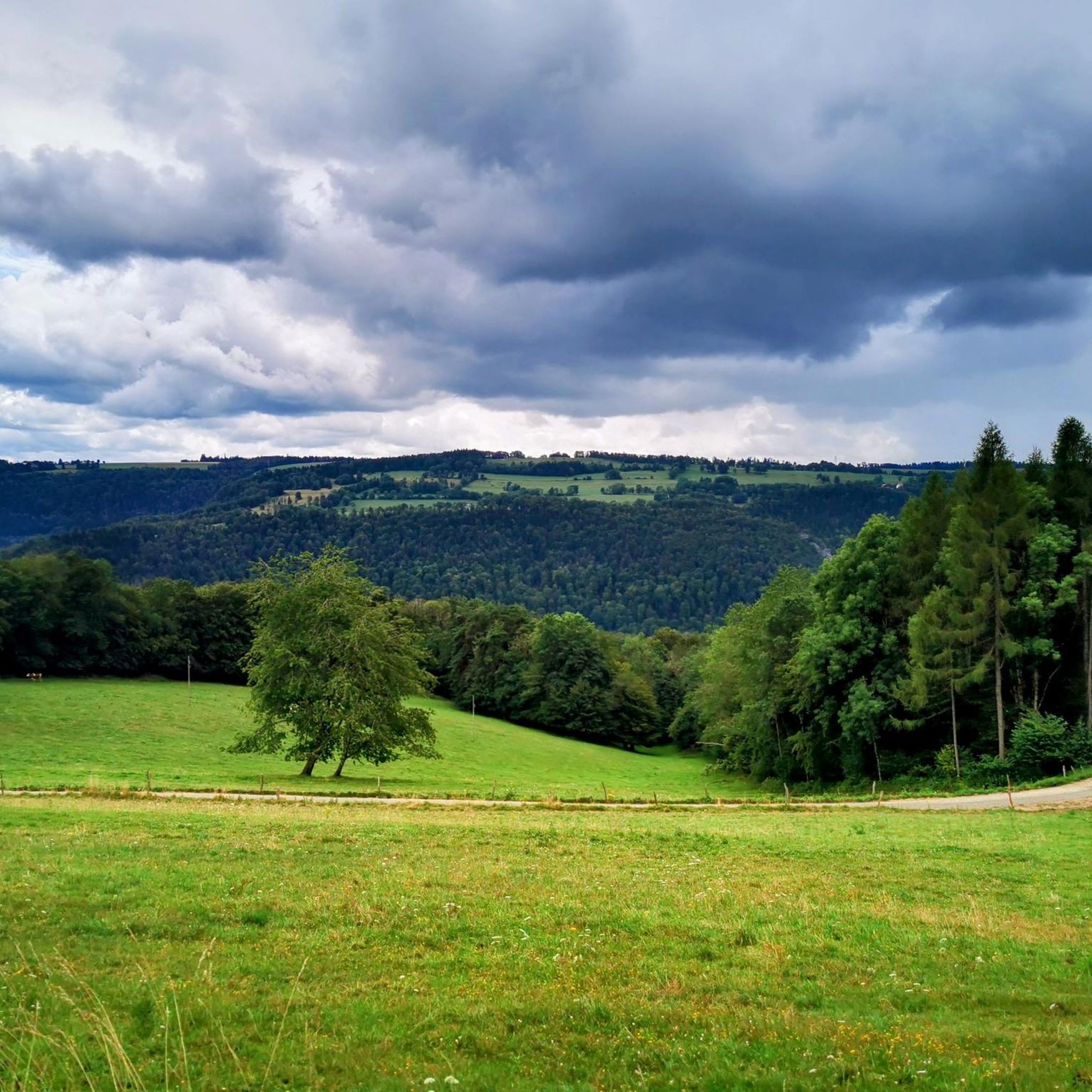
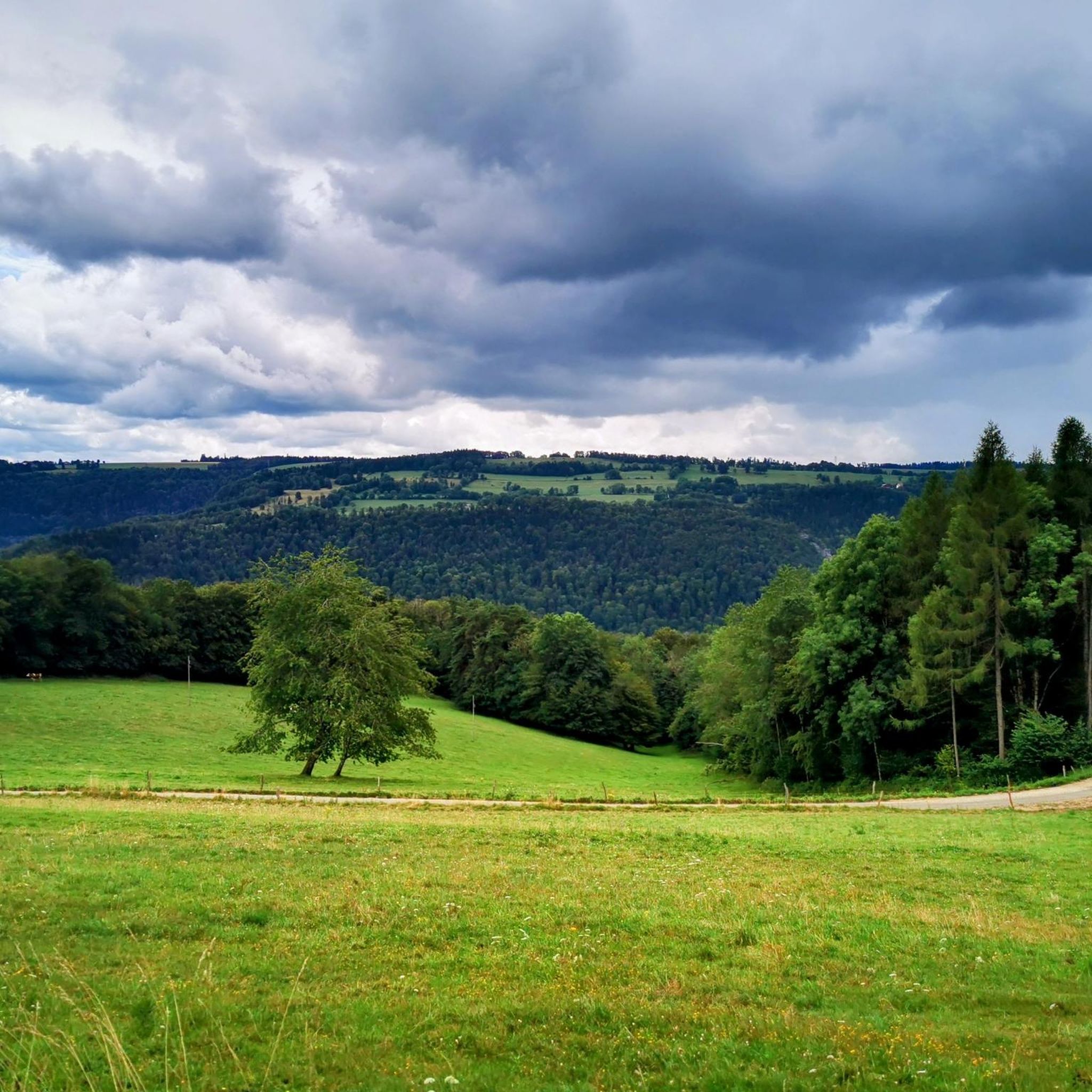
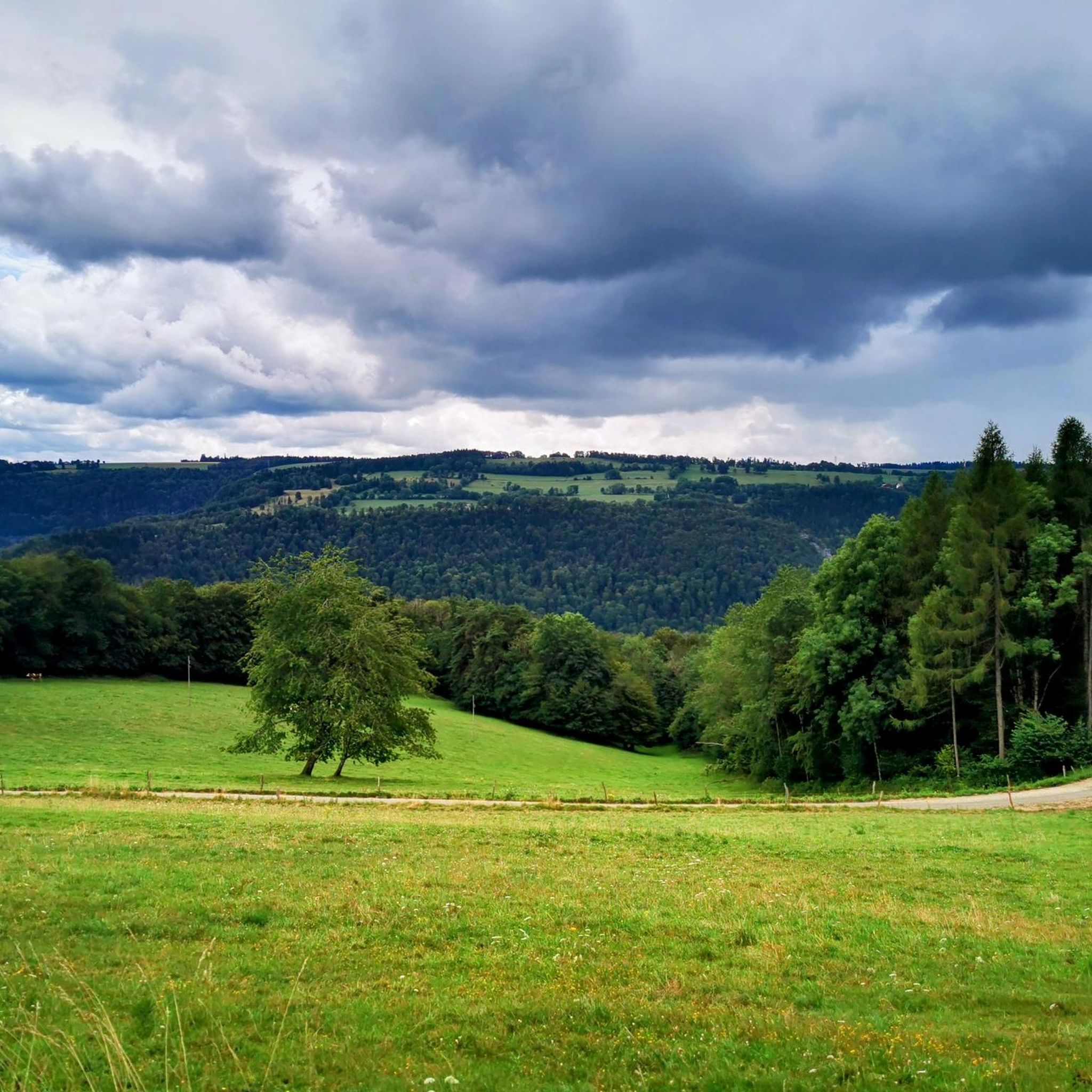

Tips from the Community

Spectacular and refreshing after a walk in the sun!
1
0

If you want to give some inspiration to your run, you absolutely must go to the Chute du Bief de Vautenaivre. It is a majestic natural site where a small stream flows from a rocky overhang that was once a seabed. You can see ancient fossils embedded in the ceiling of the cave-like shelter. You will be rewarded with breathtaking views of the waterfall and surrounding forest.
3
0
If you are looking for a superb waterfall in the Doubs, you absolutely must go to the Chute du Bief de Vautenaivre. This is a majestic natural site where a small stream plunges from a rocky overhang that was once a seabed. You can see ancient fossils embedded in the ceiling of the cave-like shelter. You will be rewarded with breathtaking views of the waterfall and surrounding forest.
7
0

Well-kept dinosaur park with moderate admission. A combination ticket including the cave can also be purchased (7 degrees). The circular route is about 2km and can also be easily managed with prams. Have fun 🦕
1
0

the rest area is spacious - I think there were 3 fireplaces. You can also go to the Doubs here. Due to its proximity to Goumois, however, it is also more frequented. But: ……. There is a great Höhöe to visit - 1.65 km from the rest area. But you have to leave the bike a few meters away from the cave and walk the rest of the way over a ladder and bridges. I was there all alone. I'm up and up the forest path with my bike, where the path to the single track turns into the right path. The signage is a little confusing. I would advise anyone who is not a mountain biker to leave their bike here. There are roots, bumps and lattice bridges, all single track.
0
0

The Trou du Creugenat is a karst hole in the Ajoie from which water emerges and which creates a temporary river, the Creugenat, during floods. The periodic lake forms between 4 and 10 times per year, the river is sometimes only visible for a few hours, sometimes over a week. The flow can reach 15 to 20 m3/s. The water follows the Courtedoux plain and flows into the Allaine at Porrentruy. When dry, the depth of the hole is clearly visible - simple steps lead to the bottom, and a thick rope helps you climb up or down. There is a water level gauge on the side of the rock walls and you can clearly see the mud traces of the last floods. In the immediate vicinity of the hole there is also a picnic area with a table and benches, as well as an improvised fire pit. A meadow path leads from the bike path to the hole.
0
0
An adventurous path leads through the small gorge. There are several small caves along the way and the highlight is to climb the steep step with the help of three solid wooden ladders. Only feasible for dogs if you can carry them or take them piggyback. The slippery round wood of the ladders gives even very skilful dog paws little support, so the four-legged friend needs support.
2
0
Frequently Asked Questions
What are some unique geological features to explore in the caves around Montancy?
The region offers diverse geological formations. You can visit the Bief Waterfall, which features a cave-like shelter with ancient fossils embedded in its ceiling. Another notable site is the Trou du Creugenat Karst Sinkhole, a natural monument where water emerges to create a temporary river during floods, and its depth is clearly visible when dry.
Are there any family-friendly cave attractions in the Montancy area?
Yes, the Réclère Caves and Prehistoric Park is an excellent choice for families. It combines a cave system with a dinosaur park, offering a circular route of about 2km that is manageable with prams. The park is also wheelchair accessible.
What kind of historical or prehistoric connections do the caves in Montancy have?
The Bief Waterfall is notable for its cave-like shelter where ancient fossils are embedded in the ceiling, indicating a rich geological past. While the Montancy guide focuses on local features, the broader region of Jura Mountains and Dordogne (as per regional research) is known for prehistoric treasures like cave bear skeletons and ancient cave art, offering a glimpse into deep history.
What outdoor activities can I do near the caves around Montancy?
The Montancy region offers various outdoor activities. You can find numerous road cycling routes, mountain biking trails, and general cycling tours. For example, explore the Road Cycling Routes around Montancy, or tackle the MTB Trails around Montancy. There are also general Cycling routes that allow you to discover the natural landscapes.
Are there any adventurous cave exploration options for experienced visitors?
For those seeking adventure, Échelle de la Mort offers an adventurous path through a small gorge with several small caves. It requires climbing steep steps with the aid of wooden ladders, making it a challenging experience.
What should I know about accessibility for caves in the Montancy region?
The Réclère Caves and Prehistoric Park is noted as being wheelchair accessible, with a circular route suitable for prams. Other cave sites, like Échelle de la Mort, involve steep steps and ladders, making them less accessible for those with mobility challenges or small children/dogs.
What is the best time to visit the caves around Montancy?
While specific seasonal considerations for all Montancy caves are not detailed, many cave systems maintain a consistent cool temperature year-round (e.g., 7 degrees Celsius in Réclère Caves). Some caves in the broader Jura Mountains region may close in winter due to flooding. It's advisable to check specific opening times for individual attractions before your visit.
Can I bring my dog to the cave attractions?
For adventurous paths like Échelle de la Mort, dogs are only feasible if you can carry them or take them piggyback due to slippery wooden ladders. For other sites, it's best to check with the specific attraction beforehand, as policies can vary.
Are there picnic areas or facilities near the caves?
Yes, the Bief de Vautenaivre Picnic Area is a spacious rest area with fireplaces, located near the Doubs river. It's also close to a cave (referred to as a 'great Höhöe') which is about 1.65 km away, accessible by bike and then a short walk.
What do visitors enjoy most about the caves and natural features in Montancy?
Visitors appreciate the majestic natural sites, such as the Bief Waterfall, which offers breathtaking views and a refreshing experience after a walk. The adventurous paths and unique geological formations, like the ancient fossils and karst sinkholes, are also highly valued by the community.
What kind of clothing should I wear when visiting caves in the Montancy region?
Caves typically maintain a cool, consistent temperature regardless of the outside weather. For example, the Réclère Caves are noted to be around 7 degrees Celsius. Therefore, it's always recommended to wear warm clothing, even during summer visits, to ensure comfort underground.
Are there any underground rivers or lakes in the caves of Montancy?
The Trou du Creugenat Karst Sinkhole is a unique feature where water emerges to create a temporary river during floods. While the Montancy guide doesn't detail extensive underground rivers within its listed highlights, the broader Jura Mountains region is known for caves with underground rivers and lakes, showcasing the area's rich hydrogeology.
Most popular routes around Montancy
Most popular attractions around Montancy

Get inspired with the komoot mobile app


Explore more
Extend your search for the best caves by checking out these guides of the top ones around Montancy:
