Top 8 Castles around Longeville-Lès-Metz
Best castles around Longeville-Lès-Metz include historical fortifications and medieval structures. This commune, located near Metz, features the historically significant Le donjon des Gournay, one of its oldest buildings dating back to the 12th and 16th centuries. The surrounding area offers a range of historical sites, from ancient keeps to 19th-century forts, reflecting the region's diverse architectural and military past. These landmarks provide insight into the area's heritage and its strategic importance over centuries.
Best castles around Longeville-Lès-Metz
- The most popular…
Last updated: July 5, 2026
Porte des Allemands and Metz Cathedral
Highlight • Historical Site
Translated by Google •
Tip by

Porte des Allemands
Highlight • Historical Site
Translated by Google •
Tip by

Sign up now to discover places like this
Get recommendations on the best single tracks, peaks, & plenty of other exciting outdoor places.
Sign up for free
Fort Saint-Quentin
Highlight (Segment) • Historical Site
Tip by

Fort de Queuleu
Highlight (Segment) • Historical Site
Translated by Google •
Tip by

Governor's Palace
Highlight • Historical Site
Translated by Google •
Tip by

Sign up for free to discover even more castles around Longeville-Lès-Metz.
Sign up for free
Already have an account?
Start today with a free account
Your next adventure awaits.
Login or Signup
Tips from the Community

The former palace of the commander of the 16th German Army Corps was built between 1902 and 1904 in the German Neo-Renaissance style. The palace is characteristic of historicism in the architecture of that time. It can be visited together with the park on the European Heritage Days. tourisme-metz.com
0
0

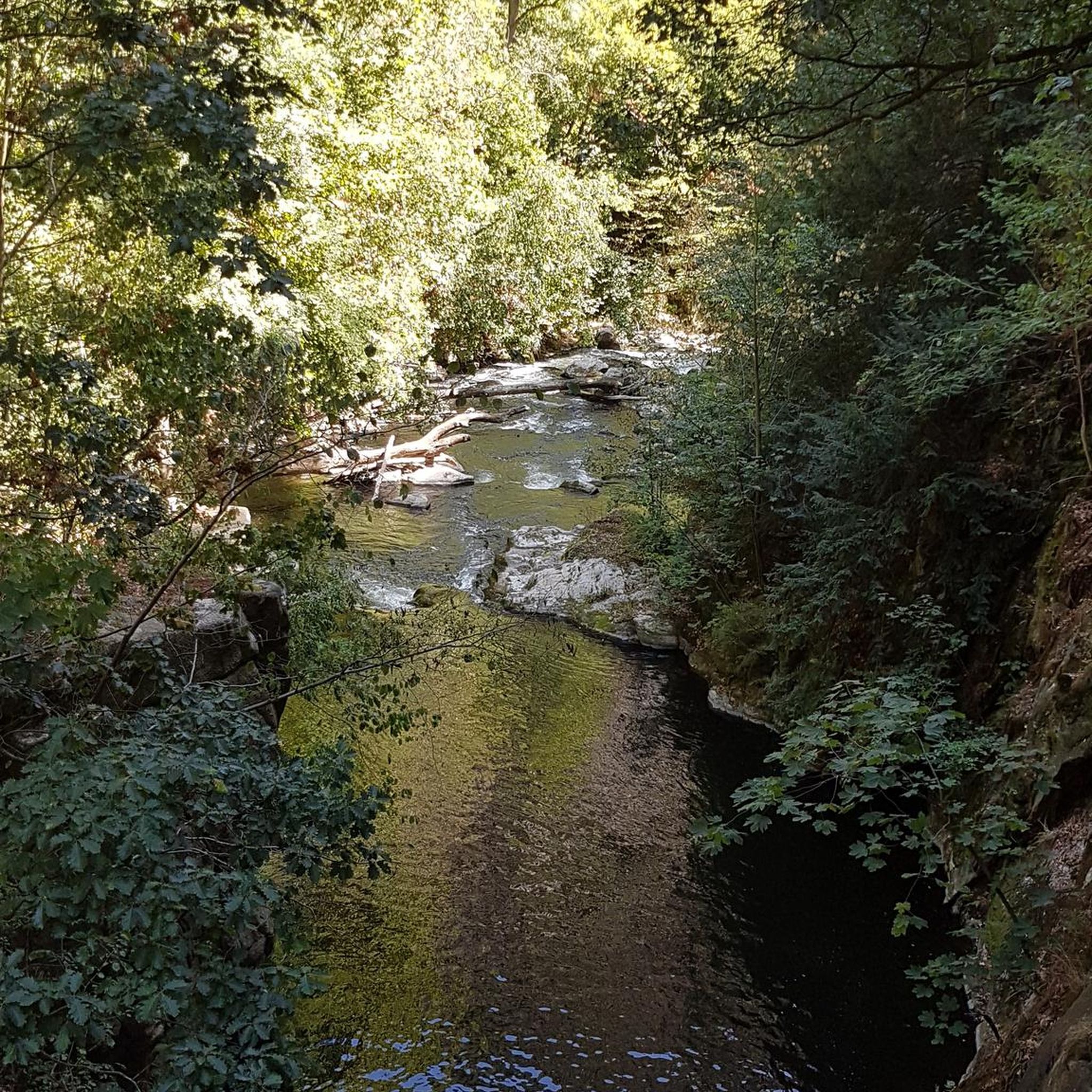
The fort is still maintained as a historical memorial. The inner fortress is actually more of a small park - with playgrounds and picnic areas. The still recognizable building ruins serve as a refuge for bats. The very extensive area around it is surrounded by hiking trails, the fortress walls and, above all, the deep defensive ditch are always present.
2
0

Of the original 17 city gates, only the German Gate in the east remains. Named after the former hospital of the Teutonic Order, which stood nearby, it was built as an entrance to the city on a bridge over the Seuille River. A medieval structure straight out of a picture book.
6
1

Always worth a bike tour! In the old town area, however, you should keep an eye on the ground. The cobblestones are very rough in places and have deep, wide cracks.
1
0

beautiful walk starting from the Col de Lessy
1
0

Impressive and well-preserved gate of the medieval city fortifications on the Seille.
6
0
Impressive and aesthetic building in its strict symmetry.
3
0
Frequently Asked Questions
What historical castles and fortifications can I visit near Longeville-lès-Metz?
The region around Longeville-lès-Metz offers a rich history of fortifications. Key sites include the medieval Porte des Allemands in Metz, which, along with the Metz Cathedral, showcases the city's diverse architectural past. You can also explore 19th-century military forts like Fort Saint-Quentin and Fort Queuleu, both part of Metz's fortified belt.
What is the significance of Le donjon des Gournay in Longeville-lès-Metz?
Le donjon des Gournay (Gournay Keep) is a historically significant structure in Longeville-lès-Metz, recognized as one of the oldest buildings in the commune. Its main construction phases date back to the 12th and 16th centuries, making it a key piece of local ancient heritage. It is located at 78-80 rue du Général-de-Gaulle and was inscribed as a historical monument in 1989. For potential visiting opportunities, especially for its interior, it is advisable to consult the program for the 'Journées du Patrimoine' (Heritage Days).
Are there any castles with a unique architectural style or history in the region?
Yes, Mercy Castle, erected in 1905, stands out for its distinctly French architectural style. It was built during a period of German occupation, serving as a form of architectural resistance. While it has faced disrepair, there are plans for its refurbishment into residential and commercial units.
Which fortifications played a role in military history around Metz?
Several forts around Metz have significant military histories. Fort Saint-Quentin, built in 1867, was part of the first fortified belt around Metz and saw action during the Battle of Metz in late 1944. Similarly, Fort Queuleu, originally built by the French in 1868 and later improved by the Germans, has a complex history, including its use as an internment camp during World War II.
What is the best time of year to visit the castles near Longeville-lès-Metz?
The best time to visit the castles and historical sites around Longeville-lès-Metz is generally during the spring (April to June) and autumn (September to October). During these seasons, the weather is typically mild and pleasant for exploring outdoor sites and walking around the cities. Summer can also be enjoyable, though it may be warmer and more crowded.
How can I reach the castles near Longeville-lès-Metz by public transport?
Many of the significant historical sites, such as the Porte des Allemands and the Cathedral, are located within Metz, which is well-served by public transport. From Longeville-lès-Metz, local bus services connect to Metz city center. For specific forts outside the immediate city, checking local bus routes or considering a short taxi ride from Metz might be necessary. The Gournay Keep in Longeville-lès-Metz is centrally located within the commune.
Are there options for parking when visiting these historical sites?
In Metz, there are various public parking garages and street parking options available, especially near major attractions like the Cathedral and the Porte des Allemands. For forts like Fort Saint-Quentin and Fort Queuleu, parking is often available nearby, though it might be less formal. It's always a good idea to check specific site information for the most up-to-date parking details.
How much time should I allocate for visiting the castles and historical sites?
The time needed varies by site. For a comprehensive visit to the Porte des Allemands and Metz Cathedral, along with exploring the historic city center, you could easily spend half a day or more. Visiting a fort like Fort Saint-Quentin or Fort Queuleu might take 1-2 hours each, depending on how much you wish to explore the grounds. Le donjon des Gournay is more of an external landmark, so a shorter visit would suffice unless interior access is available.
Are there hiking or cycling routes near the castles around Longeville-lès-Metz?
Yes, the area around Longeville-lès-Metz and Metz offers various outdoor activities. You can find numerous routes for gravel biking, mountain biking, and road cycling. For example, there are gravel biking routes like the 'Centre Pompidou-Metz – Seille spillway loop' and mountain biking trails such as the 'Blocaus plappeville – Whoops du Saint Quentin loop'. You can explore more options on our dedicated guides for Gravel biking around Longeville-lès-Metz, MTB Trails around Longeville-lès-Metz, and Road Cycling Routes around Longeville-lès-Metz.
Are there family-friendly historical sites or activities near Longeville-lès-Metz?
Yes, the historical sites in Metz, including the general Historic landmarks in Metz, are often considered family-friendly. Exploring the old town center, the gothic cathedral, and the Moselle promenades can be an engaging experience for all ages. Some forts, like Fort Queuleu, also offer grounds that can be explored by families, providing a mix of history and outdoor activity.
What do visitors enjoy most about the historical sites in this region?
Visitors frequently appreciate the rich historical tapestry and diverse architecture found in the region. The blend of German and French influences, particularly evident in Metz's buildings like the train station and the Porte des Allemands, is a highlight. The impressive gothic cathedral, the beautiful old town, and the mystical quality of forts like Fort Queuleu among the trees are also highly praised.
Can I find cafes or restaurants near the historical sites?
Yes, especially in Metz, you will find plenty of cafes, restaurants, and terraces. The city center, particularly around the Cathedral and Place de la Comédie, offers numerous dining options. For sites further afield, such as the forts, it's advisable to plan your visit around meal times or bring refreshments, as options might be more limited directly adjacent to the sites.
Most popular routes around Longeville-Lès-Metz
Most popular attractions around Longeville-Lès-Metz

Get inspired with the komoot mobile app


Explore more
Looking for the best castles somewhere else? Discover other guides around Longeville-Lès-Metz:
