Top 4 Castles around Cosnac
Castles around Cosnac offer a glimpse into the rich history and architectural evolution of the Limousin region in France. Situated in the Corrèze department, Cosnac and its surroundings feature historical sites that served as strategic locations. The area showcases a blend of medieval origins, Renaissance additions, and 17th-century classical reconstruction. Exploring these landmarks provides insight into the defensive and architectural styles prevalent over several centuries.
Best castles around Cosnac
- The most popular castles is Collonges-la-Rouge Village, a settlement where…
Last updated: July 5, 2026
Collonges-la-Rouge Village
Highlight • Settlement
Tip by

Turenne — Medieval Village and Castle
Highlight • Historical Site
Tip by

Sign up now to discover places like this
Get recommendations on the best single tracks, peaks, & plenty of other exciting outdoor places.
Sign up for free
Vassinhac Castle
Highlight • Castle
Translated by Google •
Tip by

Turenne Castle
Highlight • Settlement
Viewpoint
But entry for the castle isn't free
Tip by
Start today with a free account
Your next adventure awaits.
Login or Signup



Tips from the Community

The castle is currently undergoing a very time-consuming and expensive restoration.
1
0

Take the time to visit this 16th-century château (and you can even stay overnight): the red Collonges stone, elegantly furnished salons and gardens, plus a terrace to enjoy peaceful countryside views. A perfect stop during a walk to breathe, slow down, and soak up the atmosphere and comfort.
1
0
A truly beautiful medieval village. You'll feel like you're in a fairytale... Many restaurants offer delicious food and drinks. Side note: very touristy... But still definitely worth a visit.
2
0

Collonges la Rouge, an exceptional village 😍
0
0

This hike must be done outside of summer to enjoy the heritage.
1
0

Climbing the watchtower via the narrow staircase gives you a panoramic view of the castle garden, the surrounding area and the town of Turrene. An information sheet in German is available at the ticket booth.
1
0

Activities and Visits: Guided Tours: The castle is open to visitors, with guided tours that allow you to discover its fascinating history, its influential owners and its architecture. Cultural events are sometimes organized there, such as historical reenactments. Exhibitions and Heritage: Inside the castle, exhibitions on the history of the place and historical objects are often presented, adding an educational dimension to the visit. Why Visit the Château de Turenne? For its historical heritage: Discover an emblematic fortress that tells the story of the Viscounts of Turenne, one of the most influential families in the region for several centuries. For the panoramic views: Enjoy one of the most beautiful viewpoints over the Dordogne valley, perfect for nature and photography lovers. For the medieval atmosphere: Walk through the village and on the heights of the castle, immersing yourself in a unique historical atmosphere. The Château de Turenne is a medieval jewel that combines history, architecture and natural beauty, making it a must-see destination for heritage enthusiasts and lovers of grandiose landscapes.
1
0
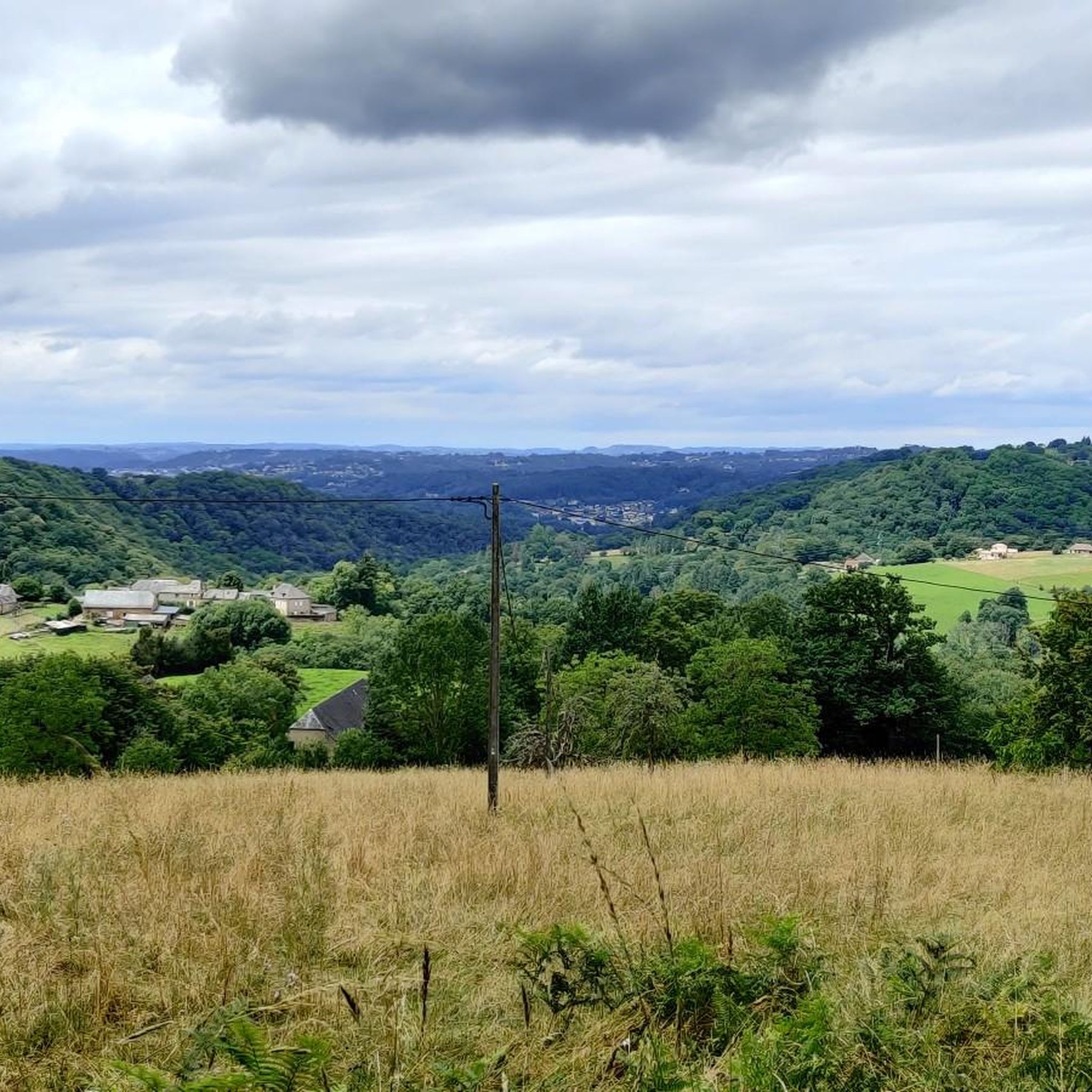
Exceptional Panorama: 360° View: From the heights of the castle, visitors can enjoy a breathtaking view of the green landscapes of the Dordogne Valley. On a clear day, the view extends for miles, allowing you to appreciate the beauty of the surrounding villages and forests. Gardens and Walks: The castle gardens, laid out in terraces, are an ideal place for a stroll. They offer a calm and romantic atmosphere, embellished with flowerbeds and trimmed bushes. A Picturesque Village: Turenne, one of the Most Beautiful Villages in France: The castle dominates the village of Turenne, classified among the “Most Beautiful Villages in France”. Its cobbled streets, stone houses, slate roofs and charming little squares recall the authenticity and medieval architecture. Intact History: While walking through the village below the castle, you can admire houses dating back several centuries, which bear witness to the importance of this fiefdom in medieval times.
1
0
Frequently Asked Questions
What are some notable castles and historical sites to visit around Cosnac?
The region offers several significant historical sites. You can explore Collonges-la-Rouge Village, known for its unique red stone architecture and its classification among the most beautiful villages in France. Another must-see is Turenne — Medieval Village and Castle, perched on a hill with an 11th-century castle offering panoramic views. Additionally, Vassinhac Castle, a 15th-century historical monument, allows visitors to explore rooms furnished with period furniture.
Is the Château de Cosnac open to the public?
The Château de Cosnac, while historically significant with medieval origins, Renaissance additions, and 17th-century reconstruction, is a private property. It is not open for public tours, but its exterior can be appreciated as a notable landmark in the area, showcasing centuries of architectural evolution. For more historical context, you can refer to its listing as a historical monument since 1987 on culture.gouv.fr.
Are there family-friendly castles or historical sites near Cosnac?
Yes, several sites are suitable for families. Collonges-la-Rouge Village is a great option, offering a charming atmosphere with its red stone buildings and artisan shops, making it pleasant for walks. Vassinhac Castle also welcomes families, allowing visitors to explore its furnished rooms and learn about its history.
What kind of outdoor activities can I do near these castles?
The area around Cosnac offers various outdoor activities. You can find numerous running trails, such as the 'Château de Cosnac loop from Brive-la-Gaillarde' or 'The staircase loop from Malemort-sur-Corrèze'. For cycling enthusiasts, there are options like the 'Trail along the Corrèze loop' or more challenging routes like 'Turenne Medieval Village – Collonges-la-Rouge Village loop'. You can find more details on these activities and routes in the running trails guide, cycling guide, and road cycling guide for Cosnac.
Are there walking trails associated with any of the castles?
Yes, the region offers opportunities for walks that incorporate historical sites. For instance, the picturesque alleys of Turenne — Medieval Village and Castle are perfect for walking, leading to the castle ruins and offering panoramic views. The village itself is surrounded by nature, inviting contemplation. You can also find running and cycling routes that pass by or near historical landmarks, providing scenic walks.
What is the best time of year to visit the castles around Cosnac?
The best time to visit the castles and historical sites around Cosnac is generally during the spring (March-June) and autumn (September-October) months. During these periods, the weather is typically pleasant for exploring, and the natural scenery is vibrant. Some sites, like Turenne — Medieval Village and Castle, have extended opening hours in summer (July-August), but can be more crowded. Visiting outside of peak summer can offer a more tranquil experience.
What do visitors enjoy most about the castles and villages in this region?
Visitors frequently praise the authentic charm and historical depth of the region. They particularly enjoy the unique red stone architecture of Collonges-la-Rouge Village, often noting its beauty and the presence of local craftsmen. The breathtaking panoramic views from the castle in Turenne — Medieval Village and Castle are also a highlight, along with its well-preserved cobbled streets and stone houses. The blend of medieval heritage and picturesque landscapes is a common theme in visitor feedback.
Are there any viewpoints to admire the castles from afar?
Yes, the elevated position of Turenne — Medieval Village and Castle provides spectacular panoramic views of the surrounding countryside, including the village itself and distant landscapes. From the César tower, the highest point, you can see green hills and fields stretching far. While the Château de Cosnac is private, its exterior can be viewed from various points in the commune, offering a glimpse of its historical presence.
Are the castles around Cosnac accessible for wheelchairs?
Accessibility can vary significantly between historical sites. While some villages like Collonges-la-Rouge Village are pedestrian-friendly, their ancient, cobbled streets might present challenges for wheelchair users. Similarly, Turenne — Medieval Village and Castle, being perched on a hill with steep, cobbled alleys, may have limited accessibility. It is advisable to check directly with specific sites for detailed accessibility information before planning your visit.
Can I bring my dog to the castles and villages?
Policies regarding dogs can differ. Outdoor areas in villages like Collonges-la-Rouge Village and Turenne — Medieval Village and Castle are generally dog-friendly, especially for walks on leashes. However, access to interior spaces of castles or specific historical buildings may be restricted. It's recommended to verify the pet policy with each specific attraction you plan to visit.
What is the historical significance of the castles in the Cosnac region?
The castles in the Cosnac region, including the Château de Cosnac itself, played crucial roles as strategic fortified locations. They often marked borders, such as between the County of Quercy and the Viscounty of Limoges, and underwent significant architectural evolution from medieval strongholds to Renaissance additions and 17th-century classical reconstructions. These structures reflect centuries of defensive needs and changing architectural styles, embodying the rich history of the Limousin region.
Most popular attractions around Cosnac

Get inspired with the komoot mobile app


Explore more
Looking for the best castles somewhere else? Discover other guides around Cosnac:
