Top 6 Caves around Großblittersdorf
Best caves around Großblittersdorf are primarily found in the broader surrounding region, encompassing parts of France and Germany. This area features diverse underground experiences, from historical religious sites to former mining tunnels and natural rock formations. While Großblittersdorf itself does not host prominent natural cave systems, the nearby landscapes offer various geological and man-made subterranean attractions. These sites provide insights into the region's history, geology, and unique natural phenomena.
Best caves around Großblittersdorf
- The most popular caves is Mithras Cave…
Last updated: July 5, 2026
Mithras Cave (Heathen Chapel) on the Halberg
Highlight • Cave
Translated by Google •
Tip by

Bat Cave
Highlight • Cave
Translated by Google •
Tip by

Sign up now to discover places like this
Get recommendations on the best single tracks, peaks, & plenty of other exciting outdoor places.
Sign up for free
Grotto of the Virgin Mary
Highlight • Religious Site
Translated by Google •
Tip by

Old Mine Tunnel
Highlight • Structure
Translated by Google •
Tip by
Start today with a free account
Your next adventure awaits.
Login or Signup
Popular around Großblittersdorf
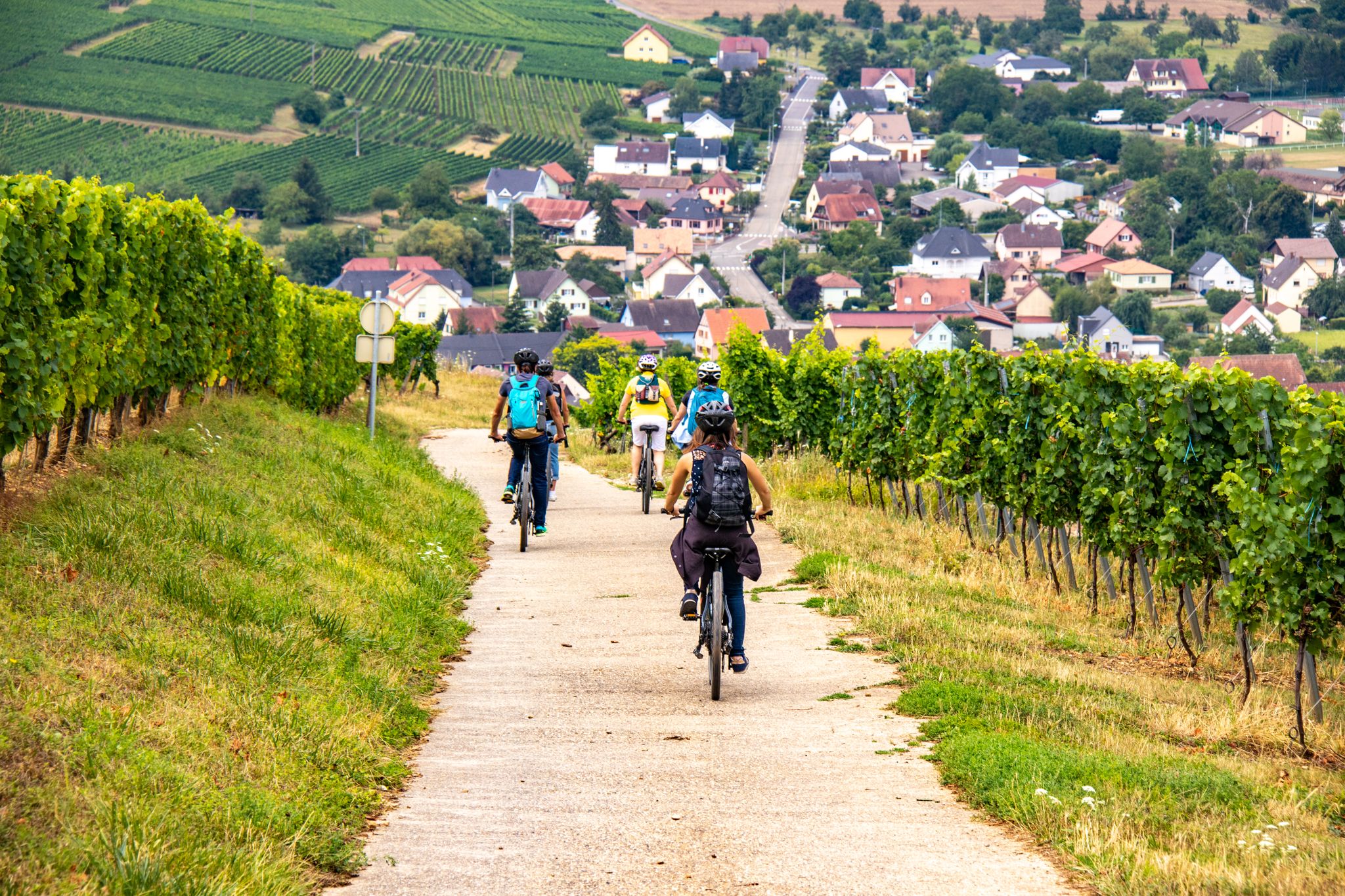
EuroVelo 5 - Via Romea (Moselle - Alsace)
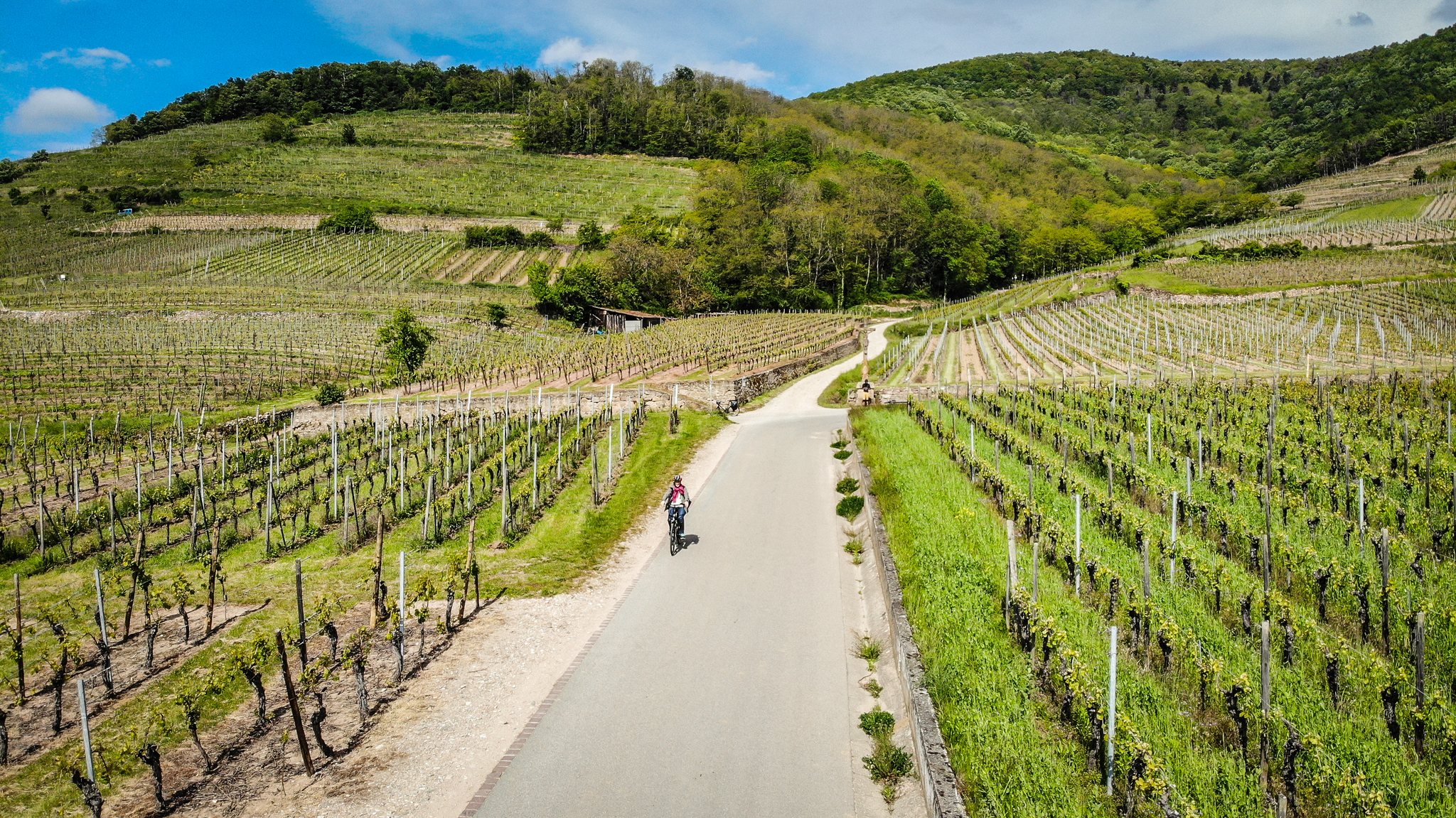
L’Alsace à Vélo - Entre canaux, vignoble et vallées vosgiennes
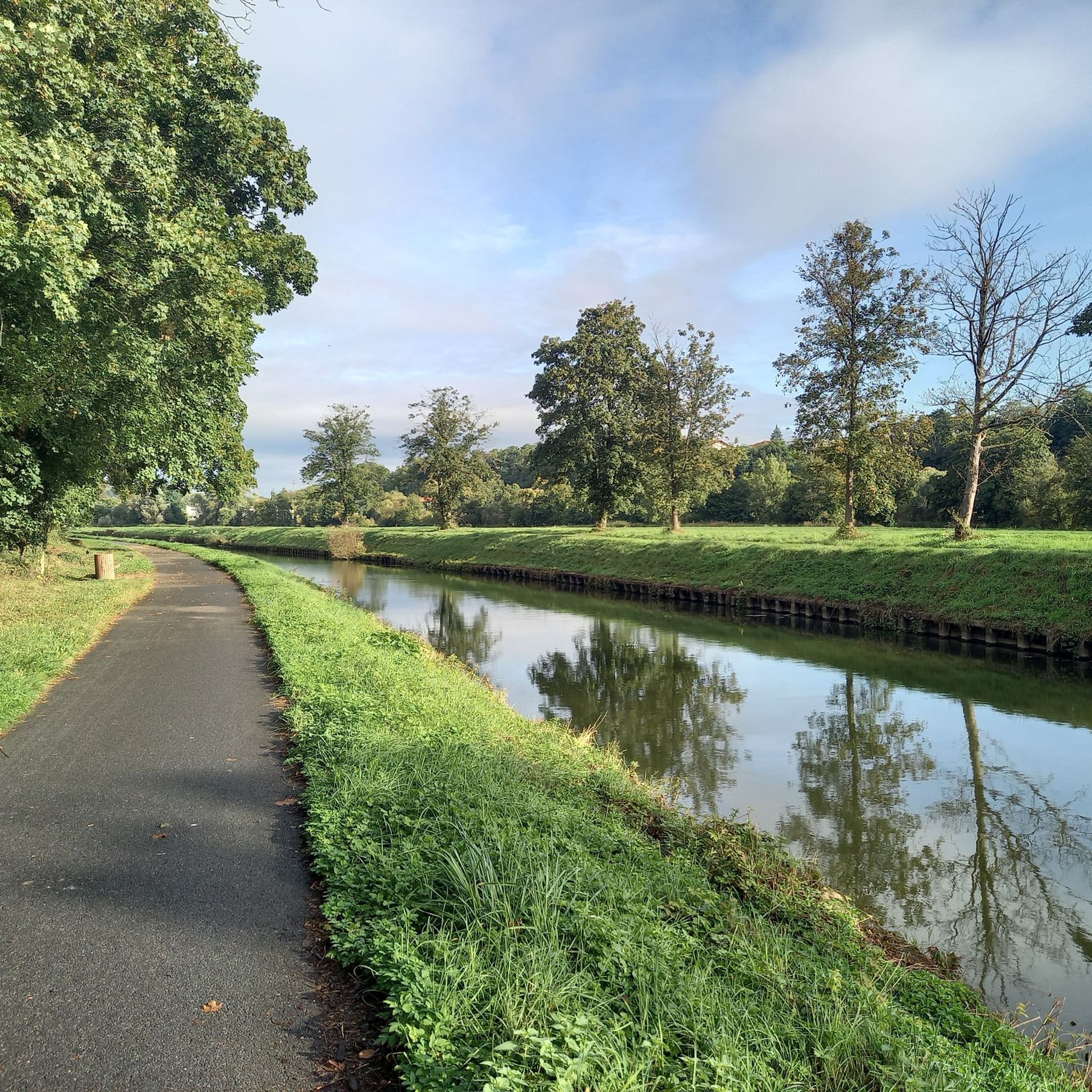
Cycling around Großblittersdorf
Running Trails around Großblittersdorf
MTB Trails around Großblittersdorf
Hiking around Großblittersdorf
Road Cycling Routes around Großblittersdorf
Gravel biking around Großblittersdorf

Tips from the Community

Great Highlight! Fun to run through. After a rainy period, be prepared to use your flashlight to avoid puddles.
0
0

Mithraeum (Latin mithraeum, plural mithraeen) is the name given to the temples of the Mithras cult. Mithraeums were usually built underground or carved into rock. A relatively small cult room was sufficient for the Mithras communities, which had only one to two dozen members. The largest known mithraeum had space for 80 believers. In contrast to Christianity, where larger churches were built in larger communities, in Mithraism the number, not the volume, was increased. At the height of the Mithras cult in the 3rd century, there were supposedly 800 mithraeums in Rome alone. However, since the individual mithraeums were usually not in use for long, this high number says nothing about the number of followers. To date, the remains of over 1000 mithraeums have been archaeologically proven throughout the entire Roman Empire.
1
0

For me this is one of the sensations in Saarbrücken! The cave and the recesses created later are still in great condition. There is also a bench under a ledge. If only it weren't for the car noise (like it was 2,000 years ago). "In pre-Christian and Roman times, a Mithraic cult was practiced on the Halberg - by the Gallo-Romans who lived here or the Roman soldiers of the nearby garrison. For this purpose, they created a barrel-vaulted mithraeum in the sandstone on the western slope of the Halberg, which is known in older literature as the "Heidenkapelle " is called. After Christianization in the 6th century, the grotto was incorporated into Christian worship. This means that the Halberg is possibly the oldest Christian place of worship in the region. The remains of this site can still be admired here and are in a relatively well-preserved condition." https://de.wikipedia.org/wiki/Halberg_(Saarland)
3
0

Haunted tunnel. Probably a silent witness to the old mine
0
0
Directly behind the church you will find this very large Mariengrotte. I am always amazed at the way the French pay homage to Mary
1
0

A nice little cave, you drove past it quickly
0
0

The Mithras Chapel is one of the seven sights included in the Star Trail list. Definitely worth a visit
3
2

The cult of Mithras was a religion spread by the Roman soldiers. https://en.wikipedia.org/wiki/Mithraism
1
0
Frequently Asked Questions
Are there natural caves directly in Großblittersdorf?
No, prominent natural cave systems are not located directly in Großblittersdorf. However, the broader surrounding region, encompassing parts of France and Germany, offers a variety of interesting underground experiences.
What types of underground sites can I explore near Großblittersdorf?
The region offers diverse underground experiences, including historical religious sites like the Mithras Cave (Heathen Chapel) on the Halberg, former mining tunnels such as the Old Mine Tunnel, and unique natural phenomena like the Burning Mountain. You can also find natural rock climbing areas and extensive man-made labyrinths further afield.
Are there historical or religious cave sites in the region?
Yes, the region is rich in historical and religious underground sites. The Mithras Cave (Heathen Chapel) on the Halberg is a well-preserved Roman sanctuary dedicated to the god Mithras. Additionally, the Grotto of the Virgin Mary is a significant man-made religious monument.
Can I visit sites related to the region's industrial heritage?
Yes, you can explore sites that reflect the region's industrial past. The Old Mine Tunnel is a historical site and former mine, offering a glimpse into the area's mining history. Other examples in the broader region include former beer cellars at Grube Von der Heydt and slate mining tunnels like the Laykaul Slate Caves.
Are there family-friendly underground attractions near Großblittersdorf?
The Grotto of the Virgin Mary is categorized as a family-friendly religious building and man-made monument. For a broader experience, the Sint Pietersberg Caves in Maastricht, Netherlands, offer guided tours suitable for families, exploring vast underground labyrinths with historical art.
What unique natural phenomena can be found in the area?
A unique natural phenomenon in the broader Regionalverband Saarbrücken area is the Burning Mountain, where coal seams have been burning underground for centuries, creating hot cavities and fissures. It's best experienced on colder days when the heat and smoke are more noticeable.
Are there opportunities for outdoor activities near these underground sites?
Yes, the area around Großblittersdorf offers various outdoor activities. You can find numerous routes for road cycling, mountain biking, and running. These routes often pass by or are close to some of the mentioned historical and natural sites.
What should I know before visiting the Old Mine Tunnel?
The Old Mine Tunnel is a historical site that can be a unique experience. Visitors should be prepared for puddles after rain, so appropriate footwear is recommended. It's described as a 'haunted tunnel' and a silent witness to the old mine.
Are there any caves known for wildlife, such as bats?
Yes, there is a Bat Cave in the region, noted for being a habitat for bats. Additionally, the Baybachtal Bat Cave (Slate Tunnel) and Laykaul Slate Caves in the Rhein-Hunsrück-Kreis are former mining tunnels where bats may hibernate, and visitors are advised not to disturb them.
Where can I find extensive underground labyrinths with historical significance?
For extensive underground labyrinths, the Sint Pietersberg Caves in Maastricht, Netherlands, are a notable option. These vast systems of passages and tunnels were created by marl extraction over centuries. Guided tours allow you to explore 60 kilometers of corridors and discover historical murals and sculptures, including a charcoal drawing of Rembrandt's 'The Night Watch' in the Zonneberg Caves. More information can be found at visitmaastricht.com.
Are there any natural climbing areas with cave features nearby?
The Cave of the Dwarfs in Alsace, France, is primarily known as a natural climbing area with a 25-meter high cliff. It offers challenging routes and is noted for its consistent dryness, making it a popular summer climbing spot. You can find more details at visit.alsace.
What do visitors enjoy most about the underground sites near Großblittersdorf?
Visitors appreciate the historical depth of sites like the Mithras Cave, which offers a glimpse into Roman times. The unique experience of walking through the Old Mine Tunnel and the peaceful atmosphere of the Grotto of the Virgin Mary are also frequently highlighted. The komoot community has shared over 230 photos and given more than 200 upvotes for these regional attractions.
Most popular routes around Großblittersdorf
Most popular attractions around Großblittersdorf

Get inspired with the komoot mobile app


Explore more
Extend your search for the best caves by checking out these guides of the top ones around Großblittersdorf:
