Top 7 Castles around Châtelaillon-Plage
Castles near Châtelaillon-Plage offer a glimpse into the region's rich history, from ancient fortified settlements to coastal defenses. While the town itself is known for its Belle Époque architecture and seaside charm, the surrounding area features several significant historical sites. These structures reflect the strategic importance of the coast and the Charente river mouth throughout various historical periods. The region provides a blend of historical exploration and natural landscapes.
Best castles around Châtelaillon-Plage
- The most popular castles is Fort de…
Last updated: October 22, 2026
Fort de Fouras
Highlight • Castle
Tip by

Fort Vauban
Highlight • Castle
Translated by Google •
Tip by

Sign up now to discover places like this
Get recommendations on the best single tracks, peaks, & plenty of other exciting outdoor places.
Fort Liédot
Highlight • Historical Site
Translated by Google •
Tip by

Château du Bois-Vert
Highlight • Castle
Tip by
Buzay Castle
Highlight • Castle
Translated by Google •
Tip by
Sign up for free to discover even more castles around Châtelaillon-Plage.
Already have an account?
Start today with a free account
Your next adventure awaits.

Tips from the Community

Admission is subject to a fee. The fee is used to preserve the fort. A historical monument with a worthwhile website: https://www.fortliedot.com/
1
0

Animated projections (atmosphere, life and seabed) on the walls of some rooms of the fort. Visit of a part of the patrol path and the casemates. History of Fort Lierot and Fort Boyard.
0
0

Fort Liédot, nestled in the heart of the forest on the island of Aix, is a bastion of French history. Originally designed to be an impregnable fortress on the orders of Napoleon I, it was built between 1810 and 1834 and served many functions over the years, from coastal defense to political prison. Today, it is a place of memory and discovery, open to visitors who can explore its galleries and learn more about its fascinating past. With guided tours available, it's an invitation to travel through time to a place where art and history meet.
0
0

Overlooking the Grande Plage of Fouras-les-Bains, you cannot miss this gigantic structure: Fort Vauban. From the 11th century, the castellany of Fouras owed its growth to the taxes that the lords of Rochefort levied on boats using the Charente. In the 15th century, in place of the castle, destroyed during the War of Religion, a 30 meter high keep was built to monitor the sea from the top of its terrace. It was during the construction of the Rochefort Arsenal that the keep became the fort we know today. It then becomes a centerpiece of the defense system of the approaches to the Charente in order to prevent entry towards Rochefort.
0
0

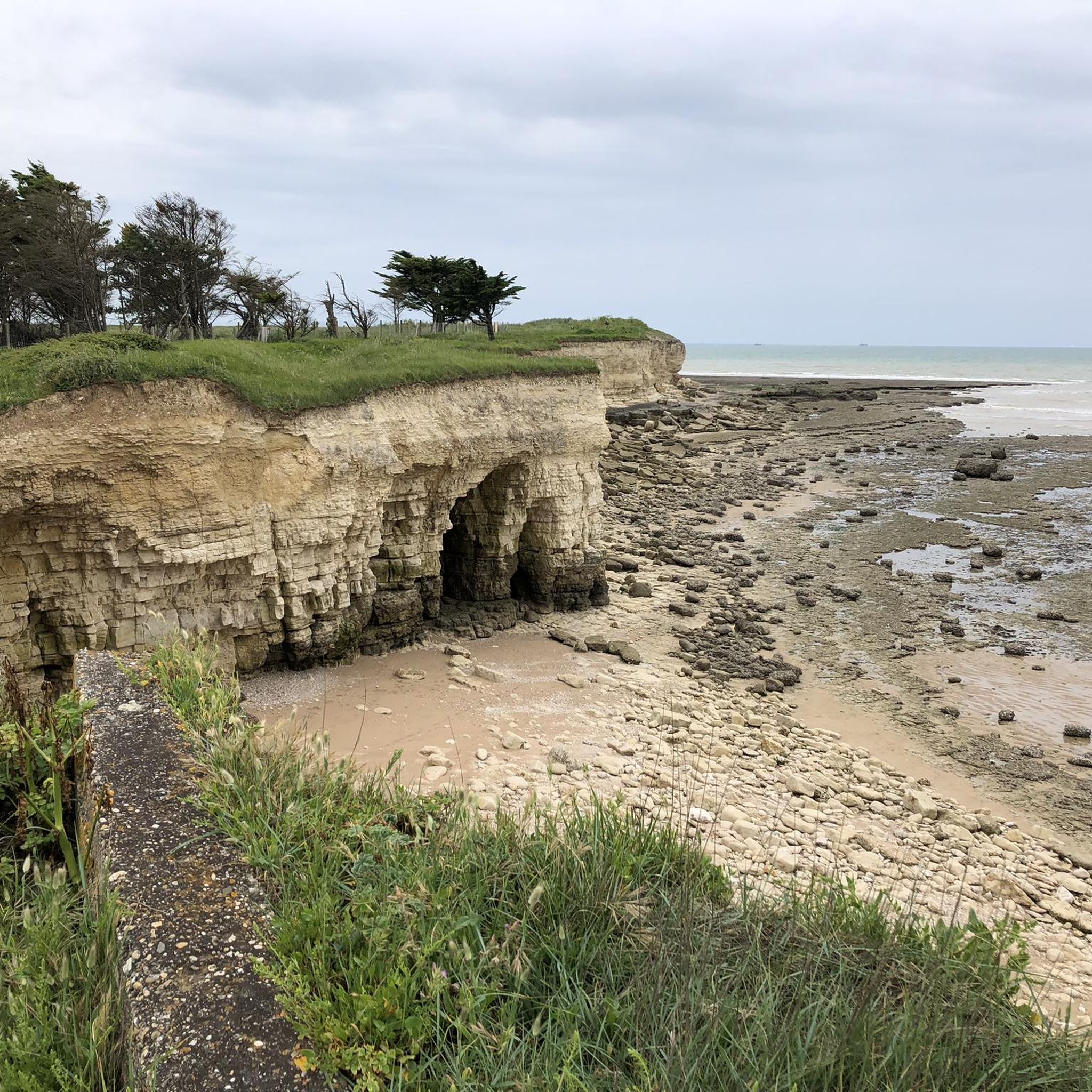
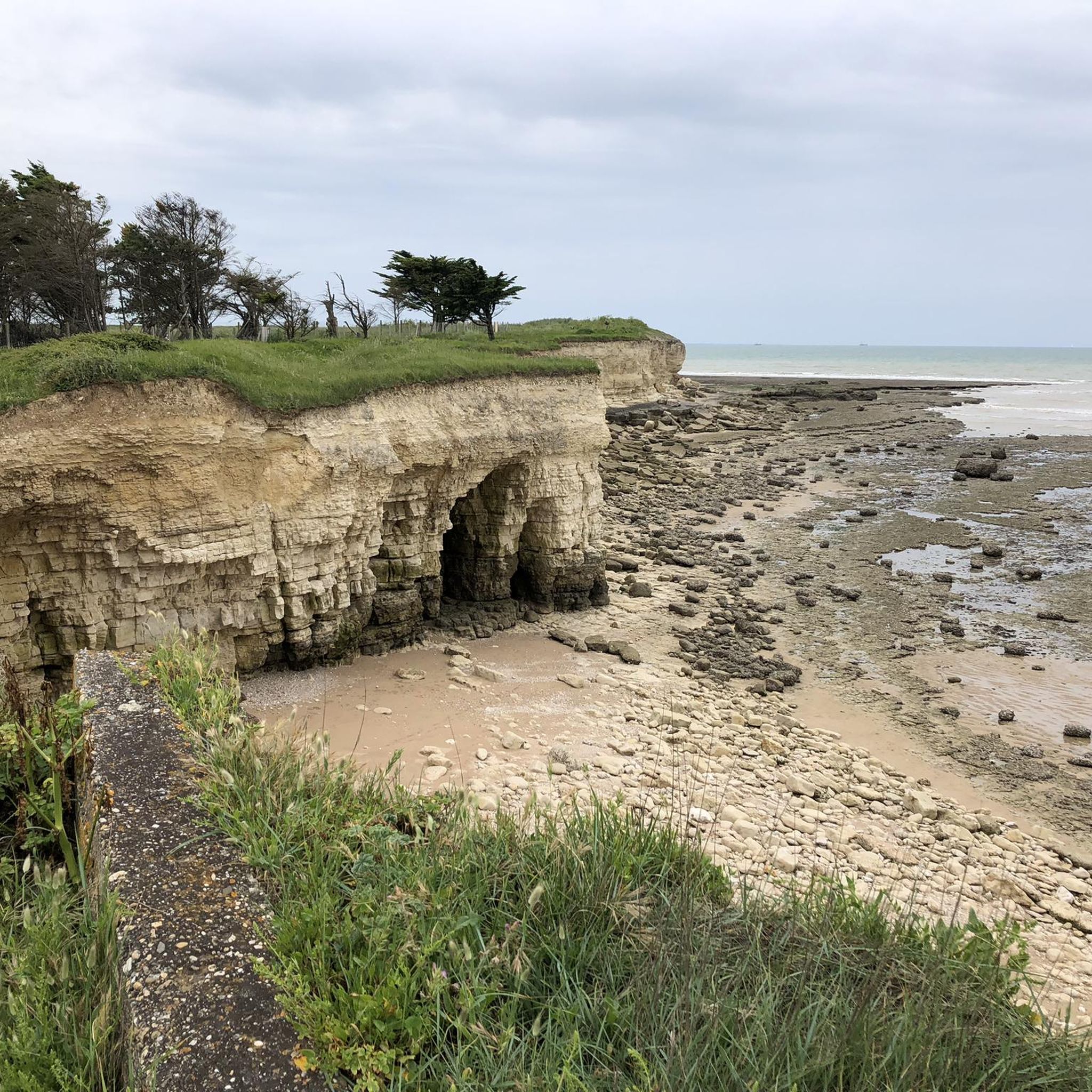
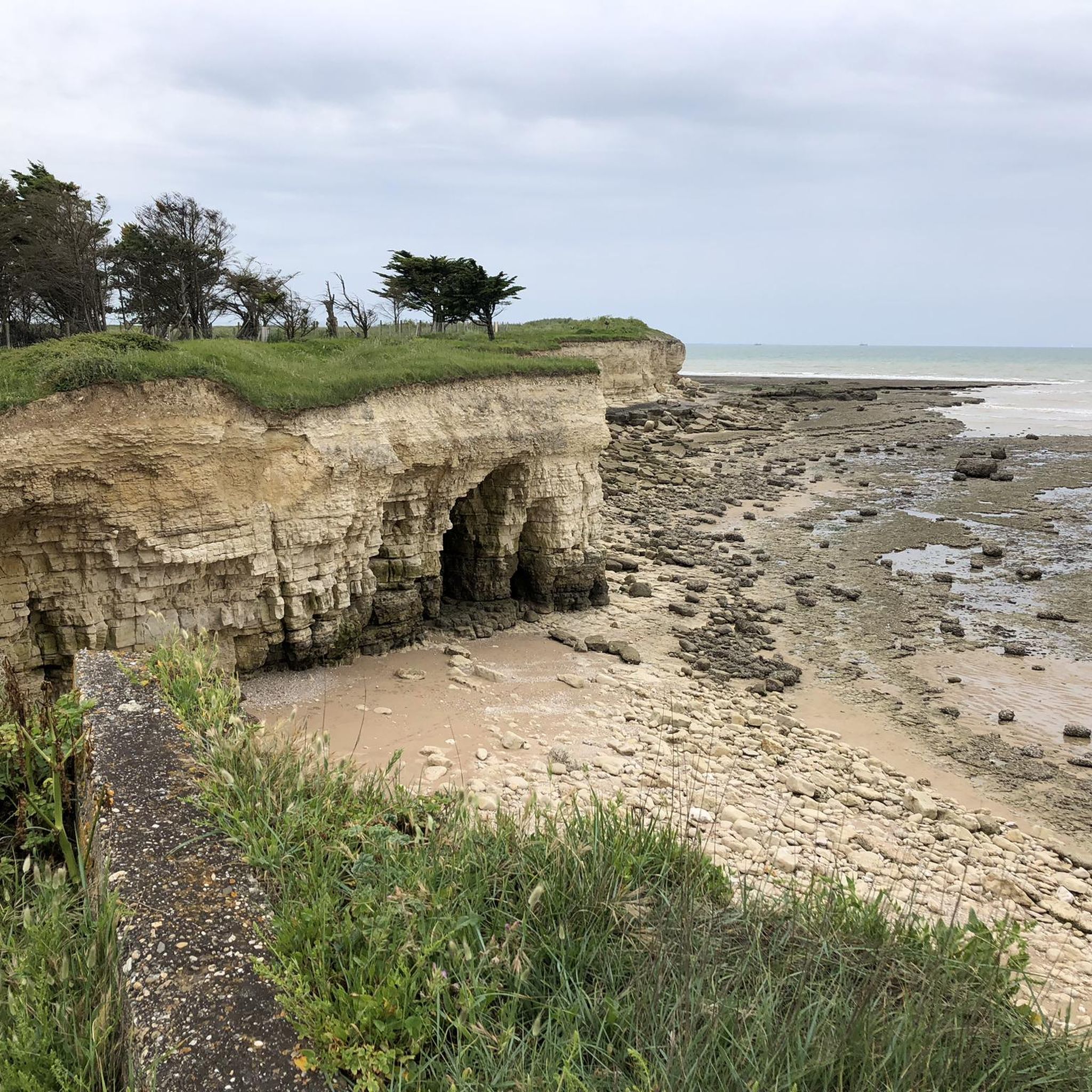
Fort Fouras was actually built on the site of a Roman castle. Its purpose is to defend the mouth of the river against invasions. It was in service and actively occupied and used until 1927.
2
0
In February 1787, Marie Louise Henriette married a young officer, Étienne-Pierre de Montbron: the current owners of this castle are their direct descendants.
2
0
Built by order of Napoleon I, it began to be built in 1810 and construction took 24 years. It is built on the highest point of the island, just 9 meters above sea level. It was initially intended for defense but was also used as a prison and as a holiday camp for soldiers of the French army. The stone used to build the fort came from quarries in the town of Crazannes.
4
0

Built around 1771, the Château de Buzay in La Jarne bears witness to the art of living experienced by the city of La Rochelle when privileged links were established between its port and the colonies of the New World. Spanning the ages, Buzay is a "living" home of a family who has lived there since its construction. On May 1, 1771, Pierre-Étienne Harouard, Lieutenant General of the Admiralty of La Rochelle and his wife, Marie Agathe Petit du Petit Val, had their daughter, Marie Louise Henriette, 3, laid the first stone of Buzay. The "house in the fields" that they had built on their seigneury of La Jarne, six hundred steps from the Château du Beignon that Pierre Harouard, Pierre-Étienne's grandfather, bought in 1686, really too inconvenient for their taste. Subsequently, sixteen years later, in February 1787, Marie Louise Henriette married a young officer, Étienne-Pierre de Montbron: the current owners are their descendants in direct line. Buzay's plans are from Ducret, a Parisian architect close to Jacques Ange Gabriel, called by the bishop of La Rochelle, Mgr de Crussol d'Uzès, to rebuild the cathedral in ruins after the siege of 1628. Without anyone knowing how, Harouard obtained the plans through the intermediary of the bishop, his friend, and appealed to Henri Tourneur, entrepreneur from La Rochelle, to implement them. From then on, plan in hand, with the continual assistance of Harouard who supervised the work and specified his wishes in the details of the execution, Henry Tourneur built Buzay and his outbuildings, the gates enclosing the courtyard being in place, in five years, between 1771 and 1776. The performers were local craftsmen, Dutour master mason in La Jarne, Wise master carpenter in Salles, Ferry and Girard stonemasons in La Rochelle, Robert ironworker in La Rochelle to name only the main ones. Between courtyard and garden, a completed type of this Louis XVI neoclassical style, recalling that it was in 1750 that the discovery of Pompeï began, little by little unearthed from the ashes that had buried it. Our architects were reconnecting with their great elders of yesteryear. The hypostyle on the courtyard side, the curved columns, the Ionic capitals, the pediment: so many obvious borrowings from ancient Greek architecture. https://www.chateaudebuzay.fr
0
1
Frequently Asked Questions
What are the most popular castles and forts to visit near Châtelaillon-Plage?
Visitors frequently enjoy exploring Fort de Fouras, a well-preserved coastal defense with free entry and great views. Another favorite is Fort Vauban, a gigantic structure overlooking the Grande Plage of Fouras-les-Bains, central to the region's defense. On Île-d'Aix, Fort Liédot, built by Napoleon I, offers a journey through time with its galleries and history as a defense and prison.
Are there family-friendly castles or forts with activities for children?
Yes, Fort Vauban and Fort Liédot are both considered family-friendly. For a truly immersive experience, consider the Château Fort de Saint Jean d'Angle, which offers a medieval theme park with activities like dressing up as knights, exploring a military camp, and witnessing catapult firings, making it ideal for children.
What kind of historical significance do the castles and forts in this region hold?
The castles and forts around Châtelaillon-Plage primarily reflect the strategic importance of the coast and the Charente river mouth for defense. Sites like Fort de Fouras and Fort Vauban were crucial in protecting the region, including the Rochefort arsenal, from invasions. Fort Liédot on Île-d'Aix highlights Napoleonic-era military engineering and its later use as a prison.
What are the best times to visit the castles and forts near Châtelaillon-Plage?
The best time to visit is generally during the spring (April-June) and early autumn (September-October) when the weather is pleasant for exploring and crowds are typically smaller than in peak summer. Summer (July-August) offers warm weather but can be busier, especially at popular coastal sites.
Are there any châteaux that are more like historic residences than fortified castles?
Yes, while many sites are forts, the region also features historic residences. Château du Bois-Vert in Fouras is a neo-classical residence from 1870, once a casino and hotel, now used for events. Buzay Castle, built around 1771, is a Louis XVI neoclassical style home that has been continuously inhabited by the same family since its construction, offering a glimpse into the art of living from that era.
What outdoor activities can I do near these castles?
The area around Châtelaillon-Plage offers various outdoor activities. You can find numerous routes for MTB trails, gravel biking, and cycling. Many routes pass by coastal areas and offer views of the forts, allowing you to combine historical exploration with active outdoor pursuits.
How far are the main castles and forts from Châtelaillon-Plage, and how can I get there?
Most notable forts like Fort de Fouras and Fort Vauban are located in Fouras, just 10 km from Châtelaillon-Plage, easily accessible by car or local transport. Fort Liédot is on Île-d'Aix, requiring a ferry trip from Fouras, which is part of the adventure. The Château Fort de Saint Jean d'Angle is also a short drive away, near Rochefort.
What natural features or viewpoints can I expect to see when visiting these sites?
Many of the forts, particularly Fort de Fouras and Fort Vauban, are situated directly on the coastline, offering expansive views of the ocean, beaches, and the mouth of the Charente river. Île-d'Aix, home to Fort Liédot, is known for its natural beauty and is popular for walking and cycling.
What do visitors enjoy most about the castles and forts around Châtelaillon-Plage?
Visitors appreciate the blend of rich history and stunning coastal scenery. The well-preserved architecture, the strategic locations offering panoramic views, and the immersive experiences at places like the Château Fort de Saint Jean d'Angle are frequently highlighted. The opportunity to explore these sites while enjoying the natural beauty of the region is a major draw.
Are there any castles or forts that are free to enter?
Yes, Fort de Fouras offers free entry, allowing visitors to explore its historical grounds and enjoy the coastal views without a fee. Other sites like Fort Liédot typically have an admission fee which contributes to their preservation.
Can I find cafes or restaurants near the castles and forts?
Yes, especially in Fouras, where Fort de Fouras and Fort Vauban are located, you'll find various cafes and restaurants along the Grande Plage and in the town center. On Île-d'Aix, near Fort Liédot, there are also options for dining and refreshments, particularly in the main village.
What is the history of Châtelaillon-Plage itself regarding castles?
While Châtelaillon-Plage is now known for its Belle Époque architecture, its history includes fortified settlements. The town was once called 'Castrum Allionis' and had fortifications around 800 AD to guard against Norman invasions. However, these medieval defenses were eventually destroyed and succumbed to the ocean, leaving behind archaeological traces rather than standing castle structures. The focus for standing castles is in the surrounding region.
Most popular routes around Châtelaillon-Plage
Most popular attractions around Châtelaillon-Plage

Get inspired with the komoot mobile app


Explore more
Looking for the best castles somewhere else? Discover other guides around Châtelaillon-Plage:
