Top 10 Caves around Bollwiller
Best caves around Bollwiller are primarily historical underground sites rather than natural geological formations. The region, located in Haut-Rhin, Alsace, is characterized by its historical significance, particularly related to World War I fortifications and medieval mining. While natural caves are not prominent in Bollwiller itself, the surrounding areas offer unique subterranean structures. These sites provide insights into past military strategies and historical resource extraction.
Best caves around Bollwiller
- The most popular caves is Lower Rehfelsen Tunnels, a historical site…
Last updated: August 28, 2026
Adlerhorst Command Post – World War I
Highlight • Historical Site
Translated by Google •
Tip by

Veilchenstein German WW1 Bunker
Highlight • Historical Site
Translated by Google •
Tip by
Sign up now to discover places like this
Get recommendations on the best single tracks, peaks, & plenty of other exciting outdoor places.
Sign up for free
Lower Rehfelsen Tunnels
Highlight • Cave
even the hiking trail leads through one of the rooms.
Translated by Google •
Tip by

Schletzenbourg medieval mine
Highlight • Historical Site
Translated by Google •
Tip by

Roche Fendue (Hartmannswillerkopf)
Highlight • Historical Site
Translated by Google •
Tip by

Sign up for free to discover even more caves around Bollwiller.
Sign up for free
Already have an account?
Start today with a free account
Your next adventure awaits.
Login or Signup
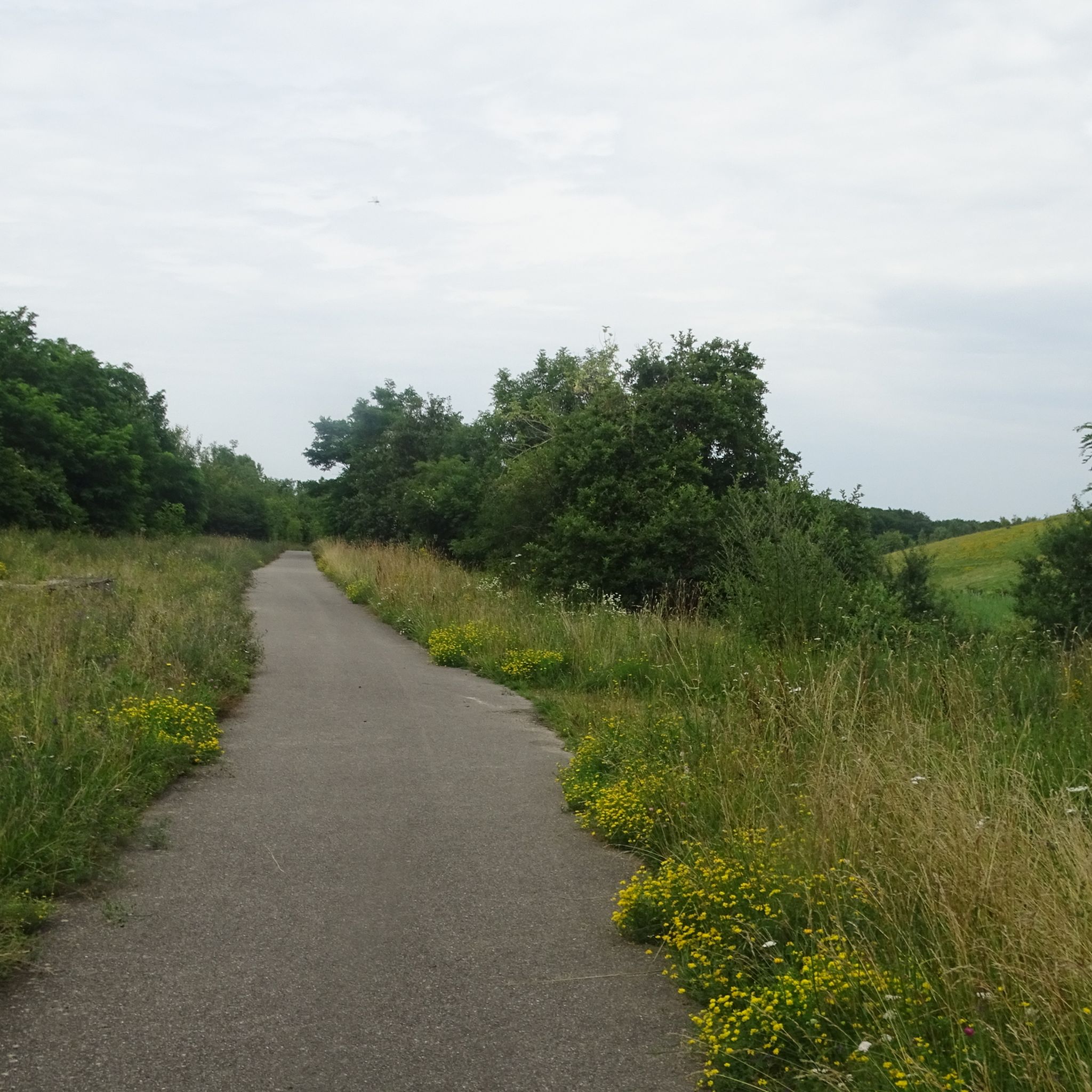
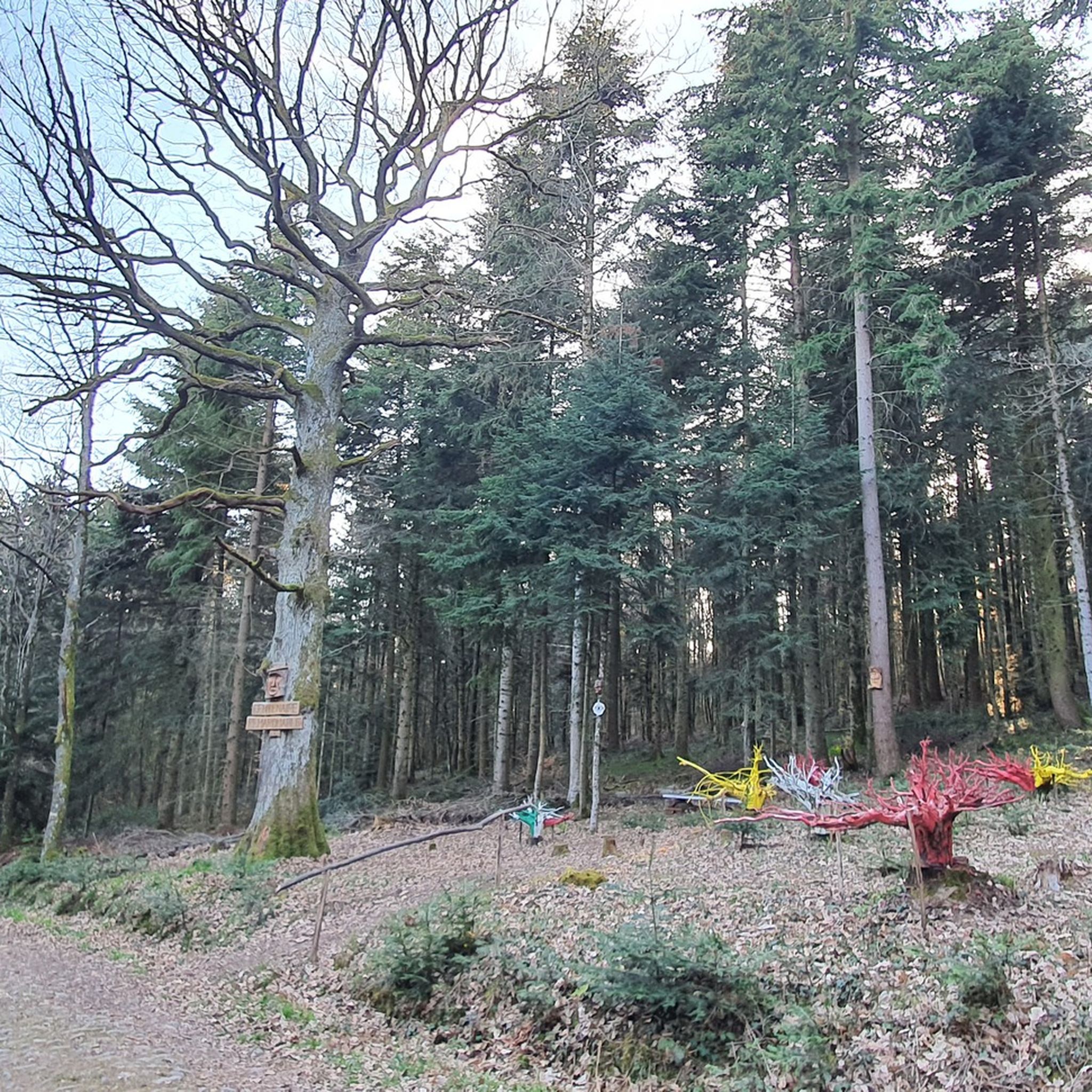

Tips from the Community

The "Veilchenstein" is a German shelter located on the Hartmannswillerkopf¹ battlefield. This shelter, built into a rock, is equipped with a machine gun post and observatories¹. Hartmannswillerkopf, also known as Vieil Armand, is a pyramidal rocky spur in the Vosges massif, overlooking the Alsace plain from its 957 meters¹. During the First World War, it was a strategic summit hotly contested by the French and German armies¹. Today, the Hartmannswillerkopf is a place of memory, bearing witness to the suffering of the soldiers who fought in the name of their country¹. The German remains encountered on the ground, sometimes quite spaced apart from each other, are witnesses to this historical period¹. (1). https://bing.com/search?q=veilchenstein+harmannswillerkopf. (2) The Hartmannswillerkopf - Official website. https://www.memorial-hwk.eu/. (3) Hartmannswillerkopf - Wikipedia. https://fr.wikipedia.org/wiki/Hartmannswillerkopf.
0
0
The Adlerhorst is a German shelter located on the Hartmannswillerkopf³ battlefield. This two-story shelter is built into a rock³. It is equipped with a machine gun post, observatories and a fountain³. Hartmannswillerkopf, also known as Vieil Armand, is a pyramidal rocky spur in the Vosges massif, overlooking the Alsace plain from its 956 meters². During the First World War, it was a strategic summit hotly contested by the French and German armies². Today, the Hartmannswillerkopf is a place of memory, bearing witness to the suffering of the soldiers who fought in the name of their country³. The German remains encountered on the ground, sometimes quite spaced apart from each other, are witnesses to this historical period³. (1) The Hartmannswillerkopf – German positions – By hills and by forts. https://parmontsetparforts.fr/2024/03/17/hwk-positions-allemandes/. (2) The Hartmannswillerkopf - Official website. https://www.memorial-hwk.eu/. (3). https://bing.com/search?q=adlerhorst+810+hartmannswillerkopf.
0
0
The “Roche Fendue” is a rock formation located on the Hartmannswillerkopf battlefield¹. It is located to the north of the HWK, below the Silberloch Pass, at around 750 meters above sea level³. The French fortified this rock during the First World War by digging an underground gallery approximately 20 meters long³. Above the Roche Fendue, a trench leads to an observation post offering a view of the Freundstein, the Grand-Ballon, the Hartfelsen, the Südelkopf and the Thierenbachkopf¹. These fortifications are among the many vestiges of the trench warfare which lasted from the end of 1914 to July 1918 on the Hartmannswillerkopf¹. Today, these sites are places of memory, witnesses to the suffering of soldiers who fought in the name of their country¹. (1) The Hartmannswillerkopf – French positions – By Mountains and by Forts. https://parmontsetparforts.fr/2024/03/24/hwk-positions-francaises/. (2) HWK: Observatories - e-monsite. https://hartmannswillerkopf.e-monsite.com/pages/hwk-les-observatoires.html. (3) To do: The northern trenches of Hartmannswillerkopf - Hiking. https://www.visorando.com/randonnee-les-tranchees-nord-du-hartmannswillerkop/.
0
0

During the First World War, this rock massif was expanded into a strong, self-sufficient fortress. Over time, the hilltop was completely hollowed out with a large number of tunnels and rock chambers.
1
0

Very nice view of the underground passages.
0
0

A fortified natural rock that can be accessed from several levels. even the hiking trail leads through one of the rooms.
4
0

For people of our size today, it is hard to imagine how grown men dug for lead here. This mine is a must for anyone interested in history and archeology!
1
0

The path over the Rehfelsen is littered with old bunkers and trenches
1
0
Frequently Asked Questions
What kind of underground sites can I expect to find around Bollwiller?
The 'caves' around Bollwiller are primarily historical underground sites rather than natural geological formations. You'll discover fascinating World War I fortifications, medieval mines, and even historical wine cellars, offering a unique glimpse into the region's past.
What are some notable historical underground sites to visit near Bollwiller?
You can explore sites like the Lower Rehfelsen Tunnels, a fortified natural rock with galleries and machine gun posts. Another significant spot is the Schletzenbourg medieval mine, which provides an archaeological experience of lead extraction. Don't miss the Adlerhorst Command Post – World War I, a spectacular rock fortress with rooms and gun positions built into the rock.
Are there any World War I bunkers or fortifications to explore?
Yes, the region is rich in World War I history. Besides the Adlerhorst Command Post and Lower Rehfelsen Tunnels, you can also visit the Veilchenstein German WW1 Bunker, which consists of bunkers, tunnels, and trenches offering fantastic views.
Can I visit a medieval mine in the area?
Absolutely. The Schletzenbourg medieval mine near Berrwiller offers a unique historical and archaeological experience. It allows visitors to imagine how people dug for lead in medieval times and is considered a must-see for history enthusiasts.
Are the historical underground sites around Bollwiller suitable for families?
Many of these sites offer an engaging historical experience for families, especially those interested in history and exploration. However, some locations, like the Veilchenstein German WW1 Bunker, involve tunnels where care should be taken due to potential rockfall. It's best to check specific site conditions for younger children.
What are the difficulty levels for exploring these historical sites?
The difficulty varies by site. Some, like the Lower Rehfelsen Tunnels, are rated as intermediate. Others, such as the Veilchenstein German WW1 Bunker and the Schletzenbourg Mine, are considered challenging due to their terrain or conditions. Always be prepared for uneven surfaces and potentially confined spaces.
Are there any natural caves or geological formations near Bollwiller?
While the immediate vicinity of Bollwiller is known for its historical underground structures, prominent natural geological caves are not a feature of the area. The region's 'caves' are primarily man-made or fortified natural rock formations with historical significance.
What outdoor activities can I combine with a visit to these sites?
The area around Bollwiller is excellent for outdoor activities. You can find numerous MTB Trails, Cycling routes, and Running Trails. Many of these routes pass through scenic landscapes and historical points of interest, allowing you to combine exploration with physical activity.
Are there parking options available near these underground sites?
Parking availability can vary by specific site. For historical sites integrated into natural landscapes, you may find designated parking areas at trailheads or nearby villages. It's advisable to check local signage or specific site information before your visit.
What is the best time of year to visit the historical underground sites?
The historical underground sites can generally be visited year-round. However, spring and autumn offer pleasant weather for exploring the surrounding outdoor areas and trails leading to these sites. Winter visits might require extra caution due to potentially slippery conditions, especially in tunnels or on rocky paths.
Are dogs allowed in or near these historical sites?
Policies regarding dogs can differ. While many outdoor areas and trails leading to these sites are dog-friendly, access to specific underground structures or historical monuments might be restricted. It's recommended to check the rules for each individual site beforehand.
What do visitors enjoy most about the historical sites around Bollwiller?
Visitors frequently praise the unique historical insights and the spectacular natural settings. Many are impressed by the well-preserved World War I fortifications and the archaeological experience of the medieval mines. The combination of history, nature, and the challenge of exploration makes these sites popular among the komoot community, with many upvotes and photos shared.
What should I know about safety when exploring these historical underground sites?
Safety is important when exploring historical underground sites. Be aware of uneven terrain, potential rockfall in tunnels (as noted for the Veilchenstein German WW1 Bunker), and confined spaces. Always carry a light source, wear appropriate footwear, and consider visiting with others. Some sites may have specific warnings or require guided access.
Most popular routes around Bollwiller
Most popular attractions around Bollwiller

Get inspired with the komoot mobile app


Explore more
Extend your search for the best caves by checking out these guides of the top ones around Bollwiller:
