Top 8 Caves around La Cavalerie
Best caves around La Cavalerie are found in a region known for its rich underground formations. La Cavalerie, a historic fortified village, serves as a gateway to the Causses and Cévennes, an area abundant in natural shelters and historical cave sites. The surrounding landscape features impressive geological formations and sites with evidence of ancient human occupation. Visitors can explore a variety of caves, from natural monuments to historical dwellings.
Best caves around La Cavalerie
- The most popular caves is Usclades…
Last updated: July 5, 2026
Usclades Shelter No. 2 (Witch's Cave)
Highlight • Cave
Translated by Google •
Tip by

Abri des Usclades
Highlight • Cave
Translated by Google •
Tip by
Sign up now to discover places like this
Get recommendations on the best single tracks, peaks, & plenty of other exciting outdoor places.
Sign up for free
Baume du Figuier
Highlight • Cave
Translated by Google •
Tip by
Grotte des Résistants
Highlight • Cave
Translated by Google •
Tip by
Troglodyte dwelling
Highlight • Cave
Translated by Google •
Tip by

Sign up for free to discover even more caves around La Cavalerie.
Sign up for free
Already have an account?
Start today with a free account
Your next adventure awaits.
Login or Signup
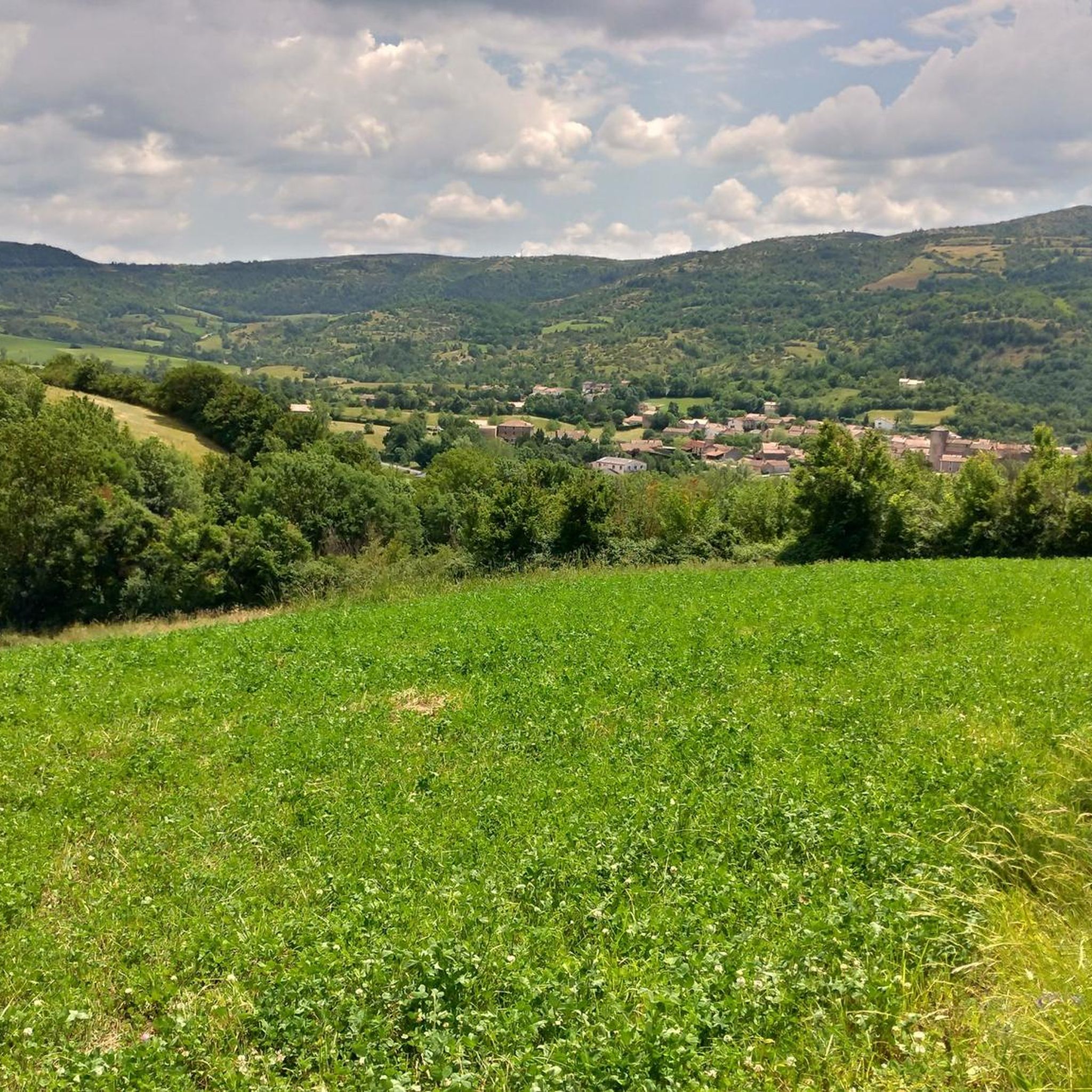
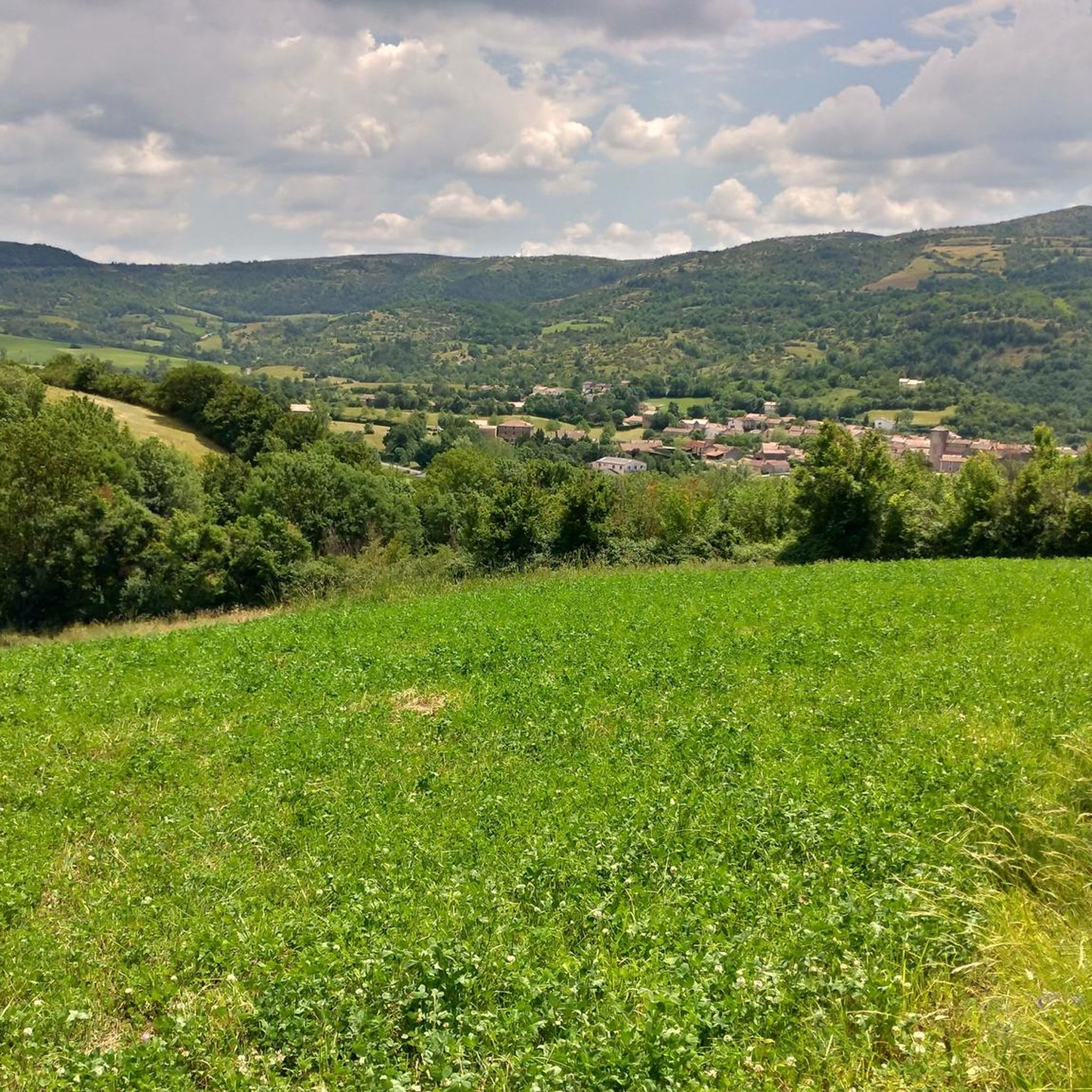
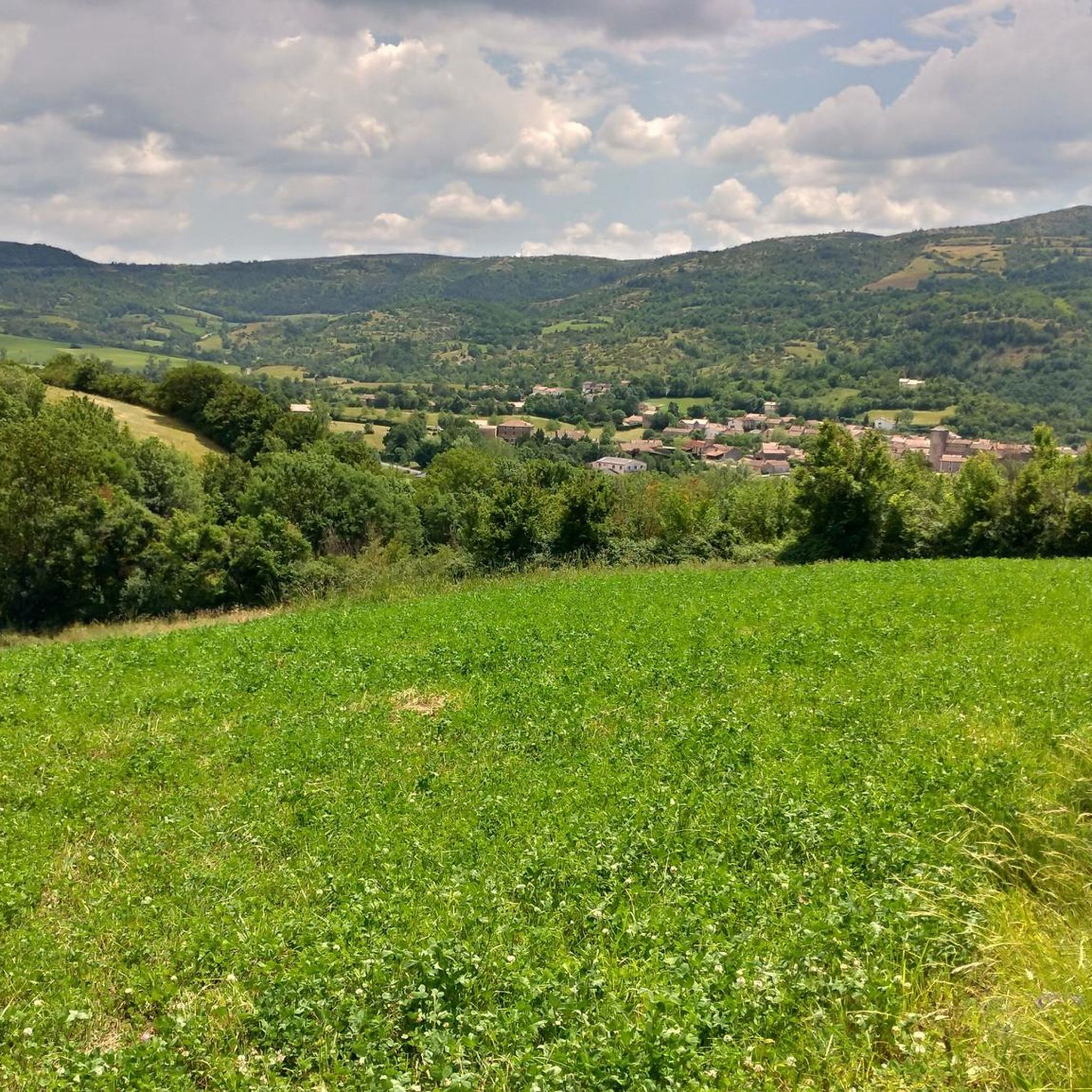
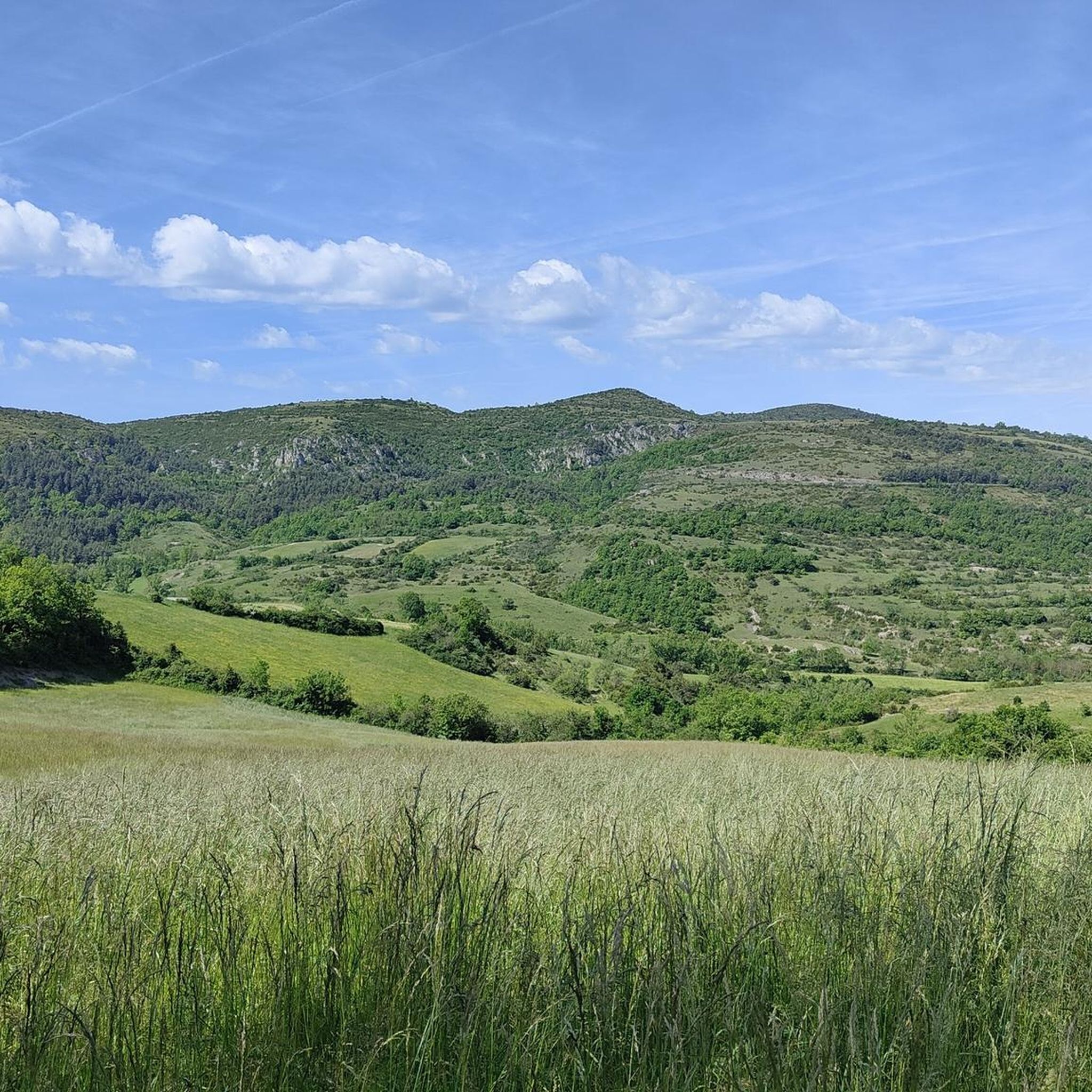

Tips from the Community

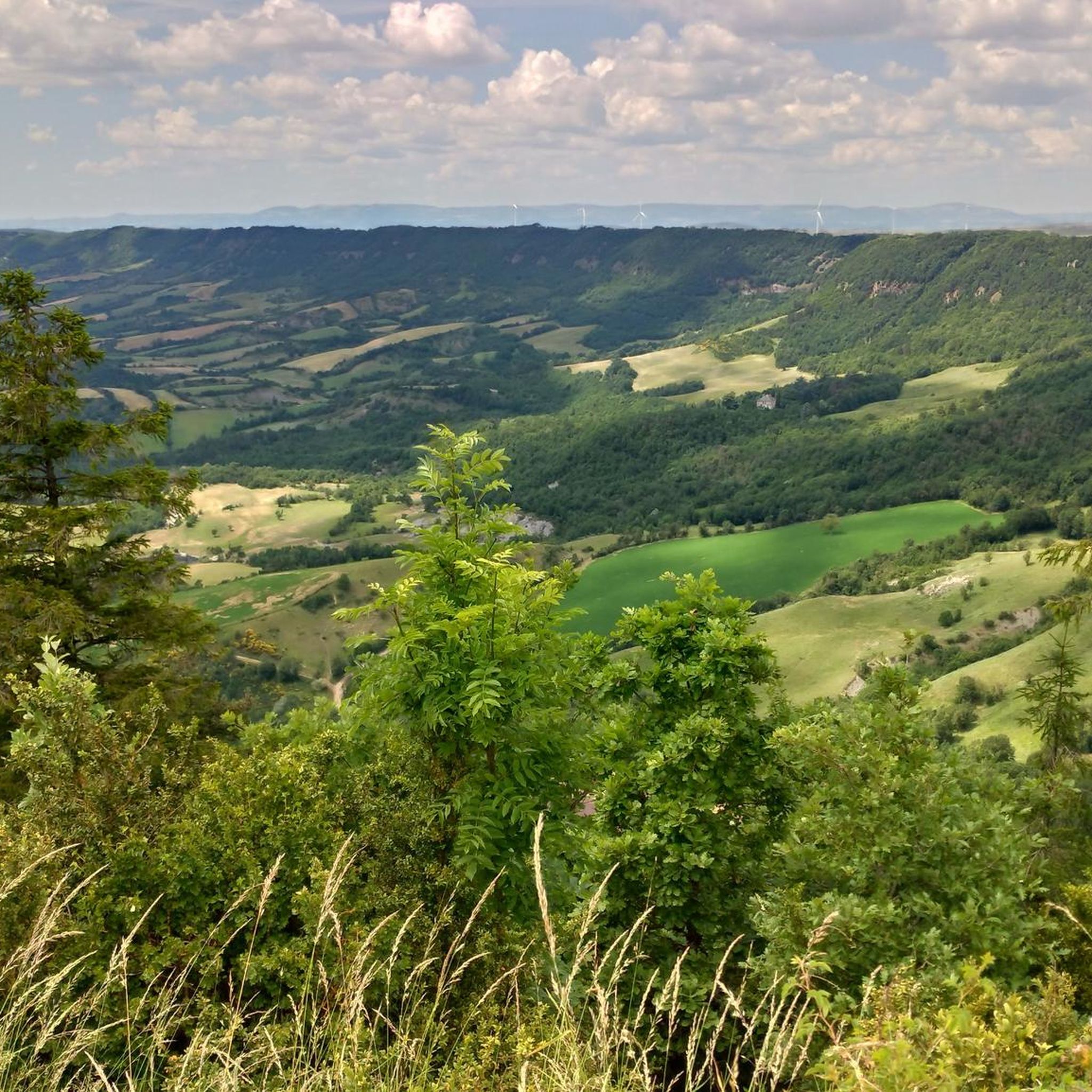
Balsams are natural cavities that open among the rock. Located in the cliffs, they first served as shelter for wild animals, prehistoric men and then shepherds. That of Figuier offers a majestic view of the valley it overlooks.
0
0
Impressive cave which extends over three floors. Populated since the Neolithic period, tools, pottery and bones dating from the Bronze Age have also been found there.
0
0

Balms are cavities open to the outside and more or less deep. They have been frequented since the dawn of time, first by wild animals then prehistoric men, followed by shepherds... and now by tourists. That of the Fig tree is particularly photogenic.
0
0
The cave of the Resistance fighters, or cave of the Maquisards, was formerly called the Baoumasse and served as a summer sheepfold.
0
0
Like its sister, this cave was occupied from the Mesolithic. A limestone plaque was found there by archaeologists, suggesting a religious significance.
0
0
Cave occupied for more than 10,000 years. Traces of occupation dating back to -9500 years BC have indeed been found up to the remains of an old sheepfold occupied until the 19th century.
1
0
Frequently Asked Questions
What types of caves can I explore near La Cavalerie?
The region around La Cavalerie offers a diverse range of underground sites. You can explore natural monuments like Abri des Usclades and Baume du Boffi, historical sites with evidence of ancient human occupation such as Usclades Shelter No. 2 (Witch's Cave), and even troglodyte dwellings like the Troglodyte dwelling which extends over three floors.
Are there any large show caves with unique geological features in the wider area?
Yes, the surrounding Causses and Cévennes region is home to several spectacular show caves.
Aven Armand is famous for its 'subterranean forest' of over 400 stalagmites, some reaching 30 meters high. Grotte de Dargilan, known as 'the Pink Cave', is the largest in the region and features uniquely colored pink concretions. The Abîme de Bramabiau showcases a powerful underground river that emerges as a thundering waterfall, and the Caves of Roquefort are natural cellars used for aging the famous Roquefort cheese.
Which caves near La Cavalerie have historical significance?
Several caves in the area are significant historical sites. Abri des Usclades shows traces of occupation dating back over 10,000 years. Usclades Shelter No. 2 (Witch's Cave) was occupied from the Mesolithic period, with archaeologists finding a limestone plaque suggesting religious significance. The Troglodyte dwelling was populated since the Neolithic period, with tools, pottery, and bones from the Bronze Age discovered there. Additionally, Grotte des Résistants served as a summer sheepfold and later as a hideout during wartime.
What makes Grotte de Dargilan unique?
Grotte de Dargilan, often called 'the Pink Cave', is unique due to the natural rosy hues of its concretions. It is the largest cave in the Causses and Cévennes region, boasting a wide variety of formations and large dimensions, including over a kilometer of accessible passages. It also holds historical significance as the first cave in France to be opened to the public in 1890.
Can I see an underground river near La Cavalerie?
Yes, the Abîme de Bramabiau, located in the wider region, features a remarkable underground river called the Bonheur. Visitors can follow its course through a subterranean canyon before it dramatically emerges from the mountain as a powerful waterfall. This site is considered the birthplace of French speleology.
Are there any caves related to local culinary traditions?
Absolutely. The Caves of Roquefort, approximately 20-23 km from La Cavalerie, are extensive natural cellars where the famous Roquefort cheese is aged. These caves benefit from specific humidity and temperature created by natural air currents, which are essential for the cheese's maturation. Tours often explain the history and intricate process of making Roquefort cheese.
What outdoor activities can I do near the caves around La Cavalerie?
The area around La Cavalerie offers numerous outdoor activities. You can find a variety of MTB trails, including routes from L'Hospitalet-du-Larzac and Sainte-Eulalie-de-Cernon. There are also several running trails, with loops starting from La Cavalerie itself. For those interested in longer rides, gravel biking routes are available, such as the Brunas Viewpoint – Millau Viaduct loop.
What should I wear when visiting caves in the region?
Cave temperatures are generally cool and constant year-round, typically around 10-14°C (50-57°F), regardless of the outside weather. It's advisable to wear layers, including a light jacket or sweater, and comfortable, closed-toe shoes with good grip, as paths can be damp or uneven.
Are there any caves near La Cavalerie that were once used as sheepfolds?
Yes, several natural shelters in the region were historically converted into sheepfolds. Baume du Boffi, an impressive natural monument overlooking the Dourbie valley, was once a sheepfold. Similarly, Grotte des Résistants (formerly Baoumasse) also served as a summer sheepfold.
What is the best time of year to visit the caves around La Cavalerie?
Caves maintain a constant cool temperature year-round, making them a good destination in any season. They offer a refreshing escape from summer heat and a sheltered activity during cooler or rainy weather. However, some show caves might have seasonal opening hours, so it's always best to check their specific schedules before planning your visit.
Is Aven Armand easily accessible for visitors?
Yes, Aven Armand is designed for easy access. Visitors descend into the cave via a funicular railway, making it convenient for most people to experience its vast chamber and impressive stalagmite forest.
Where can I find more information about Grotte de Dargilan?
You can find more visitor information about Grotte de Dargilan, including opening hours and ticket details, on the Lozère tourism website: lozere-tourisme.com.
Most popular routes around La Cavalerie
Most popular attractions around La Cavalerie

Get inspired with the komoot mobile app


Explore more
Extend your search for the best caves by checking out these guides of the top ones around La Cavalerie:
