Top 5 Castles around Antibes
Best castles around Antibes are situated in a region known for its Mediterranean coastline and historical significance. The area features a diverse landscape, from coastal fortifications to hilltop châteaux. Antibes itself is a historic town on the Côte d'Azur, offering a blend of natural beauty and cultural heritage. The surrounding areas provide opportunities to explore ancient structures and panoramic viewpoints.
Best castles around Antibes
- The most popular castles is View of Cannes from the Château de la Castre, a viewpoint that offers an exceptional panorama of Cannes and its bay. This château was built on the top of the Suquet hill, dominating the city.
- Another must-see spot is Fort Royal – Museum of the Sea, a historical site that houses the Cannes Sea Museum. This fort is notable for its historical significance, including its past as a prison for the 'Man in the Iron Mask'.
- Visitors also love Batterie de la Convention, a historical site with military significance. This fort was constructed in the 1600s during Spanish occupation and was also used during World War II.
- Antibes is known for its historical sites, viewpoints, and castles. The region offers a variety of structures, from ancient fortifications to medieval châteaux, providing insights into centuries of history.
- The castles around Antibes are appreciated by the komoot community, with more than 60 upvotes and over 70 photos shared by visitors.
Last updated: July 4, 2026
Fort Royal – Museum of the Sea
Highlight • Historical Site
A year and a half later, the French recovered the Lérins Islands and began to fortify them. Over the next 100 years, many plans to strengthen and improve the defenses of the islands were drawn up, but it was finally decided that any effective defensive position on the island would actually become a liability if an enemy invaded again. and took control of these improved defenses.
In 1685 the fort was converted into a prison and it was here that two years later, in 1687, the "Man in the Iron Mask" was imprisoned for a time.
Translated by Google •
Tip by

View of Cannes from the Château de la Castre
Highlight • Viewpoint
It was built from the 11th century for the monks of Lérins, who lived mainly in their abbey on the island of Saint-Honorat since the 5th century.
It is a male monastery built on a square plan, like that of a castle with a keep.
In the center of the central courtyard stands the 11th-century square watchtower, 21 m high.
If you still have strength after climbing Le Suquet, climb the 109 steps and enjoy an exceptional panorama of the city and the bay of Cannes.
The city of Cannes bought the castle in 1919 to set up its museum there.
Source: www-guide--tourisme--france-com.translate.goog/VISITER/chateau-castre--cannes-36464.htm?_x_tr_sl=fr&_x_tr_tl=de&_x_tr_hl=de&_x_tr_pto=sc
Translated by Google •
Tip by

Sign up now to discover places like this
Get recommendations on the best single tracks, peaks, & plenty of other exciting outdoor places.
Sign up for free
Fort Carré
Highlight • Historical Site
Translated by Google •
Tip by
Batterie de la Convention
Highlight • Historical Site
Translated by Google •
Tip by
Mouans Castle
Highlight • Castle
Source and more: fr.wikipedia.org/wiki/Château_de_Mouans
Translated by Google •
Tip by

Sign up for free to discover even more castles around Antibes.
Sign up for free
Already have an account?
Start today with a free account
Your next adventure awaits.
Login or Signup
Tips from the Community


From this point you can enjoy a magnificent view over Cannes
2
0


Fort Carré is a 16th century fort built by King Henry II of France to guard the border with the County of Nice and defend the city of Antibes. The fort's ramparts, 43 meters high, offer a panoramic view of the sea and the mountains. The fort also has a protected park of 4 hectares, where you can admire the typically Mediterranean flora and fauna.
2
0

Magnificent view of Cannes from this place.
0
0
Not too expensive self-guided tour (€6 in 2023), possibility of guided tours at fixed times. We discover the cell of the man in the iron mask but also magnificent recent paintings in the other cells. We also discover that this prison was used in the second part of the 19th century to imprison Algerian "Sheriffs", many of whom died on site.
2
0

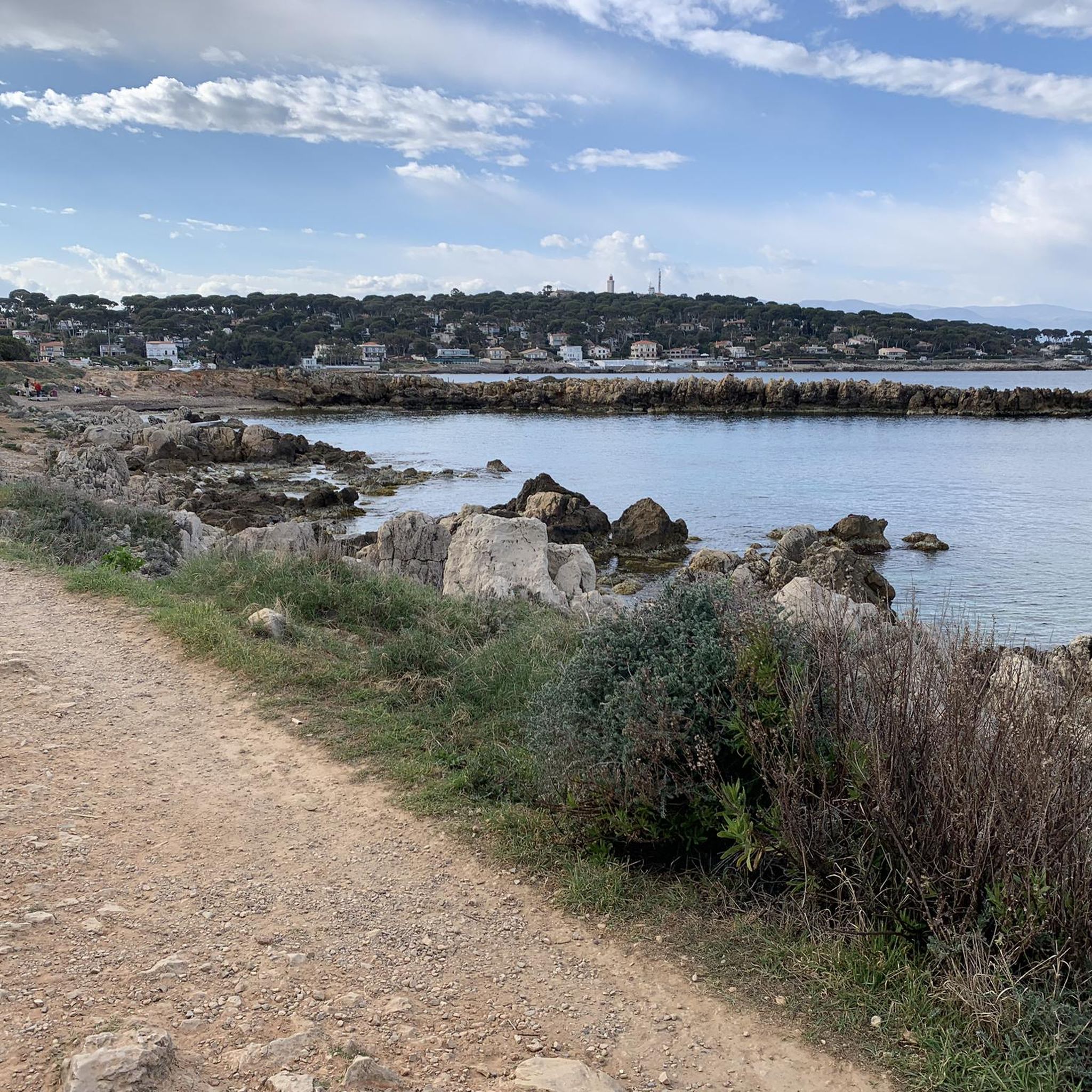
The ghostly charm of the abandoned castle
0
0
It is here, at Fort Royal, that you will find the Cannes Sea Museum. The island has actually been inhabited since the 5th century BC and the Romans constructed buildings there around the 1st century AD. In September 1635, during the Army of Thirty Years with Spain, a Spanish fleet of thirty or more arrived in front of the Lérins Islands and delivered thousands of Spanish soldiers and six guns. A year and a half later, the French recovered the Lérins Islands and began to fortify them. Over the next 100 years, many plans to strengthen and improve the defenses of the islands were drawn up, but it was finally decided that any effective defensive position on the island would actually become a liability if an enemy invaded again. and took control of these improved defenses. In 1685 the fort was converted into a prison and it was here that two years later, in 1687, the "Man in the Iron Mask" was imprisoned for a time.
4
1
Frequently Asked Questions
What types of historical castles and fortifications can I explore around Antibes?
The region around Antibes offers a diverse range of historical structures. You can visit coastal fortifications like Fort Carré, which guarded the border with the County of Nice, or explore island forts such as Fort Royal – Museum of the Sea, known for its past as a prison. There are also medieval châteaux like Château de la Castre in Cannes, which now houses a museum and offers panoramic views.
Are there any castles near Antibes with significant historical stories?
Yes, Fort Royal – Museum of the Sea on the Lérins Islands is particularly notable. It served as a prison for the famous 'Man in the Iron Mask' in the 17th century. The island itself has been inhabited since the 5th century BC, with Roman structures dating back to the 1st century AD, and played a role in conflicts with Spain.
Which castles offer the best panoramic views near Antibes?
For exceptional panoramas, head to the View of Cannes from the Château de la Castre. Located on the Suquet hill, it provides magnificent views over Cannes and its bay. Another great spot is Fort Carré, whose 43-meter-high ramparts offer sweeping views of the sea and mountains.
Are there any castles around Antibes that are also museums or art centers?
Yes, Château de la Castre in Cannes houses a museum. Additionally, Fort Royal on Sainte-Marguerite Island is home to the Cannes Sea Museum. Further inland, Mouans Castle has been transformed into a center for contemporary art, the 'Espace de l'Art Concret', and also features a museum on rural life in its former stables.
What is the best time of year to visit castles in the Antibes region?
The Côte d'Azur enjoys a Mediterranean climate, making spring (April-May) and autumn (September-October) ideal for visiting castles. The weather is pleasant, and the crowds are generally smaller than in the peak summer months. Summer (June-August) is also popular, but can be very hot and busy.
Are there any family-friendly castles or sites near Antibes?
Many of the historical sites, including the castles, offer engaging experiences for families. Fort Royal – Museum of the Sea, with its tales of the 'Man in the Iron Mask' and the sea museum, can be particularly captivating for children. Exploring the ramparts and grounds of Fort Carré also provides an adventurous outing.
What outdoor activities can I do near these castles?
The region offers various outdoor activities. For cycling enthusiasts, there are routes like the 'Seaside road – Fort Carré (Antibes) loop' which passes by Fort Carré. You can find more cycling options in the Cycling around Antibes guide. Gravel biking is also popular, with routes such as the 'Fontmerle Pond – Fort Carré (Antibes) loop' available in the Gravel biking around Antibes guide.
Is there an entrance fee for the castles and historical sites?
Some sites, like Fort Royal – Museum of the Sea, have an entry fee, which is €6. For other locations such as Château de la Castre (which houses a museum) and Fort Carré, it's advisable to check their official websites for current admission prices and opening hours.
What do visitors particularly enjoy about the castles and historical sites around Antibes?
Visitors frequently praise the magnificent views, especially from locations like Château de la Castre. The historical significance of sites like Fort Royal and the well-preserved architecture of places like Batterie de la Convention are also highly appreciated. Many enjoy the blend of history, culture, and natural beauty.
Are there any lesser-known or 'hidden gem' castles to discover?
While not a hidden gem in the traditional sense, Mouans Castle in Mouans-Sartoux offers a unique experience. Its triangular construction from the late 15th century and its current role as a contemporary art center, along with a museum on rural life, make it a distinct and enriching visit away from the immediate coast.
How accessible are the castles for visitors with mobility challenges?
Accessibility varies greatly between sites. Historical structures like Château de la Castre involve climbing 109 steps to reach the panoramic viewpoint. Fort Royal is on an island, requiring boat access. It is recommended to check the specific accessibility information for each castle directly before planning your visit, especially for wheelchair users.
Can I find cafes or refreshments near the castles?
While specific cafes directly within every castle are not guaranteed, the areas surrounding popular sites like Château de la Castre in Cannes and Fort Carré in Antibes are well-developed tourist areas with various dining and refreshment options nearby. For island forts like Fort Royal, there are usually facilities available for visitors.
Most popular routes around Antibes
Most popular attractions around Antibes

Get inspired with the komoot mobile app


Explore more
Looking for the best castles somewhere else? Discover other guides around Antibes:
