Top 15 Castles in Landkreis Straubing-Bogen
Best castles in Landkreis Straubing-Bogen are found in a region characterized by its rich history and diverse landscapes, from river valleys to the edge of the Bavarian Forest. This area features numerous castles and castle ruins, reflecting centuries of historical significance. Visitors can explore well-preserved medieval structures, Renaissance fortresses, and archaeological sites. The varied terrain offers opportunities to discover these historical landmarks amidst natural settings.
Best castles in Landkreis Straubing-Bogen
- The most popular castles is Falkenfels Castle, a castle that was built around 1100 on a steeply sloping rock face. The castle features a 13th-century keep and a 17th-century baroque castle chapel of St. Joseph.
- Another must-see spot is Haibach Castle Ruins, a castle ruin that is about 900 years old and was renovated from 1986 to 1992. The railing of the castle ruin is always accessible, offering views of the surrounding area, and it features a small museum of local history.
- Visitors also love Puchhof Castle, a castle that is a well-preserved estate. This manor is in excellent structural condition, though access to the grounds is not permitted.
- Landkreis Straubing-Bogen is known for its diverse range of historical sites, including medieval water castles, Renaissance fortresses, and extensive castle ruins. The region offers a variety of historical structures to explore, from fully preserved castles to archaeological sites.
- The castles in Landkreis Straubing-Bogen are appreciated by the komoot community, with over 125 upvotes and more than 160 photos shared by visitors.
Last updated: August 24, 2026
Falkenfels Castle
Highlight • Castle
Around 1100, the Counts of Bogen built the castle on the rock that slopes steeply on three sides. From 1232, the Knights of Hohenfels ruled the castle, and from 1400, the Falkensteiners of Falkenfels. In 1331, “Valkenfelss” is mentioned in a copy from the 15th century as a landed estate.
In 1425, the castle came into the possession of the Frauenbergers and remained so until their extinction in 1480. The castle was plundered by the Hussites in 1425 and conquered by troops of Duke Albrecht IV in the Böckler War in 1468. The Frauenbergers were followed by the Paulsdorfers. In the Löwler War, the castle was besieged for a week in 1492 and burned down after the capitulation on June 8, 1492, but was then rebuilt by Hans von Paulsdorf.
In 1525, the property passed to the Seyboltstorffer family through marriage. From 1607 to 1796, the noble family of Barons von Weichs owned Falkenfels Castle. In the Thirty Years' War, the castle was set on fire by the Swedes in 1641, but was then rebuilt.
On April 15, 1796, Josef Maria von Weichs sold Falkenfels and the associated manorial estates to Baron Gabriel von Buchstetten for 320,000 guilders. In 1807, the castle was again burned down, but was rebuilt.
After the end of the Falkenfels manorial estate, the castle economy was destroyed in 1820. In 1821, the Lang family acquired the castle and set up a brewery here, which lasted until 1934. In 1925, a fire destroyed large parts of the complex, after which it was only partially rebuilt. From 1919 to 1950, the castle belonged to the Schimmelmann family. On May 8, 1951, the furniture manufacturer Franz Xaver Baier from Straubing bought the castle and converted it into a hotel with a restaurant. The castle was also increasingly used as a conference and congress building. Since 2001, the castle has belonged to the publisher Udo Sieber.
Falkenfels Castle was originally surrounded by two terraced ring walls, one above the other. Today, the fortifications are only preserved on the north side. Approximately in the middle of the east side is the keep from the 13th century, the battlements are from a later period. The baroque castle chapel of St. Joseph was built in the 17th century on medieval foundations. It contains gravestones of Falkenfels castle lords. The outer areas of Falkenfels Castle are freely accessible, otherwise it serves as a castle hotel and restaurant.
Source: Excerpts from wikipedia.de
Translated by Google •
Tip by

Mitterfels Castle
Highlight • Castle
Translated by Google •
Tip by

Sign up now to discover places like this
Get recommendations on the best single tracks, peaks, & plenty of other exciting outdoor places.
Sign up for free
Neurandsberg Castle Ruins
Highlight • Castle
The Ramspergs were originally ministeriales of the Counts of Bogen and were first mentioned in 1190. Their seat was in Altrandsberg, two kilometers north in the Cham district. In 1330, Friedrich the Ramsperg probably built the new castle on his own land. Many Ramspergs entered Bavarian service at the end of the 14th century as stewards, for example, in Saulburg and Mitterfels. In the Hussite Wars around 1430, the Ramspergs fought for the Bavarian duke, but soon became involved in military conflicts with him over compensation. This did not do them any good: in 1436, Duke Ernst had Neuramsperg Castle conquered by Haimeran Heuraus. Unlike nearby castles such as Neunussberg, Neurandsberg was never returned to its owners, but instead became a ducal manor. In 1461, Dukes Sigismund and John visited the castle. The dukes gave the castle to Jörg Heuraus, the guardian of Mitterfels, followed by Sattelbogen, Nussberger, and the Nothaft of Wernberg, among others. In 1582, a prison was established at the castle, but in 1615, it was moved to Mitterfels to serve as the district court. In 1633, the Swedes under Colonel Georg Christoph von Taupadell destroyed the castle, and it was never rebuilt. In 1689, guardian of the castle Erttl of Mitterfels asked Elector Max Emmanuel for permission to rebuild the wooden chapel below the castle, which was threatened by rubble. This was approved, and the castle ruins were used as a quarry.
Upon entering the complex, the first thing that catches your eye is the well-preserved and elaborate Zwinger (mew). The entire castle is surrounded by it, and the walls are topped with several semicircular towers. The north side, opposite the entrance, is particularly elaborately constructed, with three towers and a wall with a battlement. The original access to the complex is no longer immediately recognizable. Access to the inner castle is, in any case, through a simple gateway in the south of the polygonal circular wall made of rubble stone. The interior of the inner castle is difficult to discern, revealing its structural layout. The buildings were likely leaning against the inner wall, some of which are still well preserved. The site is still being secured.
Source: Excerpts from burgenseite.de
Translated by Google •
Tip by
Schambach Castle
Highlight • Castle
de.wikipedia.org/wiki/Schloss_Schambach
buero-bergmann.com/2017/05/19/das-wasserschloss-in-schambach
Translated by Google •
Tip by

Haibach Castle Ruins
Highlight • Castle
Translated by Google •
Tip by

Puchhof Castle
Highlight • Castle
Translated by Google •
Tip by

Irlbach Castle
Highlight • Castle
Translated by Google •
Tip by

Degenberg Chapel and Castle Ruins
Highlight • Historical Site
Information can be found here bayerischer-wald.me/detail/id=5fa273cd075883400befac18
There is also a circular route for hiking, but it's also fun on the MTB 😄
Translated by Google •
Tip by
Saulburg Castle
Highlight • Castle
Translated by Google •
Tip by

Geltolfing Castle
Highlight • Castle
Translated by Google •
Tip by

Sign up for free to discover even more castles in Landkreis Straubing-Bogen.
Sign up for free
Already have an account?
Start today with a free account
Your next adventure awaits.
Login or Signup
Popular around Landkreis Straubing-Bogen
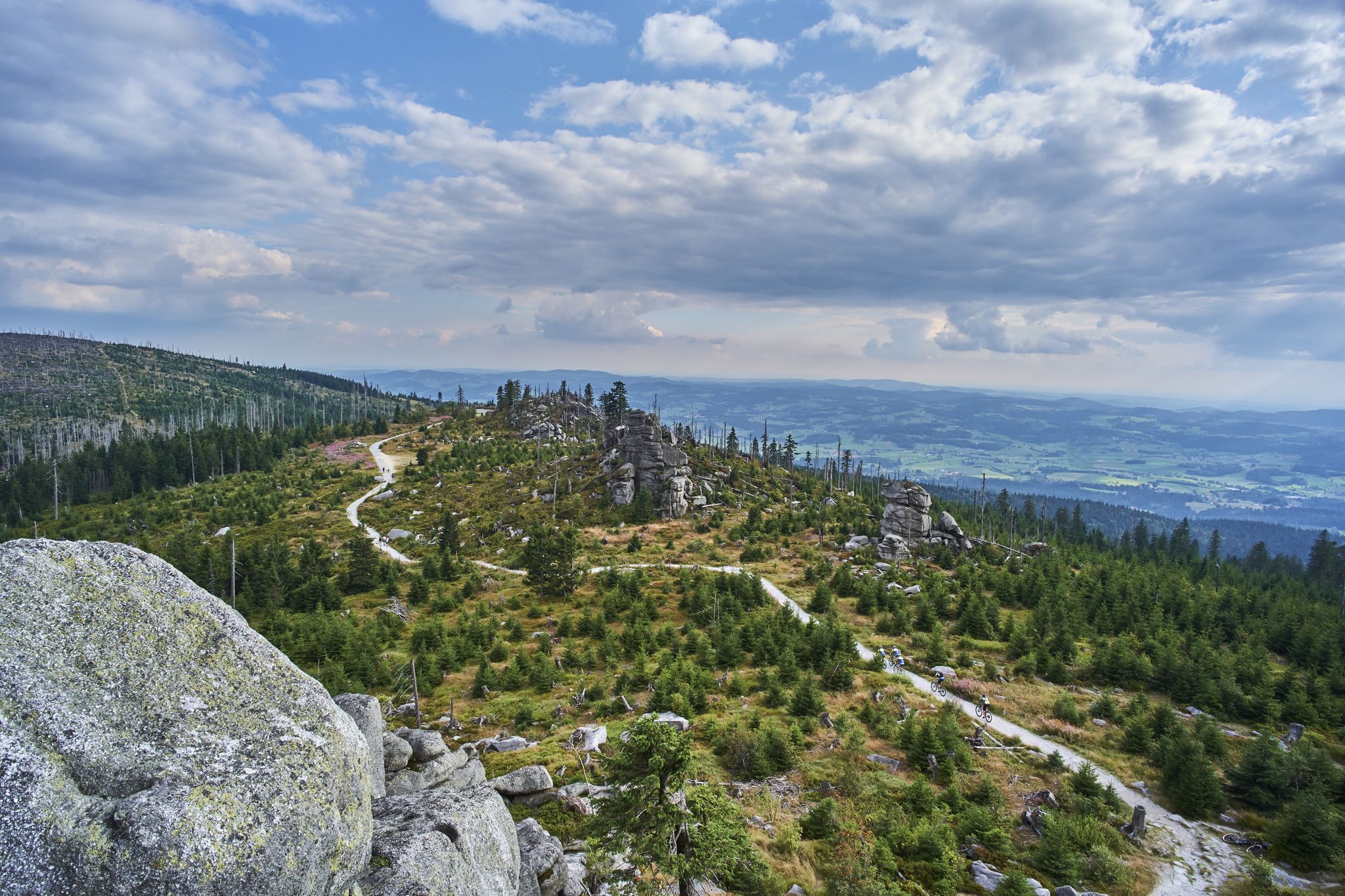
Trans Bayerwald – A mountain bike adventure through Bavaria's finest nature
The Goldsteig – 38 stages between Upper Palatinate and Passau
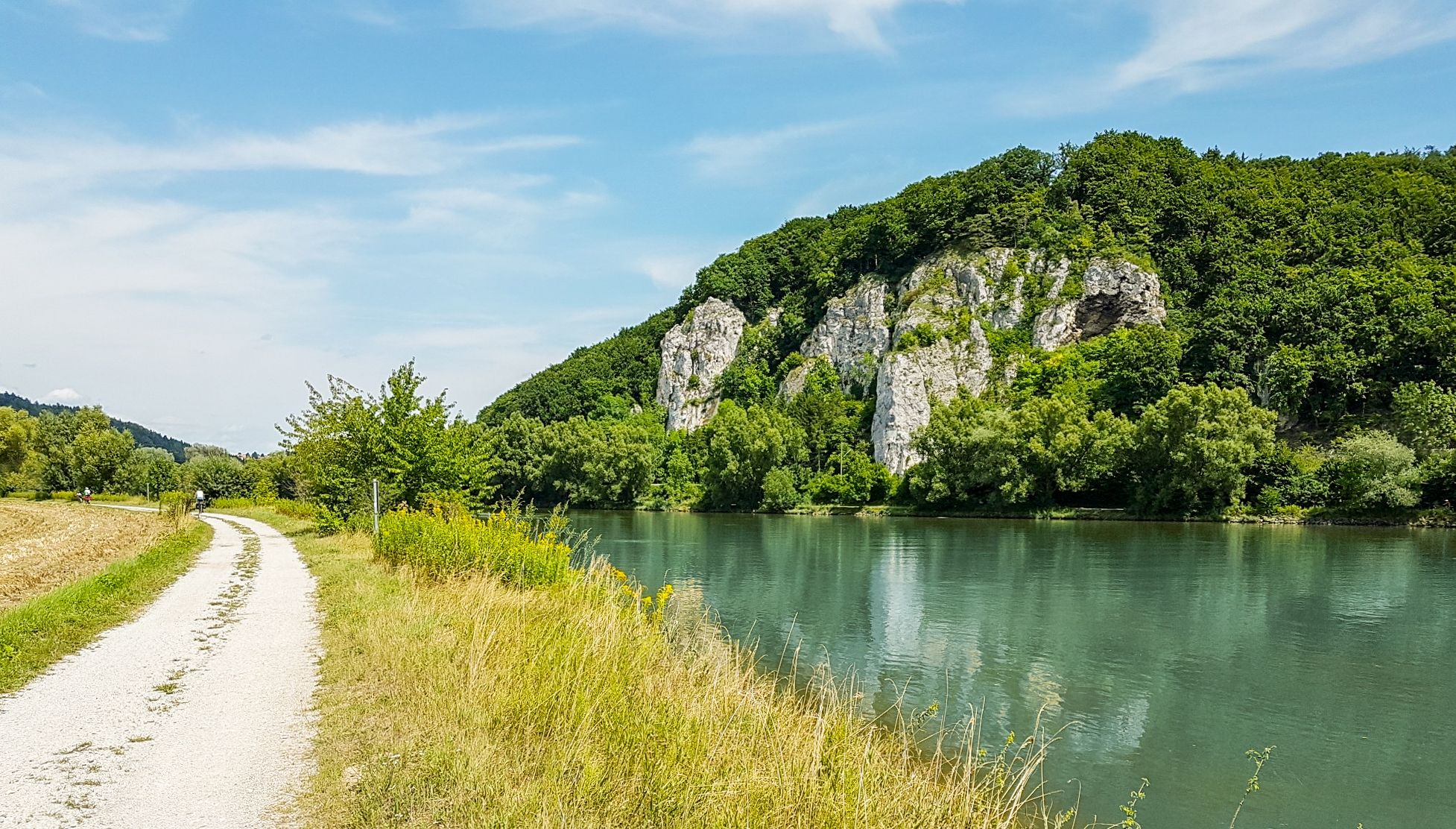
Donau-Panoramaweg – 10 days nature views and cultural insights
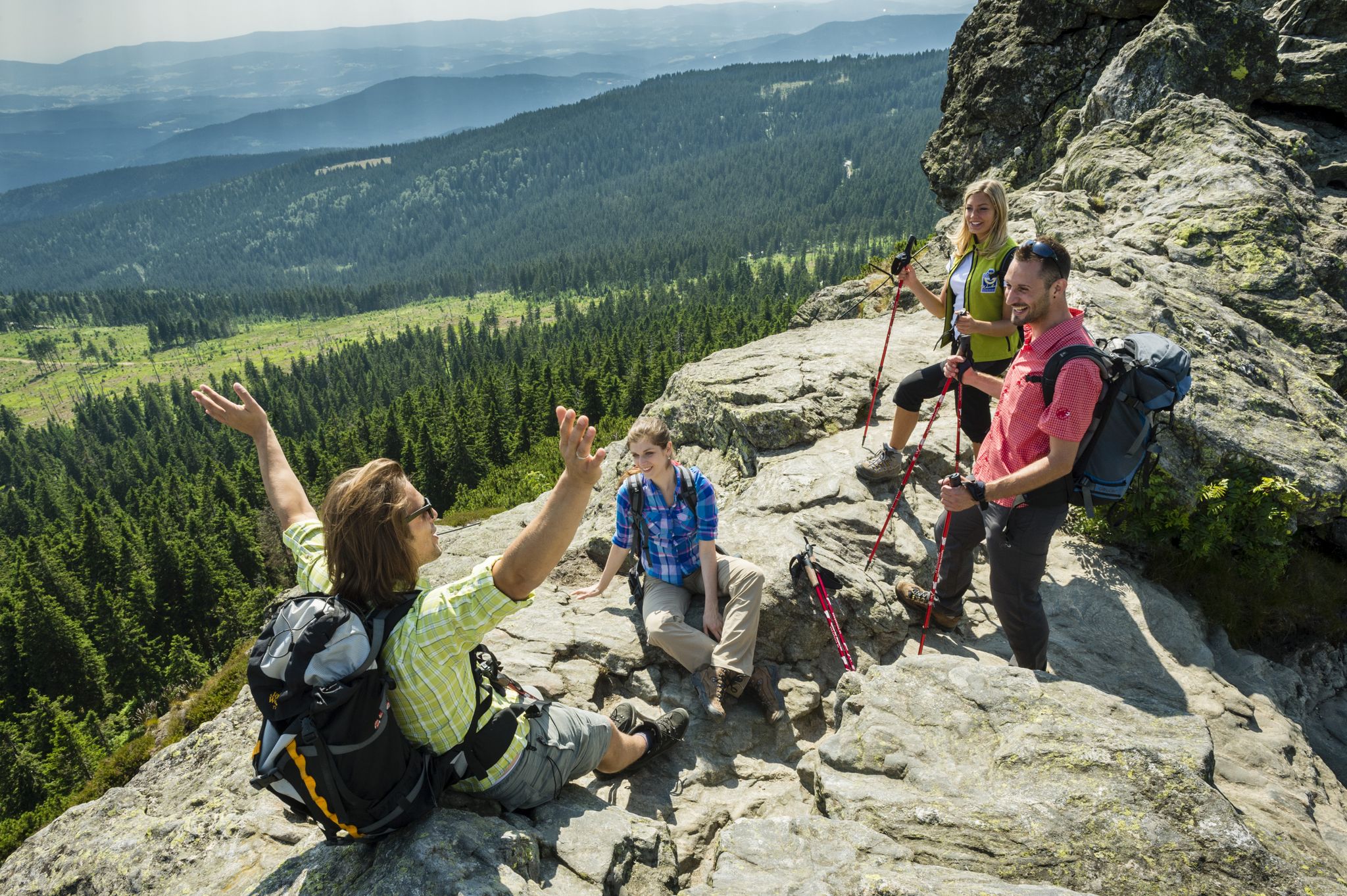
Goldsteig — The best routes for long distance hiking in Eastern Bavaria

Exciting cycle and (e)-mountain bike Tours in the Bavarian Forest
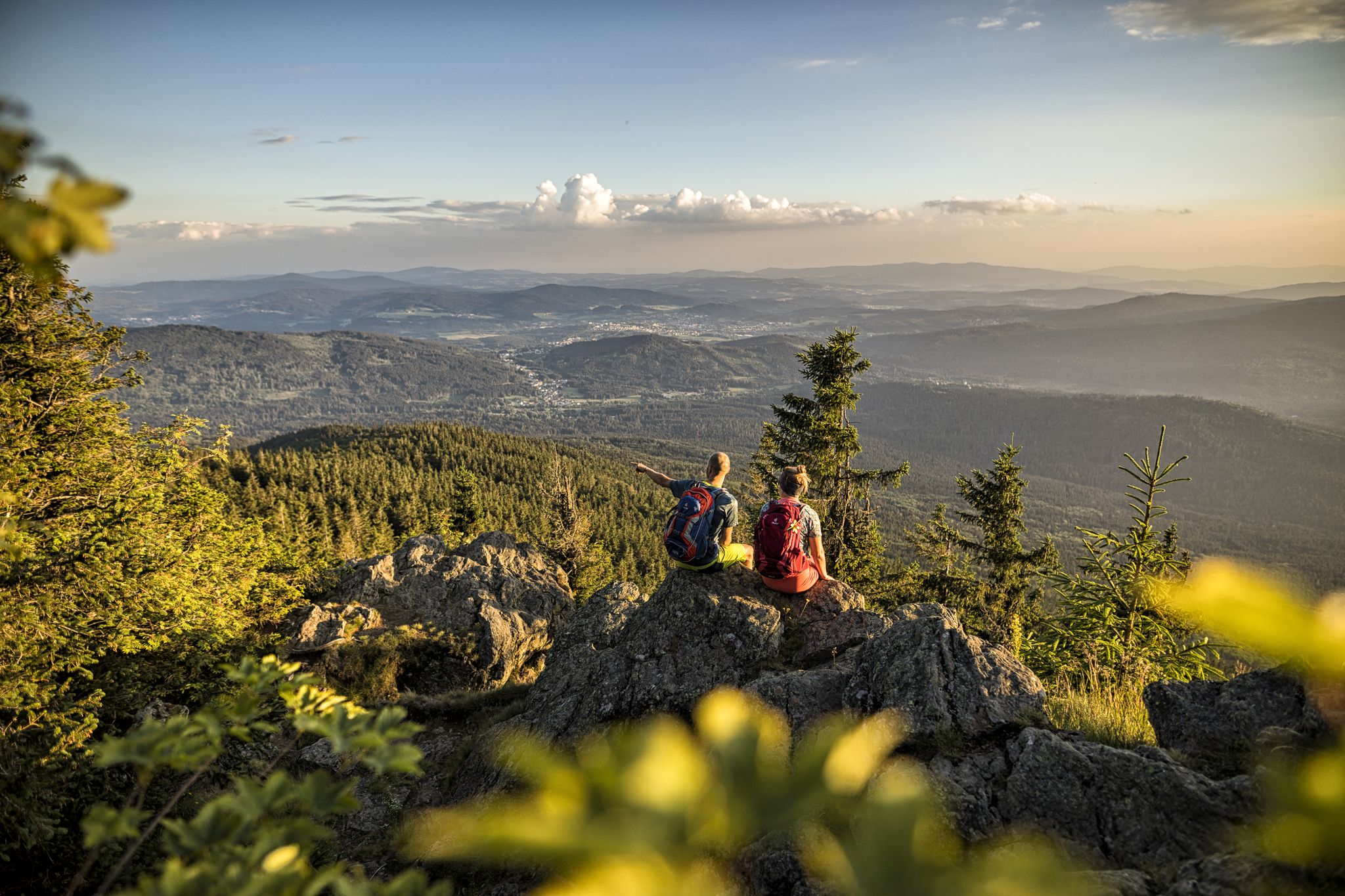
Hiking tips for the Bavarian Forest
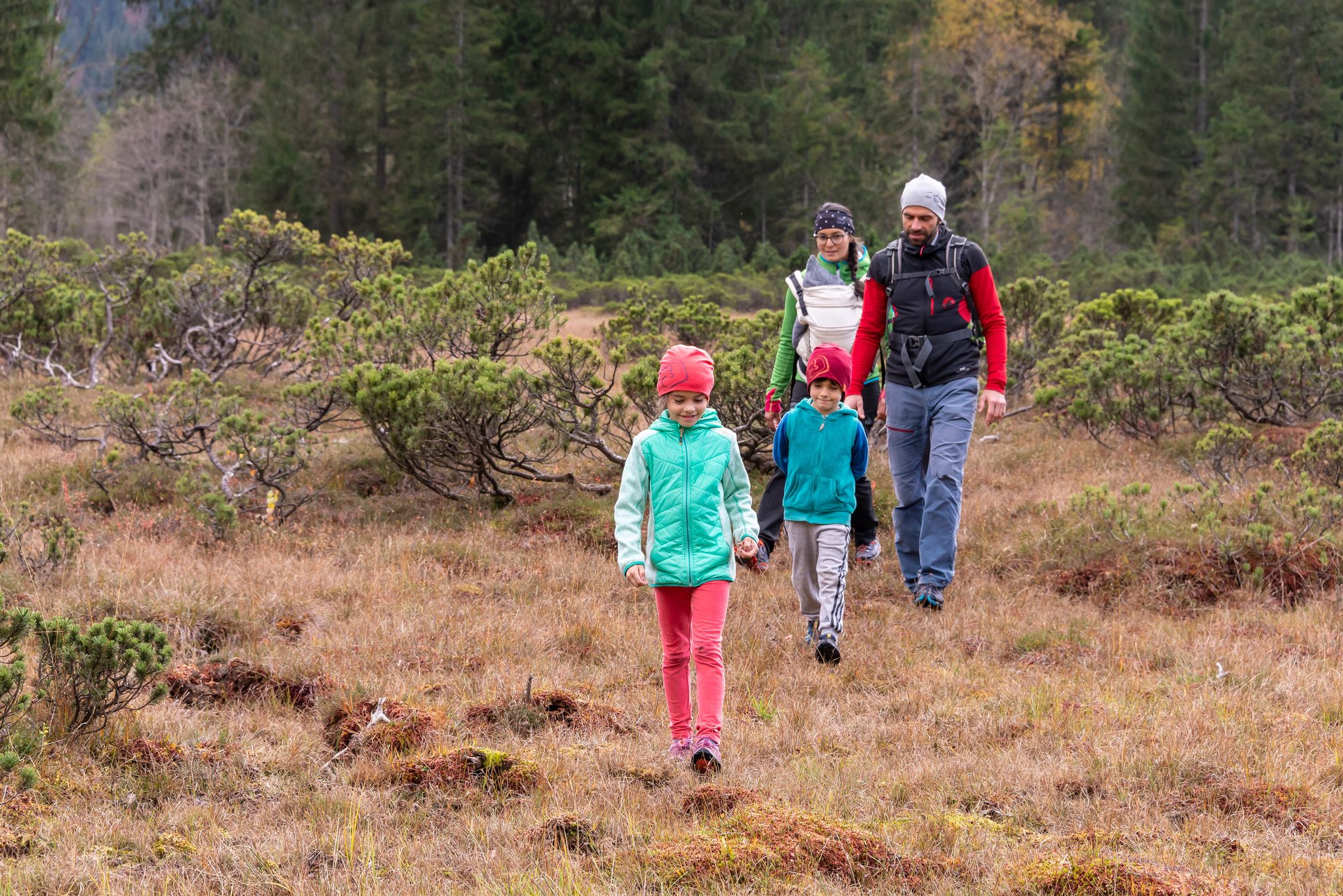
No time for boredom – family hikes with a fun factor in Bayern
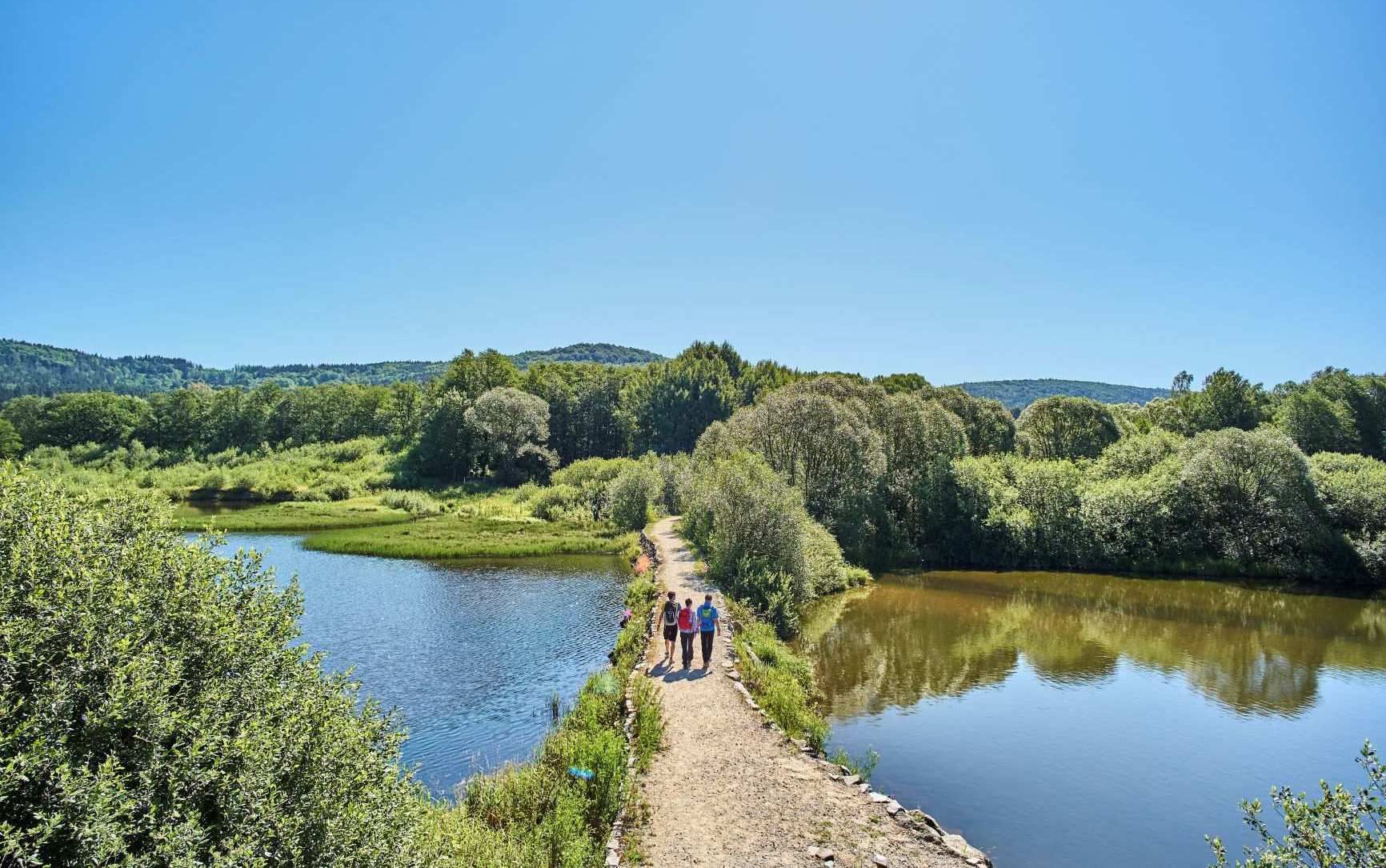
The best of the Goldsteig in Eastern Bavaria – 6 scenic hikes
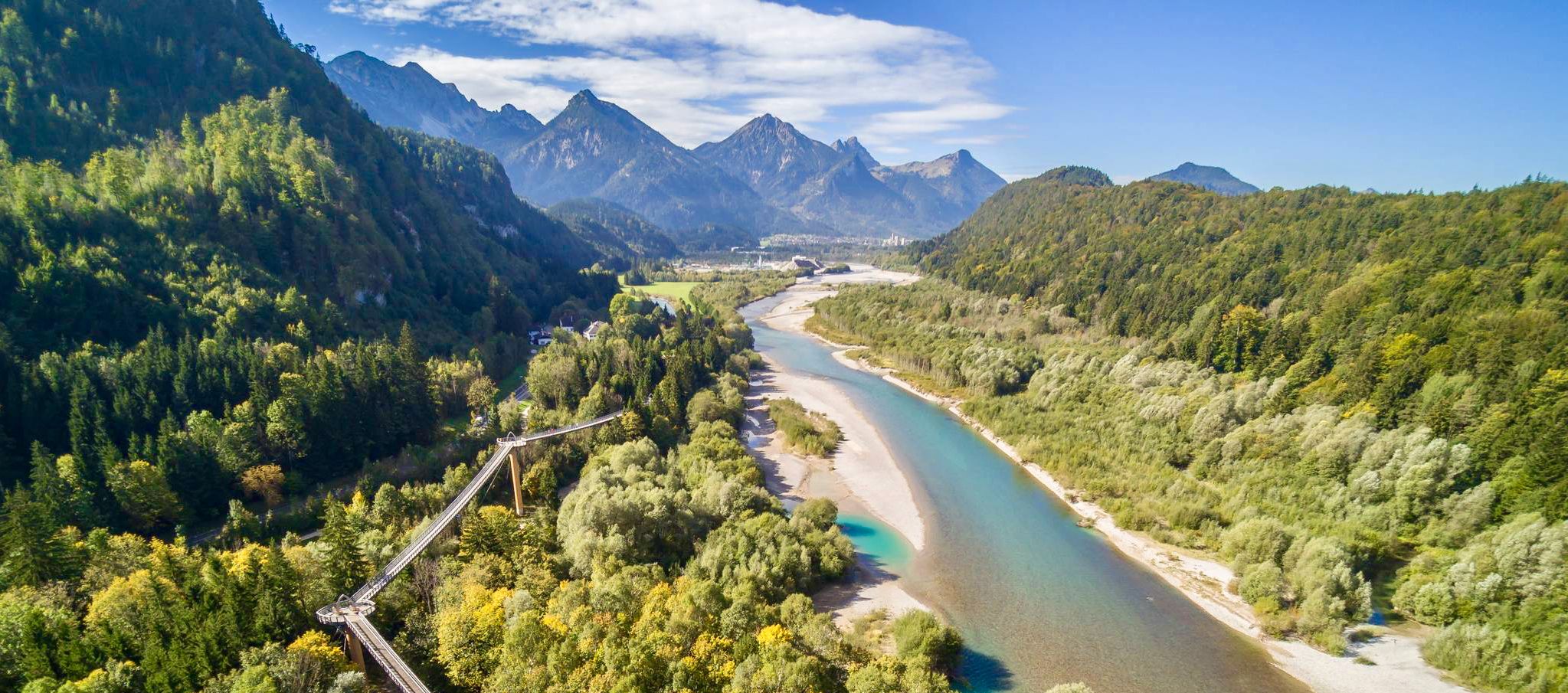
The top tree top walks in the south
Hiking in Landkreis Straubing-Bogen
Other adventures in Landkreis Straubing-Bogen


Tips from the Community

Currently unfortunately closed and covered for renovation;
0
0


Mitterfels Castle Mitterfels was an important administrative and defensive center of the Counts of Bogen. It was first documented in 1194 under Berchtholdus de Mitterfels. In 1242, the castle, along with the rich Bogen inheritance, passed to the Wittelsbach dukes. In 1280, Mitterfels was already mentioned in the ducal urbar as a regional court. In the following centuries, Mitterfels was expanded into a stronghold and manned by guardians. Little is known about the medieval history of the castle; it was apparently spared from the Hussite invasions around 1400 because it was over-fortified. During the Lower Bavarian knightly revolts of the Böckler and Löwler families, Mitterfels always fought on the side of the territorial lords. In 1634, Mitterfels was captured by the Swedes. In 1742, the castle was unsuccessfully besieged by Trenck the Pandur during the War of the Austrian Succession. Mitterfels lost all military importance in the 19th century, and its defensive structures gradually fell into disrepair. In 1812, the keep collapsed. Around 2000, the dilapidated medieval remains were excavated and secured with funds from the Free State of Bavaria. The castle lies at the end of a long mountain spur overlooking the Menach or Perlbach valley. The path to the castle leads over a three-arched bridge made of rubble and brick, which crosses the deep moat. According to an inscription, the bridge dates from 1791. The entrance to the inner castle was the keep, made of humped ashlars, which, judging by historical illustrations, also served as a gate tower. Today, most of the remains are covered by a prison. Adjacent to the keep stands the most clearly visible part of the medieval castle today: the high shield wall. To the left of the entrance area lies the stump of a wall tower and the Pflegschloss (Peasant Castle) and courthouse, which dates back to the 18th century and replaced the palace. Today, the town hall is housed there. Walking past the Pflegschloss, you descend over the former wall of the inner castle to a terrace in front. There you will find the castle's most impressive structure: the surrounding moat with its protruding round wall towers. This elaborate defensive structure probably dates back to the 15th century and was equipped with numerous loopholes. Source: www.burgenseite.de
2
0
Neurandsberg Castle Ruins The Ramspergs were originally ministeriales of the Counts of Bogen and were first mentioned in 1190. Their seat was in Altrandsberg, two kilometers north in the Cham district. In 1330, Friedrich the Ramsperg probably built the new castle on his own land. Many Ramspergs entered Bavarian service at the end of the 14th century as stewards, for example, in Saulburg and Mitterfels. In the Hussite Wars around 1430, the Ramspergs fought for the Bavarian duke, but soon became involved in military conflicts with him over compensation. This did not do them any good: in 1436, Duke Ernst had Neuramsperg Castle conquered by Haimeran Heuraus. Unlike nearby castles such as Neunussberg, Neurandsberg was never returned to its owners, but instead became a ducal manor. In 1461, Dukes Sigismund and John visited the castle. The dukes gave the castle to Jörg Heuraus, the guardian of Mitterfels, followed by Sattelbogen, Nussberger, and the Nothaft of Wernberg, among others. In 1582, a prison was established at the castle, but in 1615, it was moved to Mitterfels to serve as the district court. In 1633, the Swedes under Colonel Georg Christoph von Taupadell destroyed the castle, and it was never rebuilt. In 1689, guardian of the castle Erttl of Mitterfels asked Elector Max Emmanuel for permission to rebuild the wooden chapel below the castle, which was threatened by rubble. This was approved, and the castle ruins were used as a quarry. Upon entering the complex, the first thing that catches your eye is the well-preserved and elaborate Zwinger (mew). The entire castle is surrounded by it, and the walls are topped with several semicircular towers. The north side, opposite the entrance, is particularly elaborately constructed, with three towers and a wall with a battlement. The original access to the complex is no longer immediately recognizable. Access to the inner castle is, in any case, through a simple gateway in the south of the polygonal circular wall made of rubble stone. The interior of the inner castle is difficult to discern, revealing its structural layout. The buildings were likely leaning against the inner wall, some of which are still well preserved. The site is still being secured. Source: Excerpts from www.burgenseite.de
2
0

Super beautiful with a fantastic view, unfortunately currently cordoned off with a construction fence due to rockfall. Still nice to look at.
0
0

Simply a beautiful spot on earth. Easy to reach, whether through the forest or by road. Beautiful view over Haibach.
0
0
St. Joseph's Castle Chapel Built on medieval castle walls and dedicated to St. George as a castle chapel. In 1693 a new building was built in honor of the Holy Family, especially St. Joseph, with the founding of a St. Joseph's Brotherhood by Baroness Theresia von Weichs. Devastated by fire in 1807, the church was rebuilt with changes. In 1888, the tower and roof structure burned out again due to a lightning strike, and the tower was given a crenellated crown when the new building was built. In 1897, it was expanded to its current size with neo-baroque interior design. In 1967, the church was completely remodeled, with the ceiling and roof structure being renewed and the interior redesigned. From 1991 to 1993, it was renovated again, restoring the original condition and returning the late baroque altar and the figures of saints. The renovated church and the people's altar were consecrated on March 21. Source: information board
2
0
Falkenfels Castle Around 1100, the Counts of Bogen built the castle on the rock that slopes steeply on three sides. From 1232, the Knights of Hohenfels ruled the castle, and from 1400, the Falkensteiners of Falkenfels. In 1331, “Valkenfelss” is mentioned in a copy from the 15th century as a landed estate. In 1425, the castle came into the possession of the Frauenbergers and remained so until their extinction in 1480. The castle was plundered by the Hussites in 1425 and conquered by troops of Duke Albrecht IV in the Böckler War in 1468. The Frauenbergers were followed by the Paulsdorfers. In the Löwler War, the castle was besieged for a week in 1492 and burned down after the capitulation on June 8, 1492, but was then rebuilt by Hans von Paulsdorf. In 1525, the property passed to the Seyboltstorffer family through marriage. From 1607 to 1796, the noble family of Barons von Weichs owned Falkenfels Castle. In the Thirty Years' War, the castle was set on fire by the Swedes in 1641, but was then rebuilt. On April 15, 1796, Josef Maria von Weichs sold Falkenfels and the associated manorial estates to Baron Gabriel von Buchstetten for 320,000 guilders. In 1807, the castle was again burned down, but was rebuilt. After the end of the Falkenfels manorial estate, the castle economy was destroyed in 1820. In 1821, the Lang family acquired the castle and set up a brewery here, which lasted until 1934. In 1925, a fire destroyed large parts of the complex, after which it was only partially rebuilt. From 1919 to 1950, the castle belonged to the Schimmelmann family. On May 8, 1951, the furniture manufacturer Franz Xaver Baier from Straubing bought the castle and converted it into a hotel with a restaurant. The castle was also increasingly used as a conference and congress building. Since 2001, the castle has belonged to the publisher Udo Sieber. Falkenfels Castle was originally surrounded by two terraced ring walls, one above the other. Today, the fortifications are only preserved on the north side. Approximately in the middle of the east side is the keep from the 13th century, the battlements are from a later period. The baroque castle chapel of St. Joseph was built in the 17th century on medieval foundations. It contains gravestones of Falkenfels castle lords. The outer areas of Falkenfels Castle are freely accessible, otherwise it serves as a castle hotel and restaurant. Source: Excerpts from www.wikipedia.de
3
0
Frequently Asked Questions
What is the historical significance of castles in Landkreis Straubing-Bogen?
The castles in Landkreis Straubing-Bogen reflect centuries of rich history, from medieval strongholds to Renaissance fortresses. They served various purposes, including defensive structures, noble residences, and administrative centers for powerful families like the Counts of Bogen and the Wittelsbachs. Many have been rebuilt multiple times after conflicts, showcasing resilience and evolving architectural styles.
Which castles offer the best panoramic views of the region?
For breathtaking views, consider visiting Haibach Castle Ruins, which offers views of the surrounding area. Burgruine Altnußberg also features a completely restored 22-meter-high keep that serves as a viewing tower, providing expansive views of the Bavarian Forest. Falkenfels Castle, built on a steeply sloping rock face, also provides dramatic vistas.
Are there family-friendly castles to visit in Landkreis Straubing-Bogen?
Yes, several castles offer experiences suitable for families. Haibach Castle Ruins has a small museum of local history that can be interesting for children. Burgruine Altnußberg, with its viewing tower and archaeological site, also provides an engaging historical exploration. While access to the grounds of Puchhof Castle is not permitted, its well-preserved estate can be admired from a distance.
What outdoor activities can I do near these castles?
The region offers various outdoor activities near its castles. You can find numerous cycling routes, including the 'Danube-Regen Cycle Path – View of Altrandsberg Castle loop', which you can explore further in the Cycling in Landkreis Straubing-Bogen guide. For hikers, there are easy trails like the 'Perlbach Valley Trail – Bridge Over the Perlbach loop' near Mitterfels, detailed in the Easy hikes in Landkreis Straubing-Bogen guide. Mountain biking enthusiasts can check out trails like the 'Beer Trail – St. Sixtus Church on the Gallner loop' in the MTB Trails in Landkreis Straubing-Bogen guide.
Can I stay overnight in a castle in the region?
Yes, for a unique experience, you can stay overnight in some castles. Schloss Egg has converted its former stables into a hotel and restaurant, offering an immersive experience within the castle grounds. Falkenfels Castle also functions as a castle hotel and restaurant, allowing guests to experience its historic ambiance firsthand.
What makes Schloss Egg a notable castle to visit?
Schloss Egg is a remarkable, completely preserved medieval water castle with a romantic 19th-century appearance. It features a 45-meter-high tower with an oubliette, a 1349 chapel, and elaborately decorated ballrooms. Its setting on the edge of the Bavarian Forest provides beautiful views, and you can even stay overnight or dine within its historic walls.
What can I expect when visiting Schloss Wörth an der Donau?
Schloss Wörth an der Donau is an imposing Renaissance-style castle, considered one of East Bavaria's largest. It boasts a fortress-like character with five round towers and two courtyards. While the courtyards are generally accessible during the day, guided tours are available for the interior, which includes the Rondellzimmer and a renovated castle cellar used for events. It's a significant historical site that served as a strategic fortress and summer residence.
Are there any castle ruins that are particularly interesting for history enthusiasts?
Absolutely. Burgruine Altnußberg is the largest and oldest castle complex in the Bavarian Forest, offering a deep dive into medieval history with ongoing archaeological work. You can explore the foundations of the entire complex and climb the restored keep. Haibach Castle Ruins, about 900 years old, also provides a glimpse into the past with its renovated structure and local history museum.
What is the best time of year to visit the castles in Landkreis Straubing-Bogen?
The best time to visit the castles and explore the surrounding region is generally during the spring, summer, and early autumn months (April to October). During these periods, the weather is most favorable for outdoor activities like hiking and cycling, and castle grounds and interiors are typically fully accessible. Autumn also offers beautiful foliage, enhancing the scenic beauty around the historical sites.
Are the castles in the region accessible by public transport?
While some larger towns with castles like Wörth an der Donau might have better public transport connections, many castles and ruins in the more rural areas of Landkreis Straubing-Bogen are best reached by car. Specific public transport options can vary greatly by location, so it's advisable to check local bus schedules for individual castle sites before planning your visit.
What do visitors enjoy most about the castles in Landkreis Straubing-Bogen?
Visitors frequently appreciate the historical depth and the scenic beauty surrounding the castles. Many highlight the well-preserved nature of some sites, the panoramic views from castle ruins, and the opportunity to explore ancient structures. The komoot community has shared over 160 photos and given more than 125 upvotes, indicating a strong appreciation for the diverse range of historical sites and their natural settings.
Are there any lesser-known or hidden gem castles worth discovering?
Beyond the more prominent sites, the region holds several lesser-known castles and ruins that offer a quieter experience. Neurandsberg Castle Ruins and Degenberg Chapel and Castle Ruins provide interesting historical remnants and scenic spots for exploration, often with fewer crowds. Schambach Castle and Saulburg Castle are also notable historical sites that offer a glimpse into the region's past.
Most popular routes in Landkreis Straubing-Bogen
Most popular attractions in Landkreis Straubing-Bogen

Get inspired with the komoot mobile app


Didn’t find what you were looking for?
Explore Landkreis Straubing-Bogen’s best castles region by region:
Explore more
Looking for the best castles somewhere else? Discover other guides in Landkreis Straubing-Bogen:
