Top 4 Lakes around Las Peñas De Riglos
Best lakes around Las Peñas De Riglos include significant water bodies, primarily reservoirs and sections of the Gállego River, which complement the dramatic landscape of the Mallos de Riglos. The region, part of the Hoya de Huesca, offers diverse aquatic attractions and recreational opportunities. These water features serve as destinations for relaxation and adventure, providing a contrast to the surrounding mountainous terrain. The area is characterized by its natural beauty and the presence of both natural river pools and large…
Last updated: July 4, 2026
Pígalo Pools
Highlight • River
Translated by Google •
Tip by

Bridge Over the Embalse de la Peña
Highlight • Bridge
Translated by Google •
Tip by

Sign up now to discover places like this
Get recommendations on the best single tracks, peaks, & plenty of other exciting outdoor places.
Sign up for free
Arguis Romanesque Church and Lake
Highlight • Religious Site
Translated by Google •
Tip by

Triste
Highlight • Settlement
Translated by Google •
Tip by
Arguis Village and Reservoir
Highlight • Settlement
Translated by Google •
Tip by

Start today with a free account
Your next adventure awaits.
Login or Signup
Popular around Las Peñas De Riglos
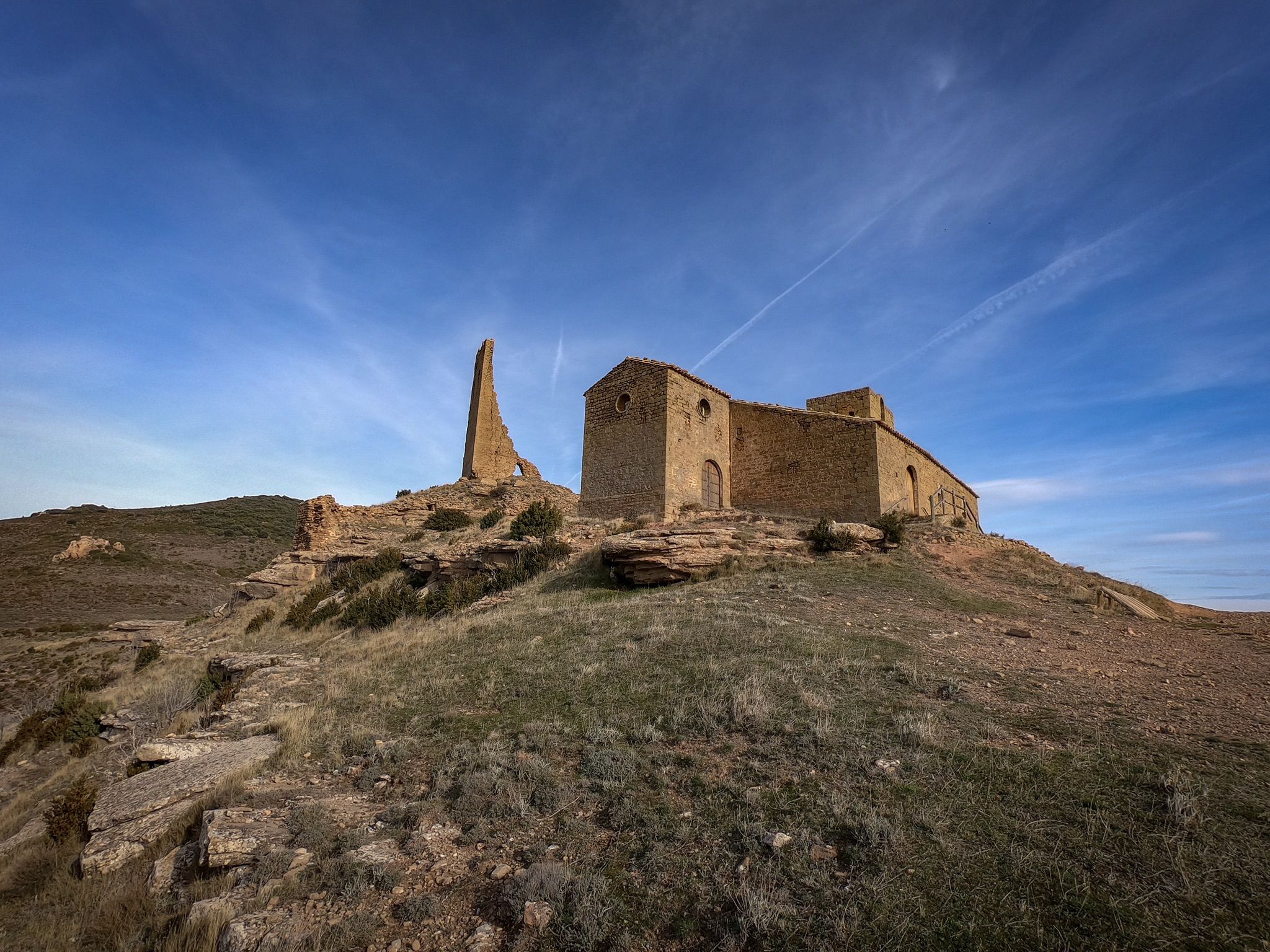
In the footsteps of the Roman road - GR 95
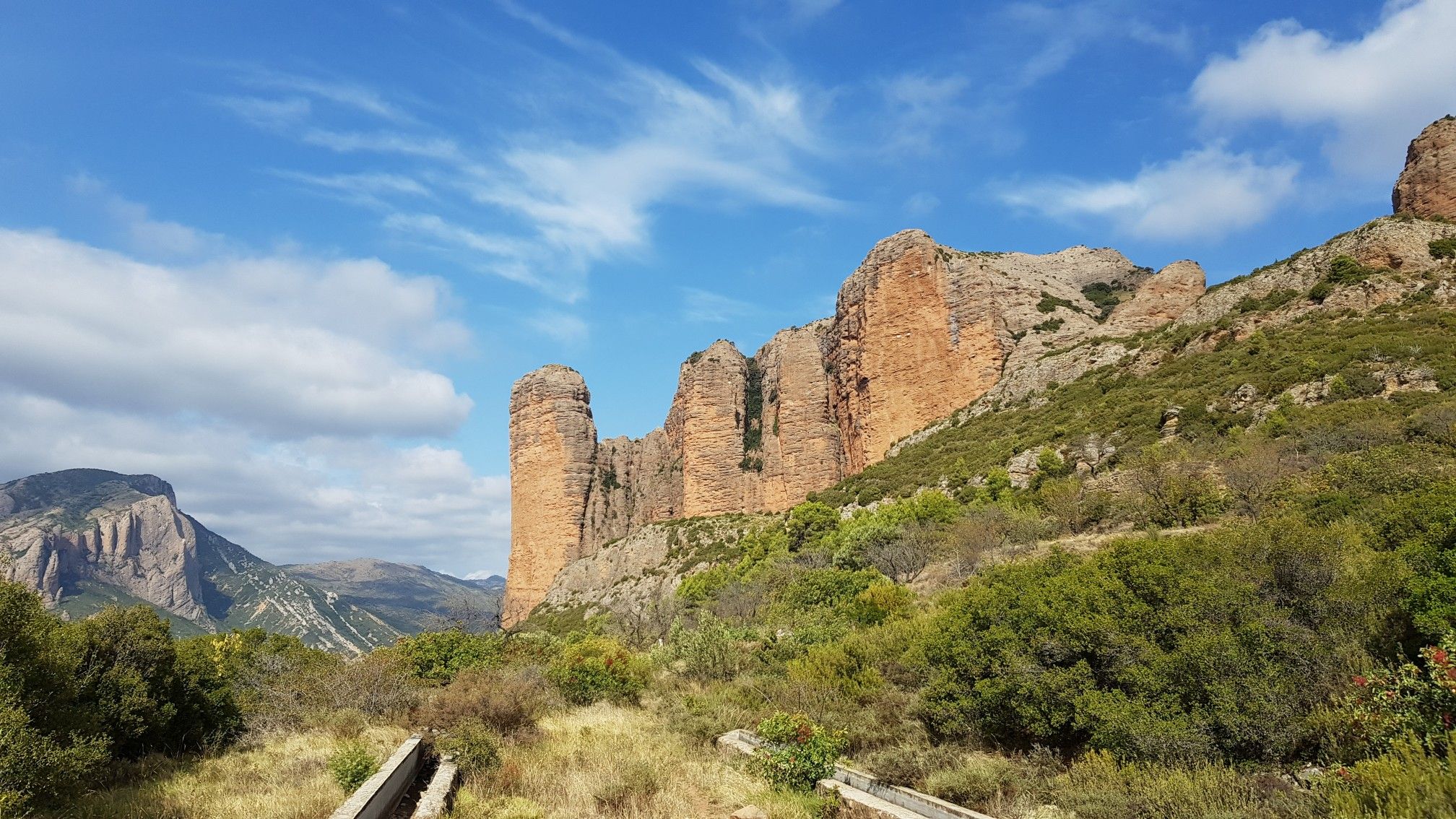
Monumental landscapes and culture — the Pre-Pyrenees by MTB
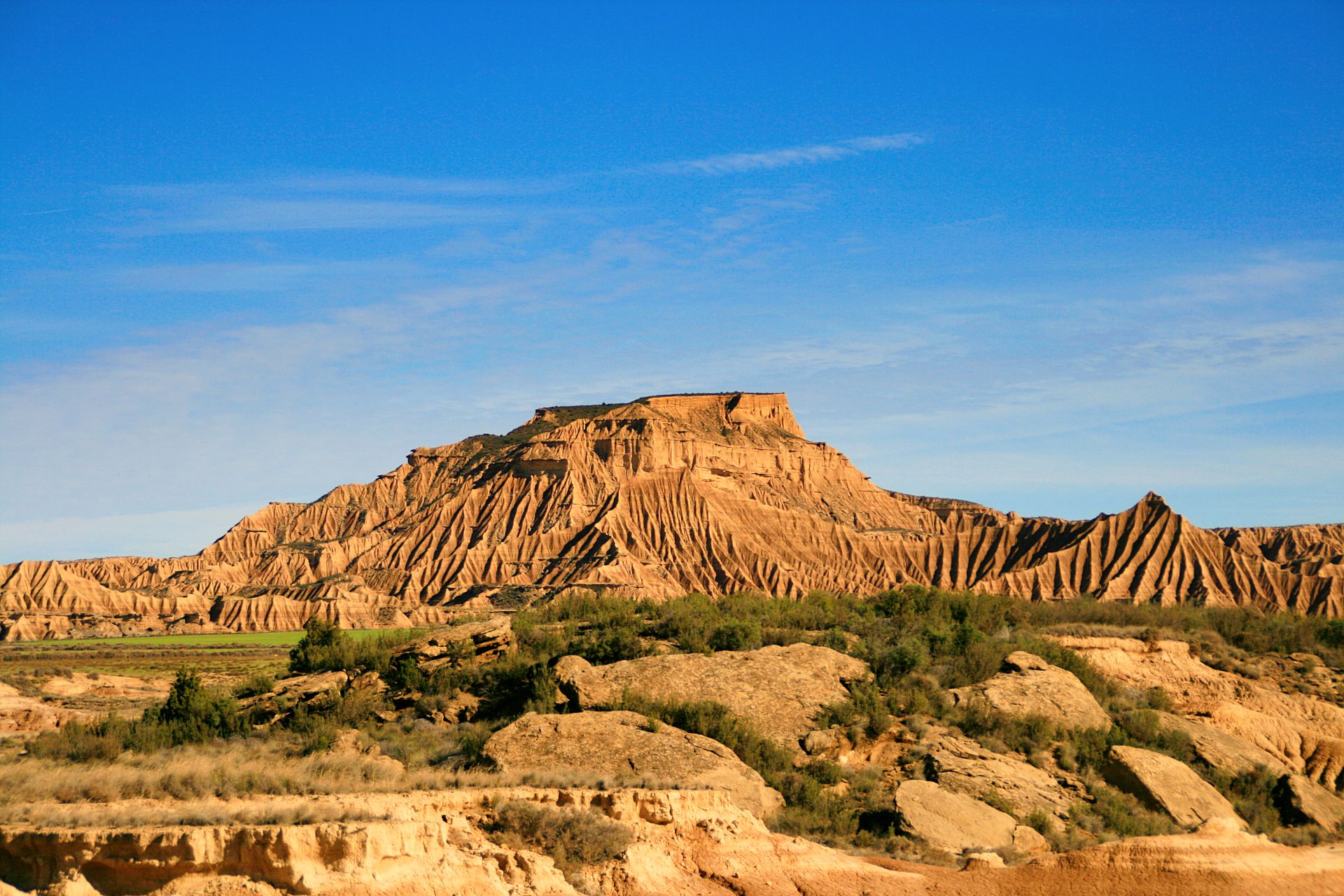
Spain’s Wild West – Sierra de Guara to the Bardenas
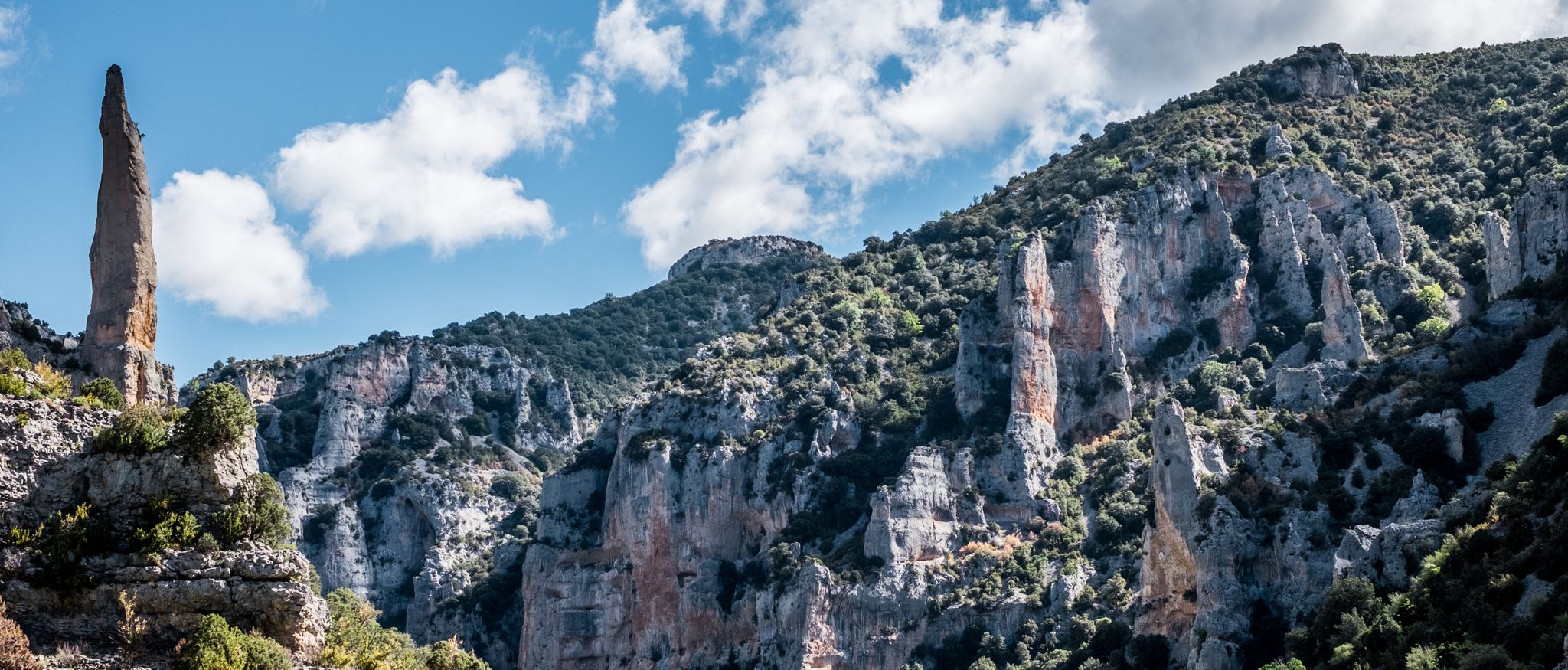
Sierra de Guara — steep rocks and green mountains
MTB Trails around Las Peñas De Riglos
Hiking around Las Peñas De Riglos
Running Trails around Las Peñas De Riglos
Road Cycling Routes around Las Peñas De Riglos
Cycling around Las Peñas De Riglos
Gravel biking around Las Peñas De Riglos
Other adventures around Las Peñas De Riglos


Tips from the Community

Triste is a town located right next to the Peña reservoir, which draws its water from the Gallego River. The town is surrounded to the north by the Santa Isabel mountain range and to the south by the Loarre mountain range.
0
0

Arguis is the typical town of the Huesca Pre-Pyrenees with stone houses and nestled under a limestone ridge covered with trees. Opposite the town is the homonymous reservoir, the oldest in Aragon, where the waters of the Isuela River are dammed. The landscape as a whole formed by the sheet of water and the crests of the Pyrenean foothills is enchanting.
0
0

We are in the Pígalo pools, ideal for warm summer days where we can take a dip. If we go upstream, we will find more less crowded pools, since this one is quite popular and soon fills up with people. If we want to leave the car in the car park, we must book on the Luesia town hall website as they control access. There are picnic areas to eat and a bar at the campsite.
2
0
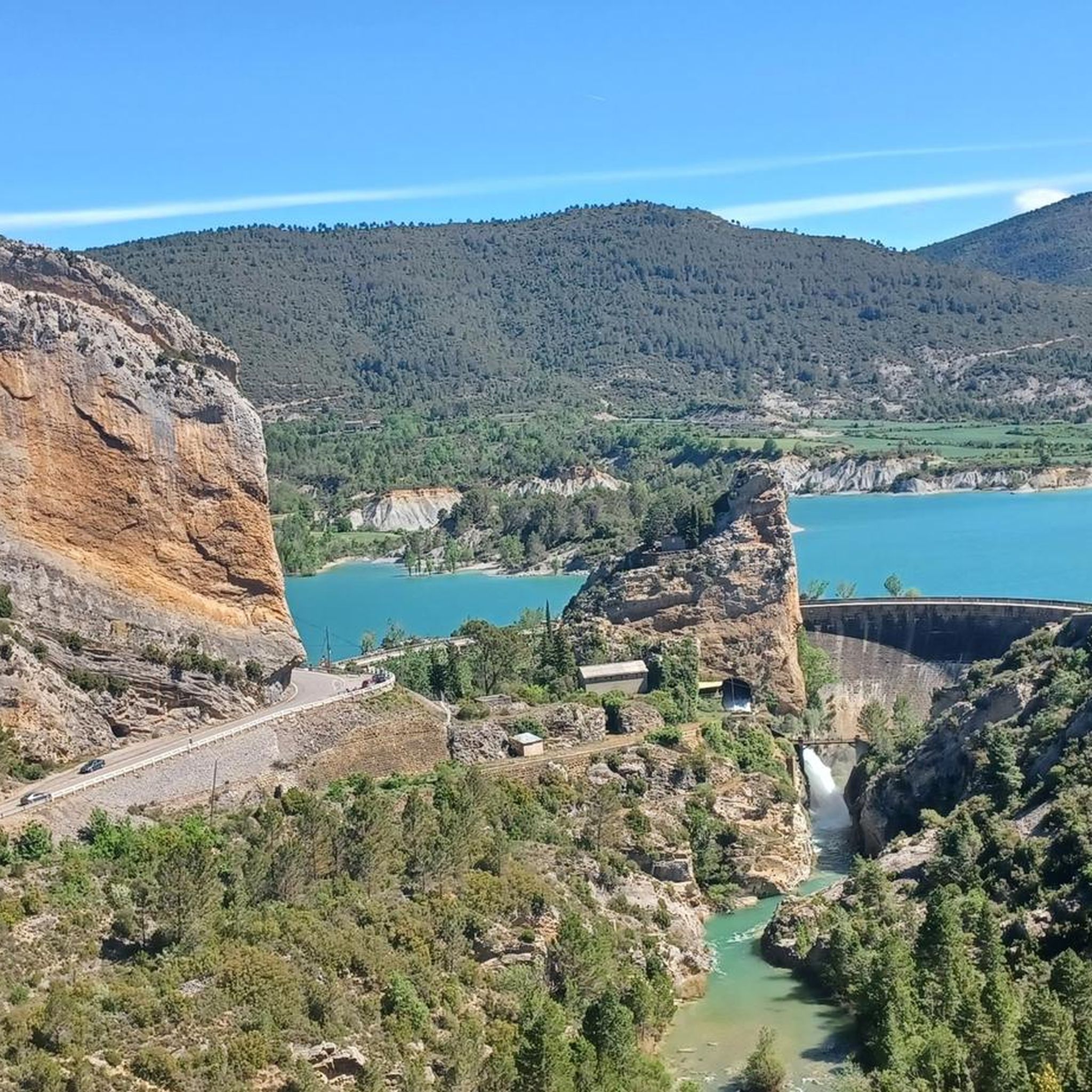
Bridge that crosses the Embalse de la Peña from the town of Murillo de Gállego. The bridge shows the turquoise waters of the reservoir and where it reaches the small island in the middle of the swamp; where there is the Ermita de Nuestra Señora de la Peña.
0
0
Triste is a town that is right next to the Peña reservoir, from where it fills the waters of the Río Gallego. The town is surrounded to the north by the Sierra de Santa Isabel and to the south by the Sierra de Loarre.
0
0
We are in the Pígalo pools, ideal for taking a dip on hot summer days. If we go upstream, we will find more less crowded pools, since this one is quite popular and soon fills up with people. If we want to leave the car in the car park, we must make a reservation on the website of the Luesia town hall since they control access. There are picnic areas to eat or we can go to the camping bar.
1
0

This picturesque town is reminiscent of the Pyrenean villages for its stone houses topped by the typical scarecrows on their chimneys. It also has a beautiful Romanesque-style church dating from the 12th century.
0
0

Large natural pool of clean water located in the river Arba de Luesia.
1
0
Frequently Asked Questions
What are some notable water bodies to visit near Las Peñas De Riglos?
While there are no natural lakes directly within Las Peñas de Riglos, the surrounding Hoya de Huesca region offers significant water bodies like reservoirs and the Gállego River. Key spots include the scenic La Peña Reservoir, the ecologically important La Sotonera and Alboré Reservoir system, and the adventure-sport hub of the Gállego River. You can also discover specific spots like the Pígalo Pools for swimming or the tranquil Arguis Village and Reservoir.
Are there any natural swimming spots or pools in the area?
Yes, the Pígalo Pools are a popular natural swimming spot, ideal for warm summer days. If you prefer less crowded areas, you can venture upstream from the main pools to find more secluded spots along the river Arba de Luesia.
What are the best water bodies for nature observation, especially birdwatching?
The La Sotonera and Alboré Reservoir system is a vital wetland habitat, particularly significant for bird migration. Its shallow waters and tamarisk thickets are home to numerous ducks and other waterfowl, especially in winter. The Alboré Pool, adjacent to La Sotonera, is a crucial resting area for thousands of Common Cranes during February and March. There's also a bird observatory and a Bird Interpretation Centre in the nearby village of Montmesa.
Are there any historical or cultural sites near the lakes?
Yes, the area offers historical points of interest. For example, near the Arguis Reservoir, you'll find the picturesque Arguis Romanesque Church and Lake, with the church dating from the 12th century. The town of Triste, located right next to the Peña reservoir, also offers a glimpse into traditional architecture and history.
What is the best time of year to visit the lakes in this region?
The best time depends on your activity. For swimming and water sports, summer is ideal. For birdwatching, late winter (February and March) is crucial for observing Common Cranes at Alboré. Spring and autumn offer pleasant temperatures for hiking and exploring the scenic views around the reservoirs, such as the Bridge Over the Embalse de la Peña.
Are there family-friendly activities around the lakes?
Absolutely. The La Sotonera reservoir features a scenic, flat, paved path suitable for easy walks and cycling, along with family picnic areas equipped with tables, swings, and play areas. The Gállego River also offers family-friendly rafting options and aquatic gymkhanas. The Pígalo Pools are also a popular family destination for swimming.
What kind of water sports or activities are available?
The Gállego River is a hub for adventure sports, including rafting (family and advanced options), canyoning, hydrospeed, and open kayaking. On the La Sotonera Dam, nautical sports such as sailing, canoeing, and windsurfing are permitted, with favorable conditions for rowing as well. Fishing is also possible at La Sotonera with the appropriate permit.
Are there accessible walking paths around the lakes?
Yes, the Embalse de la Sotonera features a scenic, flat, paved path that encircles the reservoir, making it suitable for accessible nature walks for all ages and abilities. This path also includes family picnic areas.
Where can I find parking near these water bodies?
For the Pígalo Pools, parking is available, but you must book in advance via the Luesia town hall website as access is controlled. For La Sotonera, there are dedicated parking areas near the picnic spots. For other locations, parking availability can vary, so it's advisable to check local signage.
Are there hiking trails near the lakes?
Yes, the region offers various hiking opportunities. You can find routes like the "Circular Route of the Mallos de Riglos: Camino del Cielo" or the "View of the Mallos de Riglos – Peñas de Riglos loop from Riglos." For more details on hiking trails in the area, visit the Hiking around Las Peñas De Riglos guide.
Can I go cycling near the lakes?
The area around Las Peñas De Riglos provides excellent cycling routes. You can explore options like the "Mallos de Riglos – Very demanding bend loop from Riglos-Concilio" for road cycling or traffic-free rides such as the "Peñas de Riglos – Mallos de Riglos loop from Loarre." For more cycling routes, check the Road Cycling Routes around Las Peñas De Riglos guide or the Traffic-free bike rides around Las Peñas De Riglos guide.
What permits are needed for water activities or fishing?
For fishing in the La Sotonera reservoir, an appropriate permit is required. While many water sports like sailing, canoeing, and windsurfing are permitted on La Sotonera Dam without specific restrictions, it's always advisable to check with local authorities or activity providers for any specific permits or regulations, especially for guided adventure sports on the Gállego River.
Most popular routes around Las Peñas De Riglos
Most popular attractions around Las Peñas De Riglos

Get inspired with the komoot mobile app


Explore more
Still not found your perfect lake around Las Peñas De Riglos? Check out the guides of these regions to see even more beautiful places.
