Top 6 Caves around Rótova
Best caves around Rótova are found within a region known for its natural landscapes and historical significance in the Valencian Community. The area features diverse geological formations, including karst systems and significant archaeological sites. While some caves, like the Cova de les Rates Penades, are protected natural reserves with restricted access due to their ecological and historical importance, others offer opportunities for exploration. Rótova's surroundings provide a setting for outdoor activities, with various natural features to discover.
Best caves around…
Last updated: June 20, 2026
Cova de la Verge
Highlight • Cave
Translated by Google •
Tip by

Parpalló-Borrell Interpretation Centre
Highlight • Rest Area
Translated by Google •
Tip by

Sign up now to discover places like this
Get recommendations on the best single tracks, peaks, & plenty of other exciting outdoor places.
Sign up for free
Cim de la Safor (1,013 m)
Highlight • Summit
Translated by Google •
Tip by

Cavern of Quatretonda
Highlight • Cave
Translated by Google •
Tip by

Sima Blanca
Highlight • Cave
Translated by Google •
Tip by

Sign up for free to discover even more caves around Rótova.
Sign up for free
Already have an account?
Start today with a free account
Your next adventure awaits.
Login or Signup
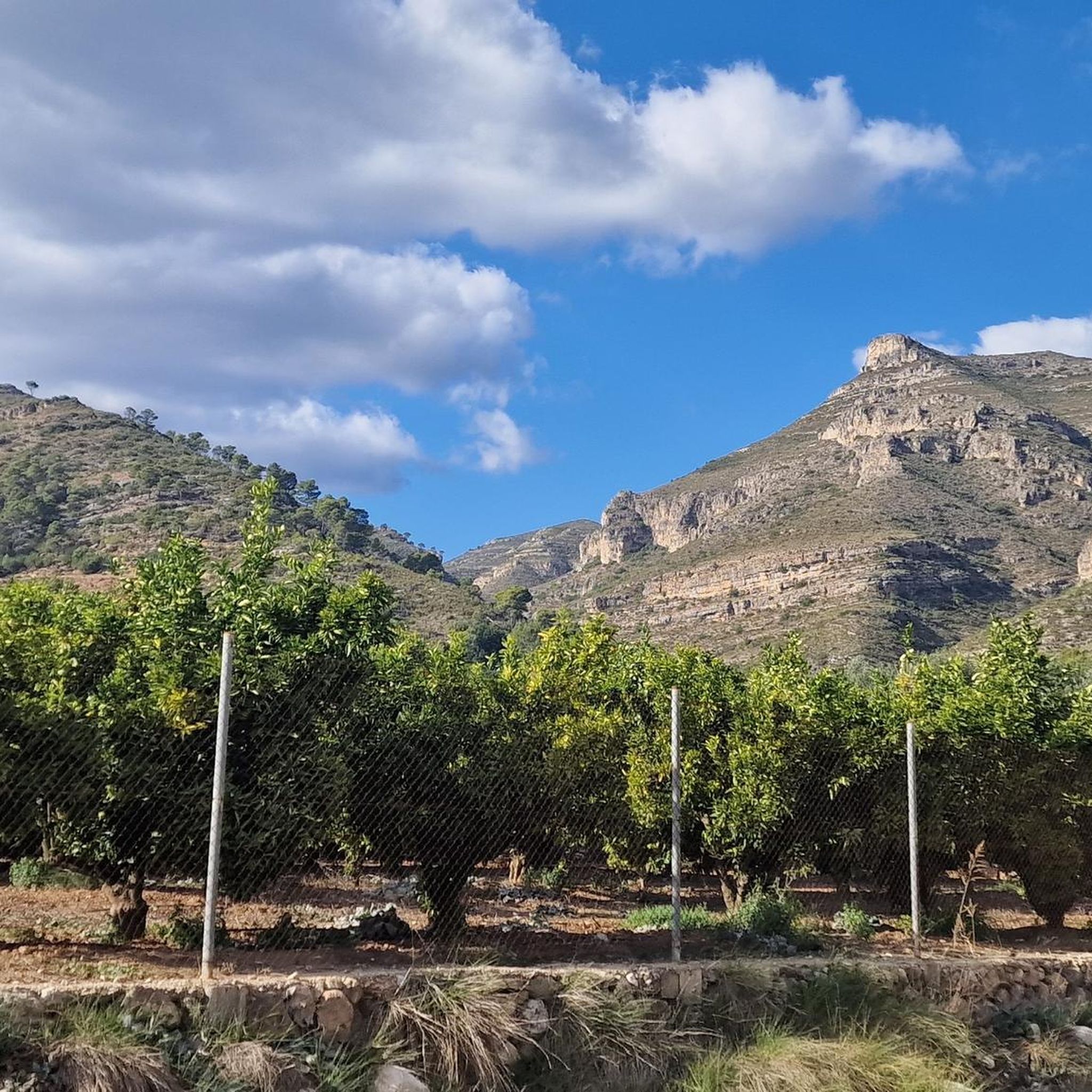
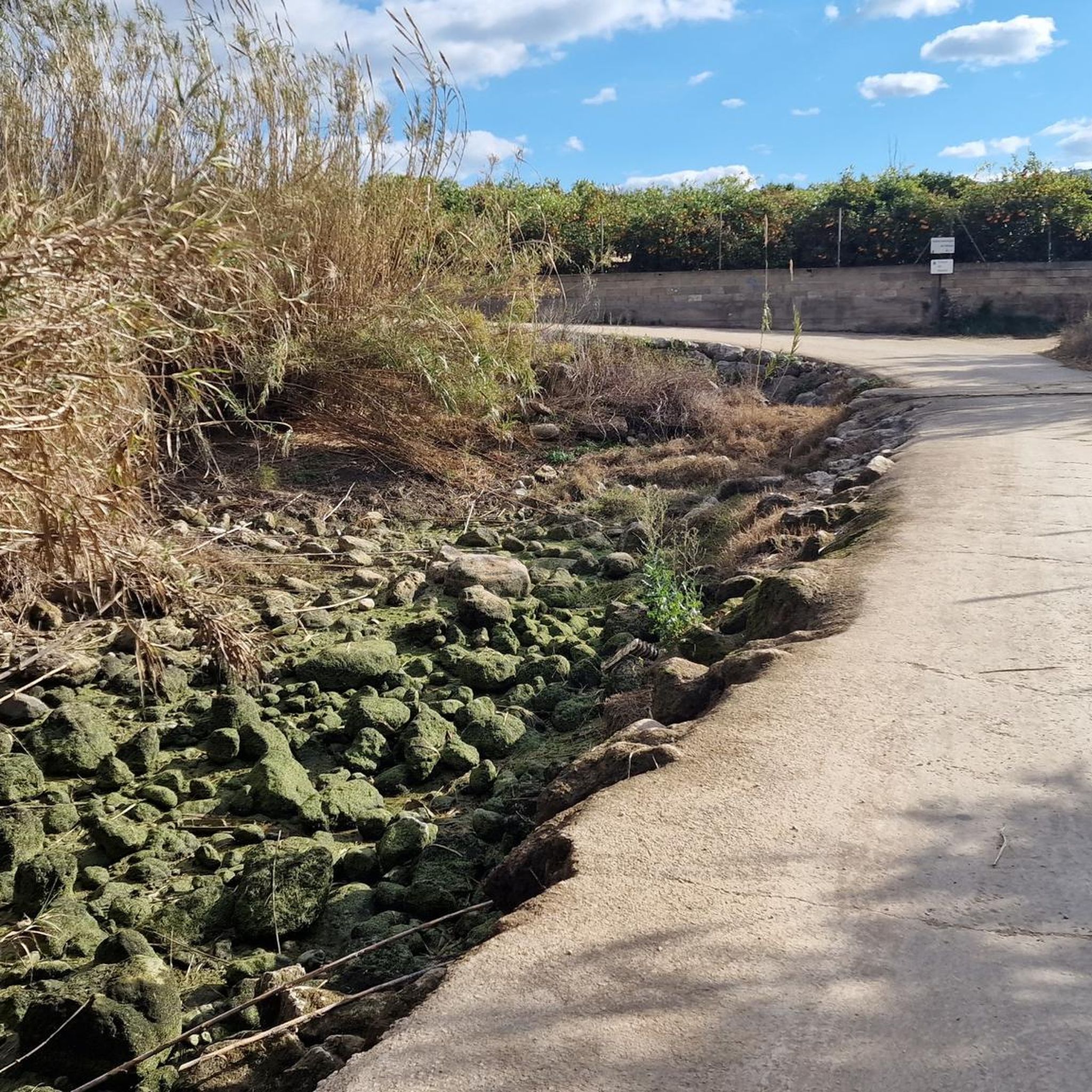
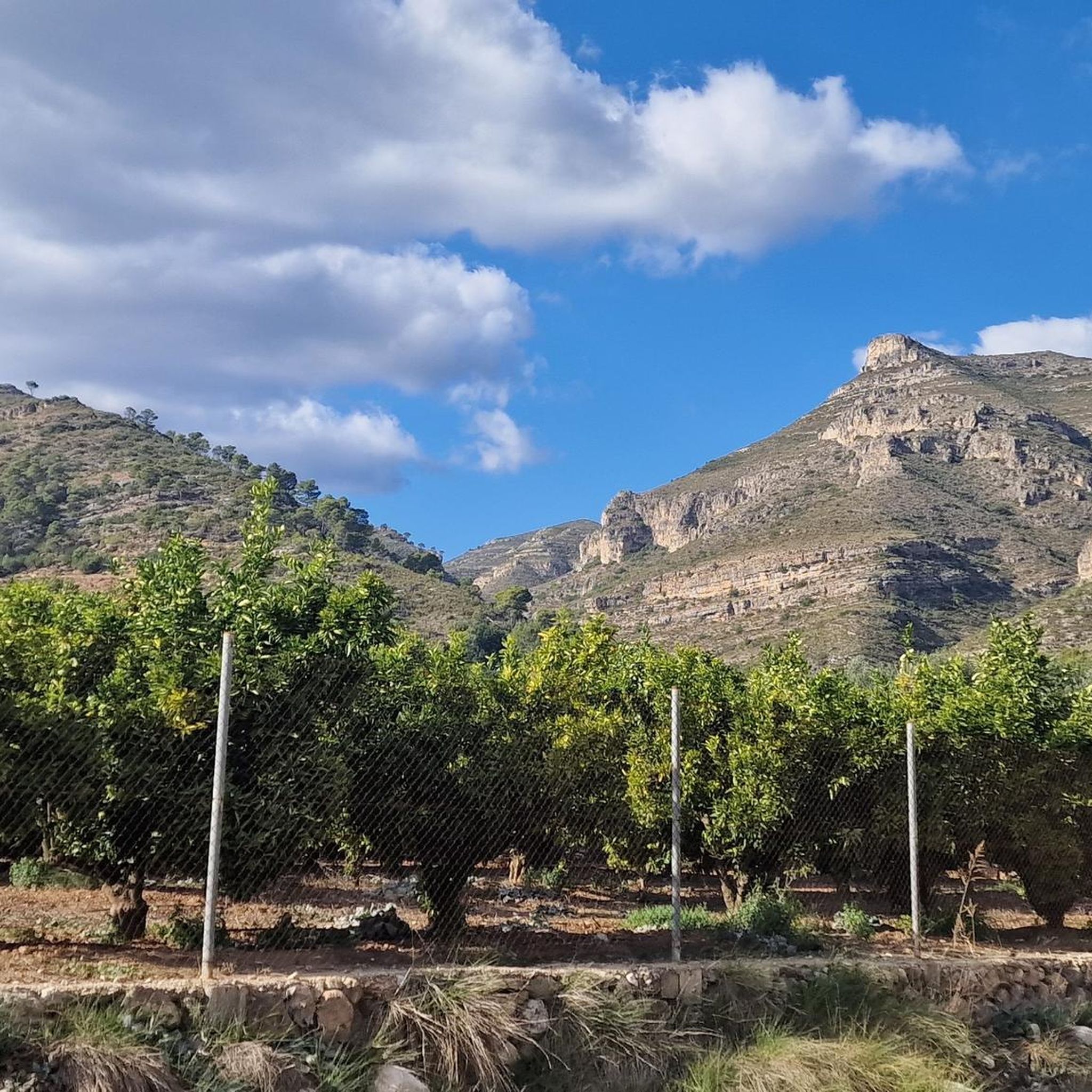
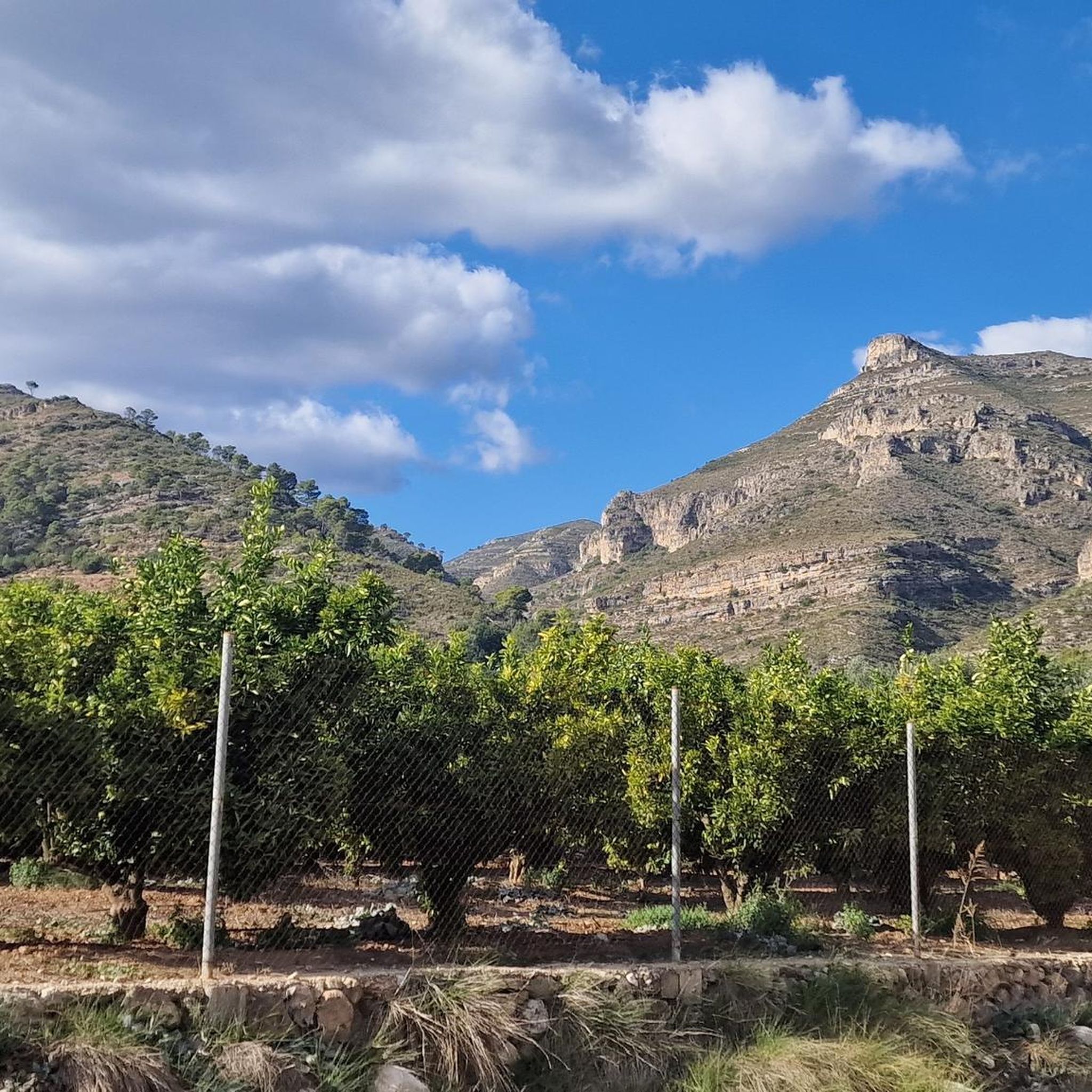

Tips from the Community

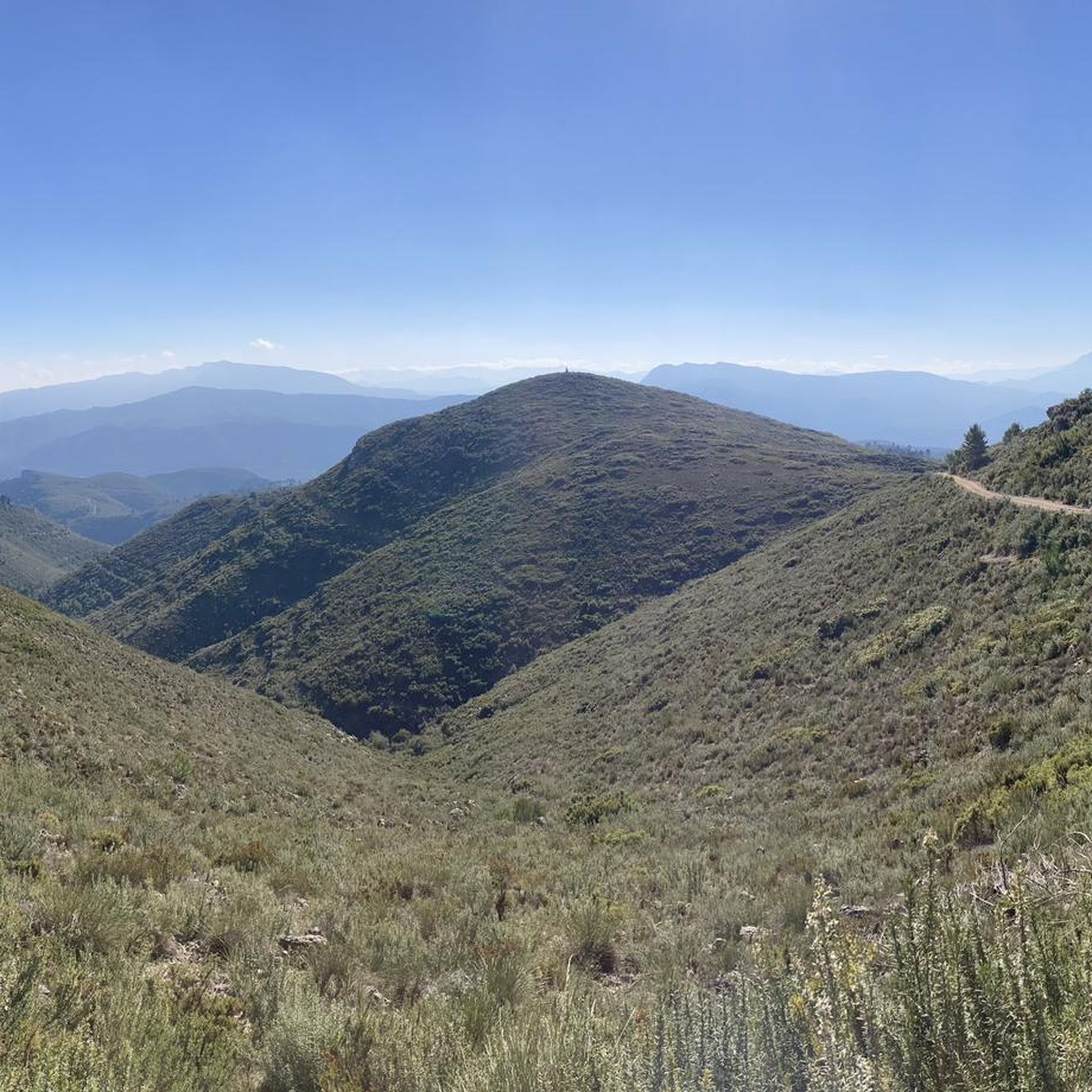
From the TOP of the mountain one can have great view of La SAFOR and MARINA ALTA areas (nice view of Gandia and Oliva towns). Unfortunately, due to very rich vegetation (high trees) it is not possible to enjoy a 360 degree view similar to option which one has by hiking up Montuver mountain. Short video about this hike could be found under the following link: https://www.youtube.com/watch?v=j-mfyWy6RzQ
1
0
There are few options to achieve TOP of the Maneuver mauntain. The easiest one is just follow road for the special vehicles. Even if you have selected this option - you will have many challenging alternatives sections during hiking up. Better to make a hike by the good weather (no clouds). 360 degree view from the top is spectacular and one is able to see Ibiza/Formentera islands.
1
0

The Sima Blanca is a tectonic cave. Entry only with specialized equipment. But if you are walking along the SL-CV 60 path, you will fall in love with the surrounding views.
1
0

An ecological centre with a car park and visitor amenities. Also a good spot to start a hike from
0
0

Steep climb. Will be rewarded with a great view
1
0

" A small cave located in the so-called Senda Morada de Gandia, Valencia. This resting place, which is particularly worth visiting for the faithful and which you can easily reach on foot even with children, is a chapel dedicated to the Virgen de los Desamparados . In the Cova de la Verge you can see various objects such as flowers, candles, sacred cards, toys, other devotional images, letters with requests and all kinds of votive offerings donated by those who go to the main Marian image for their various requests. In the past, the cave appears to have been on land owned by the Rausells, a respected and wealthy family from Gandia, as indicated by the tablet found there. Back then, in the estate's heyday, the cave was at the end of a promenade on the estate, where there was a white stone image of the Mare de Déu, which sadly disappeared." Very, very worth seeing.
7
0

Karst formation at least 200 meters deep with several wells along its vertical path. It has been known since 1953 and has been widely studied for its particularity, especially for the practice of speleology.
1
0

The Parpalló cave is located in La Drova, at the foot of Montdúver, in the municipality of Gandia, La Safor. The cave was intensely inhabited during the Upper Paleolithic period and was one of the first inhabited by Homo sapiens to reach the peninsular Mediterranean region.
1
0
Frequently Asked Questions
Are there any caves in Rótova with restricted access or requiring permits?
Yes, the most notable cave directly in Rótova, the Cova de les Rates Penades, has restricted access. It is a crucial Natural Fauna Reserve and an archaeological site, protected to preserve its delicate ecosystem and remains. Access is generally limited to protect the significant bat populations and Neolithic engravings. For other caves like the Cavern of Quatretonda or Sima Blanca, specialized equipment and knowledge are required for entry, implying a need for permits or guided expeditions for safe exploration.
What historical or archaeological significance do the caves around Rótova have?
The region's caves hold significant historical and archaeological value. The Cova de les Rates Penades in Rótova is a major Neolithic archaeological site, inhabited between 16,000 and 9,000 BCE, with notable fusiform engravings dating back to 10,000 BCE. Additionally, the Parpalló-Borrell Interpretation Centre provides insights into the nearby Parpalló cave, which was intensely inhabited during the Upper Paleolithic period by Homo sapiens.
What types of geological formations can be found in the caves near Rótova?
The caves around Rótova showcase diverse geological formations. The Cavern of Quatretonda is a deep karst formation, known for its vertical paths. The Sima Blanca is a tectonic cave. These examples highlight the presence of both solutional caves formed in soluble rock and caves formed by tectonic movements in the area.
Are there family-friendly caves to visit near Rótova?
Yes, the Cova de la Verge is considered family-friendly. It's a small cave located on the Senda Morada de Gandia, easily reachable on foot even with children. It serves as a chapel dedicated to the Virgen de los Desamparados, offering a unique cultural and natural experience.
What outdoor activities can I combine with a visit to the caves?
The Rótova area is excellent for combining cave visits with various outdoor activities. You can explore numerous cycling routes, including the challenging 'Tour of the Monasteries of La Safor and La Vall d'Albaida' or easier loops like 'Large mural by Toni Espinar – Park in front of the church loop from Ròtova'. For running enthusiasts, trails like 'Penyo de Montoig – el Picaio loop from Ròtova' offer scenic experiences. You can find more details on these activities in the Cycling around Rótova, Road Cycling Routes around Rótova, and Running Trails around Rótova guides.
Can I explore the Cova de les Rates Penades?
The Cova de les Rates Penades is primarily a protected site for archaeological heritage and bat conservation. Public access is restricted to safeguard its delicate ecosystem and ancient remains. It is not a typical tourist cave offering guided tours or easy public entry, but rather a site of scientific and ecological importance.
Are there caves for experienced speleologists near Rótova?
Yes, the Cavern of Quatretonda is a karst formation at least 200 meters deep with several wells along its vertical path, making it suitable for experienced speleologists. It has been widely studied for its particularity in speleology since 1953. Similarly, the Sima Blanca is a tectonic cave where entry requires specialized equipment.
What is the best time of year to explore caves around Rótova?
While specific seasonal considerations for all caves are not detailed, generally, the Valencian Community enjoys a mild Mediterranean climate. For outdoor activities like hiking to cave entrances or exploring interpretation centers, spring and autumn offer pleasant temperatures. Summer can be hot, and winter is generally mild, making many outdoor activities feasible year-round, though checking specific cave access or tour availability is always recommended.
Are there any viewpoints near the caves?
Yes, several highlights near the caves offer notable views. The Sima Blanca, while requiring specialized equipment for entry, is located along the SL-CV 60 path, which offers beautiful surrounding views. Additionally, the Cim de la Safor (1,013 m), a summit with a cave, provides great views of the La Safor and Marina Alta areas, including Gandia and Oliva towns, after a steep climb.
What facilities are available near the caves?
The Parpalló-Borrell Interpretation Centre, located at the foot of Montdúver, serves as an ecological center with a car park and visitor amenities. It's also a good starting point for hikes. While specific facilities directly at other cave entrances may be limited, Rótova and nearby towns offer restaurants, cafes, and accommodation options.
Are there any caves that are also religious sites?
Yes, the Cova de la Verge is a small cave that functions as a chapel dedicated to the Virgen de los Desamparados. It's a resting place particularly valued by the faithful, where visitors leave votive offerings. This cave combines natural beauty with spiritual significance.
What makes the Cova de les Rates Penades important?
The Cova de les Rates Penades is important for two main reasons: its significant archaeological heritage as a Neolithic site with ancient rock art, and its critical role as a Natural Fauna Reserve. It is the most important bat conservation site in the Valencian Community and potentially the second most important in Europe for certain bat species, housing between 5,000 and 8,000 bats annually.
Most popular attractions around Rótova

Get inspired with the komoot mobile app


Explore more
Extend your search for the best caves by checking out these guides of the top ones around Rótova:
