Top 15 Castles around Aiguamúrcia
Best castles around Aiguamúrcia offer a journey through Catalonia's rich history, from well-preserved monastic complexes to ancient watchtowers and fortified farmhouses. This municipality in Spain provides a landscape dotted with historical structures, many offering panoramic views of the surrounding area. The region's diverse historical sites reflect centuries of architectural evolution and strategic importance. Exploring these sites provides insight into medieval life and defensive architecture.
Best castles around Aiguamúrcia
- The most popular castles is El Castellot, a historical site that…
Last updated: July 4, 2026
El Castellot
Highlight • Historical Site
Translated by Google •
Tip by

Sant Martí Sarroca Castle and Church Complex
Highlight • Castle
Translated by Google •
Tip by

Sign up now to discover places like this
Get recommendations on the best single tracks, peaks, & plenty of other exciting outdoor places.
Sign up for free
Sant Sadurní de Castellví
Highlight • Religious Site
Translated by Google •
Tip by
El Castellot & Mare de Deu del Vinyet
Highlight • Historical Site
Showing Translation
Tip by
Can Pascol Tower
Highlight • Historical Site
Translated by Google •
Tip by
Sign up for free to discover even more castles around Aiguamúrcia.
Sign up for free
Already have an account?
Start today with a free account
Your next adventure awaits.
Login or Signup
Popular around Aiguamúrcia
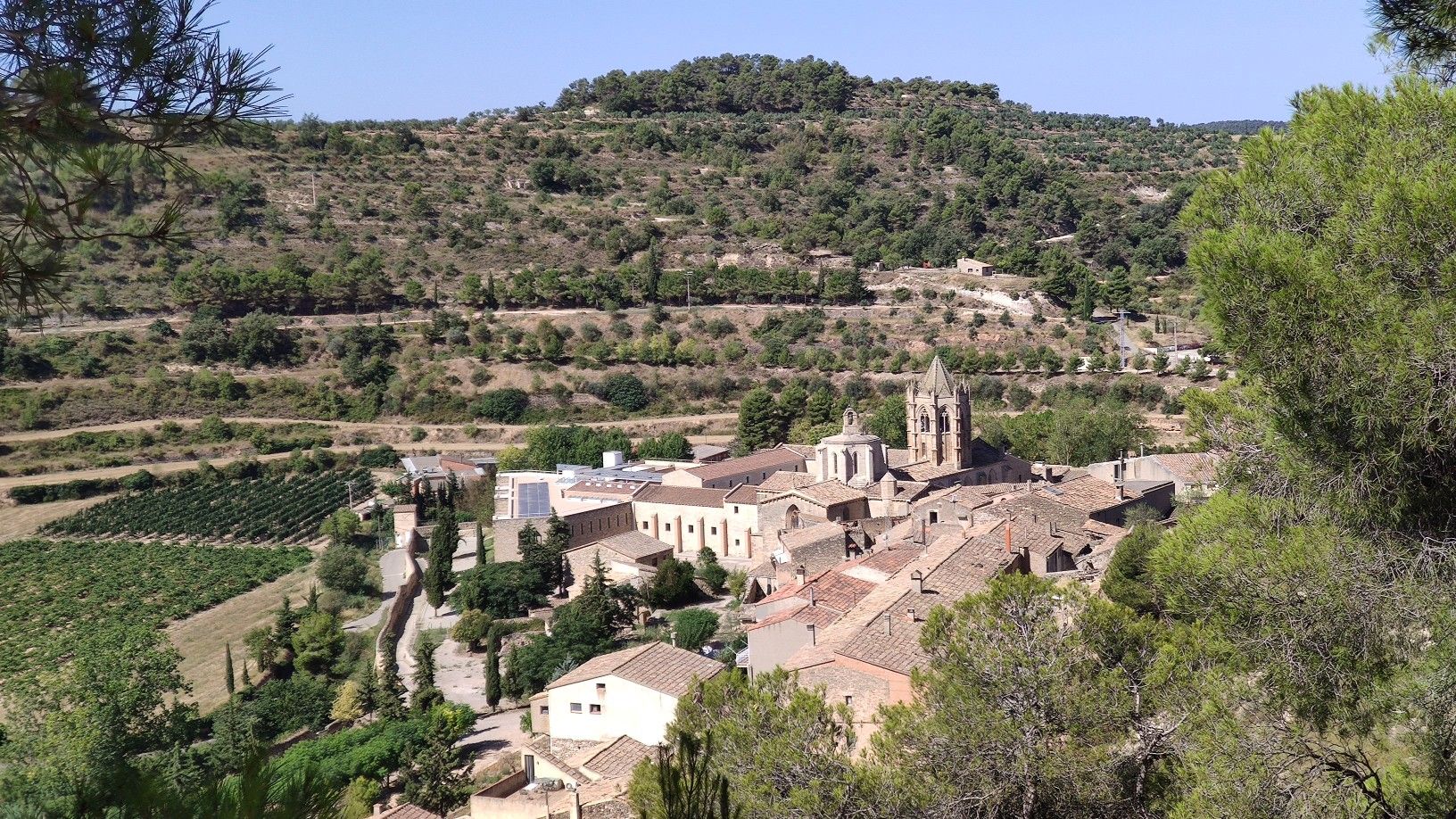
Monasteries, nature and culture – the Cistercian Route on foot
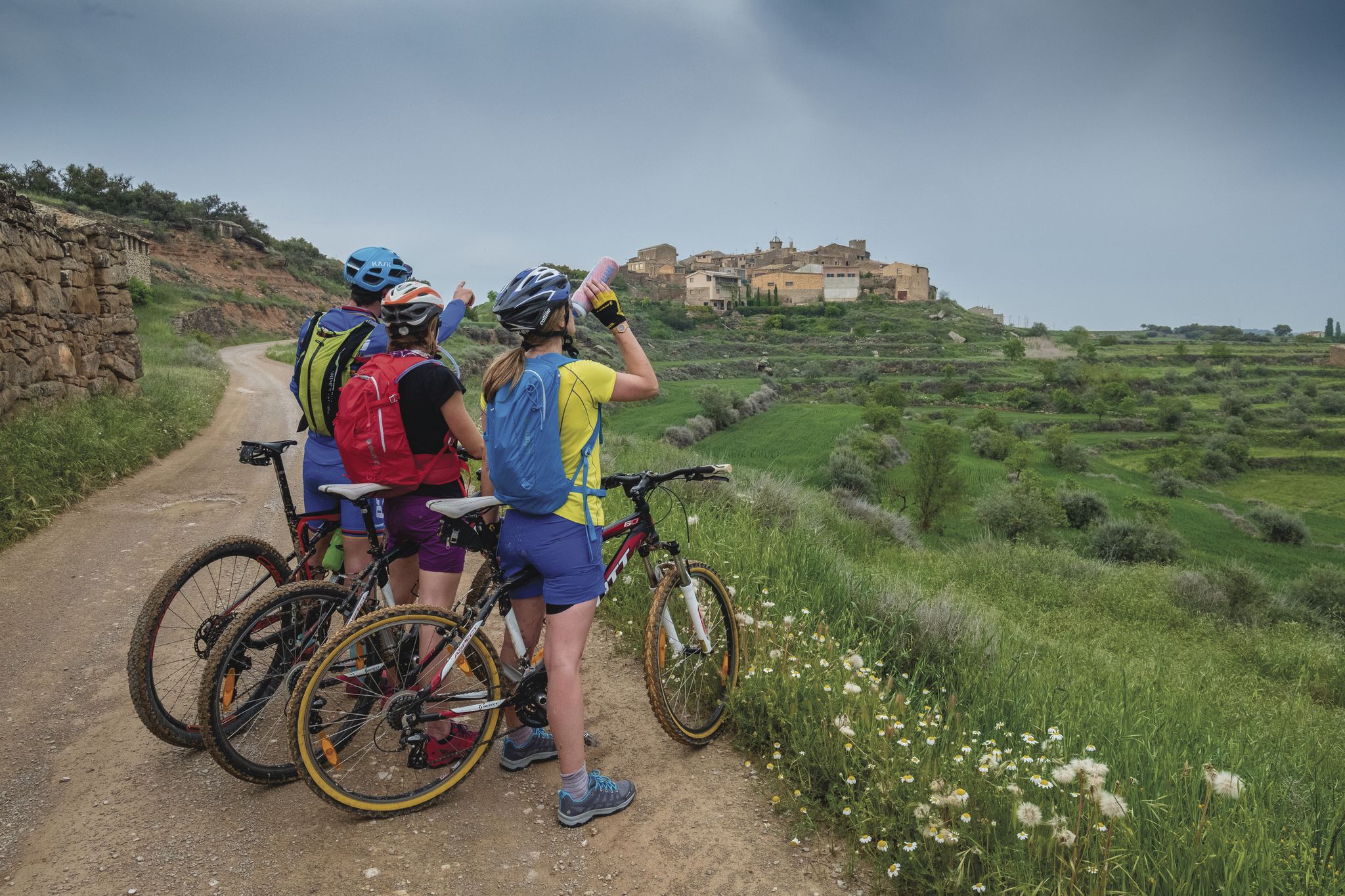
Bikepacking in Catalonia
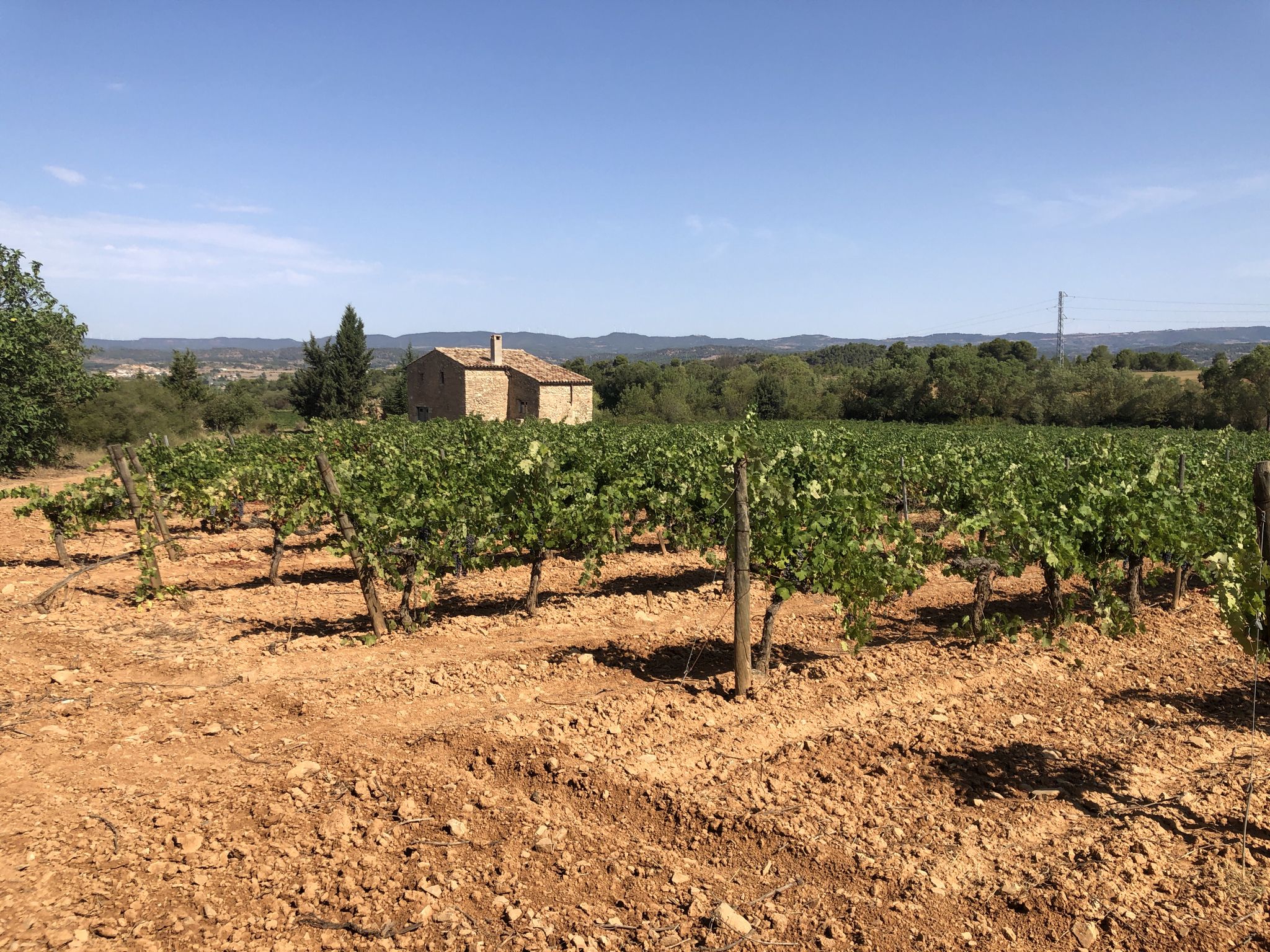
Trails of history — Cistercian MTB Route
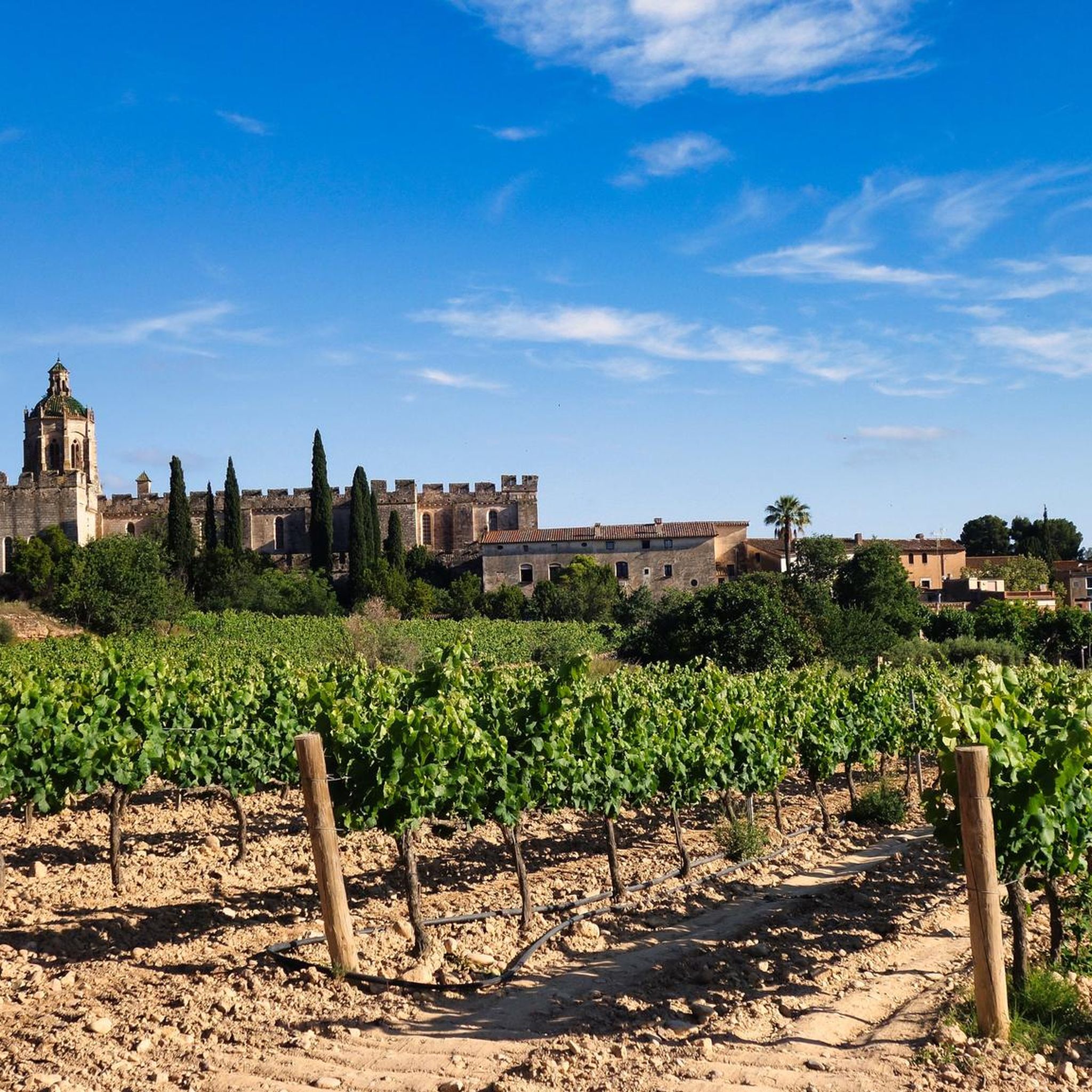
MTB Trails around Aiguamúrcia
Hiking around Aiguamúrcia
Road Cycling Routes around Aiguamúrcia
Cycling around Aiguamúrcia
Running Trails around Aiguamúrcia

Gravel biking around Aiguamúrcia


Tips from the Community

From the church of Sant Sadurní de la Marca you can see not only the chapel itself but also the views of the castle on top of the mountain.
0
0
Beautiful tower not only for its views but also for the views it offers of the Penedès plain. The demanding climb is worth it!
0
0

Turó de la Roca has historically been a prominent point in the municipality of Sant Martí Sarroca. Although the first references are from the 10th century, when it served as a surveillance and protection point, there are indications of previous Iberian and Roman settlements. The monumental complex is made up of the Romanesque church of Santa María, restored in 1906, and the castle of Sant Martí, built in the 11th century.
0
0
Located on the hill of the same name, at an altitude of 468 meters, on the Marmellar stream and dominating the entire extension of the Penedès plain, the Castellot is one of the most recognizable surveillance and defense structures of the medieval period. This small fortress had the mission of serving as a lookout and defense of the territory in the event of an attack by the Saracens. Due to its small size, it never had a castle structure, it was just a watchtower and defense tower, with a small attached construction and next to it the primitive chapel of Sant Miquel. The complex is dated between the end of the 10th century and the beginning of the 11th century, with some modifications made in the 13th century, before being abandoned and becoming a temporary refuge for shepherds, vagabonds and bandits. A second phase of restoration was completed in March 2021, mainly focused on the watchtower, the upper part of which can now be accessed via an internal staircase.
0
0
Located on the hill of the same name, at an altitude of 468 meters, on the Marmellar stream and dominating the entire extension of the Penedès plain, the Castellot is one of the most recognizable surveillance and defense structures of the medieval period. This small fortress had the mission of serving as a lookout and defense of the territory in the event of an attack by the Saracens. Due to its small size, it never had a castle structure, it was just a watchtower and defense tower, with a small attached construction and next to it the primitive chapel of Sant Miquel. The complex is dated between the end of the 10th century and the beginning of the 11th century, with some modifications made in the 13th century, before being abandoned and becoming a temporary refuge for shepherds, vagabonds and bandits. A second phase of restoration was completed in March 2021, mainly focused on the watchtower, the upper part of which can now be accessed via an internal staircase.
0
0
Defense tower on the Marmellar stream, it seems that both the tower and the adjoining room were inhabited until well into the 18th century. Later, in the mid-19th century, they were inhabited again by the guards who cultivated the surrounding land, thanks to the construction of two small rooms. It is nine meters high and about four meters wide, its interior is only two and a half meters wide by almost one and a half meters long, which indicates the great thickness of its walls. From its beginning it was a fortification attached to the Castellot, both constructions were dedicated to protect against Saracen attacks, until the first third of the 11th century.
0
0
This church is sandwiched between trees and the Castellví de la Marca cemetery and can only be seen clearly from the path that comes from Sant Jaume dels Domenys. In order to see its base you have to go to one of the entrances of the cemetery.
1
0
The turó de la Roca has historically been a prominent point in the municipality of Sant Martí Sarroca. Although the first references are from the 10th century, when it served as a surveillance and protection point, there are signs of previous Iberian and Roman settlements. It is made up of the Romanesque church of Santa María, restored in 1906, and the castle of Sant Martí, built in the 11th century.
1
0
Frequently Asked Questions
What are the most significant historical sites and castles to visit in Aiguamúrcia?
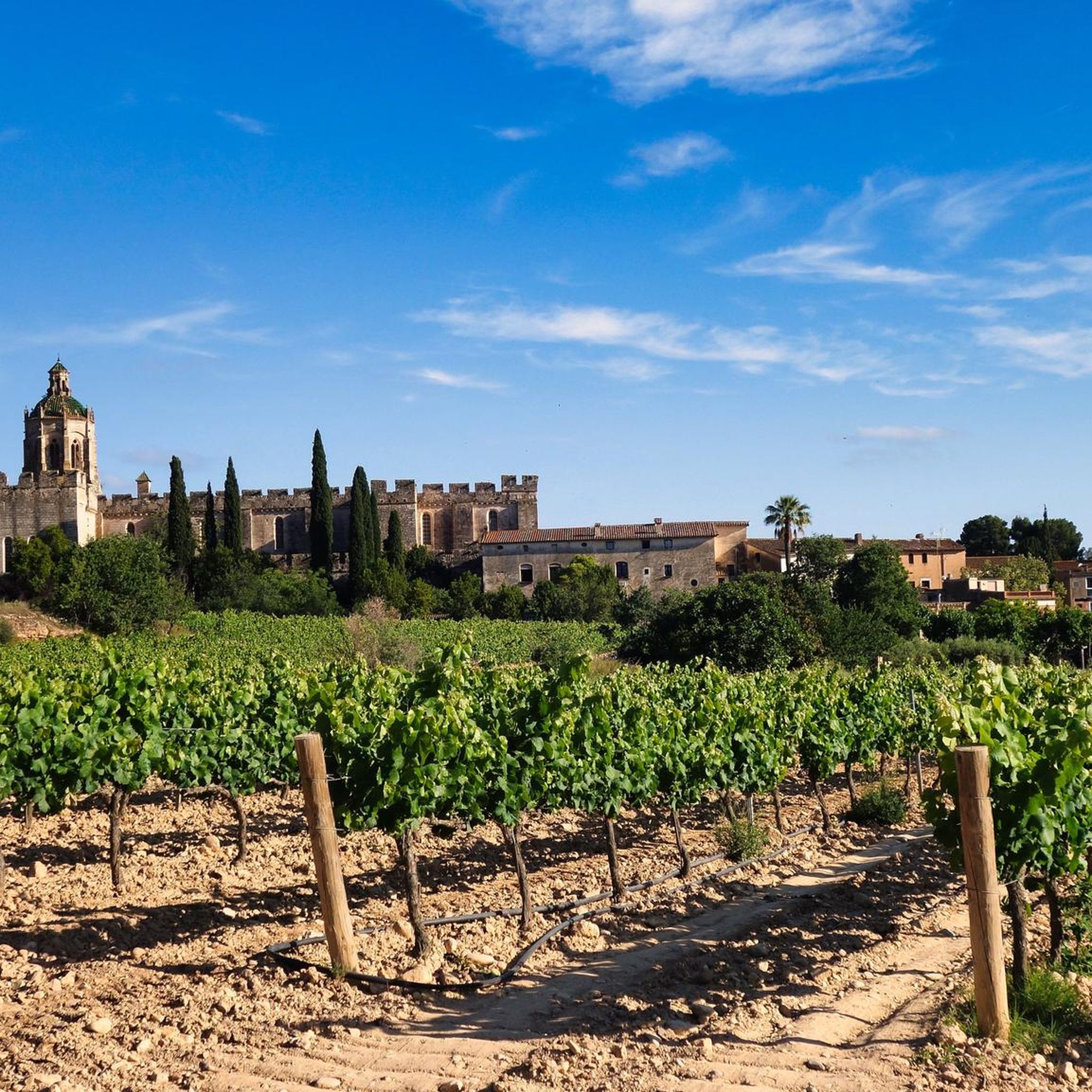
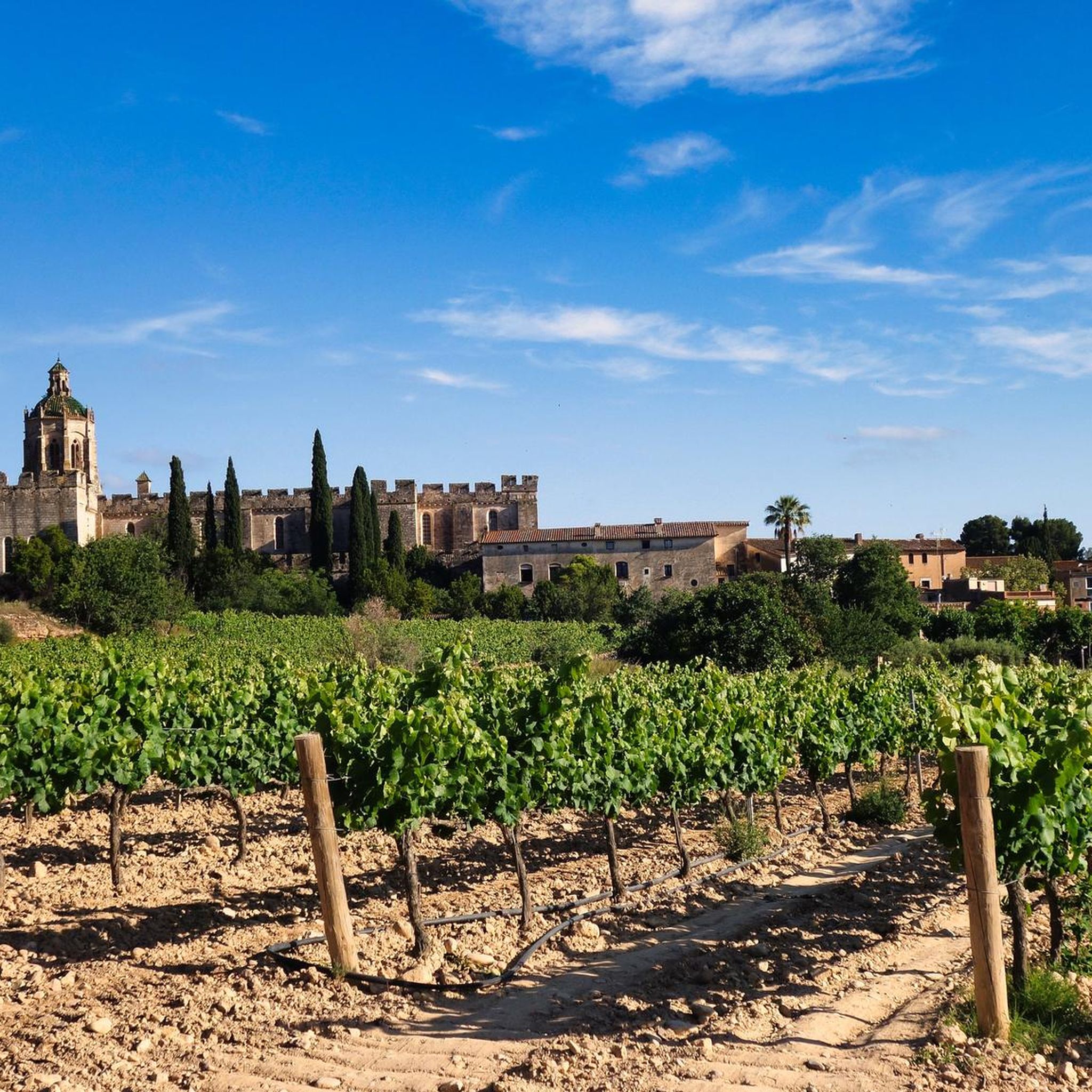
The most prominent historical site is the Real Monasterio de Santes Creus, a former Cistercian monastery showcasing Romanesque and Gothic architecture, royal tombs, and significant historical importance. You can find more information about it on Wikipedia. Other notable sites include El Castellot, a restored medieval watchtower, and the Sant Martí Sarroca Castle and Church Complex, featuring an 11th-century castle and a Romanesque church.
Are there any well-preserved castles or are most in ruins?
While the Real Monasterio de Santes Creus is exceptionally well-preserved and a major architectural gem, other structures like the Torre de Les Destres and Castell de Ramonet are largely in ruins. El Castellot, however, has undergone significant restoration, allowing access to its upper parts.
What kind of views can I expect from the castles in Aiguamúrcia?
Many of the historical sites, particularly watchtowers and castles built on hills, offer commanding panoramic views. For example, El Castellot provides excellent views of the Penedès plain. The Torre de Les Destres, despite its ruined state, is situated on a 382-meter high hill, offering a strategic vantage point over the surrounding area.
What is the best time of year to visit the castles in Aiguamúrcia?
The region generally experiences pleasant weather for exploring historical sites and outdoor activities. Spring and autumn offer mild temperatures ideal for hiking and sightseeing. While some sites like the Real Monasterio de Santes Creus are open year-round, it's always advisable to check specific opening hours, especially during winter.
Are there family-friendly castles or activities near Aiguamúrcia?
The Real Monasterio de Santes Creus is a great option for families, offering an engaging historical experience with its impressive architecture and royal tombs. Its expansive complex and surrounding landscape provide space for children to explore. Sites like El Castellot, with its restored watchtower, can also be an interesting visit for older children who enjoy a bit of adventure and history.
Can I find hiking or cycling routes near the castles?
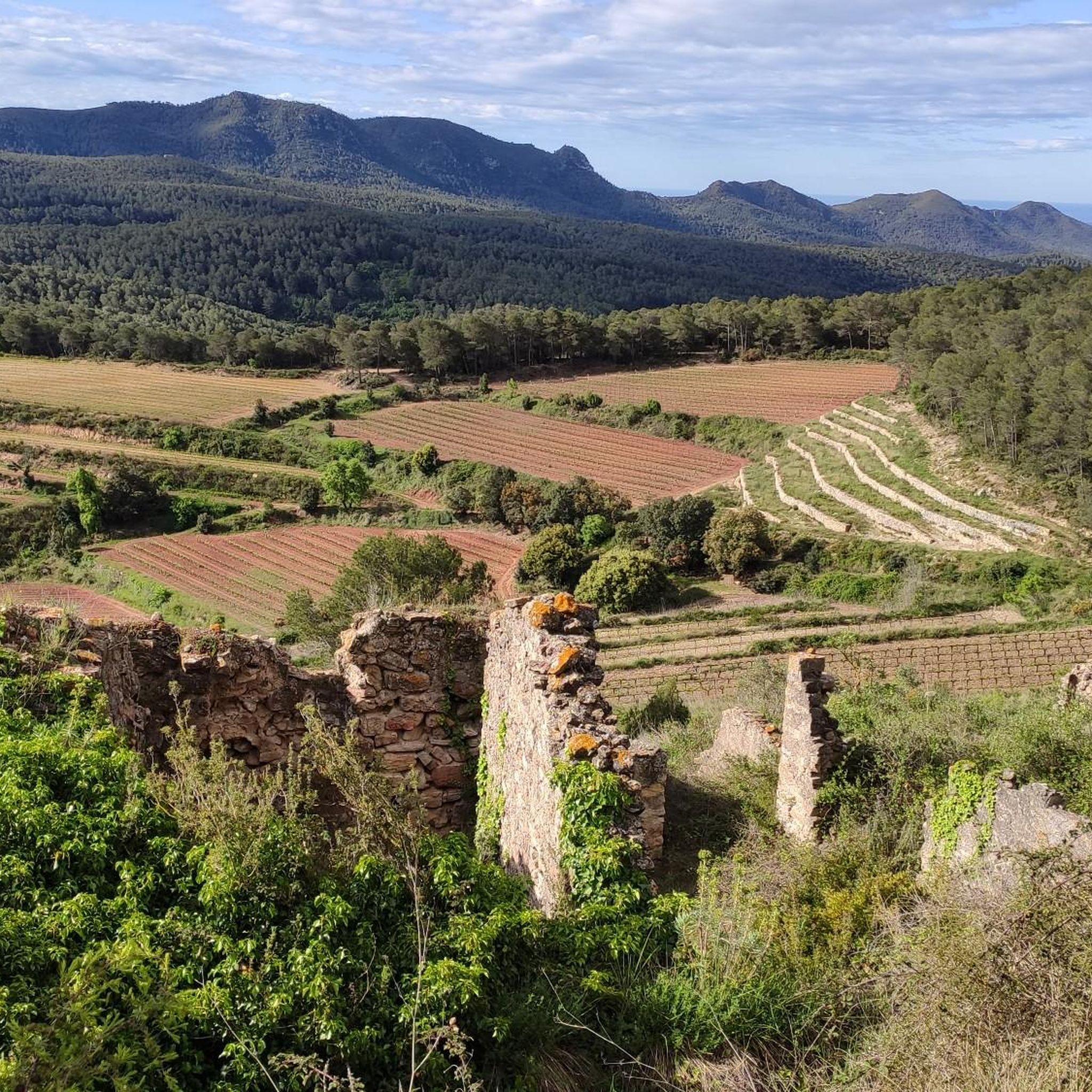
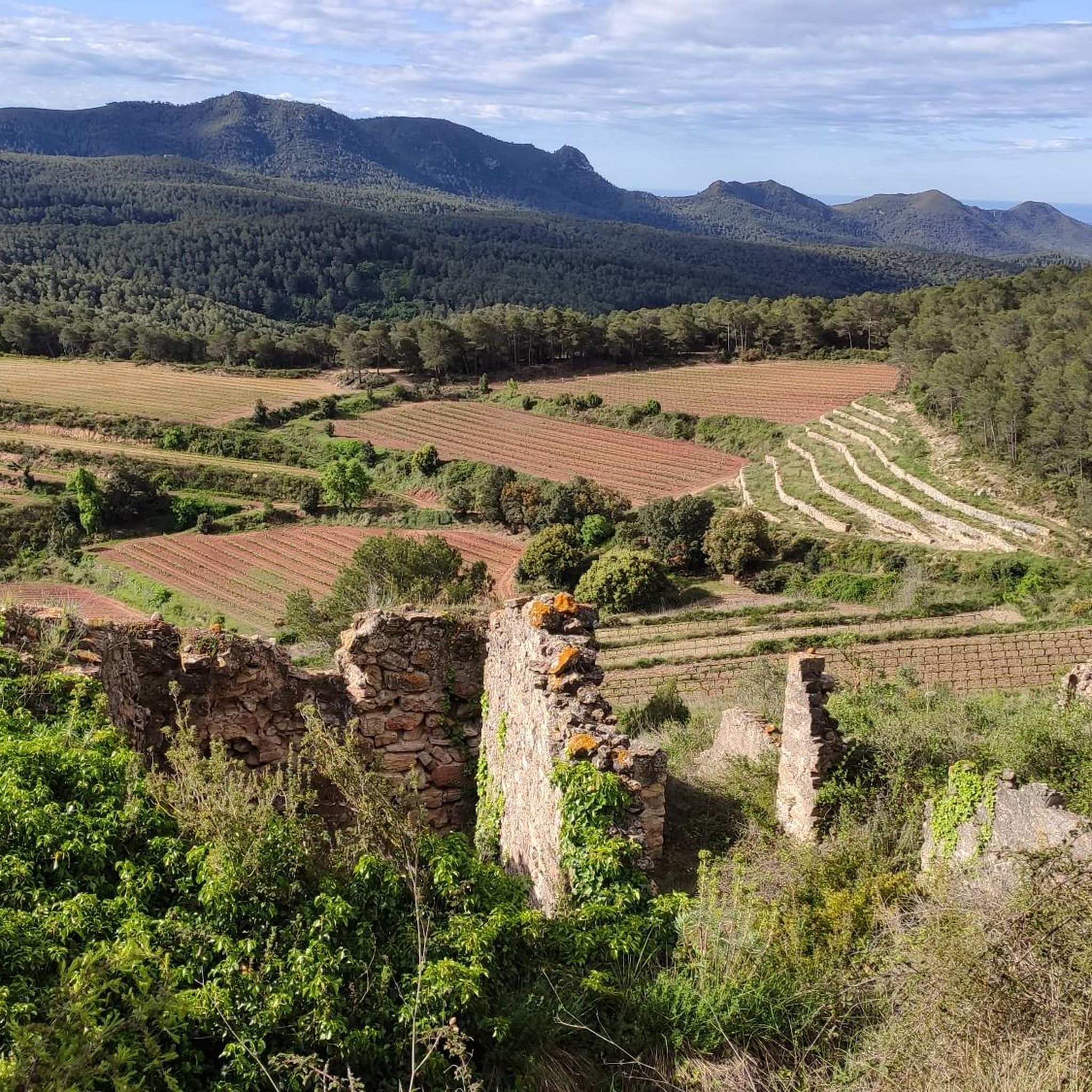
Yes, Aiguamúrcia offers various outdoor activities. For hiking, you can explore routes like the 'Cistercian Route: Santes Creus Circular' or 'Dry Stone Route – Capona Huts loop from Monestir de Santes Creus'. For cycling, there's the 'Cistercian Route: Santes Creus and Figuerola del Camp Loop'. You can find more details on these and other routes in the Hiking around Aiguamúrcia and Cycling around Aiguamúrcia guides.
What are the accessibility options for visitors to the castles?
The Real Monasterio de Santes Creus is generally accessible to visitors, though specific areas might have limitations due to its historic nature. For other sites like the Torre de Les Destres and Castell de Ramonet, access can be challenging due to their ruined state and natural terrain. It's recommended to check individual site information for detailed accessibility notes.
Are there any hidden gems or lesser-known historical sites worth exploring?
Beyond the major sites, the region holds intriguing ruins for those with a deep interest in history. The Torre de Les Destres, a medieval watchtower, offers a tangible link to the region's defensive past, despite being largely in ruins. Similarly, the Castell de Ramonet, believed to be a fortified farmhouse, provides a glimpse into basic medieval defensive architecture, though it requires adventurous exploration due to its poor condition and heavy vegetation.
What kind of architectural styles can I see in the castles and historical buildings?
The region showcases a blend of architectural styles, primarily Romanesque and Gothic. The Real Monasterio de Santes Creus is a prime example, featuring a Romanesque church façade and a spectacular Gothic cloister. Other sites like the Sant Martí Sarroca Castle and Church Complex also highlight Romanesque elements in their church and 11th-century castle structures.
How long should I plan for a visit to the castles?
A visit to the Real Monasterio de Santes Creus could easily take a few hours to fully appreciate its architecture, royal tombs, and historical significance. For sites like El Castellot or the Sant Martí Sarroca Castle and Church Complex, an hour or two might suffice, especially if combined with a short walk. Exploring the more ruined sites like Torre de Les Destres or Castell de Ramonet might be quicker but could involve more challenging access.
Where can I find parking when visiting the castles?
For the Real Monasterio de Santes Creus, there is typically designated parking available for visitors. For other sites, especially those in more rural or elevated locations like El Castellot, parking might be less formal and require a short walk to the site. It's advisable to check local signage or information for specific parking arrangements at each location.
Most popular routes around Aiguamúrcia
Most popular attractions around Aiguamúrcia

Get inspired with the komoot mobile app


Explore more
Looking for the best castles somewhere else? Discover other guides around Aiguamúrcia:
