Top 6 Caves around Cruïlles, Monells I Sant Sadurní De L'Heura
Best caves around Cruïlles, Monells I Sant Sadurní De L'Heura are primarily human-made structures within the Gavarres massif, offering insights into the region's historical and industrial past. This area features ancient quarries and former mines, providing a unique perspective on human activity dating back to prehistoric times. The landscape is characterized by these excavated sites, which have become significant landmarks and habitats. These locations showcase the resourcefulness of past civilizations and the natural evolution of abandoned industrial sites.
Best caves…
Last updated: July 4, 2026
Niño Jesús Mine
Highlight • Structure
Translated by Google •
Tip by

Nen Jesús Mines
Highlight • Cave
Translated by Google •
Tip by

Sign up now to discover places like this
Get recommendations on the best single tracks, peaks, & plenty of other exciting outdoor places.
Sign up for free
La Foradada and the Iberian settlement
Highlight • Beach
The romantic "fishing village" and the magnificent view from the nearby hills left a really lasting impression on me,
Voy a volver, and here ;-)
Translated by Google •
Tip by

Els Clots de Sant Julià
Highlight • Cave
Translated by Google •
Tip by

Shelter
Highlight • Cave
Translated by Google •
Tip by

Sign up for free to discover even more caves around Cruïlles, Monells I Sant Sadurní De L'Heura.
Sign up for free
Already have an account?
Start today with a free account
Your next adventure awaits.
Login or Signup
Popular around Cruïlles, Monells I Sant Sadurní De L'Heura
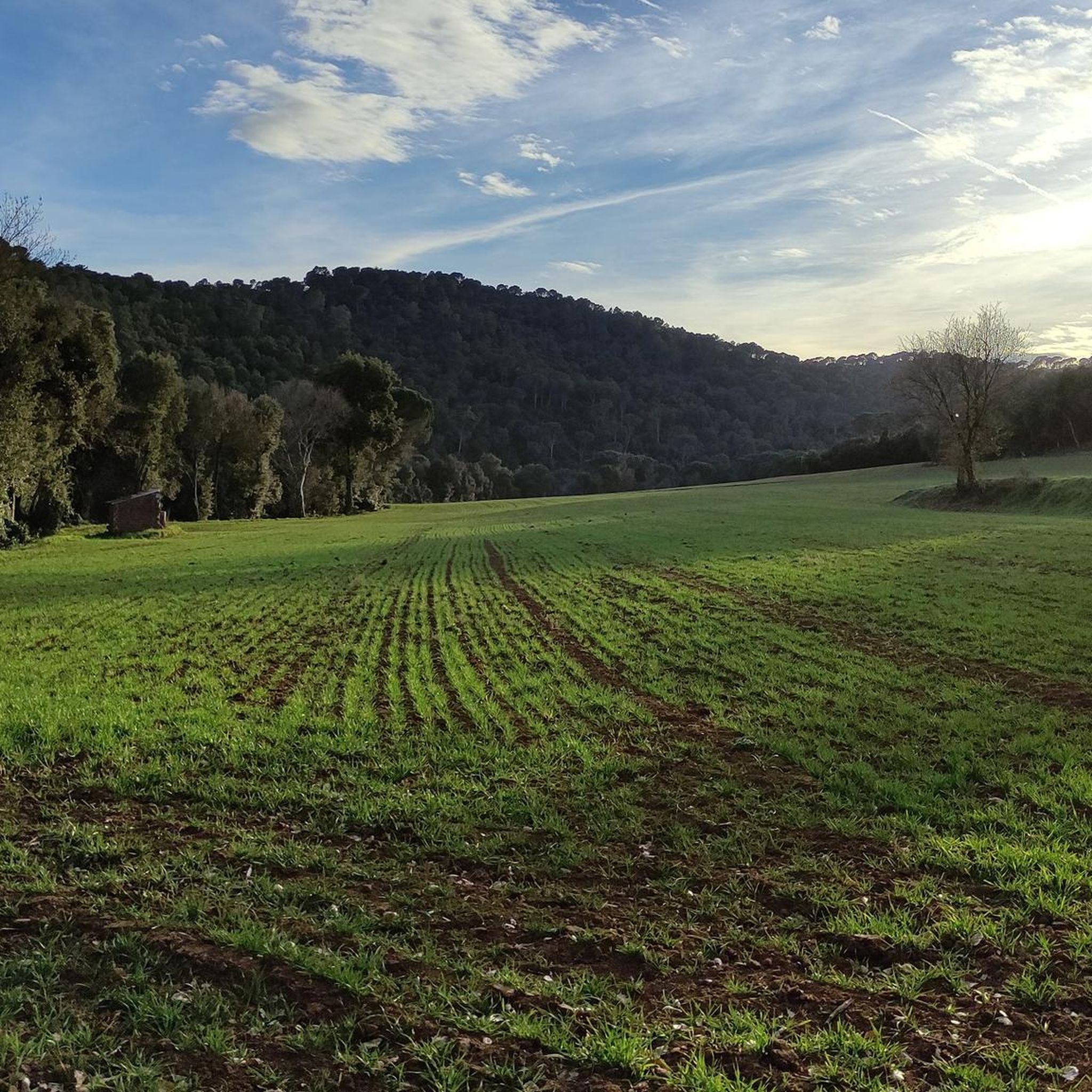
Cycling around Cruïlles, Monells I Sant Sadurní De L'Heura
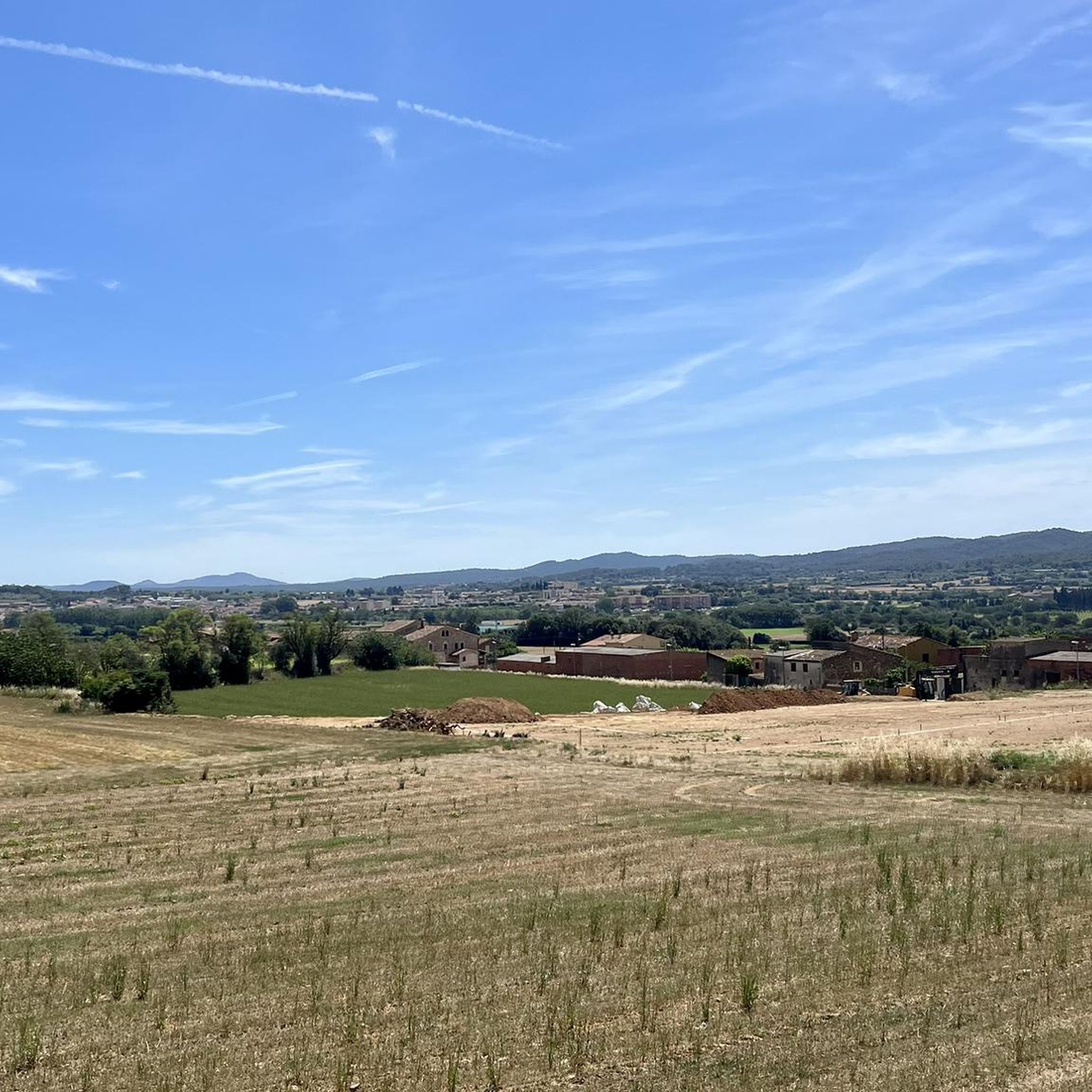
Road Cycling Routes around Cruïlles, Monells I Sant Sadurní De L'Heura
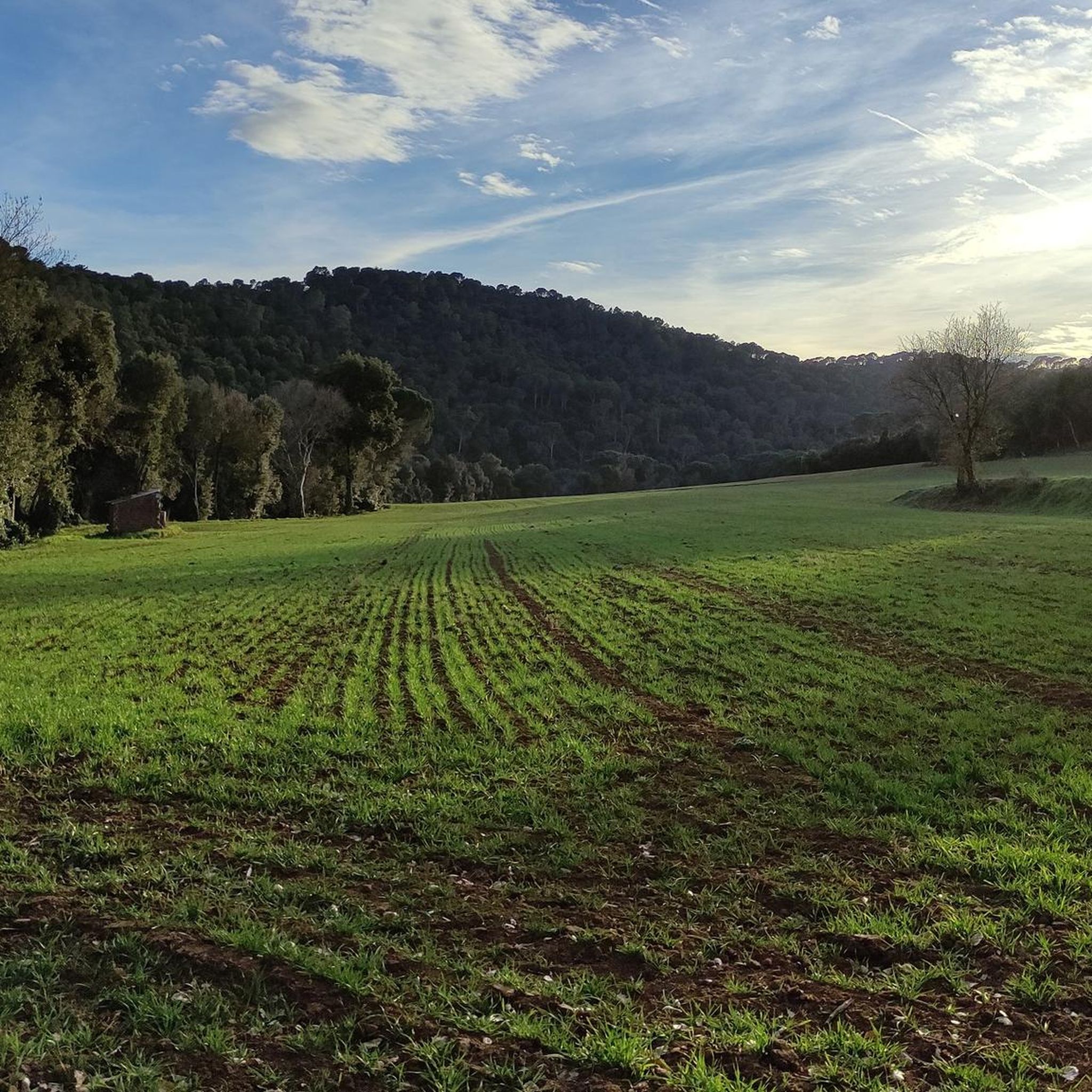
Hiking around Cruïlles, Monells I Sant Sadurní De L'Heura
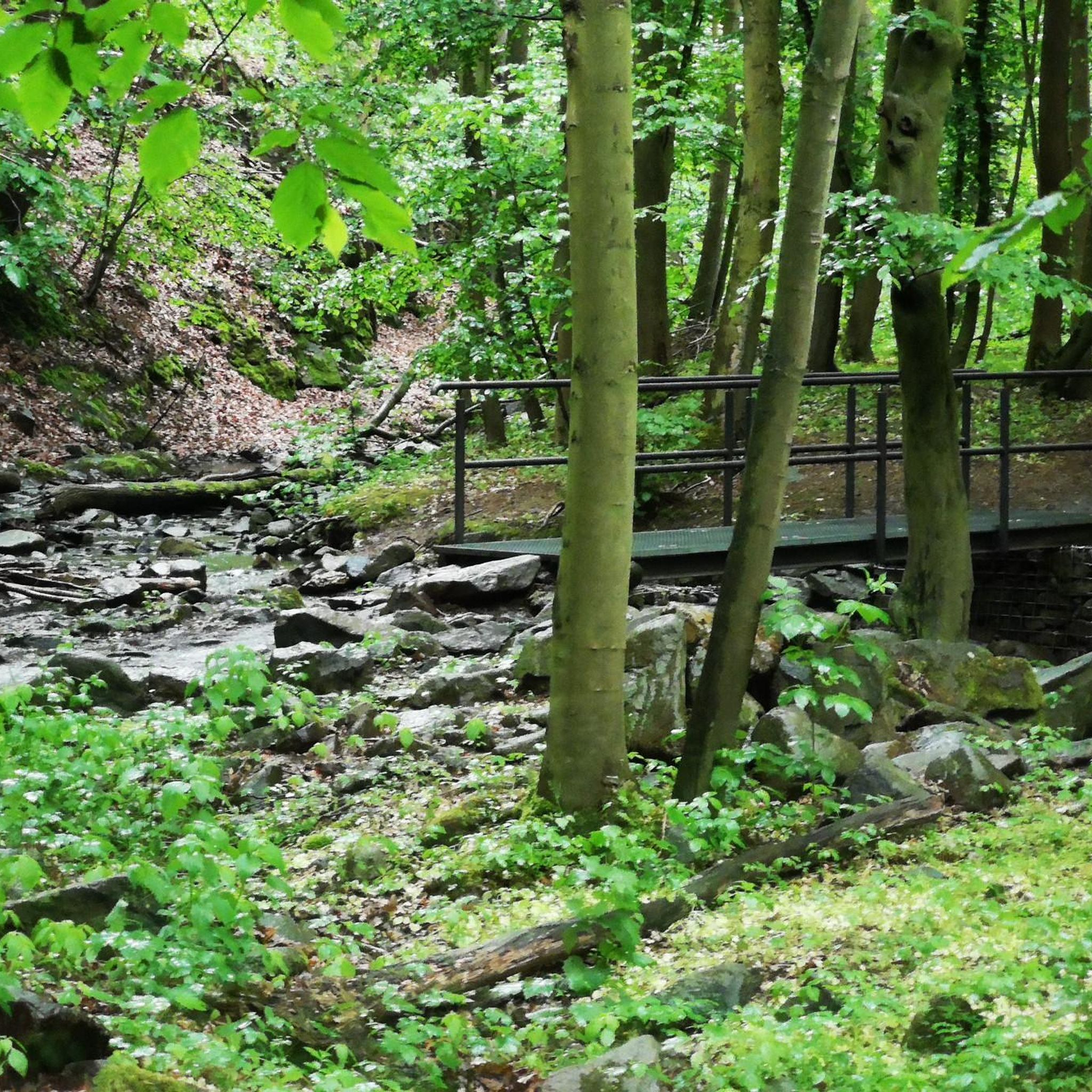
Gravel biking around Cruïlles, Monells I Sant Sadurní De L'Heura
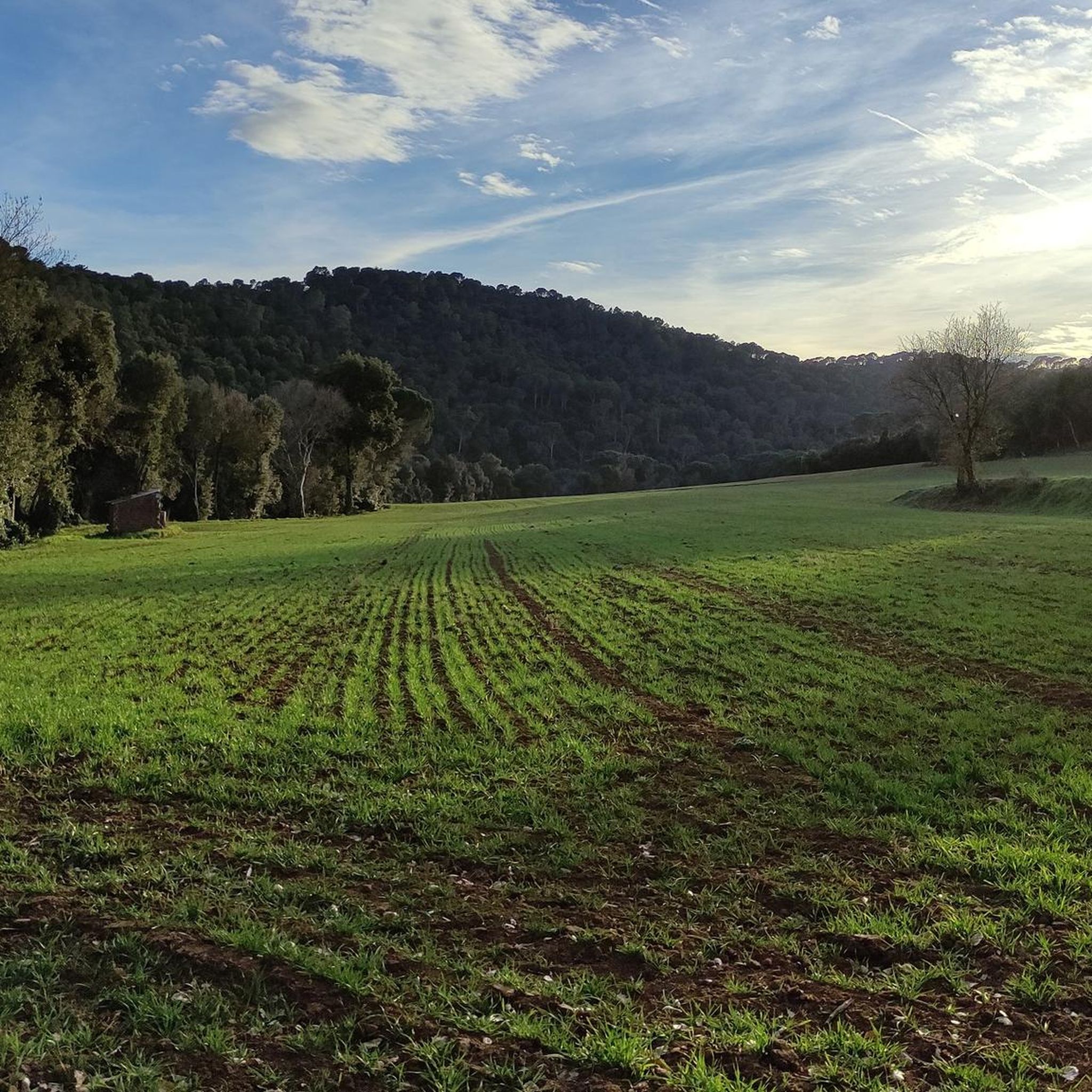
MTB Trails around Cruïlles, Monells I Sant Sadurní De L'Heura
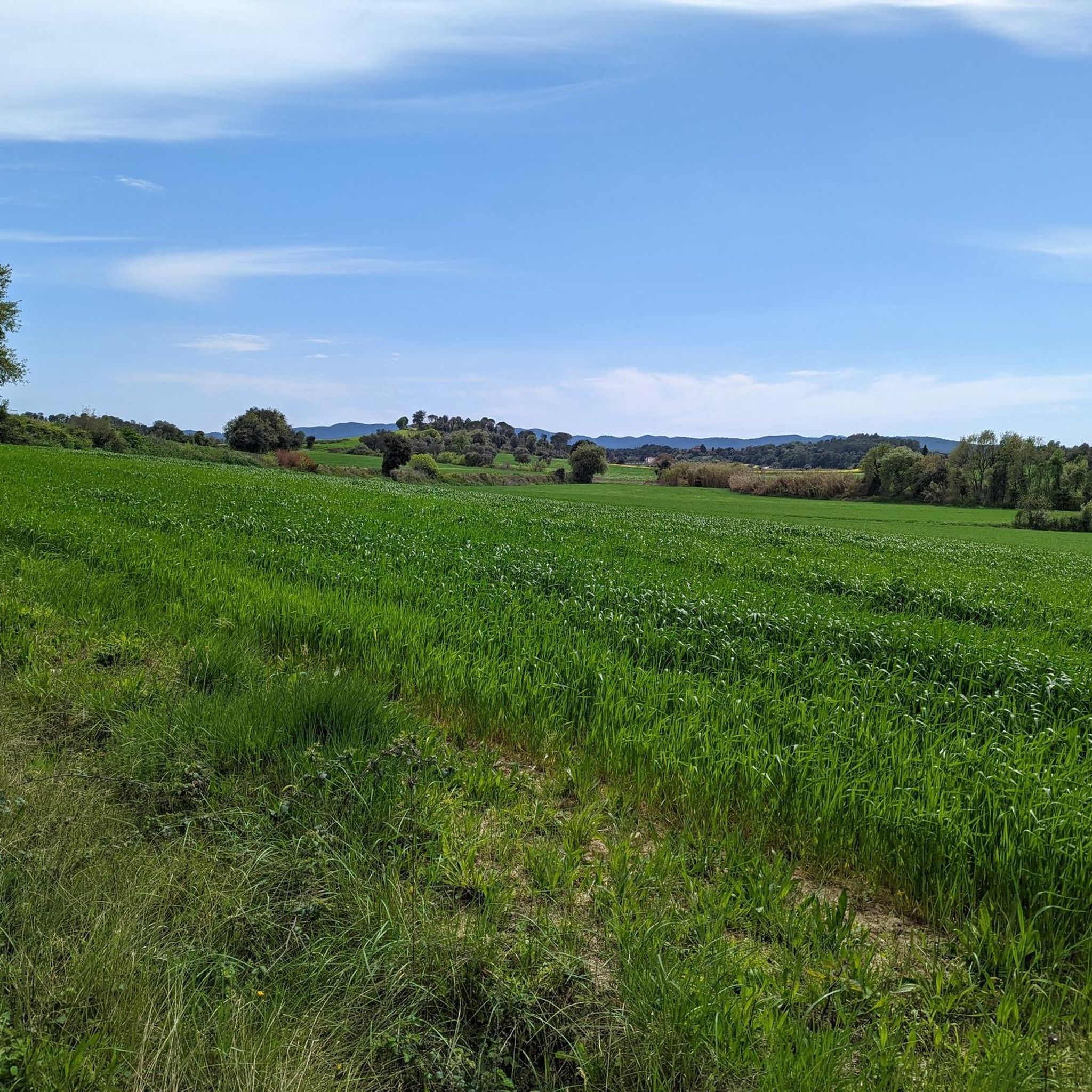
Running Trails around Cruïlles, Monells I Sant Sadurní De L'Heura
Tips from the Community

nice place to inspect
0
0


On the north side of the Castle of Sant Miquel we find these caves that we can discover thanks to a path. Holes in the walls of La Gavarres known by the inhabitants of the towns in the area.
0
0

Beautiful if somewhat rocky bay. The romantic "fishing village" and the magnificent view from the nearby hills left a really lasting impression on me, Voy a volver, and here ;-)
0
1

Do not forget to bring a flashlight, it is worth entering and observing the interior
0
1
In 1892, Arístides de Artiñano from Barcelona registered two iron ore mines with the names "Niño Jesús" and "Victoria Esperanza", after having carried out some promising prospecting. It was already known that iron had been mined in this area of Les Gavarres in the s. XVIII, and the growing Catalan industrial economy of the s. XIX needed this raw material to develop, along with coal. The mine is made up of a set of galleries that drill the northern side of the Bacs mountain at different levels, with 23 open galleries located. The mine was closed in 1918, after only 26 years of operation, due to the low profitability of the iron ores and the cost of transport to the foundries. The charger is the first item you will find, on the right hand side of the path, following some stairs with a wooden railing. It is the most characteristic and significant of the mining complex and is located at the confluence between the Mavalls stream and the Deveses stream. Following the path again, you will reach the main mines that are at the foot of the route. Nowadays the galleries have become an important resting and breeding habitat for bats, animals often despised for their appearance and associated mythology, but of great natural importance for their predatory ability on insects and as bioindicators of the quality environmental and the impact of climate change on an ecosystem. It is advised not to enter the galleries, for safety reasons and to preserve the tranquility of the fauna that lives there.
1
1

A place that exudes mystery and magic, with shapes that nature has drawn spectacularly
0
0

A must to visit the Clots, old quarries. Magnificent complex of cavities, excavated in the rock.
3
0
Frequently Asked Questions
What kind of 'caves' can I expect to find in Cruïlles, Monells I Sant Sadurní De L'Heura?
The 'caves' in this region are primarily human-made structures, offering a unique glimpse into the area's historical and industrial past. You'll find ancient quarries, former iron ore mines, and historical shelters, rather than natural cave systems. These sites showcase the resourcefulness of past civilizations and the natural evolution of abandoned industrial locations.
Are there any natural caves to explore in Cruïlles, Monells I Sant Sadurní De L'Heura?
Directly within the municipality of Cruïlles, Monells i Sant Sadurní de l'Heura, there are no notable natural cave systems. The region is more known for its medieval villages, Romanesque heritage, and the natural beauty of the Gavarres massif, which offers extensive forests and historical sites. While the broader Girona province has some natural caves, they are located further afield.
What are the most significant historical 'caves' in the area?
Among the most significant historical sites are the Els Clots de Sant Julià, which are old quarries forming a magnificent complex of cavities. Another key historical site is the Niño Jesús Mine, an extensive former iron ore mine complex with 23 open galleries, providing insight into 19th-century industrial history.
What can I see at the <a href="https://www.komoot.com/highlight/5568097" target="_blank" rel="noopener">Niño Jesús Mine</a>?
At the Niño Jesús Mine, you can explore the remains of a 19th-century iron ore mining complex, including 23 open galleries and a charger. The site is now an important habitat for bats, so it's advised not to enter the galleries for safety and to preserve the wildlife. A flashlight is recommended to observe the interior from the entrance.
What is special about <a href="https://www.komoot.com/highlight/1692117" target="_blank" rel="noopener">Els Clots de Sant Julià</a>?
Els Clots de Sant Julià are ancient quarries that have evolved into a magnificent complex of excavated cavities. Visitors describe it as a place that exudes mystery and magic, with spectacular shapes drawn by human activity and nature over time. It's a must-visit for those interested in historical geology and unique landscapes.
Is <a href="https://www.komoot.com/highlight/5828872" target="_blank" rel="noopener">La Foradada and the Iberian settlement</a> worth visiting?
Yes, La Foradada and the Iberian settlement offers a beautiful, albeit rocky, bay with a magnificent view from nearby hills. It's a historical site that combines natural beauty with archaeological interest, providing a lasting impression for visitors.
Are the 'caves' in this region suitable for families?
The historical quarries and mines in the area, such as Els Clots de Sant Julià and the Niño Jesús Mine, can be interesting for families, especially those with an interest in history and geology. However, caution is advised, particularly at mine sites where entering galleries is not recommended due to safety concerns and bat habitats. Always supervise children closely.
What outdoor activities can I do near these historical sites?
The Gavarres massif, where these sites are located, is excellent for various outdoor activities. You can find numerous routes for cycling, mountain biking, and running. The area is characterized by dense forests and offers a rich natural environment for exploration.
Are there hiking trails near the 'caves' in Cruïlles, Monells I Sant Sadurní De L'Heura?
Yes, the historical sites are often integrated into the natural landscape of the Gavarres massif, providing opportunities for hiking. For example, the Niño Jesús Mine can be discovered via a path. You can find many running and hiking trails that pass through or near these historical 'caves' and the charming villages of the region.
What is the best time to visit the historical 'caves' and the Gavarres massif?
The Gavarres massif and its historical sites can be visited year-round. Spring and autumn offer pleasant temperatures for outdoor activities like hiking and cycling. Summer can be warm, but the forested areas provide shade. Winter is generally mild, making it suitable for exploration without the crowds.
Are dogs allowed on trails near these historical sites?
Many trails within the Gavarres massif are dog-friendly, allowing you to explore the natural and historical sites with your pet. However, it's always recommended to keep dogs on a leash, especially near historical structures or areas with wildlife, and to check specific site regulations before your visit.
Most popular routes around Cruïlles, Monells I Sant Sadurní De L'Heura
Most popular attractions around Cruïlles, Monells I Sant Sadurní De L'Heura

Get inspired with the komoot mobile app


Explore more
Extend your search for the best caves by checking out these guides of the top ones around Cruïlles, Monells I Sant Sadurní De L'Heura:
