Top 6 Caves around Roquetes
Caves near Roquetes are part of the wider Tarragona province, an area known for its diverse natural landscapes. Roquetes is situated in a region that offers a variety of subterranean formations, from geological wonders to historical sites. The area provides opportunities for exploring natural monuments and intermediate-level caving experiences.
Best caves around Roquetes
- The most popular caves is Cova de la Dona, an intermediate cave that is signposted and a popular spot for photos. It is one of many…
Last updated: May 7, 2026
Glass Cave
Highlight • Cave
Translated by Google •
Tip by

Cova de la Dona
Highlight • Cave
Translated by Google •
Tip by

Sign up now to discover places like this
Get recommendations on the best single tracks, peaks, & plenty of other exciting outdoor places.
Sign up for free
Cova d'en Marc
Highlight • Cave
Tip by

l'Angerra Cave
Highlight • Cave
After folding the roof, there are two holes as windows that illuminate the interior.
Translated by Google •
Tip by

Cave of the Air
Highlight • Cave
Translated by Google •
Tip by

Sign up for free to discover even more caves around Roquetes.
Sign up for free
Already have an account?
Start today with a free account
Your next adventure awaits.
Login or Signup
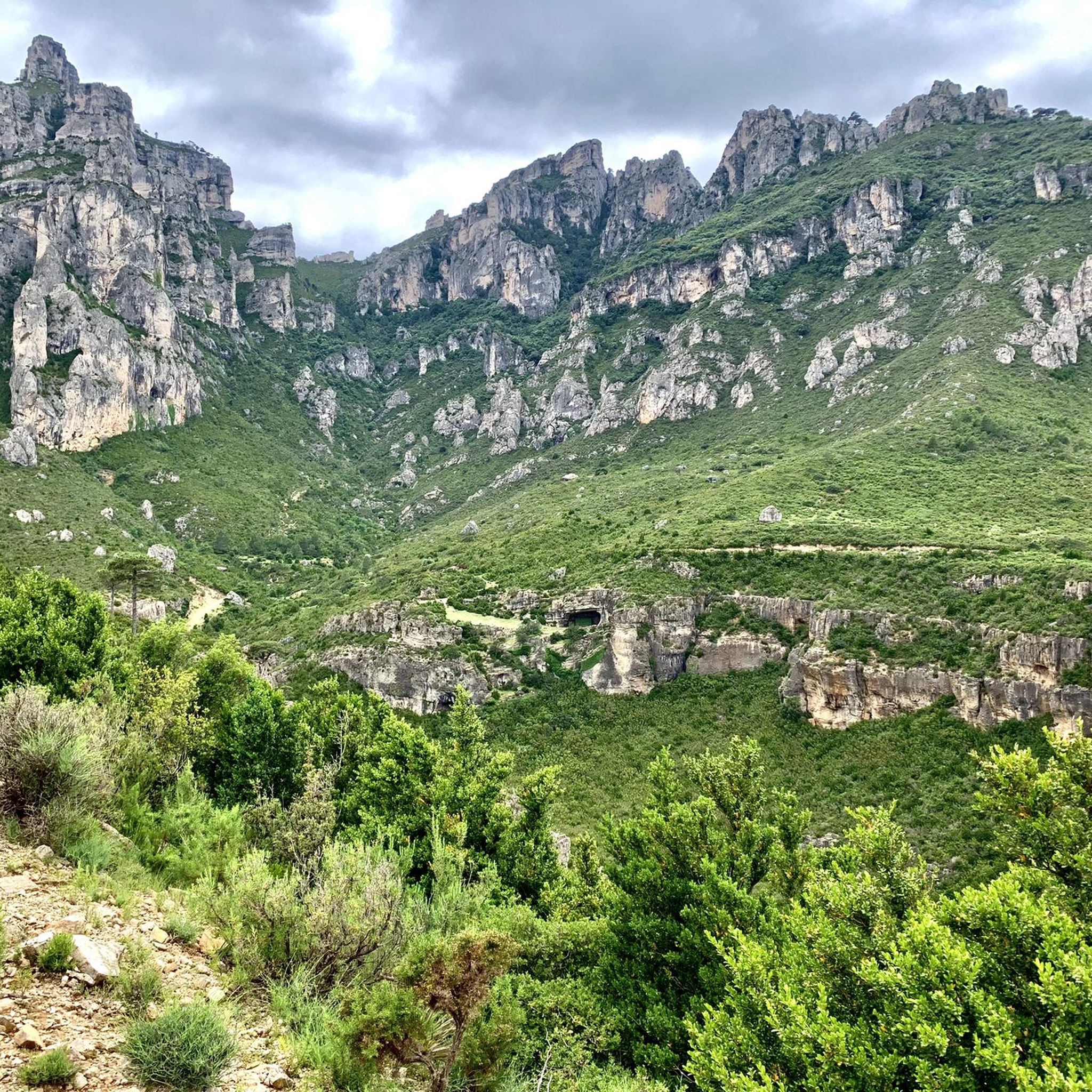

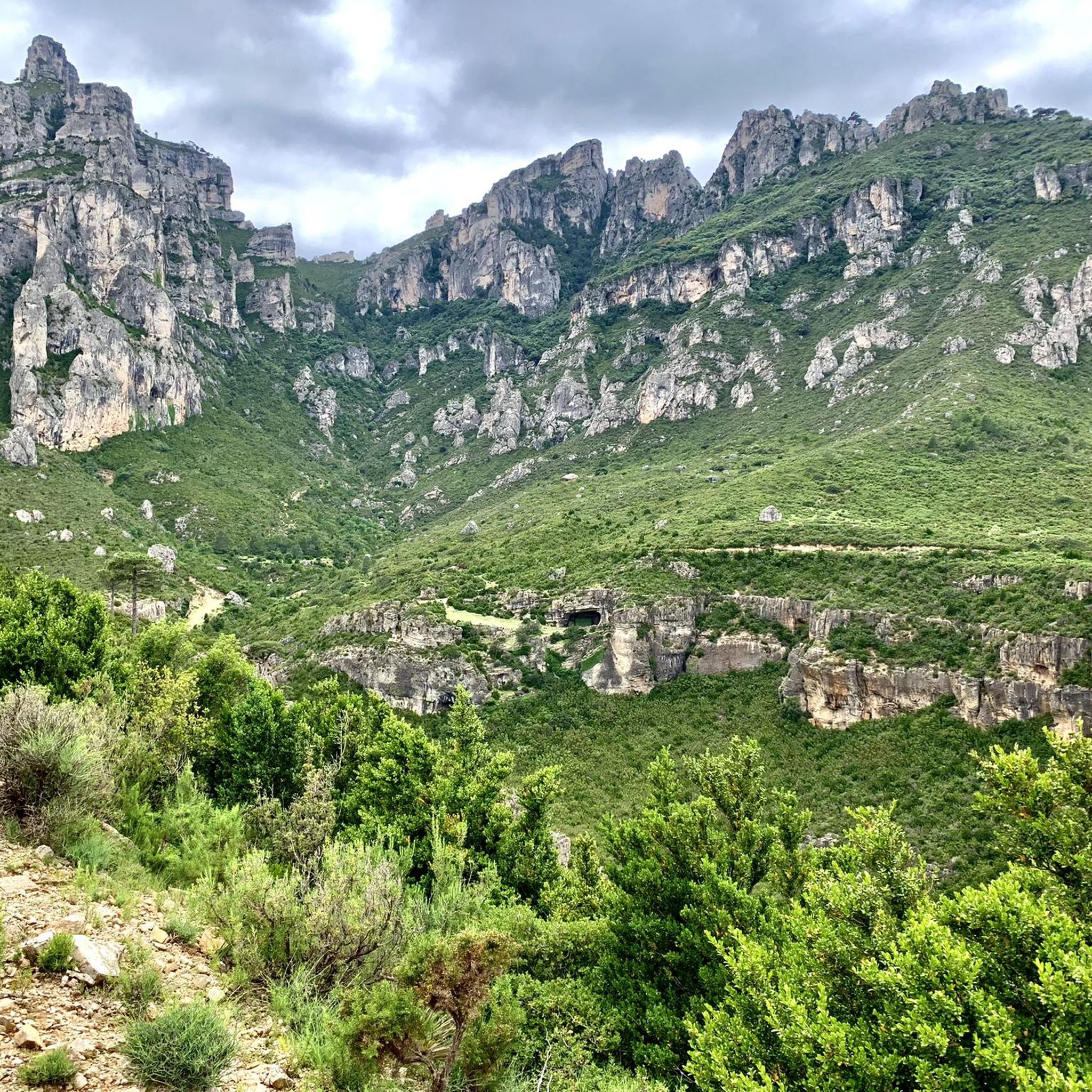
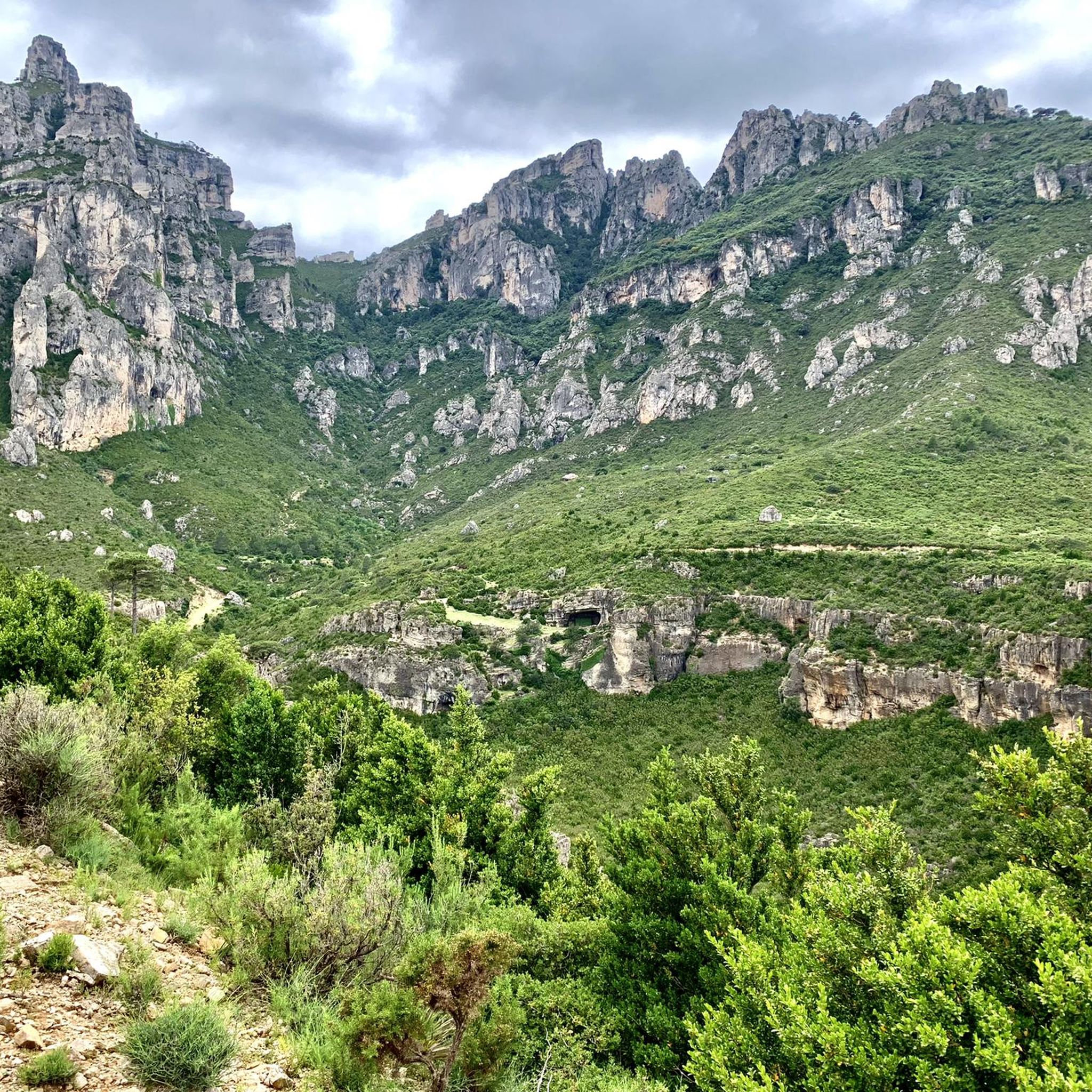
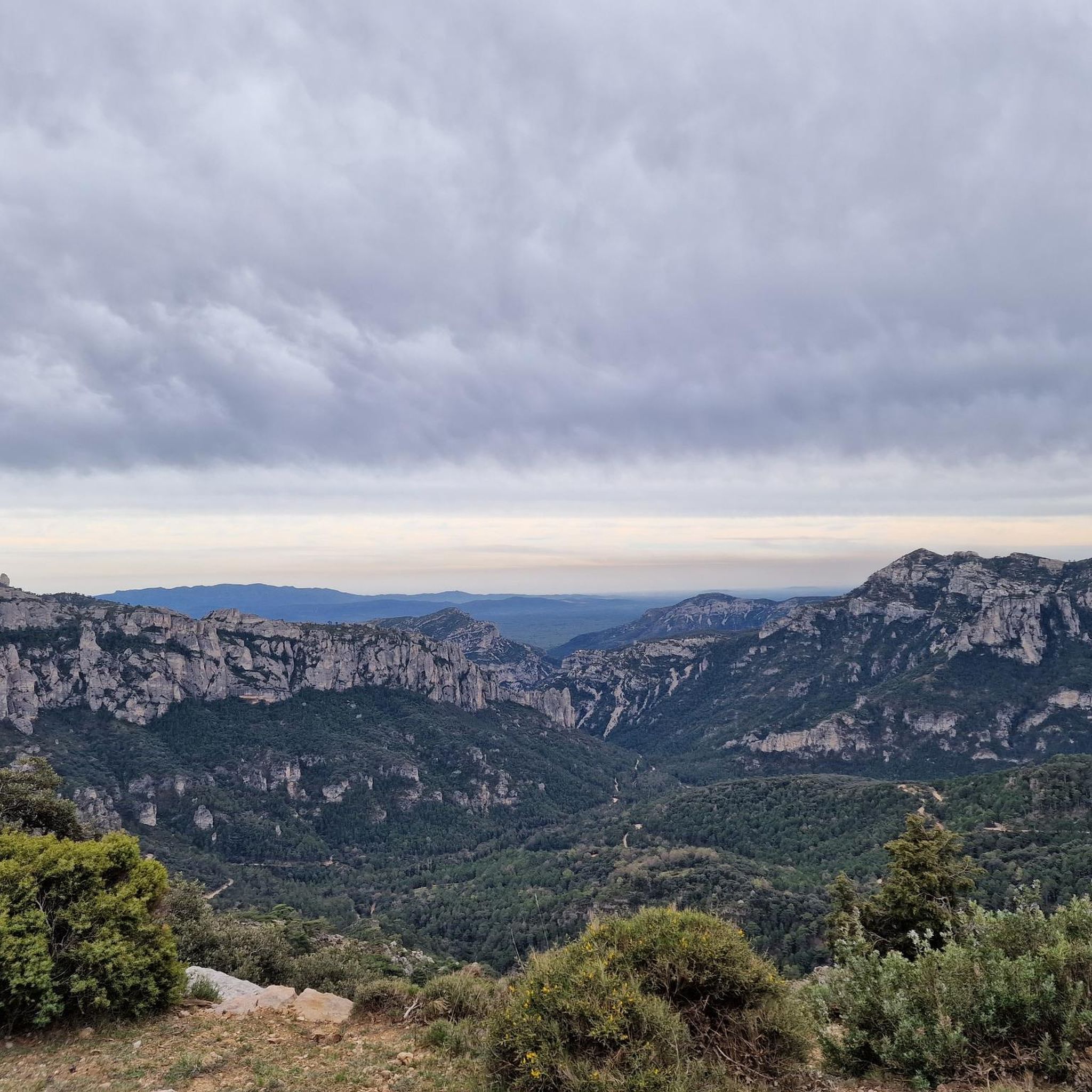
Tips from the Community

Nice walk up to Castell de l'Airosa. Check my video: https://youtu.be/WS7DskqEu7I
2
0

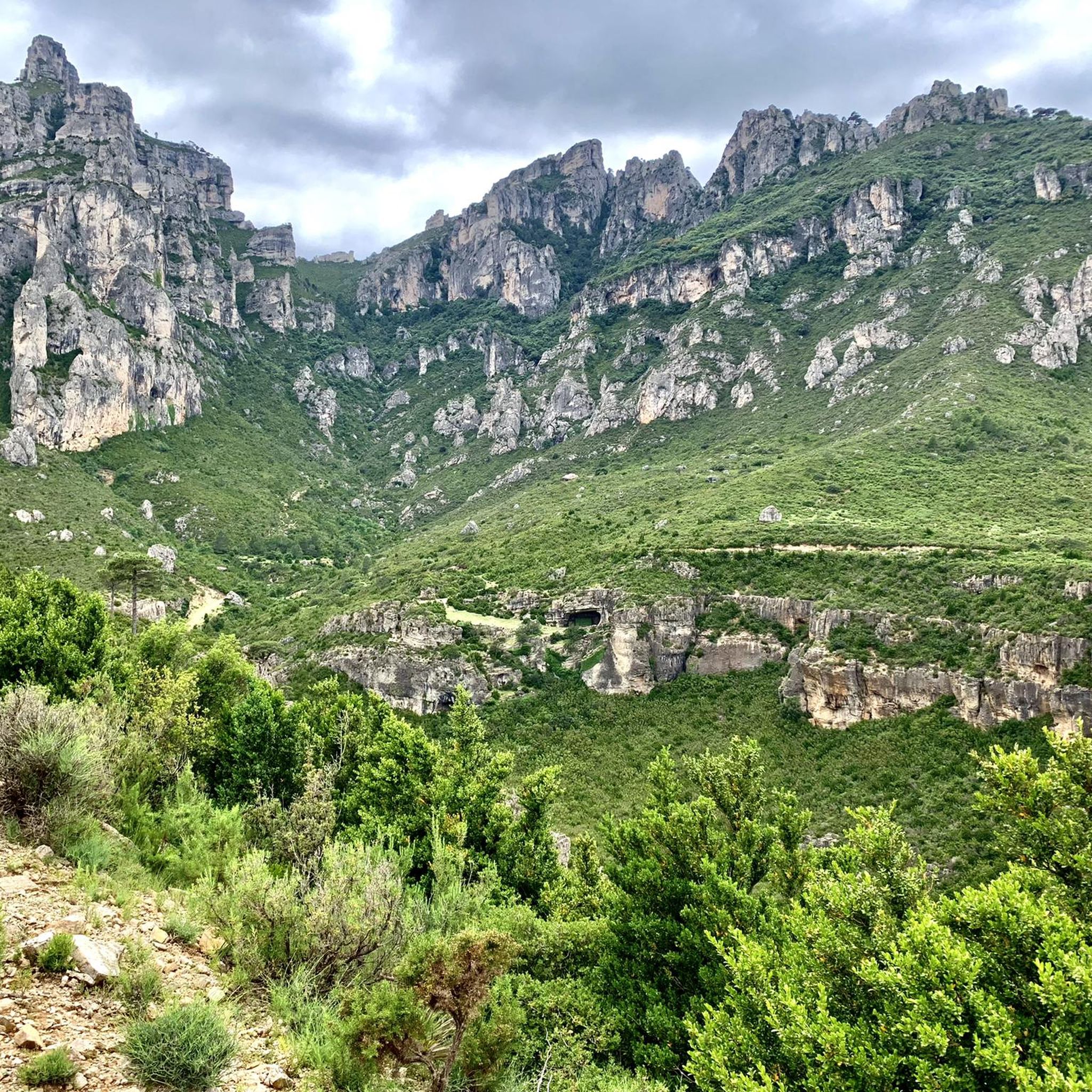
Cave that is located on the rise of Forat de l'Airosa between cliffs and hanging walls!
0
1

The mouth of the cave has large dimensions, 30 meters wide by about 15 high, forming a gallery about 45 meters long, occupied in part by blocks of rather large dimensions, appearing ascending in the first stretch to descend again in the final part. For a large part of the route, it preserves the dimensions of the entrance, reducing the height progressively. Below the highest part of the gallery originates a lower concavity about 15 meters long and about 10 wide and which is penetrated by a steep slope. Like other cavities in the Massif del Port, the walls are largely blackened. Cavity known since time immemorial. At the beginning of the 20th century, Neolithic remains were found and over time different archaeological activities of interest have been carried out. Mentioned in all the old speleological catalogues, it is, together with Cova Cambra, one of the most popular cavities in the Port. Lluís Porta i Massana, in his article, explains that during the wars of the 17th and 18th centuries, many of the residents of Mas de Barberans took refuge there, making each family a kind of living room with boxwood branches. He also explains that around 1828 a gang of 14 bandits, called "the Glebes", lived for quite some time in the lower chamber of the cave, even when shepherds and flocks slept in the big cave. It seems that they were the authors of twenty murders and robberies on the way out of Tortosa. They were able to arrest seven of them who died by hanging in Tortosa on January 29, 1829. Bayerri, in his Historia de Tortosa y su comarca (1934), comments that the name of the cave originates from the mineral crystallizations that are said to be there.
1
0
The Cova de la Dona can be found on the left (in the direction of the N-S march) before arriving at Pla de la MIna. It is one more of the many hollows on the route. It is signposted and the photo is almost mandatory.
1
0

At the Portell del Infern pass, you have to look for a path that goes to the left of the path to visit the Cova del Aire, another of the natural wonders of La Tinença.
1
0

going up to Casetes Velles, halfway there is the entrance that takes you to the Cave.
1
0

A curious cave that used to be dedicated to livestock. After folding the roof, there are two holes as windows that illuminate the interior.
5
0
Frequently Asked Questions
What are some notable caves to visit near Roquetes?
The most prominent caves in the wider region are the Cuevas de Benifallet, located a short distance away. This system includes Cova del Dos and Cova Meravelles, both adapted for tourist visits with guided tours. Closer to Roquetes, you can find Cova de la Dona, an intermediate cave that is well-signposted.
What kind of natural formations can I expect to see in the caves near Roquetes?
The Cuevas de Benifallet are renowned for their stunning speleothems, including abundant stalactites, stalagmites, gigantic columns, flowstones, and unique formations like 'macarrones' and 'eccentrics'. These are created by the slow dripping of carbonate-rich waters over millions of years, forming a mysterious subterranean landscape.
Do any caves near Roquetes have historical significance?
Yes, the Glass Cave near Roquetes is known to have yielded Neolithic remains and has been a site of archaeological interest. Historically, it served as a refuge during wars and was even home to a gang of bandits in the 19th century. The Cuevas de Benifallet also hold historical value, with archaeological findings from the Neolithic period to the 20th century.
Are there family-friendly caves to explore near Roquetes?
The Cuevas de Benifallet are considered an ideal destination for a family outing. Their guided tours of Cova del Dos and Cova Meravelles are designed to be educational and engaging for visitors of all ages, with guides explaining interesting stories and details about the formations.
What is the difficulty level of caving near Roquetes?
The region offers a range of caving experiences. The Cuevas de Benifallet provide accessible guided tours suitable for most visitors. For more challenging experiences, Cova d'en Marc is known for offering challenging caving, located between cliffs and hanging walls.
When is the best time of year to visit the caves around Roquetes?
Caves generally maintain a stable temperature year-round, making them a good destination in any season. However, for comfortable access and to combine your visit with other outdoor activities in the region, spring and autumn offer pleasant weather. Summer can also be a good time to escape the heat inside the cool caves.
What other outdoor activities can I do near the caves?
The area around Roquetes offers various outdoor activities. You can find numerous hiking routes, including challenging trails like 'Les Serrissoles - Circular route through the Natural Park dels Ports'. There are also cycling routes, such as the 'Old railway viaduct – Val de Zafán Greenway loop'. For runners, there are running trails like the 'Mont Caro Loop Trail'.
Do I need permits or guided tours for caving near Roquetes?
For the tourist-adapted Cuevas de Benifallet (Cova del Dos and Cova Meravelles), guided tours are mandatory and typically last around 45 minutes. For other, less developed caves in the region, specific permits or local knowledge might be required, especially for challenging caving experiences.
Is parking available near the caves?
Access to the Cuevas de Benifallet is straightforward and well-signposted, located just three kilometers from Benifallet's town center, suggesting parking facilities are available for visitors. For other caves, parking availability can vary, and it's advisable to check specific access points or trailheads.
What are some unique natural monuments among the caves?
The Cave of the Air is recognized as a natural monument and is considered one of the natural wonders of La Tinença. It can be found by looking for a path to the left at the Portell del Infern pass. Cova d'en Marc is also a natural monument, known for its dramatic location between cliffs.
Can I find caves that were used for purposes other than shelter?
Yes, the l'Angerra Cave is a curious cave that was historically dedicated to livestock. It features two natural holes in its folded roof that act as windows, illuminating the interior.
Most popular routes around Roquetes
Most popular attractions around Roquetes

Get inspired with the komoot mobile app


Explore more
Extend your search for the best caves by checking out these guides of the top ones around Roquetes:
