The 12 Most Amazing Peaks around Artà
Best mountain peaks around Artà are primarily concentrated within the Massís d'Artà, part of the Serres de Llevant mountain range in Mallorca, Spain. This region offers a blend of natural landscapes and historical significance. Many peaks are located within the Parc Natural de la Península de Llevant, a protected area known for its diverse ecosystems. These mountains provide opportunities for hiking and offer panoramic views of the surrounding coastline and bays.
Best mountain peaks around Artà
- The most popular mountain…
Last updated: July 4, 2026
Talaia de Son Jaumell — Ruins and Viewpoint
Highlight • Monument
If you …
Translated by Google •
Tip by

Na Penyal
Highlight • Summit
Translated by Google •
Tip by

Sign up now to discover places like this
Get recommendations on the best single tracks, peaks, & plenty of other exciting outdoor places.
Sign up for free
Ferrutx Peak
Highlight • Summit
Don't forget to make an entry in the summit book.
Translated by Google •
Tip by
Talaia Freda de Morell
Highlight • Summit
Translated by Google •
Tip by
puig d'en Pelat
Highlight • Summit
Translated by Google •
Tip by

Sign up for free to discover even more peaks around Artà.
Sign up for free
Already have an account?
Start today with a free account
Your next adventure awaits.
Login or Signup
Popular around Artà
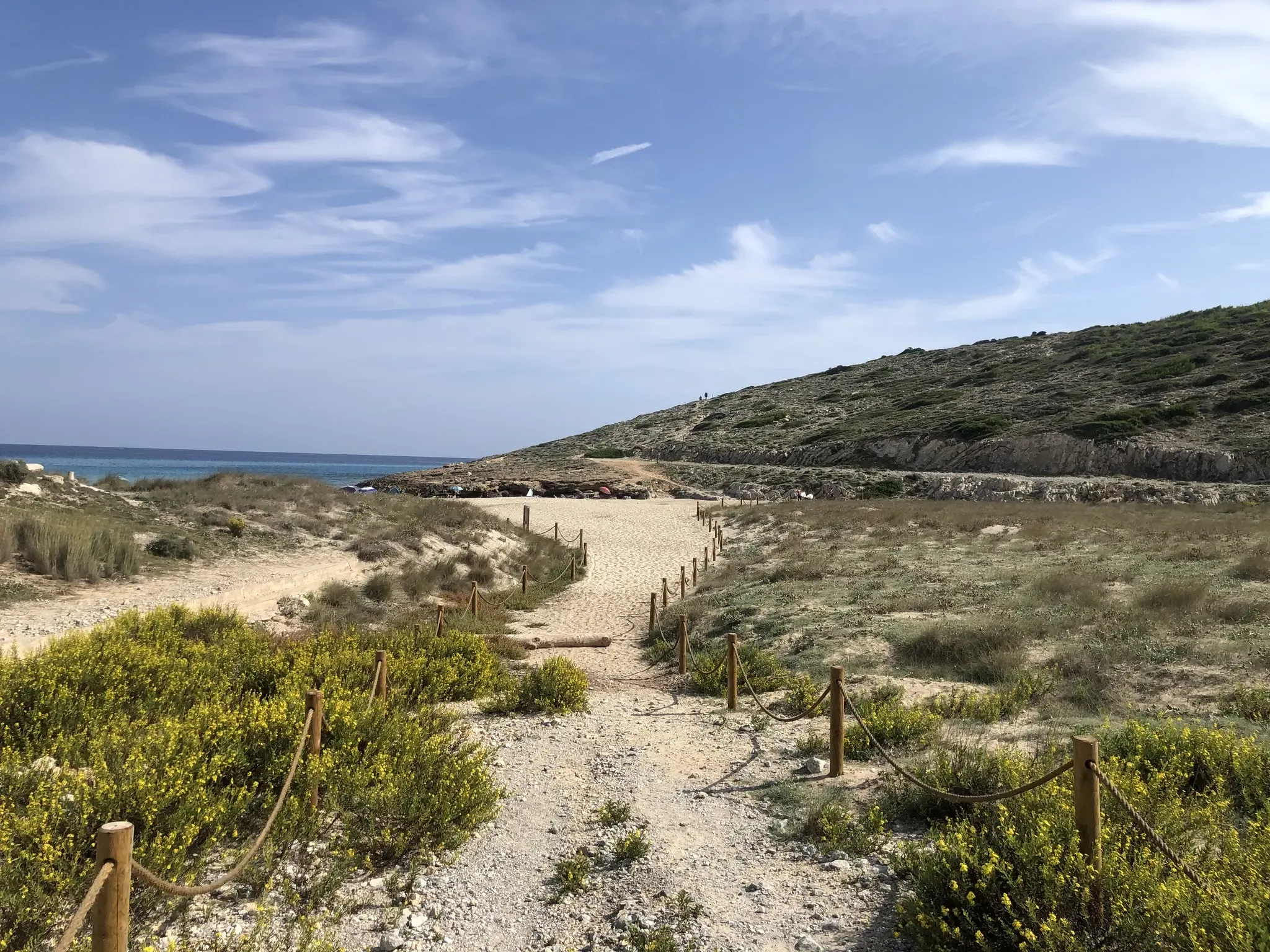
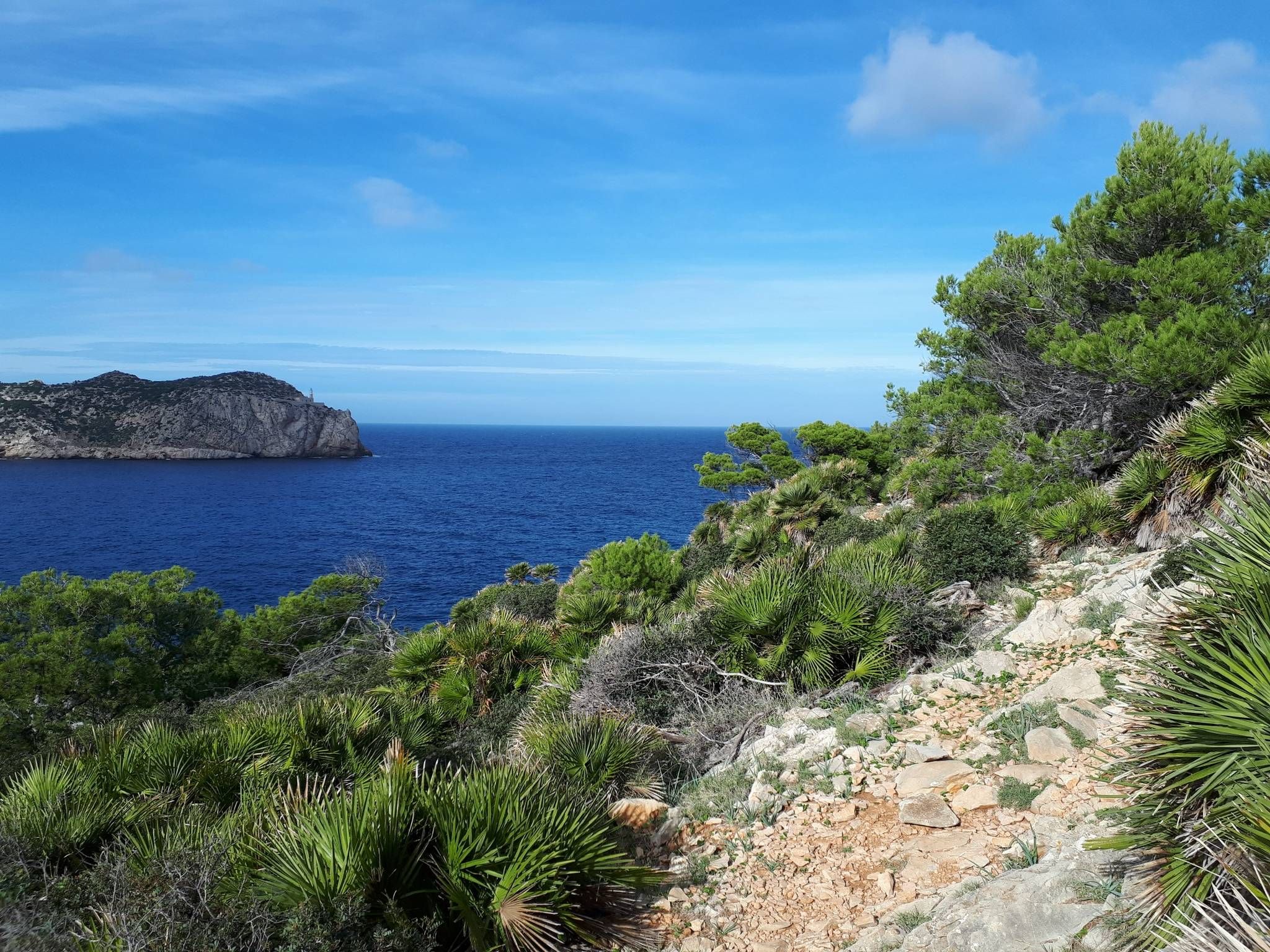
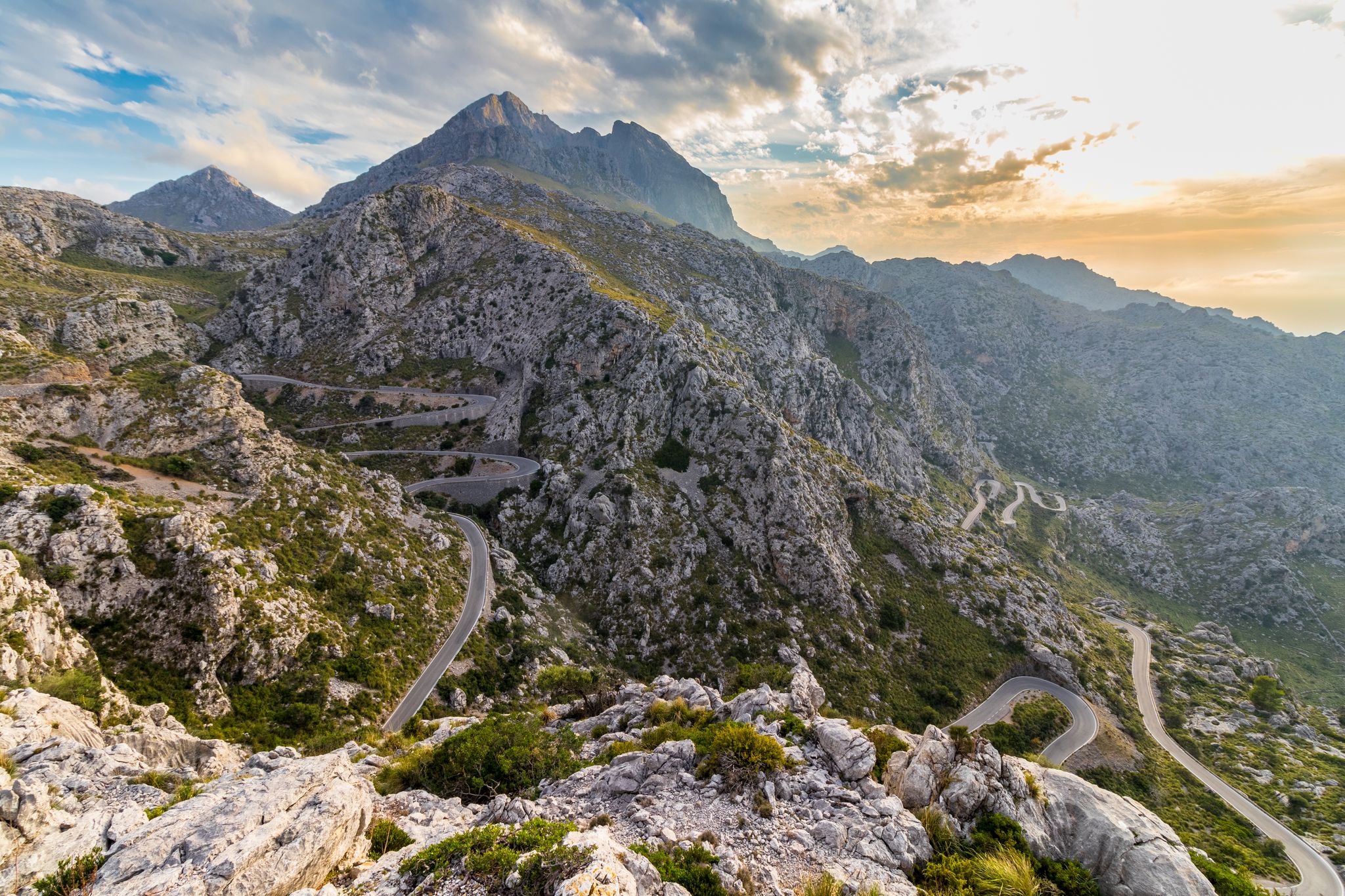
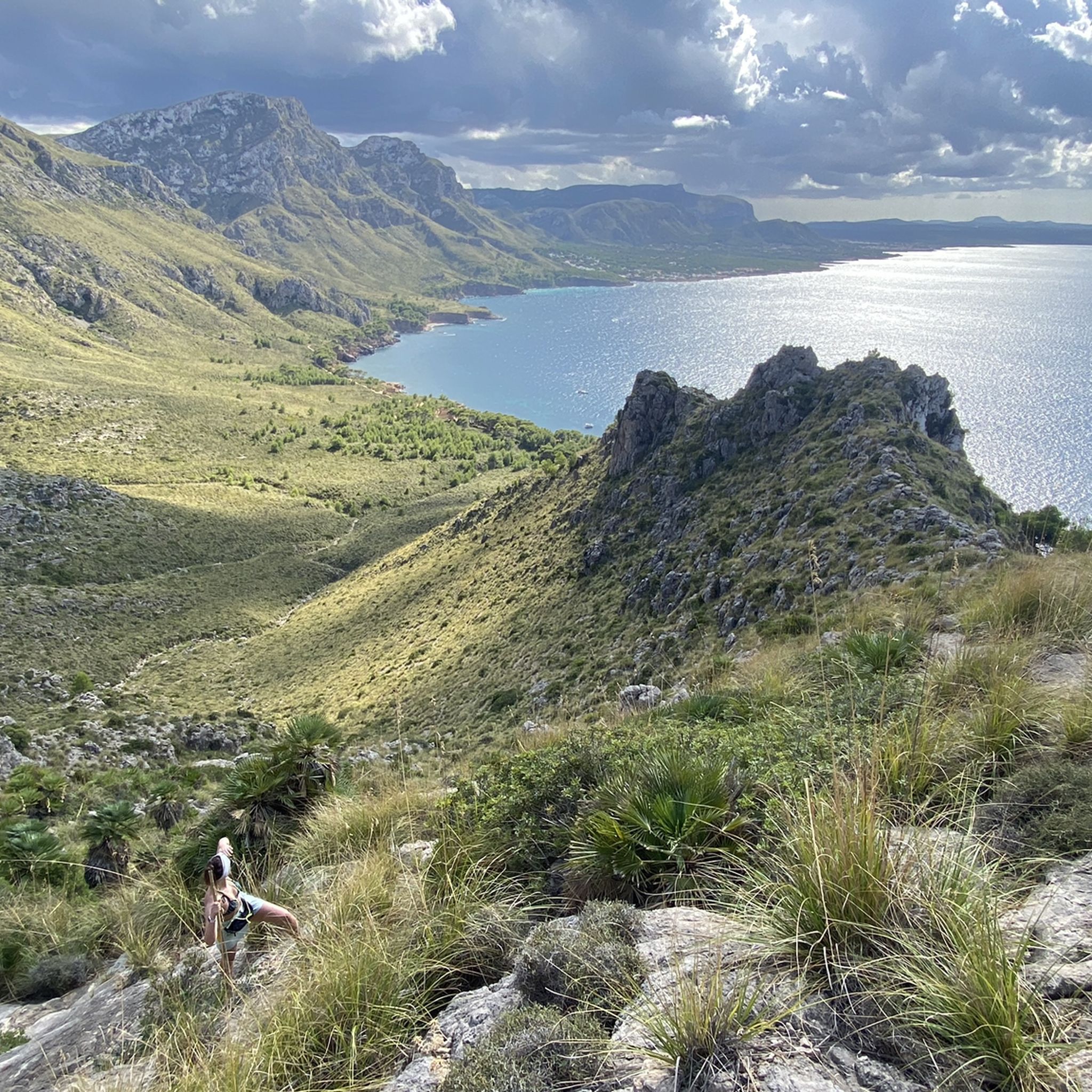



Tips from the Community

The final, path along the ridge requires vigilance (more technical trail)
0
0

At just 522 meters above sea level, you can enjoy a wonderful panoramic view.
1
0
The hike from the Ermita de Betlem to the Bec de Ferrutx is really worthwhile. The view from the summit is an absolute highlight in clear weather.
1
0

The main path from the tennis court up to the peak is fun in both directions. However, the back one through Son Galta is quite steep, overgrown and difficult to track. Towards the bottom, there’s a wall that needs to be crossed. If you walk straight on instead, you might get lost which happened to me the first time round and I had to go back up. I only managed the next day the other way around. In general, the path towards Son Servera is much more pleasant to take down/up but you will have to circle back around the mountain once you’ve reached the quarry. Great view and nature on top of the mountain though and clear path.
2
0
The Talaia Freda de Morell is a worthwhile vantage point. However, the last 50 meters or so of altitude, if you approach the ascent from the south-west side, are tough! I am very athletic and had trouble getting up there. The path itself is barely visible - the cairns help here. The main problem is the loose ground (scree), which requires absolute surefootedness and body balance to compensate for any missteps. Otherwise, it can even be fatal because you simply have nothing to hold on to! If you have hiking poles, it is better to pack them in your backpack beforehand or attach them to them. In my opinion, this small section is not for the average hiker. Everything else before or after is as described in the tour suggested by Komoot.
0
0

We did the route as averagely experienced hikers and found it really difficult. The ascent from the south was still quite fun, as we generally like climbing. The descent to the north, on the other hand, was very steep in places and so overgrown that we really had to "fight our way through". The path - more of a dirt track - was barely visible in places. We slipped a few times and our legs were badly scratched by the overgrowth. I would advise others to use the ascent as the way back. Hikers who came towards us did so. A great view awaits you at the top.
2
2

Enjoyed on the way to the Ferrutxet peaks
2
0
Frequently Asked Questions
What are some of the most popular mountain peaks to visit around Artà?
Visitors frequently enjoy Talaia de Son Jaumell — Ruins and Viewpoint, known for its historical watchtower and views of Cala Mesquida. Other popular choices include Na Penyal for its expansive vistas, and Ferrutx Peak, which offers sensational panoramic views over the Bay of Alcudia and a chance to spot wild horses.
Are there challenging mountain hikes near Artà?
Yes, several peaks offer challenging ascents. Na Penyal requires good physical condition and surefootedness due to its rocky finish. Similarly, Talaia Freda de Morell (Puig Morei), the highest point in the Massís d'Artà, involves narrow paths and can be quite demanding. For more challenging routes, explore the Mountain Hikes around Artà guide.
What kind of natural features and wildlife can I expect to see on these mountain peaks?
The mountain peaks around Artà are primarily located within the Parc Natural de la Península de Llevant, a protected area rich in biodiversity. You can expect diverse terrain including coastal cliffs, pine forests, and heathland. Wildlife sightings may include Mediterranean tortoises, hedgehogs, and various bird species like the booted eagle and peregrine falcon, especially around peaks such as Puig de sa Tudossa and Puig des Porrassar.
Are there any historical or cultural sites on the mountain peaks?
Yes, history is woven into the landscape. Talaia de Son Jaumell — Ruins and Viewpoint is a 16th-century watchtower that was part of a warning system against pirate attacks. Additionally, Puig de Sant Salvador features the historic Santuari de Sant Salvador at its summit, offering cultural interest and magnificent panoramic views.
What is the best time of year to hike the mountains around Artà?
The region is best explored outside of the peak summer months. Spring and autumn offer more moderate temperatures, making hikes more enjoyable. During summer, it can be very hot, especially on exposed paths without shade, so it's crucial to carry plenty of water and wear sun protection.
Are there family-friendly mountain walks or easy trails available?
While many peaks offer challenging routes, some sections or specific trails can be suitable for families. For instance, the direct path to Talaia de Son Jaumell from Cala Mesquida is described as doable for children, despite being steep towards the end. For easier options, consider exploring the Hiking around Artà guide, which includes routes like the 'Camí de Caló Coastal Path – Es Caló Cove loop' with an easy difficulty grade.
What kind of views can I expect from the mountain peaks in Artà?
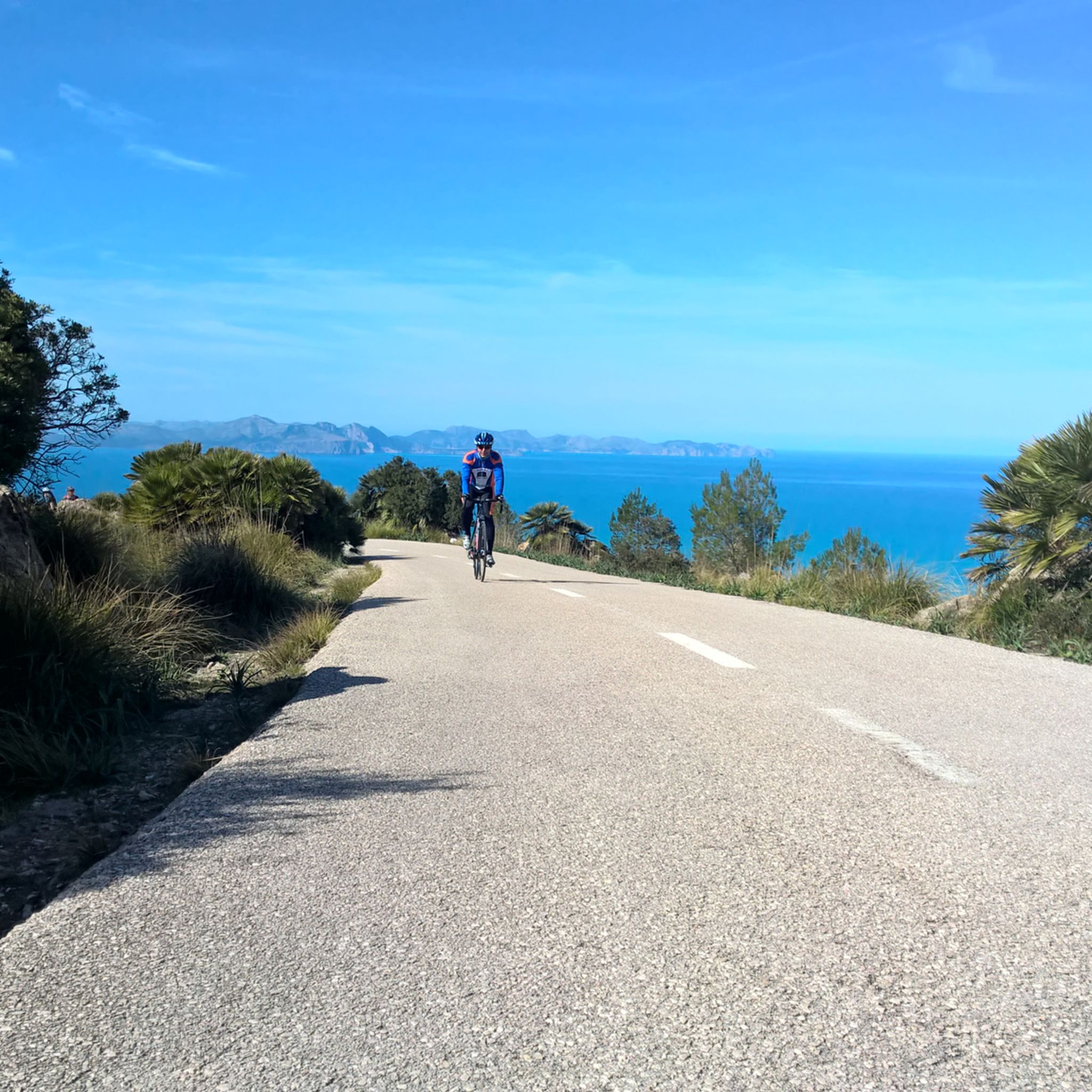
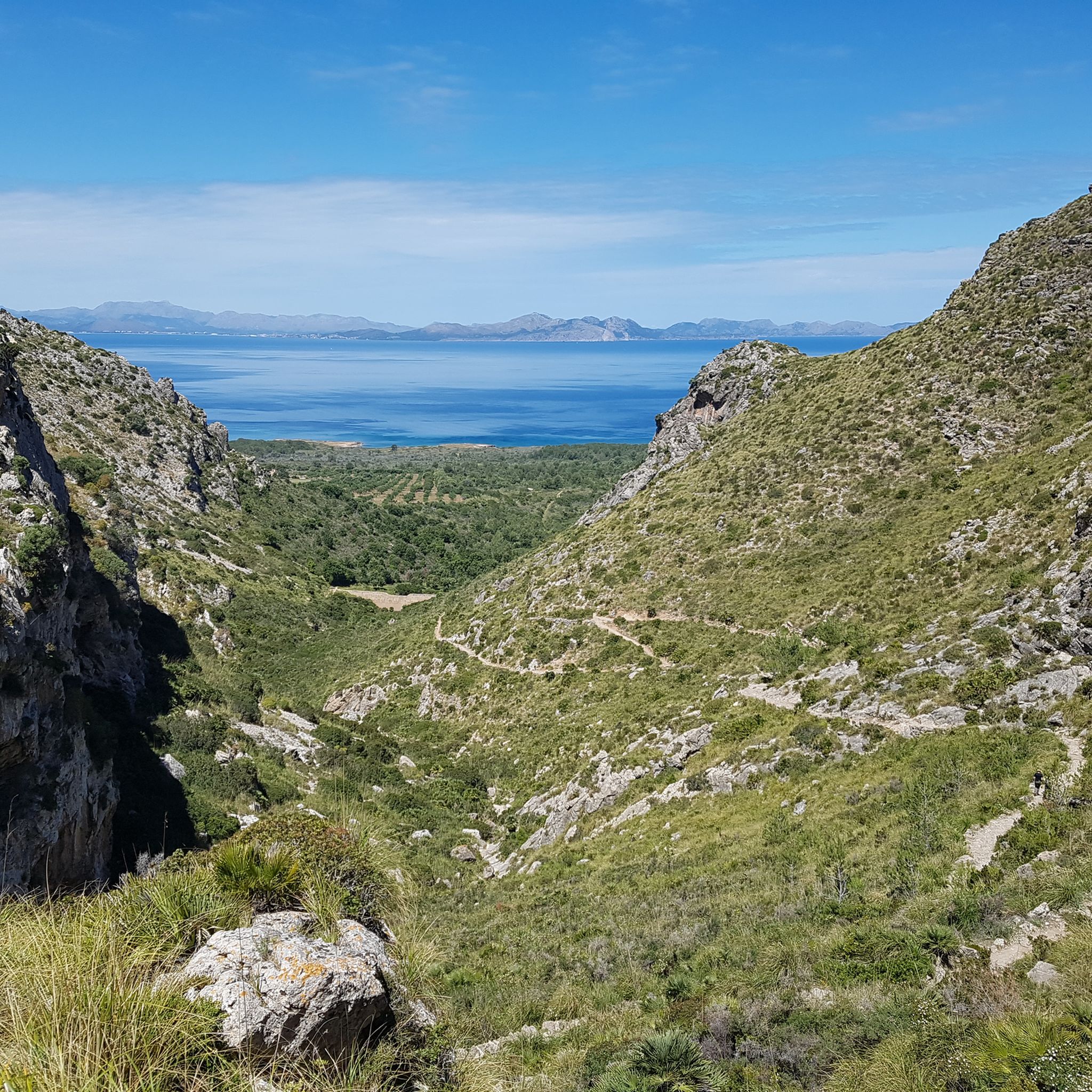
The peaks offer breathtaking panoramic views. From Puig Morei (Talaia Freda), you can often see the neighboring island of Menorca on clear days, along with expansive sea views. Ferrutx Peak provides a sensational vista over the Bay of Alcudia. Many other peaks, like Talaia Moreia, offer excellent vantage points of the surrounding hills and coastline.
What other outdoor activities can I do near these mountain peaks?
Beyond mountain hiking, the Artà region offers a variety of outdoor activities. You can find numerous hiking trails, including coastal paths and loops within the Parc Natural de la Península de Llevant. The area is also popular for cycling, with routes like the 'Old Son Carrió train station – Via Verde Manacor–Artà loop' providing scenic rides.
What makes the Parc Natural de la Península de Llevant special for hikers?
The Parc Natural de la Península de Llevant, where many of Artà's peaks are located, is special due to its extensive areas of uninhabited terrain, diverse ecosystems, and well-maintained hiking trails. It's a Special Protection Area for Birds and a Site of Community Interest, offering unspoiled natural beauty, remote beaches accessible by foot, and opportunities to observe unique flora and fauna.
Are there any specific tips for hiking in the Artà mountains?
Always carry enough water, especially during warmer months, as shade can be limited on higher elevations. Wear appropriate footwear for rocky and uneven terrain. Some paths, like those leading to Na Penyal, require surefootedness. It's also advisable to check weather conditions before heading out and consider starting early to avoid the midday sun.
Most popular routes around Artà
Most popular attractions around Artà

Get inspired with the komoot mobile app


Explore more
See even more amazing summits around Artà with these guides:
