Top 9 Caves around Cuenca
Best caves around Cuenca offer a mix of natural wonders and historical insights within a diverse landscape. The region, particularly the Natural Park of the Serranía de Cuenca, features significant geological formations and underground features. These sites provide opportunities to explore ancient shelters, karstic systems, and unique rock formations. Cuenca's caves are appreciated for their natural beauty and geological significance.
Best caves around Cuenca
- The most popular caves is Source of the Cuervo River, a natural monument that features…
Last updated: July 4, 2026
Source of the Cuervo River
Highlight • Natural Monument
Translated by Google •
Tip by

Ventano del Diablo
Highlight • Viewpoint
Translated by Google •
Tip by
Sign up now to discover places like this
Get recommendations on the best single tracks, peaks, & plenty of other exciting outdoor places.
Sign up for free
San Julián Hermitage "The Calm"
Highlight • Religious Site
Translated by Google •
Tip by
The Cathedrals of Uña
Highlight • Natural Monument
Translated by Google •
Tip by

Armentero Cave and Beteta Viewpoint
Highlight • Cave
Translated by Google •
Tip by
Sign up for free to discover even more caves around Cuenca.
Sign up for free
Already have an account?
Start today with a free account
Your next adventure awaits.
Login or Signup
Popular around Cuenca
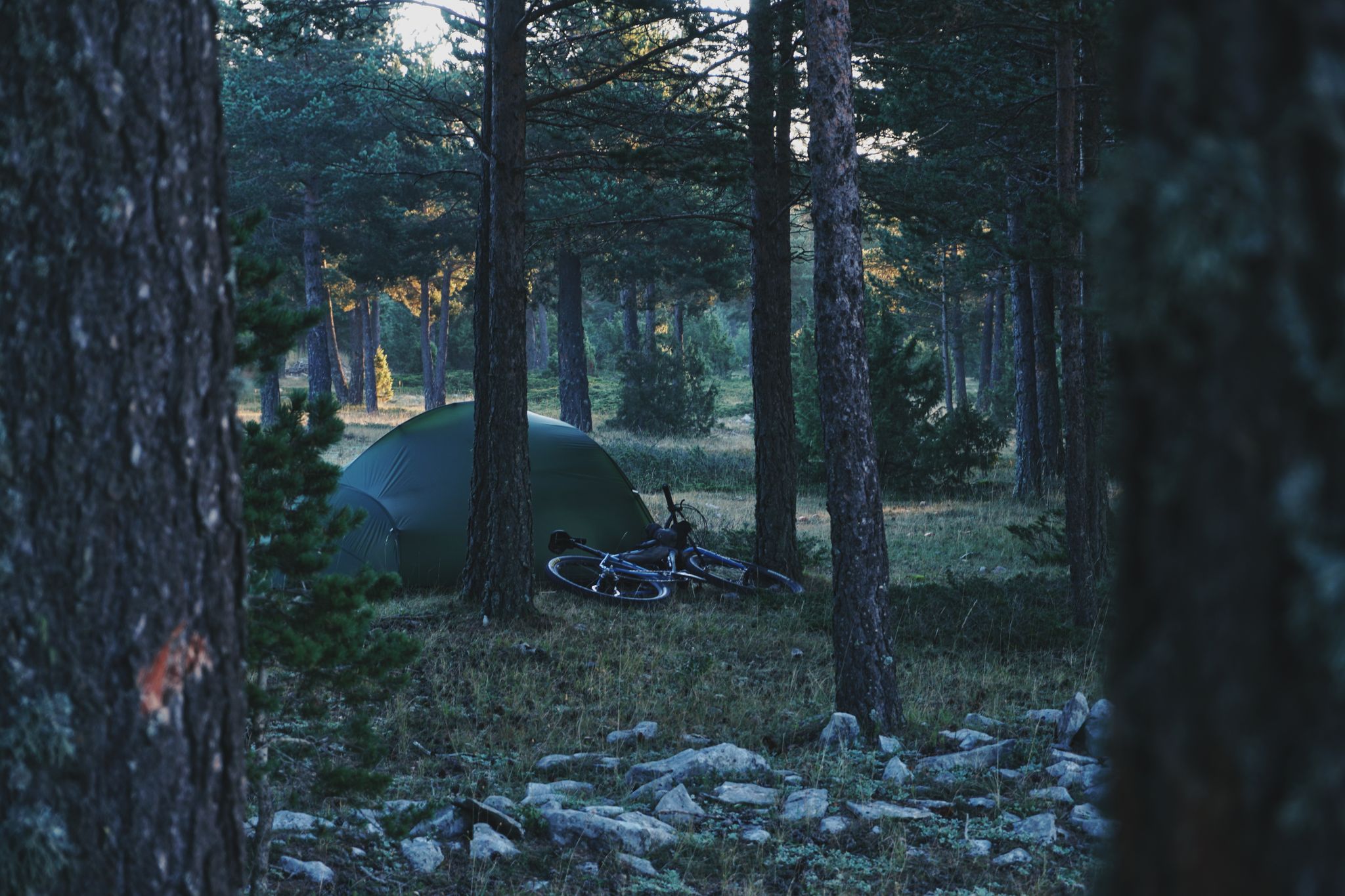
MontañasVacías official — bikepacking across the Spanish Lapland
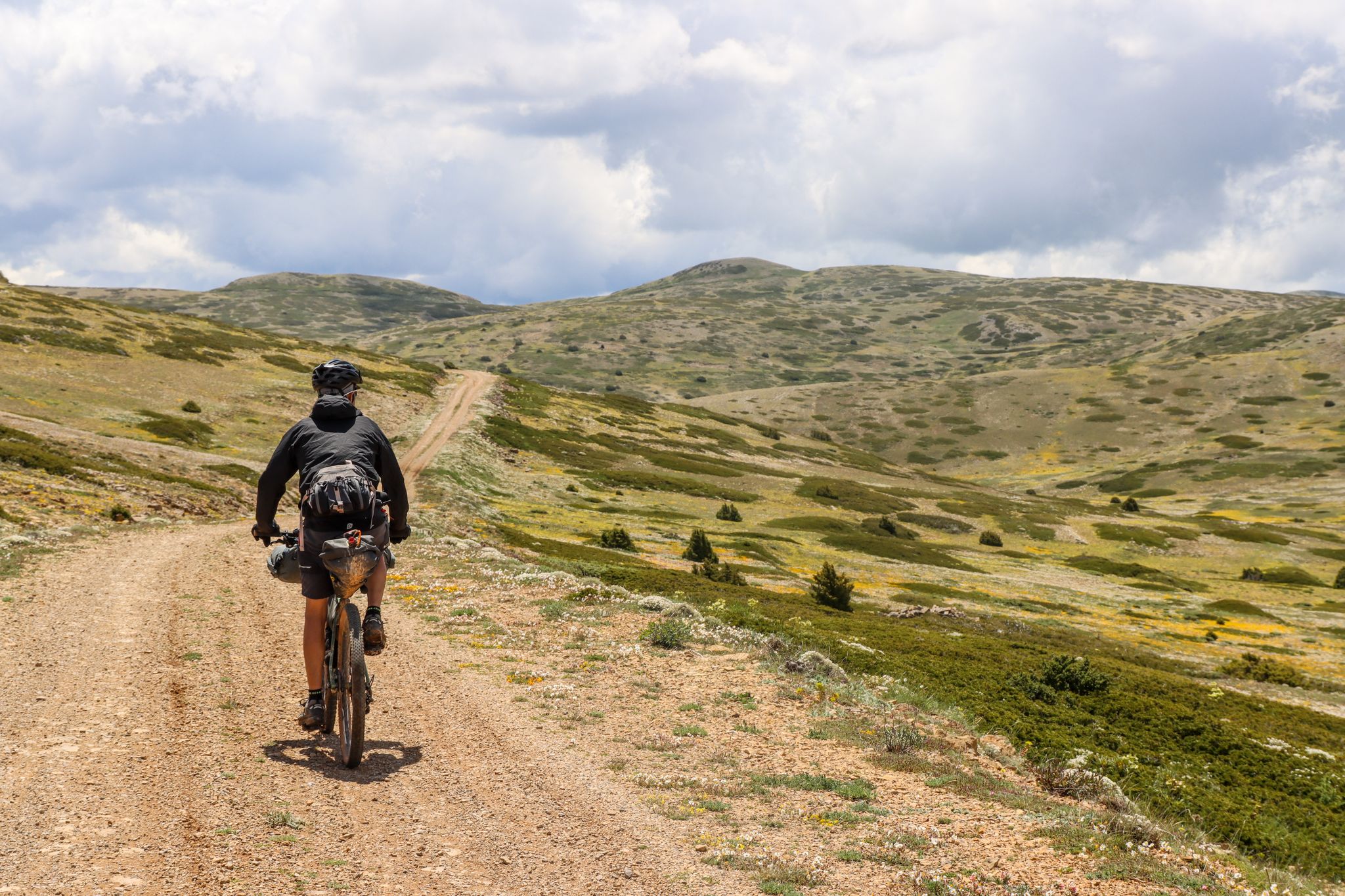
Montañas Vacías — bikepacking the wild and remote 'Empty Mountains'
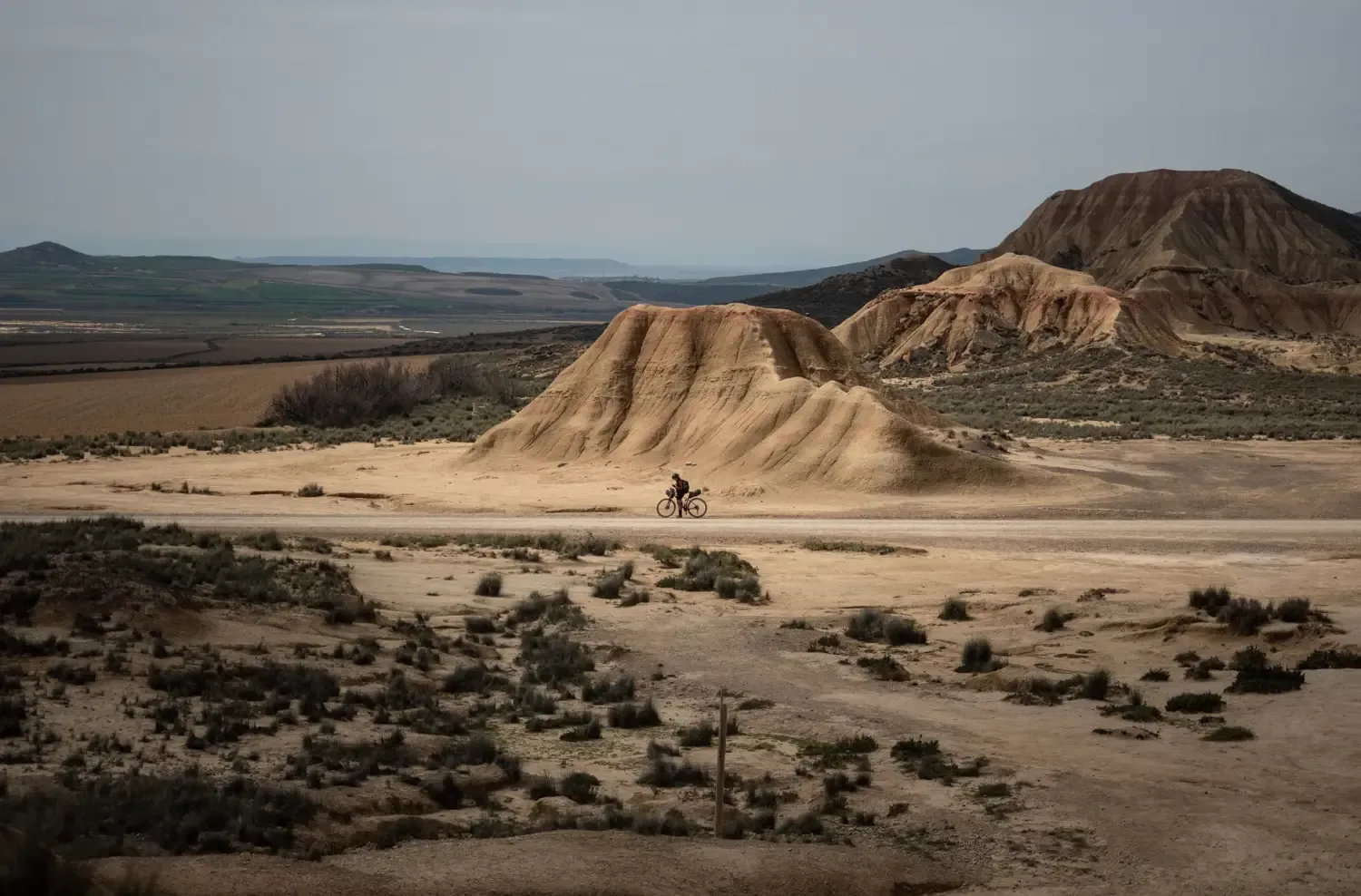
9 mountain biking routes in undiscovered Spain
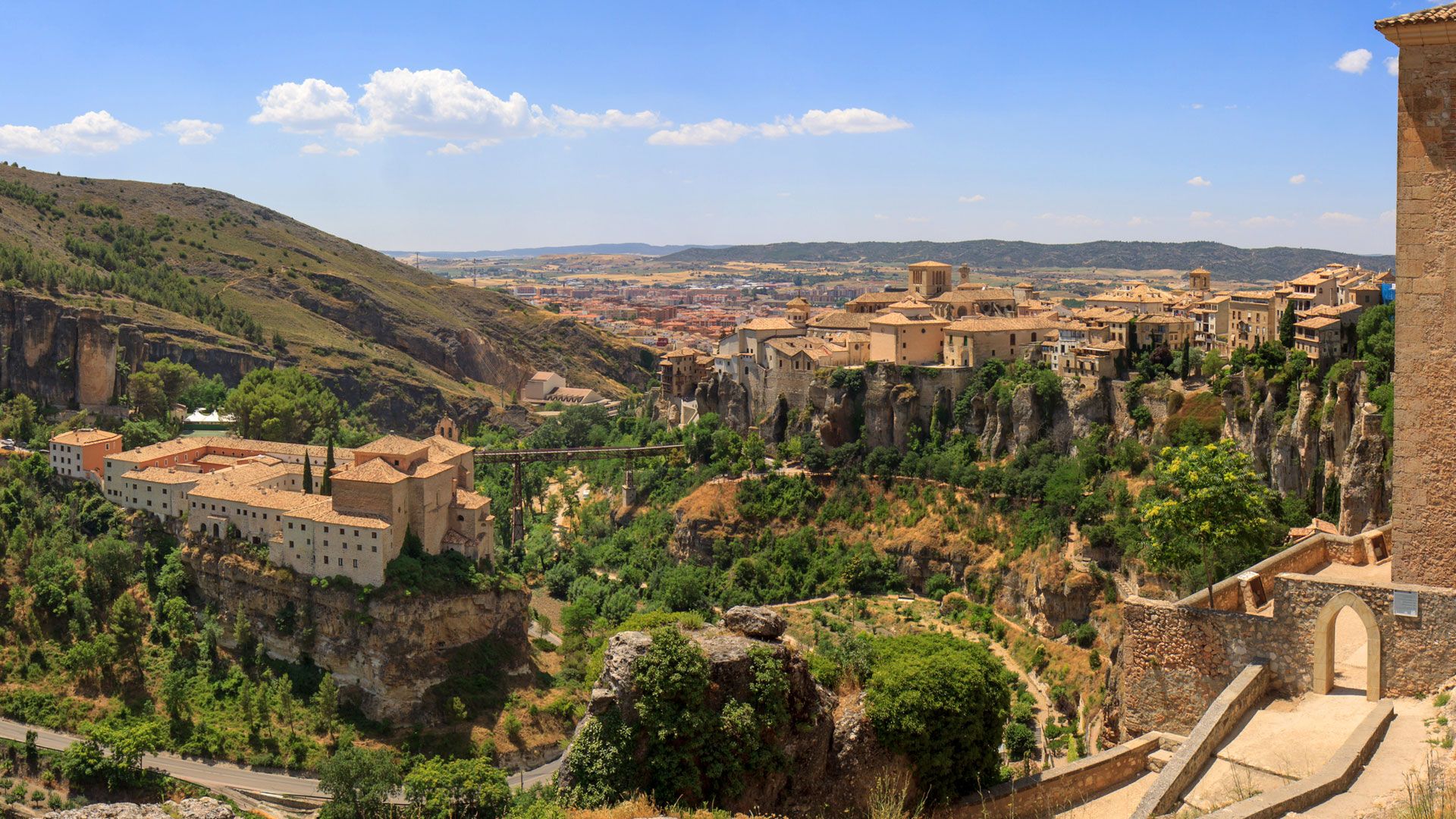
Levante to Castile – Ruta de la Lana Gravel Route
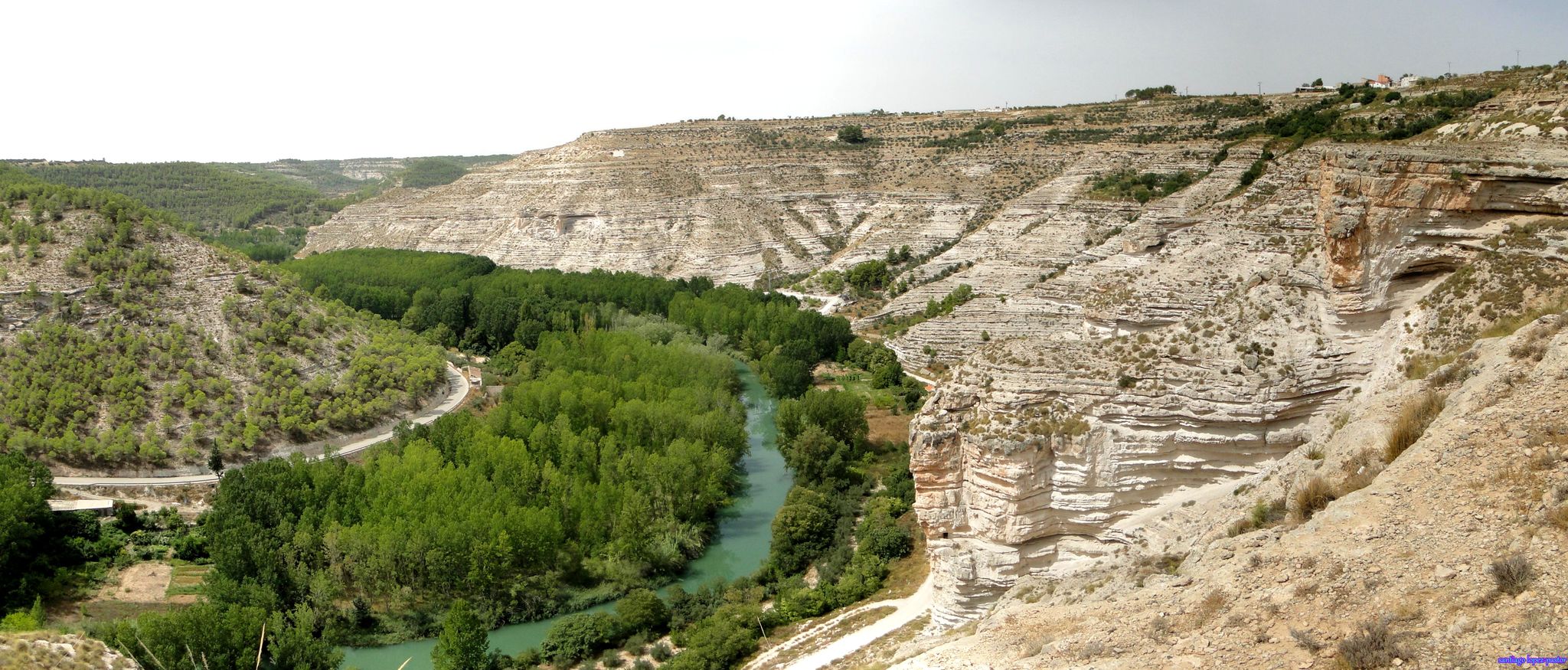
Explore Spain’s Júcar River by bike
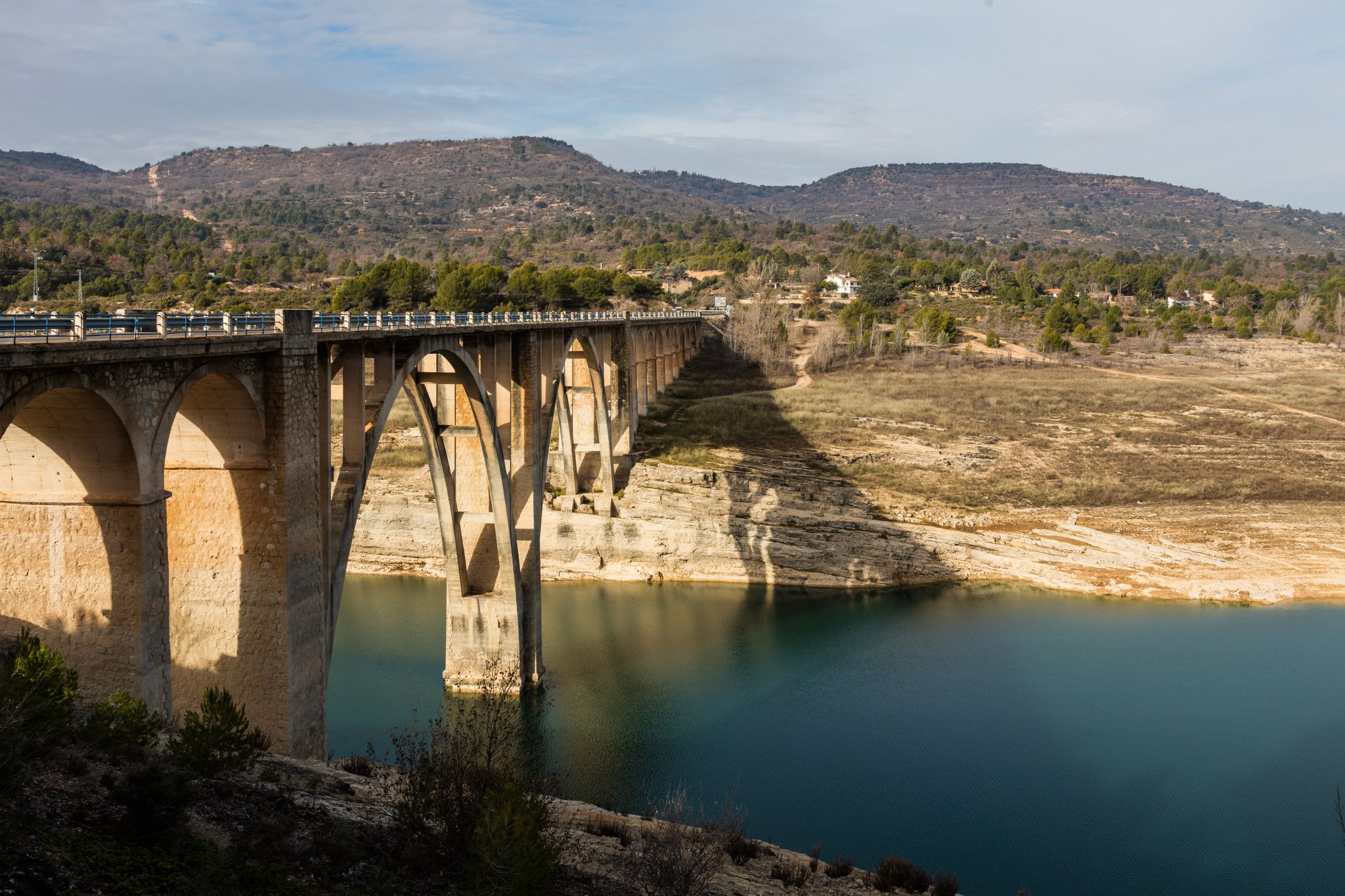
A journey on the Iberian Peninsula – Tagus Nature Trail
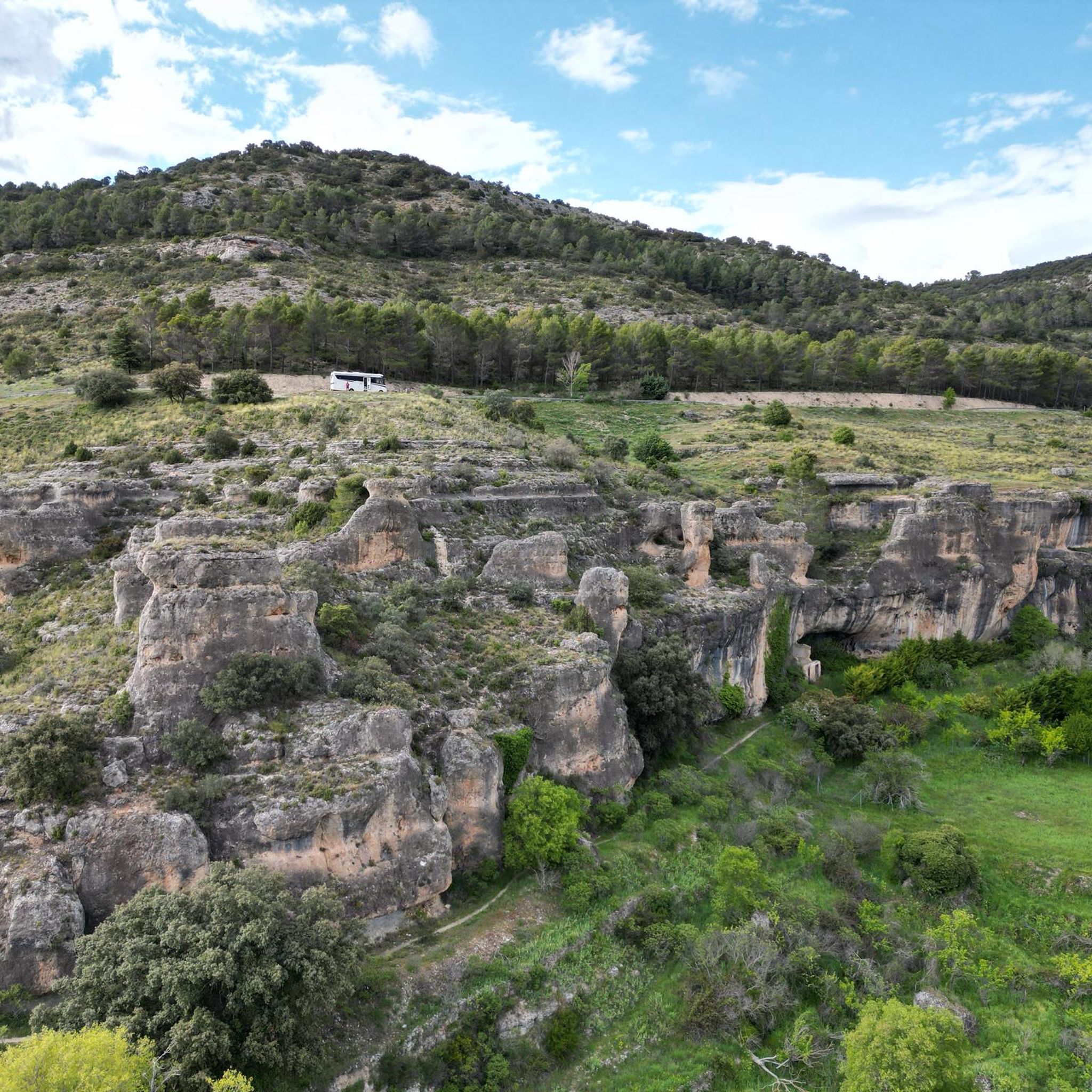
MTB Trails around Cuenca

Gravel biking around Cuenca
Other adventures around Cuenca


Tips from the Community

Super beautiful spot and very quiet early June, the vultures complete the picture, enjoy this viewpoint with a 100-meter walking path.
1
0

Spectacular viewpoint overlooking the Júcar River.
1
0
One of the most emblematic landmarks of the Júcar gorge trail.
1
0

Not many people know it because it is unsignaled.
0
1
After passing the Arroyo de la Madera, after turning several curves along the GR 66 track, at the beginning of a curve to the left you have a path that goes off to the right without any signposting, that is the beginning of the ascent.
0
1

The source of the Cuervo River is a dreamlike location in the Serranía de Cuenca, Spain. This Natural Monument houses a main waterfall with a height of over 20 meters, leaving those who behold it breathless. Here, the Cuervo River emerges from a travertine spring, flowing over moss-covered limestone rock, forming beautiful waterfalls called chorreras.
19
0

The Cave and Hermitage of San Julián is a secluded place conducive to meditation.
0
1
Mirador del Ventano del Diablo is a stunning natural balcony located just outside the town of Villalba de la Sierra, in the province of Cuenca. This viewpoint, carved into the rock, offers spectacular views of the canyon of the Júcar River, whose crystal-clear waters flow towards the city of Cuenca. The name “Ventano del Diablo” comes from an ancient legend that says that the devil attracted visitors to this place, where they stumbled and fell due to the beauty of the landscape. From the viewpoint, you can observe the elegant flights of the griffon vultures and enjoy the lush vegetation surrounding the river. It is a popular destination for nature and photography lovers, and is only 25 kilometers from Cuenca, making it an ideal stop if you are exploring the region.😎🚶♀️🚵🚴
13
0
Frequently Asked Questions
What natural features and landmarks can I expect to see around Cuenca's caves?
The region around Cuenca's caves is rich in natural beauty. You can find impressive geological formations like the karstic systems at Source of the Cuervo River, where water flows over moss-covered limestone. The Ventano del Diablo offers spectacular views of the Júcar River canyon and is a great spot to observe griffon vultures. Other notable features include the unique anticlines visible from the Armentero Cave and Beteta Viewpoint, and the striking rock formations known as The Cathedrals of Uña.
Are there family-friendly caves or tours available in Cuenca?
Yes, several locations are suitable for families. The Source of the Cuervo River and Ventano del Diablo are both categorized as family-friendly and offer accessible natural experiences. For guided caving, companies like Júcar Aventura offer experiences suitable for all levels, even without prior experience, ensuring safety and providing necessary equipment.
What is the best time of year to visit the caves in Cuenca?
The Natural Park of the Serranía de Cuenca, where many caves are located, is beautiful year-round. Spring and autumn offer pleasant temperatures for exploration and hiking. Some caves, like Cueva del Agua, are unique for their naturally warm water even in winter, making them an interesting option during colder months. Always check specific cave accessibility, especially during winter, as conditions can vary.
Do I need a permit or special access to visit caves in Cuenca?
For some protected caves, like Cueva de los Morciguillos (also known as Cueva de los Murciélagos), which is a micro-reserve for bats, access might be restricted or require special permits due to its ecological importance. For guided speleology tours, permits are typically handled by the tour operators. For more accessible natural monuments like the Source of the Cuervo River or Ventano del Diablo, general public access is usually permitted without special permits.
Are there hiking trails near the caves in Cuenca?
Yes, the region around Cuenca offers numerous hiking opportunities. Many caves are situated within or near the Natural Park of the Serranía de Cuenca, providing access to scenic trails. For example, the San Julián Hermitage "The Calm" is a landmark along the Júcar gorge trail. You can find various hiking routes around Cuenca, including those with moderate to difficult ratings. For more options, explore MTB Trails around Cuenca or Gravel biking around Cuenca, which often share paths with hiking trails.
What unique geological features can be found in Cuenca's caves?
Cuenca's caves showcase a variety of fascinating geological formations. You can observe karst formations sculpted by water over millennia, as seen in Cueva de la Ramera. Other caves feature tubular stalactites, flowstones, and lapies (karstic rock formations). The Source of the Cuervo River is notable for its travertine springs and waterfalls. The region's geological diversity also includes ruiniform reliefs and significant anticlines, such as those visible from the Armentero Cave and Beteta Viewpoint.
Can I take a guided tour to explore the caves in Cuenca?
Yes, guided caving experiences are available in Cuenca. Companies like Júcar Aventura offer tours suitable for various skill levels, even for beginners without prior experience. These tours typically provide necessary equipment and ensure safety, allowing you to explore the subterranean wonders of the region, such as Cueva de la Ramera, with expert guidance.
Are there options for beginner caving experiences in Cuenca?
Absolutely. Several local adventure companies cater to beginners, offering guided caving experiences that do not require prior expertise. These tours often provide all the necessary equipment and instruction, making it a safe and enjoyable way to discover the caves of Cuenca, such as Cueva de la Ramera, for the first time.
What should I wear when exploring caves in Cuenca?
When exploring caves, it's advisable to wear comfortable clothing that you don't mind getting dirty, as caves can be damp and muddy. Sturdy, closed-toe shoes with good grip are essential. For guided tours, specific equipment like helmets and headlamps are usually provided. Even for more accessible sites, bringing a flashlight is recommended, especially for larger caves like Bache Cave, which can be quite dark.
Are there any lesser-known or 'hidden gem' caves to explore in Cuenca?
While some caves are well-known, the region has many less-traveled spots. For instance, The Cathedrals of Uña are described as not widely known due to a lack of signage, offering a more secluded experience. Cueva del Estrecho, with its unique formations and archaeological findings, might also be considered a hidden gem for those interested in geology and history. Exploring with local guides can often reveal such unique locations.
What outdoor activities can I do near these caves?
Beyond cave exploration, the Cuenca region offers a wide range of outdoor activities. The Natural Park of the Serranía de Cuenca is ideal for hiking, with trails varying in difficulty. You can also find opportunities for mountain biking and gravel biking. For specific routes and guides, check out MTB Trails around Cuenca and Gravel biking around Cuenca. The Júcar River also provides opportunities for activities like canyoning or river walks.
Most popular attractions around Cuenca

Get inspired with the komoot mobile app


Explore more
Extend your search for the best caves by checking out these guides of the top ones around Cuenca:
