Top 4 Caves around Los Realejos
Best caves around Los Realejos include a variety of geological formations and historical sites. Los Realejos, located on Tenerife, features a landscape shaped by volcanic activity, offering insights into the island's natural history. The region is known for its volcanic tubes and archaeological cave sites. These natural features provide opportunities to explore the geological and cultural heritage of the area.
Best caves around Los Realejos
- The most popular caves is Cueva del Viento, a volcanic cave that is one…
Last updated: August 28, 2026
Cueva del Viento
Highlight • Cave
Fantastic
A great guide
Translated by Google •
Tip by

Cueva del Hielo (Ice Cave)
Highlight • Cave
Translated by Google •
Tip by

Sign up now to discover places like this
Get recommendations on the best single tracks, peaks, & plenty of other exciting outdoor places.
Sign up for free
Guanche Burial Cave in Drago Park
Highlight • Cave
Translated by Google •
Tip by

Valley Gallery
Highlight • Cave
Translated by Google •
Tip by

Vid Cave
Highlight • Cave
Showing Translation
Tip by
Start today with a free account
Your next adventure awaits.
Login or Signup
Popular around Los Realejos
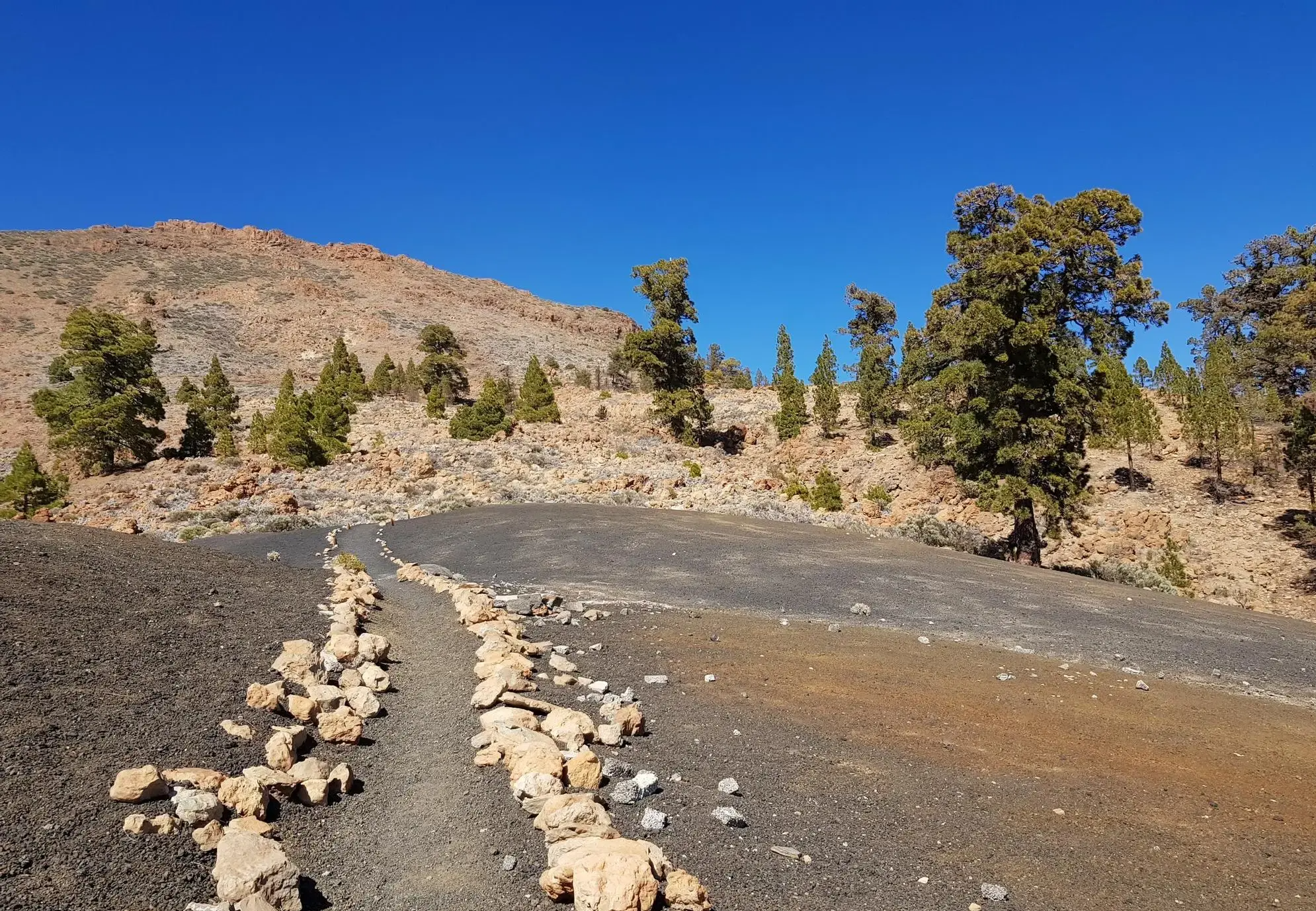
From the coast to the Teide - Tenerife Bluetrail by UTMB
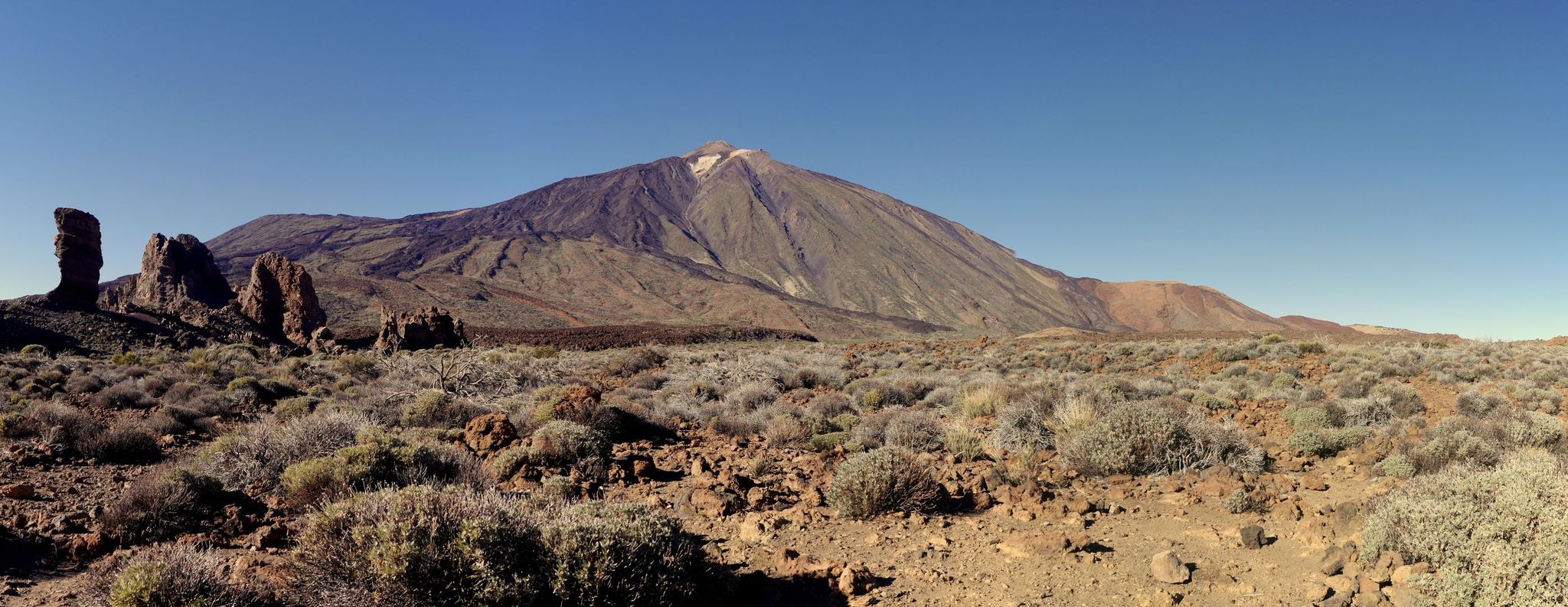
The giant of Tenerife — around Teide by road bike
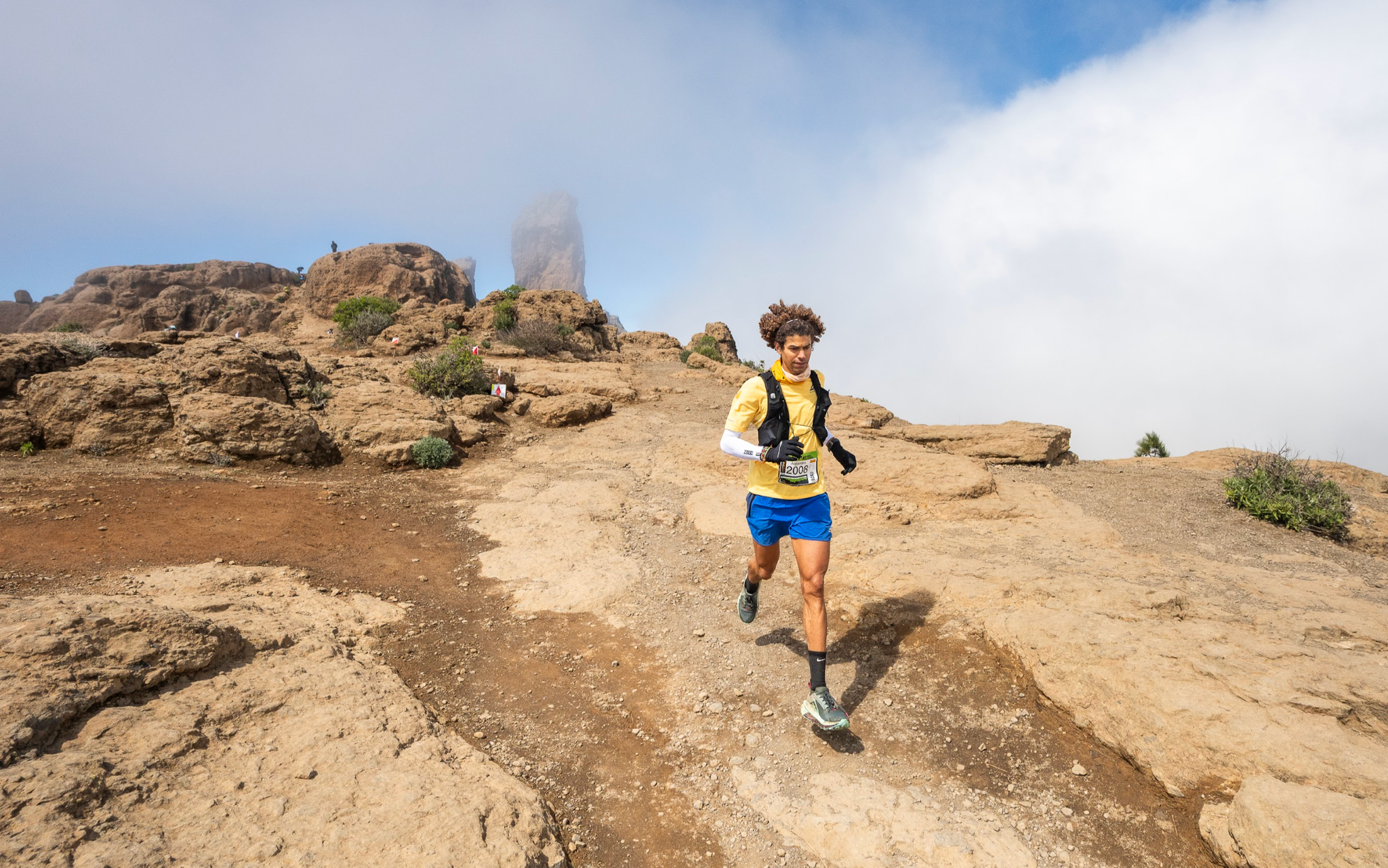
Trail on the Canary Islands – discover the legendary races!
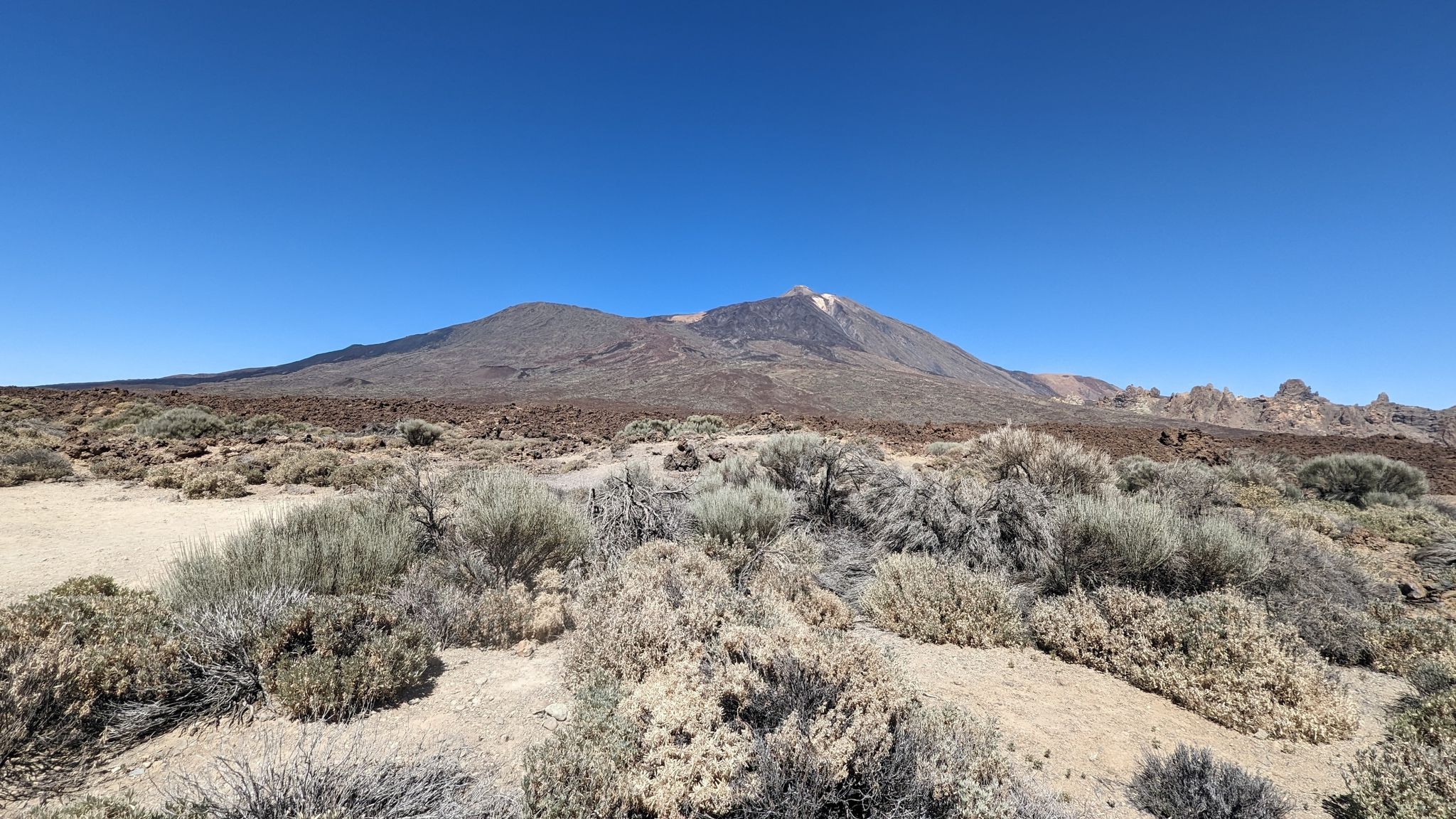
The green heart of Tenerife – Natural Path of Anaga-Chasna

Trail running in Tenerife – dreamy routes between sea and mountain
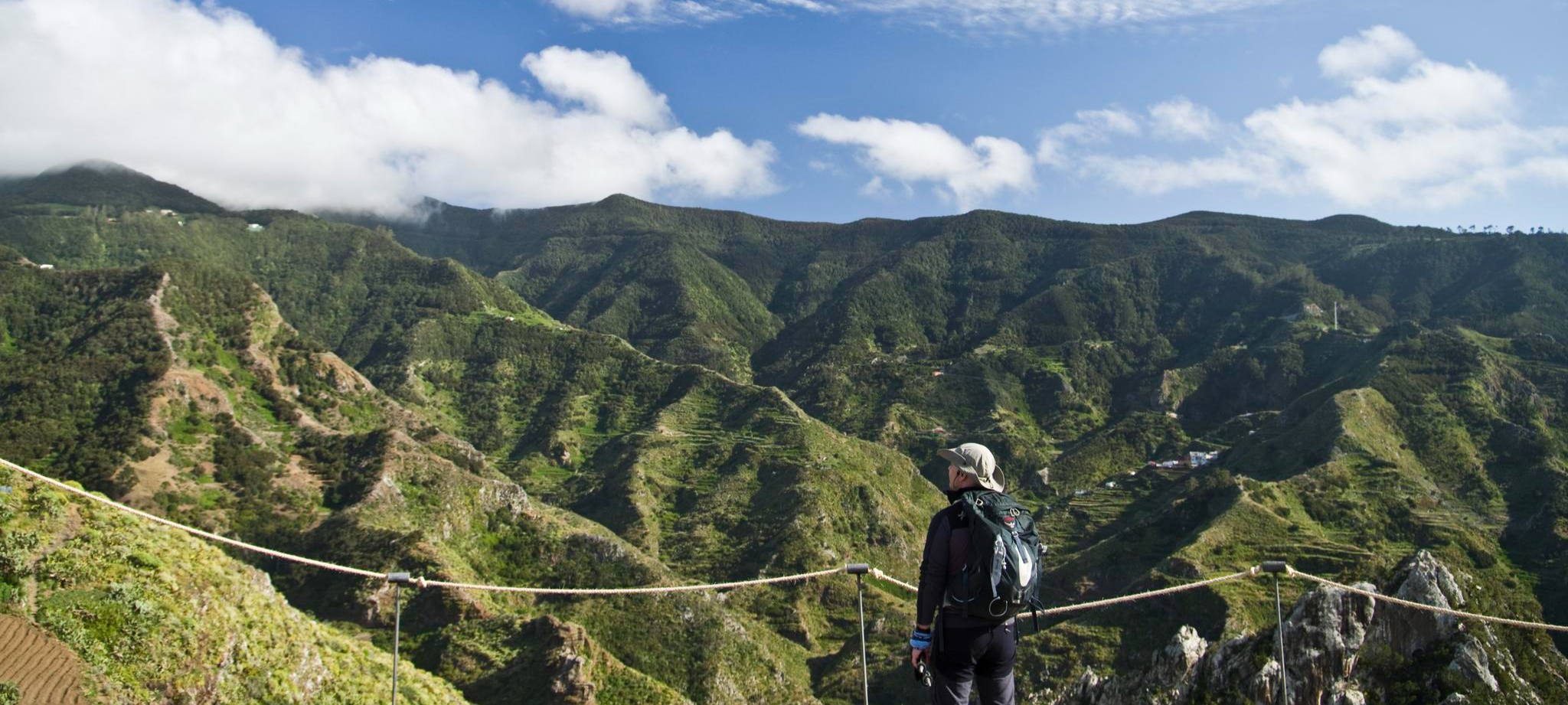
Tenerife's interior – discover fascinating hiking routes
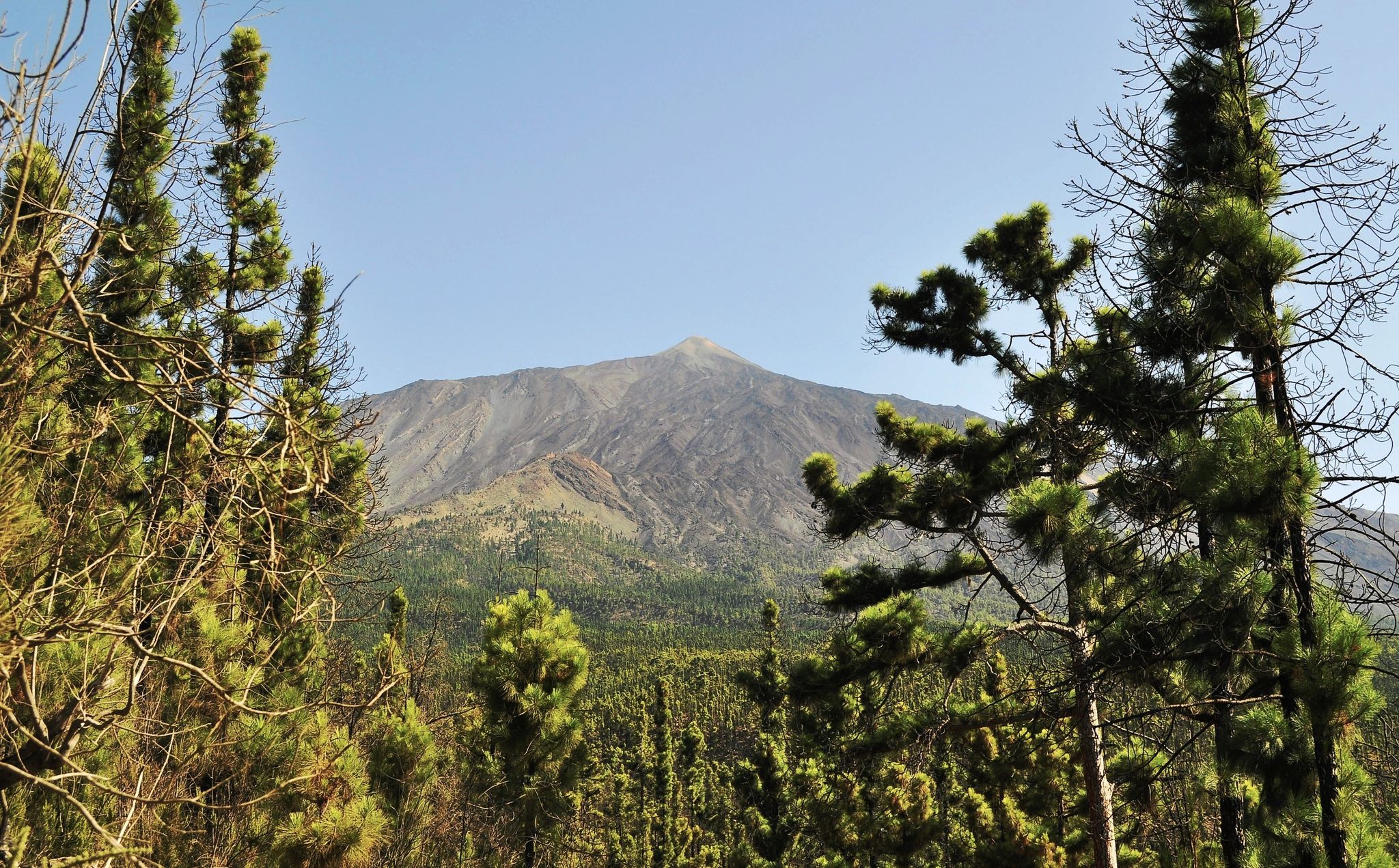
An island pilgrimage – Camino de Santiago de Tenerife
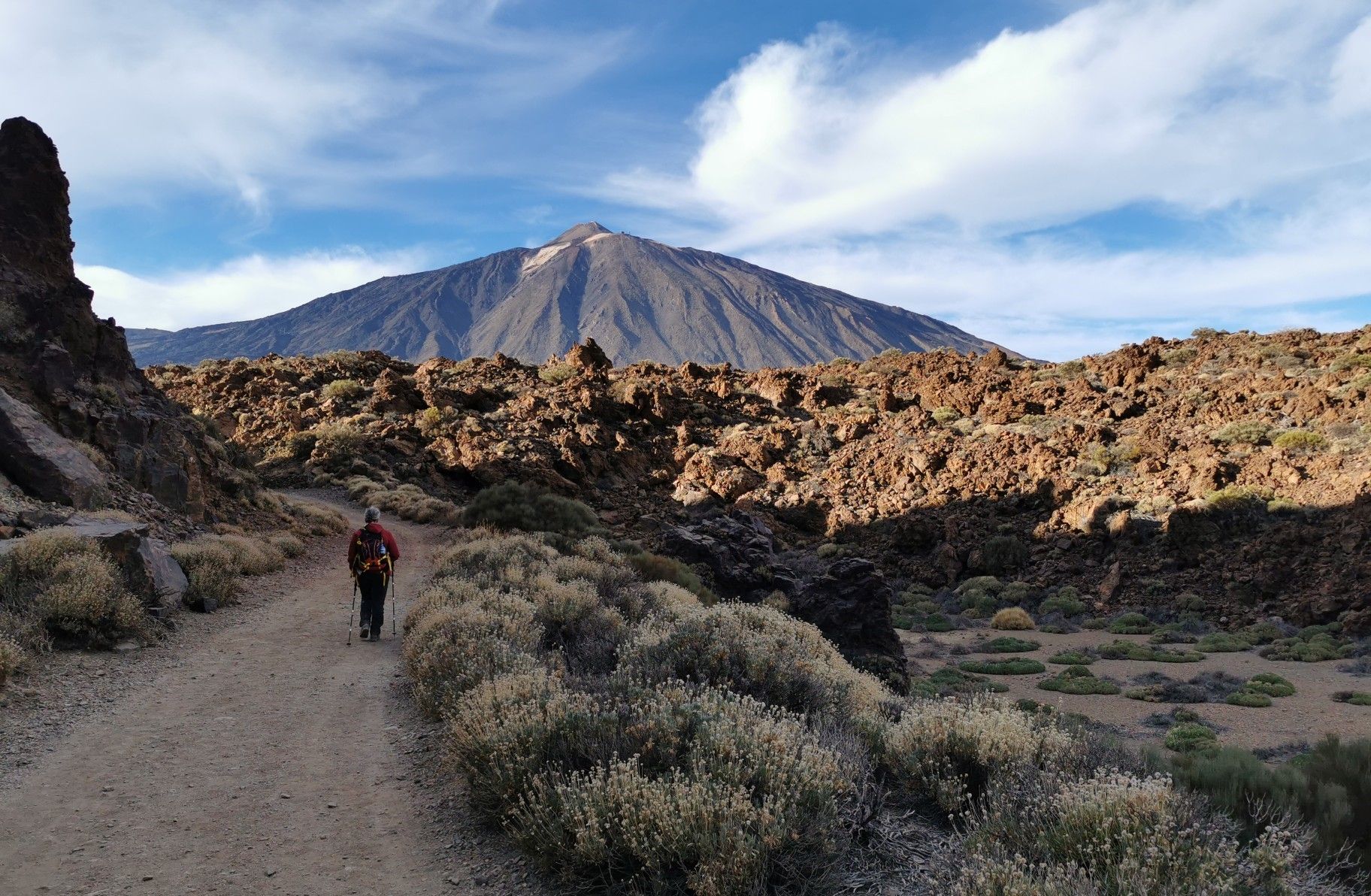
Tenerife from north to south – Camino Natural de Anaga-Chasna
Hiking around Los Realejos
Running Trails around Los Realejos
Other adventures around Los Realejos


Tips from the Community

A small cave with historical design.
0
0

Three small caves that mark the beginning of a hidden old trail to shorten the way to the national park or the Lomo Negro slopes
0
0

A small lava cave, slightly lit. Nothing special.
0
0

Old volcanic cave, where snow was collected so that it was transformed into ice and from there, lowered to La Orotava. Currently closed to the public.
0
0
A fantastic place at the foot of Cho Marcial peak
0
0

The fifth largest volcanic tube in the world and the largest in Europe. Guided tour only: https://cuevadelviento.net/en/ruta-en-aleman-viaje-al-interior-de-la-tierra/ The Cueva del Viento volcanic tube is located in the eponymous district of Icod de los Vinos. It was formed 27,000 years ago from basalt lava from the first eruption phase of the Pico Viejo volcano, next to Mount Teide. The Spanish name of the volcano tube comes from the remarkable air currents inside. With its considerable length (18 kilometers have been recorded topographically so far), the Cueva del Viento is in fifth place in the world, right after the first four longest tubes, all of which are located on the largest Hawaiian island (USA). The volcano tube consists of a huge, network-like labyrinth of underground passages. Numerous branches remain unexplored and indicate a considerable expansion of the cave complex.
0
0

As always, I recommend my video about the tour: https://youtu.be/oRQZzar7hYo
1
1
Frequently Asked Questions
What types of caves can I explore near Los Realejos?
The region around Los Realejos offers a mix of natural volcanic caves and historical archaeological sites. The most prominent natural cave is Cueva del Viento, a vast volcanic tube. You can also find sites like the Guanche Burial Cave in Drago Park, which holds historical significance.
What makes Cueva del Viento a unique experience?
Cueva del Viento, or Wind Cave, is one of the largest volcanic tubes in the world and the largest in Europe. Formed 27,000 years ago from basalt lava, it features a labyrinthine network of passages with unique geological formations like lava stalactites and lava lakes. Its name comes from the remarkable air currents found inside, offering a deep dive into the Earth's volcanic history.
Are there any historical or archaeological cave sites in Los Realejos?
Yes, Los Realejos is rich in historical cave sites. The Guanche Burial Cave in Drago Park is a notable example, offering insights into the indigenous Guanche people. Other significant archaeological sites include El Guindaste Burial Cave and the Gordejuela Cave Settlement and Burial Ground, where human remains and domestic utensils have been discovered, highlighting past settlements.
Do I need a reservation to visit the caves?
For Cueva del Viento, guided tours are mandatory, and it is highly recommended to make a prior reservation due to limited group sizes and popularity. Other historical sites may have different access requirements, so it's best to check in advance.
What should I wear when visiting caves in the region?
For exploring natural volcanic caves like Cueva del Viento, it is recommended to wear long trousers and suitable closed-toe footwear for safety and comfort during the tour. The temperature inside caves can be cooler than outside, so a light jacket might also be advisable.
Are there any caves near Los Realejos that are currently closed to the public?
Yes, the Cueva del Hielo (Ice Cave), an old volcanic cave where snow was historically collected, is currently cordoned off and closed to the public. The Valley Gallery is also noted as being in an inactive state with unknown dangers.
How long does a typical cave tour last?
A guided tour of Cueva del Viento typically lasts around two hours, providing ample time to explore its various chambers and learn about its geology and ecology.
Are there family-friendly options for visiting caves near Los Realejos?
While Cueva del Viento offers an educational experience, children under five years old are not permitted on its tours. The Guanche Burial Cave in Drago Park might be a more accessible option for families with younger children, though it is a smaller site.
What other outdoor activities can I combine with a cave visit near Los Realejos?
Los Realejos is an excellent base for various outdoor activities. You can find numerous cycling routes, including challenging rides through Teide National Park, or more moderate loops like the Butterfly House loop from Icod El Alto. For mountain enthusiasts, there are mountain hikes such as the Huevos del Teide loop from Montaña Blanca.
Are there hiking trails near the caves around Los Realejos?
Yes, the area offers a variety of hiking trails. You can explore mountain hikes like the La Caldera Natural Park loop or the Piedras Amarillas Rock Formations loop, which provide stunning views and diverse terrain near the volcanic landscapes where many caves are found.
When is the best time of year to visit the caves near Los Realejos?
Tenerife enjoys a mild climate year-round, making cave visits possible in any season. However, the cooler temperatures inside the caves can be a welcome escape during the warmer summer months. Always check specific cave opening hours and tour availability, as these can vary seasonally.
Most popular routes around Los Realejos
Most popular attractions around Los Realejos

Get inspired with the komoot mobile app


Explore more
Extend your search for the best caves by checking out these guides of the top ones around Los Realejos:
