Top 4 Caves around Sant Fruitós De Bages
Best caves around Sant Fruitós De Bages are primarily natural rock shelters and geological formations located within the Bages region of Catalonia. This area is characterized by its natural landscapes, including the Llobregat river valley. The region features several natural shelters sculpted by erosion, some with archaeological significance. These sites offer insights into the local geology and history.
Best caves around Sant Fruitós De Bages
- The most popular caves is Pujol de la Mata, a summit with a cave…
Last updated: July 4, 2026
Balma dels Gobians
Highlight • Cave
Translated by Google •
Tip by

Pujol de la Mata
Highlight • Summit
Translated by Google •
Tip by

Sign up now to discover places like this
Get recommendations on the best single tracks, peaks, & plenty of other exciting outdoor places.
Sign up for free
Turó de Puig-andreu (753 m)
Highlight • Summit
Translated by Google •
Tip by

Cave on the Fontfreda Path
Highlight • Cave
Translated by Google •
Tip by
Bauma of the Torrent de les Fonts
Highlight (Segment) • Cave
Tip by

Start today with a free account
Your next adventure awaits.
Login or Signup
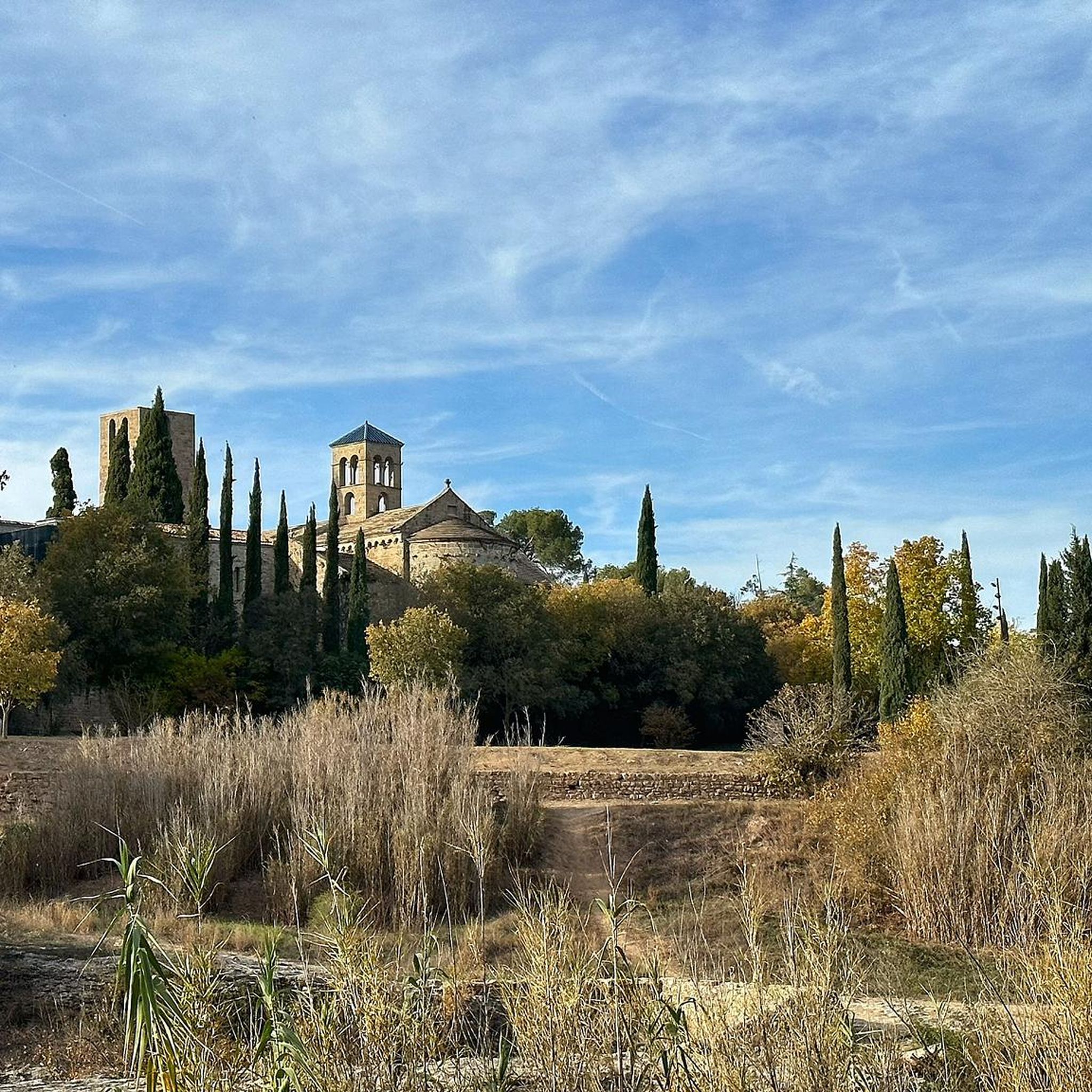
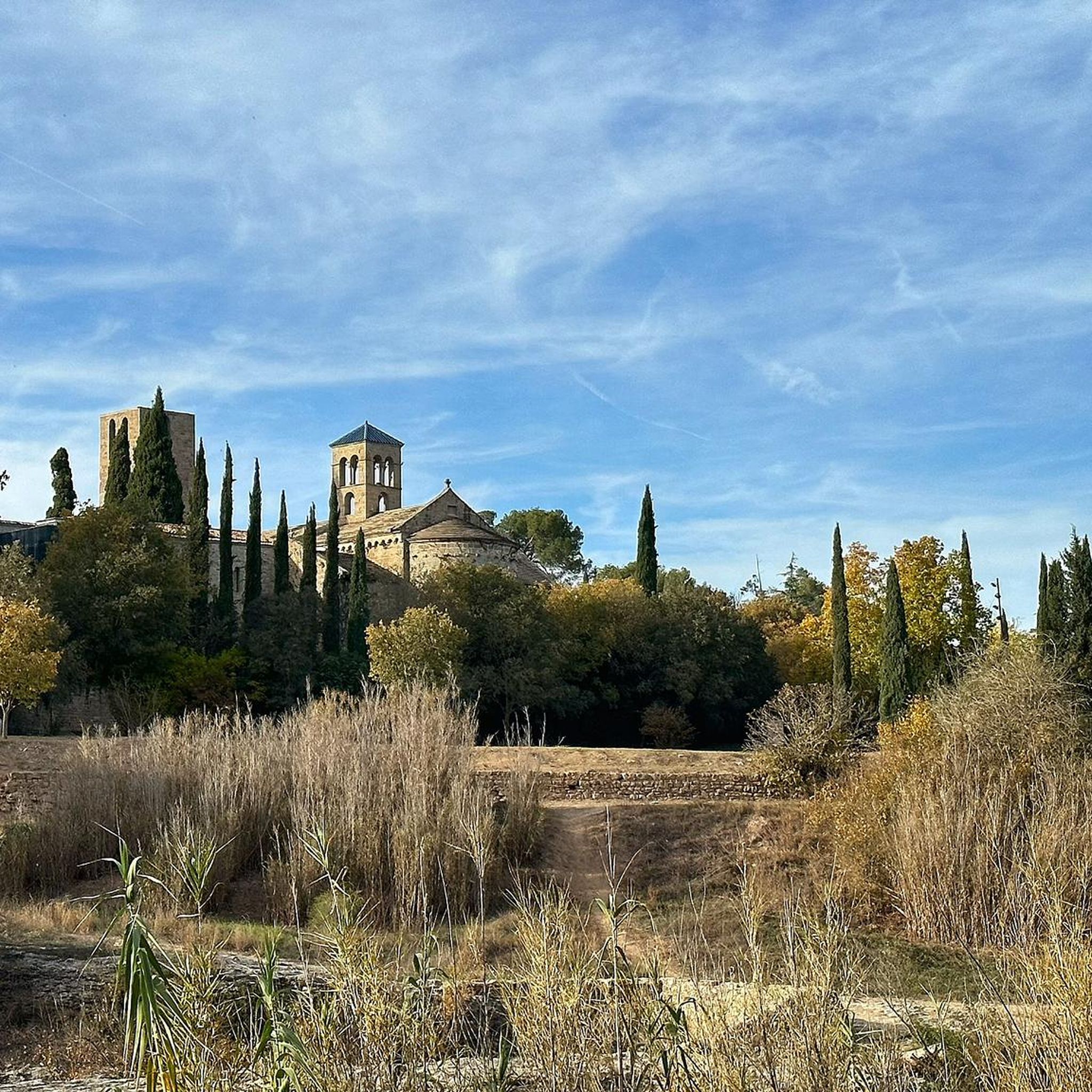
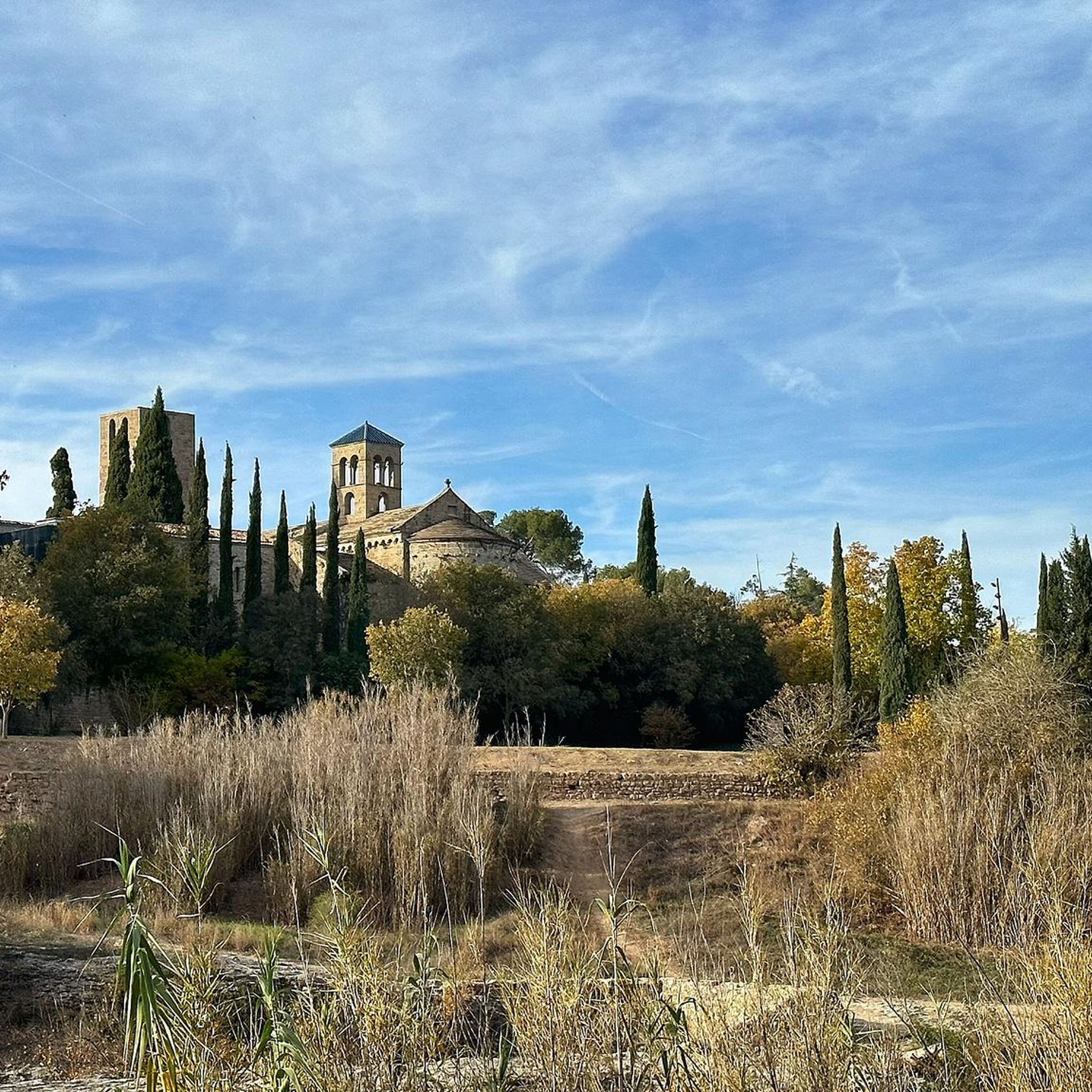
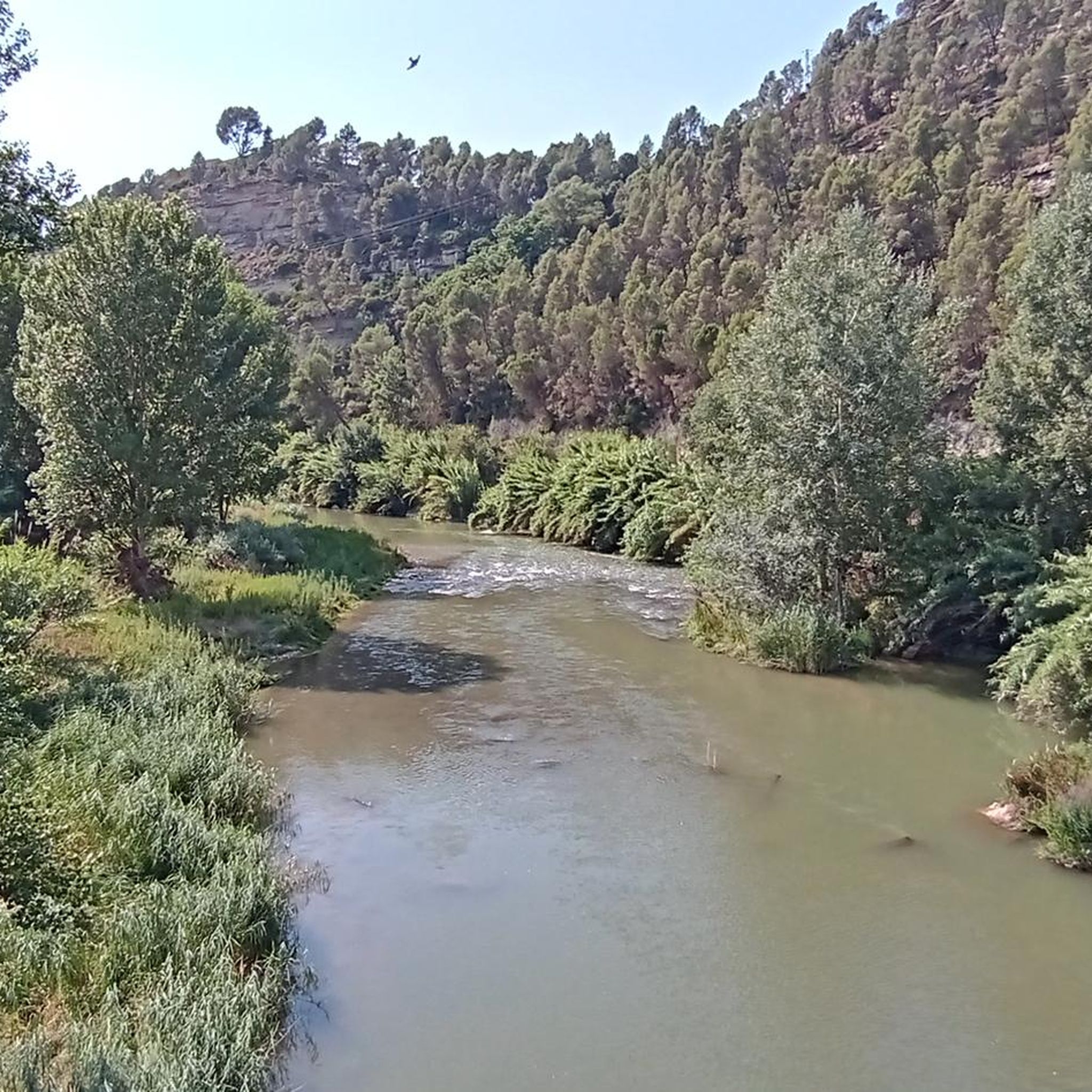

Tips from the Community

You have to pay close attention because it can go unnoticed. The path through the torrent is well marked 🟥
0
0
Incredible views 🏔️⛰️🏔️. The metal steps anchored to the rock are no longer there, but you can climb up by climbing the part furthest to the right.
0
0
Go through the cave to the other side of the mountain and see the views... 🏞️
0
0

Balma with a semicircular plan with a width of 42 m limited in the central part by a difference in level of 4 meters. The most remarkable thing is a small construction to collect the water that drips from the roof, located in the S area of the balma. The bauma is located on the Gobians stream, which originates at the source of the Pets at the top of the ridge. These mudstones are formed by water undermining the softer materials beneath the conglomerate rock. In the past, the orchards of the people of the village reached almost to the bottom of the bauma. These gardens located in the lower part of the town, next to the Talamanca stream and where there was water, provided the town with fresh vegetables over the centuries.
0
0

Balma with a semicircular floor plan and a width of 42 m limited in the central part by a difference in level of 4 meters. The most remarkable thing is a small construction to collect the water that drips from the ceiling. The cave is in the middle of the torrent of the Gobians. A path allows us to easily go down to the cave, which can be seen from the track.
2
1

The Balma del Puig Andreu is a crafted balm that has a closure based on dry stone. It is located at the foot of the hill of the same name which is in the north-west part of the park, located north of Sot de l'Infern and very close to the village of Mura. Note the trapdoor-shaped windows and the two access entrances to the balma. The carved balmas were built with a dry stone front wall that closes the natural cavity and usually served as a shelter for people and animals. (Source: https://ce-terrassa.cat/passejades-pel-parc-%C2%B7-la-balma-del-puig-andreu/)
1
0

There are some anchors in the rock to climb.
8
0
It is really well hidden next to a torrent ...
4
0
Frequently Asked Questions
What are the most significant caves and shelters to visit in the Sant Fruitós de Bages area?
The region offers a variety of notable sites. In Sant Fruitós de Bages itself, the Shelter of Les Brucardes is unique for its prehistoric cave paintings, dating back to the late Neolithic period. Further afield, the Coves del Salnitre (Collbató/Montserrat Caves) are a major attraction with impressive geological formations and guided tours. For a blend of nature and history, consider the Andaló Rock Shelter, historically used as a hiding place or dwelling.
Are there any caves with historical or archaeological significance?
Yes, the region is rich in historical sites. The Shelter of Les Brucardes in Sant Fruitós de Bages features the only known prehistoric cave paintings in central Catalonia. The Andaló Rock Shelter is another historical site, a natural cave with remaining stone walls that was used for shelter or as a dwelling. Additionally, the Caves of El Toll in Moià are known for being a refuge for prehistoric animals and feature replicas of Neolithic huts.
Which caves are suitable for families or beginners?
For families, the Shelter of Les Brucardes offers an accessible path with a stairway to view ancient cave paintings. The Coves del Salnitre provide guided tours through well-maintained paths, though they do involve ascending 244 external steps and around 500 steps inside. For a more natural experience, Foradot Spring is located in a cavity with calcareous formations and is easily accessible.
What kind of geological formations can I expect to see in the caves?
The caves in the region showcase diverse geological features. The Coves del Salnitre are renowned for their extensive collection of chambers and speleothems, including stalactites, stalagmites, columns, and flags. Foradot Spring features calcareous formations caused by continuous water flow. The Mura Cave is notable for its 160-meter-long gallery with stalagmites, stalactites, and rare feathery aragonite crystallizations known as flos ferri.
Are there any caves that offer guided tours?
Yes, the Coves del Salnitre offer guided tours that explain their geological characteristics, formation processes, and historical significance, including a videomapping show. The Mura Cave also provides guided tours on weekends, allowing visitors to explore its impressive gallery and unique crystallizations.
What outdoor activities can I do near these caves?
The area around Sant Fruitós de Bages is excellent for various outdoor activities. You can find numerous cycling routes, including those for touring bicycles and gravel biking, such as the 'The Manresa Canal – Gironella Stone Bridge loop'. There are also many MTB trails, like the 'Manresa Green Ring Loop'. For more details on routes, visit the Cycling around Sant Fruitós De Bages, Gravel biking around Sant Fruitós De Bages, and MTB Trails around Sant Fruitós De Bages guides.
Is there a cave with religious or spiritual significance?
Yes, the Santa Cova de Montserrat, located in the Montserrat massif, holds immense religious and historical importance. It is a pilgrimage site where, according to legend, the image of the Virgin of Montserrat was discovered. The journey along the "Camí de la Santa Cova" is an artistic pathway adorned with sculptures, blending nature, art, and spirituality. You can find more information about this site on visitarmontserrat.com.
What is the best time to visit the caves in this region?
Many caves, like the Coves del Salnitre, maintain a constant temperature of 14 °C year-round, making them suitable for visiting in any season. However, for sites that involve outdoor walking or hiking to reach, such as the Shelter of Les Brucardes or the Pujol de la Mata, spring and autumn offer the most pleasant weather conditions. Summers can be hot, and winters can be chilly, especially in exposed areas.
Are there any unique or 'hidden gem' caves in the area?
The Drac de Vilarjoan Cave in Moià is a large, ancient fossil spring with a single 17-meter-long gallery, offering a glimpse into the region's hydrological past. Another interesting spot is Balma dels Gobians, a semicircular rock shelter with a small construction to collect dripping water, located in the middle of the Gobians torrent.
What should I bring when visiting the caves?
When visiting caves, especially those with guided tours or natural paths, it's advisable to wear comfortable walking shoes with good grip, as surfaces can be damp or uneven. For caves like the Coves del Salnitre, which maintain a cool temperature, a light jacket is recommended. If exploring less developed shelters, consider bringing a flashlight and water. Always check specific requirements for each site before your visit.
How long does it typically take to explore these caves?
The duration varies by cave. A guided tour of the Coves del Salnitre typically lasts about an hour. Visiting the Shelter of Les Brucardes to see the cave paintings might take less time, depending on how long you wish to observe the art. Exploring natural rock shelters like Balma dels Gobians or Andaló Rock Shelter can be integrated into longer walks or hikes, allowing for flexible exploration time.
Most popular routes around Sant Fruitós De Bages
Most popular attractions around Sant Fruitós De Bages

Get inspired with the komoot mobile app


Explore more
Extend your search for the best caves by checking out these guides of the top ones around Sant Fruitós De Bages:
