Top 5 Caves around Arraia-Maeztu
Best caves around Arraia-Maeztu are primarily located within the Sierra de Arboro, a region in the Basque Country known for its subterranean landscapes. The area features a collection of caves and chasms, with over 14 cavities documented by speleological groups. These geological formations offer insights into the region's natural history and diverse underground environments. Arraia-Maeztu provides opportunities to explore various cave types, from those with archaeological significance to those hosting unique ecosystems.
Best caves around Arraia-Maeztu
- The most popular caves…
Last updated: May 23, 2026
Cueva de Los Cristinos
Highlight • Cave
Translated by Google •
Tip by

Okina Sinkhole
Highlight • Cave
Translated by Google •
Tip by

Sign up now to discover places like this
Get recommendations on the best single tracks, peaks, & plenty of other exciting outdoor places.
Sign up for free
CuevaDeObi-II
Highlight • Cave
Translated by Google •
Tip by

CuevaDelAngel
Highlight • Cave
Translated by Google •
Tip by
Katarri
Highlight • Natural
Translated by Google •
Tip by
Start today with a free account
Your next adventure awaits.
Login or Signup
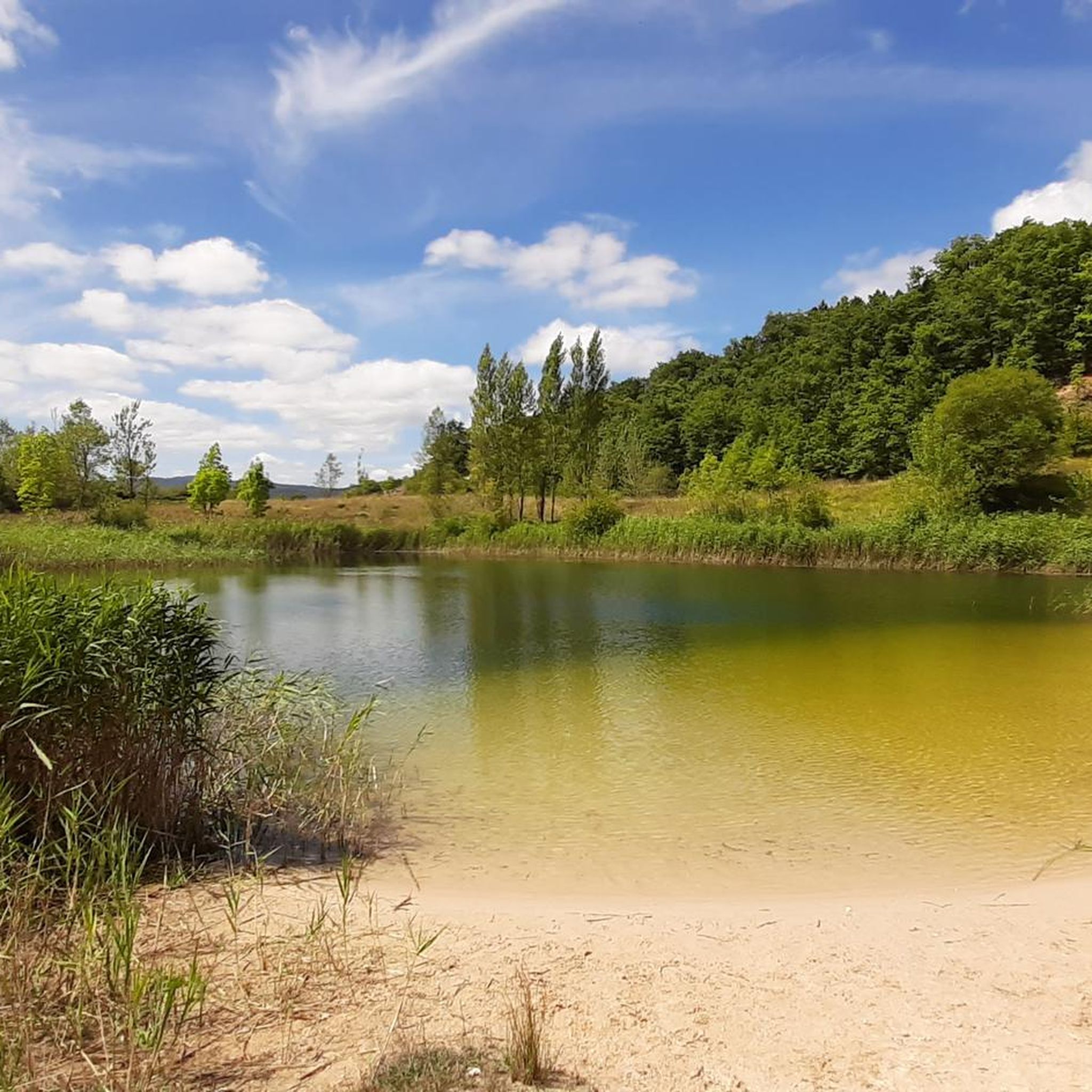
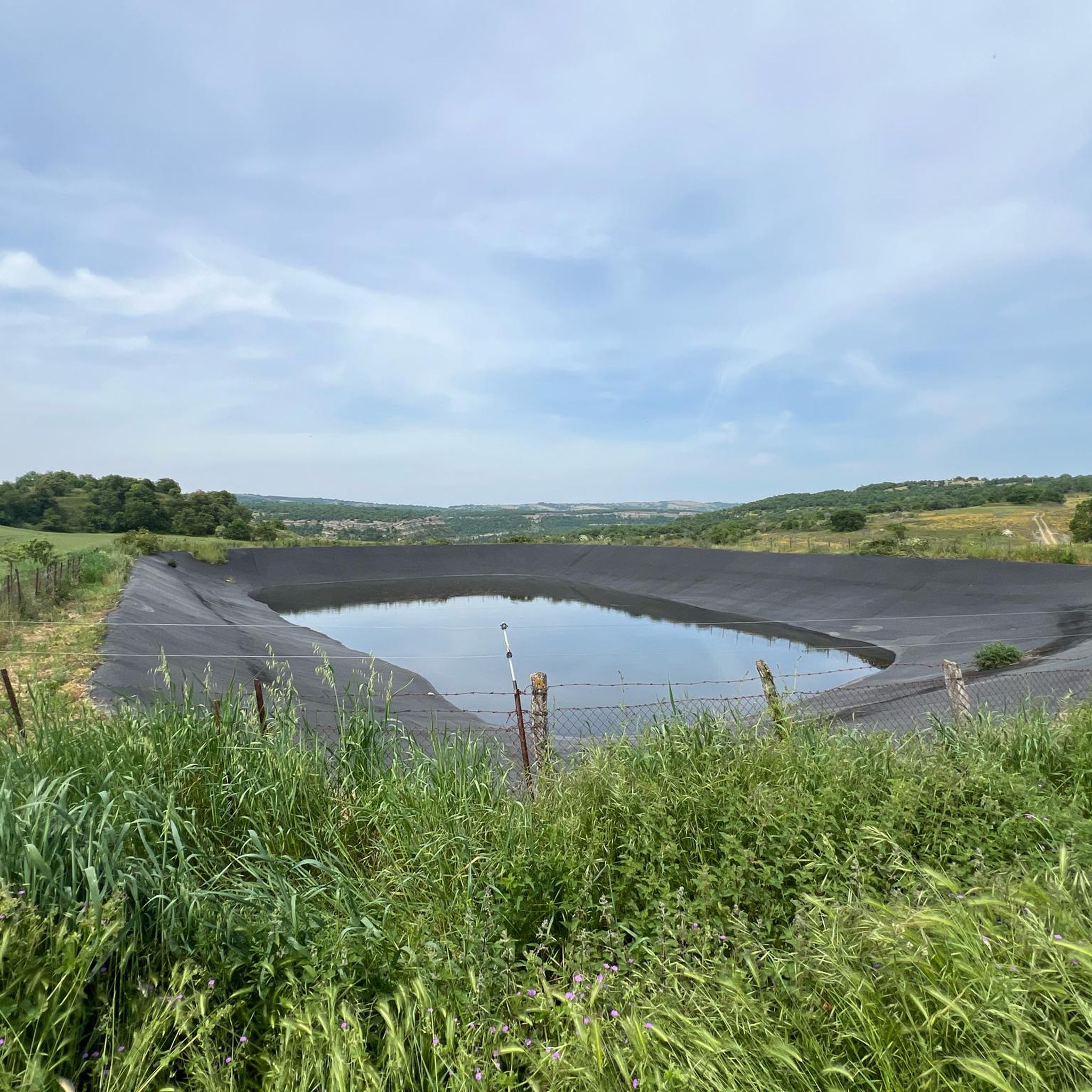


Tips from the Community

I went in July 2023. This cave is completely closed. There are signs from the Basque government saying DO NOT ENTER (and explaining the consequences and the work they're doing) and plastic tape blocking the entrance. There are lots of constructions tools around too. Don't expect to get in unless you're willing to destroy the small stone wall and all the tape blocking the entrance.
0
0

Large bell approximately 30 meters high and at the base there is a siphon through which the water goes. On one side there is a spring of water that in the rainy season forms a small waterfall.
1
0

There are already two times that I try to access the cave and I can't. Although I have heard that it is not worth much, and the access does not seem easy.
1
0

Within the Urbasa-Andia Natural Park is this wonderful place with an interesting history related to its name. In addition to being one of the most spectacular caves in the area, its name dates back to the Carlist era in which it is said that General Zumalacarregui threw the shot soldiers of the other side, who were known as Cristinos or Isabelinos. Before going to the place, I recommend that you check on the official website if access is open, a while ago it was closed due to COVID (http://cuevacristinos.com/)
1
1
Authentic labyrinth of rocks, small caves, moss and beeches. A dream place, ideal to get lost (in the figurative and authentic sense).
0
0
This one cannot be entered without special equipment, the hole is very large and seems deep, be careful not to get too close.
1
0
The truth is that I didn't really get to see it. I got as close as my instinct/fear allowed and didn't see the entrance. But later I met some mountaineers who told me that I did the right thing, that it was not worth the risk. I advise against trying it, not so much because of the metal ladder, which has no risk, but because of the path down.
2
0
Frequently Asked Questions
What types of caves can I explore in Arraia-Maeztu?
Arraia-Maeztu offers a diverse range of subterranean experiences. You can find natural caves, some with archaeological significance, and others hosting unique ecosystems. The region also features culturally rich man-made caves, including ancient dwellings and religious sites, particularly in the broader Montaña Alavesa area.
Are there any challenging caves for experienced explorers?
Yes, for those seeking a challenge, CuevaDeObi-II is a 210-meter long tectonic cavity with multiple levels formed by gravitational collapses, requiring special equipment for entry. Another challenging option is CuevaDelAngel, which is known for its difficult access.
What natural features can I expect to see in the caves?
Many caves in the region showcase impressive natural formations. For instance, the Okina Sinkhole features a large bell approximately 30 meters high, with a siphon at its base and a small waterfall during the rainy season. Cueva de Los Cristinos is known for its lake and underground streams, offering a unique subterranean experience.
Are there historical or cultural cave sites to visit?
Absolutely. The Montaña Alavesa region, including Arraia-Maeztu, is rich in man-made caves with significant historical and cultural value. Notable sites include the Virgen de la Peña (Faido), which served as a prehistoric dwelling and medieval monastery, featuring schematic cave paintings and anthropomorphic graves. Other protected sites like Las Gobas and Santorkaria near Laño offer insights into ancient temples, eremite dwellings, and basilicas.
Do I need permits to visit the caves in Arraia-Maeztu?
Access to natural caves, especially those in the Sierra de Arboro, typically requires specialized equipment and expertise, and permits may be necessary for serious speleological exploration. For culturally significant man-made caves like Virgen de la Peña (Faido), obtaining a key might be required for entry. Many historical sites like Las Gobas and Santorkaria are fenced for preservation, indicating controlled access.
What is the best time of year to visit the caves?
While caves maintain a relatively constant temperature year-round, the rainy season can enhance features like the waterfall in the Okina Sinkhole. For exploring the surrounding natural areas or accessing cave entrances, spring and autumn generally offer pleasant weather conditions. Always check specific cave access conditions, as some might be affected by heavy rainfall.
Are there family-friendly caves or accessible options?
While many natural caves in the Sierra de Arboro require specialized equipment, the historical man-made caves in the Montaña Alavesa region offer a more accessible cultural experience. These sites, such as those near Laño (Las Gobas, Santorkaria), provide a unique glimpse into history without requiring advanced caving skills. However, specific accessibility for strollers or wheelchairs is generally limited due to the natural and historical terrain.
What outdoor activities can I do near the caves?
The area around Arraia-Maeztu offers numerous outdoor activities. You can find excellent hiking trails, including routes in the Izki Natural Park like the 'Cumbres de la Sierra de Arburu' or 'Mantxibio and its beech forests from Corres'. There are also road cycling routes and running trails to explore the beautiful landscapes of the region.
What should I wear or bring when visiting the caves?
When exploring caves, it's advisable to wear sturdy footwear with good grip. For natural caves, a good flashlight or headlamp is essential, as mentioned for Cueva de Los Cristinos. Temperatures inside caves can be cooler than outside, so a light jacket or layers are recommended. For challenging caves, specialized caving equipment is mandatory.
What do visitors enjoy most about the caves in Arraia-Maeztu?
Visitors frequently appreciate the unique subterranean experiences offered by the region's caves. The spectacular lake and underground streams of Cueva de Los Cristinos are often highlighted. The historical and archaeological significance of the man-made caves, providing a glimpse into ancient human activity and early religious practices, also captivates many visitors.
Is public transport available to reach the cave sites?
Access to many natural caves in the Sierra de Arboro typically requires private transport due to their remote locations and lack of infrastructure. For the man-made caves in the Montaña Alavesa, such as those near Laño or Faido, public transport options might be limited, and checking local bus schedules or arranging private transport is advisable.
Most popular routes around Arraia-Maeztu
Most popular attractions around Arraia-Maeztu

Get inspired with the komoot mobile app


Explore more
Extend your search for the best caves by checking out these guides of the top ones around Arraia-Maeztu:
