Top 8 Caves around Viladecans
Caves around Viladecans are not directly found within the municipality, which is known for its natural areas like the Mas Ratés forest park and its location within the Llobregat Delta. However, the wider province of Barcelona and the Catalonia region offer various geological formations. These include natural caves, grottoes, and rock shelters, providing diverse exploration opportunities. The region's landscape features a mix of coastal areas and mountainous terrain, contributing to varied geological features.
Best caves around Viladecans
- The most popular…
Last updated: July 4, 2026
Juanita Mine
Highlight • Cave
Translated by Google •
Tip by

Can Riera Caves
Highlight • Cave
Translated by Google •
Tip by

Sign up now to discover places like this
Get recommendations on the best single tracks, peaks, & plenty of other exciting outdoor places.
Sign up for free
Waterfall and Grotto in Parc de Torreblanca
Highlight • Waterfall
Translated by Google •
Tip by

Avenc del Llamp
Highlight • Cave
Well-known chasm of 73 m. of depth in the Pla de Querol (Garraf)
After passing through the small mouth, it penetrates into a well of 40 meters …
Translated by Google •
Tip by
Barret Rock
Highlight • Natural Monument
Translated by Google •
Tip by

Sign up for free to discover even more caves around Viladecans.
Sign up for free
Already have an account?
Start today with a free account
Your next adventure awaits.
Login or Signup
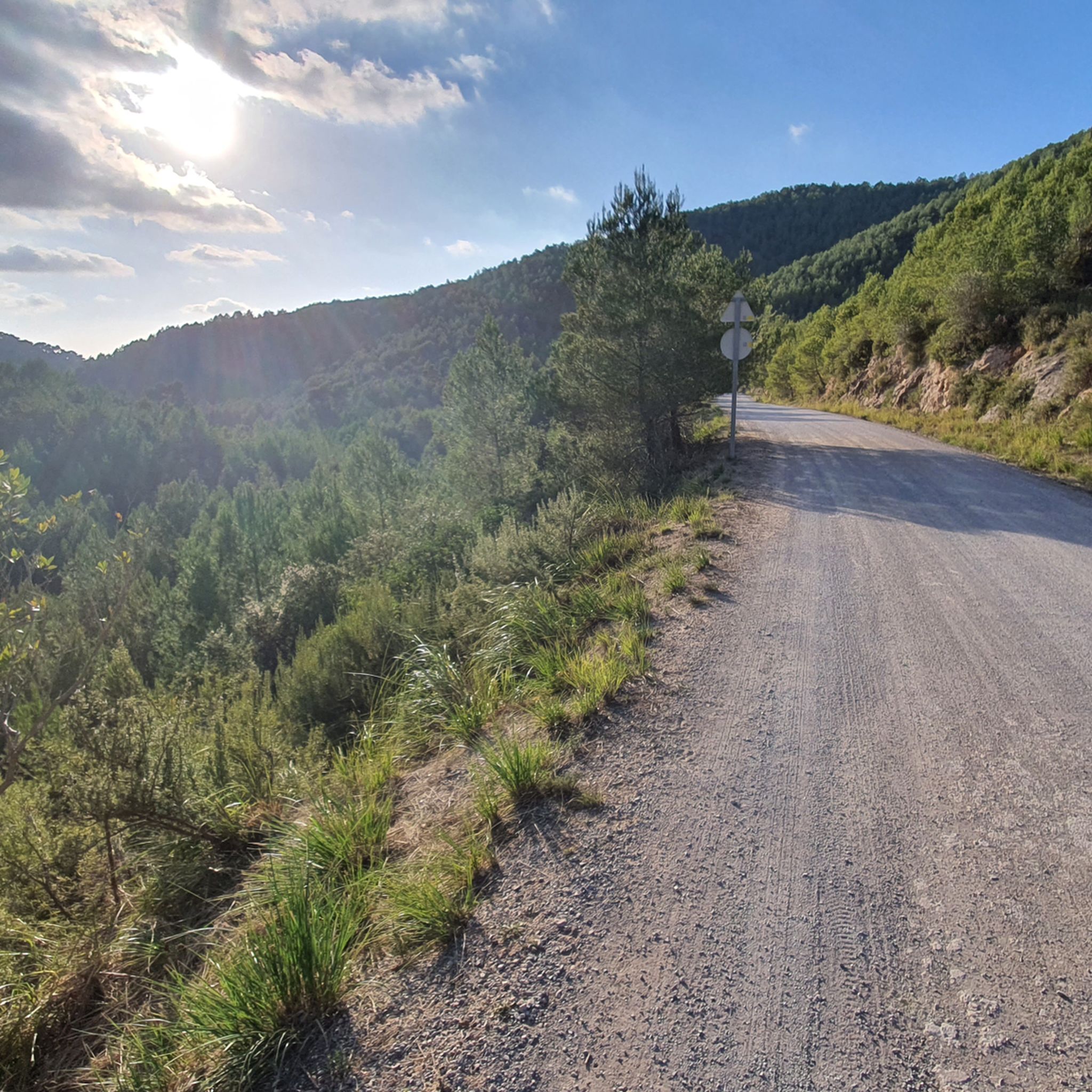
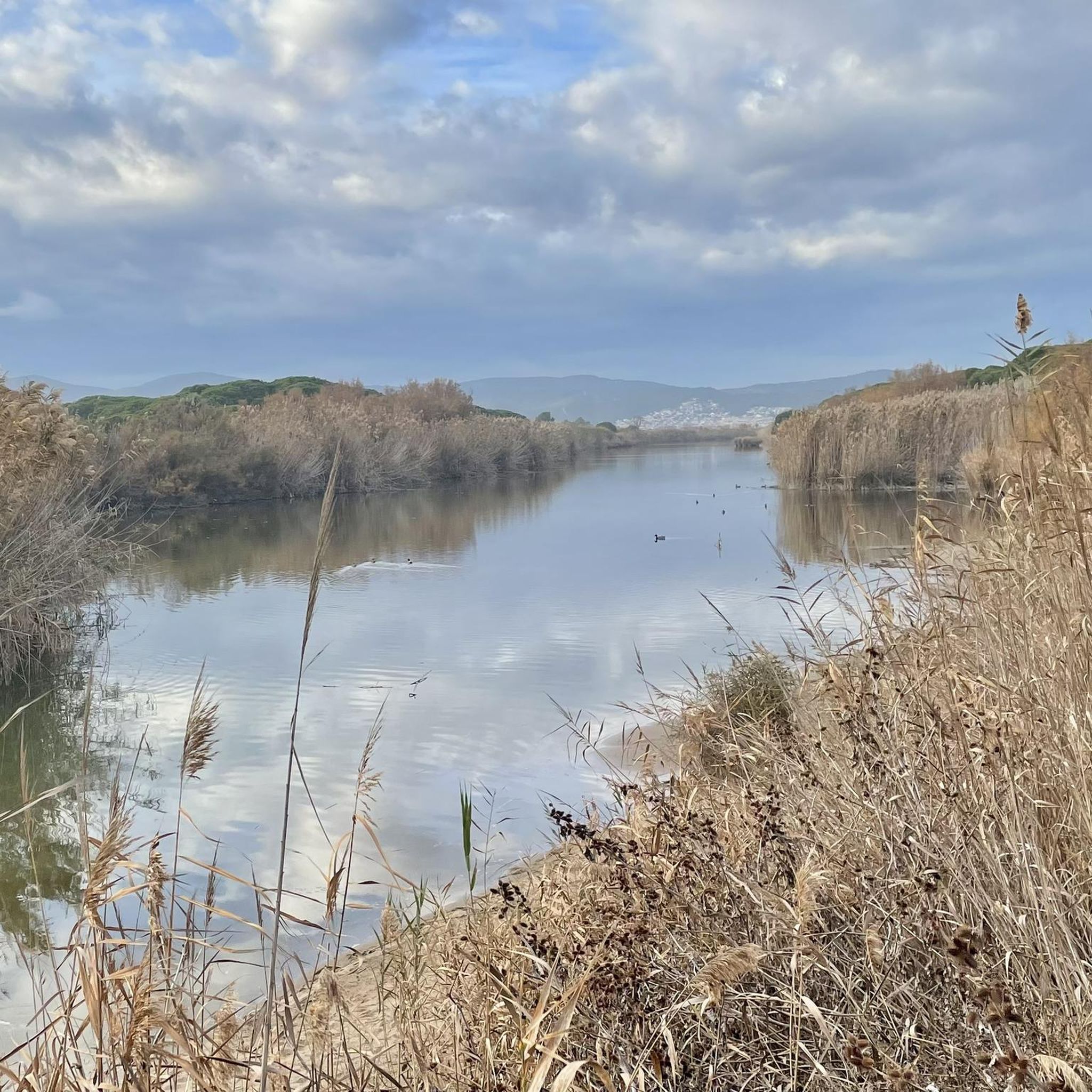
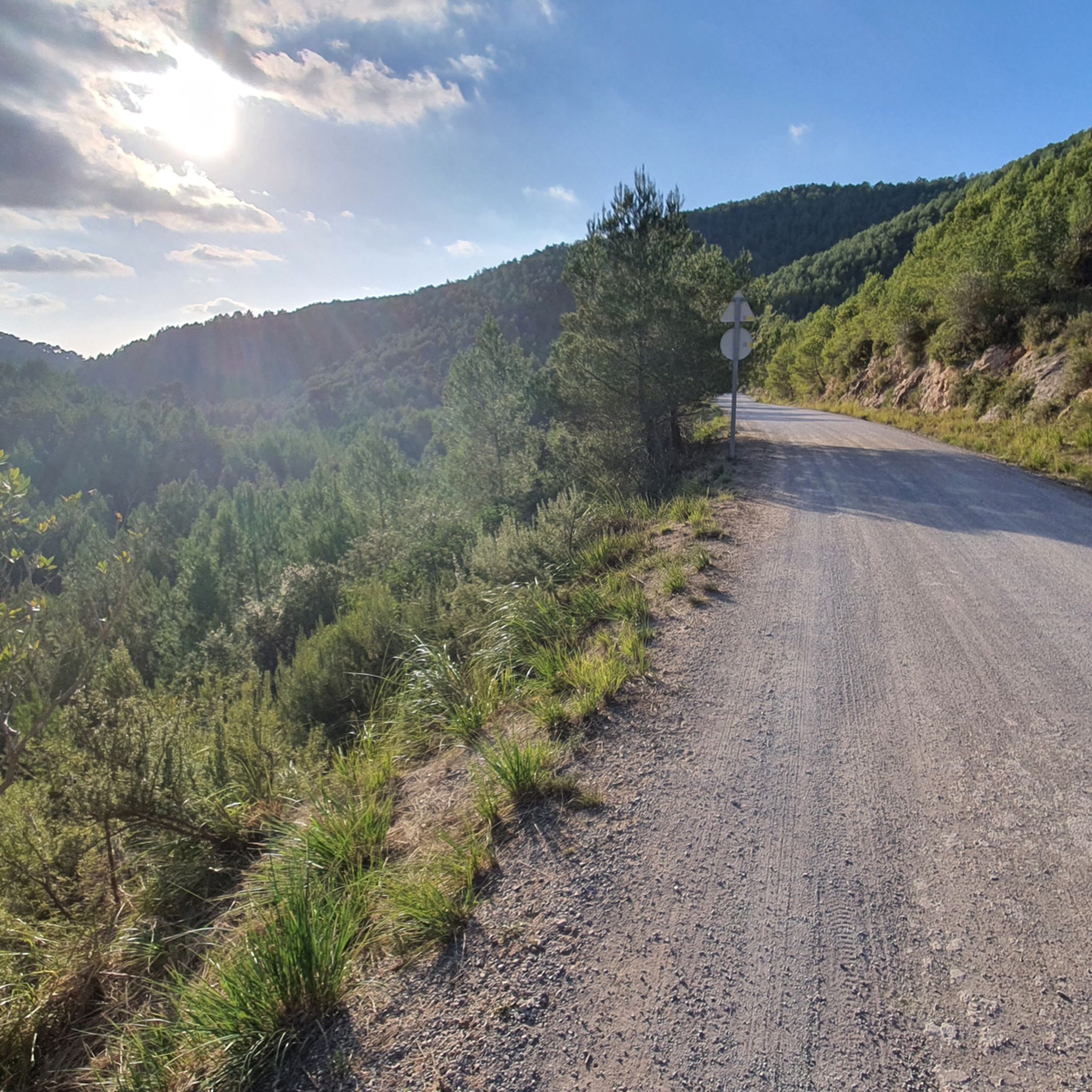
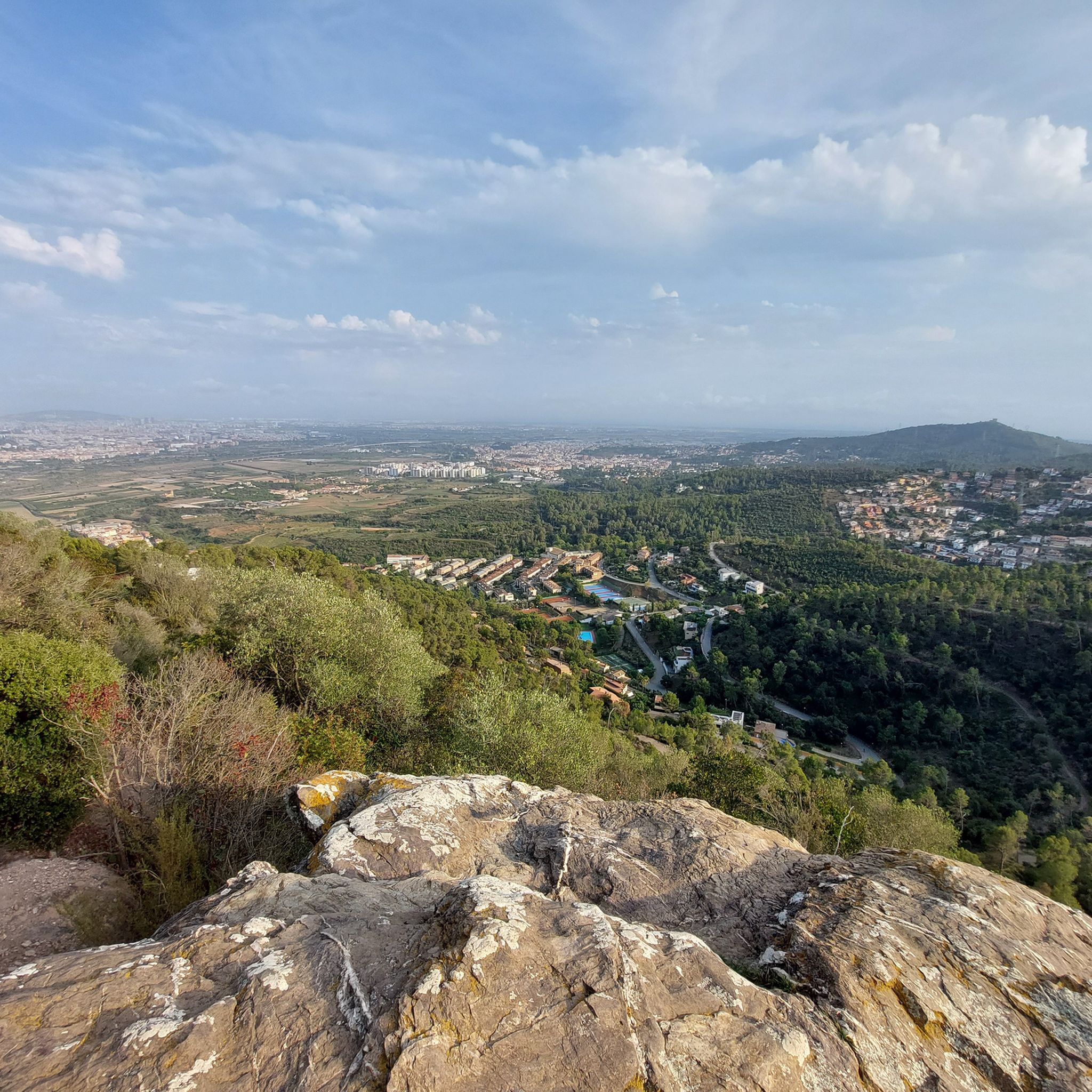
Tips from the Community

L'accès a les coves està actualment prohibit.
0
0


Spectacular evidence that is found in this area of the Serral de Can Ros and that above it, we find the mountain of Puig Vicenç. It is worth seeing the curious shapes that the mountain offers.
0
0

Beautiful place with incredible views. Here are the caves of Can Riera, a hidden natural oasis in Torrelles de Llobregat. They are three clay caves with reddish and orange walls, shaped by the erosive action of wind and rain over thousands of years. On weekends there are usually a lot of people visiting the caves, so if you can, try to go during the week.
2
0
There is a short walk along a track path (500 meters) to the beautiful rock of Barret. When you go up you find a kind of small cave and on the left side you can climb to the top of the rock. It is not difficult but must be watched.
3
0

Can Riera Caves, clayey stone cavities and winding reddish and orange walls. There are three caves that make up this natural wonder, but currently ACCESS IS PROHIBITED.
0
0

According to Sergi Falguera, a collaborator of the Friends of the Geology Museum association, the site began to be exploited in the 17th century, but the most important extractions date back to the 19th and 20th centuries, when it was named Juanita. . It was part of the land of the Masia de Santa Caterina, in the neighborhood of Pedralbes. The mine still has several access tunnels. It is low in water, but it is not drinkable because it carries the acid that is formed from the oxide of minerals
3
0

After a good walk from Barcelona, the colors and the rock are worth it.
4
0
Frequently Asked Questions
Are there natural caves directly within Viladecans?
Viladecans itself is primarily known for its forest parks, beaches, and the Llobregat Delta. Prominent natural caves are not found directly within the municipality. The caves mentioned in this guide are located in the wider province of Barcelona, surrounding Viladecans.
Which caves around Viladecans are family-friendly?
For a family-friendly experience, consider the Waterfall and Grotto in Parc de Torreblanca. This park features an imaginative design with caves, islands, lakes, and waterfalls, making it an enjoyable visit for all ages.
Can I visit Can Riera Caves?
The Can Riera Caves are a natural monument known for their beautiful clayey stone cavities and winding reddish and orange walls. However, it is important to note that access to these caves is currently prohibited.
What kind of natural features can I expect to see at these cave locations?
The caves and grottoes around Viladecans offer diverse natural features. For example, Barret Rock features a small cave and offers panoramic views from its summit. The Waterfall and Grotto in Parc de Torreblanca is set within a romantic garden with lakes and waterfalls. The Avenc del Llamp is a deep chasm, offering a more challenging geological exploration.
Are there any historical cave sites nearby?
Yes, the Juanita Mine is a historical site. This mine began to be exploited in the 17th century, with significant extractions occurring in the 19th and 20th centuries. It features several access tunnels and is best accessed from the Les Aigües road.
What outdoor activities can I do near the caves around Viladecans?
The region around Viladecans offers various outdoor activities. You can find numerous options for hiking, including routes like the 'Ascent to Montbaig' or 'Filipinas Beach – Birdwatching observatory loop'. There are also extensive guides for road cycling and gravel biking in the area.
What is the best way to access the Juanita Mine?
To visit the Juanita Mine, it is recommended to access it from the Les Aigües road. This route is generally more accessible and less challenging than approaching from Coll del Portell, where trails can be slippery due to loose stone.
Are there any challenging cave explorations for experienced visitors?
For those seeking a more challenging experience, the Avenc del Llamp is a well-known chasm with a depth of 73 meters. It features a vertical well and requires caution due to potential hypoxia. This site is suitable for experienced cavers.
What do visitors enjoy most about the caves and natural features around Viladecans?
Visitors appreciate the unique geological formations and the scenic views. For instance, the Can Riera Caves are noted for their incredible views and distinctive reddish-orange walls. The Barret Rock is valued for its striking colors and the opportunity to climb to the top for rewarding vistas.
Are there any hiking trails that include cave features near Viladecans?
While specific trails directly leading into caves are limited, many hiking routes in the broader region offer access to areas where these geological features are found. For example, a walk from Barcelona can lead you to Barret Rock, which includes a small cave. You can explore various hiking routes around Viladecans to discover the diverse terrain.
Is it possible to explore deep chasms or vertical caves in the area?
Yes, the Avenc del Llamp is a notable example of a deep chasm, plunging 73 meters vertically. It involves a challenging descent into a well with smooth walls and requires specialized equipment and experience due to its depth and potential for hypoxia.
Most popular routes around Viladecans
Most popular attractions around Viladecans

Get inspired with the komoot mobile app


Explore more
Extend your search for the best caves by checking out these guides of the top ones around Viladecans:
