Top 11 Lakes around Chinchón
Best lakes around Chinchón are primarily found in the wider Community of Madrid, as Chinchón itself is not known for natural lakes. The region features several reservoirs and river-fed areas that locals refer to as lakes, providing opportunities for water-based activities and enjoying nature. These locations offer diverse aquatic environments, from large reservoirs to seasonal wetlands and artificial ponds.
Best lakes around Chinchón
- The most popular lakes is Birdwatching Hide at San Juan Lagoons, a viewpoint that is frequented…
Last updated: June 20, 2026
Laguna Seca de las Esteras
Highlight • Lake
Translated by Google •
Tip by

Birdwatching Hide at San Juan Lagoons
Highlight • Viewpoint
Translated by Google •
Tip by

Sign up now to discover places like this
Get recommendations on the best single tracks, peaks, & plenty of other exciting outdoor places.
Sign up for free
Chinescos Pond
Highlight • Lake
It is an artificial lake with three islets where …
Translated by Google •
Tip by

Laguna de San Juan
Highlight • Lake
Translated by Google •
Tip by

Jarama River in the Southeast Regional Park
Highlight • River
Translated by Google •
Tip by

Sign up for free to discover even more lakes around Chinchón.
Sign up for free
Already have an account?
Start today with a free account
Your next adventure awaits.
Login or Signup
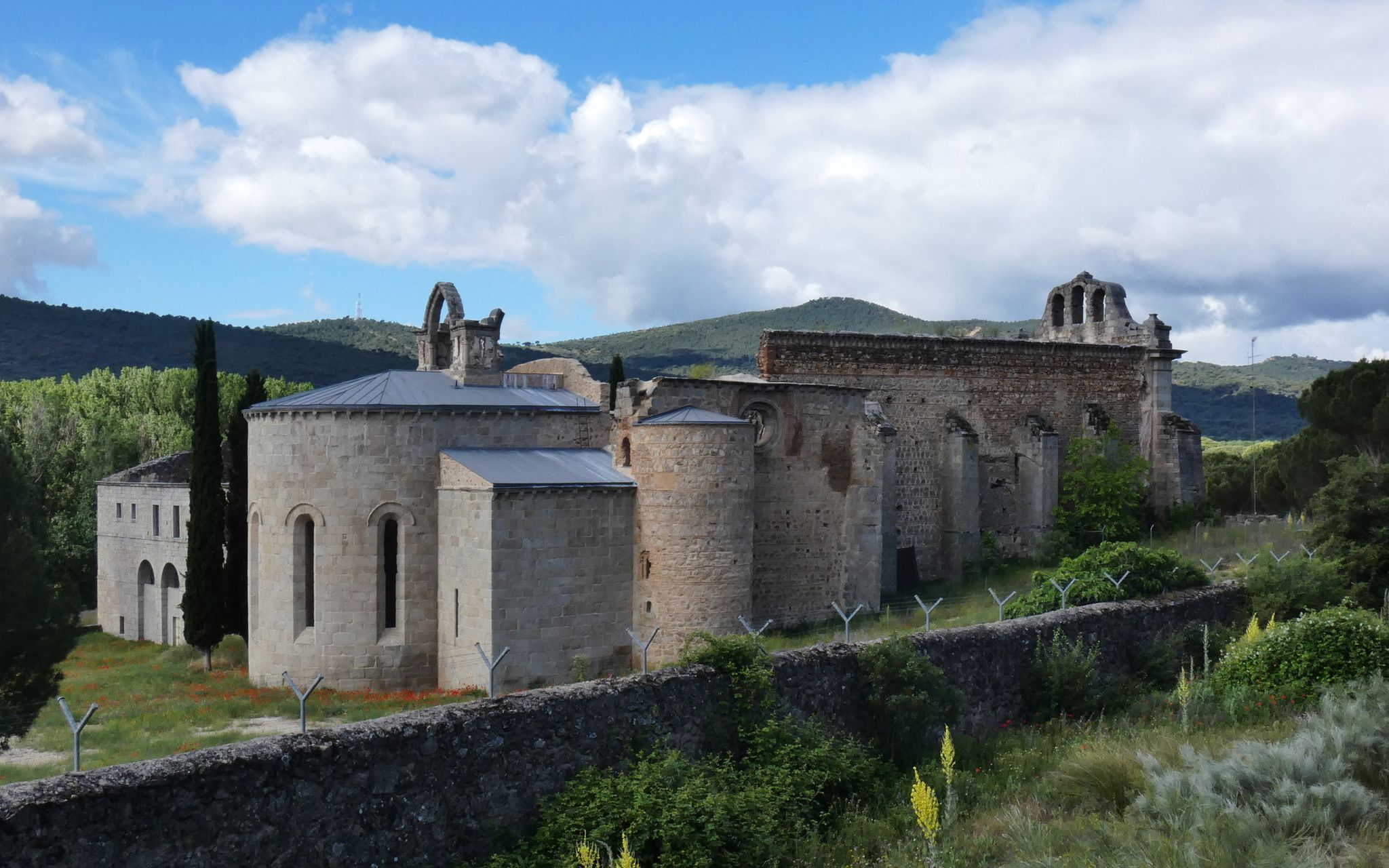
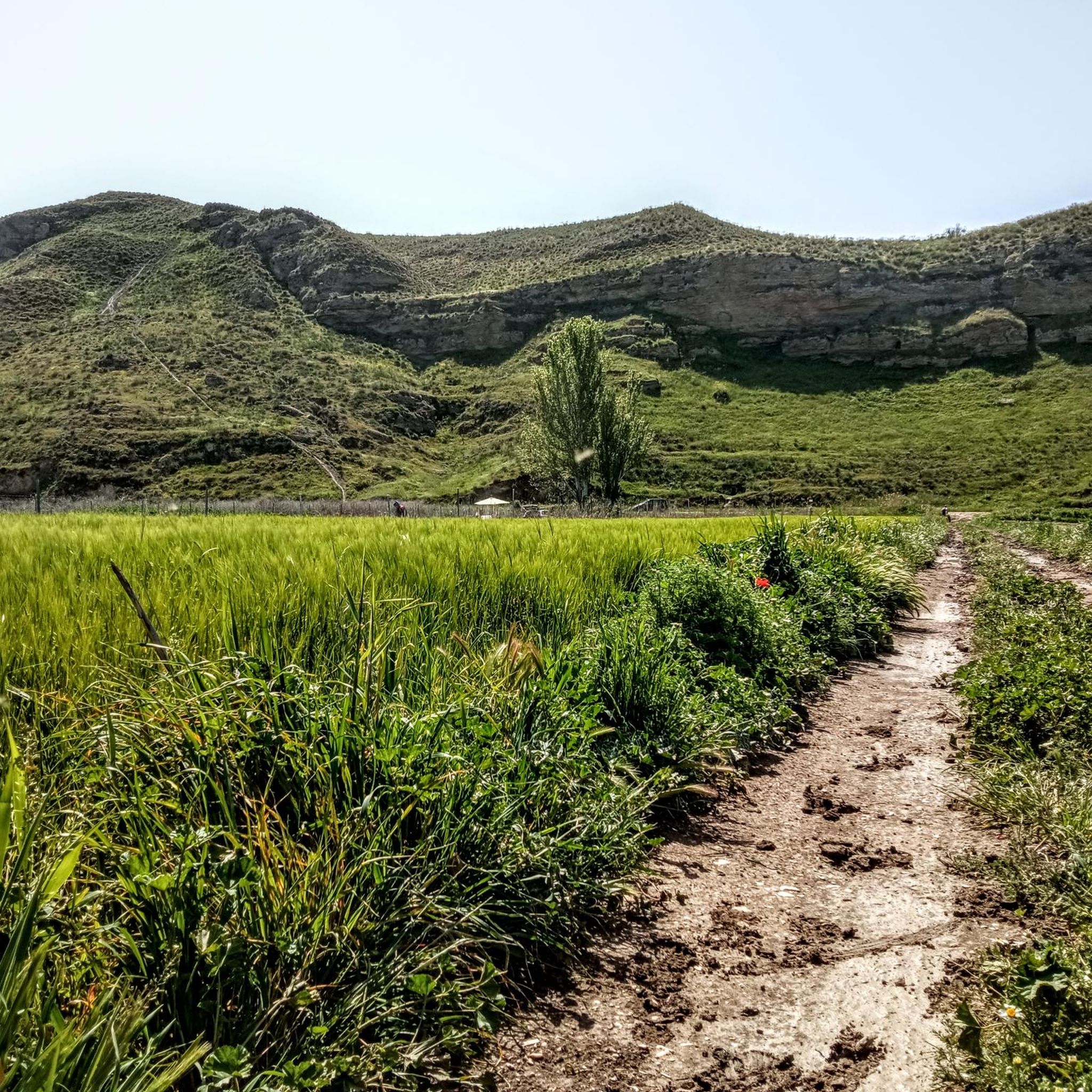
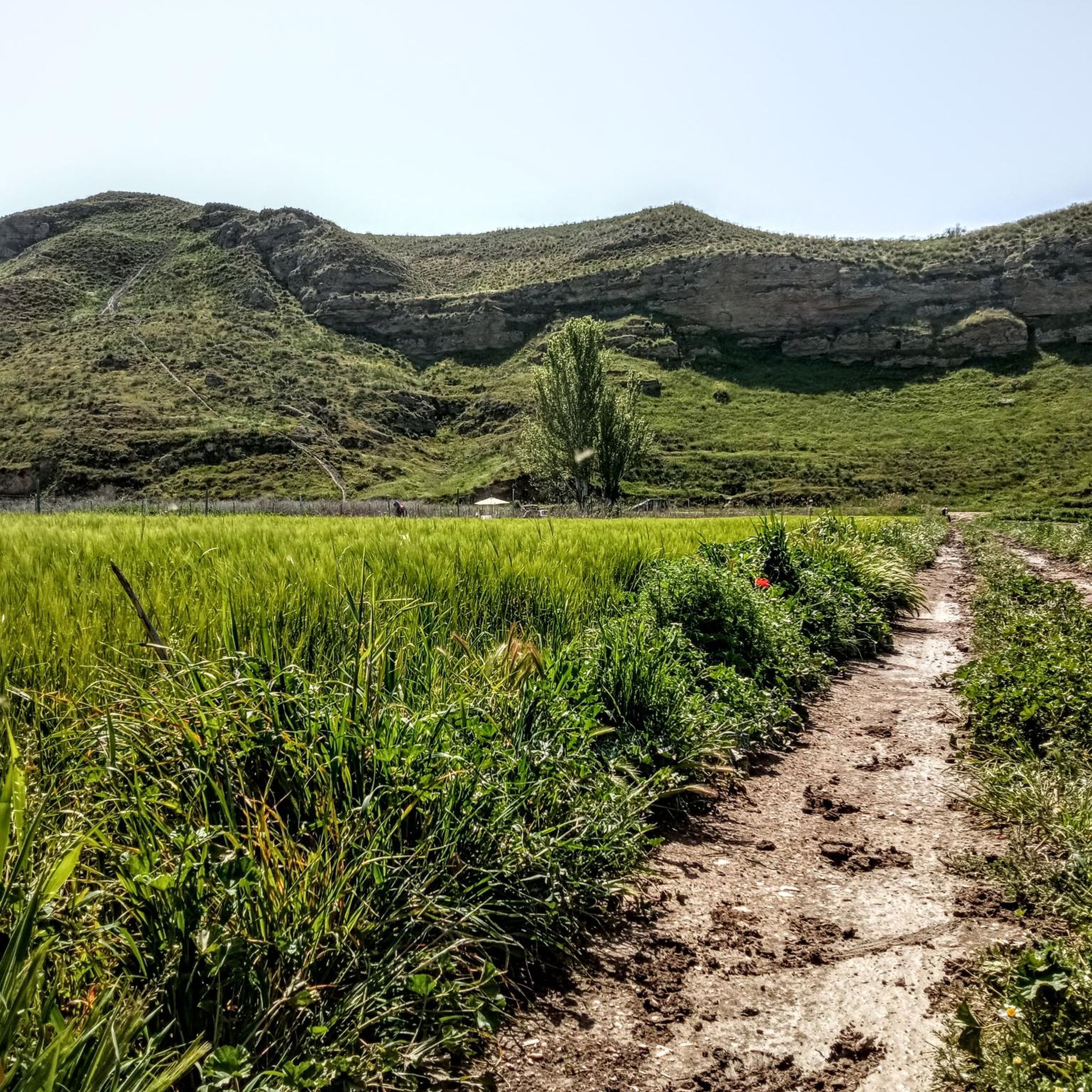
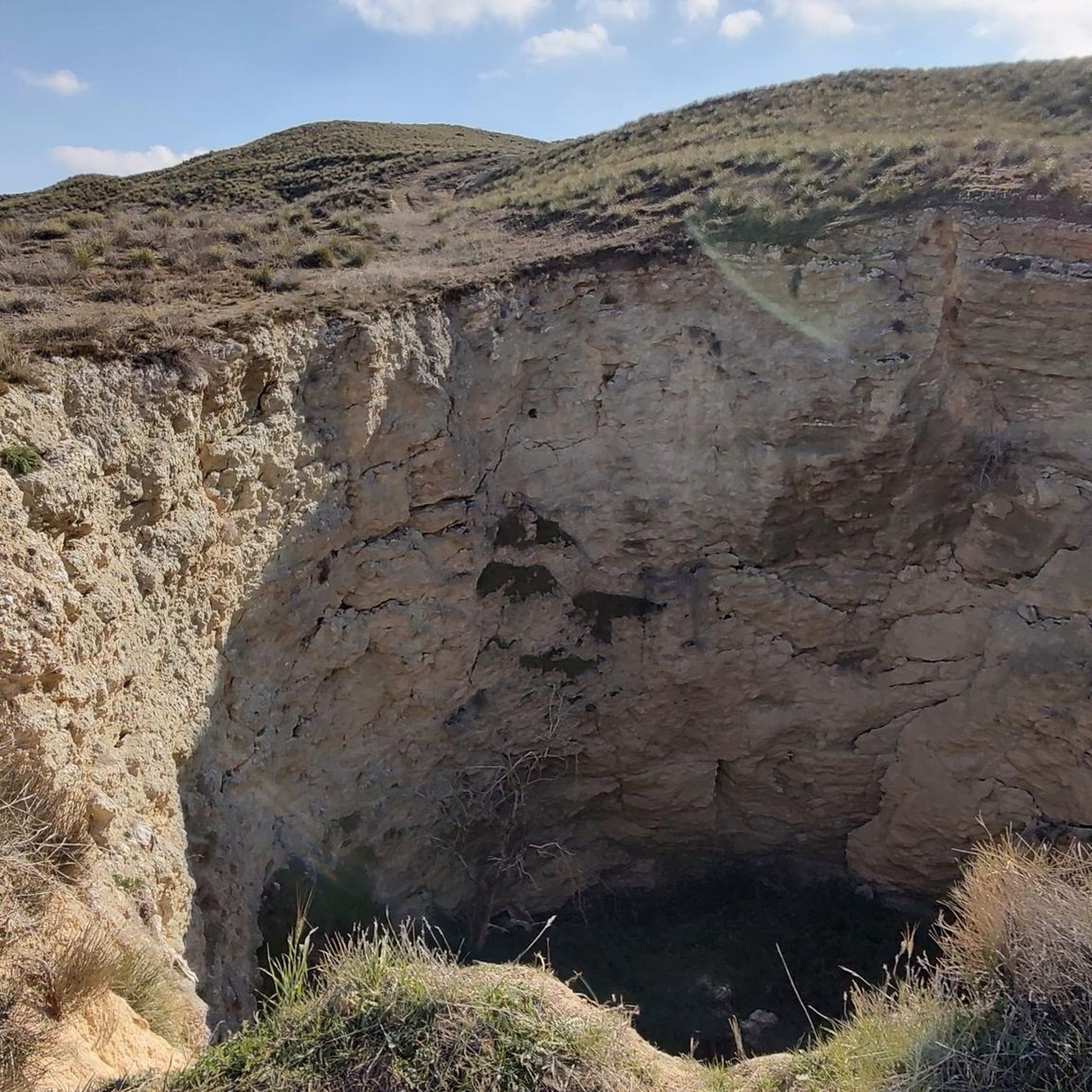

Other adventures around Chinchón

Tips from the Community

The lower basin of the Jarama River is the river axis that links the main elements of the Regional Park of the Southeast. The rich alluvial plains hide 132 artificial lagoons that are authentic distributors of exclusivity and biological diversity. The origin of these valuable wetlands is the extraction of aggregates in the open air, digging enormous holes until breaking the water table and causing the flooding of the gravel pit with water from the river basin. In a short time, the banks of these particular artificial ponds are covered with rushes, reeds, cattails, tamarisks, willows, ash trees and elms, developing leafy belts of marsh vegetation that constitute a magnificent habitat for different groups of aquatic birds, reptiles and amphibians. The gypsum cliffs are also an indispensable environmental element to delve deeper into the surprising natural wealth of the regional park and enrich the aesthetic quality of the landscape. The striking grey and whitish cliffs, with a fragile and arid appearance, are formed by large layers of marl and gypsum sediments piled up during the Miocene while large masses of water containing abundant mineral salts were evaporating. The steep and desolate appearance of these unique reliefs, together with the toxic nature of a substrate rich in calcium sulphate, conditions the development of the plant species that colonize the unstable cliffs, unique and sometimes endemic plants adapted to the demanding conditions in this exclusive geographical section of the park.
0
0
In spring and during the rainy season, the blue surface of the Esteras lagoon is an environmental jewel in the arid landscape of the rural moorland. The volume of water depends on rainfall and evaporation. During long periods of high temperatures, the water disappears and becomes a white salt lake with a noticeable crust of mineral salts. In this case, it is advisable not to enter the lake to closely observe the sodium sulphate crystals because it is a mud trap, the wetland is always under the salt.
0
0

At this point on the path of La Blanca, at the height of the San Juan lagoons, there is a viewpoint frequented by bird lovers. It is a perfect point to see the fauna that inhabits this seasonal wetland.
0
0

The route enters the Cañada del Raso through the access to a gypsum factory, leaves the facilities on the right and passes through the Laguna Seca or Las Esteras wetland, a valuable lake ecosystem in a natural depression in the land that floods temporarily, creating a hypersaline wetland of great geological, botanical and faunal importance of high environmental value, a small wonder in the páramo landscape.
0
0

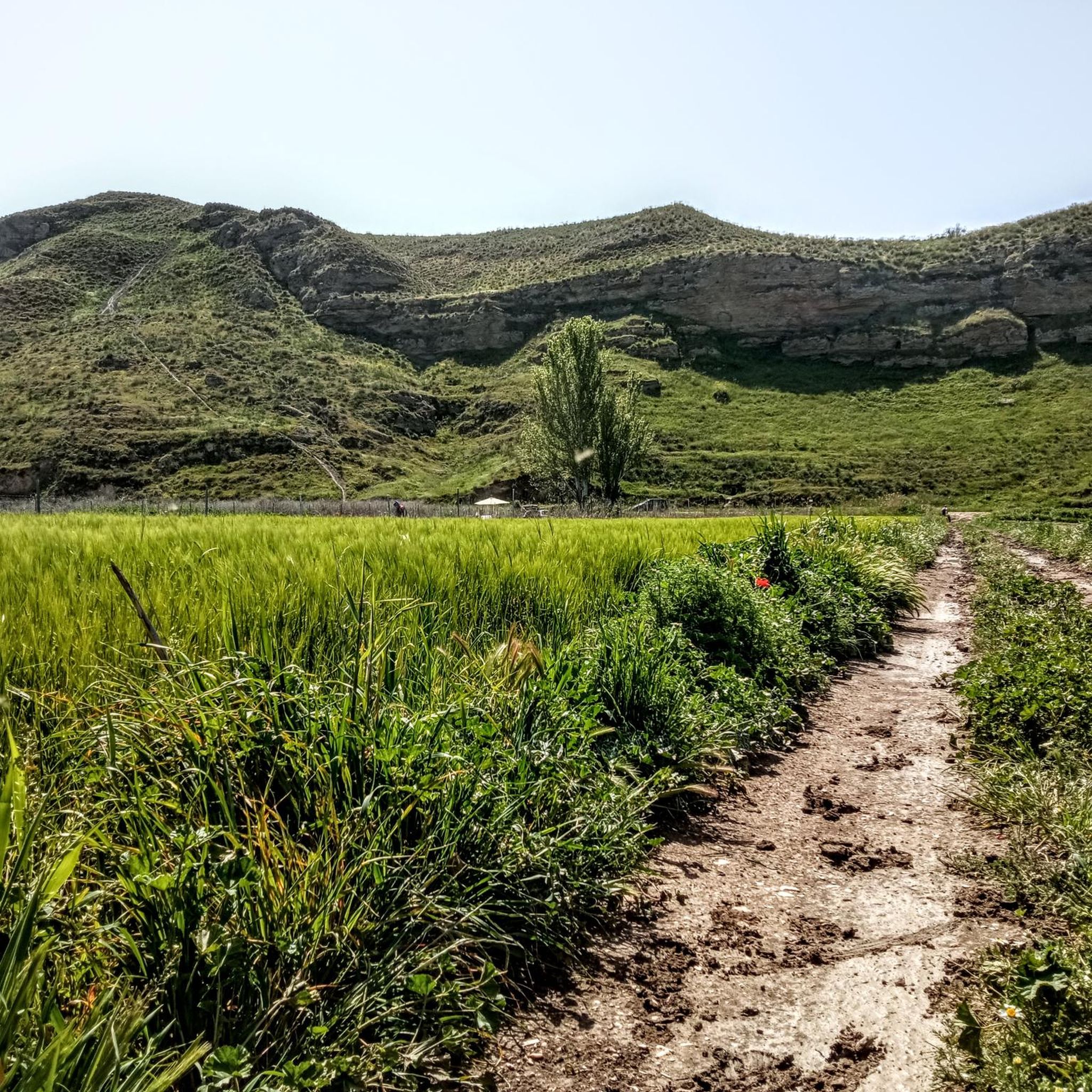
The route begins with the ascent to the Cerro de Peña Blanca to contemplate the landscape of the San Juan lagoon and the extensive plain of the lower Tajuña. The views are magnificent, with good places to plant the tripod and mount an excellent observatory over the panorama of the wetland, the surroundings of steppe hills and irrigated crops. The Cerro de Peña Blanca is an excellent place to see the unique display of plants adapted to the toxicity of a substrate rich in gypsum, called gypsophilous vegetation by experts, species completely specialized in gypsum marl soils rich in calcium sulfate, such as esparto , the soap, the ontina or artemisa and the striking reseda.
1
0
The rain falls more frequently on the high moors of Chinchón and Villaconejos and reaches the wetland by runoff, through the gullies of the gypsum cliffs, or by underground infiltration favored by the structure of the land in the form of stepped terraces. Direct recharge through precipitation in the form of rain is scarce at the bottom of the fertile plain, where the San Juan lagoon sits, but it serves to recover the optimal wetland habitat in a short time and reactivates wildlife in the marsh refuge. Water losses are mainly due to underground seepage and solar evaporation, accentuated in the hot summer months, when most of the birds migrate to other wetlands to seek food and shelter. The resident birds in the Laguna de San Juan Fauna Refuge and the nearby environment of the fertile plain and gypsum cliffs are the western marsh harrier, royal blue eagle, eagle owl, purple swamp, common kestrel, black wheatear, common coot, gray heron, falcon basking, kingfisher, red duck, great crested grebe and little grebe. The wintering bird species in the wetland are the great cormorant, marsh bunting, cattle egret, shoveler, European pochard and tufted duck. And the birds present in the summer season in the lagoon and the surrounding steppe mountains are bee-eaters, little bitterns, sand martins, common reed warblers, great gray warblers and purple herons.
1
0

You can find this place in the middle area of the Prince's Gardens, accessing through the Puerta de la Plaza Redonda. It is an artificial lake with three islets where you can see a Greek-style temple with Ionic columns that emulate being made of marble, which was built at the beginning of the 18th century by Juan de Villanueva, who was the architect of the Prado museum building.
10
0

Nice bird lookout. Go in the rainy season, if they won't be dry
1
0
Frequently Asked Questions
What kind of lakes can I expect to find around Chinchón?
While Chinchón itself is not known for large natural lakes, the surrounding Community of Madrid features several reservoirs and river-fed areas. Locally, you'll find diverse aquatic environments including seasonal wetlands, artificial ponds, and natural lagoons. These range from the ecologically significant Laguna de San Juan to the artificial Chinescos Pond.
Are there good spots for birdwatching near Chinchón?
Yes, the region is excellent for birdwatching, especially around the wetlands. The Birdwatching Hide at San Juan Lagoons is a popular viewpoint frequented by bird lovers. The Laguna de San Juan is a refuge for resident birds like the western marsh harrier and kingfisher, and also hosts wintering and summering species. Remember to bring binoculars for the best experience.
What are some unique natural features to see around the lakes?
Beyond the water bodies themselves, you can explore unique geological formations. The area around Laguna de San Juan features gypsum cliffs and gypsophilous vegetation, plants adapted to the mineral-rich soil. The Laguna Seca de las Esteras is a hypersaline wetland that can transform into a white salt lake during dry periods, showcasing a unique geological and botanical environment.
Are there hiking trails near the lakes around Chinchón?
Absolutely. You can find various hiking trails that explore the lake areas. For instance, there's a difficult 21 km loop that includes Chinchón, Laguna de San Juan, and Sima de Peñaquemada. For easier options, consider the Laguna de San Juan – Steppe Hills of the Tajuña loop, which offers routes around 5-7 km. You can find more details on these and other routes in the Hiking around Chinchón guide.
What is the best time to visit the lakes for wildlife observation?
The best time to visit for wildlife, especially birdwatching, is during the rainy season, typically spring or autumn. This is when seasonal wetlands like the San Juan Lagoons are full, providing optimal habitat for various bird species. During long periods of high temperatures in summer, some wetlands may dry up.
Are there any family-friendly lake spots or activities?
Yes, several spots are suitable for families. The Birdwatching Hide at San Juan Lagoons is a family-friendly viewpoint. Additionally, Chinescos Pond, with its artificial lake and Greek-style temple in the Prince's Gardens, offers a pleasant and accessible setting for families. The Jarama River in the Southeast Regional Park also features numerous artificial lagoons with rich marsh vegetation, providing opportunities for observing aquatic life.
Can I go cycling near the lakes?
Yes, the area offers opportunities for cycling. You can explore gravel biking routes such as the Jarama River Irrigation Canal or the Gravel Track to Titulcia. These routes often pass through scenic landscapes that include river areas and wetlands. For more options, check out the Gravel biking around Chinchón guide.
What is the <a href="https://www.komoot.com/highlight/407021" target="_blank" rel="noopener">Chinescos Pond</a>?
The Chinescos Pond is an artificial lake located in the Prince's Gardens. It features three islets and a distinctive Greek-style temple with Ionic columns, built in the early 18th century. It's a notable man-made monument offering a picturesque setting.
Are there any large reservoirs or lakes for water activities in the broader Madrid region?
While Chinchón's immediate vicinity focuses on wetlands, the broader Community of Madrid offers several large reservoirs popular for water activities. These include Valmayor Reservoir, Lake San Juan (Pantano de San Juan) in Sierra de Guadarrama for boating and kayaking, and Lake El Atazar for paddleboarding and boat rentals. These provide diverse recreational opportunities beyond the local wetlands.
What should I know about visiting <a href="https://www.komoot.com/highlight/5225122" target="_blank" rel="noopener">Laguna Seca de las Esteras</a>?
Laguna Seca de las Esteras is a valuable hypersaline wetland. In spring and during the rainy season, it's a beautiful blue surface. However, during long periods of high temperatures, the water evaporates, leaving a white salt crust. It's advisable not to enter the lake itself, especially when dry, as it can be a mud trap under the salt crust.
Are there any viewpoints to appreciate the landscape around the lakes?
Yes, the Birdwatching Hide at San Juan Lagoons offers a great perspective of the seasonal wetland. Additionally, ascending the Cerro de Peña Blanca near Laguna de San Juan provides magnificent views of the lagoon and the extensive plain of the lower Tajuña, ideal for photography and observing the unique steppe hills.
Most popular attractions around Chinchón

Get inspired with the komoot mobile app


Explore more
Still not found your perfect lake around Chinchón? Check out the guides of these regions to see even more beautiful places.
