Top 3 Castles around Aranjuez
Castles around Aranjuez are situated in a fertile plain at the confluence of the Tagus and Jarama rivers, approximately 47 km south of Madrid. This area is recognized as a UNESCO World Heritage site, celebrated for its royal residences and extensive gardens. The region offers a blend of historical architecture and natural landscapes, providing insights into Spanish royal history.
Best castles around Aranjuez
- The most popular castle is Royal Palace of Aranjuez, a historical site that served as a…
Last updated: June 20, 2026
Royal Palace of Aranjuez
Highlight • Historical Site
Royal Palace of Aranjuez: This majestic residence of the Spanish royal …
Translated by Google •
Tip by

Royal Palace of Aranjuez
Highlight • Historical Site
Translated by Google •
Tip by
Sign up now to discover places like this
Get recommendations on the best single tracks, peaks, & plenty of other exciting outdoor places.
Sign up for free
Puñoenrostro Castle
Highlight • Castle
Built …
Translated by Google •
Tip by
Casasola Castle
Highlight • Castle
Translated by Google •
Tip by

Casa de Santiago de los Caballeros
Highlight • Historical Site
Showing Translation
Tip by
Start today with a free account
Your next adventure awaits.
Login or Signup
Popular around Aranjuez

Ports, countryside and rivers – Tour of Madrid by road bike
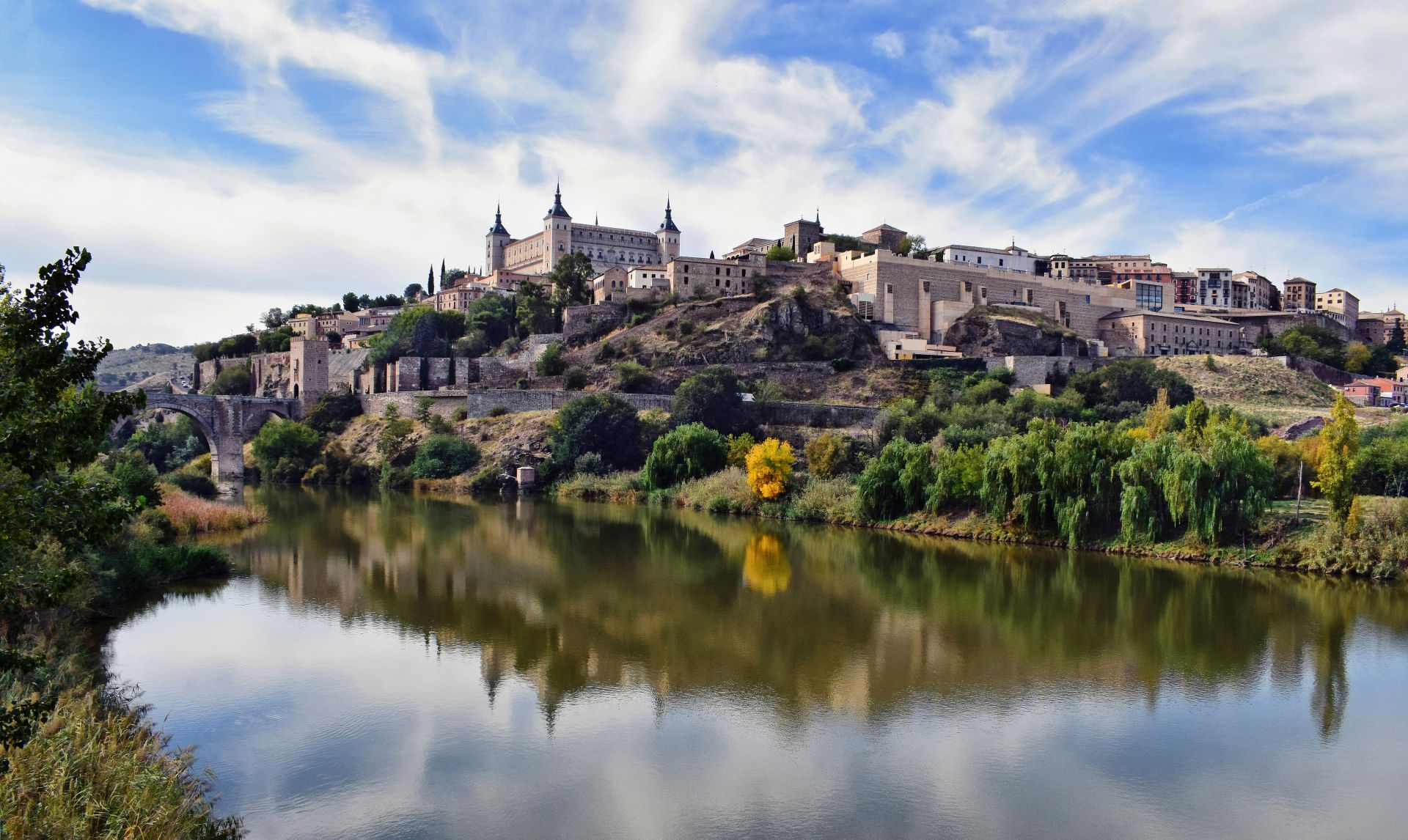
Albarracín to Toledo – Eastern Tagus Nature Trail
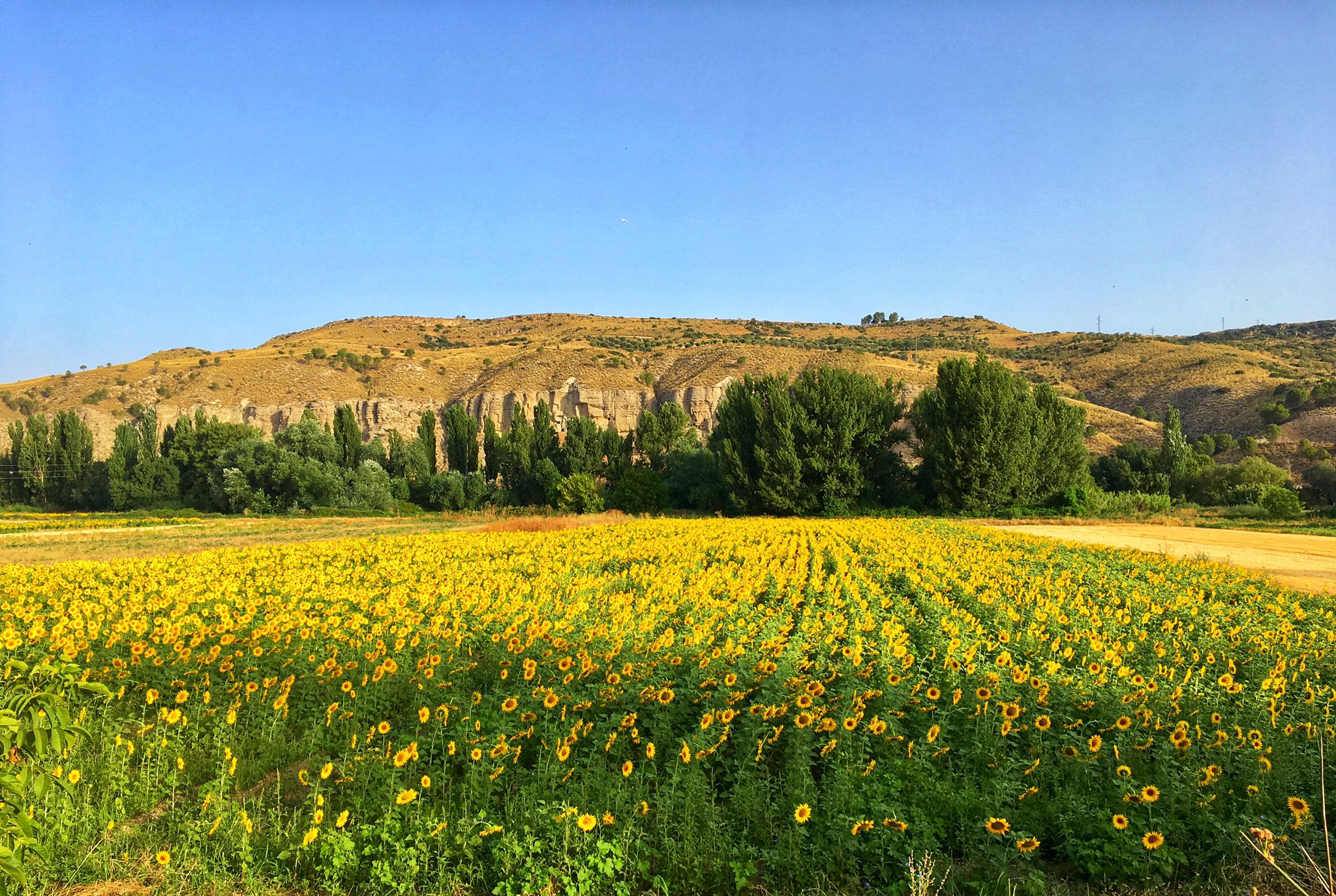
Palaces, rivers and fields — Las Vegas de Madrid gravel tour
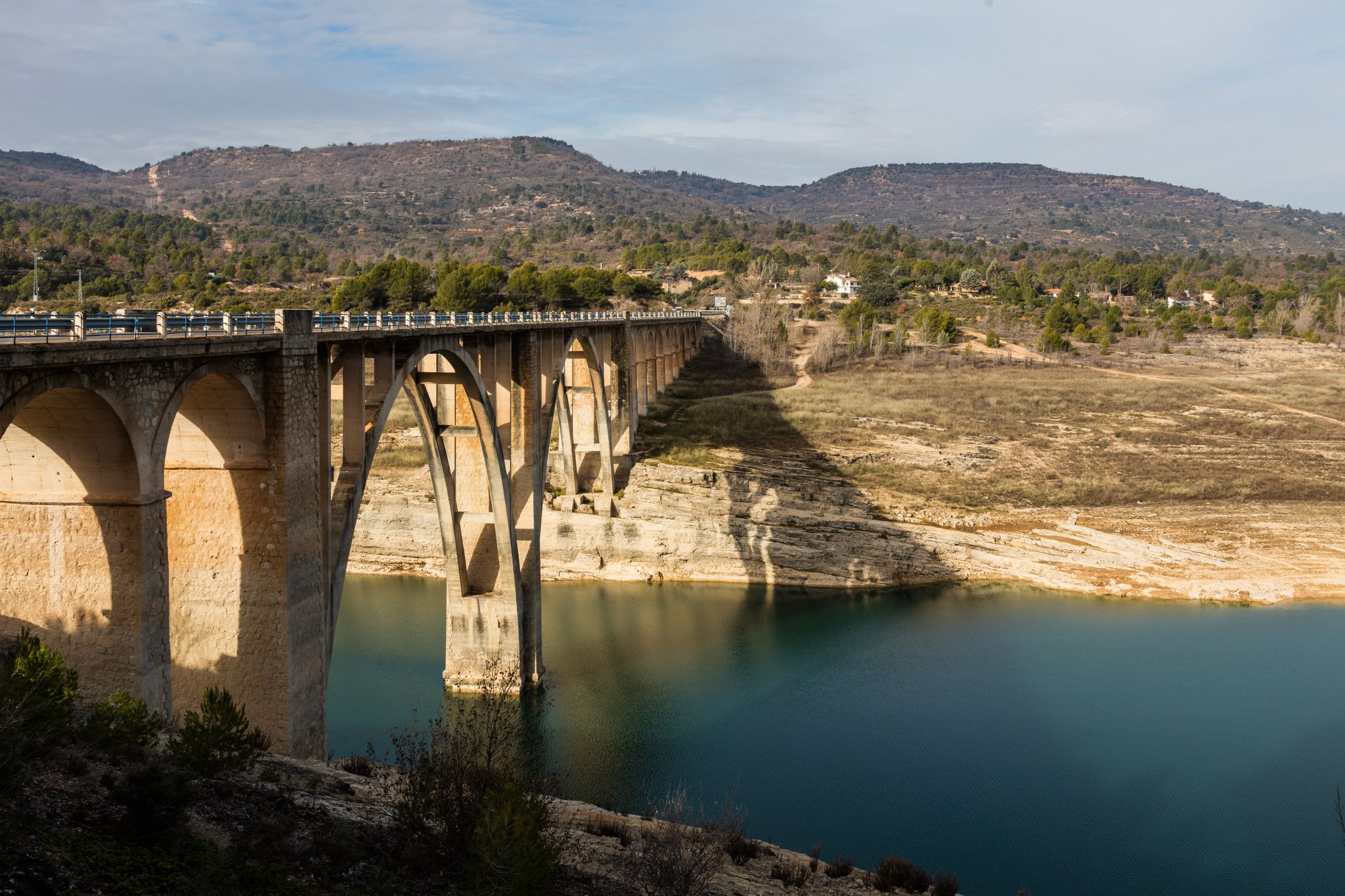
A journey on the Iberian Peninsula – Tagus Nature Trail
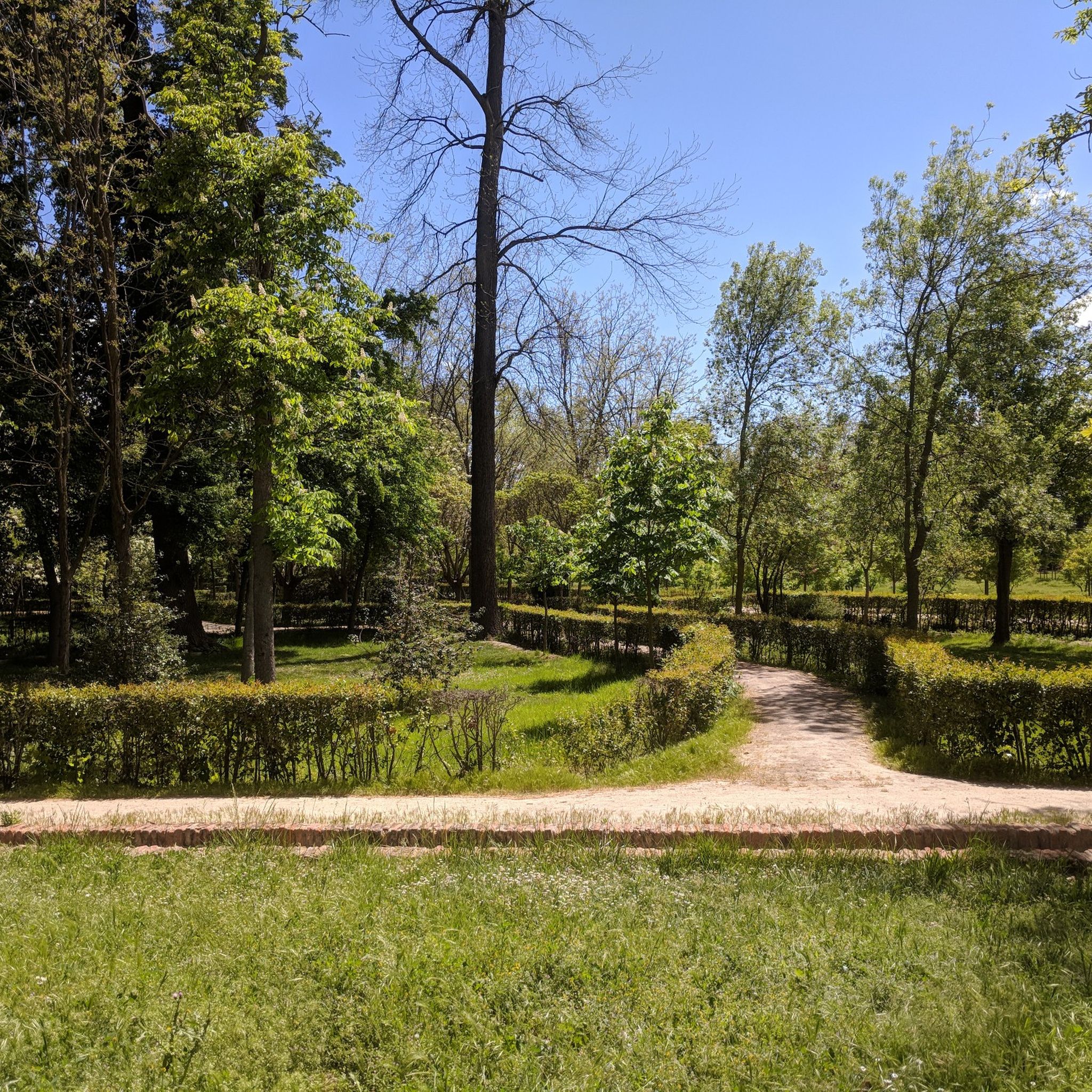
MTB Trails around Aranjuez
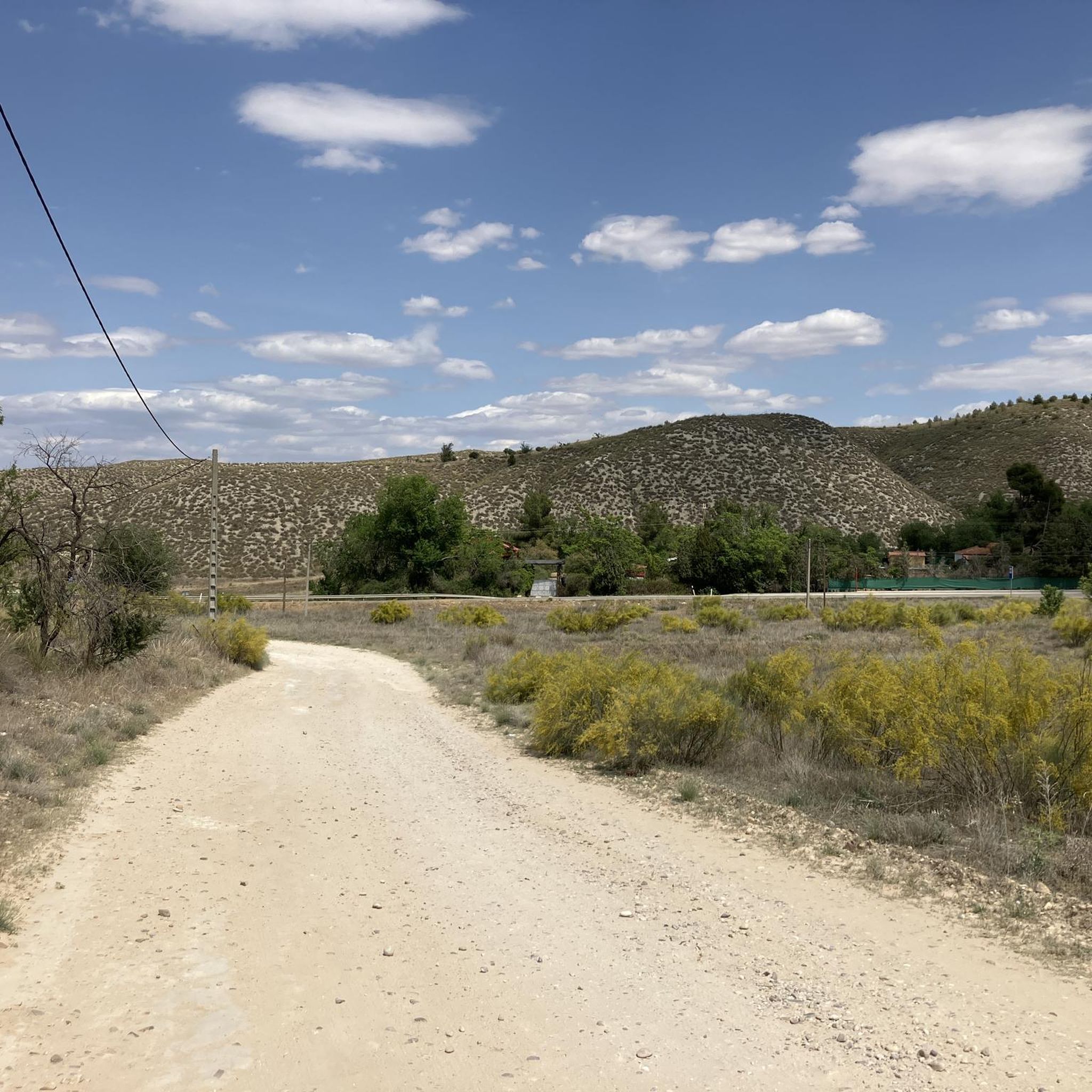
Running Trails around Aranjuez
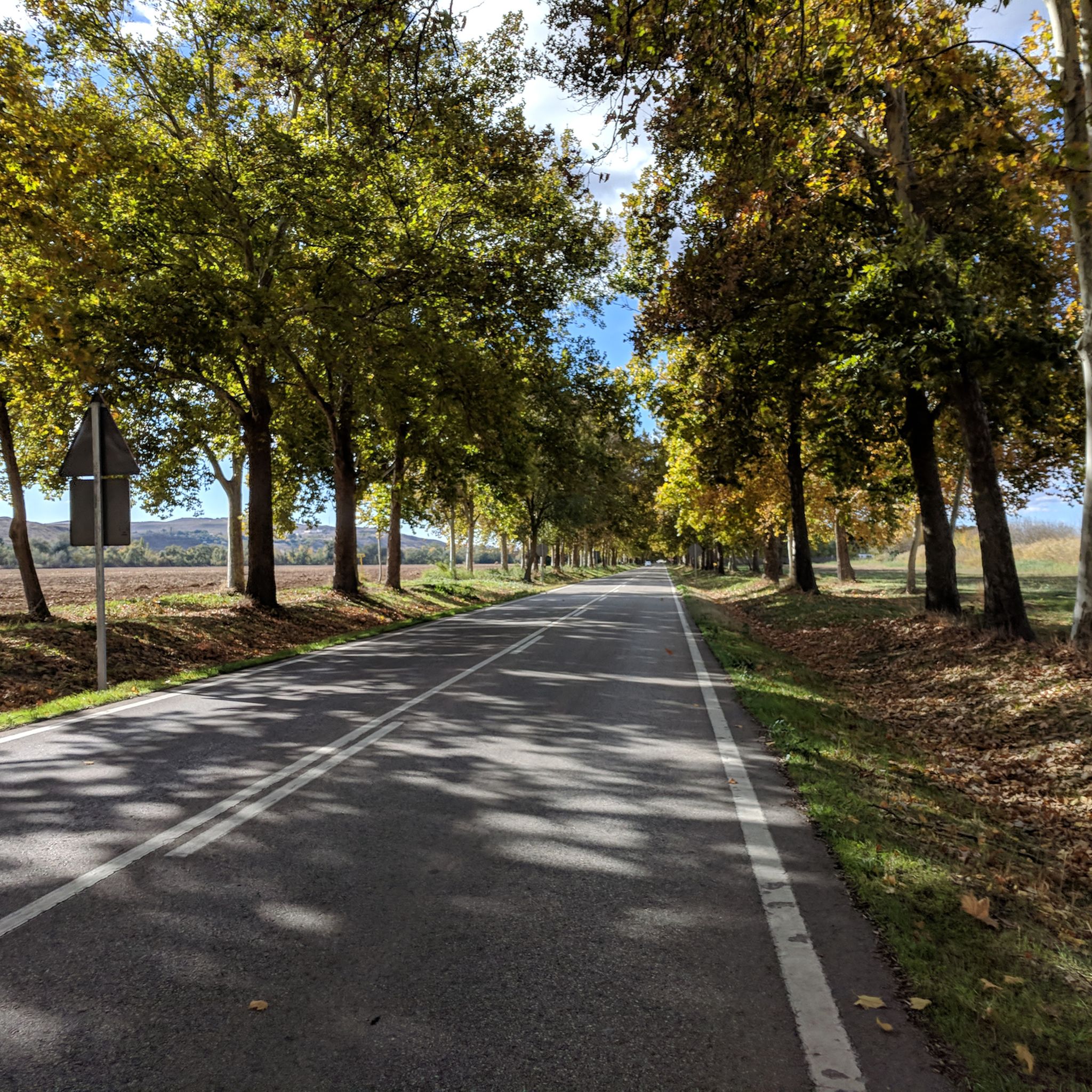
Cycling around Aranjuez
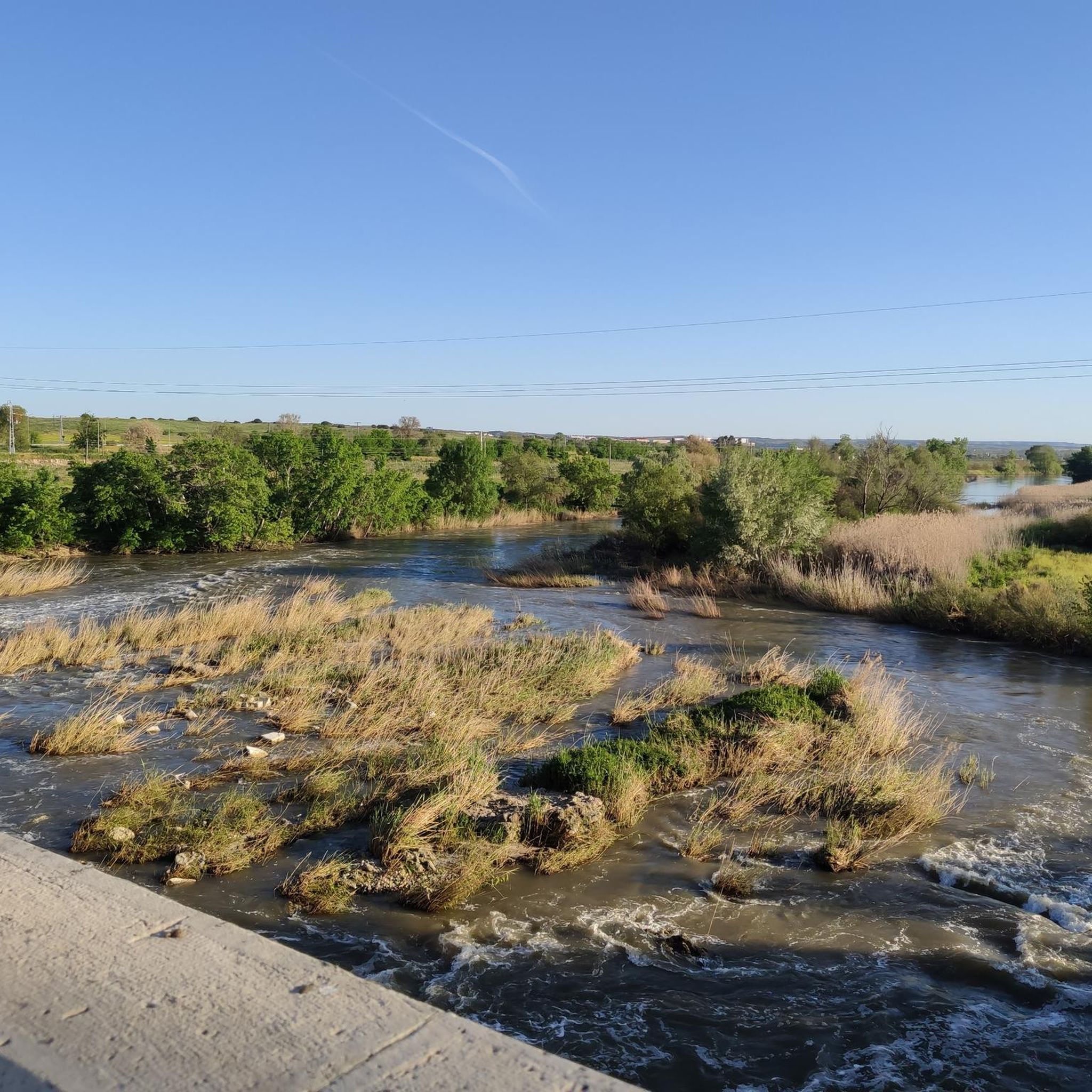
Hiking around Aranjuez
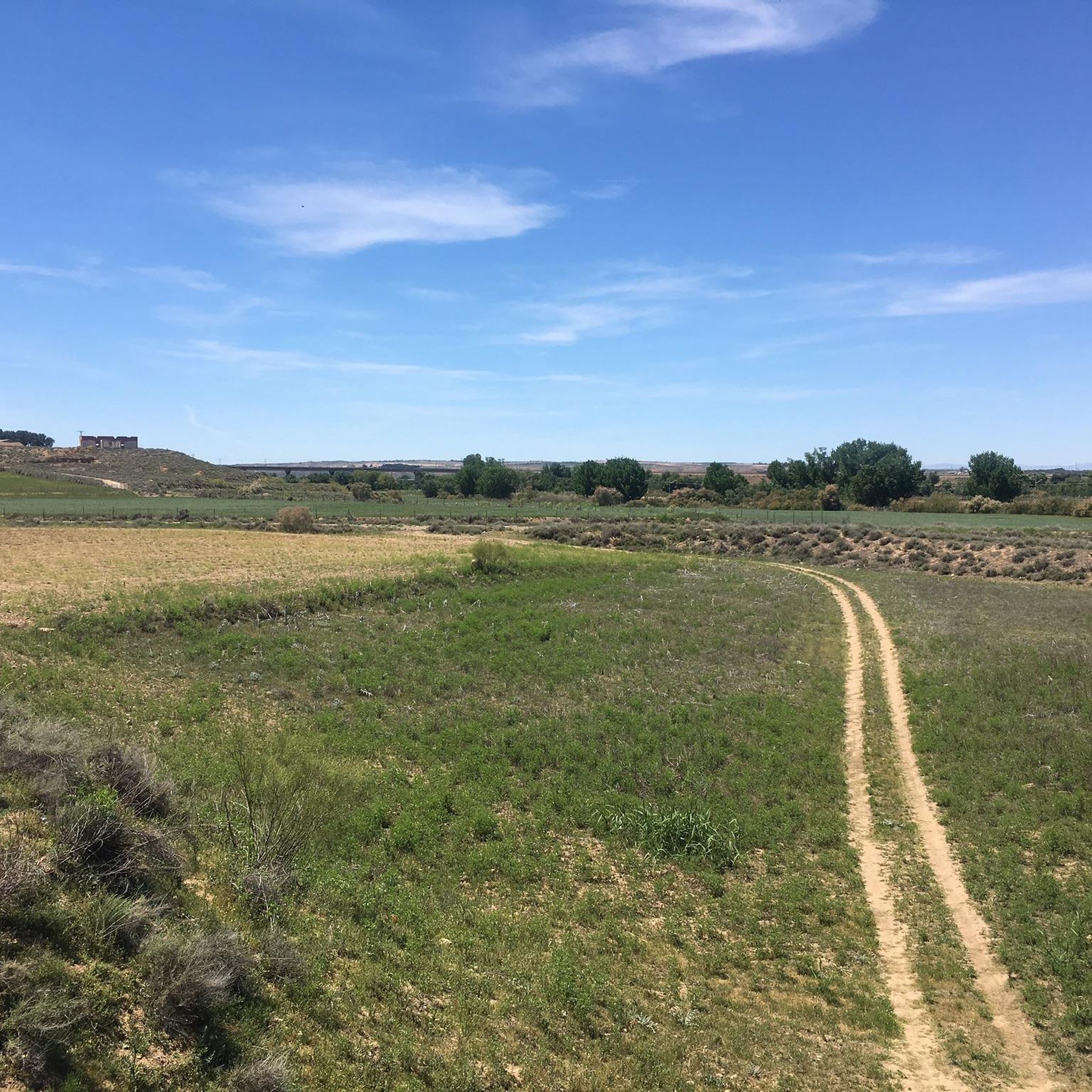
Road Cycling Routes around Aranjuez

Gravel biking around Aranjuez
Other adventures around Aranjuez


Tips from the Community

The Castle of Puñoenrostro (also known as the Castle of Seseña) is an imposing 14th-century fortress located in Seseña, in the province of Toledo (Spain). Declared a protected asset since 1949, it is famous for its massive Torre del Homenaje (keep) and is currently privately owned, not visitable inside.
1
0

La Casa de Oficios y Caballeros is one of the great historical buildings that form part of the immediate surroundings of the Royal Palace of Aranjuez. Less known than the palace, it was nevertheless essential for the functioning of the Royal Site and is today a key element of the Cultural Landscape of Aranjuez, declared a World Heritage Site by UNESCO.
18
0
Puñoenrostro Castle is an impressive medieval fortress located in Seseña (Toledo), although it is also associated with Torrejón de Velasco (Madrid) due to its proximity and recent restoration projects. Built in the 14th century, it was granted by Henry IV to Diego Arias de Ávila, his accountant and secretary. His descendants were named Counts of Puñoenrostro under Charles I. In 1862, the castle was sold along with its pastureland.
15
0
Declared a World Heritage Site by UNESCO, the Royal Palace of Aranjuez is surrounded by a total of 111.23 hectares of gardens that can be visited and is located in a fertile plain at the confluence of the Tajo and Jarama rivers. It has been the country residence par excellence of the Spanish monarchs.
6
0
Aranjuez, located in the Community of Madrid, is a Royal Site and Villa with a rich history and beauty. Royal Palace of Aranjuez: This majestic residence of the Spanish royal family is located on the banks of the Tagus River. Its gardens, such as those of the Island, Isabel II and the Jardín del Príncipe, are aesthetic spaces and plant museums. The Prince's Garden houses the Fountain of Apollo and the Asian and American Islands.
11
0
This majestic palace, managed and maintained by National Heritage, is located on the banks of the Tagus River. Its history and beauty fill every corner of this Royal Site, which is part of the Cultural Landscape of Aranjuez, declared World Heritage by UNESCO. I hope you enjoy your visit to the Royal Palace of Aranjuez! 🏰🌳🌸
10
0

Royal Palace, open to visitors. The surrounding gardens can also be visited (free). https://nl.m.wikipedia.org/wiki/Koninklijk_Paleis_van_Aranjuez
1
0
Casasola Castle is a ruined fortification located in the Spanish municipality of Chinchón, within the Madrid municipal area. This castle, which dates back to the 15th century, is located near the course of the Tajuña River. Although it is currently in a state of ruin, its historical and architectural value makes it a treasure that deserves to be known.
1
0
Frequently Asked Questions
What is the historical significance of the Royal Palace of Aranjuez?
The Royal Palace of Aranjuez served as a spring residence for Spanish monarchs since Philip II, witnessing significant historical events. It is a UNESCO World Heritage site, showcasing centuries of construction and modifications, and was opened to the public as an Artistic Historical Monument in 1931.
What architectural styles can I expect to see at the Royal Palace of Aranjuez?
The Royal Palace of Aranjuez features a harmonious blend of styles, from Renaissance to Neoclassicism, with elements of Hapsburg classicism evident in its alternating white stone and brick facades. Its construction involved renowned architects like Juan Bautista de Toledo and Juan de Herrera.
What are the main gardens to explore at the Royal Palace of Aranjuez?
The Royal Palace of Aranjuez is surrounded by several historic gardens, themselves a UNESCO World Heritage site. These include the expansive Prince's Garden, the Italo-Flemish inspired Island Garden, and the formal Parterre Garden, all offering unique styles, monumental fountains, and diverse plant species. The gardens are free to visit.
What is the Casa del Labrador and why should I visit it?
The Casa del Labrador, located within the Prince's Garden, is a charming neoclassical palace that served as a pleasure pavilion for King Charles IV. It's a remarkable example of late 18th-century neoclassical architecture with richly decorated interiors, offering a glimpse into the opulent royal lifestyle. It was declared a World Heritage Site in 2001.
Are there opportunities for outdoor activities near the castles around Aranjuez?
Yes, the area around Aranjuez offers various outdoor activities. You can find numerous routes for hiking, road cycling, and mountain biking. Many of these routes pass through the scenic landscapes surrounding the Tagus and Jarama rivers, and some even incorporate views of the royal sites and gardens.
Can I go hiking near the Royal Palace of Aranjuez?
Absolutely. There are several hiking trails in the vicinity, including routes like the 'Jardín del Príncipe and Tajo Natural Trail Loop' and the 'Royal Palace of Aranjuez – Royal Palace of Aranjuez loop'. These trails allow you to explore the extensive gardens and the natural beauty of the river confluence.
Are the castles around Aranjuez family-friendly?
The Royal Palace of Aranjuez and its vast gardens are considered family-friendly. Children can enjoy exploring the expansive green spaces, monumental fountains, and diverse plant collections. The historical context also offers educational opportunities for all ages.
What are some notable features inside the Royal Palace of Aranjuez?
Inside the Royal Palace of Aranjuez, visitors can explore richly decorated halls such as the opulent Throne Room, the exotic Arab Cabinet, and the intimate Queen Elizabeth II Bedroom. The Porcelain Cabinet, a jewel of Spanish Rococo art, and the Chinese Room with its 200 watercolors on rice paper, are also highly recommended.
Is the Royal Palace of Aranjuez accessible for visitors with mobility issues?
While the palace itself has historical architecture, efforts are made for accessibility. For specific details on wheelchair access within the palace and gardens, it's best to check the official website of Patrimonio Nacional or contact them directly before your visit.
What is the best time to visit the castles and gardens in Aranjuez?
Aranjuez is beautiful in spring and autumn when the weather is mild, and the gardens are at their most vibrant or display rich autumnal colors. Spring, in particular, highlights the lushness of the gardens. Visiting during these seasons also helps avoid the intense summer heat and larger crowds.
Are there any other historical castles to see besides the Royal Palace?
Yes, beyond the royal residences, you can also explore other historical sites. Casasola Castle, a ruined 15th-century fortification near the Tajuña River, offers historical and architectural interest. Another impressive medieval fortress is Puñoenrostro Castle, dating back to the 14th century, known for its 35-meter-high tower of homage.
Most popular attractions around Aranjuez

Get inspired with the komoot mobile app


Explore more
Looking for the best castles somewhere else? Discover other guides around Aranjuez:
