Top 10 Castles around Sant Feliu De Guíxols
Castles around Sant Feliu De Guíxols offer a journey through the region's rich history, characterized by fortified structures and defensive architecture. The area's coastal position led to the development of sites like the Benedictine Monastery and the Hermitage of Sant Elm, which served as crucial strongholds. These historical landmarks provide insights into the town's past and its need for protection. Visitors can explore a blend of Romanesque, Gothic, and Baroque architectural styles within these ancient fortifications.
Best castles around Sant…
Last updated: July 4, 2026
Vila Vella Fortress, Tossa de Mar
Highlight • Castle
Translated by Google •
Tip by

Tossa de Mar
Highlight • Settlement
Translated by Google •
Tip by

Sign up now to discover places like this
Get recommendations on the best single tracks, peaks, & plenty of other exciting outdoor places.
Sign up for free
Tossa de Mar Beach and Castle
Highlight • Beach
Translated by Google •
Tip by

17th Century Cannons
Highlight • Historical Site
Translated by Google •
Tip by

Calonge Old Town
Highlight • Settlement
Translated by Google •
Tip by

Sign up for free to discover even more castles around Sant Feliu De Guíxols.
Sign up for free
Already have an account?
Start today with a free account
Your next adventure awaits.
Login or Signup
Popular around Sant Feliu De Guíxols
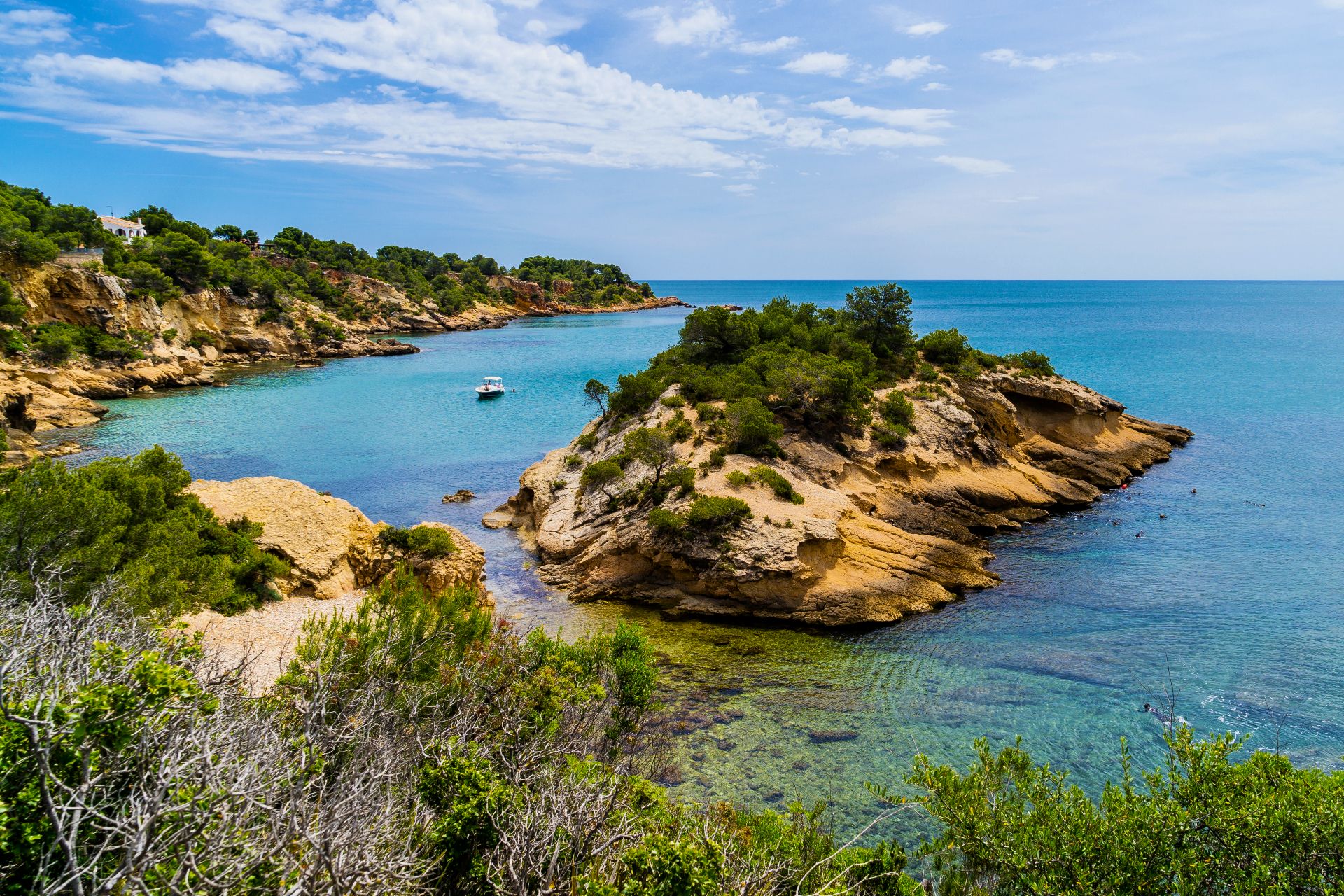
The Catalan coast on foot – Mediterranean Path (GR 92)
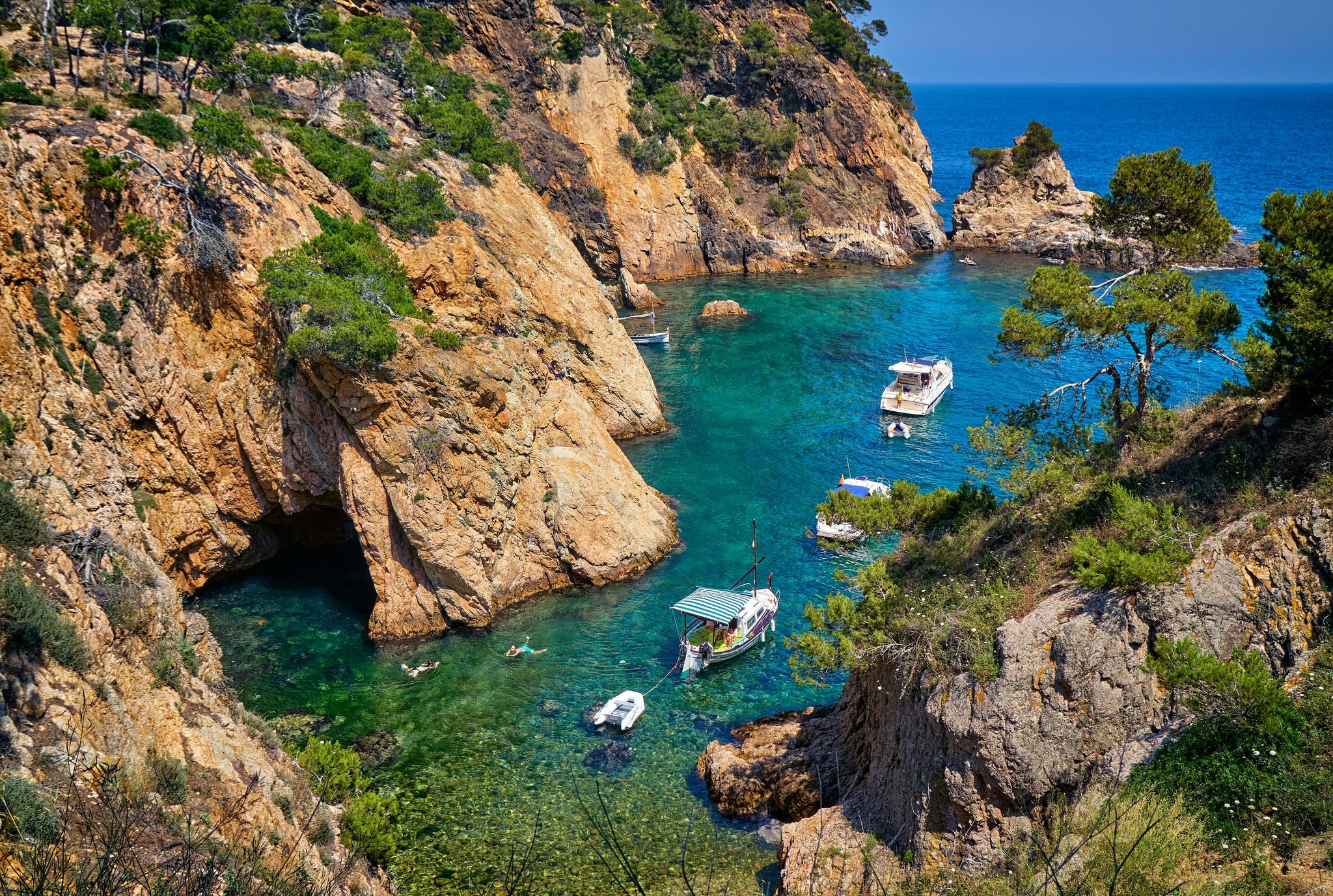
Costa Brava on foot from Girona – Camí de Ronda

Mediterranean coastal paradise – EuroVelo 8 in Spain
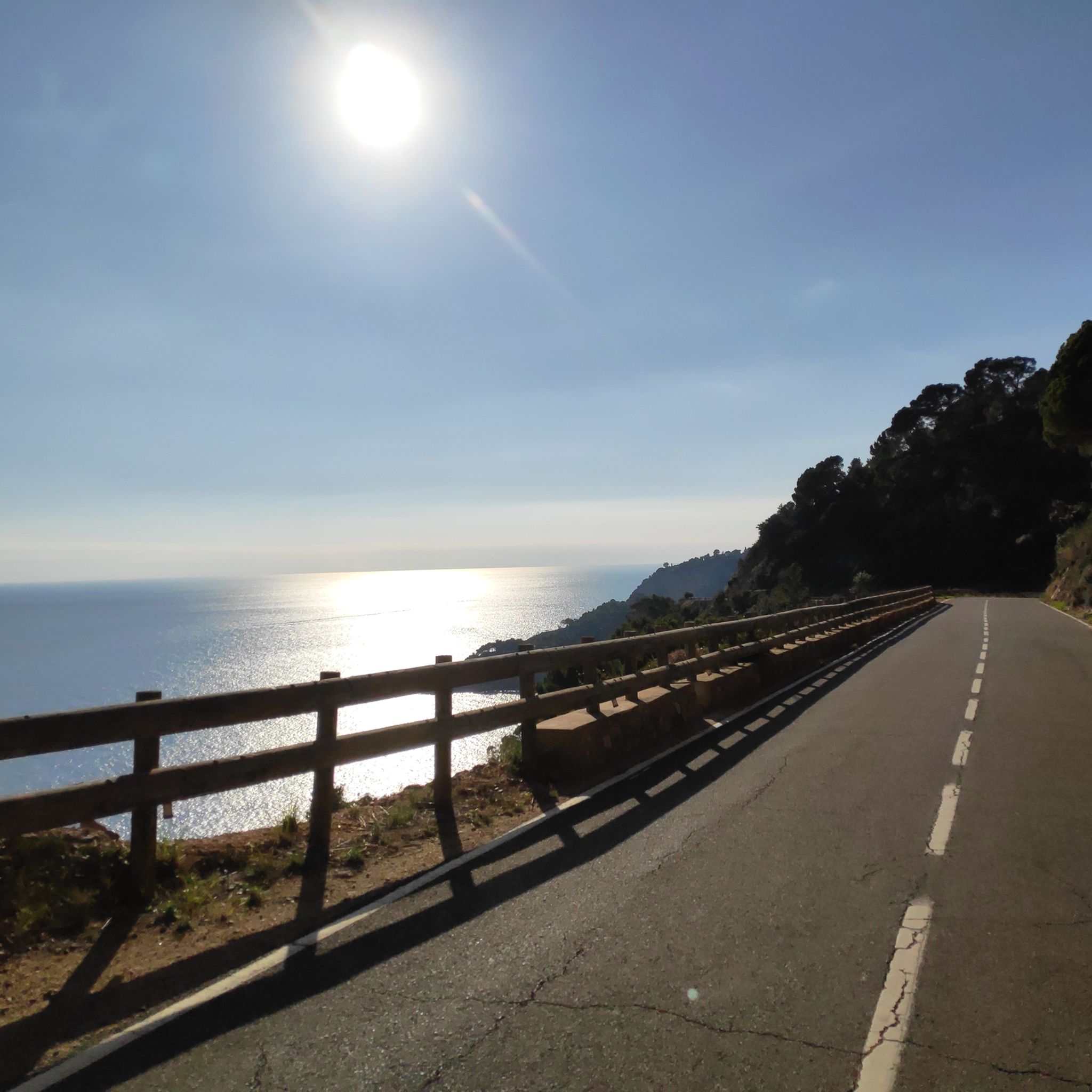
Road Cycling Routes around Sant Feliu De Guíxols
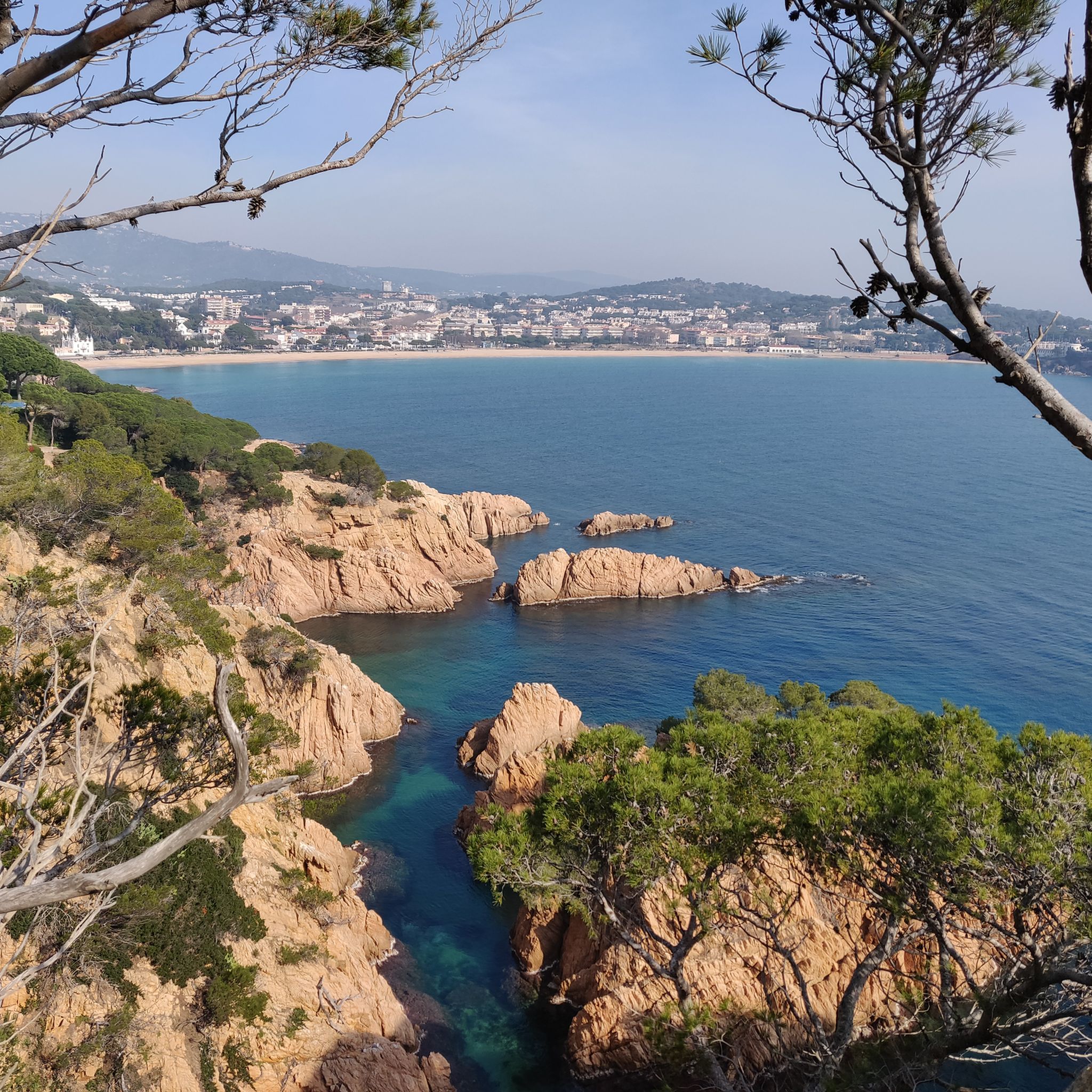
Hiking around Sant Feliu De Guíxols
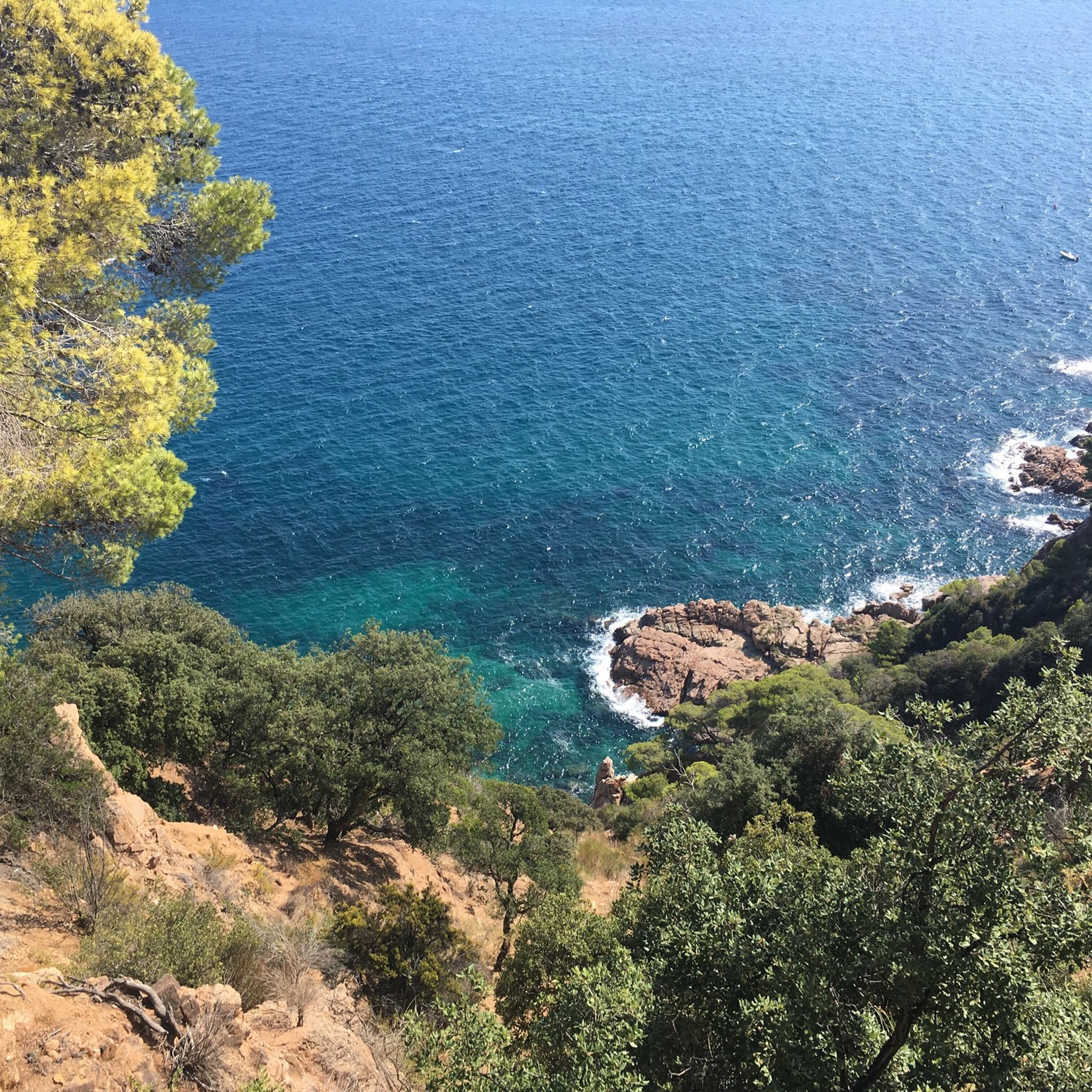
Cycling around Sant Feliu De Guíxols
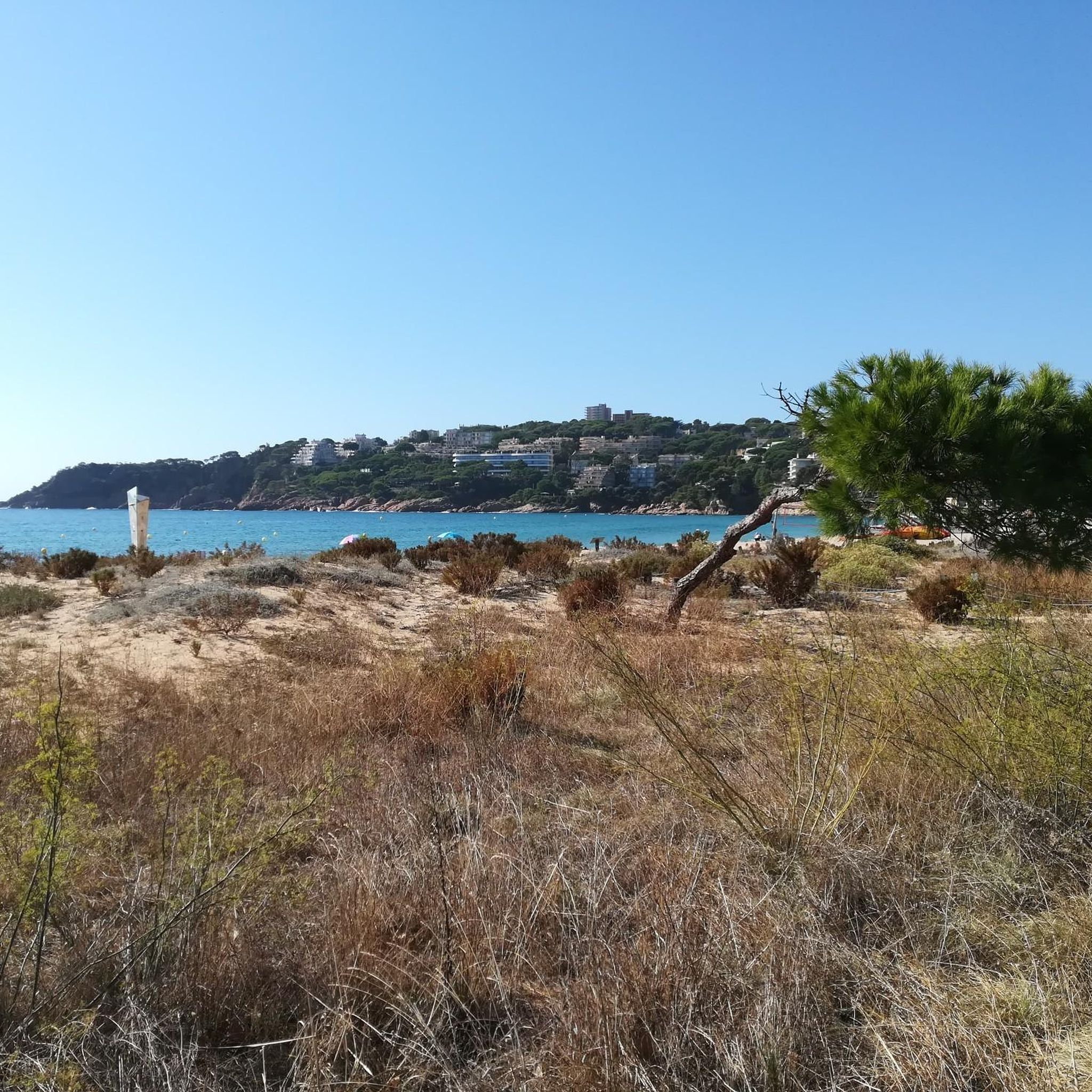
Running Trails around Sant Feliu De Guíxols
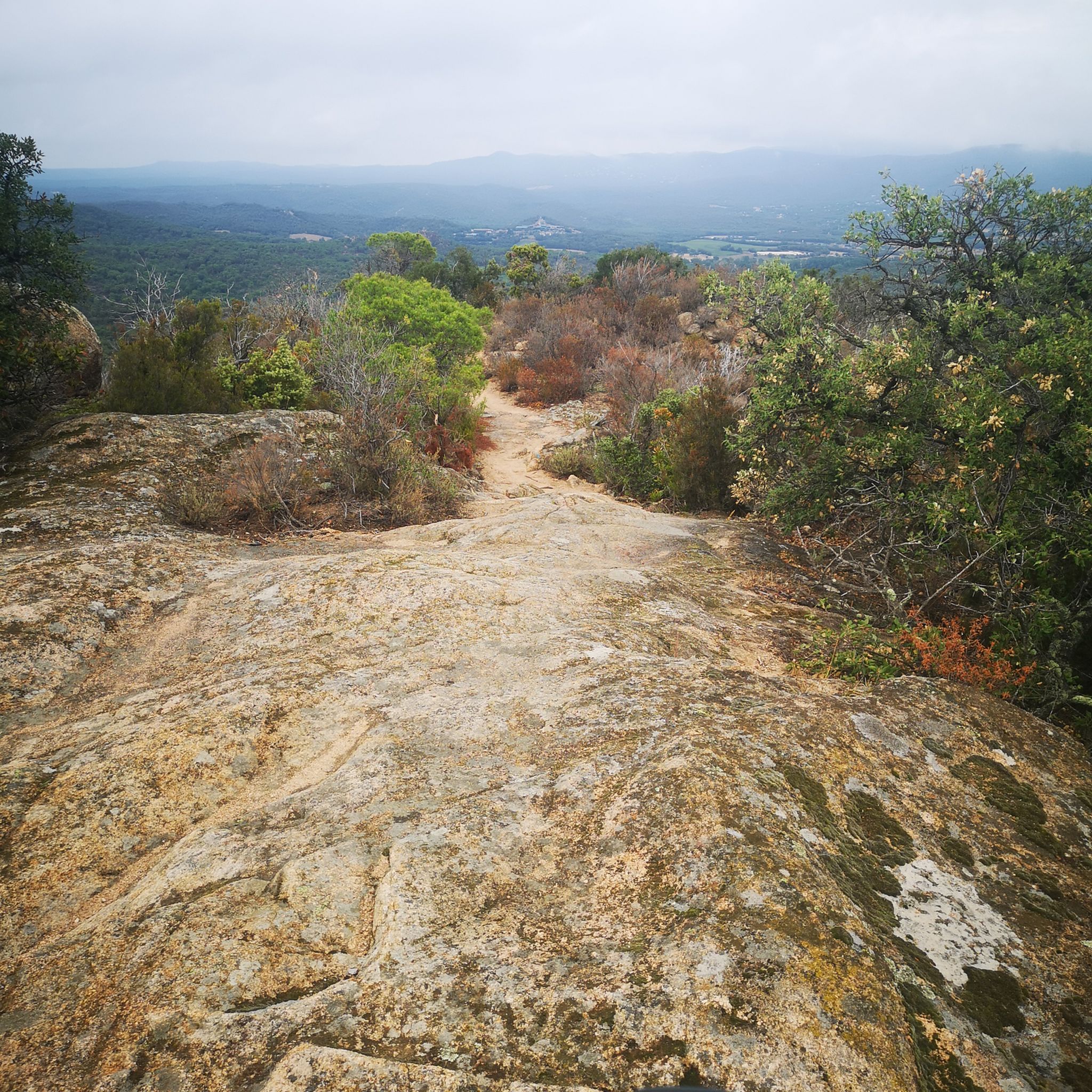
MTB Trails around Sant Feliu De Guíxols
Gravel biking around Sant Feliu De Guíxols


Tips from the Community

At the foot of Tossa de Mar's old town lies the new town of Vila Nova, the tourist hub with its numerous bars, restaurants, and shops. In front of the new town is the large beach of Platja Gran, which is divided by the Tossa River along its edge facing the old town.
0
0

Tossa de Mar is a picturesque coastal town on the Costa Brava in Catalonia, Spain. It is known for its beautiful old town surrounded by medieval city walls and towers, as well as its idyllic beach and crystal clear waters. Particularly impressive is the well-preserved fortress **Vila Vella**, which stands high above the sea and offers stunning views of the coast. Combining Mediterranean beauty with historic charm, Tossa de Mar is a popular destination for travelers looking to enjoy culture, nature and beach relaxation.
1
0

Tossa de Mar is one of the most impressive towns in this area of the Costa Brava. An old town renovated (for some people even too much) but which helps to imagine what this town must have been like in its greatest splendor.
0
1
One of the most iconic towns in this area of the Costa Brava, with a beach guarded by its old town and at the top a well-preserved castle that is perfectly accessible.
1
0

Super nice view from up here. It also has a great restaurant.
2
1

Tossa de Mar is a relatively quiet and manageable resort on the Costa Brava. To the north, a sparsely populated coastal mountain range with lots of forest extends to Sant Feliu de Guixols.
1
1

These 17th century cannons were recovered from the sea, because during the Napoleonic occupation they were blown up so that the French could not use them. They are very well rebuilt and located in a privileged viewpoint of Villa Vella with spectacular views. They deserve to be visited.
30
1

The historic center of Calonge stands out for its impressive castle, documented since 1019, which has a parade ground surrounded by walls with battlements (13th century) and an old tower (11th century) with an almost square floor plan. The castle was destroyed in a fire in 1485 and was rebuilt, being converted into a residential palace in the 16th century. The castle's parade ground is now a public square, where a music festival has been organized since 1967. The church of Sant Martí de Calonge also stands out, whose original structure is Romanesque and which was consecrated in 1423. In the 18th century the church was erected in its current shape, demolishing the central and north nave to convert them into a single nave
1
0
Frequently Asked Questions
What kind of historical sites can I expect to find around Sant Feliu de Guíxols?
Sant Feliu de Guíxols is rich in historical sites, particularly fortified structures that served defensive purposes. You'll find ancient monasteries, hermitages with historical fortifications, and coastal fortresses. Key examples include the Vila Vella Fortress, Tossa de Mar, the Benedictine Monastery of Sant Feliu de Guíxols with its iconic Porta Ferrada, and the Hermitage of Sant Elm, known for its strategic views.
Are there any family-friendly castles or historical sites to visit?
Yes, several sites are suitable for families. The Vila Vella Fortress, Tossa de Mar, is very family-friendly, offering a well-preserved old town with small streets to explore. The wider area of Tossa de Mar also features a beach and a walled town that children can enjoy. Additionally, Calonge Old Town, with its impressive castle and public square, is a great option for families.
What are the best places for panoramic views near these historical sites?
For breathtaking panoramic views, the Hermitage of Sant Elm is highly recommended. Situated on an elevated peninsula, it offers expansive vistas of Sant Feliu's bay, port, and the coastline. The Solius Castle (also known as Castell de la Roca) provides an excellent viewpoint of the Ardenya massif and the Vall d'Aro. You can also find spectacular views from the location of the 17th Century Cannons, overlooking Vila Vella.
What is the historical significance of the Benedictine Monastery in Sant Feliu de Guíxols?
The Benedictine Monastery is the most significant historical site in Sant Feliu de Guíxols. Dating back to the 10th century, it functioned as a fortified complex, protecting the town from attacks, particularly from pirates. It features the iconic Romanesque Porta Ferrada and defensive towers like the Torre del Fum and Torre del Corn, which were used for signaling and alarms. Today, it houses the town's main museum, offering deep insights into the region's past.
Are there hiking or cycling routes near the castles and historical sites?
Yes, the region offers various outdoor activities. For road cycling, you can explore routes like "Sant Grau d'Ardenya through the Cadiretes Massif" or "View of the Sea from Sant Grau – Scenic Road to Tossa de Mar loop." Mountain biking enthusiasts can try "Desde Sant Feliu de Guixols a la Ermita de Sant Baldiri de Solius." For running, there are trails such as "Ascent to Puig de les Cols." You can find more details on these and other routes in the Road Cycling Routes, Running Trails, and MTB Trails guides around Sant Feliu de Guíxols.
What is the best time of year to visit the castles and historical sites?
The Costa Brava region generally enjoys a mild Mediterranean climate. Spring (April-May) and autumn (September-October) are ideal for visiting, offering pleasant temperatures for exploring historical sites and enjoying scenic walks without the peak summer crowds. Summer can be hot, but coastal breezes make it bearable, especially for sites near the sea like Tossa de Mar.
What architectural styles can be observed in the region's historical buildings?
The historical buildings around Sant Feliu de Guíxols showcase a blend of architectural styles reflecting centuries of development. You will primarily see Romanesque elements, particularly in the Benedictine Monastery's Porta Ferrada, alongside later Gothic and Baroque additions. The Calonge Old Town castle, for instance, was rebuilt into a residential palace in the 16th century, demonstrating architectural evolution.
Are there any hidden gems or lesser-known historical ruins to discover?
While not exactly hidden, the remains of Solius Castle, also known as Castell de la Roca, are a fascinating discovery. Only a few parts excavated in the granite promontory remain, offering a glimpse into its 12th-13th century origins and its strategic location as a viewpoint. It's a cultural asset of national interest in the municipality of Santa Cristina de Aro.
What do visitors enjoy most about the historical sites in this region?
Visitors frequently appreciate the well-preserved nature of sites like the Vila Vella Fortress, Tossa de Mar, with its charming old town and defensive towers. The blend of history with stunning coastal views, especially from places like the Hermitage of Sant Elm and the 17th Century Cannons, is also a major highlight. Many enjoy strolling through the ancient streets and imagining the past.
How long should I plan for a visit to these castles and historical sites?
For a comprehensive visit to a major site like the Benedictine Monastery or the Vila Vella Fortress, Tossa de Mar, including exploring the surrounding old town and perhaps a museum, plan for at least half a day. Smaller sites like the Hermitage of Sant Elm or Solius Castle can be visited in 1-2 hours, often combined with a scenic walk or hike.
Is it possible to access these historical sites using public transport?
Sant Feliu de Guíxols itself is well-connected by bus services to nearby towns. While direct public transport to every single ruin or hermitage might be limited, major towns like Tossa de Mar and Calonge, which host significant historical sites, are generally accessible. From these towns, some sites might require a walk or a short taxi ride. For specific routes and schedules, it's advisable to check local transport information.
Most popular routes around Sant Feliu De Guíxols
Most popular attractions around Sant Feliu De Guíxols

Get inspired with the komoot mobile app


Explore more
Looking for the best castles somewhere else? Discover other guides around Sant Feliu De Guíxols:
