Top 2 Lakes around Alméria
Best lakes around Alméria, a province in Andalusia, Spain, offers a diverse range of water bodies. While not known for large natural lakes, the region features significant man-made reservoirs, coastal wetlands, and natural riverine pools. These areas provide unique opportunities for observing local fauna and engaging in outdoor activities. The landscape is characterized by its arid climate, making these water sources vital for the ecosystem and local communities.
Best lakes around Alméria
- The most popular lakes is Salinas and Wetlands…
Last updated: May 23, 2026
Salinas and Wetlands of Roquetas de Mar
Highlight (Segment) • Natural Monument
Translated by Google •
Tip by

Las Salinas Lagoon, Roquetas de Mar
Highlight • Lake
Translated by Google •
Tip by

Sign up now to discover places like this
Get recommendations on the best single tracks, peaks, & plenty of other exciting outdoor places.
Sign up for free
Flamingos
Highlight • Lake
Translated by Google •
Tip by

Start today with a free account
Your next adventure awaits.
Login or Signup
Popular around Alméria
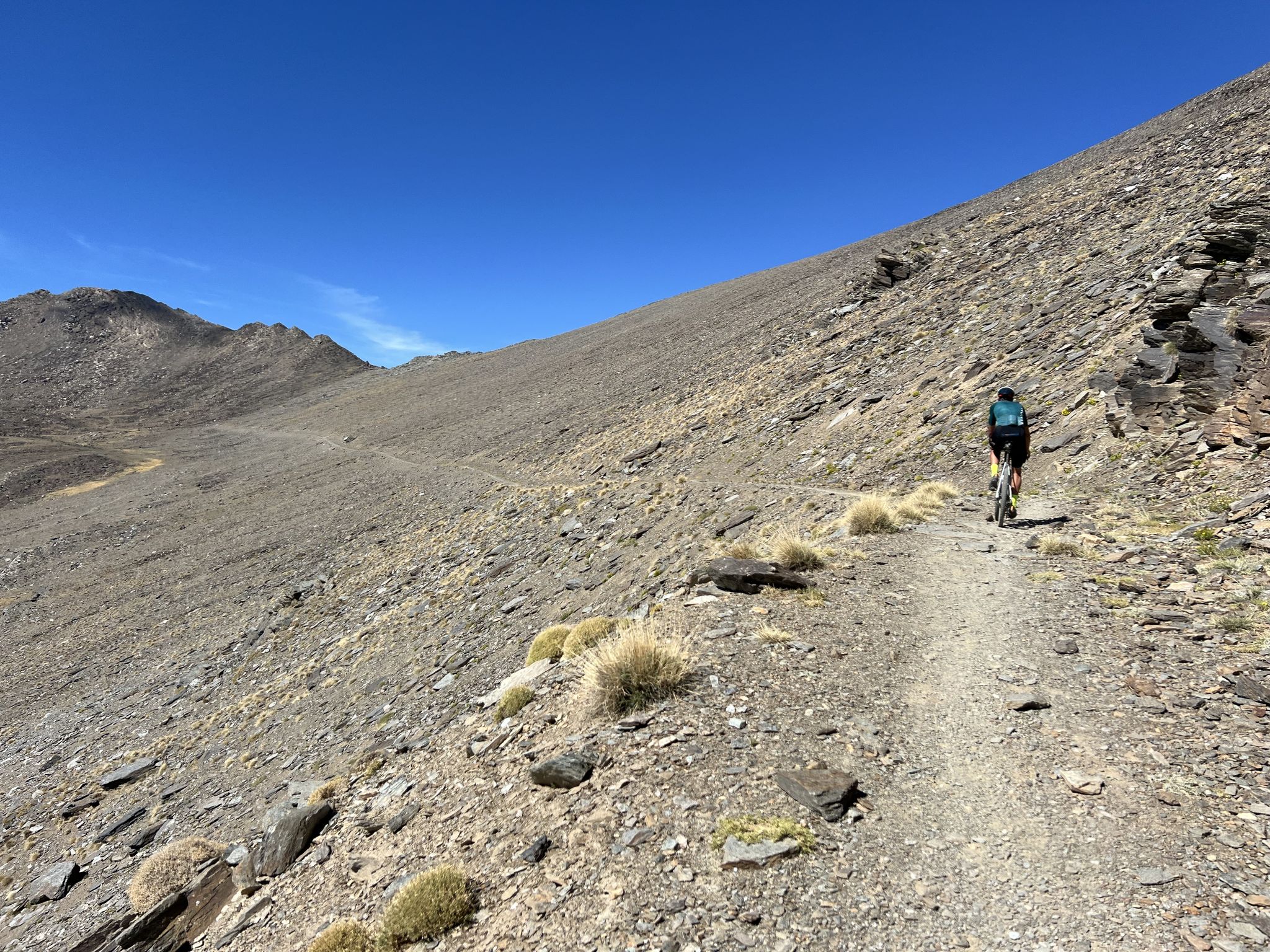
Badlands 2024 – extreme experiences and a sense of joy
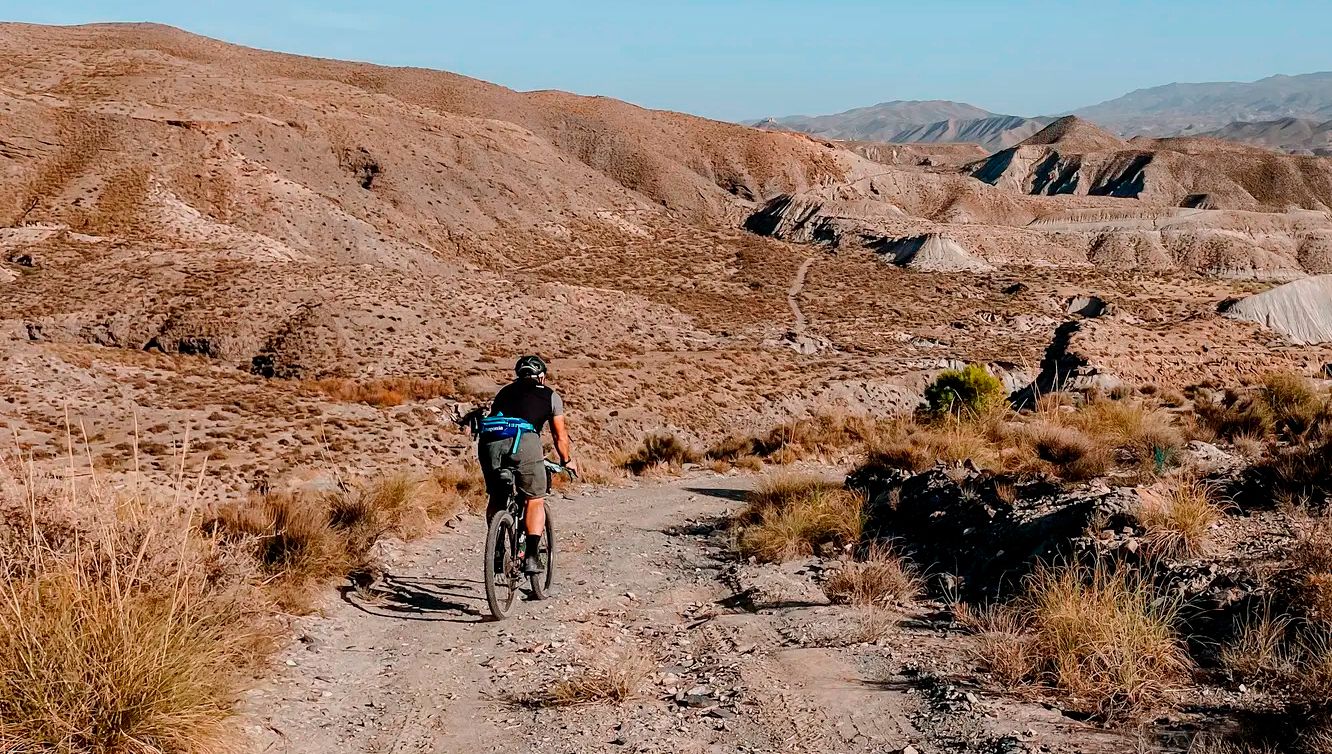
TransAlmería Gravel – Summits, dry riverbeds and deserts
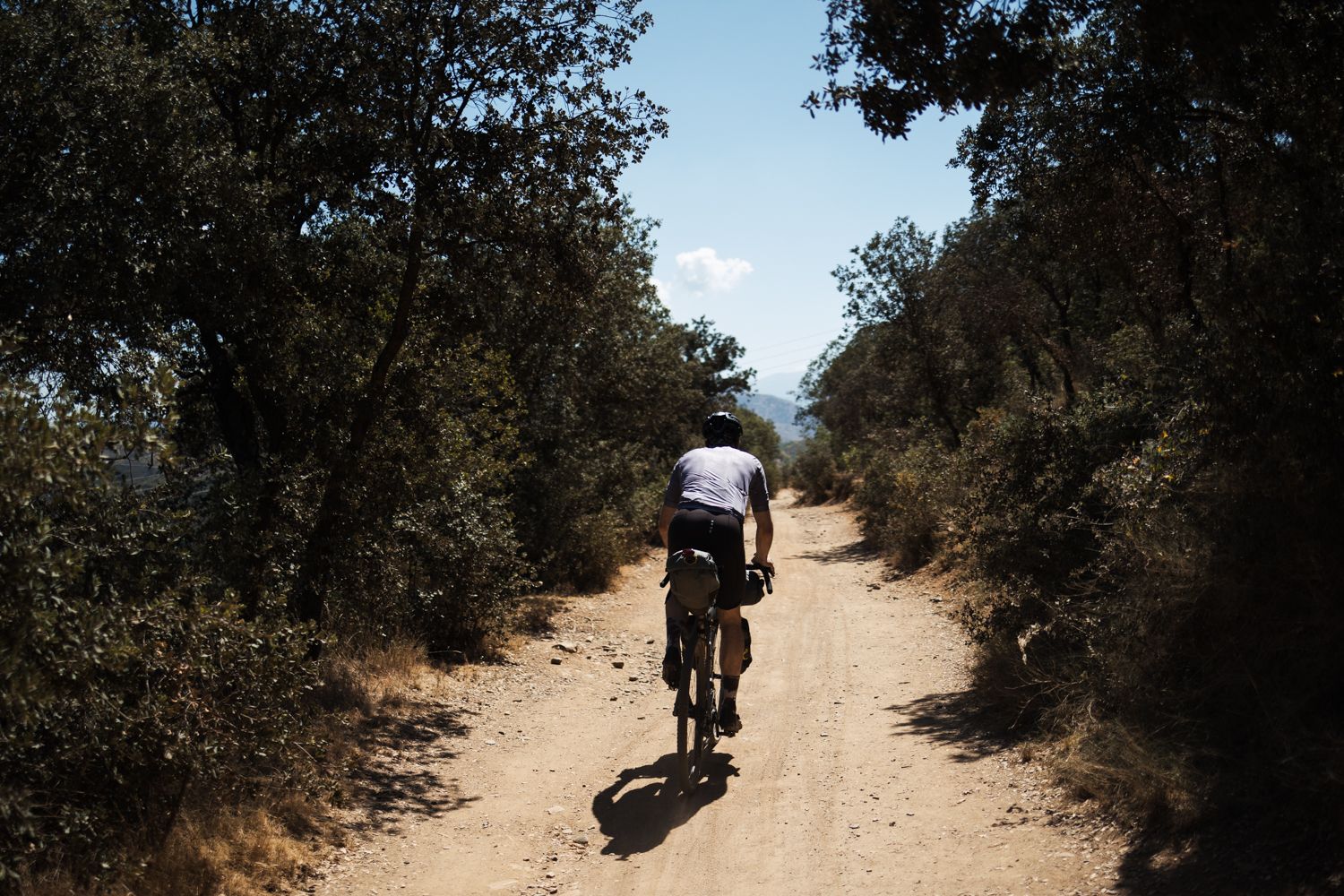
Mozarabic Way to Santiago – Gravel between two worlds
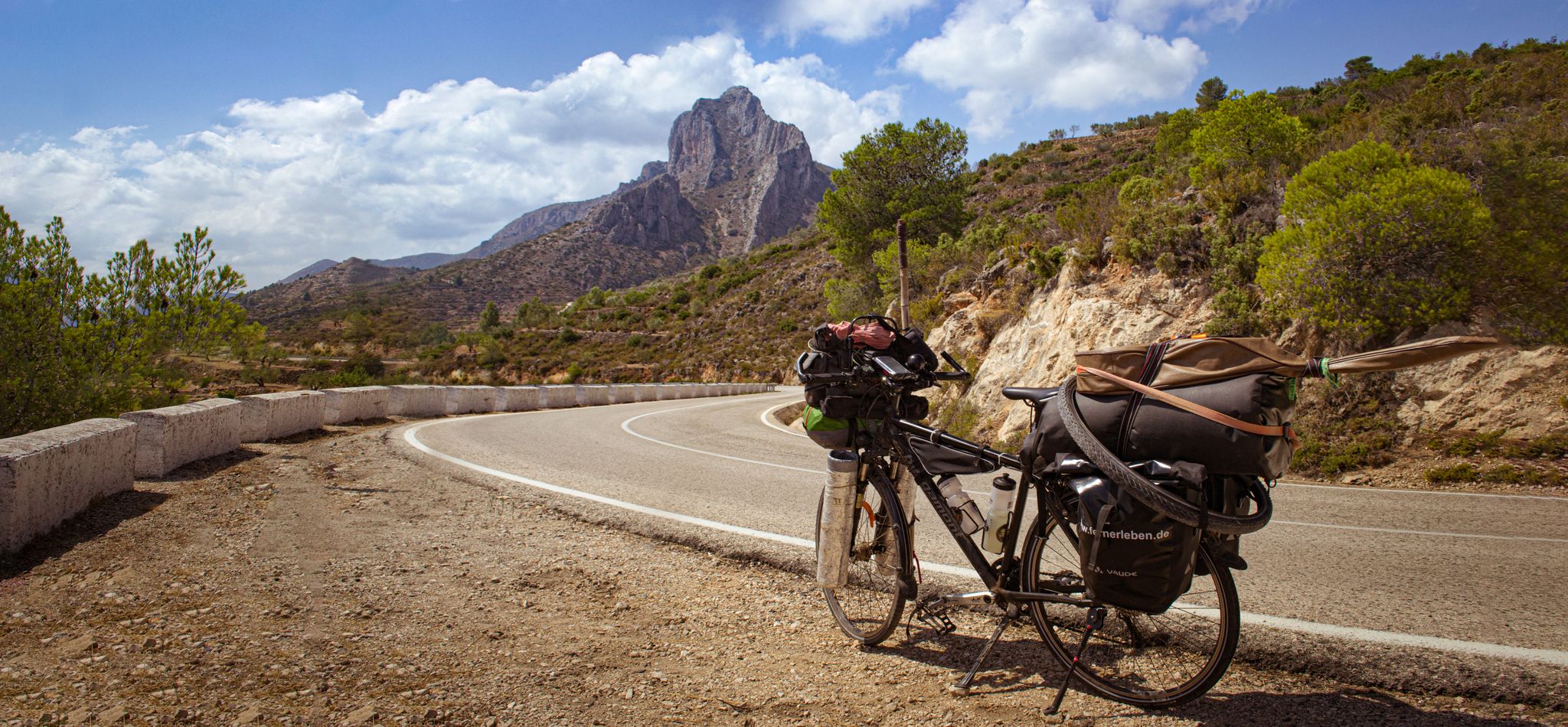
On the road to the sun — bikepacking to southeast Spain
The Wild Side Of Almería — Transalmería By Mountain Bike
Between the sea and the Sierra – Cycling routes along the coast of Almería
Beaches and desert – TransAlmería by MTB (El Levante)
A bike ride that’s like a movie – Natural Park of Cabo de Gata-Níjar
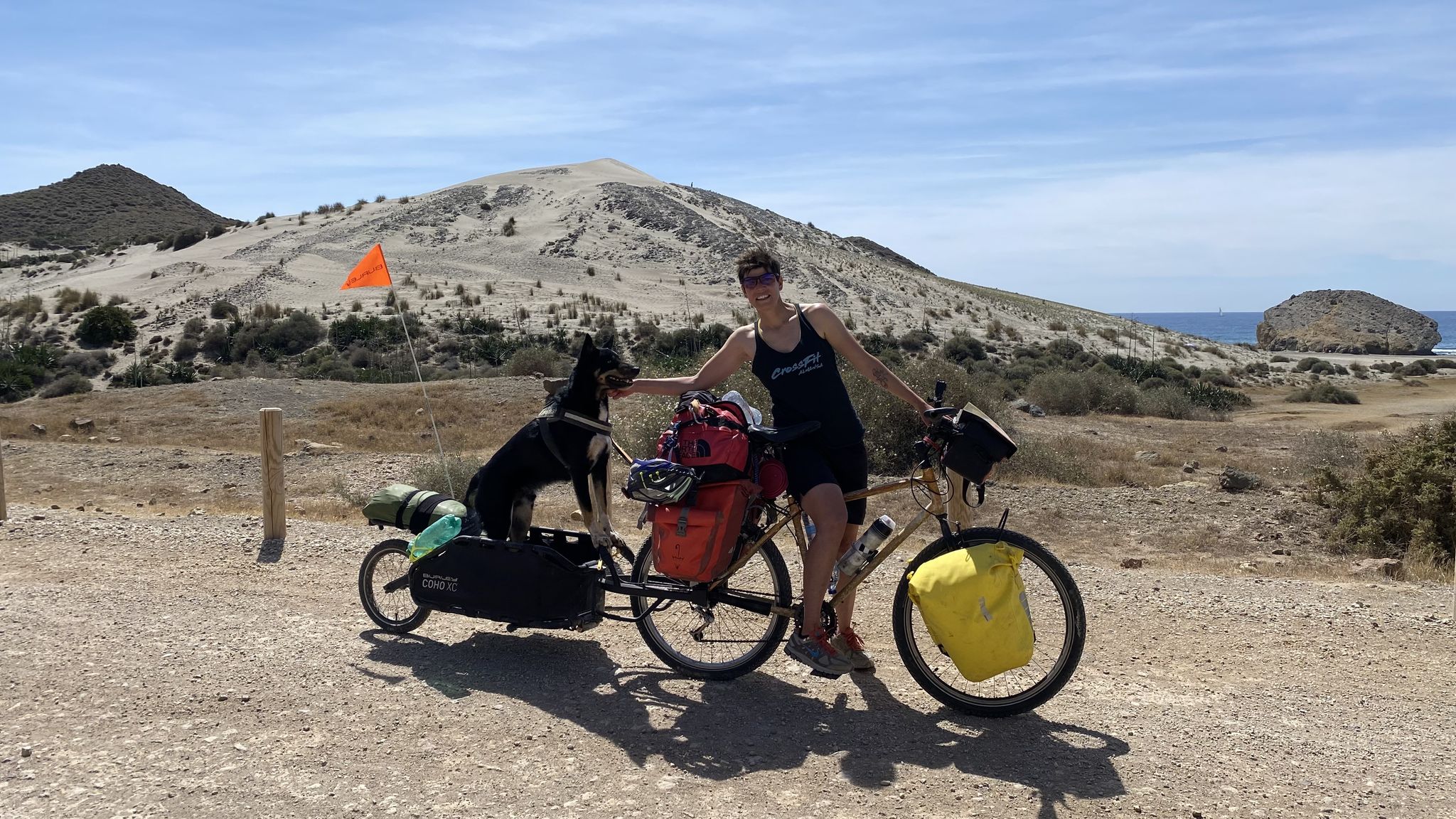
Let’s head south – cycle in Andalusia with me and my dog
Wild and free Andalusia – Transandalus through the interior
Other adventures around Alméria


Tips from the Community

We visited the Salines in May. No flamingos! Disappointing!!
0
0

Located directly on the beach / bike path and animals can also be observed there.
1
0
Very varied salt pans with many opportunities to observe flamingos and other birds.
1
0

There are several hundred of them spread across the various lakes. You don't see them near the observatories, but if you take the gravel path along the ponds you can see them clearly.
9
1

If you go by mountain bike, the most beautiful thing is to enter the trails that are behind the bike lane
0
0

The Roquetas de Mar Salt Flats and Wetlands are a protected natural space of great ecological value. Located on the Almería coast, this wetland is home to a wide variety of migratory and endemic birds. The space has a bike lane built with platforms and wooden bridges.
1
0

That lake is to observe it, you cannot get into it since it is a place where there are animals
0
0

Sand cycle path pressed by the Salinas, recommendable to use anti-mosquitoes.
1
0
Frequently Asked Questions
Are there family-friendly lakes or water bodies to visit in Almería?
Yes, several water bodies in Almería are suitable for families. The Salinas and Wetlands of Roquetas de Mar and The Salt Flats of Cabo de Gata are both marked as family-friendly and offer opportunities for birdwatching and gentle walks. Las Salinas Lagoon, Roquetas de Mar is also a great spot to observe animals directly on the beach path.
What kind of wildlife can I expect to see around Almería's lakes?
Almería's wetlands and salt flats are rich in birdlife. You can often spot flamingos, especially in February, at The Salt Flats of Cabo de Gata and the Salinas and Wetlands of Roquetas de Mar. The Salar de los Caños Wetland near Vera is known for over 150 species, including flamingos, white-headed ducks, and squacco herons. The Cuevas de Almanzora Dam also attracts herons, cormorants, and ducks.
Can I go hiking or cycling near the lakes in Almería?
Absolutely. The Salinas and Wetlands of Roquetas de Mar feature a dedicated bike lane with platforms and wooden bridges. For more extensive routes, you can explore the nearby areas. There are several gravel biking routes and MTB trails around Almería that pass by or near various water bodies, offering diverse terrain from moderate to difficult.
Are there opportunities for wild swimming in Almería's natural pools?
While many of Almería's lakes are protected wetlands or reservoirs not suitable for swimming, the Canales de Padules offers natural pools and gorges carved by the Andarax River. This natural monument is known for its pristine mountain water, making it an ideal spot for refreshing dips in shallow waters amidst lush vegetation.
What is the best time of year to visit the lakes and wetlands in Almería?
The best time to visit often depends on your interest. For birdwatching, February is excellent for seeing hundreds of flamingos at The Salt Flats of Cabo de Gata. Generally, spring and autumn offer pleasant temperatures for outdoor activities. During winter, the Cuevas de Almanzora Dam is a popular spot for fishing.
Where can I find parking when visiting the wetlands for birdwatching?
The Salar de los Caños Wetland in Vera is easily accessible and provides available parking for visitors. This makes it convenient to access the observatories and enjoy the birdlife.
Are there any unique geological features or natural monuments among Almería's water bodies?
Yes, the Canales de Padules is a Natural Monument featuring unique geological formations, including gorges and natural pools carved by the Andarax River. The Locks of the Cabo de Gata-Níjar salt marshes, within the Cabo de Gata-Níjar Natural Park, are also notable for their remarkably transparent saltwater pools formed by seawater evaporation.
What are the main purposes of the man-made reservoirs in Almería?
Reservoirs like the Cuevas de Almanzora Dam and the Beninar Dam serve multiple critical purposes in Almería. They are essential for supplying water to nearby towns and for irrigation, especially in the arid province. They also contribute to electricity production, water management, and flood control.
Can I observe salt production at any of the lakes?
Yes, The Salt Flats of Cabo de Gata are an active area for salt production. Through a system of canals, seawater passes through different types of ponds to produce salt. This offers an interesting insight into the traditional industry of the region.
Are there any specific tips for visiting the salt flats?
When visiting the salt flats, especially The Salt Flats of Cabo de Gata, be aware that their water levels and activity can vary depending on the time of year. After rains, some areas might be sticky or muddy. For the Salinas and Wetlands of Roquetas de Mar, it's advisable to use anti-mosquitoes, especially if cycling along the sand cycle path.
What is the significance of the Cuevas de Almanzora Dam?
The Cuevas de Almanzora Dam, constructed in 1986 on the Almanzora River, is a significant man-made lake. Beyond its practical uses for water supply and electricity, it's a popular spot for fishing and offers scenic views. You can also see an 'Indalo Man' painted on the dam, a local symbol of Almería.
Most popular attractions around Alméria

Get inspired with the komoot mobile app


