Top 4 Castles around Sant Andreu De Llavaneres
Best castles around Sant Andreu De Llavaneres are found in the Maresme region of Catalonia, offering historical sites and panoramic views. The area is characterized by its coastal proximity and elevated positions, providing strategic vantage points for ancient fortresses. Sant Andreu de Llavaneres itself has historical ties to the feudal domain of Burriac Castle. Exploring these sites offers insight into the region's past and its natural landscape.
Best castles around Sant Andreu De Llavaneres
- The most popular castles is Burriac…
Last updated: May 23, 2026
Burriac Castle
Highlight • Castle
Translated by Google •
Tip by

La Torrassa del Moro
Highlight • Monument
Open on Saturdays, Sundays and public holidays …
Translated by Google •
Tip by

Sign up now to discover places like this
Get recommendations on the best single tracks, peaks, & plenty of other exciting outdoor places.
Sign up for free
Jalpí Castle
Highlight • Castle
Translated by Google •
Tip by
Trail with views of Burriac Castle
Highlight • Trail
Translated by Google •
Tip by
Can Garí
Highlight • Historical Site
Translated by Google •
Tip by
Sign up for free to discover even more castles around Sant Andreu De Llavaneres.
Sign up for free
Already have an account?
Start today with a free account
Your next adventure awaits.
Login or Signup
Popular around Sant Andreu De Llavaneres
Tips from the Community

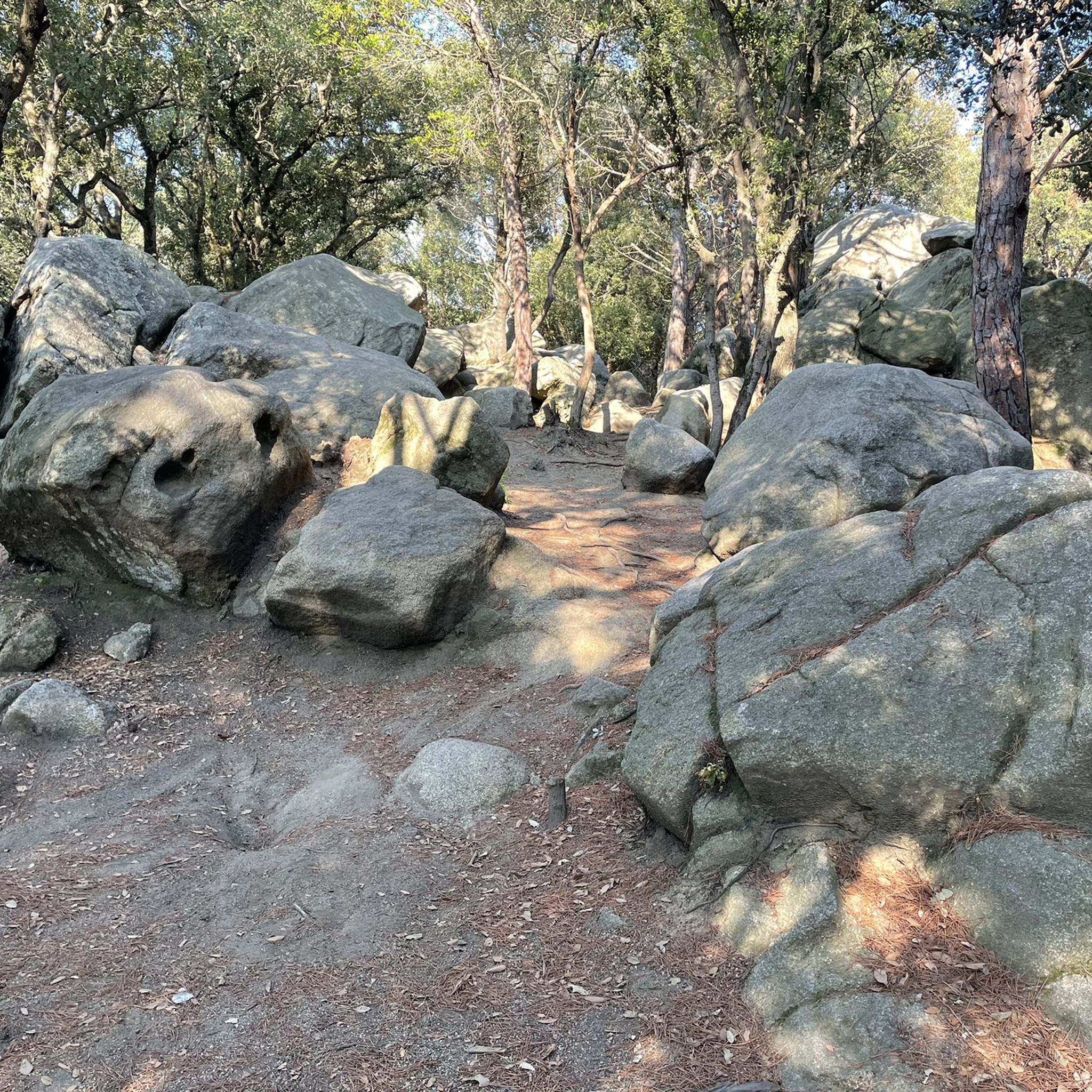
To get to Burriac Castle, you have to go through a typically Mediterranean forest made up of pines, oaks and bushes. Follow the trail signs and in no time you will see the castle rising above the hill.
0
0
The remains of Burriac Castle are almost a thousand years old. They are located at the top of Burriac Hill. One of the best ways to get to the castle is by following the local trail SL-C 115 from Cabrera de Mar.
3
1

Known in the early days as Castrum Sancti Vicentii, a name under which it has been recorded since 1023, its main domain belonged to the count of Barcelona. Even so, from the 11th century the Santvicenç family emerged, which was always a feudatària of the count's house and about which there is more information since the first years of the 12th century.
7
0
In 1471, after the civil war, John II granted the castle of Burriac and Vilassar, with the villages of Argentona, Cabrera, Vilassar, Premió and Mataró to Pere Joan Herrero, a member of the Generalitat or General Diputación of Barcelona. This domain of Pere Joan Ferrer was called the barony of Maresme.
7
0

Good views of Montseny. Good mountain bike descents.
1
0

Peaceful place, to have a good lunch and visit the emblematic Torrassa.
1
0
The Garí house was ordered to be built by the financier José Garí Cañas and was built between 1899 and 1900 in Argentona, in the Cros valley, by the architect Josep Puig i Cadafalch. The commission came about, possibly, due to the family relations that existed between the Gari and the Puig. More than a house, it is a mansion that includes other buildings such as the different walls that surround the property, a water tower, the house of the masovers or guardians, a chapel, etc. In fact, in a guide to Barcelona and its surroundings, published in 1909, it is cited and described as the "Palace of Don José Garí." It stands out for having been completed in just 9 months, proof of the strength of the different Catalan industries, as well as the luxury of its decoration and the works of art that are kept there. Of the parts that make up the palace, the large lake in which the façade is reflected, decorated with elements that seem to cover it with a layer of lace, the entrance gallery and the grandeur of the dining room stand out. https://www.youtube.com/watch?v=XffRFpc_Acc https://www.youtube.com/watch?v=R6F9lgFs7-whttps://delmodernismo.wordpress.com/2017/11/07/la-casa-gari-de-j-puig-i-cadafalch/
4
0

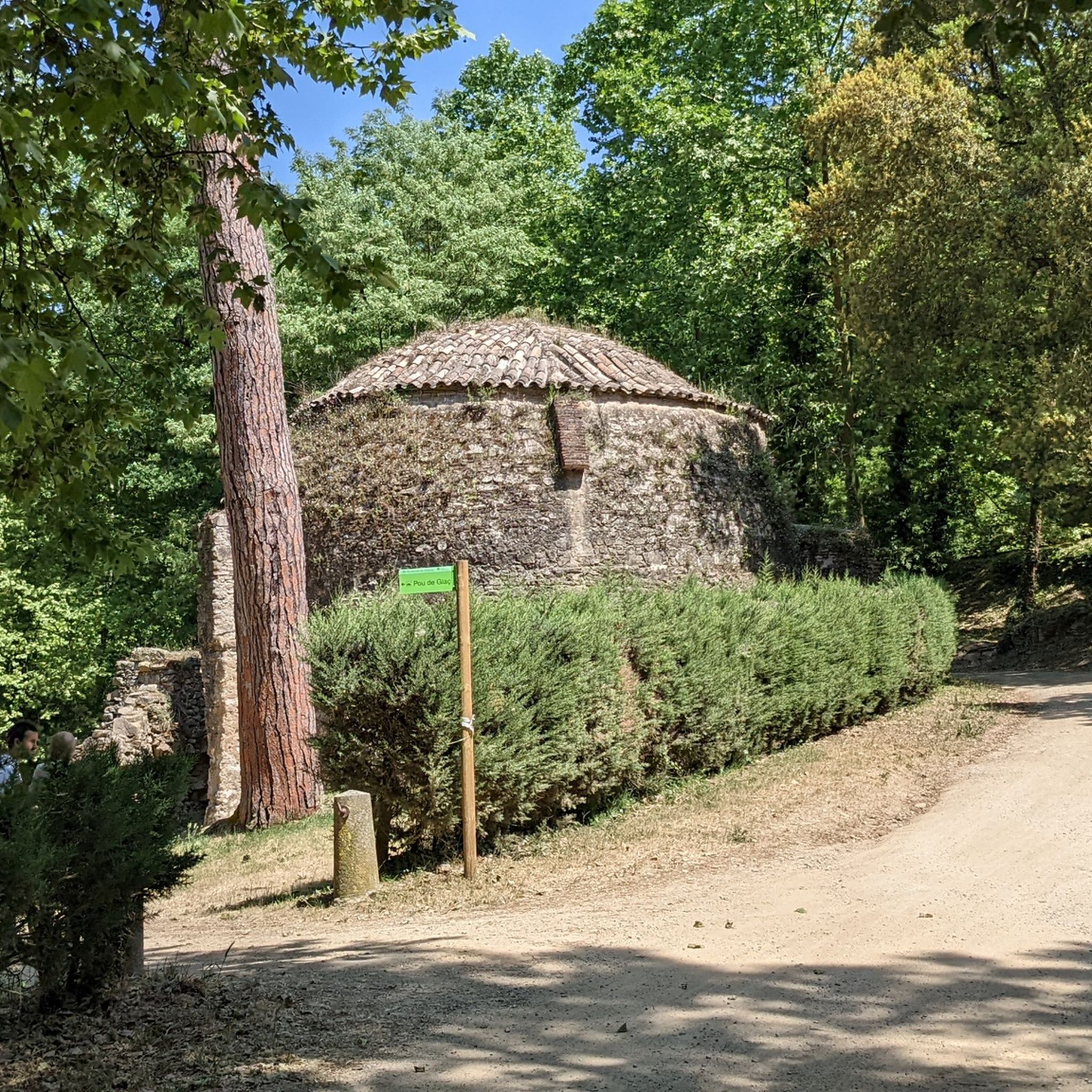
La Torrassa del Moro is an ancient Roman watchtower located in the Sierra del Corredor. It is located in a beautiful natural environment and can be visited on weekends and holidays.
1
0
Frequently Asked Questions
What are the main historical castles to visit near Sant Andreu de Llavaneres?
The most prominent historical castle is Burriac Castle, a thousand-year-old ruin offering panoramic views. You can also explore La Torrassa del Moro, a Roman-origin tower, and Jalpí Castle, an old manor house transformed into a unique historical space.
What kind of views can I expect from the castles in the Maresme region?
From Burriac Castle, you can enjoy breathtaking panoramic views of the entire Maresme coast and plain, with glimpses of Barcelona on clear days. Its strategic elevated position highlights its historical importance as a territorial control point.
Are there hiking trails to reach these castles?
Yes, Burriac Castle is a popular destination for hikers. You can access it via trails, particularly from Cabrera de Mar, or follow local trails like SL-C 115. The routes wind through Mediterranean forests of holm oaks and pines. For more hiking options in the area, check out the Hiking around Sant Andreu De Llavaneres guide.
Is Burriac Castle suitable for families?
While Burriac Castle itself is a ruined site, the hike to reach it is a rewarding outdoor activity for families who enjoy walking. The trails through the Mediterranean forest offer an enjoyable ascent. Jalpí Castle is also categorized as family-friendly, offering a restored space with unique history.
How can I get to Burriac Castle?
Burriac Castle is best accessed via hiking trails, for example, from Cabrera de Mar or Mataró. There are also local trails like SL-C 115. While there isn't direct public transport to the castle ruins, you can use public transport to reach nearby towns like Cabrera de Mar or Mataró and start your hike from there. Parking is available in the surrounding areas for trailheads.
What is the historical significance of Burriac Castle?
Burriac Castle has origins dating back to the 10th century, first mentioned in 1017. It was strategically important due to its elevated position, serving as a watch and control point for the Maresme coast. Rebuilt in the 15th century, its remains offer a tangible connection to the region's medieval past. It is recognized as a Cultural Asset of National Interest. You can find more historical details on Wikipedia or Catalonia Castles.
Are there other historical sites besides traditional castles in Sant Andreu de Llavaneres?
Yes, Sant Andreu de Llavaneres also features other significant historical buildings. The Sant Andreu de Llavaneres Archive Museum, located in the 18th-century Can Caralt farmhouse, offers a glimpse into the region's cultural heritage. Additionally, the impressive mansion Can Garí in Argentona, built in the late 19th century, is a notable architectural and historical site.
What makes Jalpí Castle unique?
Jalpí Castle is unique because it was originally an old manor house that was transformed into a castle in 1895. It became the residence of a wealthy couple who indulged in extravagant dreams, including adding a lake and even a lighthouse. Today, it's a restored space that allows visitors to experience its distinctive history and charm.
What is the best time of year to visit the castles and trails?
The Maresme region generally enjoys a mild Mediterranean climate. Spring and autumn are ideal for visiting the castles and hiking the trails, as the weather is pleasant and comfortable for outdoor activities. Summers can be hot, especially for strenuous hikes, while winters are generally mild but can be cooler and wetter.
What outdoor activities can I combine with a castle visit?
The area around Sant Andreu de Llavaneres offers various outdoor activities. You can combine a visit to Burriac Castle with hiking, as it's located on a hill accessible by trails. There are also dedicated guides for hiking, running, and cycling around Sant Andreu De Llavaneres, offering routes of varying difficulties.
Are there any Roman-era structures among the castles?
Yes, La Torrassa del Moro is a cylindrical tower believed to be of Roman origin, later transformed into a watchtower during the Middle Ages. Archaeological findings suggest its dating might be as early as the second century BC, making it a significant Roman-era structure in the area.
What should I know about the terrain when hiking to Burriac Castle?
The hike to Burriac Castle typically involves trails through a Mediterranean forest, characterized by pines, holm oaks, and bushes. The ascent to Burriac Hill (401 meters) can be moderate, offering a good workout with rewarding views at the top. It's advisable to wear appropriate footwear for uneven terrain.
Most popular routes around Sant Andreu De Llavaneres
Most popular attractions around Sant Andreu De Llavaneres

Get inspired with the komoot mobile app


Explore more
Looking for the best castles somewhere else? Discover other guides around Sant Andreu De Llavaneres:
