Top 3 Caves around Albacete
Best caves around Albacete are found within a region known for its diverse landscapes, from plains to mountainous areas. The province of Albacete in Spain features a variety of subterranean formations, including historical cave dwellings and natural karstic systems. These sites offer insights into prehistoric human activity, traditional architecture, and geological processes. The area provides opportunities to explore unique natural and cultural heritage.
Best caves around Albacete
- The most popular caves is La Pulgosa Periurban Park, an other natural area known for its caves formed by erosion. These caves are believed to have been used by prehistoric humans as shelters and can be explored with a guided tour.
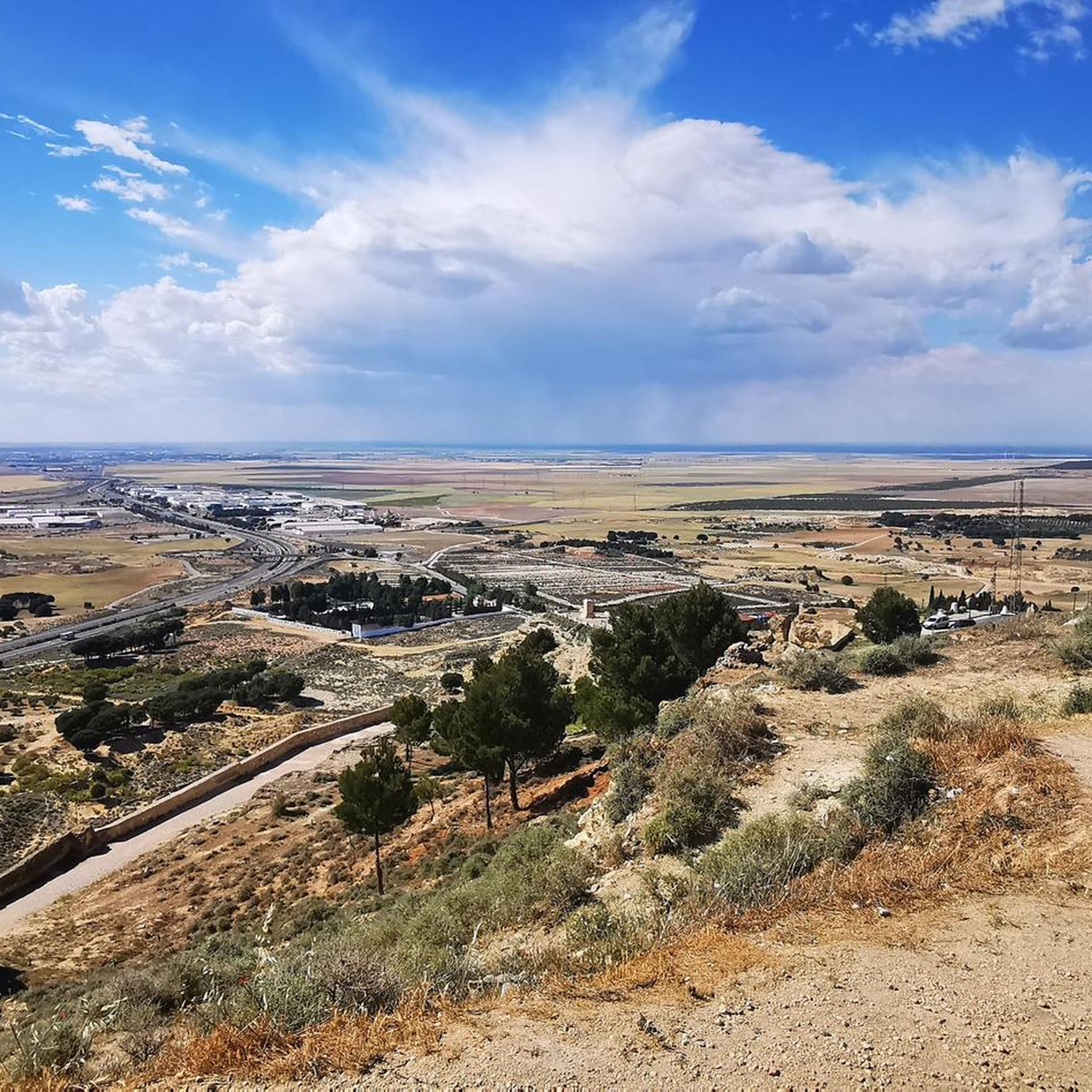
- Another must-see spot is Chinchilla de Monte-Aragón Castle, a castle with historical significance. Visitors can enjoy impressive views of the Manchegan plain and explore the famous cave-houses declared a Historic-Artistic Site.
- Visitors also love Eremitorio Rupestre de Alborajico, a cave site consisting of several caves excavated in the rock. These caves were used as dwellings, chapels, and warehouses, with evidence of use since Roman times.
- Albacete is known for historical cave dwellings, natural erosion caves, and rupestrian hermitages. The region offers a variety of caves to see and explore, showcasing both human history and geological formations.
- The caves around Albacete are appreciated by the komoot community, with more than 15 upvotes and 5 photos shared by users.
Last updated: July 4, 2026
La Pulgosa Periurban Park
Highlight • Natural
Translated by Google •
Tip by

Chinchilla de Monte-Aragón Castle
Highlight • Castle
Translated by Google •
Tip by

Sign up now to discover places like this
Get recommendations on the best single tracks, peaks, & plenty of other exciting outdoor places.
Sign up for free
La Pulgosa Park
Highlight • Rest Area
Translated by Google •
Tip by
Eremitorio Rupestre de Alborajico
Highlight • Cave
Translated by Google •
Tip by
Start today with a free account
Your next adventure awaits.
Login or Signup
Popular around Albacete

A winter getaway along the greenways of Andalusia in Spain
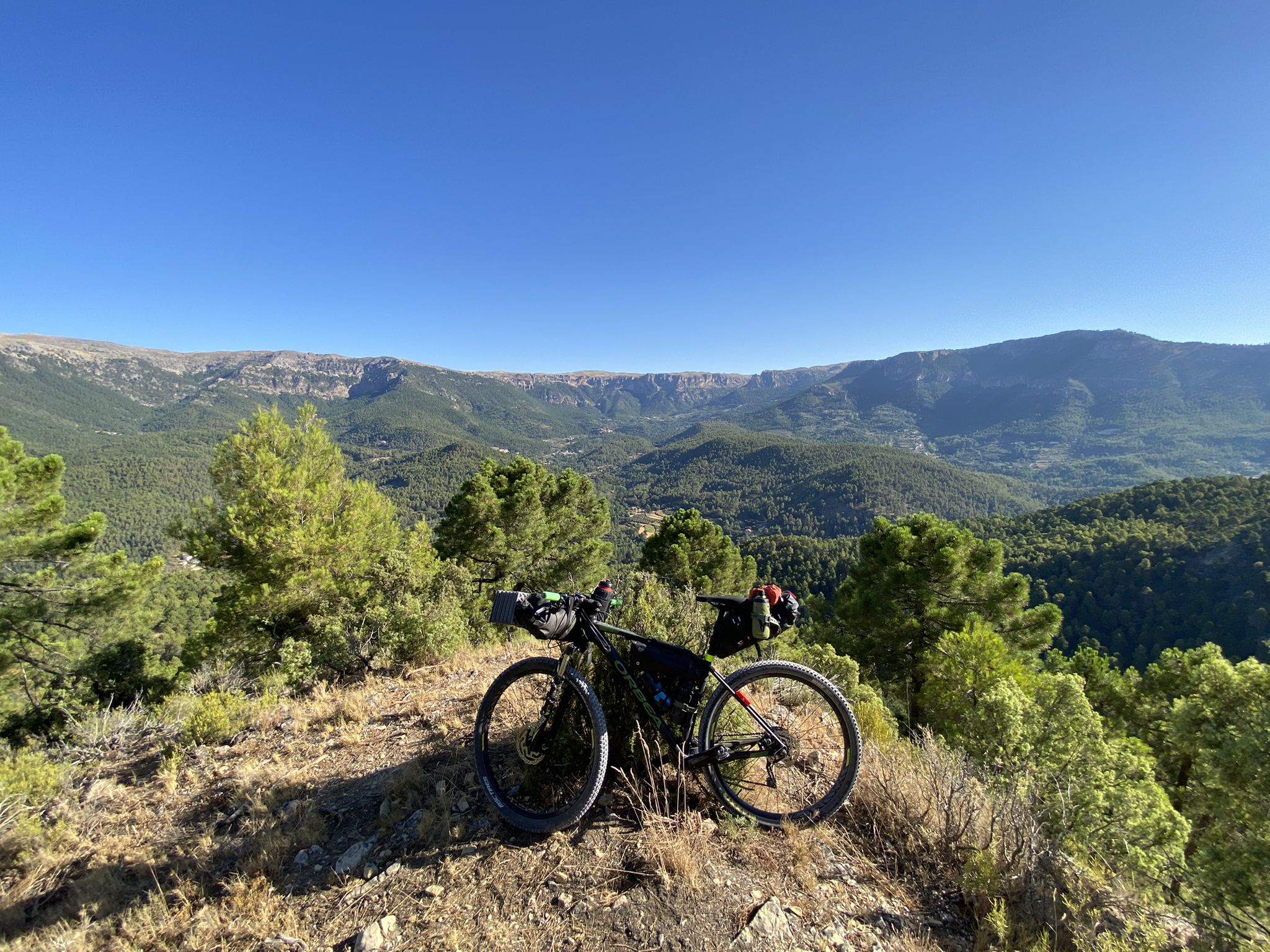
Journey into the mountains of Albacete – Sierra de Alcaraz
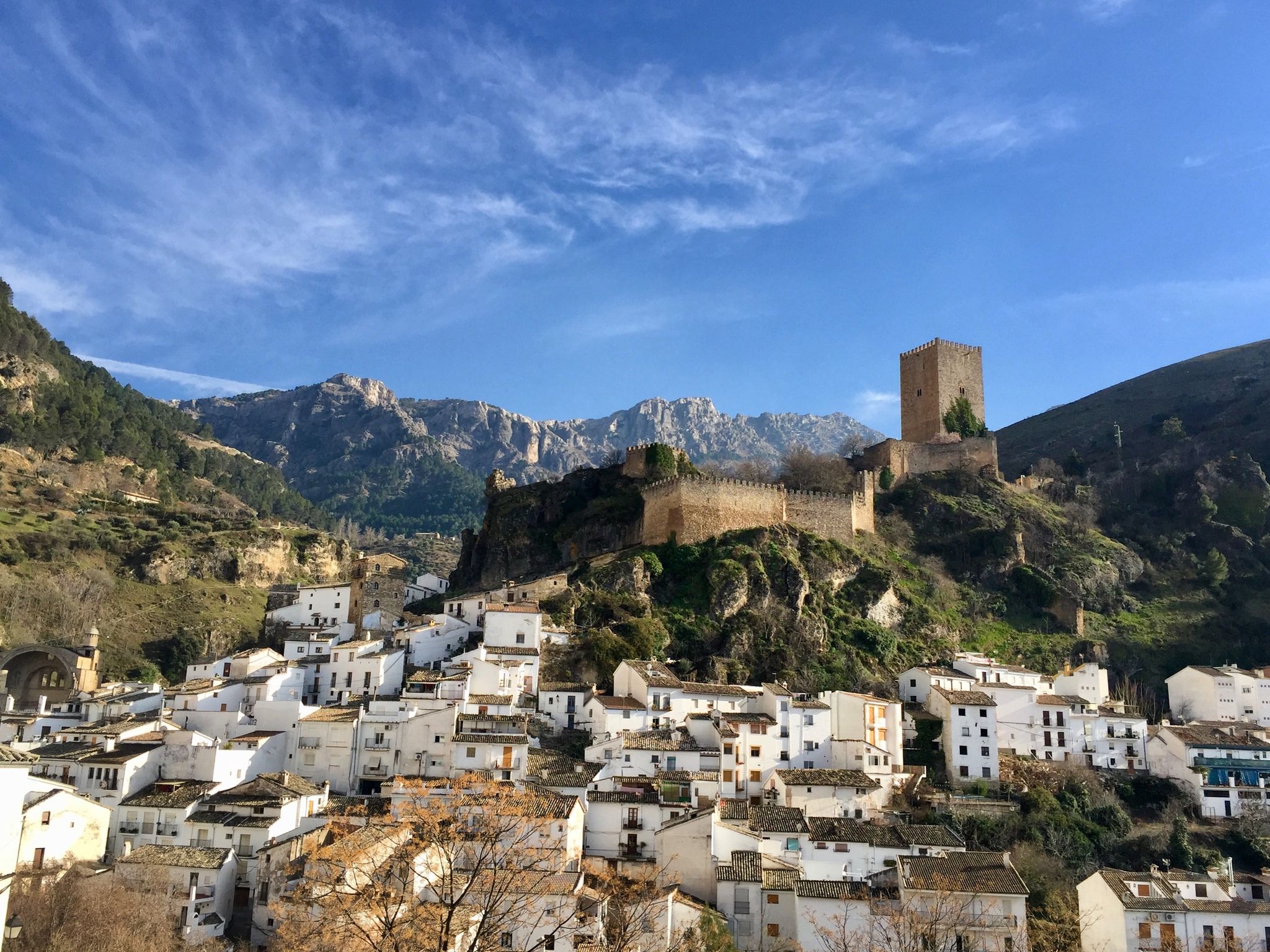
European Divide Trail across the Iberian Peninsula – central
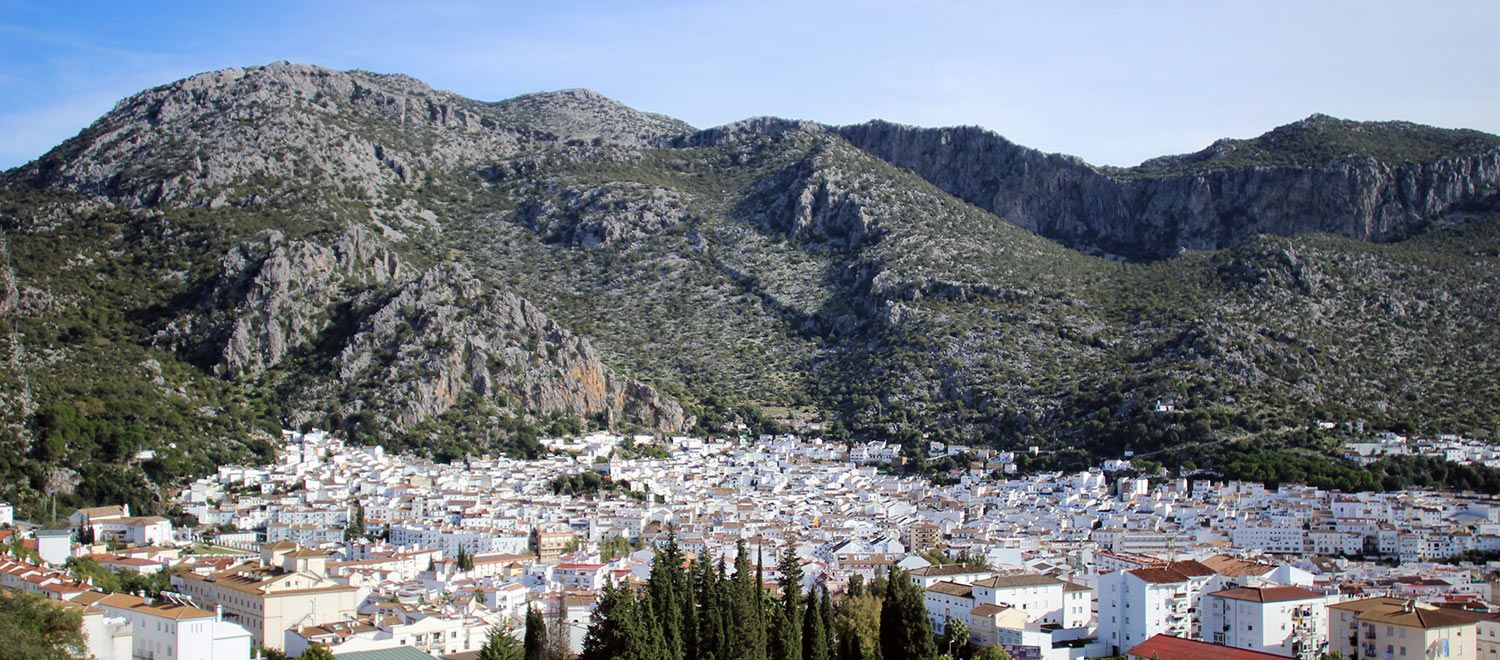
Explore the Betic Mountains on two wheels – Altravesur
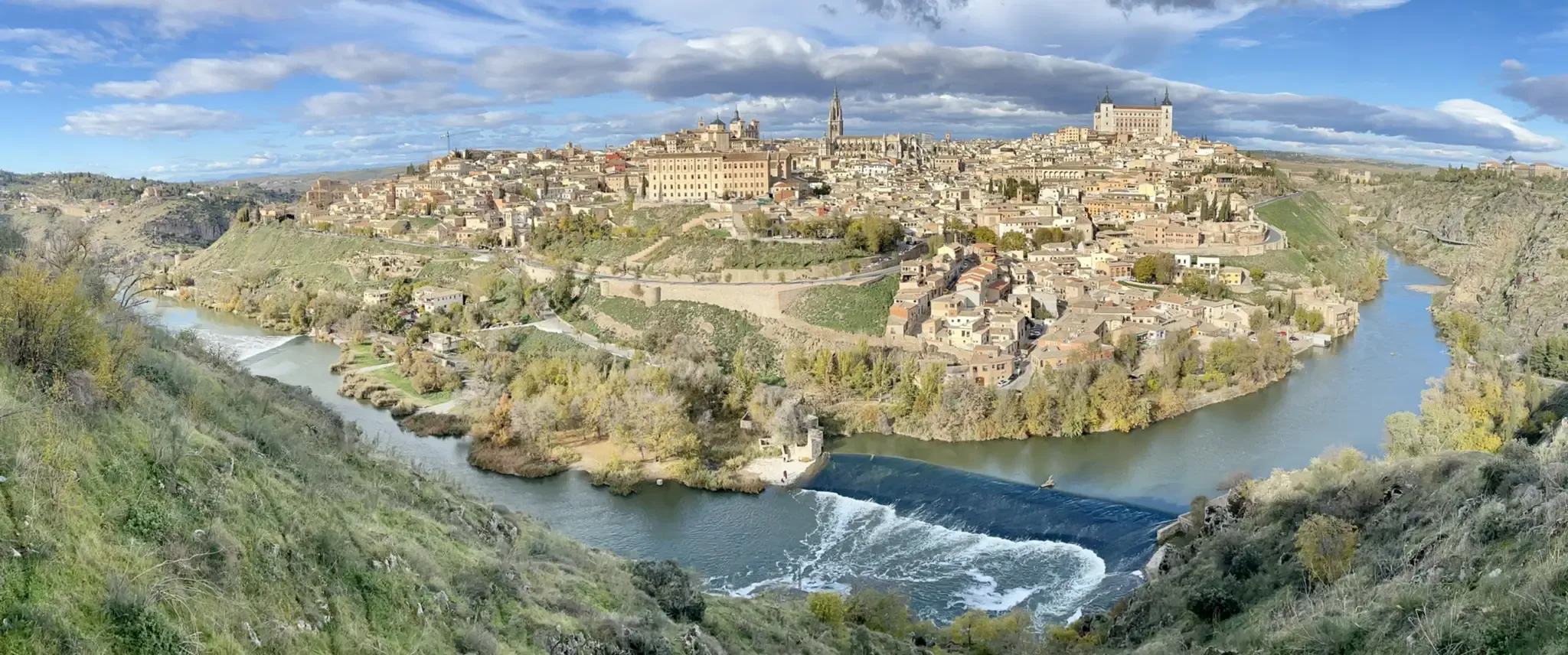
A journey to the interior of the Iberian Peninsula – Levante Way (GR 239)
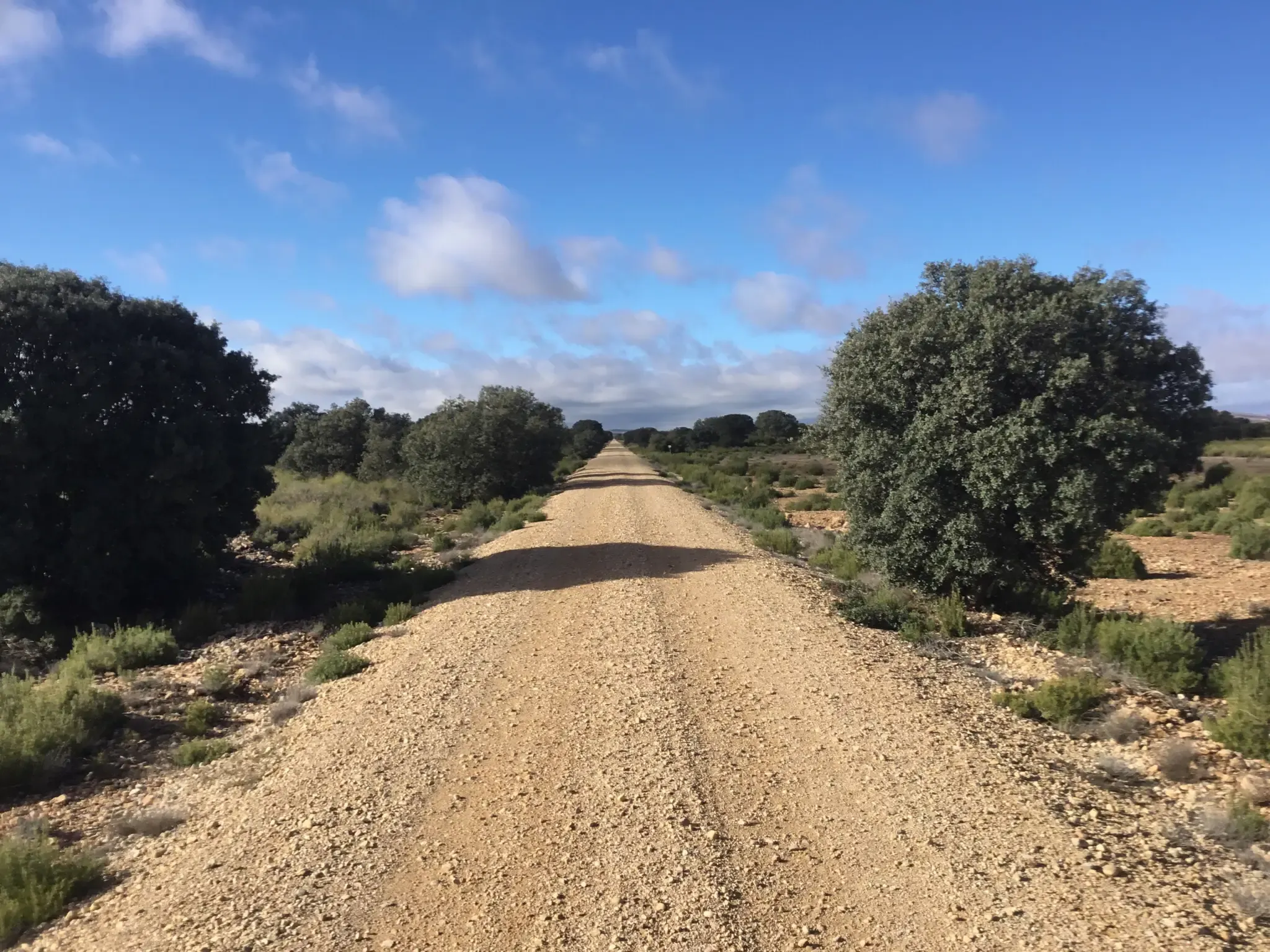
The enigmatic railway line — Spain’s Vía Verde of Alcaraz and Segura
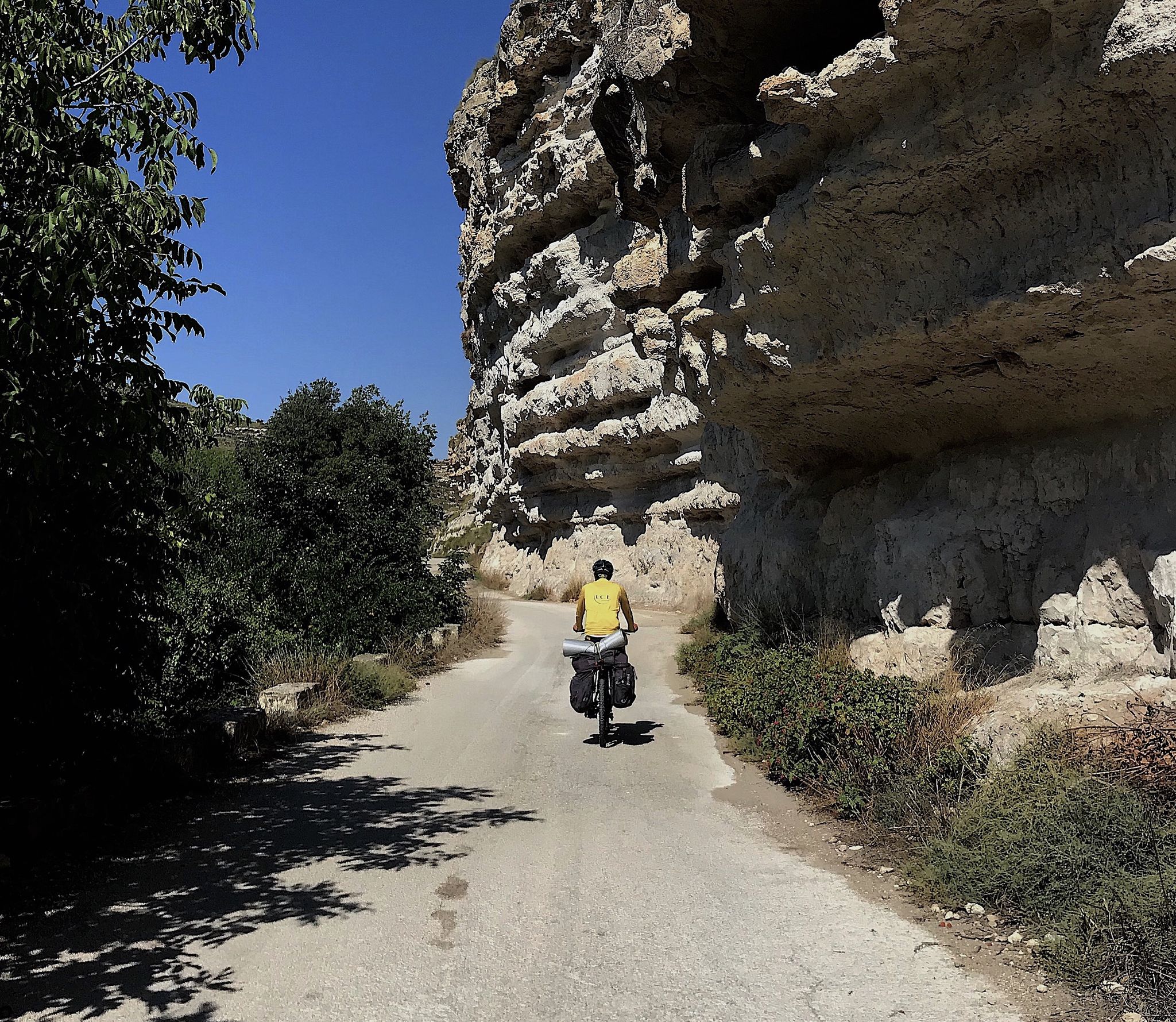
Spain’s Albacete del Este — La Hoz del Júcar and El Monte Ibérico
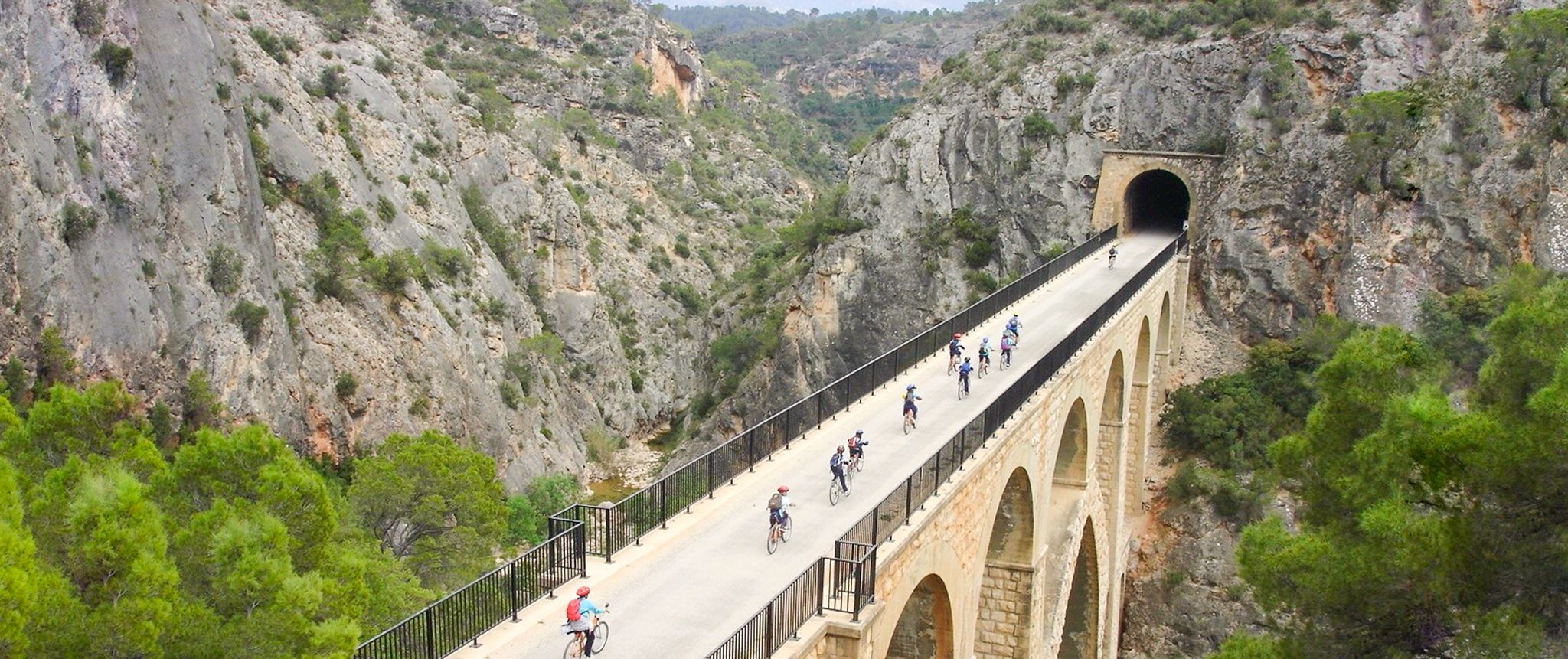
Vías Verdes – traffic-free cycling along railway history in Spain
Hiking around Albacete
MTB Trails around Albacete
Other adventures around Albacete


Tips from the Community

This park is ideal for outdoor activities such as picnics, walks and sports. It has large grass lawns, swing areas, multi-sport courts, a skating rink and a BMX circuit. There is also a restaurant-picnic area where you can taste typical regional dishes.
1
0
This park is ideal for outdoor activities such as picnics, walks and sports. It has large grass lawns, swing areas, multi-sport courts, a skating rink and a BMX circuit. There is also a restaurant-picnic area where you can taste typical regional dishes.
5
0

Chinchilla de Monte-Aragón has been inhabited by various cultures, such as the Romans, the Visigoths and the Arabs. During the Middle Ages, the town had great strategic importance due to its position on the route between Valencia and Toledo. Its impressive castle is worth a visit.
2
0

This park is the green lung of Albacete. A good place to have a picnic or try a typical dish of the area at the park's picnic restaurant.
1
1
City nestled in the hill of San Blas. If you have time for a walk, do not hesitate to visit its castle (one of the best preserved from the period) to enjoy the impressive views of the Manchegan plain, and its famous cave-houses declared a Historic-Artistic Site.
2
0
The park covers an area of approximately 67 hectares and is known for its scenic beauty, with many walking and running trails, biking trails, and picnic areas. There is also a variety of flora and fauna, including several species of birds, rabbits, and foxes. One of the main attractions are the caves, which were formed by erosion, and are believed to have been used by prehistoric humans as shelters. Today, you can explore the caves with a guided tour. In addition to the caves, there is also a natural spring within the park, which is said to have medicinal properties due to its high mineral content. There is a small spa located inside the park where you can enjoy the waters.
2
0
The Alborajico Rupestrian Hermitage consists of several caves excavated in the rock and connected to each other by corridors and stairs. These caves were used as dwellings, chapels and warehouses. It is believed that these caves were inhabited by hermits in the Middle Ages, although archaeological remains have also been found indicating that they have been used since Roman times.
1
0
The park covers an area of approximately 67 hectares and is known for its scenic beauty, with many walking trails, biking trails, and picnic areas. It is also home to a variety of flora and fauna, including several species of birds, rabbits, and foxes. One of the main attractions are the caves, which were formed by erosion, and are believed to have been used by prehistoric humans as shelters. Today, you can explore the caves with a guided tour. In addition to the caves, there is also a natural spring within the park, which is said to have medicinal properties due to its high mineral content. There is a small spa located inside the park where you can enjoy the waters.
2
1
Frequently Asked Questions
What types of caves can I explore in the Albacete region?
The Albacete region offers a diverse range of caves, from natural formations like those in La Pulgosa Periurban Park, believed to be prehistoric shelters, to impressive man-made dwellings such as the Cave Houses of Chinchilla de Monte-Aragón. You can also find historical sites like the Eremitorio Rupestre de Alborajico, which served as dwellings, chapels, and warehouses since Roman times, and the literary famous Cueva de Montesinos.
Are there any caves with significant historical or archaeological importance?
Yes, the region is rich in historical caves. The Cave Houses of Chinchilla de Monte-Aragón are 16th-century dwellings recognized as a Historic-Artistic Site. The Eremitorio Rupestre de Alborajico shows evidence of use since Roman times and was inhabited by hermits in the Middle Ages. Additionally, the Cueva de la Vieja in Alpera is a UNESCO World Heritage site renowned for its 9000-year-old Levantine and Schematic rock art.
Which caves are suitable for families with children?
Several caves in Albacete are family-friendly. La Pulgosa Periurban Park offers guided tours of its erosion caves and features extensive outdoor activity areas. The Cave Houses of Chinchilla de Monte-Aragón provide a unique historical experience, with some converted into tourist accommodation. The caves of Alcalá del Júcar, such as Cuevas del Diablo, offer an engaging exploration of historical artifacts and unique architecture.
Can I find caves that are integrated into local villages or towns?
Absolutely. The village of Alcalá del Júcar is famous for its caves carved directly into the hillside, such as Cuevas del Diablo, Masagó, El Duende, Garadén, and Agradén. These caves are an integral part of the village's architecture and history, offering a unique glimpse into how people lived and adapted to their environment. Some even feature bars or panoramic terraces inside.
What kind of natural features can I expect to see in the caves?
Beyond their historical significance, some caves offer interesting natural features. La Pulgosa Periurban Park features caves formed by natural erosion and a natural spring. The Cueva de Montesinos is a natural cave, approximately 80 meters deep, formed by rainwater dissolution over centuries, with a small river running inside.
Are there any caves related to famous literature?
Yes, the Cueva de Montesinos, located near Ossa de Montiel, holds a special place in Spanish literature. It is famously featured in Miguel de Cervantes' masterpiece, Don Quixote de la Mancha, where Don Quixote experiences a significant enchantment. This makes it a must-see for fans of the novel.
What outdoor activities can I combine with a visit to the caves?
The Albacete region offers many outdoor activities. You can find excellent options for hiking around Albacete, with routes like 'El Charco Azul — circular by the Río Júcar'. For cyclists, there are numerous gravel biking routes and MTB trails around Albacete, including options near the Júcar River. La Pulgosa Periurban Park itself is ideal for picnics, walks, and sports.
What makes the caves of Alcalá del Júcar unique?
The caves of Alcalá del Júcar are unique for their impressive hand-carved architecture and their seamless integration into the village's structure. They offer a direct step into history, showcasing how people lived in harmony with their environment. Many, like Cuevas del Diablo and Masagó, feature historical artifacts, unique collections, and even bars or panoramic terraces with stunning views of the Júcar river.
What is the best time of year to visit the caves in Albacete?
The caves in Albacete can be visited year-round. Many of the cave houses, particularly in Alcalá del Júcar, maintain a consistent cool temperature naturally, offering a welcome respite during warmer months. For outdoor activities like hiking or biking near the caves, spring and autumn generally provide the most pleasant weather.
Are there any caves where I can see ancient art?
Yes, the Cueva de la Vieja in Alpera is a globally significant site for ancient art. It features exceptional examples of Levantine and Schematic rock art, with over 170 motifs depicting archers, human figures, and animals, often illustrating hunting scenes. These paintings date back 9000 to 3500 years ago and are a UNESCO World Heritage site.
What do visitors particularly enjoy about the caves around Albacete?
Visitors appreciate the unique blend of history, culture, and natural beauty. Exploring the well-preserved historical artifacts and architecture within caves like Cuevas del Diablo, experiencing the consistent cool temperatures, and enjoying a drink on a balcony overlooking the river are often highlighted. The opportunity to step back in time and witness ancient rock art or literary landmarks also leaves a lasting impression.
Most popular attractions around Albacete

Get inspired with the komoot mobile app


Explore more
Extend your search for the best caves by checking out these guides of the top ones around Albacete:
