Top 20 Caves around Vega De San Mateo
Best caves around Vega De San Mateo provide access to significant cave systems in Gran Canaria, offering a blend of natural features and ancient history. These sites hold archaeological value, providing insights into the indigenous Guanche people and their way of life. The region is characterized by its mountainous terrain and offers panoramic views. Many caves served as dwellings, storage, or religious sites for early inhabitants.
Best caves around Vega De San Mateo
- The most popular caves is Fortaleza Grande Cave, a cave that served as living quarters, food storage, and burial sites. This site is a fortified settlement composed of three major rock formations.
- Another must-see spot is Caballero Caves, an archaeological site made up of twelve natural caves, most of them converted into habitable caves. Visitors can find rock art and engravings within these historical sites.
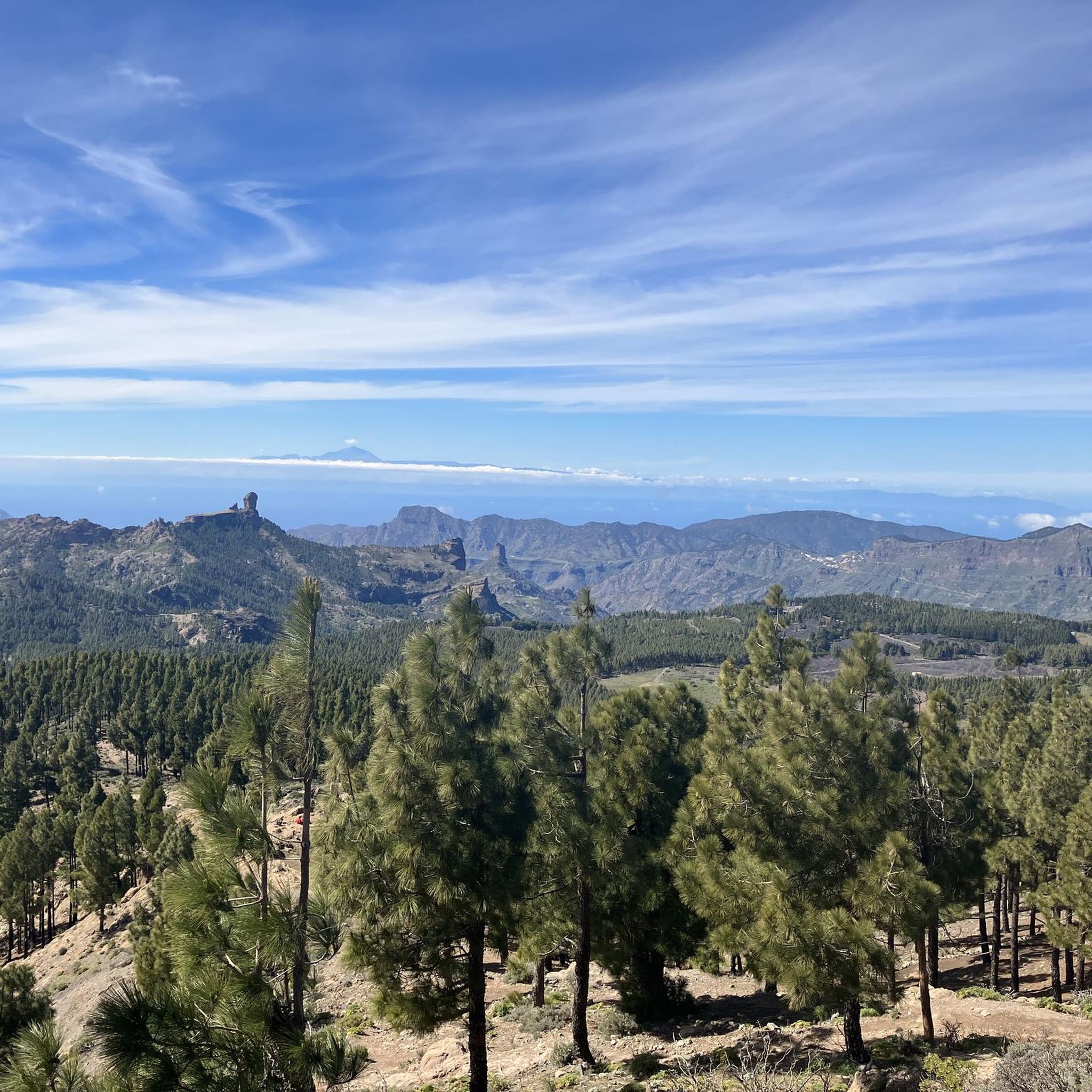
- Visitors also love Roque Bentayga, a natural monument and historical site where the Bentayga group includes other monoliths and caves like Cuevas del Rey. This site was used by the old Canarians as a religious center.
- Vega De San Mateo is known for its historical caves, natural monuments, and archaeological sites. The area features a variety of caves, including those used as ancient dwellings, granaries, and places of worship.
- The caves around Vega De San Mateo are appreciated by the komoot community, with more than 440 photos shared and over 440 upvotes across various highlights.
Last updated: July 4, 2026
Roque Nublo Cave
Highlight • Cave
Translated by Google •
Tip by

Fortaleza Grande Cave
Highlight • Cave
Translated by Google •
Tip by

Sign up now to discover places like this
Get recommendations on the best single tracks, peaks, & plenty of other exciting outdoor places.
Sign up for free
Caballero Caves
Highlight • Cave
Translated by Google •
Tip by

Roque Bentayga
Highlight • Natural Monument
The Bentayga is on the road between Ayacata and Tejeda and is easy to reach by car.
The rocks of the Bentayga group include other monoliths, the Roque Camello (also called Andes del Tabacalete), the Cuevas del Rey and el Roquete, which are distributed on an east-west axis of 2 kilometers.
The Bentayga is 1404 meters high and rises about 600 meters from the surrounding valleys of the Barranco of Tejeda and Espinillo. Seen from the west side in the image below.
Translated by Google •
Tip by
Cave on the Hiking Trail
Highlight (Segment) • Cave
Half way there is a well-preserved cave.
Translated by Google •
Tip by

Sign up for free to discover even more caves around Vega De San Mateo.
Sign up for free
Already have an account?
Start today with a free account
Your next adventure awaits.
Login or Signup

Tips from the Community


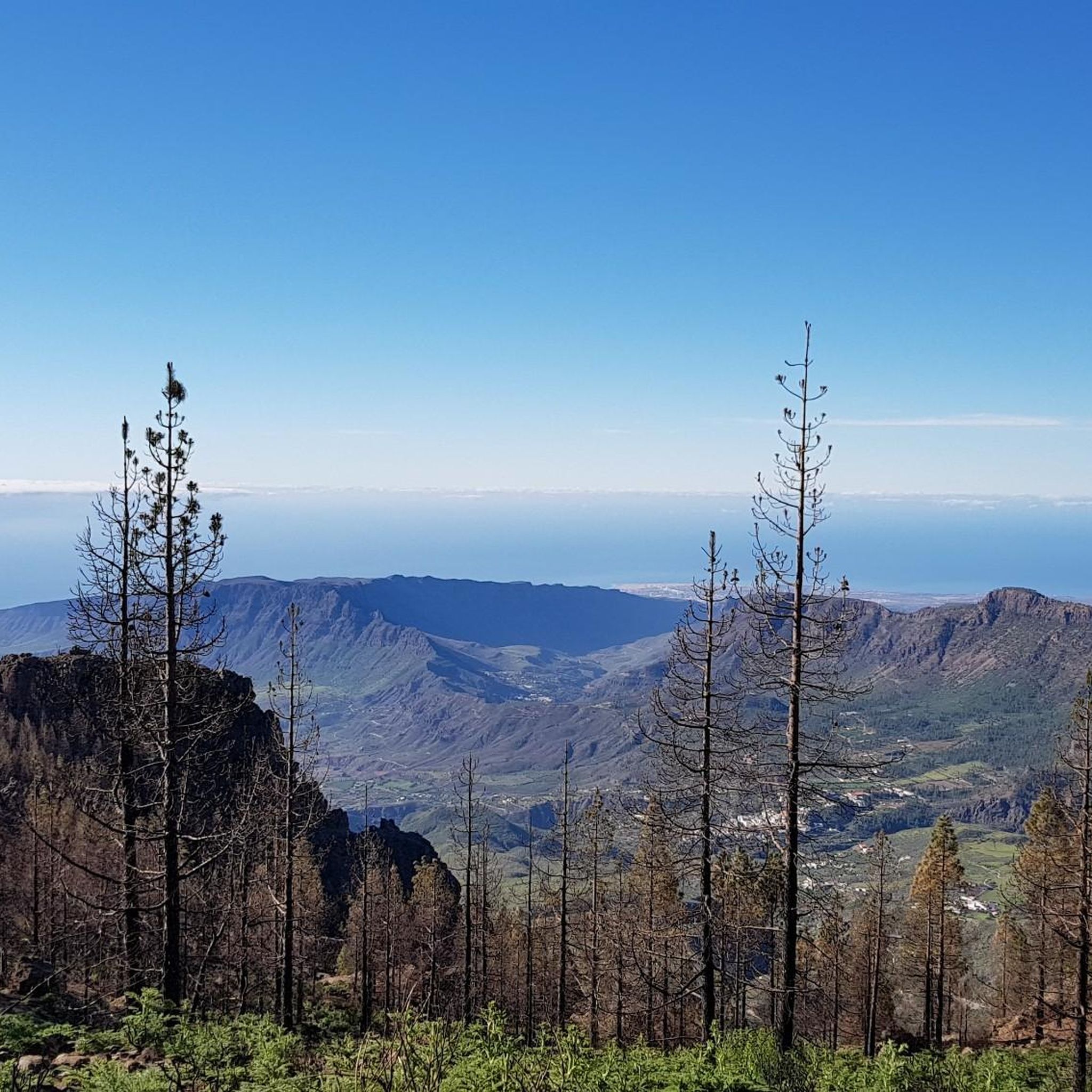
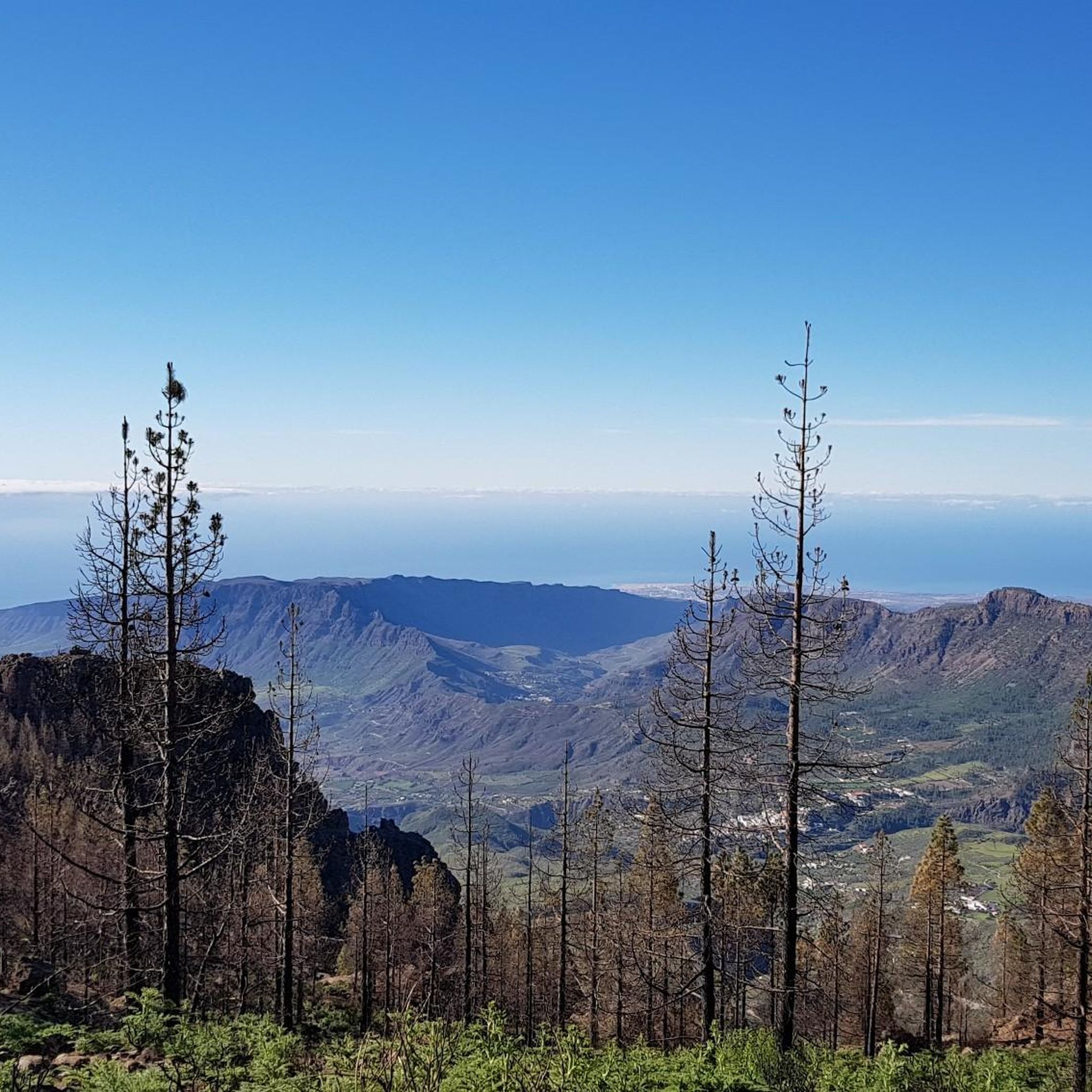
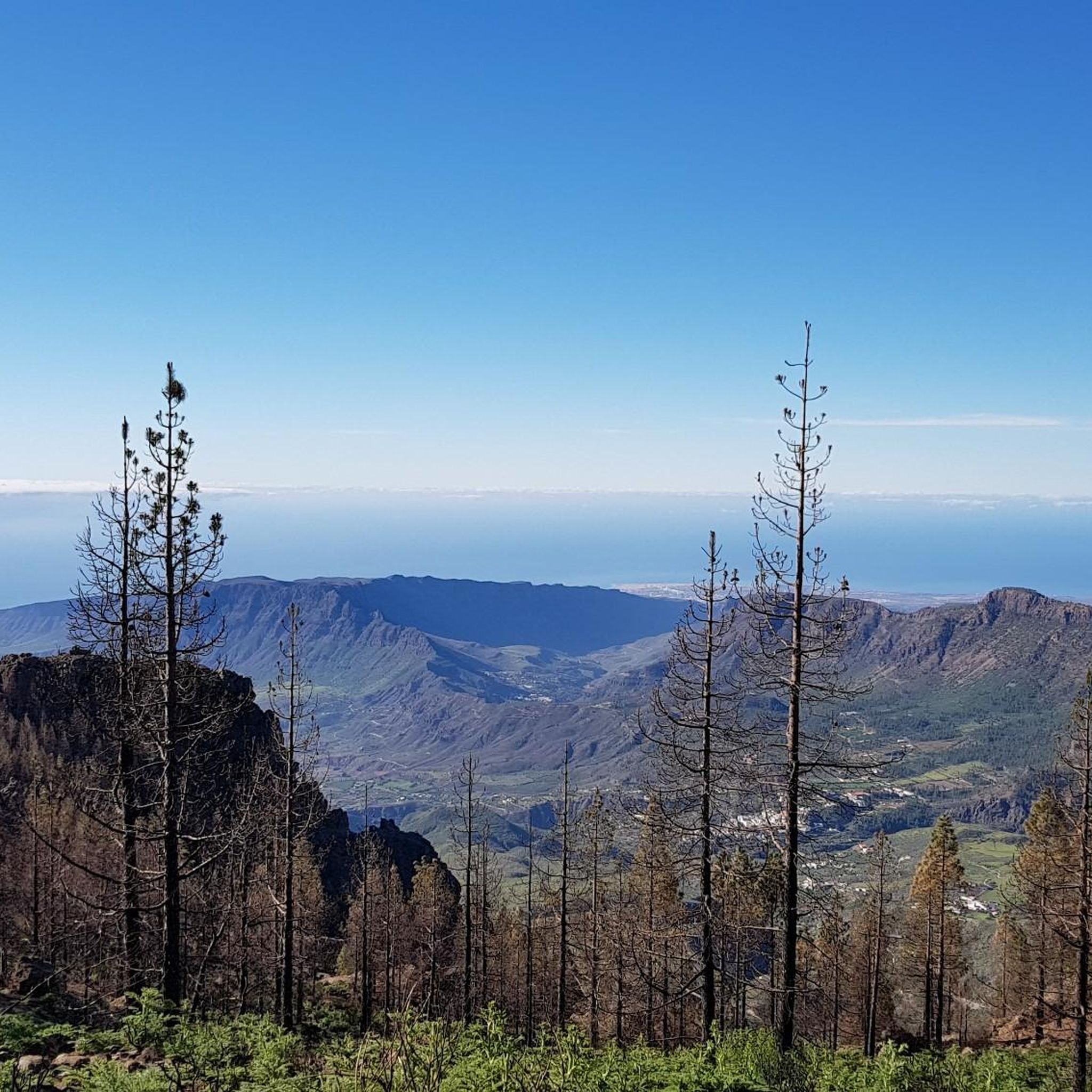
They are an archaeological complex made up of twelve natural caves, most of which were adapted to be habitable through their chiseling. These caves are distributed along a south-facing platform, which protects them from the northern trade winds and offers beautiful views over the Bentayga and the Cuenca del Nublo.
0
0

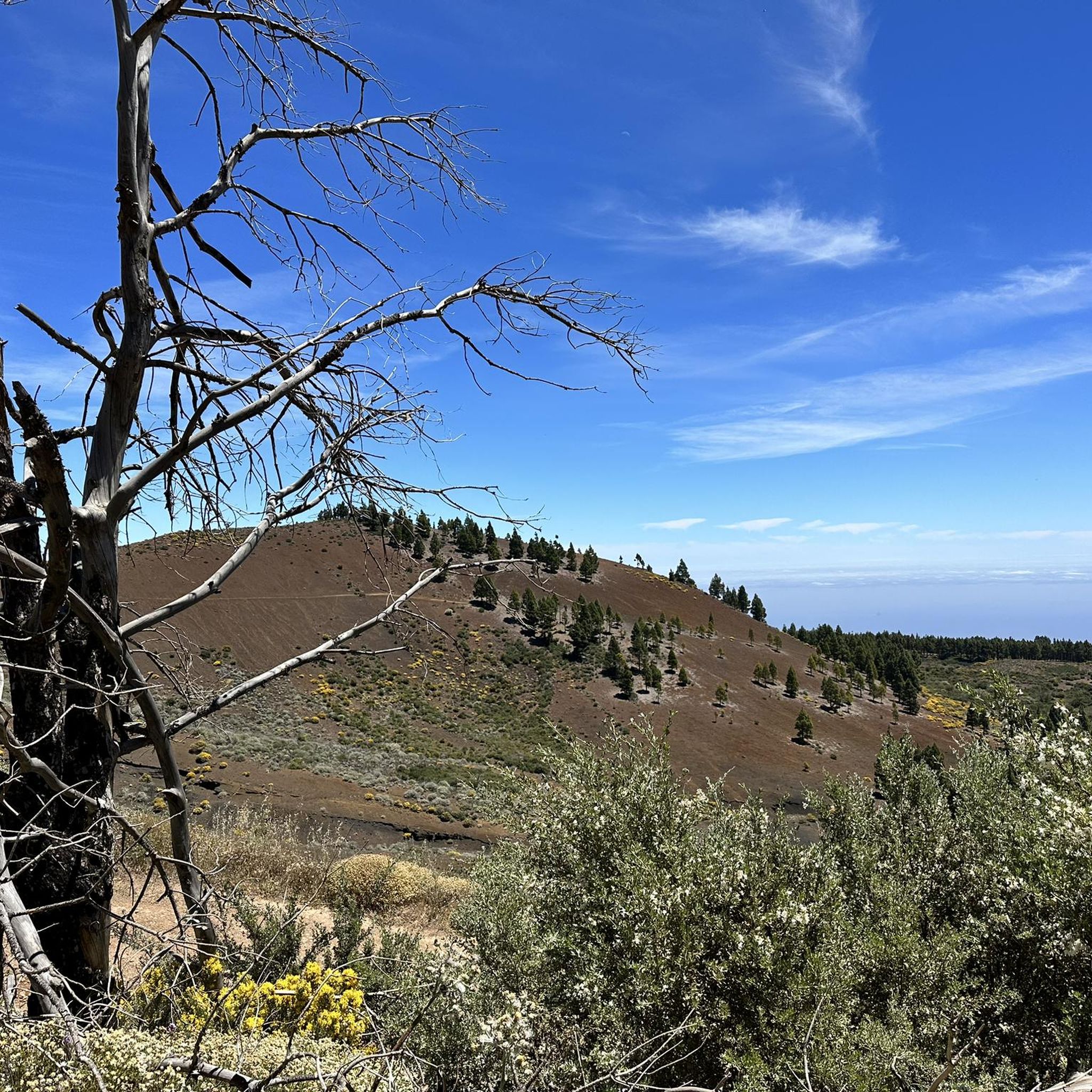
The archaeological hiking trail on the Roque Bentayga offers not only a museum and great views but also impressions of the historical religious place of worship.
0
0
There is a free visitor center at Roque Bentayga - with parking. From there you can walk up the Bentaga in a few minutes, which was used as a religious place of worship. Great views from this impressive and historic mountain in the middle of the crater. Hikers should note that the access road is only open during opening hours. There are two barriers that are otherwise closed. Below the first barrier there are some parking spaces at the road junction.
0
0
Really impressive! Great location and photo spot. You can walk through the cave, on the left a narrow path leads back, so it's basically a circular route 😉👍
4
0

A steep, short but slippery path leads up there. Well worth seeing.
1
0

Imposing group of rocks. The approx. 20 mtr. The long cave can be reached via stairs, the climb up there is definitely worth it - WOW effect! Magnificent view! If you go through the cave, you can turn left on the other side, there is a fairly wide path that leads back to the starting point - past more caves...
5
1
Frequently Asked Questions
What kind of caves can I explore around Vega De San Mateo?
The caves around Vega De San Mateo are primarily historical and archaeological sites, offering insights into the indigenous Guanche people. Many served as ancient dwellings, granaries, or religious centers. You'll find natural rock formations alongside human-modified caves. Notable examples include Fortaleza Grande Cave, which was a fortified settlement, and Caballero Caves, an archaeological site with twelve natural caves, many converted into habitable spaces.
Are there any historical or archaeological caves to visit?
Yes, the region is rich in historical and archaeological caves. Fortaleza Grande Cave is a significant site where the final battle between Spanish conquistadors and natives reportedly took place, and excavations are ongoing. The Caballero Caves are another archaeological site featuring rock art and engravings. Additionally, Roque Bentayga, a natural monument, includes caves like Cuevas del Rey which were used as a religious center by the old Canarians.
Are the caves around Vega De San Mateo suitable for families?
Many of the historical cave sites are accessible via hiking trails, some of which are of intermediate difficulty. While the caves themselves offer a fascinating educational experience, the suitability for families will depend on the specific trail's difficulty and the children's age and fitness level. For example, the ascent to Roque Bentayga is described as short and easy, though some stages require a head for heights. Always check the trail details before heading out with children.
Do I need a permit to visit caves in Gran Canaria?
For most publicly accessible historical cave sites around Vega De San Mateo, such as Fortaleza Grande Cave or Roque Bentayga, a specific caving permit is generally not required for general visitation. However, access to certain areas, like the summit of Roque Bentayga, might be restricted outside visitor center opening hours. For more complex or protected cave systems not listed here, it's always advisable to check with local authorities or guided tour operators regarding any necessary permits or access restrictions.
What is the best time of year to explore caves in this region?
Gran Canaria enjoys a mild climate year-round, making cave exploration possible in any season. However, the cooler months from October to May are often preferred for hiking and outdoor activities, as summer temperatures can be quite high. During these months, the weather is generally pleasant for exploring the trails leading to the caves and the sites themselves.
Are there accessible caves for visitors with mobility challenges?
The historical caves around Vega De San Mateo are often integrated into mountainous terrain and accessed via hiking trails, which can be uneven or steep. For example, the Cave of the Audiencia involves climbing above its main entrance to see original access points. Therefore, many of these sites may present challenges for visitors with mobility issues or wheelchairs. It is recommended to research specific site conditions or contact local visitor centers for detailed accessibility information before planning a visit.
Can I bring my dog to the caves or nearby trails?
While many outdoor trails in Gran Canaria are dog-friendly, specific rules may apply to archaeological sites, natural monuments, or protected areas where some caves are located. It's best to check local regulations for each specific site. For general hiking trails near Vega De San Mateo, dogs are often permitted on a leash, but always ensure you clean up after your pet and respect wildlife and other visitors.
What other outdoor activities can I do near the caves?
The area around Vega De San Mateo is excellent for various outdoor activities. You can find numerous routes for mountain hikes, including trails to iconic spots like Roque Nublo. There are also extensive options for MTB trails and cycling routes that explore the mountainous landscapes and offer panoramic views.
Where can I find parking when visiting the caves?
Parking availability varies by specific cave site. For popular locations like Roque Bentayga, there is usually designated parking near the visitor center. For other, more remote caves or those accessed via hiking trails, parking might be limited to roadside spots or small informal areas near trailheads. It's advisable to check specific location details or maps for parking information before your visit.
What are the geological features of the caves around Vega De San Mateo?
The caves in this region are primarily formed within the volcanic landscape of Gran Canaria. They are often carved into the rock by natural erosion over millennia, sometimes enhanced or modified by the indigenous Guanche people. These formations can include unique serpentine rock structures and offer insights into the island's geological history. The area is characterized by its mountainous terrain, providing dramatic backdrops to these natural and historical sites.
Are there guided tours available for the caves?
While the guide data does not explicitly list guided tours for each specific cave highlight, many historical and archaeological sites in Gran Canaria offer guided tours to enhance the visitor experience and provide deeper historical context. For sites like Fortaleza Grande Cave, where excavations are ongoing, friendly archaeologists might even provide information on site. It's recommended to check with local tourism offices or specific site visitor centers for information on available guided tours.
Most popular routes around Vega De San Mateo
Most popular attractions around Vega De San Mateo

Get inspired with the komoot mobile app


Explore more
Extend your search for the best caves by checking out these guides of the top ones around Vega De San Mateo:
