Top 5 Caves around Torla-Ordesa
Best caves around Torla-Ordesa are found within the Ordesa y Monte Perdido National Park in the Spanish Pyrenees. This region features notable natural formations, offering geological and historical insights. The area is characterized by its mountainous terrain and diverse natural features, including significant cave systems. These caves provide opportunities for exploration and understanding the region's natural and cultural heritage.
Best caves around Torla-Ordesa
- The most popular caves is Bellevue Caves and Panoramic View of Vignemale, a cave that was…
Last updated: July 4, 2026
Santa Elena Hermitage and Fountain
Highlight • Religious Site
Translated by Google •
Tip by

Bellevue Caves and Panoramic View of Vignemale
Highlight • Cave
Translated by Google •
Tip by

Sign up now to discover places like this
Get recommendations on the best single tracks, peaks, & plenty of other exciting outdoor places.
Sign up for free
Barranco de Viandico
Highlight (Segment) • Gorge
Translated by Google •
Tip by

Casteret Ice Cave
Highlight • Cave
Translated by Google •
Tip by

Start today with a free account
Your next adventure awaits.
Login or Signup
Popular around Torla-Ordesa
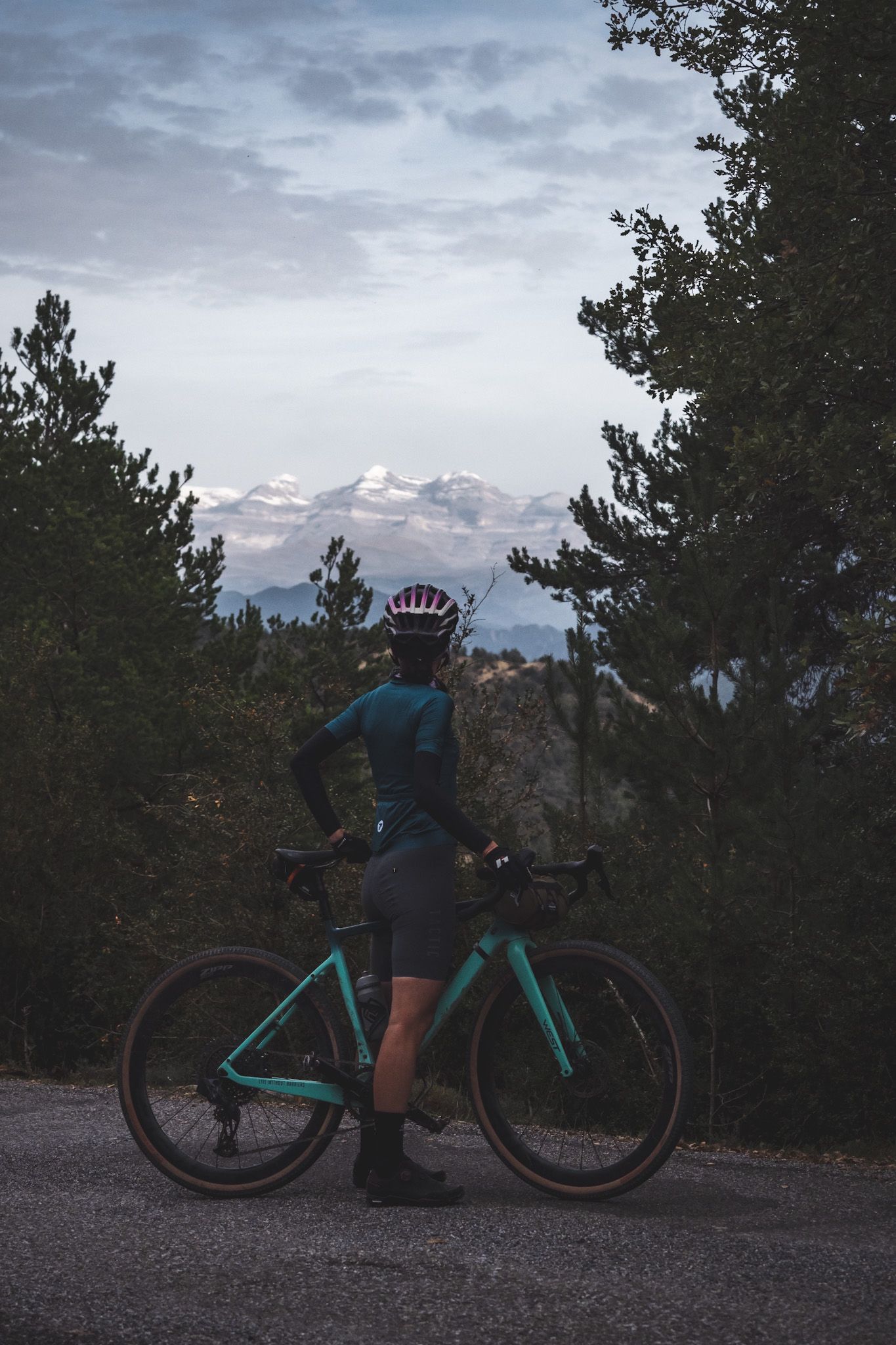
Where silence reigns - Grand Gravel Sobrarbe
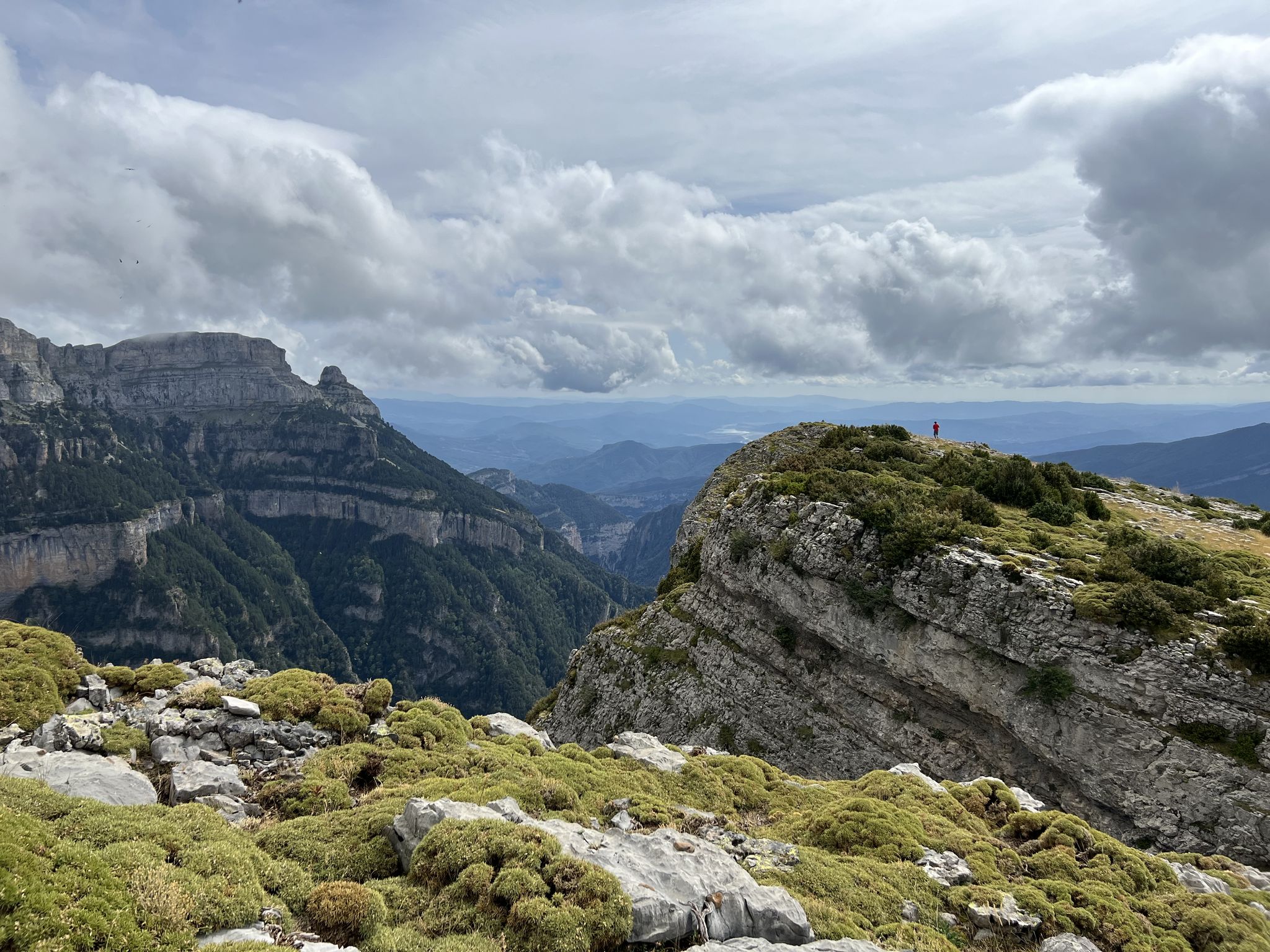
Summit conquests and idyllic mountain lakes – Spanish Pyrenees
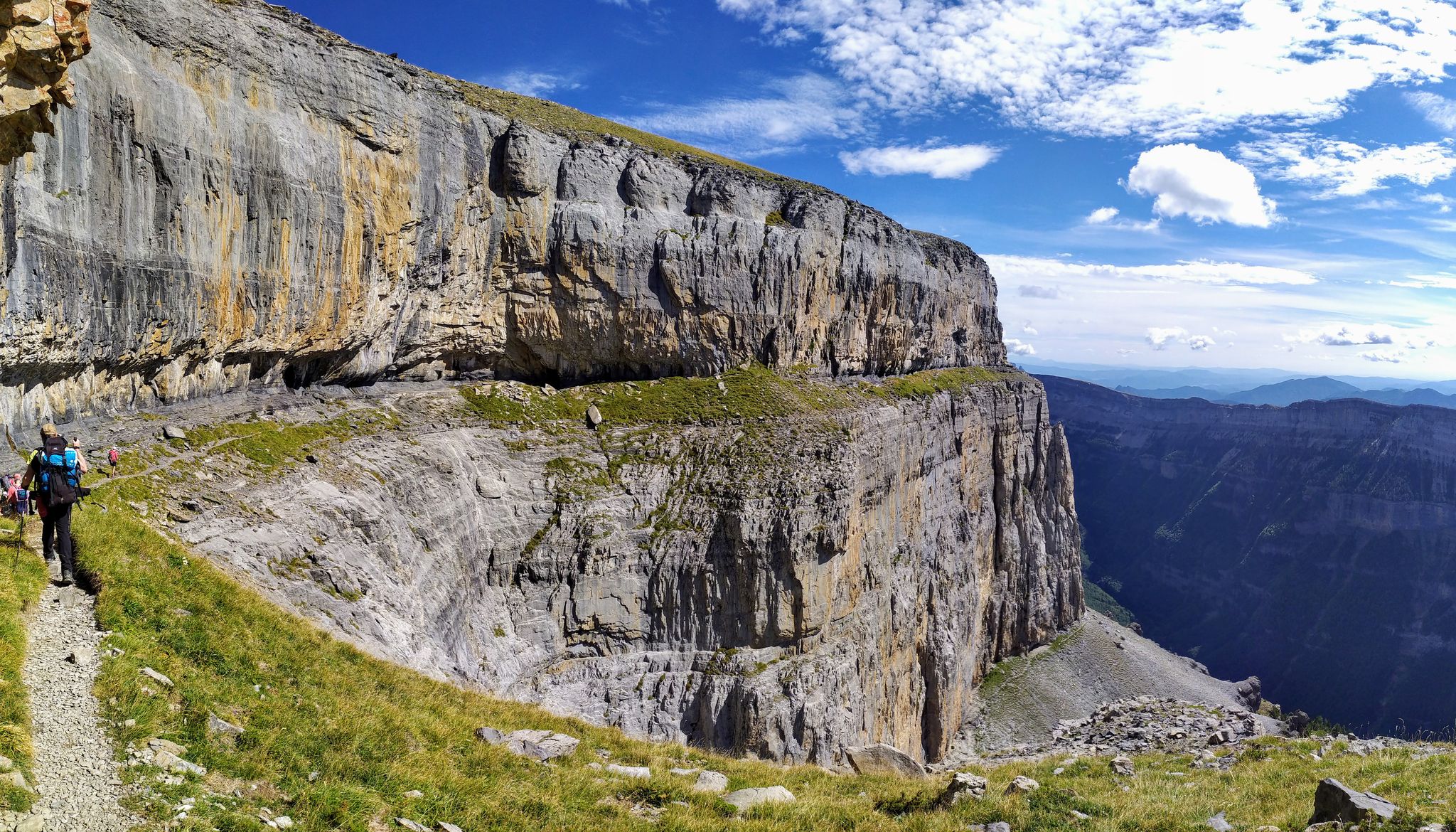
Between Heaven and Earth – Monte Perdido and the Ordesa Valley
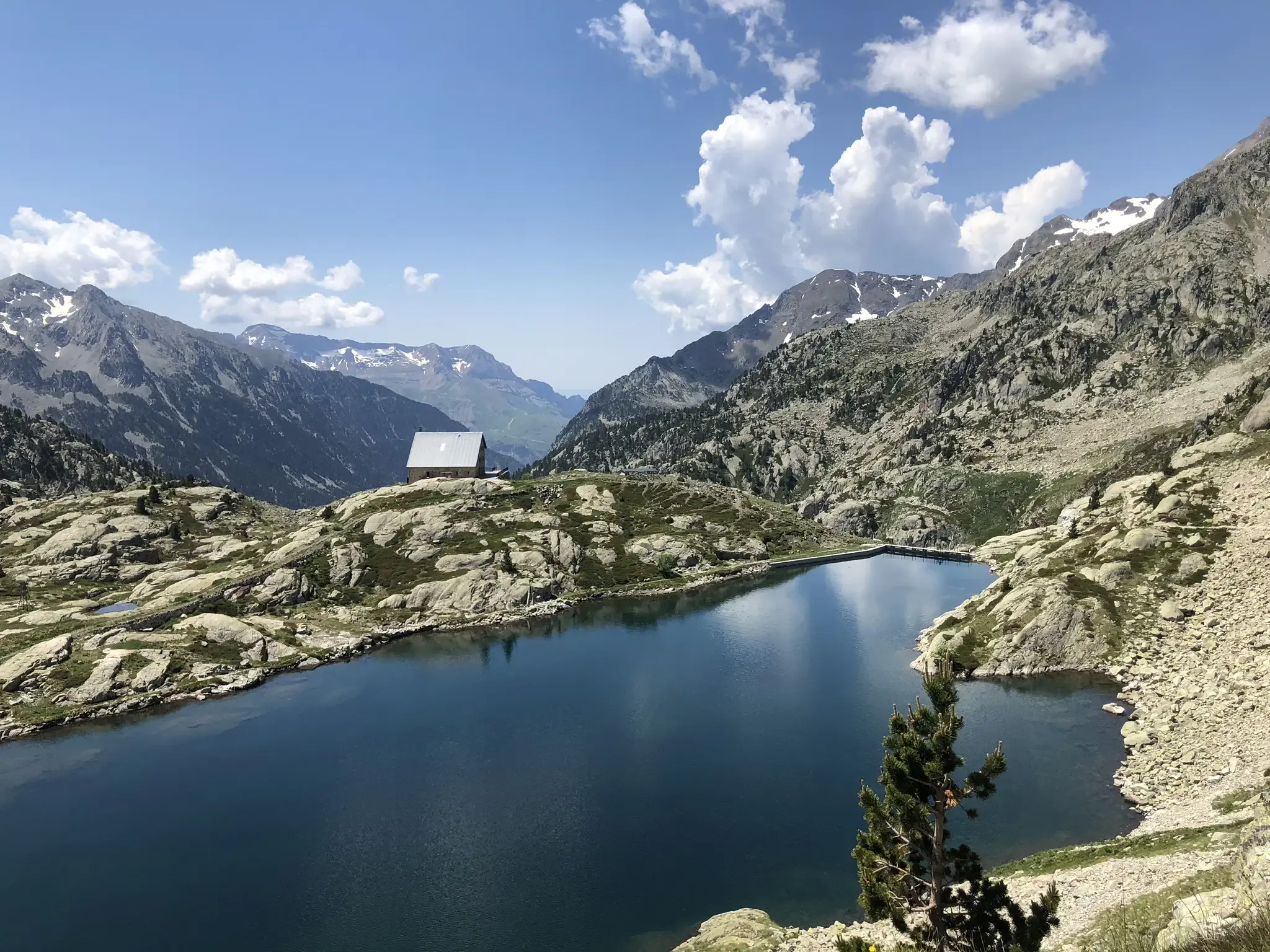
Aragon along the Pyrenean Trail – GR 11
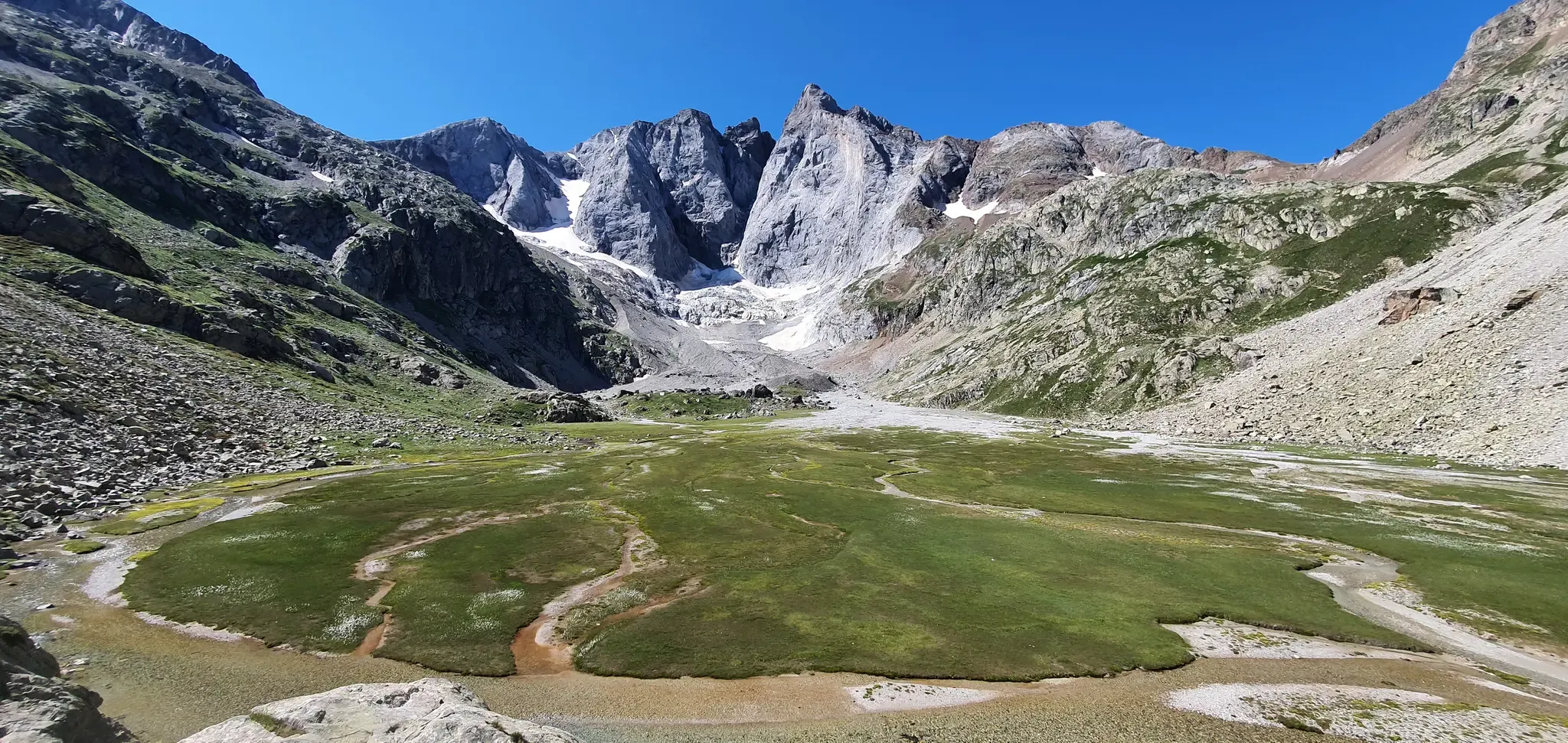
Through the heart of the Pryrenees – Tour of the Vignemale
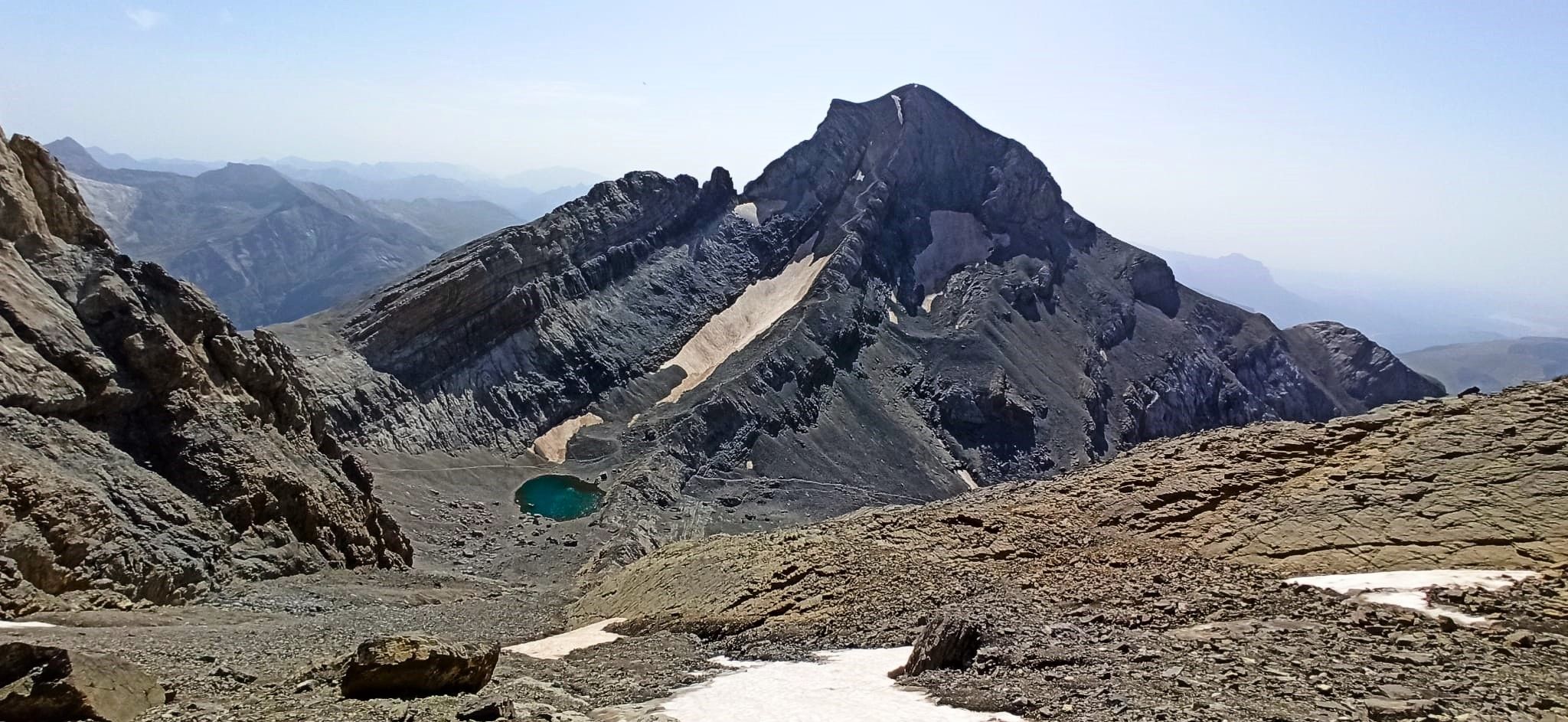
Adventure in the heights — Ordesa and Monte Perdido National Park
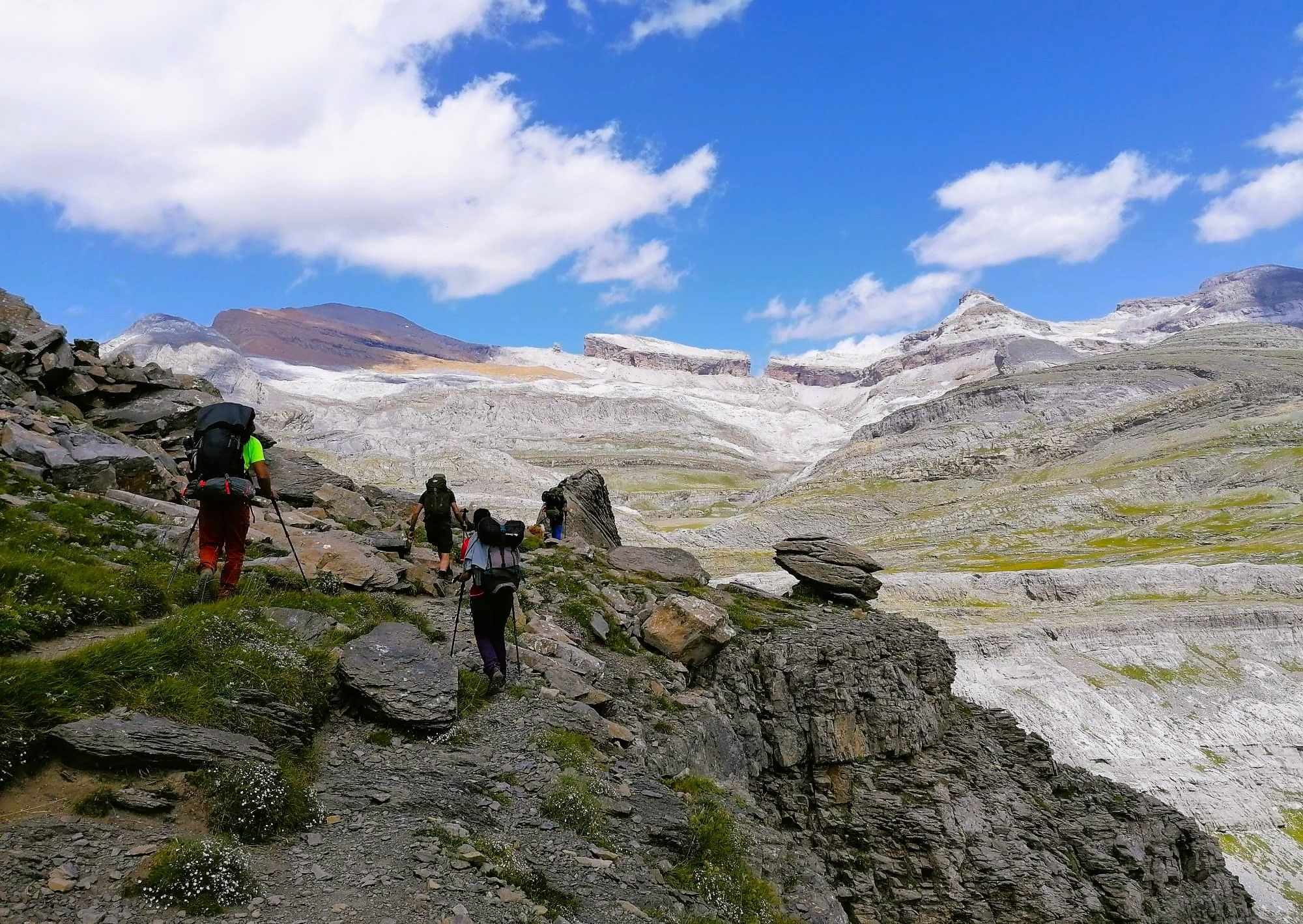
Wilderness — Ordesa y Monte Perdido National Park
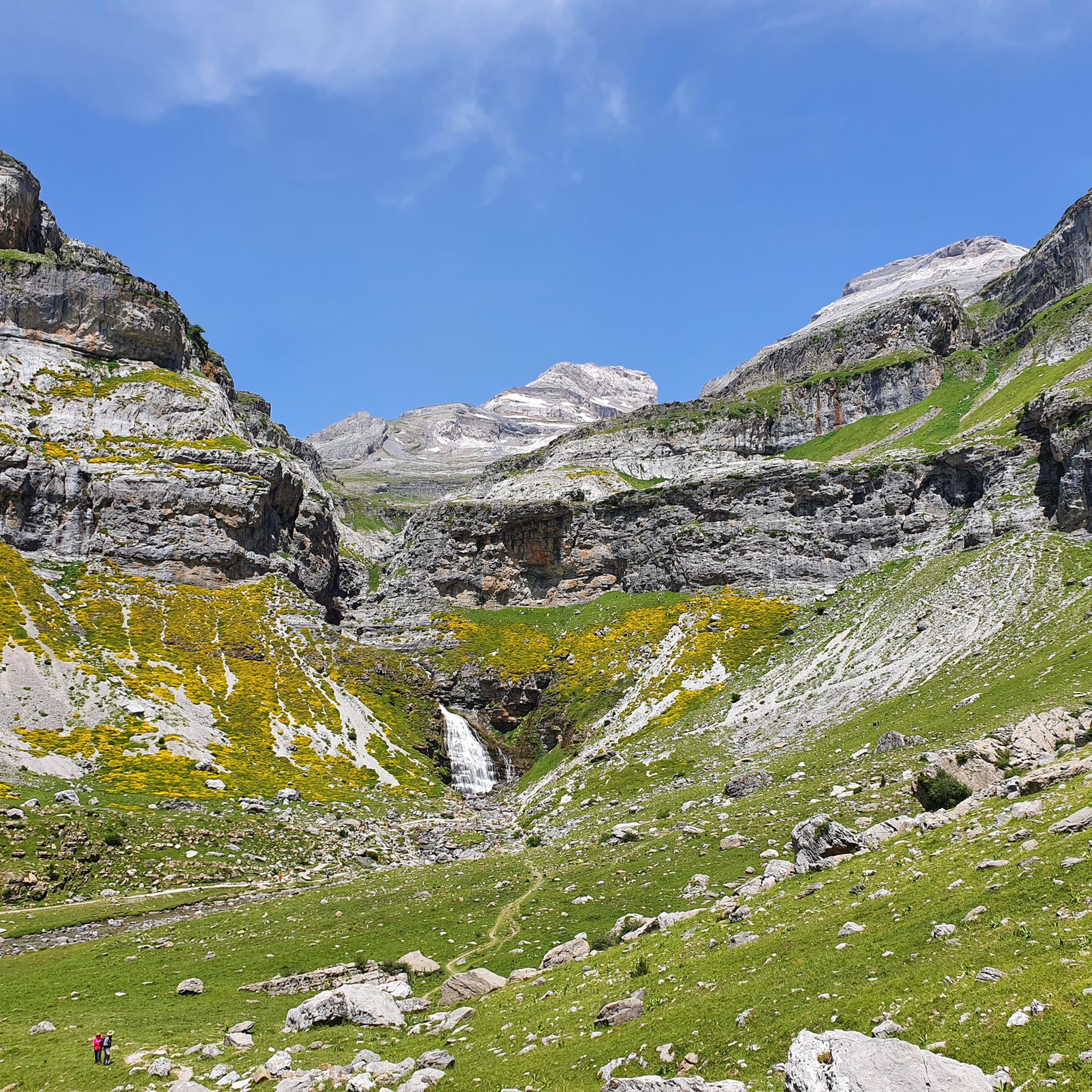
Hiking around Torla-Ordesa
Running Trails around Torla-Ordesa
Road Cycling Routes around Torla-Ordesa
Other adventures around Torla-Ordesa


Tips from the Community

A very interesting place not to be missed if you're in the area. Aso Waterfall. Magnificent view from the bridge of an imposing waterfall.
0
0

Cold water canyon of low difficulty V2 A3 II with 1 non-mandatory rappel of maximum 16 m and several jumps.
0
0
Water canyon with about 3 rappels, a cave and several jumps.
0
0

This area gives you panoramic views from the Bellevue Caves. The seven caves that the enthusiastic Henry Russel had built will not leave you indifferent.
0
0

Legend has it that Saint Helena took refuge in the cave from which the fountain flows and was protected by a spider's web until the danger that awaited her passed. When he came out of the cave, the spring gushed out and for this reason the hermitage was built in his honor in this place.
12
0

This iconic grotto, closed to the public for its better conservation, is the frozen cave of limestone origin located at the highest altitude in the world, at 2765 meters. It is located very close to the Rolando gap, and it is one of the last caves in the Pyrenees that still preserves fossil ice inside. Frozen lakes and waterfalls up to 25 meters high have been preserved for thousands of years and characterize this emblematic place. Currently, exploration is only allowed for scientific purposes and with prior authorization.
3
0

Fountain and church of Santa Elena
8
0

The Bellevue, or Russell, caves were dug on the orders of Count Henry Russell between 1881 and 1893 on the Vignemale massif. The idea was to create a shelter and vacation spot there. The caves can accommodate up to three people and still serve as a refuge today. Be careful though, it is good to know that it is impossible to heat them and make a fire, and that the wind rushes in easily. So, plan ahead if you plan to spend the night there. A good altitude sleeping bag, a meat bag, an insulation mattress and a survival blanket are the bare minimum to take with you.
3
1
Frequently Asked Questions
What types of cave experiences can I find in Torla-Ordesa?
The Torla-Ordesa region offers a diverse range of cave experiences, from historical rock hermitages to natural ice caves and cave features integrated into canyoning routes. You can explore sites like the San Úrbez Hermitage, a rock-hewn religious site, or discover the unique Bellevue Caves, which were historically used as shelters.
Are there any ice caves in the Torla-Ordesa region?
Yes, the region is home to the remarkable Casteret Ice Cave (Gruta Helada de Casteret). This high-altitude limestone ice cave is known for its ancient ice formations and subterranean glacier. However, access is highly restricted to preserve its fragile ecosystem and is generally limited to speleology and mountaineering experts with special permits for study and preservation.
What historical cave sites can I visit in Torla-Ordesa?
You can visit the San Úrbez Hermitage, a rock hermitage dating back to the 8th century, hidden in a rock face on the edge of the National Park. Another historical site is the Santa Elena Hermitage and Fountain, which is associated with a cave and a spring, steeped in local legend.
Are there family-friendly cave activities in Torla-Ordesa?
Yes, both the San Úrbez Hermitage and the Santa Elena Hermitage and Fountain are considered family-friendly. They offer a blend of history, culture, and natural beauty that can be enjoyed by all ages. The approach to these sites is generally accessible.
Can I go canyoning through a cave in Torla-Ordesa?
Yes, the Barranco de Viandico canyoning route includes a cave as part of its features, along with rappels and jumps. This offers an adventurous way to experience a cave as part of a water-based activity, often recommended for beginners in canyoning.
What are the Bellevue Caves and how can I visit them?
The Bellevue Caves, also known as Russell Caves, were dug between 1881 and 1893 on the Vignemale massif to serve as a shelter and vacation spot. They can accommodate up to three people and still function as refuges. Reaching them involves a challenging hike, and visitors should be prepared for cold conditions as heating is not possible inside.
What natural features can I see near the caves in Torla-Ordesa?
Many cave-related sites are nestled within stunning natural landscapes. For example, the popular hiking trail to the Cola de Caballo waterfall in Ordesa Valley features the "Cascada de la Cueva" (Waterfall of the Cave), a beautiful natural formation. The Bellevue Caves also offer panoramic views of the Vignemale massif.
Are there any accessible caves for visitors with limited mobility?
Most of the notable cave experiences in Torla-Ordesa, especially the natural caves and hermitages built into rock faces, require some degree of physical mobility due to stairs, uneven terrain, or challenging hiking approaches. The San Úrbez Hermitage, for instance, is reached via a staircase.
What outdoor activities can I do near these caves?
The Torla-Ordesa region, being a gateway to Ordesa y Monte Perdido National Park, offers numerous outdoor activities. You can find excellent mountain hikes, cycling routes, and running trails. Many of these routes pass by or near the cave sites, allowing you to combine your visit with other adventures.
When is the best time to visit the cave sites in Torla-Ordesa?
The best time to visit depends on the specific cave and your activity. For rock hermitages like San Úrbez, which has specific open dates (May 1st, Whit Monday, September 14th, and December 15th), planning around these is essential. Generally, late spring to early autumn offers the most favorable weather for hiking and exploring the outdoor cave-related features and canyoning routes.
What do visitors enjoy most about the caves around Torla-Ordesa?
Visitors frequently appreciate the unique blend of natural beauty and historical significance. The spectacular positions of sites like the San Úrbez Hermitage, built into a canyon wall, and the panoramic views from the Bellevue Caves are often highlighted. The rich legends associated with places like the Santa Elena Hermitage also add to the appeal.
Most popular routes around Torla-Ordesa
Most popular attractions around Torla-Ordesa

Get inspired with the komoot mobile app


Explore more
Extend your search for the best caves by checking out these guides of the top ones around Torla-Ordesa:
