Top 9 Castles around Savallà Del Comtat
Best castles around Savallà Del Comtat offer a glimpse into the region's rich historical past, often situated on strategic hilltops. The area features notable historical sites, including the Castell de Savallà, which transformed from a medieval fortress into a Renaissance palace. While many castles are now in ruins, they often feature preserved architectural elements and provide expansive views of the surrounding landscape. These sites serve as tangible links to the area's medieval and Renaissance heritage.
Best castles around Savallà Del…
Last updated: July 4, 2026
Sant Miquel de Montclar
Highlight • Religious Site
Translated by Google •
Tip by

Rocafort de Queralt
Highlight • Settlement
Its origin is …
Translated by Google •
Tip by

Sign up now to discover places like this
Get recommendations on the best single tracks, peaks, & plenty of other exciting outdoor places.
Sign up for free
Montbrió de la Marca
Highlight • Settlement
Translated by Google •
Tip by
L'Ametlla de Segarra
Highlight • Settlement
Translated by Google •
Tip by
Guimerà Castle
Highlight • Castle
Translated by Google •
Tip by

Sign up for free to discover even more castles around Savallà Del Comtat.
Sign up for free
Already have an account?
Start today with a free account
Your next adventure awaits.
Login or Signup

Tips from the Community

The most important is the Fountain that you will find halfway up, fresh water that will save you, especially on summer days. The Guimerà castle is strategically located on the border between the plateau and the ridge of the Corb valley, built on a plain of living rock, where today the remains of the medieval enclosure extend, expanded in several phases to the western end, and linked through the old cemetery to the Gothic church. Its characteristic feature is its round watchtower and defense. It is a building declared a cultural asset of national interest. Source: Wikipedia
0
0

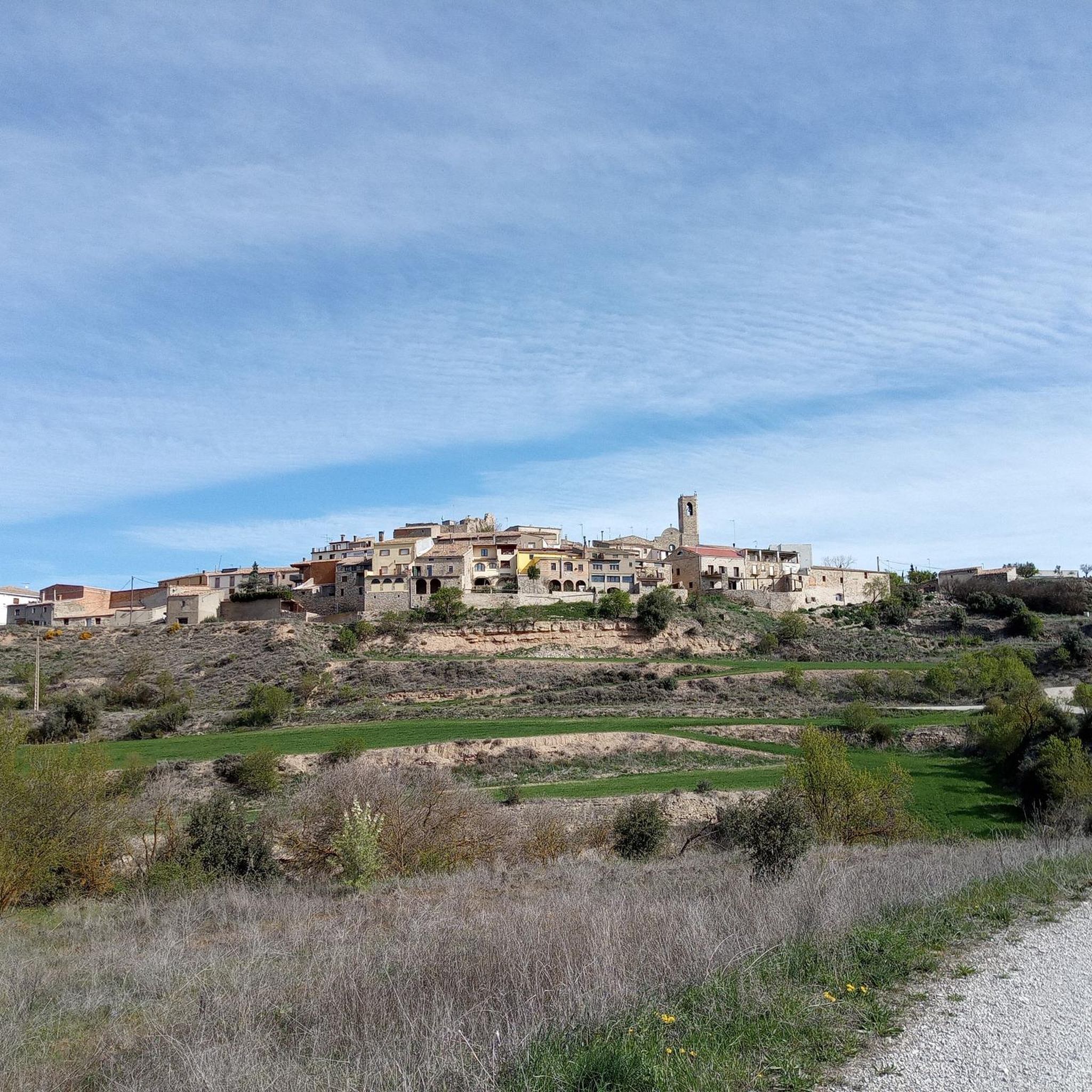
Montbrió de la Marca is a small nucleus belonging to the municipality of Sarrat, in the Conca de Barberà region (Tarragona). It is located on the slopes of a promontory where the old castle of Montbrió was located, from the 11th century. Very close to the location of the castle, in the upper part of the town, the church of Sant Llorenç was erected, documented as early as the 12th century. Originally in a transitional style between Romanesque and Gothic, later reforms ended up giving it a Baroque appearance. It has a small dome and is crowned by a belfry bell tower.
0
0
Halfway between the monasteries of Santa Maria de Vallbona and Santes Creus, the town of Rocafort de Queralt belongs to the region of Conca de Barberà (Tarragona). Its origin is in the 11th century and in 1370 the barony of Rocafort de Queralt was established. It has a parish church dedicated to Sant Salvador (18th century), built on top of a previous church. The castle, from the 12th century, was completely rebuilt in 1964. Two portals of the wall that protected the town are also preserved.
0
0
L'Ametlla de Segarra is a town belonging to the municipality of Montoliu de Segarra, in the Segarra region, province of Lleida. It is linked to the castle of the same name, appearing in records at the end of the 11th century. It is located in an area with a tradition of cereal farming and other rainfed crops such as olive groves and almond trees. You can also find vineyards, particularly organic vineyards that produce Comalats wine, which was the old name of the region. Of its heritage, the church of Sant Pere and the tower of the old castle stand out.
0
0

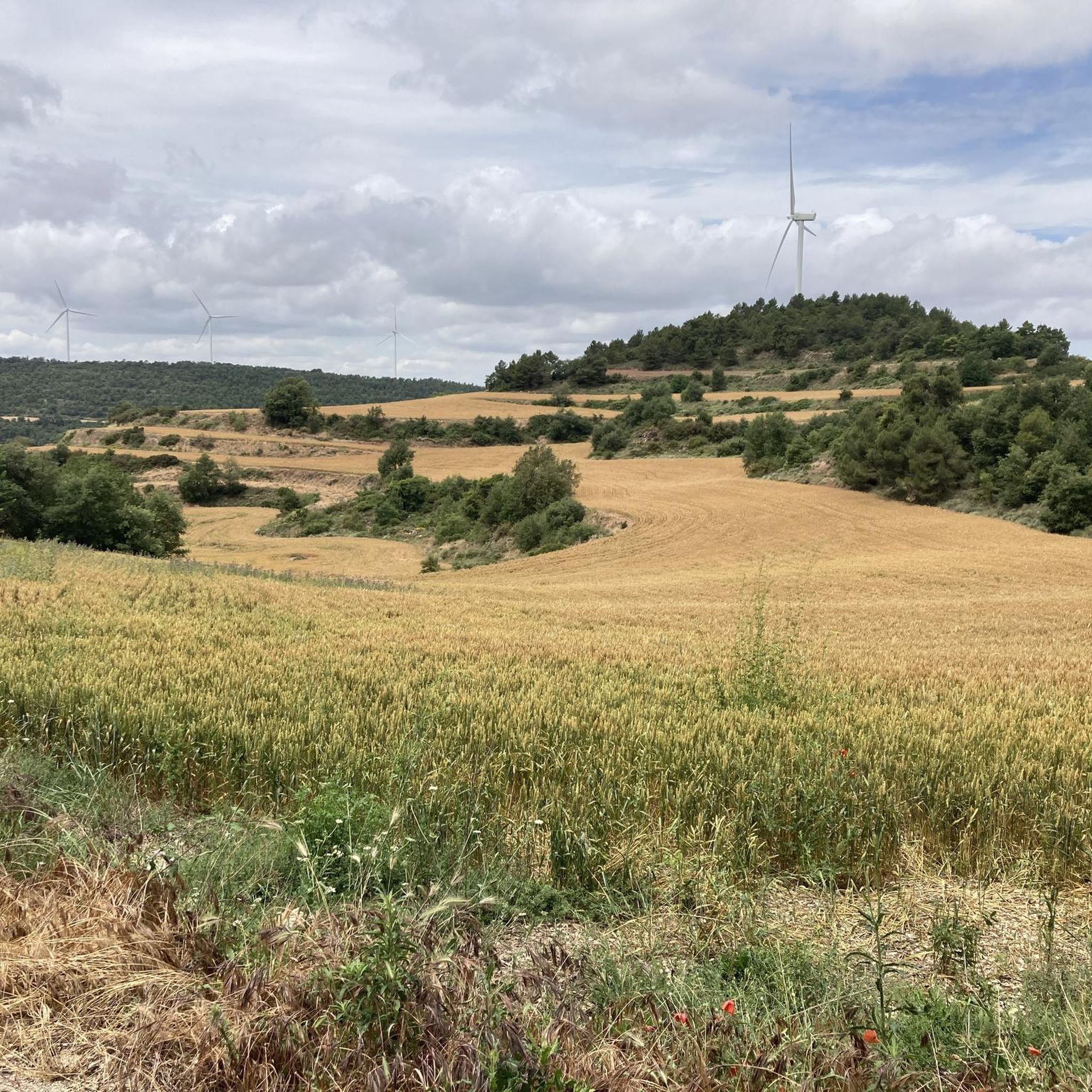
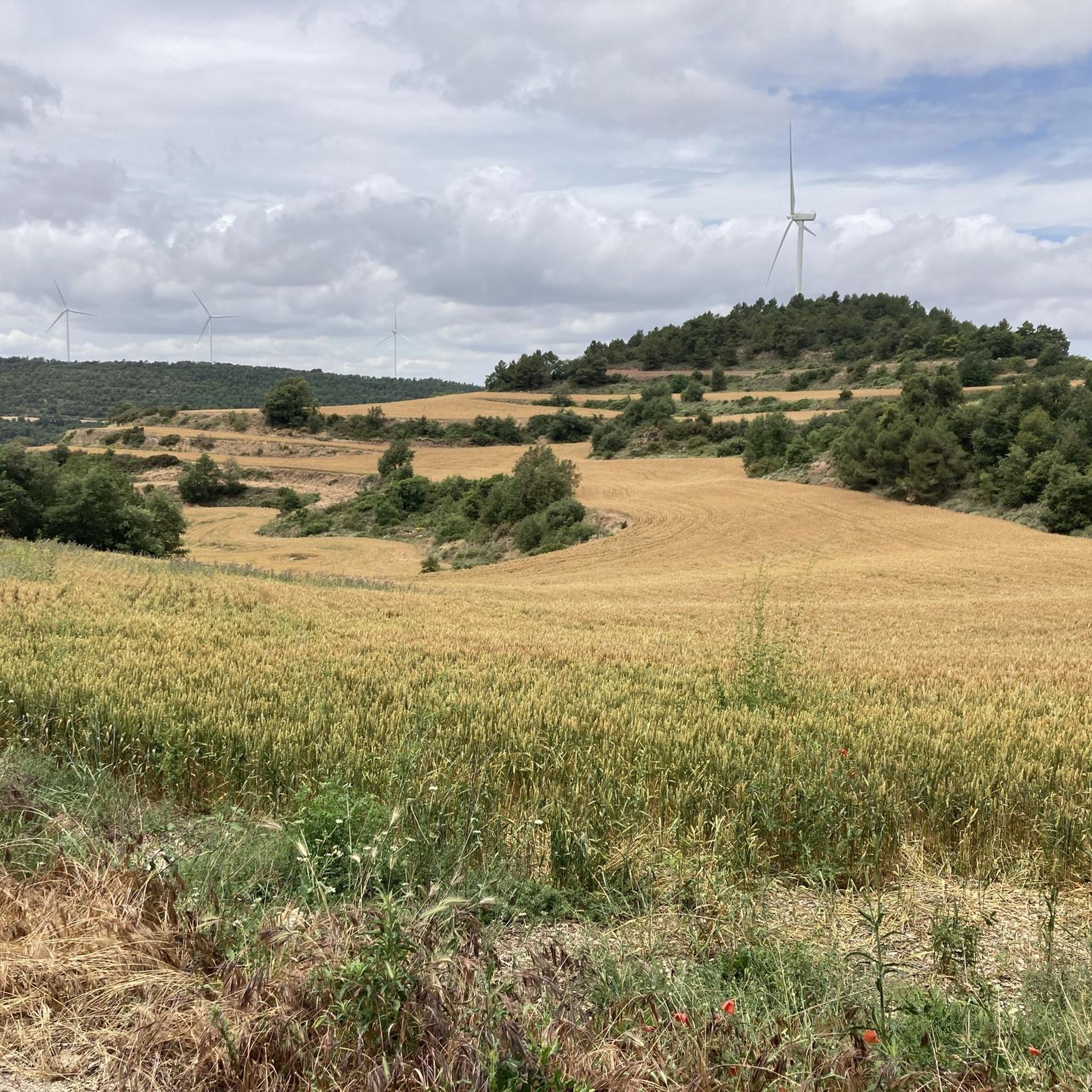
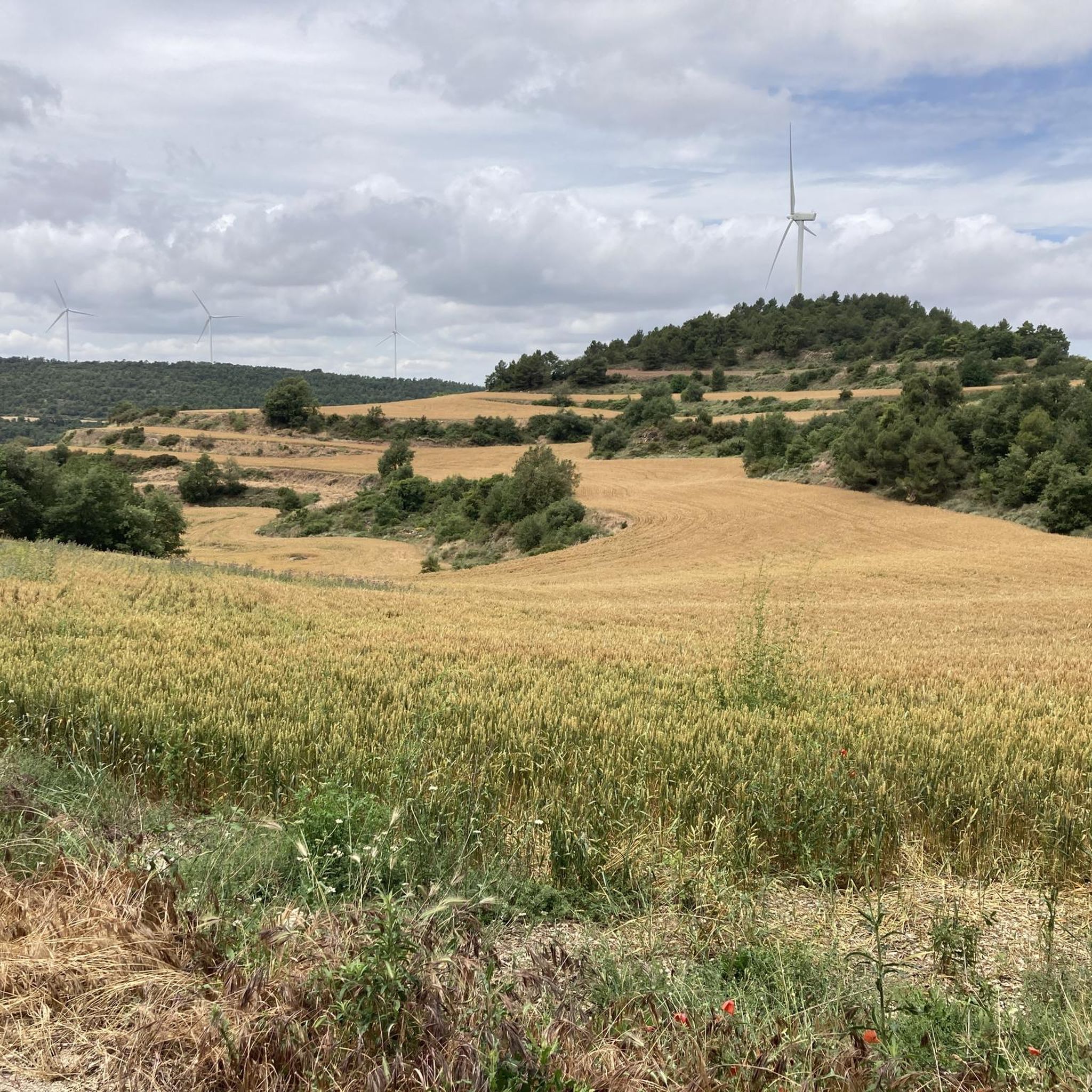
Hermitage that is located close to the mountain that bears the same name. The environment is beautiful to take a break and see the whole that surrounds it.
0
0

Small hermitage built with stone located at the top of the peak of Montclar. Next to it are the remains of the Montclar castle from where you get a great view of the Conca de Barberà and the Alt Camp.
2
0
Frequently Asked Questions
What kind of historical sites can I expect to see around Savallà Del Comtat?
The region is rich in history, featuring numerous castles and settlements that showcase its medieval and Renaissance past. You'll find sites like the Castell de Savallà, which evolved from a medieval fortress into a Renaissance palace, and the remains of the Montclar castle near Sant Miquel de Montclar. Many sites, though in ruins, still offer a glimpse into their original grandeur and strategic importance.
Are there any castles suitable for family visits?
Yes, Rocafort de Queralt is noted as family-friendly. This settlement features a 12th-century castle that was rebuilt in 1964, alongside preserved portals of the original town wall, offering an engaging historical experience for all ages. L'Ametlla de Segarra is also considered family-friendly, with its historical settlement and the tower of its old castle.
Where can I find the best panoramic views of the region?
For exceptional views, visit Sant Miquel de Montclar. From its peak location, you can enjoy great views of the Conca de Barberà and the Alt Camp. The Castell de Savallà, perched atop a hill, also offers expansive views of the Conca de Barberà and the plains of Segarra.
What natural features can I explore near the castles?
The castles are often set amidst beautiful natural landscapes. The Castell de Savallà provides views of cereal fields and the Corb River valley. You can also explore the natural surroundings of the "Obagues del riu Corb" to appreciate the local flora. Many castle sites, like Sant Miquel de Montclar and L'Ametlla de Segarra, are located in scenic areas that offer a blend of history and nature.
Are there hiking trails near the castles around Savallà Del Comtat?
Yes, the area offers various hiking opportunities. While specific trails directly to each castle might vary, you can find numerous routes in the broader region. For example, you can explore running trails like the "Gaià River Mills loop" or the "Castell de Montargull – Barraca del Bonet loop" which are moderate in difficulty. Find more options on the Running Trails around Savallà Del Comtat guide.
What other outdoor activities can I do in the area?
Beyond hiking, the region is excellent for cycling. You can find challenging mountain biking routes, such as the "Segura – L'Ametlla de Segarra loop" or the "Queralt Castle Ruins – Bellprat Village loop." Road cyclists can enjoy routes like the "Santa Coloma de Queralt – Plaça Major loop." Explore more options on the MTB Trails around Savallà Del Comtat guide and the Road Cycling Routes around Savallà Del Comtat guide.
When is the best time to visit the castles in Savallà Del Comtat?
The region experiences warm summers and mild winters. Spring and autumn generally offer the most pleasant weather for exploring the castles and their surroundings, with comfortable temperatures for walking and enjoying the panoramic views. These seasons also tend to have less extreme heat or cold, making outdoor activities more enjoyable.
What is the historical significance of the Castell de Savallà?
The Castell de Savallà is highly significant, tracing its origins to the 10th or 11th century. It was strategically important as a defensive point and later transformed into an imposing Renaissance palace, serving as the habitual residence for the influential Boixadors family. Despite its current ruined state, it represents a tangible link to Catalonia's medieval and Renaissance periods.
Are there any other notable historical settlements with castles nearby?
Yes, besides Savallà del Comtat, you can visit Montbrió de la Marca, a small nucleus where the old 11th-century castle of Montbrió was located, alongside the historic church of Sant Llorenç. Another is L'Ametlla de Segarra, a town linked to its 11th-century castle, featuring the church of Sant Pere and the tower of the old castle.
What do visitors enjoy most about the castles in this area?
Visitors appreciate the rich historical context and the stunning panoramic views offered by these strategically located castles. Many enjoy the sense of stepping back in time while exploring the ruins and imagining their past grandeur. The blend of historical exploration with the tranquility of the rural landscape, as seen from sites like Sant Miquel de Montclar, is a major draw.
Can I visit the interior of the castles?
Many of the castles in the region, including the Castell de Savallà, are in a state of ruin. While you can explore the exterior walls and remnants, full interior access might be limited or unavailable due to their condition. Sites like Rocafort de Queralt, which was rebuilt, may offer more accessible structures, but generally, the experience focuses on the historical setting and exterior architecture.
Most popular routes around Savallà Del Comtat
Most popular attractions around Savallà Del Comtat

Get inspired with the komoot mobile app


Explore more
Looking for the best castles somewhere else? Discover other guides around Savallà Del Comtat:
