Top 12 Castles around Conesa
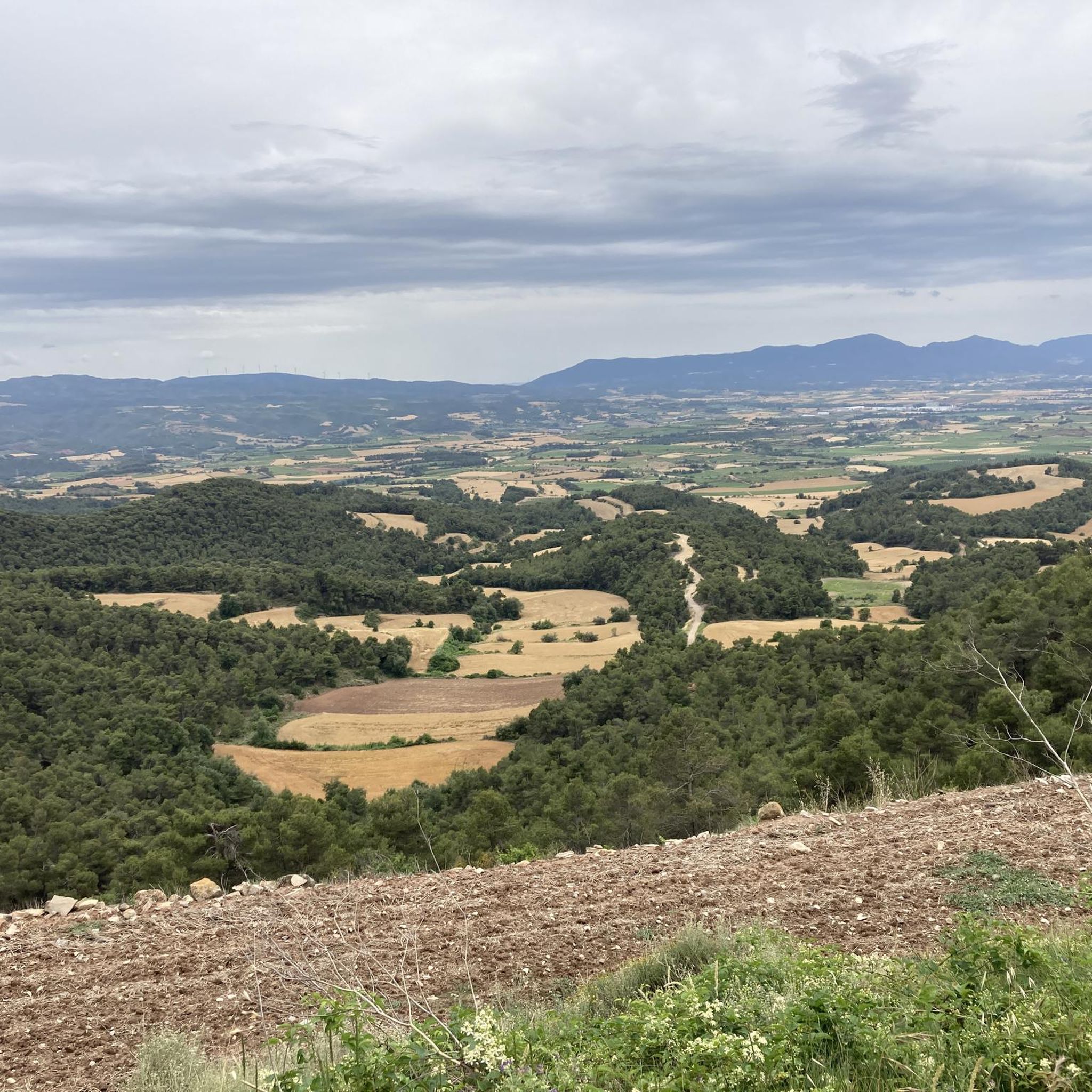
Castles around Conesa, located in the province of Tarragona, Catalonia, offer a glimpse into the region's medieval past and historical structures. While the village of Conesa itself features historical buildings like the Delmera House, which served as a tax-collecting house for the Santa Creus monastery, and a modern facility designed to resemble a castle, the surrounding area provides access to various historical castle sites. These sites are often situated on elevated positions, providing views of the Conca de Barberà and Alt Camp regions. The landscape is characterized by agricultural areas and rolling hills, typical of inland Catalonia.
Best castles around Conesa
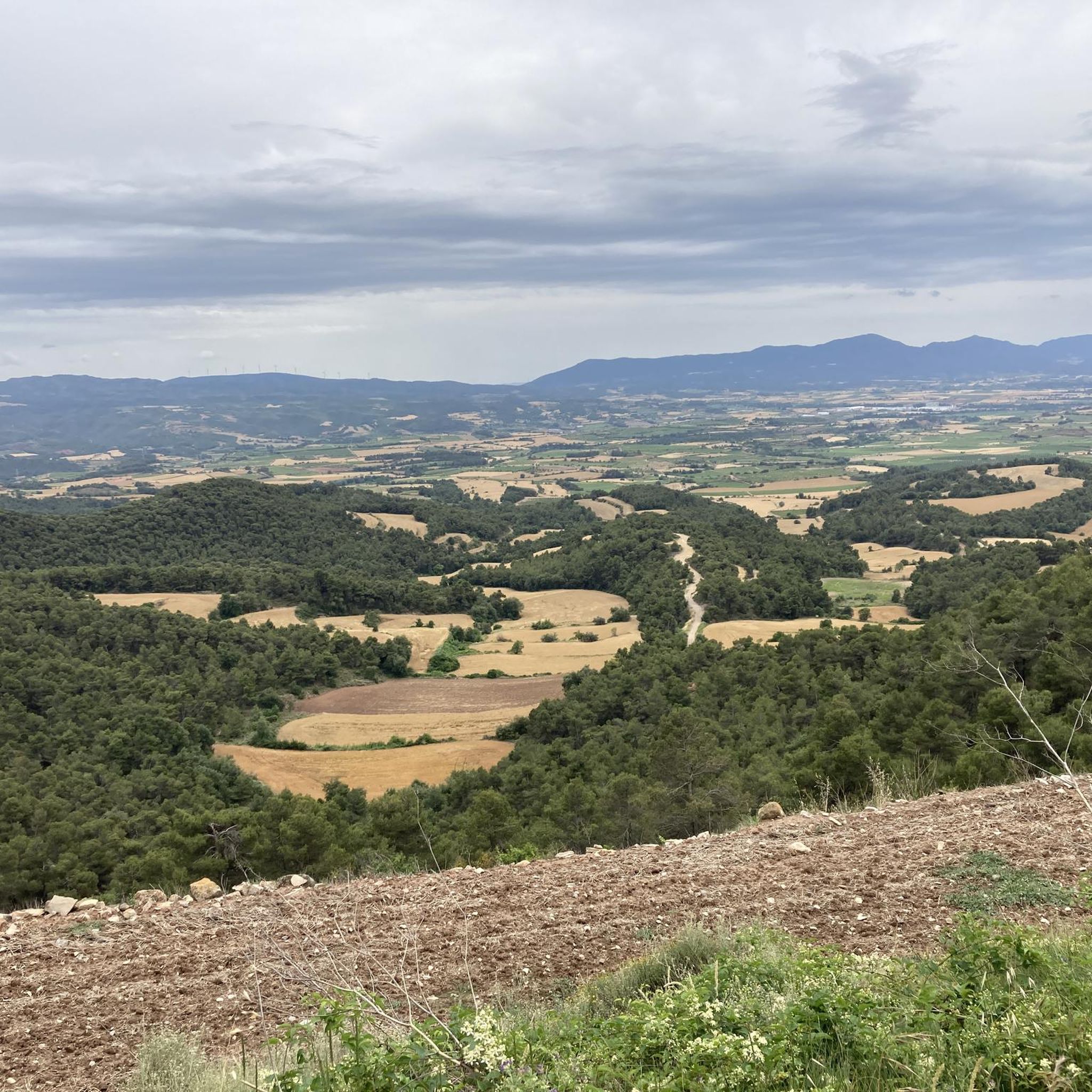
- The most popular castles is Sant Miquel de Montclar, a religious building that includes the remains of Montclar castle. From this location, visitors can obtain views of the Conca de Barberà and Alt Camp.
- Another must-see spot is Saburella Castle, a castle. These are the remains of a medieval Christian castle, documented in the year 1299, with one of its semicircular towers and part of the wall still preserved.
- Visitors also love Rocafort de Queralt, a settlement with a castle from the 12th century that was rebuilt in 1964. It also preserves two portals of the wall that once protected the town.
- Conesa is known for medieval castle ruins, rebuilt historical castles, and settlements with castle origins. These sites offer a variety of historical structures to explore, from ancient fortifications to modern interpretations.
- The castles around Conesa are appreciated by the komoot community, with 10 upvotes and 14 photos shared by visitors.
Last updated: May 7, 2026
Sant Miquel de Montclar
Highlight • Religious Site
Translated by Google •
Tip by

Saburella Castle
Highlight • Castle
Translated by Google •
Tip by

Sign up now to discover places like this
Get recommendations on the best single tracks, peaks, & plenty of other exciting outdoor places.
Sign up for free
Rocafort de Queralt
Highlight • Settlement
Its origin is in the 11th century and in 1370 the barony of Rocafort de Queralt was established. It has a parish church dedicated to Sant Salvador (18th century), built on top of a previous church. The castle, from the 12th century, was completely rebuilt in 1964. Two portals of the wall that protected the town are also preserved.
Translated by Google •
Tip by

Montbrió de la Marca
Highlight • Settlement
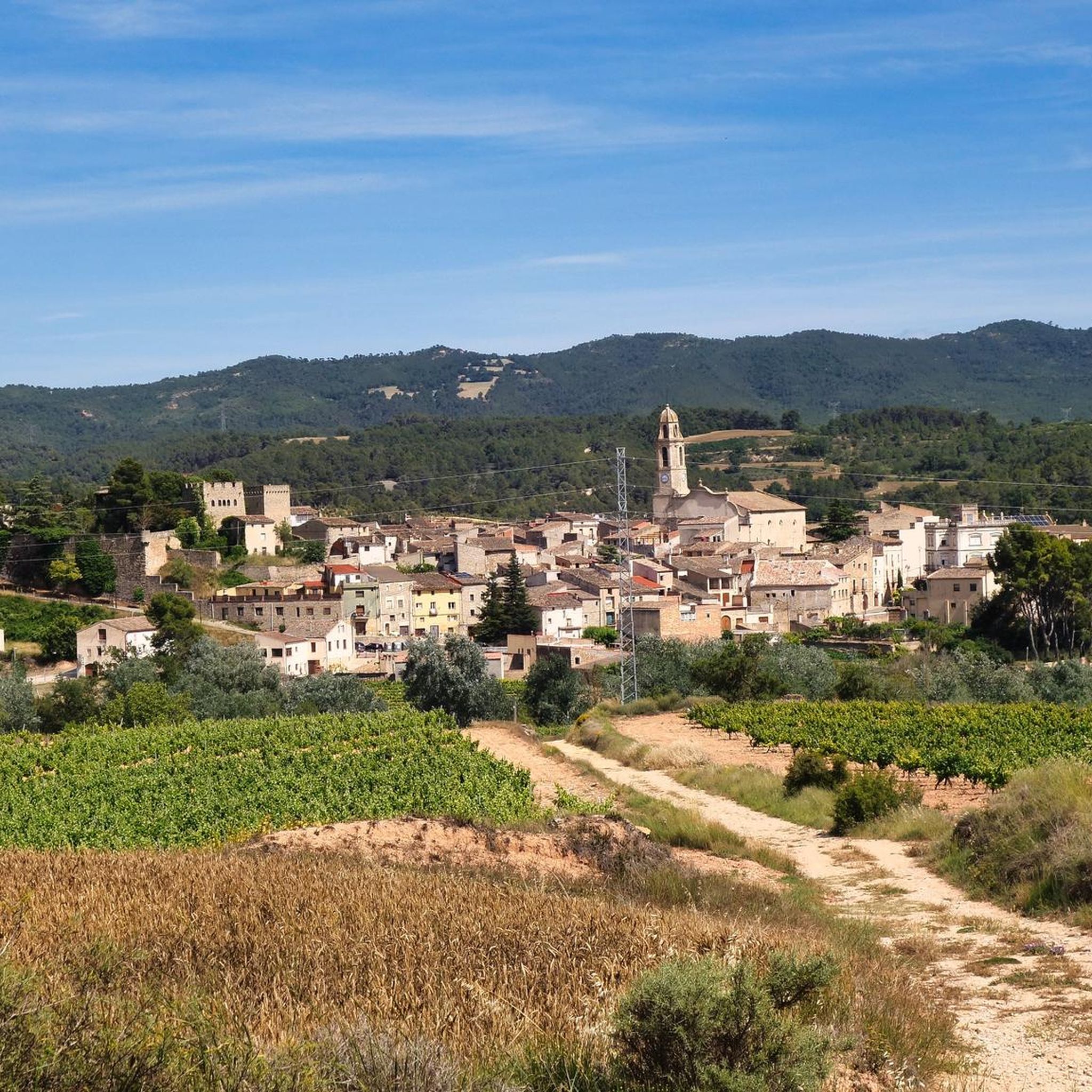
It is located on the slopes of a promontory where the old castle of Montbrió was located, from the 11th century. Very close to the location of the castle, in the upper part of the town, the church of Sant Llorenç was erected, documented as early as the 12th century. Originally in a transitional style between Romanesque and Gothic, later reforms ended up giving it a Baroque appearance. It has a small dome and is crowned by a belfry bell tower.
Translated by Google •
Tip by
L'Ametlla de Segarra
Highlight • Settlement
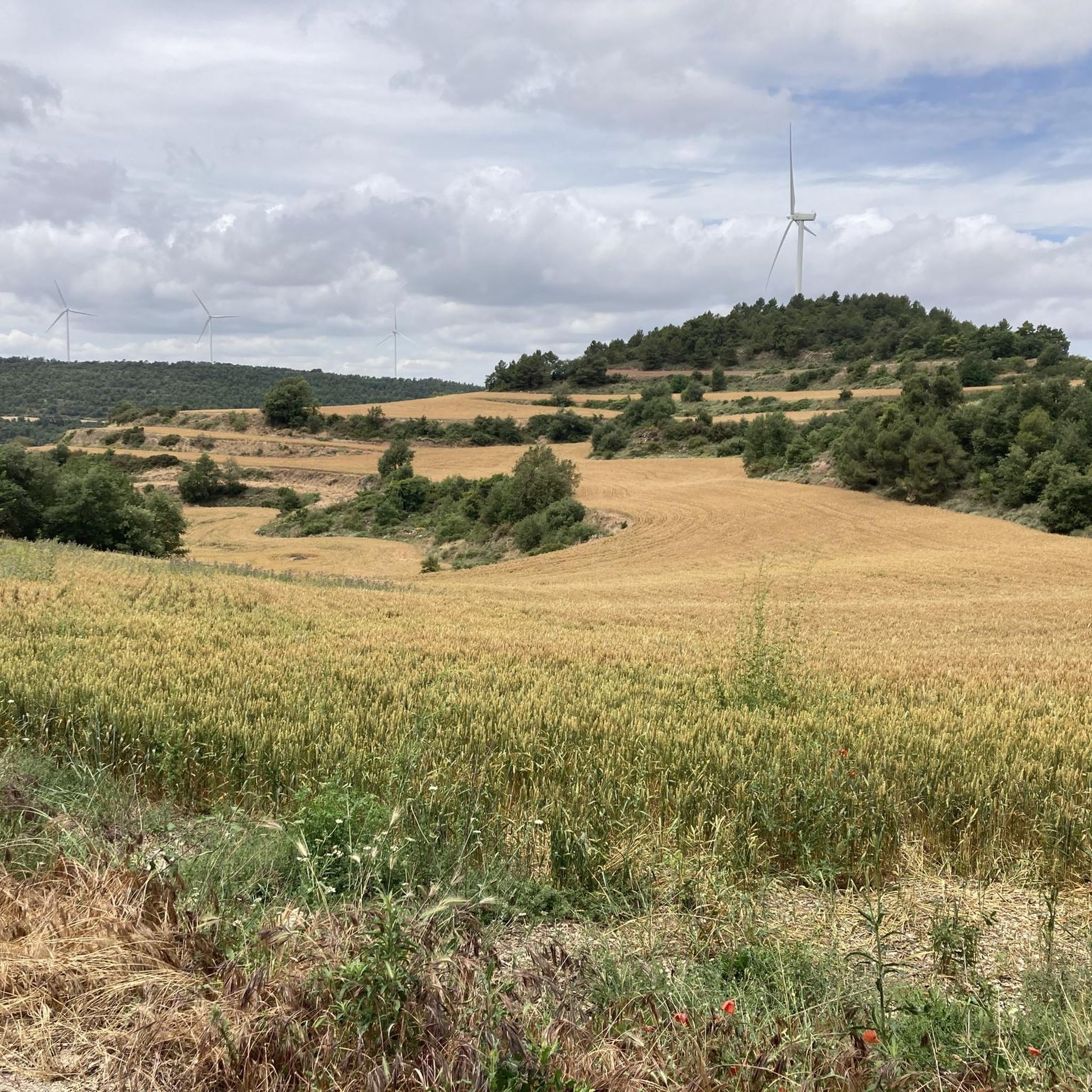
It is located in an area with a tradition of cereal farming and other rainfed crops such as olive groves and almond trees. You can also find vineyards, particularly organic vineyards that produce Comalats wine, which was the old name of the region.
Of its heritage, the church of Sant Pere and the tower of the old castle stand out.
Translated by Google •
Tip by
Sign up for free to discover even more castles around Conesa.
Sign up for free
Already have an account?
Start today with a free account
Your next adventure awaits.
Login or Signup

Tips from the Community

The castle of Saburella dates from the 13th century and is located on a hill on the right bank of the river Gaià, in the Alt Camp region. Its state of conservation is much better than that of the neighboring castle of Semella, as it maintains one of its towers almost intact, as well as remains of other towers and the wall.
0
0

Montbrió de la Marca is a small nucleus belonging to the municipality of Sarrat, in the Conca de Barberà region (Tarragona). It is located on the slopes of a promontory where the old castle of Montbrió was located, from the 11th century. Very close to the location of the castle, in the upper part of the town, the church of Sant Llorenç was erected, documented as early as the 12th century. Originally in a transitional style between Romanesque and Gothic, later reforms ended up giving it a Baroque appearance. It has a small dome and is crowned by a belfry bell tower.
0
0
Halfway between the monasteries of Santa Maria de Vallbona and Santes Creus, the town of Rocafort de Queralt belongs to the region of Conca de Barberà (Tarragona). Its origin is in the 11th century and in 1370 the barony of Rocafort de Queralt was established. It has a parish church dedicated to Sant Salvador (18th century), built on top of a previous church. The castle, from the 12th century, was completely rebuilt in 1964. Two portals of the wall that protected the town are also preserved.
0
0
L'Ametlla de Segarra is a town belonging to the municipality of Montoliu de Segarra, in the Segarra region, province of Lleida. It is linked to the castle of the same name, appearing in records at the end of the 11th century. It is located in an area with a tradition of cereal farming and other rainfed crops such as olive groves and almond trees. You can also find vineyards, particularly organic vineyards that produce Comalats wine, which was the old name of the region. Of its heritage, the church of Sant Pere and the tower of the old castle stand out.
0
0

Hermitage that is located close to the mountain that bears the same name. The environment is beautiful to take a break and see the whole that surrounds it.
0
0

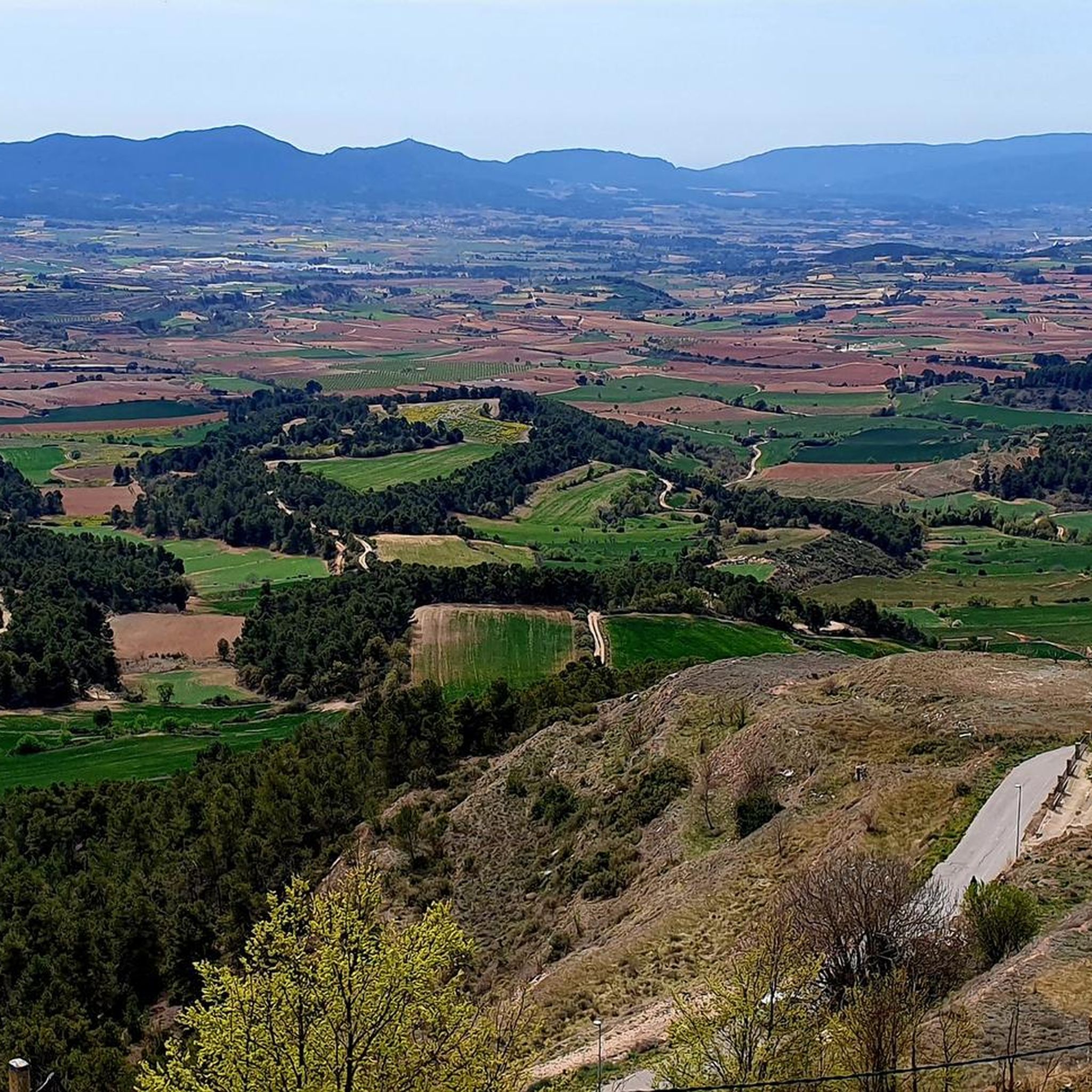
They are the remains of a medieval Christian castle, documented in the year 1299. From here there are very beautiful views of the surroundings.
1
0

Small hermitage built with stone located at the top of the peak of Montclar. Next to it are the remains of the Montclar castle from where you get a great view of the Conca de Barberà and the Alt Camp.
2
0

The castle of Saburella, or Savorella, in the municipality of Querol (Alt Camp), is built after the Reconquest and is located on the right side of the River Gaià. It is located on a hill (683 m) and its conservation is good enough, especially one of the three semicircular towers, which remains almost entire, and part of the wall. The few historical news generated by this fortification has made it more difficult to establish a unanimous dating, however we think that its construction must be late, from the end of the 12th-early 13thcentury, and closely related to the conflicts that took place in the neighboring castle of Selmella between the monastery of Santes Creus and els Cervelló. Wiki: https://ca.wikipedia.org/wiki/Castell_de_Saburella Accessible by MTB or gravel bike. I did it with road bike but with with some sections of the road walking.
0
0
Frequently Asked Questions
What kind of historical castles can I expect to find around Conesa?
The castles around Conesa, located in the province of Tarragona, Catalonia, offer a glimpse into the region's medieval past. You'll find a mix of ancient fortifications, such as the remains of Saburella Castle which dates back to 1299, and settlements with castle origins like Rocafort de Queralt, a 12th-century site that was rebuilt in 1964. The area is rich in historical structures, from ruins to more preserved sites.
Are there any well-preserved medieval towns or villages with castle origins near Conesa?
Yes, the village of Conesa itself is a notable example. It's a well-preserved medieval town with defensive walls, cobbled streets in its Jewish quarter, and remnants of its medieval past, including two original gates: the Portal Reial (or Sant Antoni) and the Portal de Santa Maria. The historic center, including the castle, was declared a Cultural Asset of National Interest.
Which castles offer the best views of the surrounding landscape?
Many castles in the region are situated on elevated positions, providing excellent views. Sant Miquel de Montclar, a religious building with the remains of Montclar castle, offers great views of the Conca de Barberà and Alt Camp regions. Similarly, Saburella Castle provides very beautiful views of its surroundings from its hilltop location.
Are there family-friendly castles or historical sites to visit near Conesa?
Yes, Rocafort de Queralt is categorized as family-friendly, offering a settlement with a 12th-century castle and preserved wall portals. L'Ametlla de Segarra, with its 11th-century castle tower and church, is also considered family-friendly, providing an engaging historical experience for all ages.
What outdoor activities can I do near the castles around Conesa?
The region around Conesa is ideal for outdoor enthusiasts. You can explore various routes for hiking, cycling, and road cycling. For detailed options, check out the guides for Hiking around Conesa, Cycling around Conesa, and Road Cycling Routes around Conesa.
Are there hiking trails that include castle visits or historical points of interest?
Absolutely. The Hiking around Conesa guide features routes like the 'Roc del Cogulló Viewpoint – Sant Miquel de Montclar loop' and 'Sant Miquel de Montclar – Montclar Summit loop', which incorporate visits to Sant Miquel de Montclar, a site with castle remains and stunning views.
What is the best time of year to visit the castles and explore the area around Conesa?
The region's landscape, characterized by agricultural areas and rolling hills, is typical of inland Catalonia. Spring and autumn generally offer pleasant weather for exploring historical sites and engaging in outdoor activities like hiking and cycling, avoiding the intense heat of summer or potential chill of winter.
Are dogs allowed at the castles or on trails near Conesa?
While specific rules for each castle may vary, many outdoor trails in the Conesa area are generally dog-friendly. It's always recommended to keep dogs on a leash, especially in historical areas or near agricultural land, and to check local regulations for specific sites before your visit.
What do visitors enjoy most about the castles around Conesa?
Visitors appreciate the opportunity to delve into the region's medieval past and explore a variety of historical structures. The stunning views from elevated castle sites, such as Sant Miquel de Montclar, are frequently highlighted. The well-preserved medieval character of the village of Conesa itself also offers a rich historical experience.
Are there any less crowded or 'hidden gem' historical sites near Conesa?
Beyond the more prominent sites, exploring the smaller settlements with castle origins like Montbrió de la Marca, which features the site of an 11th-century castle and a historic church, can offer a quieter, more intimate historical experience away from larger crowds.
What kind of terrain can I expect on hiking trails around the castles?
The terrain around Conesa is characterized by rolling hills and agricultural areas, typical of inland Catalonia. Hiking trails can range from moderate to difficult, as seen in routes like the 'Roc del Cogulló Viewpoint – Sant Miquel de Montclar loop' which is rated difficult, and others like 'Sant Miquel de Montclar – Montclar Summit loop' which are moderate. Expect varied paths, potentially including some ascents to reach castle viewpoints.
Most popular attractions around Conesa

Get inspired with the komoot mobile app


Explore more
Looking for the best castles somewhere else? Discover other guides around Conesa:
