Top 6 Castles around Mos
Best castles around Mos refers to a region in Galicia, Spain, known for its historical fortifications and scenic landscapes. This area features a collection of medieval castles, many of which are situated to dominate river valleys and control ancient communication routes. The region's natural setting, often characterized by mountains and proximity to the coast, provides a backdrop for exploring these historical sites. Visitors can discover a blend of Romanesque and Gothic architecture, alongside botanical gardens and archaeological sites.
Best castles…
Last updated: June 20, 2026
Portico of the Church of Santa María de la Asunción, Baiona
Highlight • Religious Site
It began to be built in 1120, although it would not be consecrated until 1225, already in the …
Translated by Google •
Tip by

Soutomaior Castle
Highlight • Castle
Translated by Google •
Tip by

Sign up now to discover places like this
Get recommendations on the best single tracks, peaks, & plenty of other exciting outdoor places.
Sign up for free
Castelo Grande Archaeological Site
Highlight • Historical Site
In 2019, remains …
Translated by Google •
Tip by
Castillo de Sobroso
Highlight • Castle
Tip by

View from Castillo de Meira
Highlight • Viewpoint
Translated by Google •
Tip by

Sign up for free to discover even more castles around Mos.
Sign up for free
Already have an account?
Start today with a free account
Your next adventure awaits.
Login or Signup
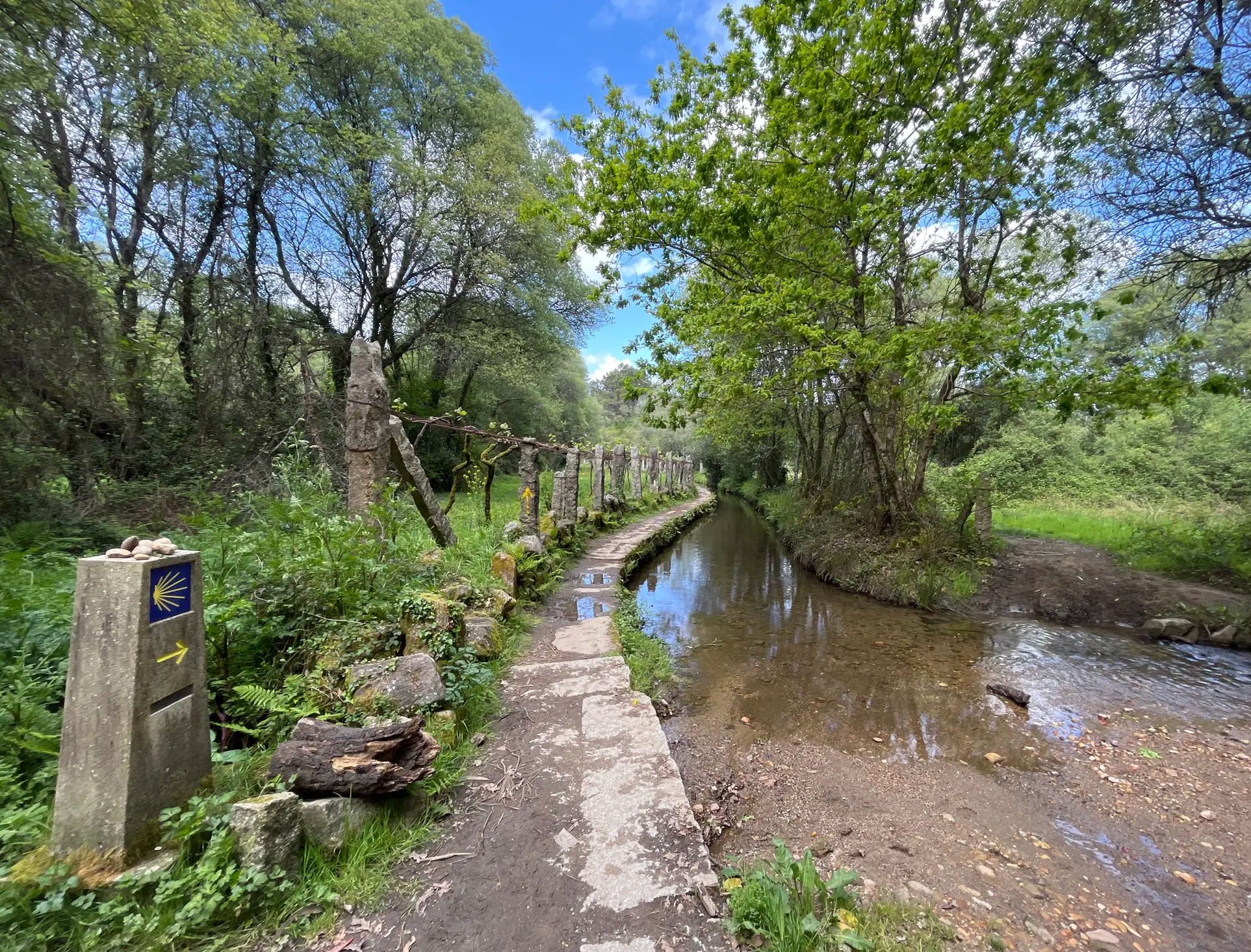
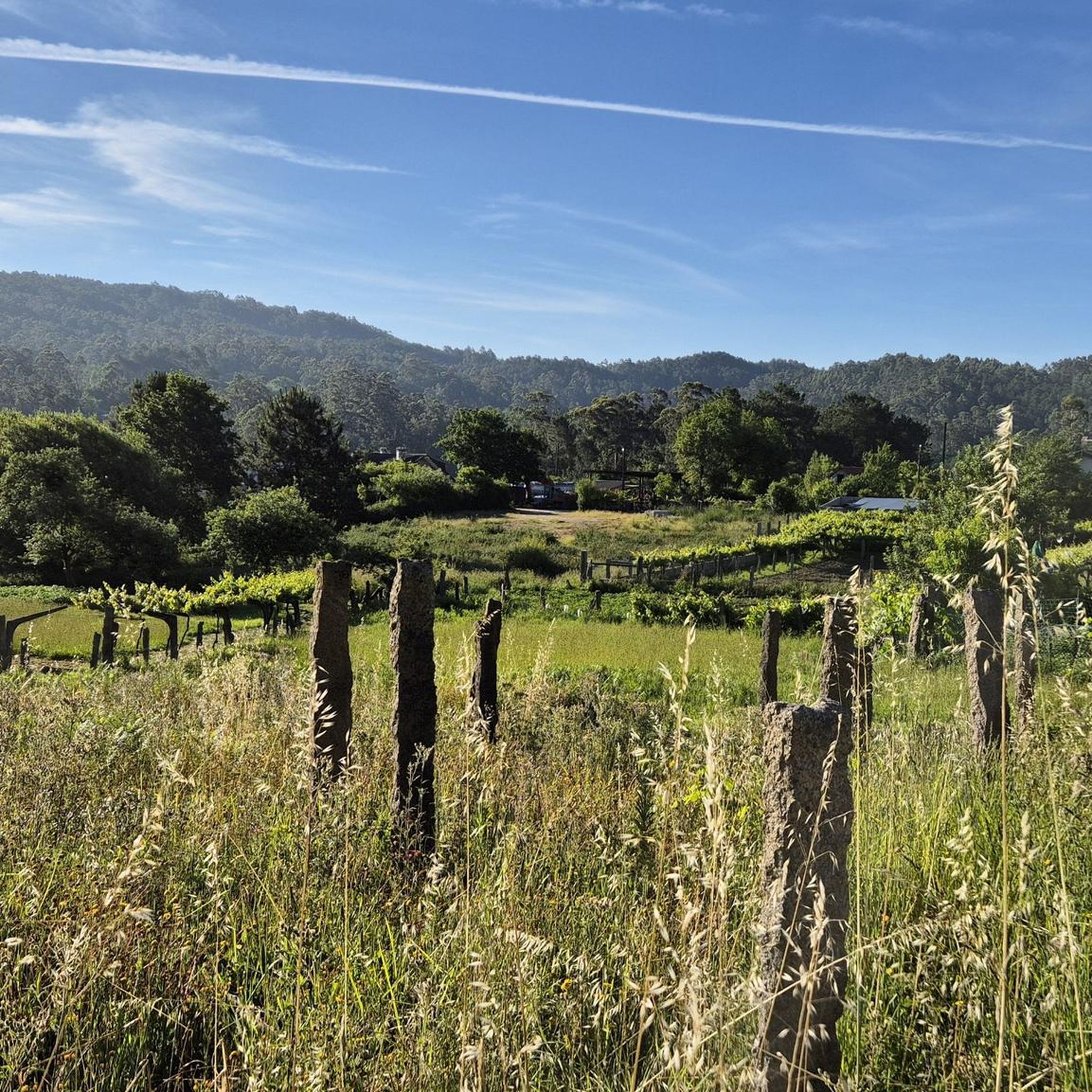
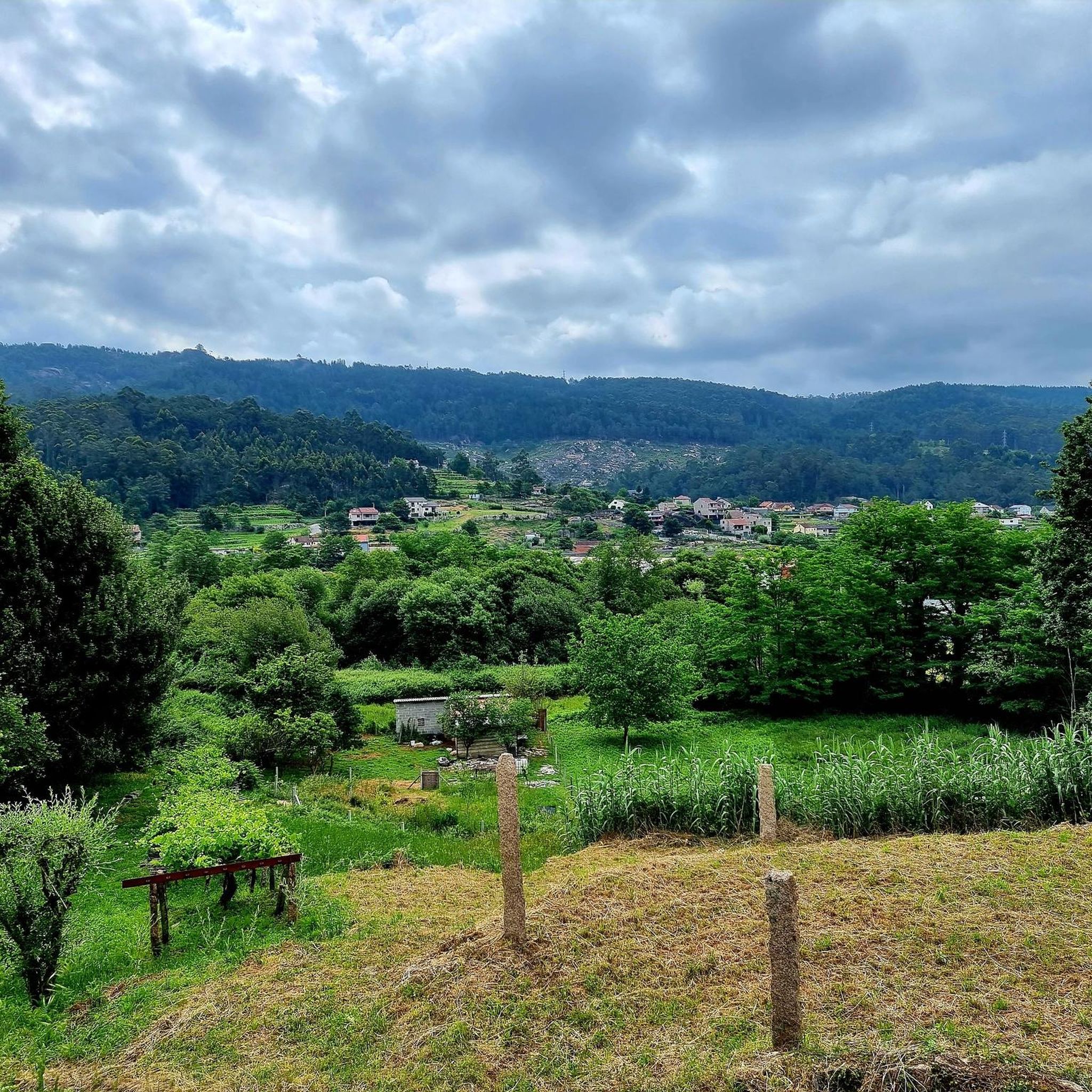

Other adventures around Mos

Tips from the Community

Beautiful views and access via a well-maintained compacted dirt track.
0
0

Good area for a bike ride
0
0

The Romanesque Cathedral of Santa María with Gothic influences is a fortress-like cathedral that was begun in 1120 but not consecrated until 1225. Its cloister (13th century) is worth mentioning, the only complete medieval cloister that has been preserved in a cathedral in Galicia, and the Santiago Chapel inside the church. The interior can be visited for €3, and you can get your pilgrim stamp at the ticket office.
4
1

Incredibly well preserved 11th century defensive castle in the mountains above Tui and the Miño valley.
0
0

Cathedral of Tui, former capital of the kingdom of Galicia and bishop's seat together with the co-cathedral of Vigo
2
0

It was too early to visit this one.
4
2

Hours: L: pechado, M-D: 10.00-19.00
0
0

This spectacular castle has its origins in a 12th century fortification. It was located here to dominate the valley of the Verdugo River and control communications from north to south. Furthermore, it was close to the coast but far enough away to be safe from raids by pirates, Normans or Turks. In the 15th century it went from being a defense tower to a fortress with a double walled enclosure. At that time, the nobleman Pedro Álvarez de Sotomayor occupied the castle. In the 19th century, the Marquis de la Vega de Armijo had the Galería de Damas built, converting part of the fortress into a neo-Gothic palace that the family used as a summer residence. The surrounding park and gardens were also added at this time. The next owner was the niece of the marquis, María Vinyals, a writer, polyglot and tireless defender of women. Known as the Red Marchioness, she turned the castle into a meeting place for artists. The castle went up for auction in 1917, entering a period of decline that ended when in 1982 it was acquired by the Pontevedra Provincial Council, which completely rehabilitated it and turned its interior into a museum.
0
0
Frequently Asked Questions
What are some notable castles to visit around Mos?
The Mos region in Galicia, Spain, offers several historical fortifications. Among them, Soutomaior Castle stands out as a 12th-century fortification that later became a neo-Gothic palace with extensive botanical gardens. Another significant site is Castillo de Sobroso, dating back to the late 11th century, known for its well-preserved defensive structures and rich history, including legends of Queen Urraca.
Are there family-friendly castles to visit near Mos?
Yes, Soutomaior Castle is considered family-friendly, featuring a museum and a 29-hectare estate with a botanical garden that children might enjoy exploring. The Castro Fortress Viewpoint is also tagged as family-friendly and offers good views, with free guided tours to see the Castle's powder magazine.
What kind of historical sites can I explore in the Mos area?
Beyond traditional castles, the Mos region features diverse historical sites. The Portico of the Church of Santa María de la Asunción, Baiona, is a religious building with the appearance of a fortification, showcasing Romanesque and Gothic architecture. Additionally, the Castelo Grande Archaeological Site reveals remains of a fortified building and medieval artifacts, offering a glimpse into ancient times.
What natural features or viewpoints can I find near the castles?
Many castles in the Mos region offer scenic viewpoints. Castillo de Sobroso is situated in the mountains above Tui and the Miño valley, providing impressive views. The Castro Fortress Viewpoint offers good views of the estuary from its elevated position. Soutomaior Castle is surrounded by a 29-hectare botanical garden with 175 different tree species and 300 camellia specimens.
Are there hiking or cycling routes near the castles around Mos?
Yes, the Mos region offers various outdoor activities. For road cycling, you can find routes like the 'Ponte da Veiga – O Porriño Town Center loop' or 'Ulló Salt Flats – Ponte Sampaio Bridge loop'. Mountain biking enthusiasts can explore trails such as 'Ponte da Veiga – Ponte Sampaio Bridge loop' or 'Tamuxe Bridge – Monterreal Castle loop'. For more details, refer to the Road Cycling Routes around Mos and MTB Trails around Mos guides.
What do visitors enjoy most about the castles in Mos?
Visitors appreciate the rich history and well-preserved structures of the castles. For instance, Castillo de Sobroso is noted for its incredibly well-preserved 11th-century defenses. The transformation of Soutomaior Castle from a medieval fortification to a neo-Gothic palace with extensive gardens is also a highlight, as is its role as a museum and cultural hub.
Are there any running trails near the castles in the Mos area?
Yes, there are several running trails available. You can find routes like the 'Fervenza da Bouzafría – Muiño de Crebada Watermill loop' or the 'Roman Bridge of Orbenlle – Ponte da Veiga loop'. These trails offer opportunities to combine historical visits with outdoor exercise. For more options, check the Running Trails around Mos guide.
What is the historical significance of Soutomaior Castle?
Soutomaior Castle originated as a 12th-century fortification strategically located to control the Verdugo River valley. It was a center of power for the Sotomayor lineage and was inhabited by the nobleman Pedro Madruga in the 15th century, who improved its defenses. In the 19th century, it was transformed into a neo-Gothic palace and later became a meeting place for artists under María Vinyals, known as the Red Marchioness. Today, it houses a museum and the María Vinyals Equality School.
Can I find archaeological remains at any of the castle sites?
Yes, the Castelo Grande Archaeological Site is specifically dedicated to this. The name itself, 'castelo' (castle in Galician), indicates a fortified past. Remains of various buildings, oysters, chestnuts, ceramics, and even a medieval cavalry harness pendant have been discovered there, indicating a rich archaeological history.
What kind of architecture can I expect to see in the castles around Mos?
The castles and historical sites around Mos showcase a blend of architectural styles. Soutomaior Castle evolved from a medieval fortification to a neo-Gothic palace. The Portico of the Church of Santa María de la Asunción, Baiona, features a primarily Romanesque structure with later Gothic additions, giving it a fortified appearance. These examples highlight the region's architectural evolution through different historical periods.
Most popular attractions around Mos

Get inspired with the komoot mobile app


Explore more
Looking for the best castles somewhere else? Discover other guides around Mos:
