Top 4 Castles around Torremolinos
Best castles around Torremolinos offers a blend of historical fortifications and unique architectural sites along the Costa del Sol. This coastal town, known for its beaches, also provides access to significant historical landmarks that reflect its strategic past. The area features structures ranging from ancient defensive towers to modern, elaborate monuments. Visitors can explore sites that once guarded the coast and others that commemorate historical events.
Best castles around Torremolinos
- The most popular castles is The Alcazaba of Málaga and…
Last updated: August 14, 2026
The Alcazaba of Málaga and the Roman Theatre
Highlight • Historical Site
Translated by Google •
Tip by

Colomares Castle
Highlight • Monument
Translated by Google •
Tip by

Sign up now to discover places like this
Get recommendations on the best single tracks, peaks, & plenty of other exciting outdoor places.
Sign up for free
Cave of the Trinidad Mine
Highlight • Cave
Translated by Google •
Tip by

Start today with a free account
Your next adventure awaits.
Login or Signup


Other adventures around Torremolinos

Tips from the Community

It is a very interesting structure in honor of Columbus. A visit is worthwhile.
0
0

Those traveling without a car will need to pay attention to bus times. Uber return costs €24
0
1

The Alcazaba of Malaga is an imposing 11th-century Moorish fortress that towers majestically over the city; with its graceful arches, opulent courtyards and winding pathways, it offers an enchanting blend of Islamic architecture and history, while its strategic position on Gibralfaro Hill not only served as a defence but now also offers breathtaking panoramic views over the glittering Mediterranean Sea and the bustling city below, making it an unmissable destination for anyone wanting to experience Malaga's rich cultural heritage.
8
0

The Alcazaba is a palatial fortress built during the Muslim Al-Andalus period. Construction of the current complex began in the 11th century and was altered or rebuilt several times until the 14th century. It is one of the best-preserved alcazabas in Spain. The Alcazaba is also connected to the higher-lying Gibralfaro Castle by a walled corridor, and next to the Alcazaba entrance are the remains of a Roman theater dating back to the 1st century AD. Opening hours: November 1 to March 31: 9:00 a.m. to 6:00 p.m. - last entry at 5:15 p.m. April 1 to October 31: 9:00 a.m. to 8:00 p.m. - last entry at 7:15 p.m. Bicycles must be parked and locked in advance; bicycles cannot be taken inside. Further information at: https://en.wikipedia.org/wiki/Alcazaba_of_Málaga https://alcazabaygibralfaro.malaga.eu/de/visitas/alcazaba/ https://en.wikipedia.org/wiki/Alcazaba_of_Málaga
12
0
The Castillo de Colomares was built between 1987 and 1994 by the doctor Esteban Martín and is a tribute to Christopher Columbus and the discovery of America. It is not a historical building in the traditional sense, but an artistic monument that symbolically represents the story of Columbus.
9
0
The Roman Theatre of Malaga is the most important surviving evidence of the Roman era in Malaga and is located at the foot of the Cerro de la Alcazaba, right in the centre of the city. After being buried under the ground for centuries and covered with buildings, it was rediscovered during construction work in 1951. It was built in the first century AD during the reign of Emperor Augustus. The theatre was used until the third century. The Arabs used parts of the theatre to build their Alcazaba fortress. For example, column shafts and column capitals were used to support the horseshoe arches of the portals. Next to the site there is also an interpretation centre where you can learn about the life and customs of this era using new technologies.
11
0


Roman Theater of Malaga.
42
3
Frequently Asked Questions
What historical sites and castle-like structures can I visit near Torremolinos?
While Torremolinos itself features historical structures rather than traditional medieval castles, you can explore several significant sites. These include the ancient defensive Torre Pimentel (Torre de los Molinos), the stunning Neo-Mudejar architecture of Casa de los Navajas, and the military history preserved at Parque de la Batería. A short distance away, you'll find the unique Colomares Castle, a modern monument dedicated to Christopher Columbus.
Are there any unique or unusual castle attractions in the Torremolinos area?
Yes, the Colomares Castle stands out as a truly unique attraction. Built between 1987 and 1994, it's not an ancient fortress but an elaborate, modern monument dedicated to Christopher Columbus and the Discovery of America. Its eclectic architectural style and intricate details make it a fascinating visit.
What are the most popular historical sites to visit near Torremolinos?
Among the most popular historical sites are The Alcazaba of Málaga and the Roman Theatre, which offer a blend of Moorish and Roman history with stunning views. Colomares Castle is also highly regarded for its unique design and historical tribute.
Are there family-friendly castles or historical sites around Torremolinos?
Yes, several sites are suitable for families. Colomares Castle is often enjoyed by families due to its fairytale-like appearance and intricate details. Parque de la Batería, while not a castle, offers a combination of historical elements like restored artillery guns and recreational spaces including a boat pond and playgrounds, making it a great family outing.
What is the best time to visit castles and historical sites in the Torremolinos area?
The best time to visit is generally during the spring (April-May) and autumn (September-October) months. The weather is milder, making it more comfortable for exploring. Summer can be very hot, so if visiting then, plan your trips for early mornings or late afternoons.
Can I reach these historical sites using public transport from Torremolinos?
Many sites are accessible via public transport. For example, the Torre Pimentel and Casa de los Navajas are within Torremolinos itself. For sites further afield like The Alcazaba of Málaga, you can take a train or bus to Málaga city center and then walk. Colomares Castle is located in Benalmádena Pueblo and can be reached by local bus services from Torremolinos or Benalmádena Costa.
Are there any viewpoints near these historical sites?
Absolutely. The Alcazaba of Málaga offers magnificent views over Málaga city and its harbor from its fortified walls. Casa de los Navajas provides panoramic views of El Bajondillo beach and the coastline from its clifftop location. Parque de la Batería also features a defensive tower with excellent vistas of the Costa del Sol.
What outdoor activities can I do near these historical sites?
The region around Torremolinos offers various outdoor activities. You can find numerous road cycling routes, including loops from El Pinillo to Mijas or exploring the Old Stone Aqueduct. For runners, there are several running trails like the Puertos de Torremolinos Trail or beach loops. Mountain biking enthusiasts can explore MTB trails around viewpoints like Wolf Viewpoint.
Are there any historical caves or mines to explore in the area?
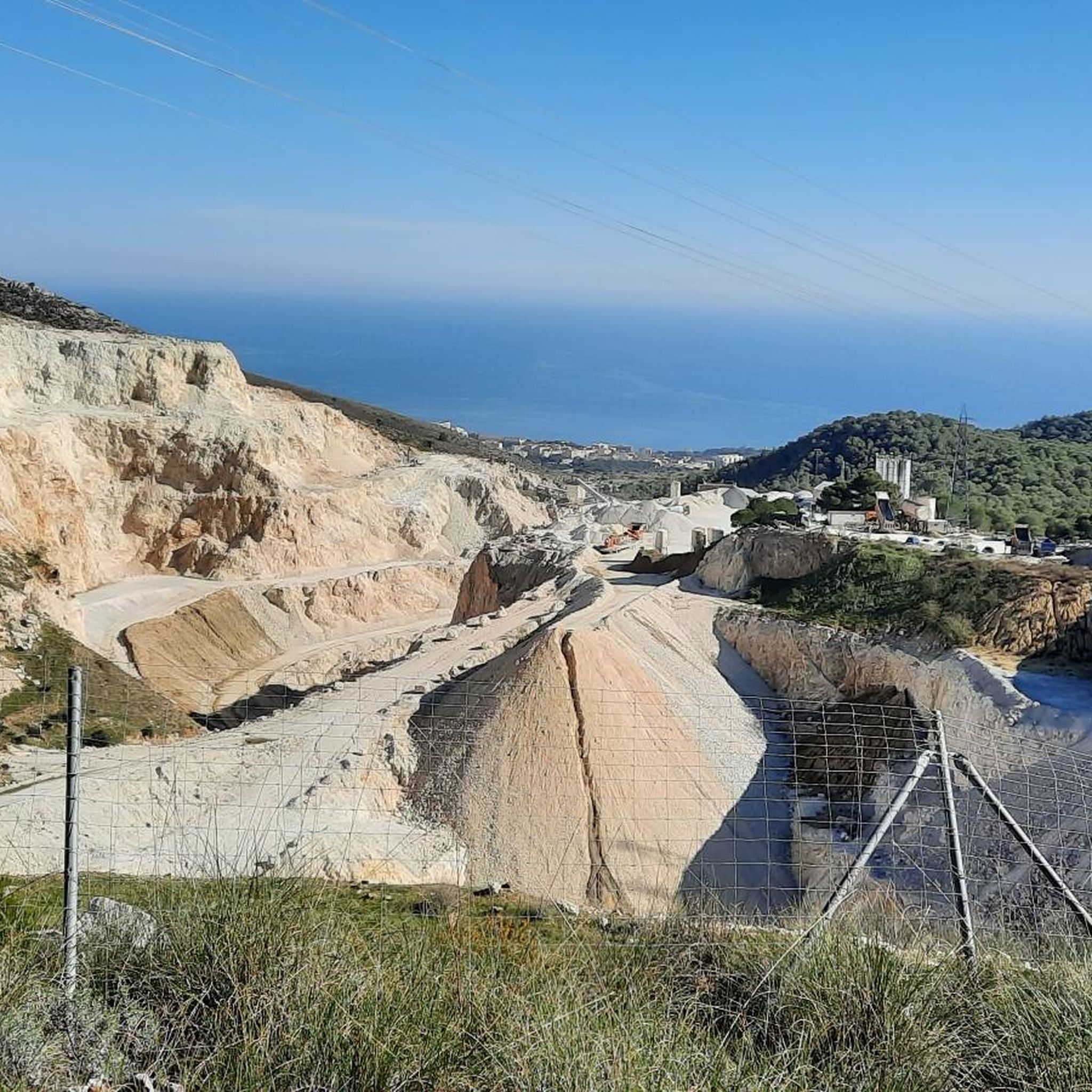
Yes, you can visit the Cave of the Trinidad Mine. This old ocher mining mine features 200 meters of galleries that are open for exploration, offering a unique glimpse into the region's industrial and geological past.
What is the historical significance of the Torre Pimentel?
The Torre Pimentel, also known as Torre de los Molinos, is a significant historical landmark and the origin of Torremolinos's name. Built around 1300 by the Nasrid dynasty, it was a crucial defensive tower along the coast, guarding against sea invasions. Its exterior can be admired as a monument of cultural interest, connecting visitors to the town's ancient origins.
What kind of architecture can I expect to see at Casa de los Navajas?
Casa de los Navajas is a stunning example of Neo-Mudejar architecture. This style is characterized by its Moorish Revival elements, featuring intricate details, decorative murals resembling mosaics, and distinctive watchtowers. It's a beautiful representation of Spanish architectural heritage from the late 19th and early 20th centuries.
Is there parking available at the historical sites?
Parking availability varies by site. For sites within Torremolinos like Torre Pimentel and Casa de los Navajas, street parking or nearby public parking garages may be available, though it can be limited. For Colomares Castle, there is usually parking nearby. For The Alcazaba of Málaga, it's best to park in a city center garage and walk, as direct parking is limited.
Most popular routes around Torremolinos
Most popular attractions around Torremolinos

Get inspired with the komoot mobile app


Explore more
Looking for the best castles somewhere else? Discover other guides around Torremolinos:
