Top 6 Gorges around Peñarrubia
Canyons around Peñarrubia are a prominent feature of this municipality in western Cantabria, Spain. The region is characterized by impressive natural landscapes, including dramatic canyons and gorges. The Desfiladero de la Hermida, a significant gorge, influences the area's geography and offers recreational opportunities. Peñarrubia serves as a destination for outdoor enthusiasts seeking varied terrain.
Best canyons around Peñarrubia
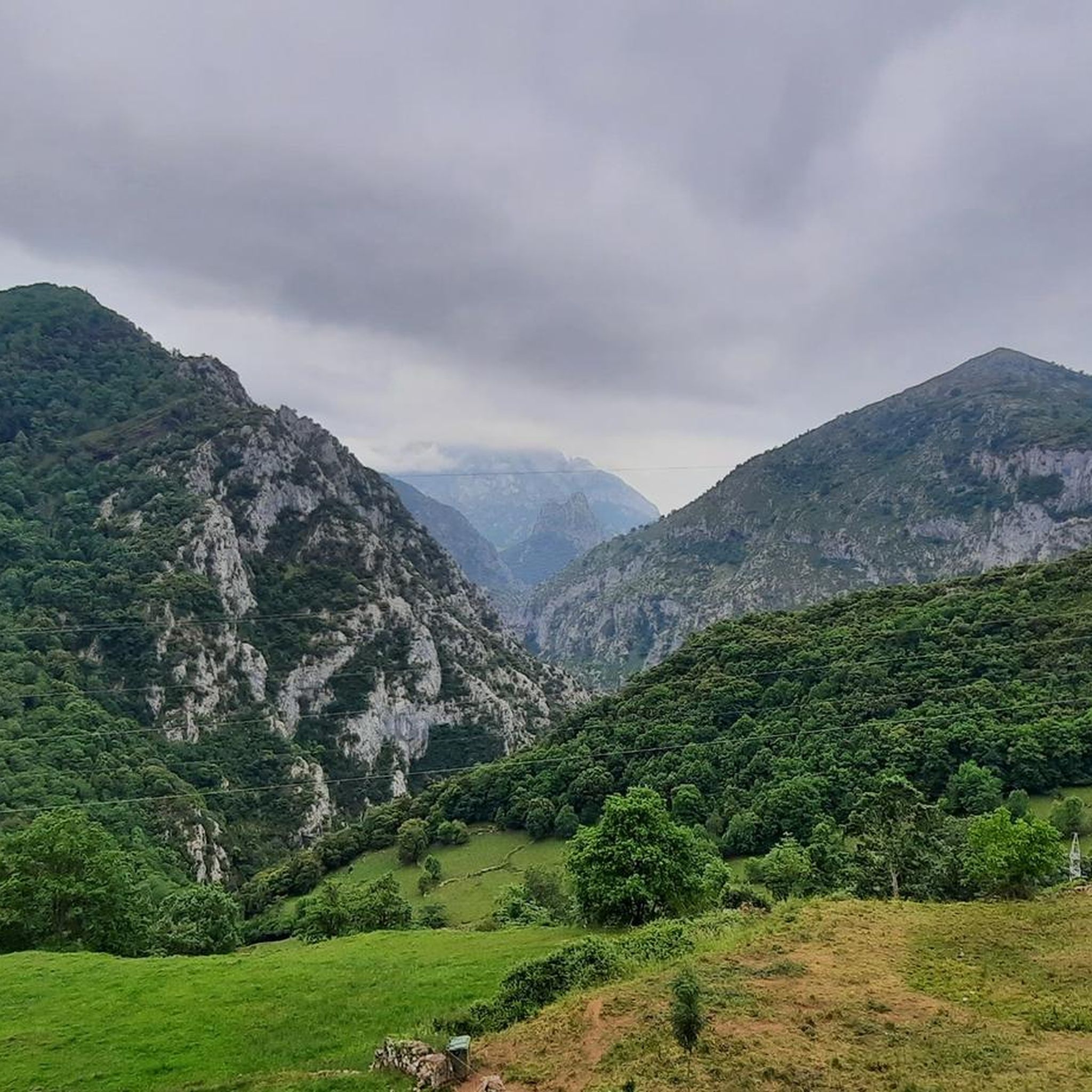
- The most popular canyons is Santa Catalina Viewpoint, a viewpoint that offers views of the Deva river valley and the Hermida…
Last updated: May 7, 2026
Bridge over the Cares River
Highlight • Bridge
Translated by Google •
Tip by

Urdón to Tresviso Trail
Highlight • Trail
Translated by Google •
Tip by

Sign up now to discover places like this
Get recommendations on the best single tracks, peaks, & plenty of other exciting outdoor places.
Sign up for free
Santa Catalina Viewpoint
Highlight • Viewpoint
Translated by Google •
Tip by

Desfiladero de Cades
Highlight (Segment) • Gorge
Translated by Google •
Tip by

Deva River
Highlight • River
A paved road in the purest alpine style. You cross winding curves that open a gap between high limestone walls.
Translated by Google •
Tip by

Sign up for free to discover even more gorges around Peñarrubia.
Sign up for free
Already have an account?
Start today with a free account
Your next adventure awaits.
Login or Signup
Other adventures around Peñarrubia

Tips from the Community

I went first thing in the morning and loved watching the sunrise. The route is manageable, although the descent is a bit long due to the curves and loose stones.
0
0

Incredible views of the Hermida gorge.
1
0

Hard but short climb. From the viewpoint we can see the Hermida gorge
2
0

The bridge over the Rio Cares is a road bridge that is part of the Carretera Cangas de Onís - Panes, a road with the number AS-114 that connects the municipalities of Cangas de Onís and Peñamellera Baja, in Asturias, Spain. The bridge is located near the village of Puente Poncebos, where the Rio Cares flows into the Rio Duje. The bridge is a viewpoint with spectacular views of the river and canyon, which are part of the Picos de Europa National Park. The bridge is also a starting point for several hiking and cycling routes, such as the famous Ruta del Cares, which runs along the river between Puente Poncebos and Caín, or the route to Bulnes, a mountain village that can only be reached on foot or by cable car . The bridge was built in 1921 as part of a project to build a road between Cangas de Onís and Panes. The road was completed in 1935, but was badly damaged during the Spanish Civil War. The road was later repaired and improved and is now an important link between the eastern and western parts of Asturias.
1
0

This section of the León-Unquera highway parallel to the Deva River leaves you speechless. A paved road in the purest alpine style. You cross winding curves that open a gap between high limestone walls.
0
0

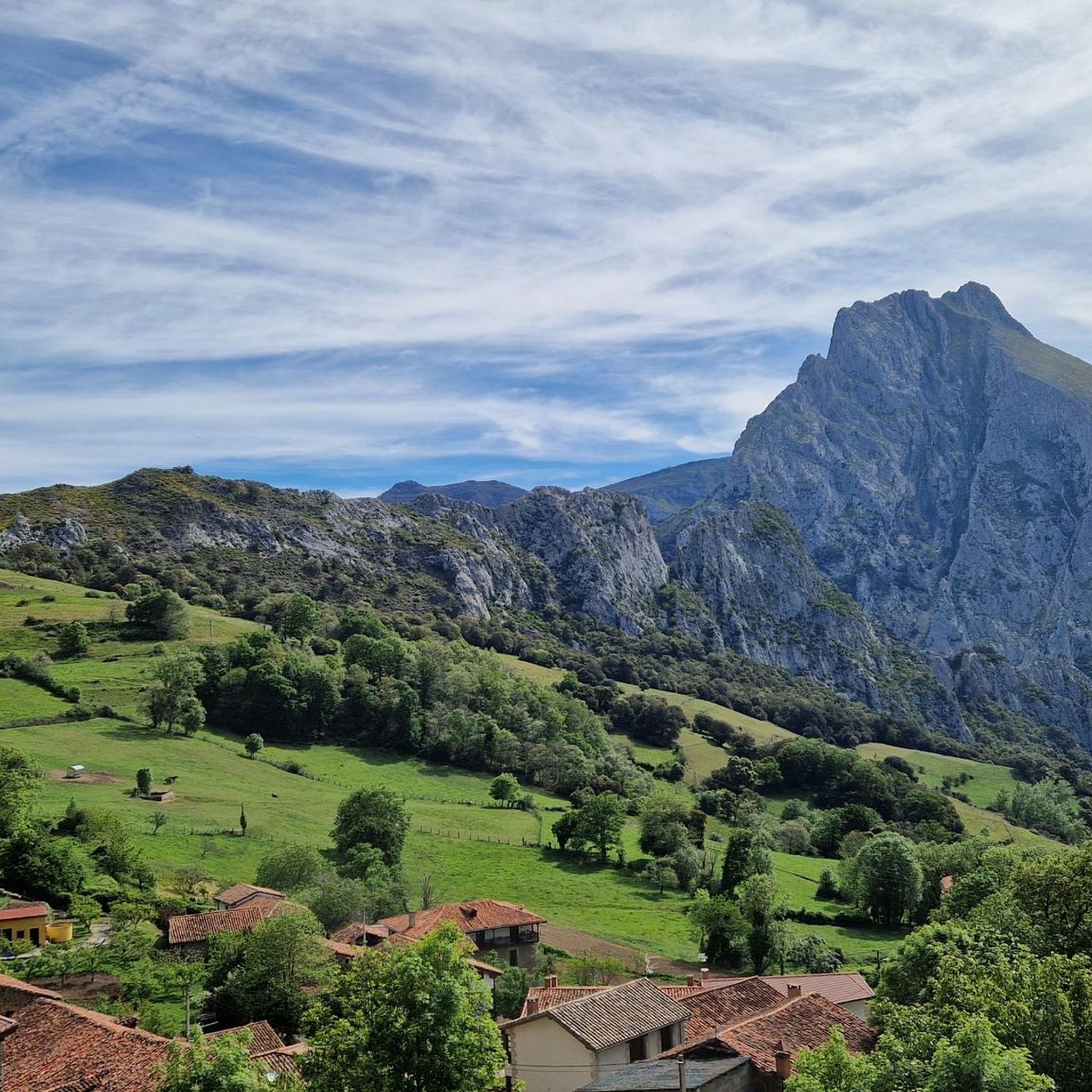
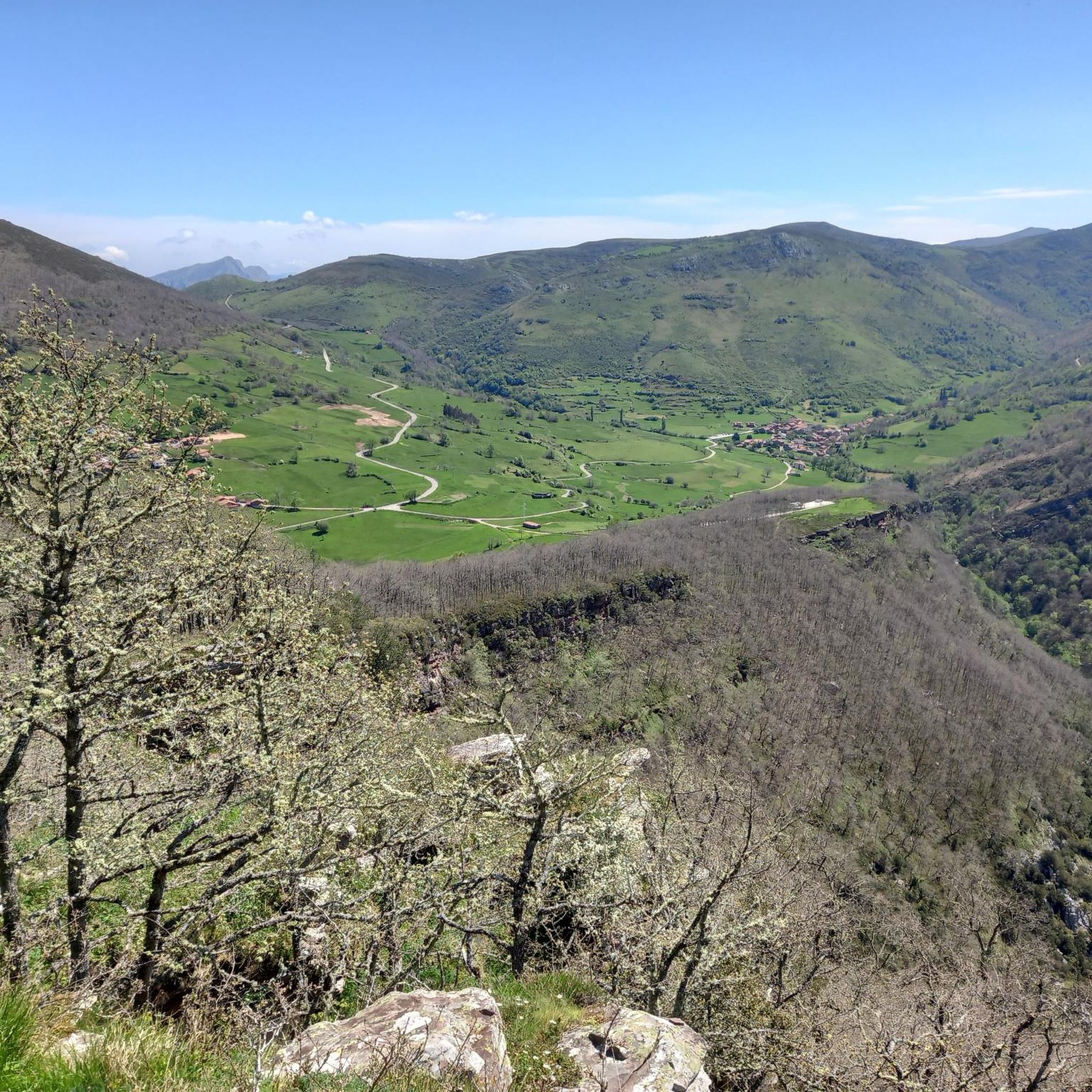
It is worth getting here to have some beautiful views of the Deva river valley. In the town of Cicera you must take the detour along the north path that leads to the hermitage of Santa Catalina and from there continue a few more meters, highly recommended!
3
0
It is worth getting here to have some beautiful views of the Deva river valley. If you are doing the Camino Lebaniego, in the town of Cicera you must take the detour along the north path that leads to the hermitage of Santa Catalina and from there continue a few more meters, highly recommended!
2
1

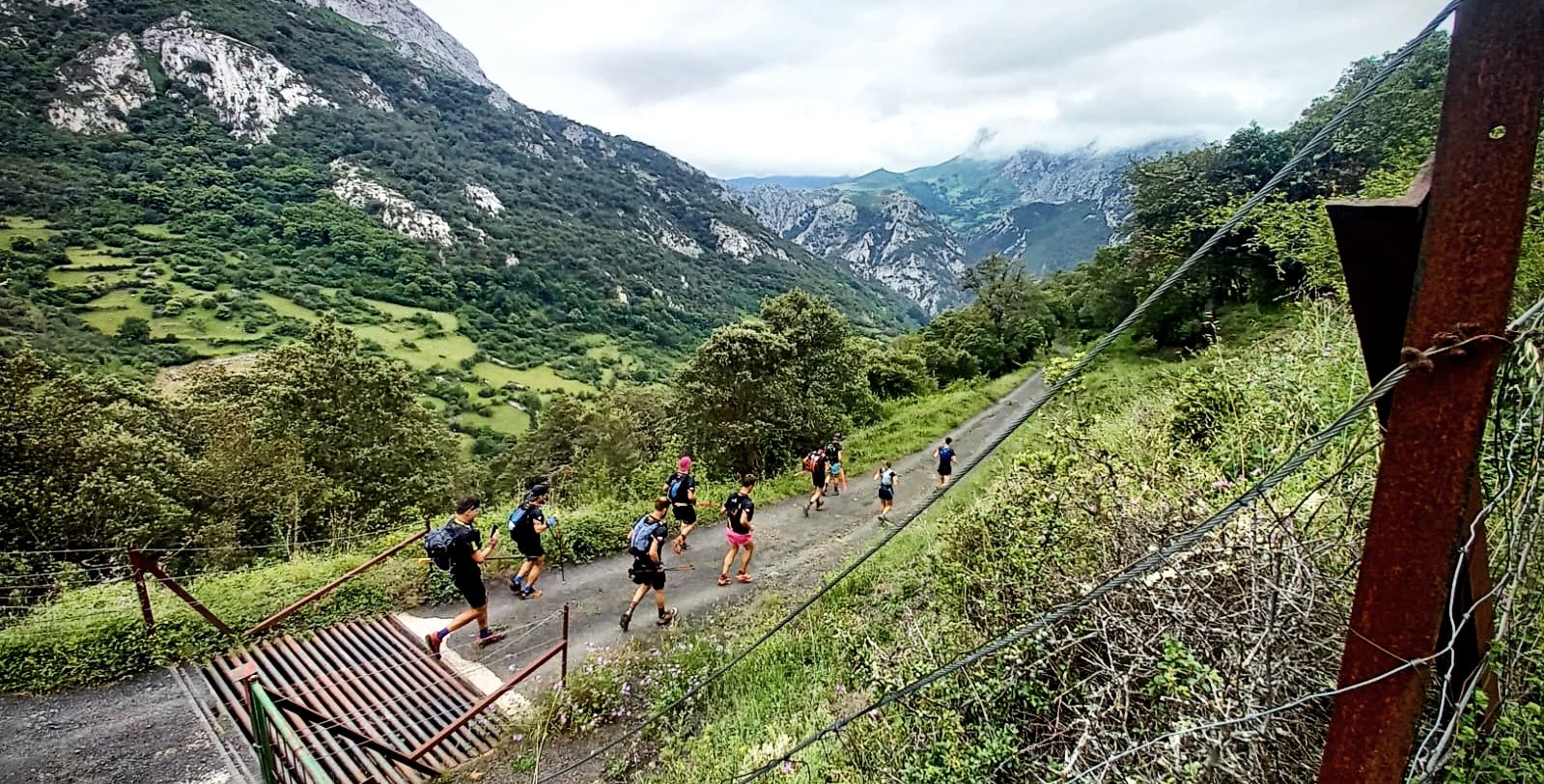
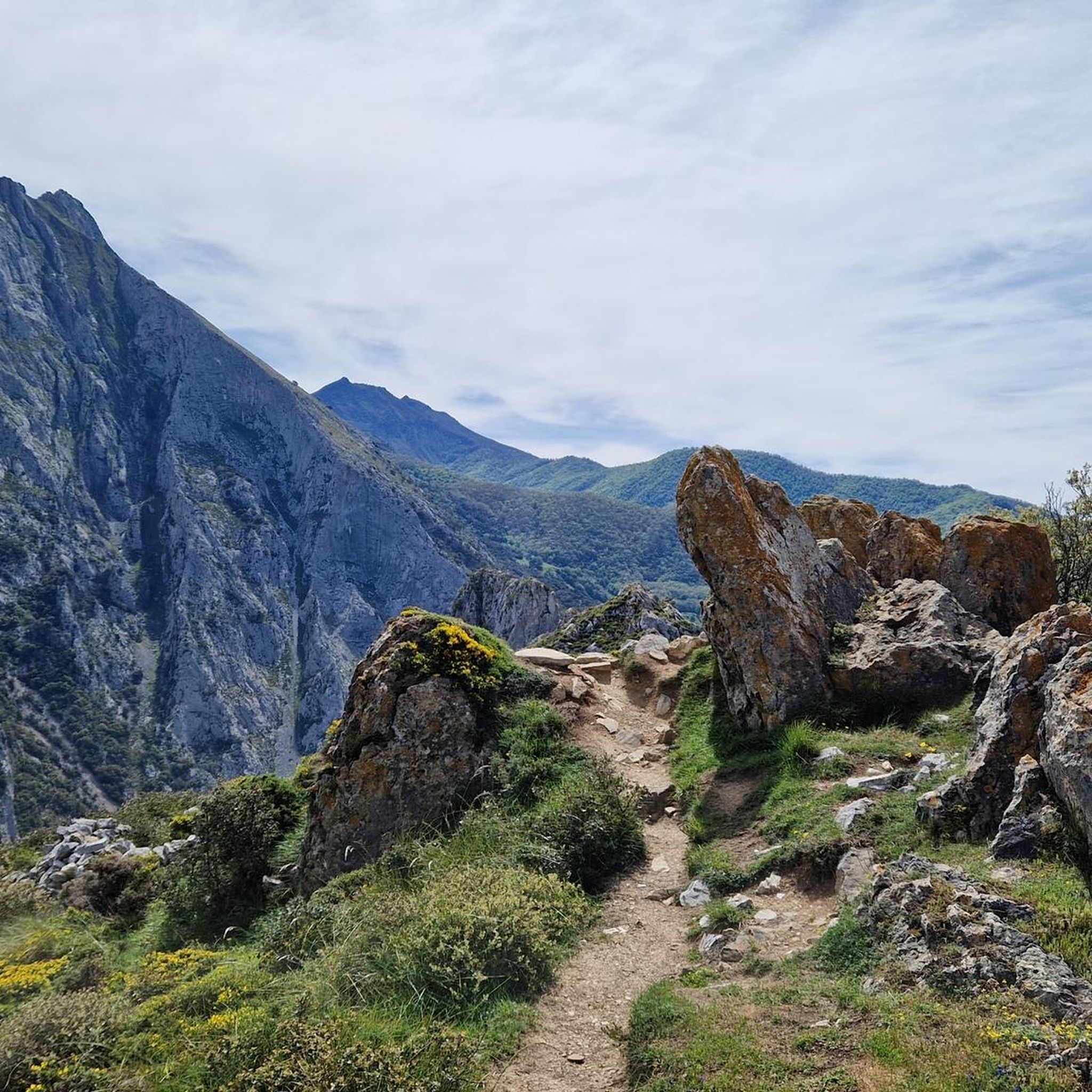
The Urdón Tresviso PR-PNPE 30 route is a route of medium difficulty due to the unevenness to be overcome (more than 800 meters), which runs along paths with sections of loose stone and areas with significant vertical drops without lateral protection. Although, unless you have vertigo, it does not present major objections.
1
0
Frequently Asked Questions
What are the main canyons to explore in the Peñarrubia area?
The most prominent natural canyon in the region is the Desfiladero de la Hermida, carved by the Deva River. Within this spectacular gorge, you can find notable spots like the Santa Catalina Viewpoint, offering panoramic views. Another significant gorge is Desfiladero de Cades, known for its pleasant scenic route.
Are there canyoning opportunities for beginners in the Peñarrubia area?
Yes, the Barranco del Naveo, located within the Desfiladero de la Hermida, is considered a basic to medium-level canyon. It's suitable for beginners, families with children from 5 years old, and groups looking for a fun introduction to canyoning with jumps, slides, and rappels.
Can families with children enjoy canyoning in Peñarrubia?
Absolutely. The Barranco del Naveo is an excellent choice for families, often described as a "natural aquapark." It offers a variety of features like waterfalls, natural slides, and rappels, and is suitable for children aged 5 and up, providing hours of enjoyment in a natural setting.
What natural and geological features can I expect to see in the canyons around Peñarrubia?
The canyons, especially the Desfiladero de la Hermida, are characterized by immense, nearly vertical limestone walls reaching up to 600 meters. The Deva River flows through the gorge, and the area boasts rich biodiversity, including protected species like eagles and vultures, and Atlantic forests with cork oaks and beeches.
What other outdoor activities are available near the canyons of Peñarrubia?
Beyond canyoning, the region offers numerous activities. You can enjoy scenic drives along the N-621 road, explore various hiking trails like the Urdón to Tresviso Trail, or try climbing and via ferrata on the steep limestone cliffs. The village of La Hermida also features thermal waters for relaxation.
Are there hiking trails near the canyons in Peñarrubia?
Yes, the area is rich in hiking opportunities. You can find trails like the challenging Urdón to Tresviso Trail, or the "Senda Mitológica Las criaturas del monte Hozarco" which starts near the Santa Catalina viewpoint. For more options, explore the hiking routes around Peñarrubia.
What is the best time to visit the canyons in Peñarrubia for outdoor activities?
The best time to visit for outdoor activities like canyoning and hiking is typically during the warmer, drier months, from late spring to early autumn (May to October). This period offers more favorable weather conditions and water levels for river-based activities.
Are there any cultural or historical sites near the canyons?
Yes, beyond the natural beauty, the region holds historical significance. Prehistoric paintings over 20,000 years old have been found in the hills overlooking the gorge, and remnants of megalithic tumulus structures are present. Charming villages like La Hermida, Panes, and Potes also offer cultural exploration.
What do visitors enjoy most about the canyons around Peñarrubia?
Visitors frequently highlight the breathtaking scenic views, especially from spots like the Santa Catalina Viewpoint, which offers stunning vistas of the Deva River valley and the Hermida Gorge. The dramatic vertical rock walls and the opportunity for adventurous activities like canyoning and challenging hikes are also highly appreciated.
Are there other sports or activities I can do in the area besides hiking and canyoning?
Yes, the diverse terrain around Peñarrubia supports various outdoor sports. You can find mountain biking trails, running routes, and climbing opportunities. The steep limestone cliffs are particularly popular with climbers, and a Via Ferrata offers an adventurous experience with aids like steel steps and Tibetan bridges.
What is the difficulty level of canyoning in the Cicera Ravine?
The Cicera Ravine, also located within the Desfiladero de la Hermida, offers a medium-level canyoning experience. It's a good option for those with some prior experience or looking for a slightly more challenging adventure compared to beginner-friendly routes, typically lasting 5-6 hours.
Most popular attractions around Peñarrubia

Get inspired with the komoot mobile app


Explore more
Already discovered everything in this region? See additional gorges around Peñarrubia for your next adventure:
