Top 6 Gorges around Sallent
Best canyons around Sallent are primarily found in Sallent de Gállego, a town in the Aragonese Pyrenees known for canyoning and gorge walking. This region offers diverse opportunities for navigating ravines, natural slides, waterfalls, and pools. The area's natural landscapes include rock formations and clear waters, providing a setting for outdoor activities. Sallent de Gállego serves as a base for exploring numerous canyons suitable for various skill levels.
Best canyons around Sallent
- The most popular canyons is Gual de Talamanca…
Last updated: June 20, 2026
Bigaire Gorge
Highlight • Gorge
Translated by Google •
Tip by

Gual de Talamanca Downhill Trail
Highlight • Trail
Tip by

Sign up now to discover places like this
Get recommendations on the best single tracks, peaks, & plenty of other exciting outdoor places.
Sign up for free
Baga Cerdana Waterfall
Highlight • Waterfall
Tip by
Upper Course of Les Tapies Torrent
Highlight • Gorge
Tip by
Balç de la Creu
Highlight • Gorge
Tip by
Sign up for free to discover even more gorges around Sallent.
Sign up for free
Already have an account?
Start today with a free account
Your next adventure awaits.
Login or Signup
Popular around Sallent
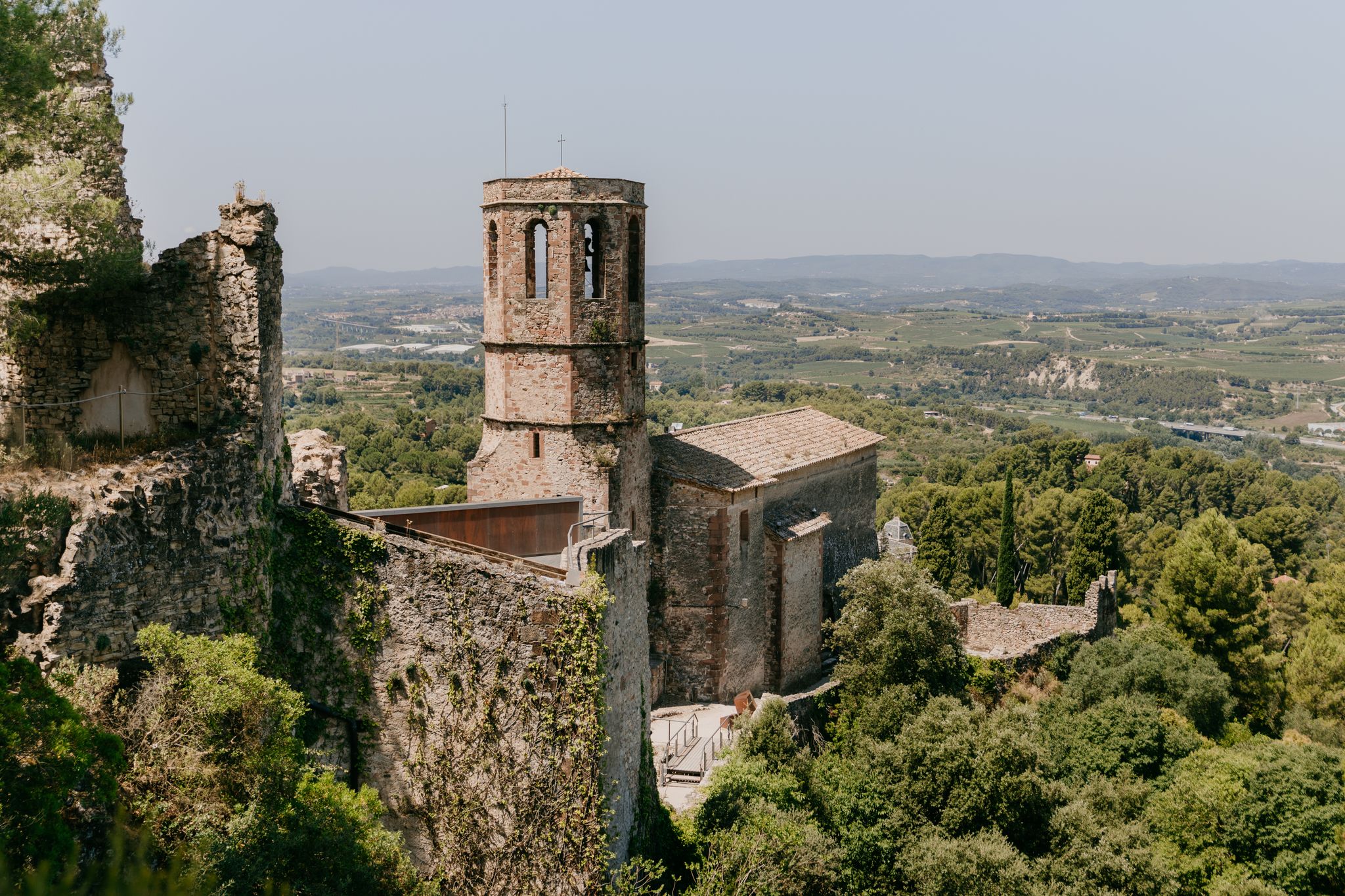
Catalonia by bike — Itineraries between culture and nature
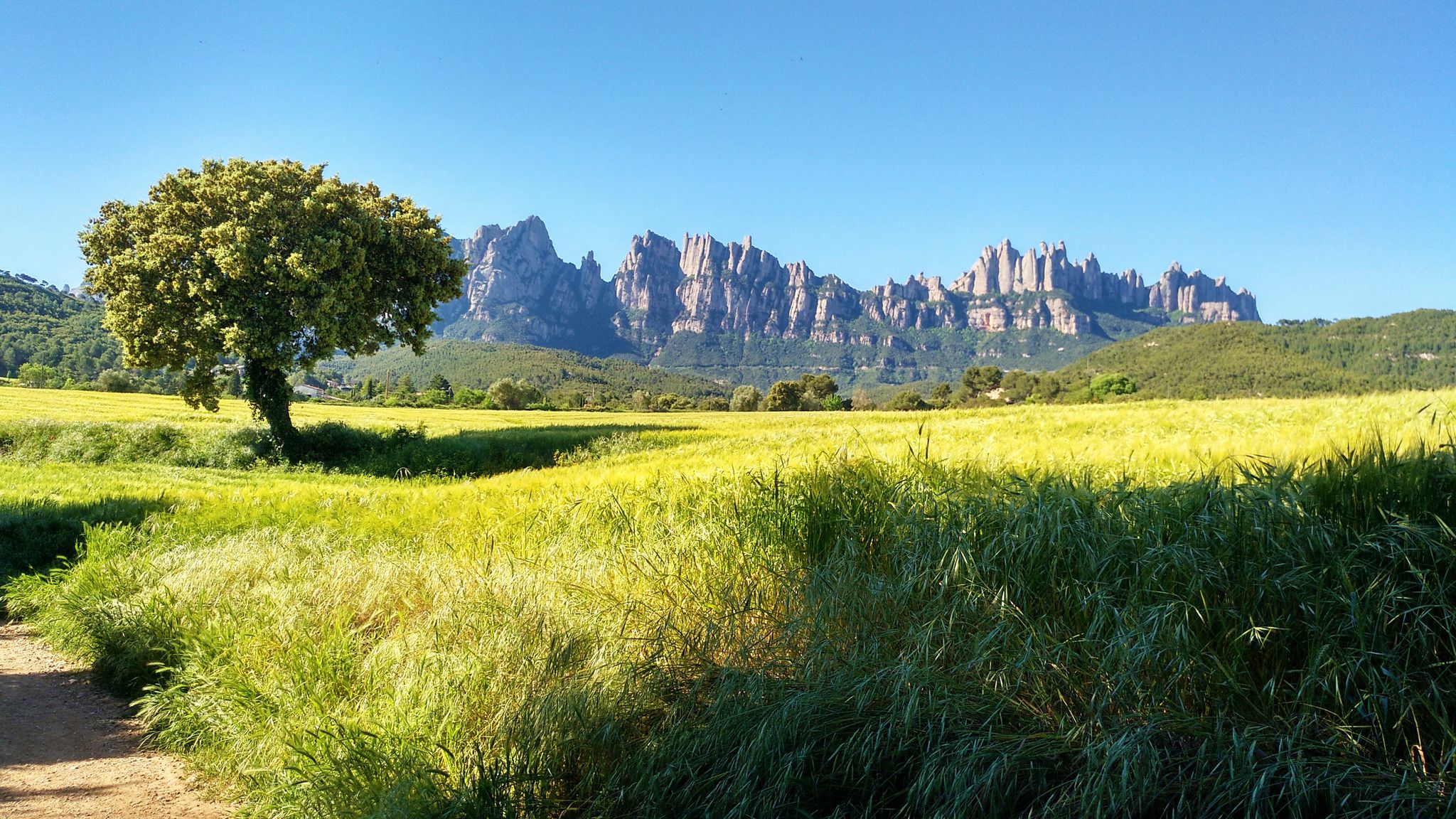
On foot from France to Montserrat – GR 4
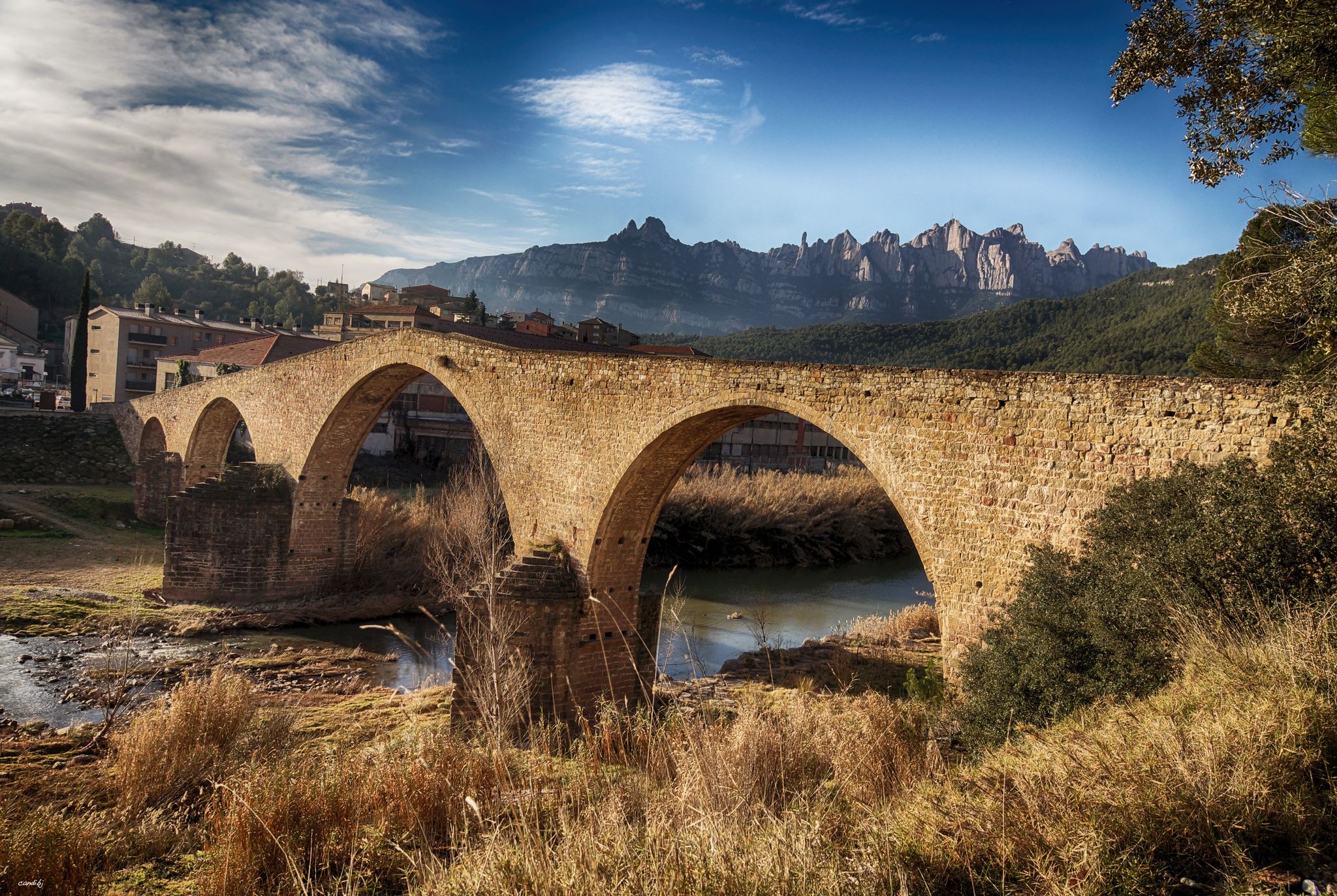
The river of Barcelona – El Camí del Llobregat
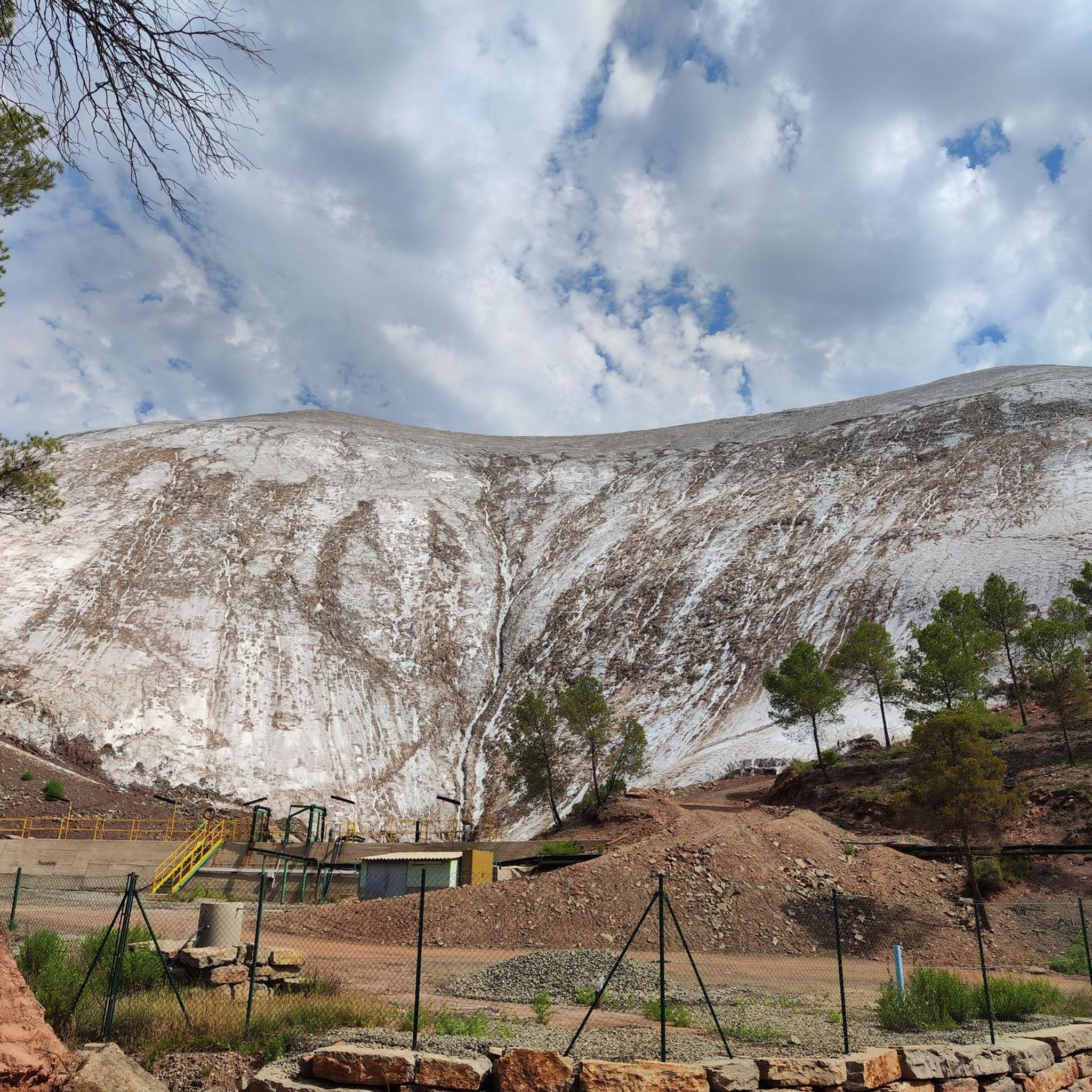
MTB Trails around Sallent
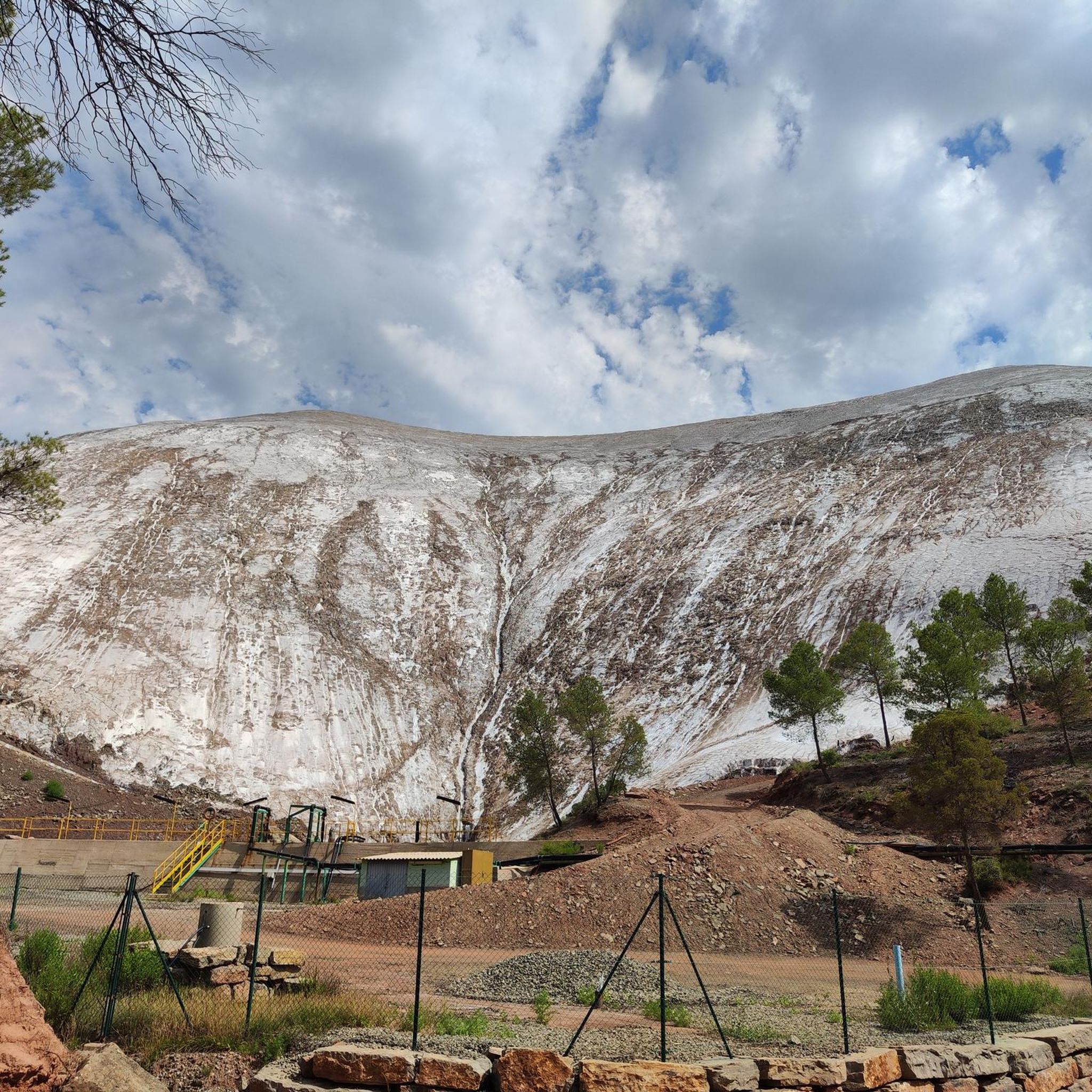
Road Cycling Routes around Sallent
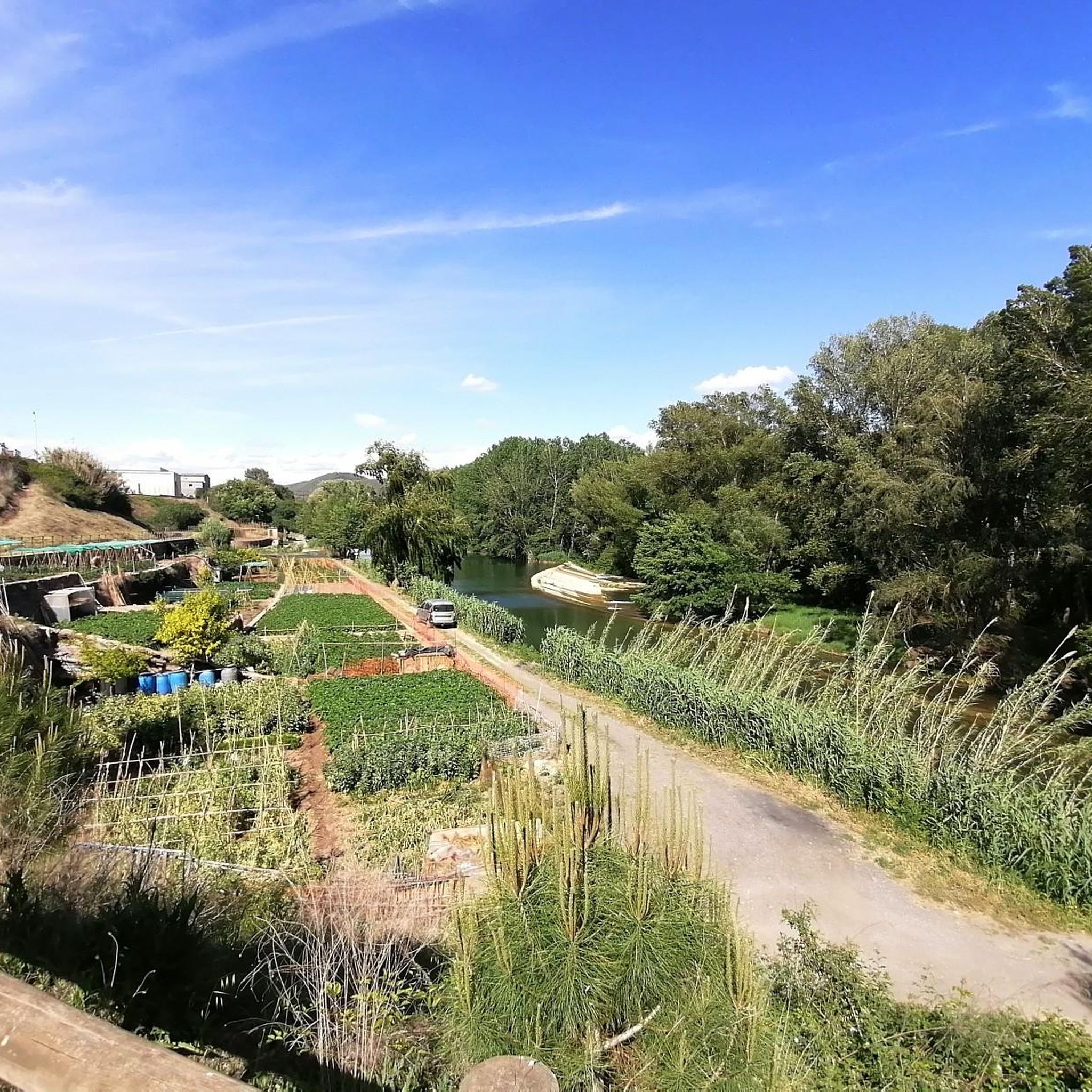
Cycling around Sallent

Gravel biking around Sallent
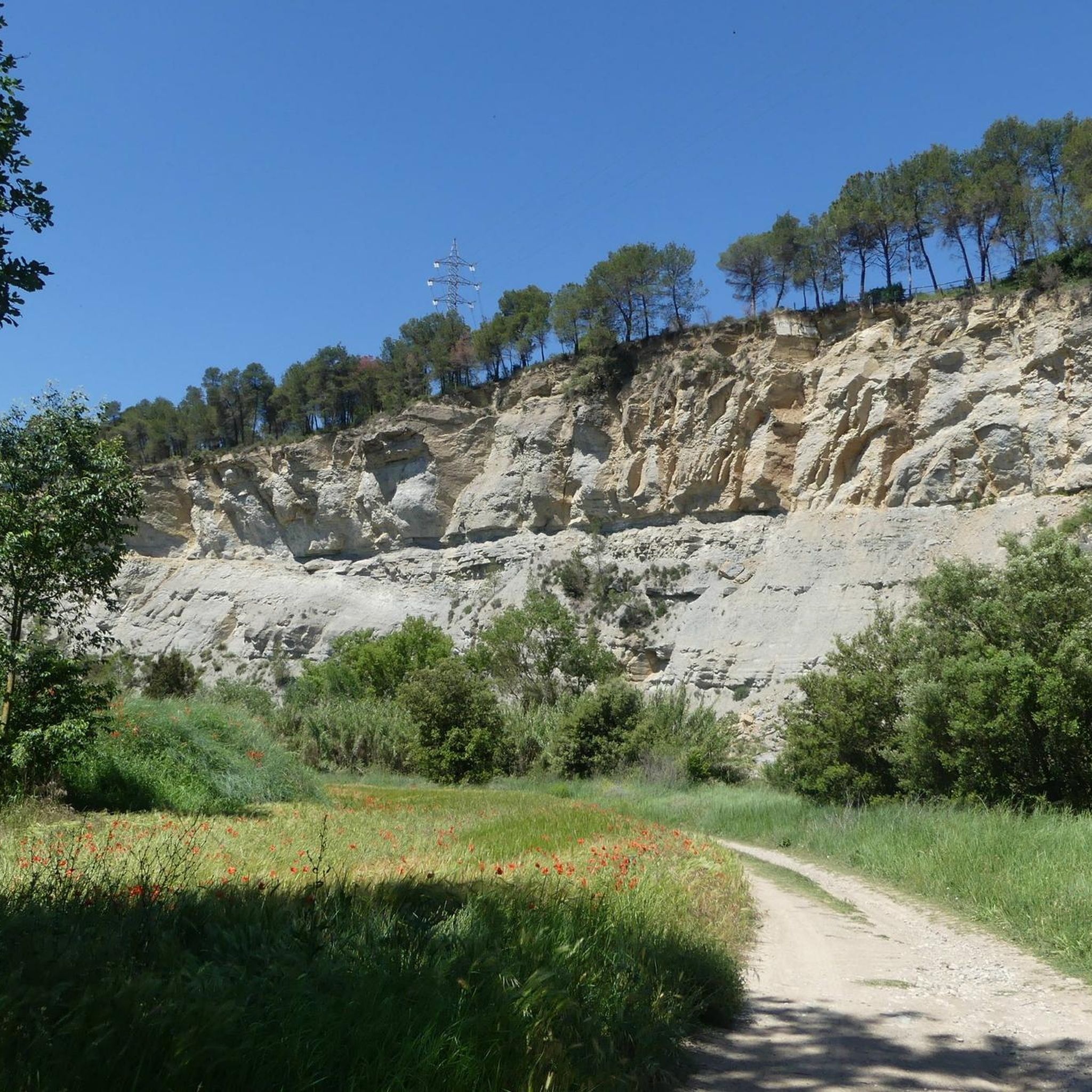
Running Trails around Sallent
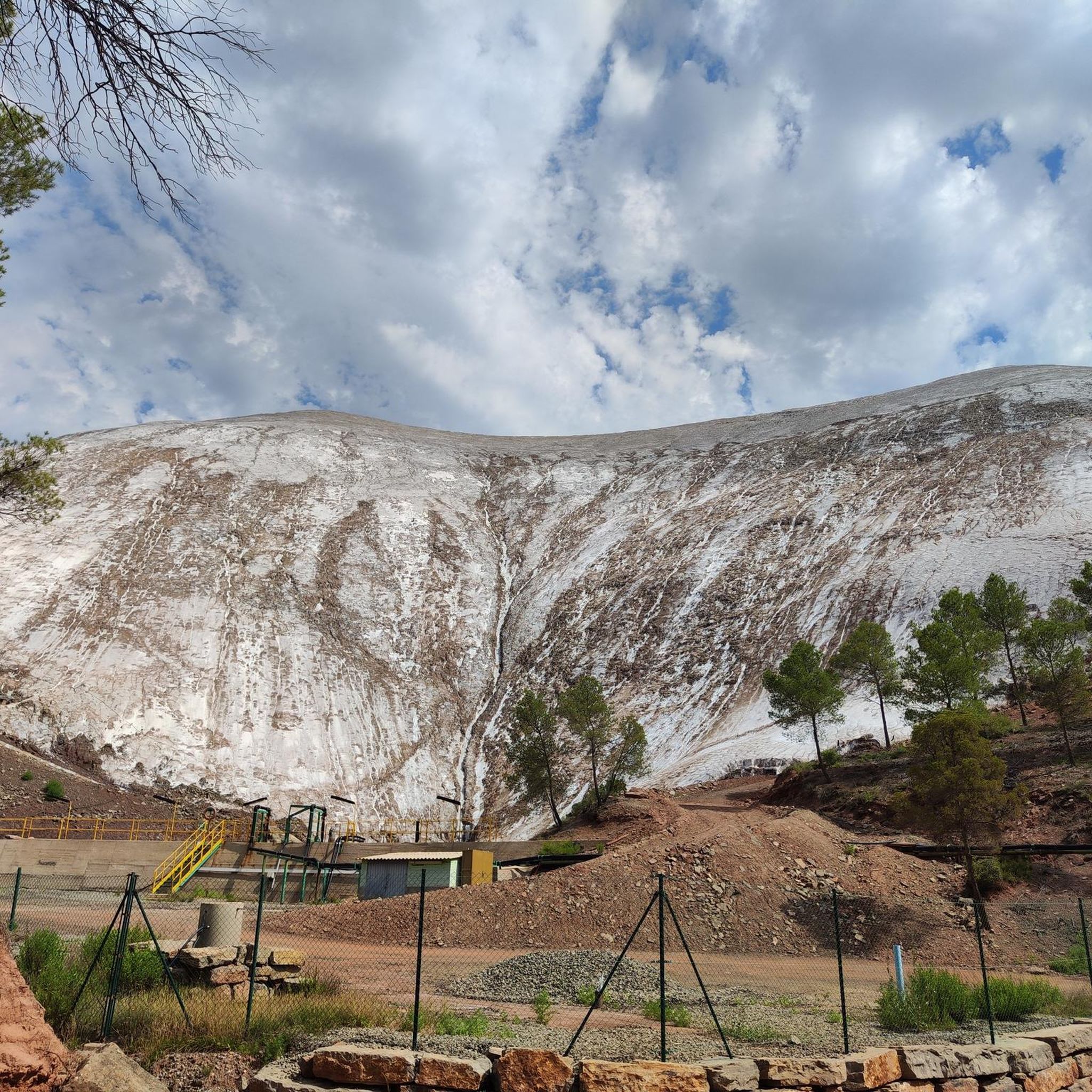
Hiking around Sallent


Tips from the Community

At this point in its course, the river Llobregat crosses the large cracks that it has opened in the strata of nodular limestone, so that when the course of the river is low, it can be crossed by jumping from rock to rock. The name comes from the fact that a "bigaire" (a rafter, who transported logs of wood joined together to form a boat) died at this point.
1
0

Trail that becomes an impossible downhill (for me :-) to do by bike when the stream flows into the Talamanca stream.
2
0
Cliff of Avinyó on the Gavarresa stream with the characteristic reddish color of iron oxide. A "balç" is a cliff, a precipice, so take care!
0
0
Impressive waterfall of the Baga Cerdana, located at the northern end of Monistrol de Calders, on the northern and western slopes of the Serrat de Baiones. At its feet runs the torrent of the Baga Cerdana which, being a torrent, makes it only a waterfall discontinuously. Great care must be taken not to get too close to the cliff, especially on the northwest trail.
1
0
In the "raft-driver gorge", the Llobregat passes through the large fissures it has opened in the nodular limestone rock layer, of marine origin in a continental platform. When the flow is low, it is possible to cross the river jumping from rock to rock. From the left bank there is a track that reaches the Tina de Roviralta located about 300m away.
1
0
Upper course of ephemeral waterfall of “Les Tapies” torrent over bedrock, which it’s and flows only during rainstorms. Very slippery stone floor and very technical trails to get in and out of.
2
0
Frequently Asked Questions
What are the most popular canyons in the Sallent de Gállego area?
The Sallent de Gállego region, nestled in the Aragonese Pyrenees, is renowned for its diverse canyons. Popular choices include Barranco de Gorgol, known for its jumps, slides, and rappels, and Barranco de Aguas Limpias, a high-mountain canyon with six rappels and spectacular sections. For those seeking a unique experience, Barranco de Santa Orosia features one of the most impressive free-hanging rappels in the Pyrenees. Additionally, the Bigaire Gorge is appreciated by the komoot community for its distinctive rock formations where the Llobregat river crosses large cracks.
Are there canyons suitable for beginners in Sallent de Gállego?
Yes, the Sallent de Gállego area offers canyons suitable for various skill levels, including beginners. While specific beginner-designated canyons aren't detailed, many guided activities in the region cater to those with no prior experience, often allowing choices between jumping or sliding at various points. It's advisable to check with local guides for routes specifically tailored for first-timers.
What kind of natural features can I expect to see in the canyons around Sallent?
The canyons around Sallent de Gállego are characterized by stunning natural features shaped by torrents and brooks. You'll encounter impressive rock formations, natural slides, waterfalls, and clear pools. Highlights include the spectacular waterfall in Barranco de Sía, the unique conglomerate rock of Barranco de Santa Orosia, and the large cracks in nodular limestone found at Bigaire Gorge. The Baga Cerdana Waterfall is another impressive sight, though its flow can be intermittent.
When is the best time to go canyoning in Sallent de Gállego?
The spring season is often highlighted as an excellent time for canyoning in Sallent de Gállego, particularly for canyons like Barranco de Santa Orosia. During spring, water levels are typically good due to snowmelt, enhancing the experience of waterfalls and slides. However, the season can extend into summer, depending on water conditions. Always check local weather and water flow forecasts before planning your trip.
Are there family-friendly canyoning options in Sallent de Gállego?
While the region is known for its diverse canyoning, specific family-friendly routes are best identified through local tour operators. Many guided canyoning experiences in Sallent de Gállego are designed to accommodate different levels, and some may offer options suitable for families with children, focusing on less technical sections or providing alternatives to challenging obstacles.
Do I need permits or special equipment for canyoning in Sallent de Gállego?
For canyoning in Sallent de Gállego, especially for more challenging routes, prior experience with ropes or canyoning and good physical condition are often required. While the guide data doesn't specify permits, it's common for canyoning activities to require specialized equipment such as wetsuits, helmets, harnesses, and ropes. It's highly recommended to go with certified guides or ensure you have the necessary permits and gear for independent descents.
How long do canyoning descents typically take in the Sallent de Gállego area?
The duration of canyoning descents in the Sallent de Gállego area can vary significantly depending on the canyon's difficulty, length, and the group's pace. For instance, the Barranco de Aguas Limpias descent typically takes between 2 to 8 hours, depending on whether it's a guided activity and the specific format. Shorter, easier routes might take less time, while more advanced canyons could require a full day.
What other outdoor activities can I do near the canyons around Sallent?
Beyond canyoning, the area around Sallent offers a variety of outdoor activities. You can explore numerous running trails, including challenging loops like Montcogul – Roques Albes, or moderate options like the Running loop from Sallent. Gravel biking is also popular, with routes such as the Gavarresa Stream Ford – Avinyó loop. For hikers, there are trails ranging from easy, like the Sallent loop, to more difficult ones such as the Pont Alvar Aalto loop. You can find more details on these activities in the Running Trails around Sallent, Gravel biking around Sallent, and Hiking around Sallent guides.
Are there less crowded canyons to explore near Sallent?
Yes, for those seeking a more secluded experience, Barranco de Santa Orosia is noted as being less frequented, offering a unique and impressive rappelling experience away from the crowds, especially during spring. The Valle de Tena, where Sallent de Gállego is located, also boasts more secluded 'collector's item' canyons for adventurers looking for tranquility.
What should I wear for canyoning in Sallent de Gállego?
For canyoning in Sallent de Gállego, it's essential to wear appropriate gear for aquatic environments and varying temperatures. This typically includes a wetsuit (often provided by tour operators), a helmet, a harness, and sturdy shoes with good grip that can get wet. Layers of quick-drying clothing underneath the wetsuit can also be beneficial, depending on the water temperature and weather conditions.
Are the canyons and surrounding trails in Sallent de Gállego dog-friendly?
While the guide data does not specifically mention dog-friendly policies for canyoning, many hiking trails in the broader Sallent de Gállego area are suitable for dogs. For canyoning, due to the technical nature, water elements, and potential need for specialized equipment, it's generally not recommended or feasible to bring dogs. Always check specific regulations for individual canyons or trails, and consider local guidelines for pet access in natural parks.
Most popular routes around Sallent
Most popular attractions around Sallent

Get inspired with the komoot mobile app


Explore more
Already discovered everything in this region? See additional gorges around Sallent for your next adventure:
