Top 5 Caves around Ciudad Real
Best caves around Ciudad Real province offer a blend of natural formations, historical significance, and literary connections. This region in Spain features subterranean sites that range from ancient rock shelters to caves with archaeological findings. The landscape includes karstic formations and volcanic areas, providing diverse cave environments for exploration.
Best caves around Ciudad Real
- The most popular caves is Ascent to the Shepherd's Cave, a cave that served as a traditional rock shelter for shepherds and their flocks. It…
Last updated: May 23, 2026
Ascent to the Shepherd's Cave
Highlight • Cave
Translated by Google •
Tip by

Our Lady of the Star (Miguelturra)
Highlight • Religious Site
Translated by Google •
Tip by
Sign up now to discover places like this
Get recommendations on the best single tracks, peaks, & plenty of other exciting outdoor places.
Sign up for free
Minas El Chorrillo Prospecting Tunnel
Highlight • Cave
In the Jabalón riverbed, a few kilometers from this place, in La Fuente del Chorrillo, there is a mining operation. …
Translated by Google •
Tip by

Cabeza del Rey Volcano-Cave
Highlight • Volcano
Translated by Google •
Tip by
Start today with a free account
Your next adventure awaits.
Login or Signup
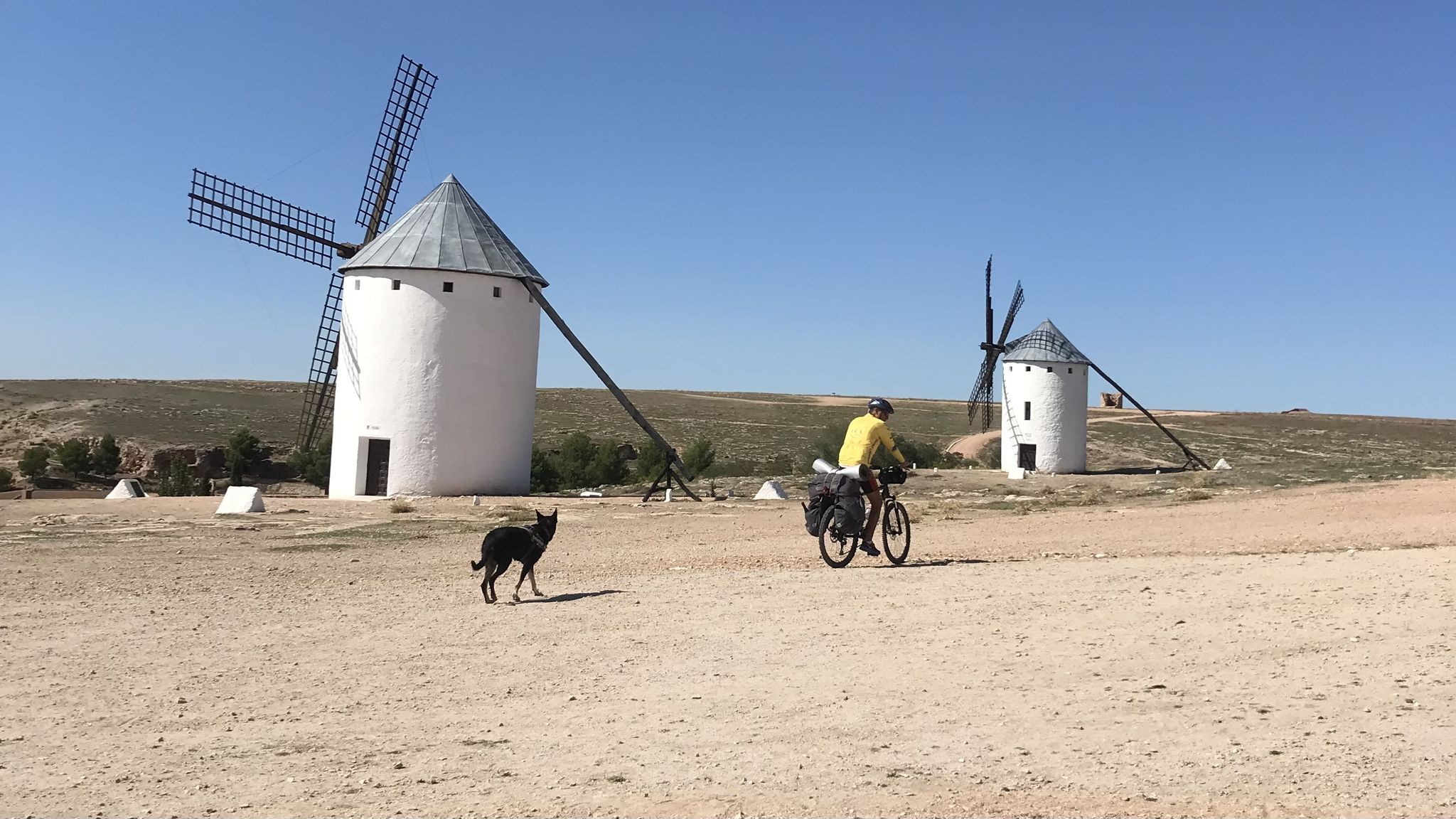
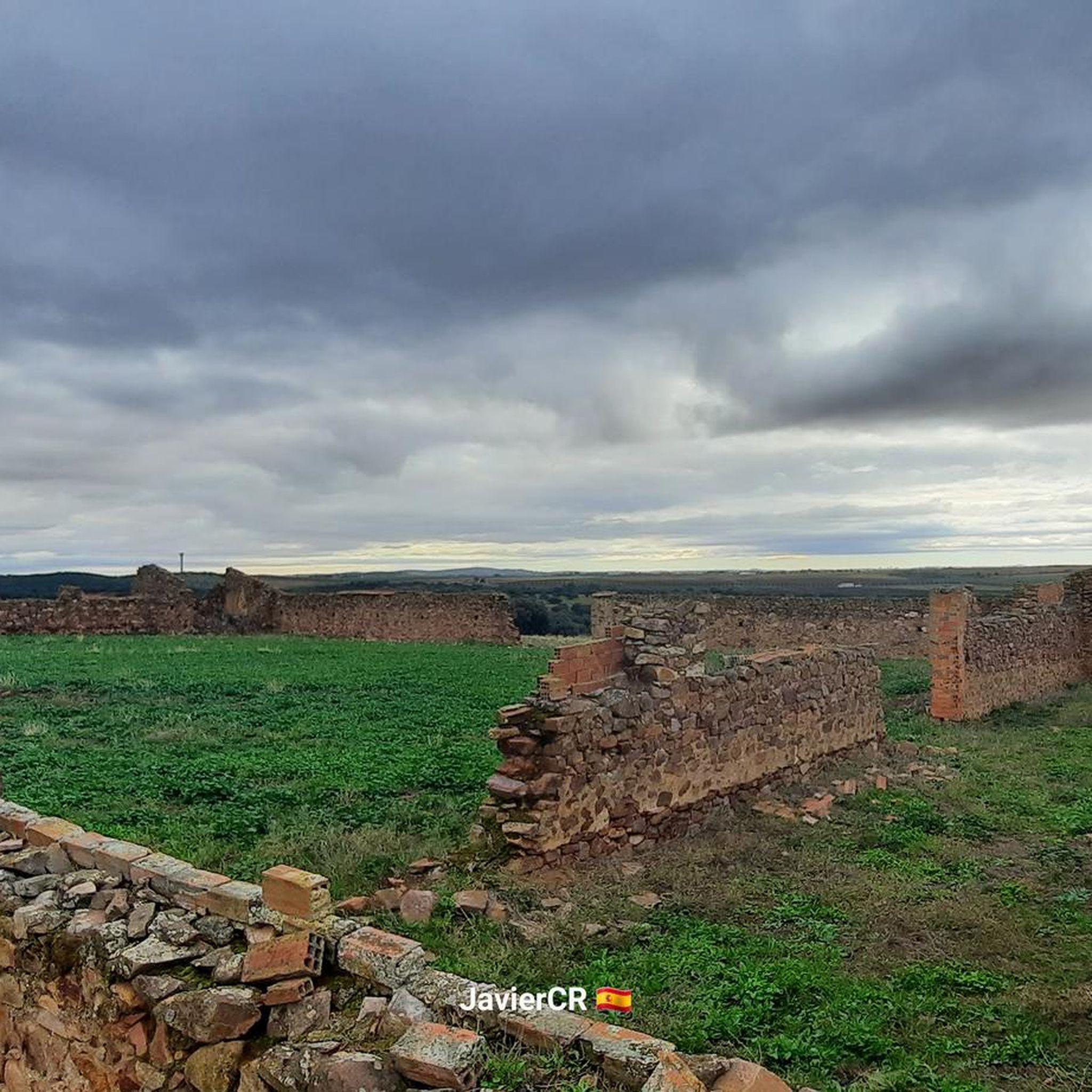

Other adventures around Ciudad Real

Tips from the Community

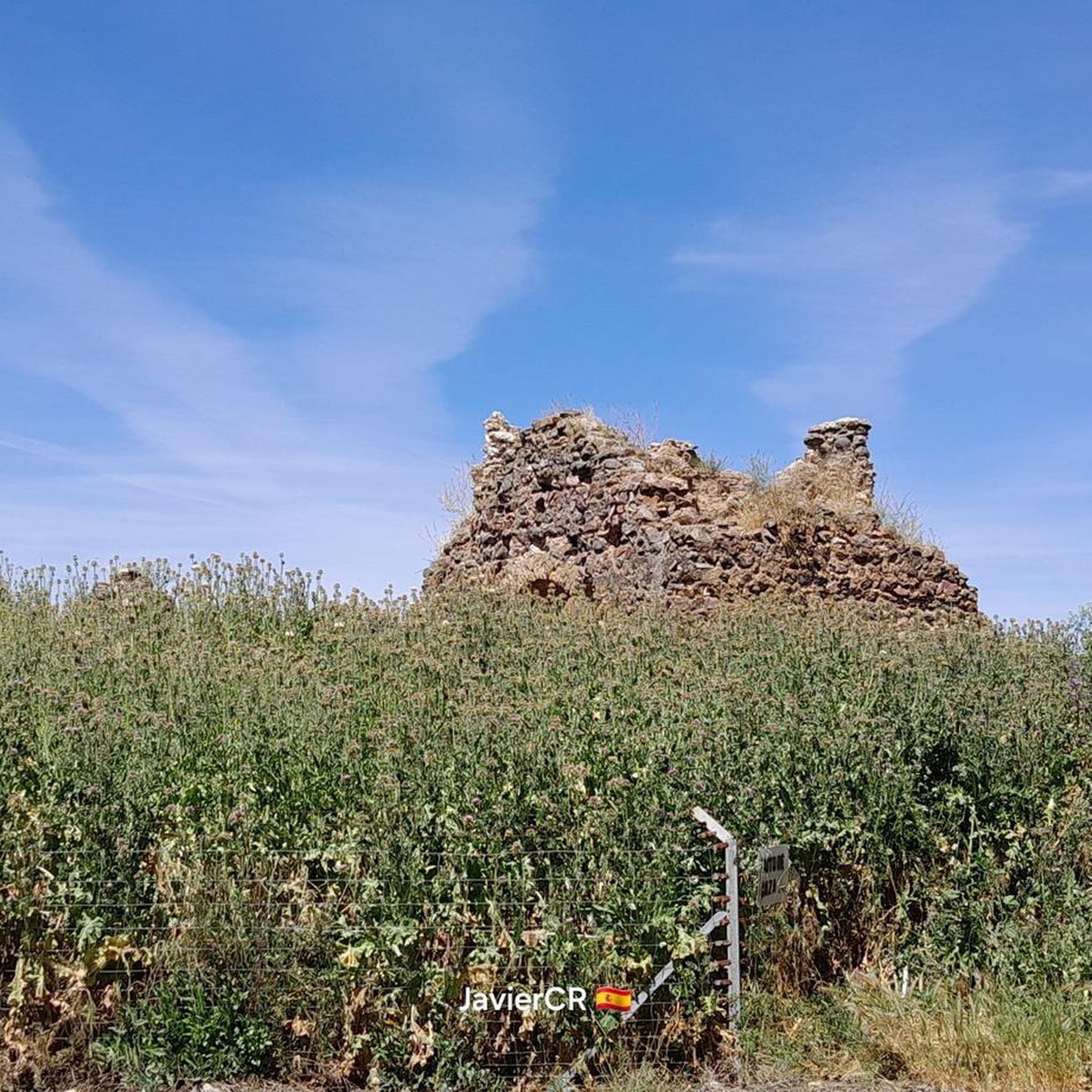
The El Chorrillo Mines, located near Valenzuela de Calatrava in Ciudad Real, are known for their manganese mining, which was carried out until 1950. These mines are part of the rich mining history of the volcanic region of Campo de Calatrava, where iron and manganese deposits are found due to volcanic activity.
2
0

Prospecting mine, excavated in the area around the ravine's bathrooms. In the Jabalón riverbed, a few kilometers from this place, in La Fuente del Chorrillo, there is a mining operation. This deposit, called "El Chorrillo Mines", was worked until 1950 and was rich in Manganese.
3
0
It preserves a painting inside the convent where a knight of Calatrava is represented kneeling before the image of Maria de la Estrella and where tradition says that he announced to her that they were going to found a convent attached to the hermitage. At the bottom of the box it reads: "EXVOTO".
29
0
The Cabeza del Rey volcano represents a perfect natural watchtower to contemplate all the multitude of Calatrava volcanoes that surround it.
16
0
The hermitage-convent of Nuestra Señora de la Estrella was founded at the end of the 17th century in Miguelturra, province of Ciudad Real (Spain). It was created around the primitive hermitage of Santa Marina, which has belonged to the Virgin of the Star since the 13th century, after the appearance of the virgin, discovered by some shepherds in the place that a star pointed out to them for several nights. Excavating at the marked point, they found a dark-skinned virgin inside a cave, which can still be visited next to the church. Taking her from that moment on as patron saint of Miguelturra. The convent, attended from its origin by cloistered Mercedarian nuns, was founded by Mrs. Maria Velarde y Treviño due to the reputation that the virgin had for being miraculous. The founder was buried with her husband, Francisco Trevillo y Dávila at the foot of the main altar in 1785.
36
0

It has easy access you can go without any problem you do not need anything special in terms of shoes and clothes unless it rains
6
0
This curious rock shelter is located in the municipality of Poblete, very close to Ciudad Real. From the name it receives, the traditional use of the cave as a refuge for shepherds and their flocks is deduced. Source: Unknown Spot.
53
0

Technical section of ascent to the Cueva de Poblete, enough loose stone and winding and narrow path.
5
0
Frequently Asked Questions
What kind of caves can I explore in Ciudad Real?
Ciudad Real offers a diverse range of subterranean sites, from natural geological formations like the Cabeza del Rey Volcano-Cave, which is part of the region's unique volcanic landscape, to historical refuges and archaeological treasures. You can find ancient rock shelters, sites with prehistoric art, and even old mining tunnels like the Minas El Chorrillo Prospecting Tunnel.
Are there family-friendly caves to visit in Ciudad Real?
Yes, several sites are suitable for families. The Ascent to the Shepherd's Cave is noted for its easy access, making it a good option for all ages. The Cabeza del Rey Volcano-Cave is also listed as family-friendly, offering a natural viewpoint alongside its cave features.
What historical or cultural insights do the caves of Ciudad Real offer?
The caves provide a rich glimpse into the region's past. For instance, the Ascent to the Shepherd's Cave served as a traditional refuge for shepherds, reflecting rural life. The Our Lady of the Star (Miguelturra) site includes a cave where a dark-haired virgin was legendarily discovered, adding a religious and historical layer. Additionally, sites like Peñaescrita Cave Paintings showcase ancient schematic art, offering archaeological insights into prehistoric inhabitants.
What unique geological features can I find in the caves around Ciudad Real?
Ciudad Real's landscape is shaped by both volcanic and karstic activity, leading to diverse geological formations. You can explore sites like the Cabeza del Rey Volcano-Cave, which combines volcanic features with a cave, and observe the numerous Calatrava volcanoes. The Estena Towers, with their impressive columnar quartzite formations, also highlight the region's unique geology.
What outdoor activities can I do near the caves in Ciudad Real?
The area around Ciudad Real offers various outdoor activities. You can find numerous routes for hiking, mountain biking (MTB), and gravel biking. For example, there are hiking trails like the Guadiana Nature Trail and the Alarcos Trail. MTB enthusiasts can explore routes such as the Embalse del Vicario Loop, while gravel bikers might enjoy the Mines on the Arzollar trail. You can find more details on these activities in the Hiking around Ciudad Real, MTB Trails around Ciudad Real, and Gravel biking around Ciudad Real guides.
What is the best season to explore caves in Ciudad Real?
While caves maintain a relatively stable temperature year-round, the best time to visit Ciudad Real for outdoor activities and cave exploration is generally during the spring (April-May) and autumn (September-October). During these seasons, the weather is milder and more pleasant for walking and exploring the surrounding natural areas. Summers can be very hot, and winters can be chilly, though cave interiors remain cool.
Are there any archaeological sites related to caves in Ciudad Real?
Yes, Ciudad Real is home to significant archaeological sites within its caves and rock shelters. The Peñaescrita Cave Paintings feature ancient schematic art, including human figures and zigzag signs, providing valuable insights into prehistoric inhabitants. Another similar site, Cueva prehistórica de La Batanera, also contains schematic drawings. The Cueva de los Toriles Archaeological Site has a long history of human and animal occupation dating back to the Pleistocene, with discoveries including Roman artifacts and objects for rituals.
What should I wear when visiting caves in Ciudad Real?
When visiting caves, it's advisable to wear comfortable clothing and sturdy, closed-toe shoes, as surfaces can be uneven or damp. Even if the outside temperature is warm, cave interiors are typically cool, so bringing a light jacket or sweater is recommended. For sites with easy access like the Ascent to the Shepherd's Cave, special gear isn't usually needed, but always check specific requirements for each location.
Can I find caves that are less crowded in Ciudad Real?
While popular sites like the Ascent to the Shepherd's Cave and Our Lady of the Star (Miguelturra) attract visitors, the region has many lesser-known subterranean sites. Exploring the broader natural parks and rural areas may lead you to more secluded rock shelters or geological formations. Visiting during off-peak hours or seasons can also help avoid crowds at more accessible locations.
What do visitors enjoy most about the caves around Ciudad Real?
Visitors appreciate the blend of natural beauty and historical significance. Many enjoy the easy access and glimpse into traditional rural life offered by sites like the Ascent to the Shepherd's Cave. The unique volcanic landscape visible from the Cabeza del Rey Volcano-Cave is also a highlight, providing stunning views. The historical and religious context of places like Our Lady of the Star (Miguelturra) also captivates many.
Most popular attractions around Ciudad Real

Get inspired with the komoot mobile app


Explore more
Extend your search for the best caves by checking out these guides of the top ones around Ciudad Real:
