Top 6 Castles around Antas
Best castles around Antas are found in a region with a rich historical tapestry, particularly in the Almería Province of Spain. This area is known for its archaeological significance, including Bronze Age settlements and remnants from the Muslim period. The landscape features hilly terrain, offering historical sites that provide insight into past civilizations and defensive structures. While some sites are ruins, others offer well-preserved structures and museums.
Best castles around Antas
- The most popular castles is Lubrín Village and Castle…
Last updated: May 7, 2026
Castle of the Marquis of Los Vélez
Highlight • Castle
The castle …
Translated by Google •
Tip by

Castillo de San Ramón and Nautarum Museum
Highlight • Castle
Translated by Google •
Tip by

Sign up now to discover places like this
Get recommendations on the best single tracks, peaks, & plenty of other exciting outdoor places.
Sign up for free
Ruins of Huércal la Vieja Fortress
Highlight • Historical Site
Translated by Google •
Tip by

Las Escobetas Castle (Garrucha Sea Museum)
Highlight • Castle
Translated by Google •
Tip by
Cuevas del Almanzora Castle
Highlight • Castle
Translated by Google •
Tip by

Sign up for free to discover even more castles around Antas.
Sign up for free
Already have an account?
Start today with a free account
Your next adventure awaits.
Login or Signup

Tips from the Community

The history of the Castle of the 1st Marquis of Los Vélez, or Castle of Cuevas del Almanzora, began as a fortified complex following the Christian conquest of the Kingdom of Granada by the Catholic Monarchs.
0
0

Little remains of the ruins, but it remains impressive in such a beautiful location.
0
0

The Castillo de San Ramón, also known as Castillo de Escobetas, is located in Garrucha. It was built in 1769 by the Veratense architect Francisco Ruíz. This castle is a symbol of the history and culture of Garrucha where the NAUTARUM Museum is located, a maritime museum and interpretation center installed inside. The museum is dedicated to the knowledge and promotion of the sea and fishing while offering a vision of the rich history and culture of Levante Almería.
0
0

impressive view of the ruin
0
0

Fortress built in the 16th century. It was built by the Marquis de los Vélez, Pedro Fajardo, as a symbol of his power and wealth in the area. The castle is a magnificent example of Spanish Renaissance architecture and is made up of two parts: the fortress and the palace. The fortress consists of two towers and a defensive wall, while the palace presents an impressive façade with decorative elements in the Gothic, Renaissance and Mudejar styles. The castle has been recently restored and currently houses a museum dedicated to the archeology and history of the area. You can also enjoy panoramic views from the top of the towers and explore the network of underground tunnels that connect different parts of the castle.
1
0
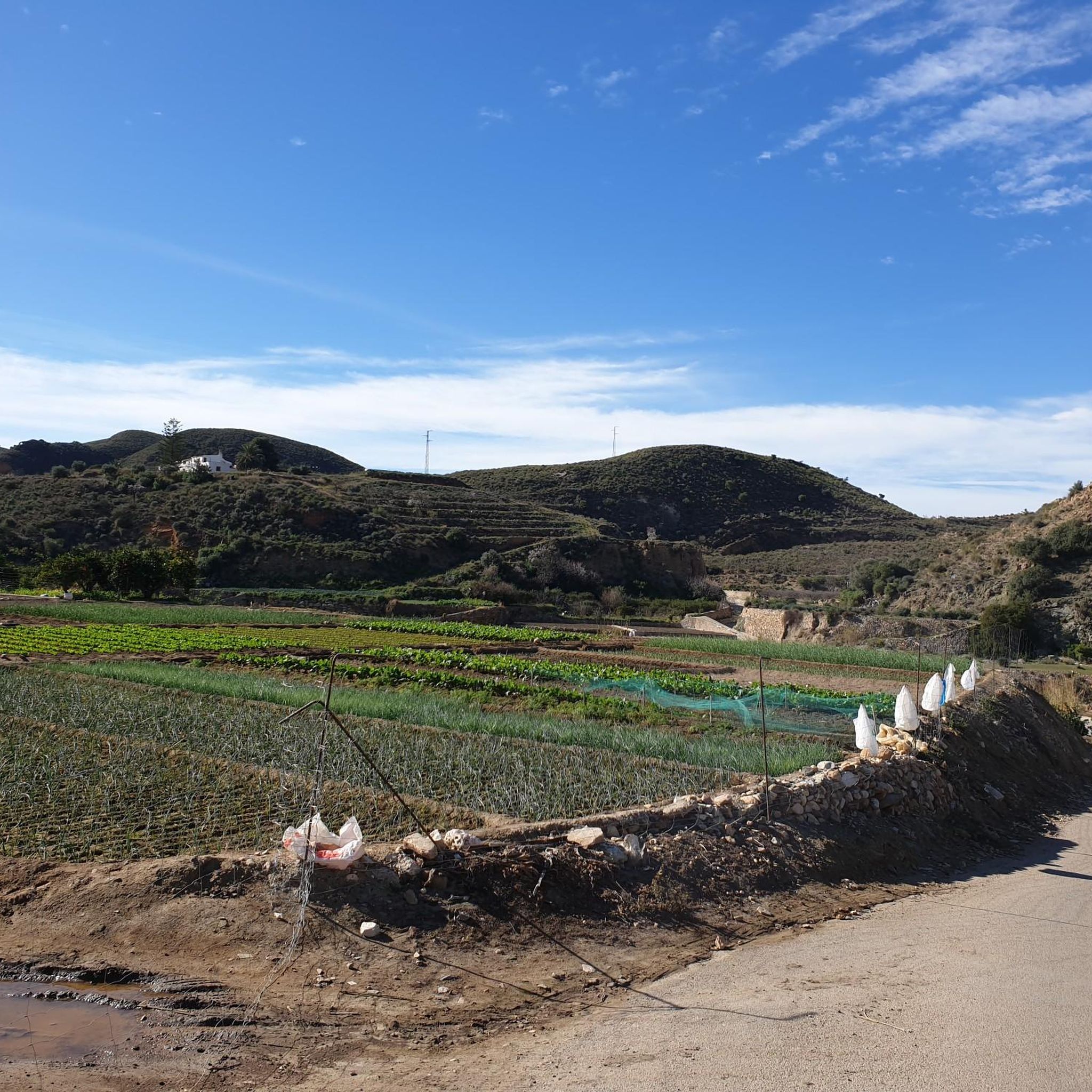
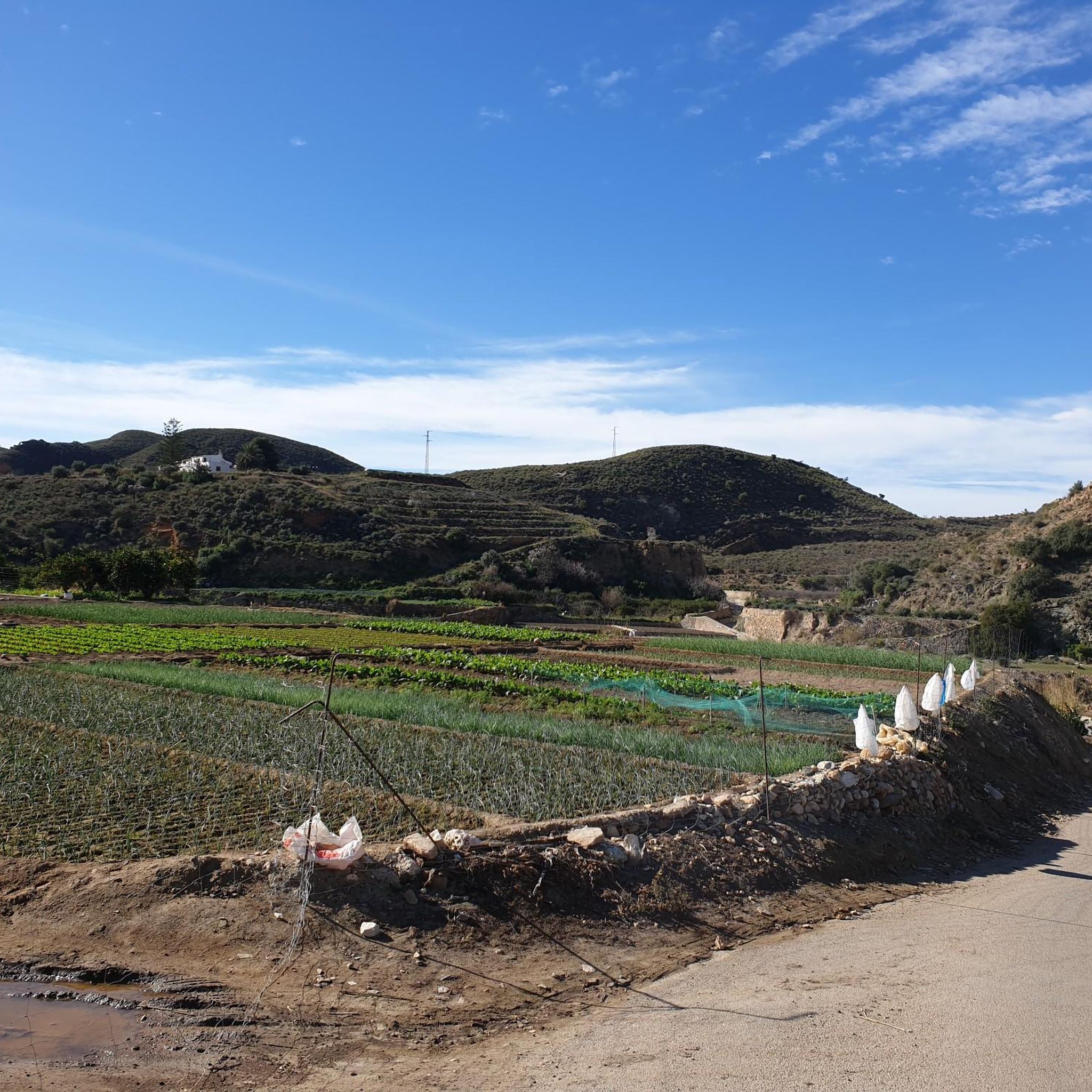
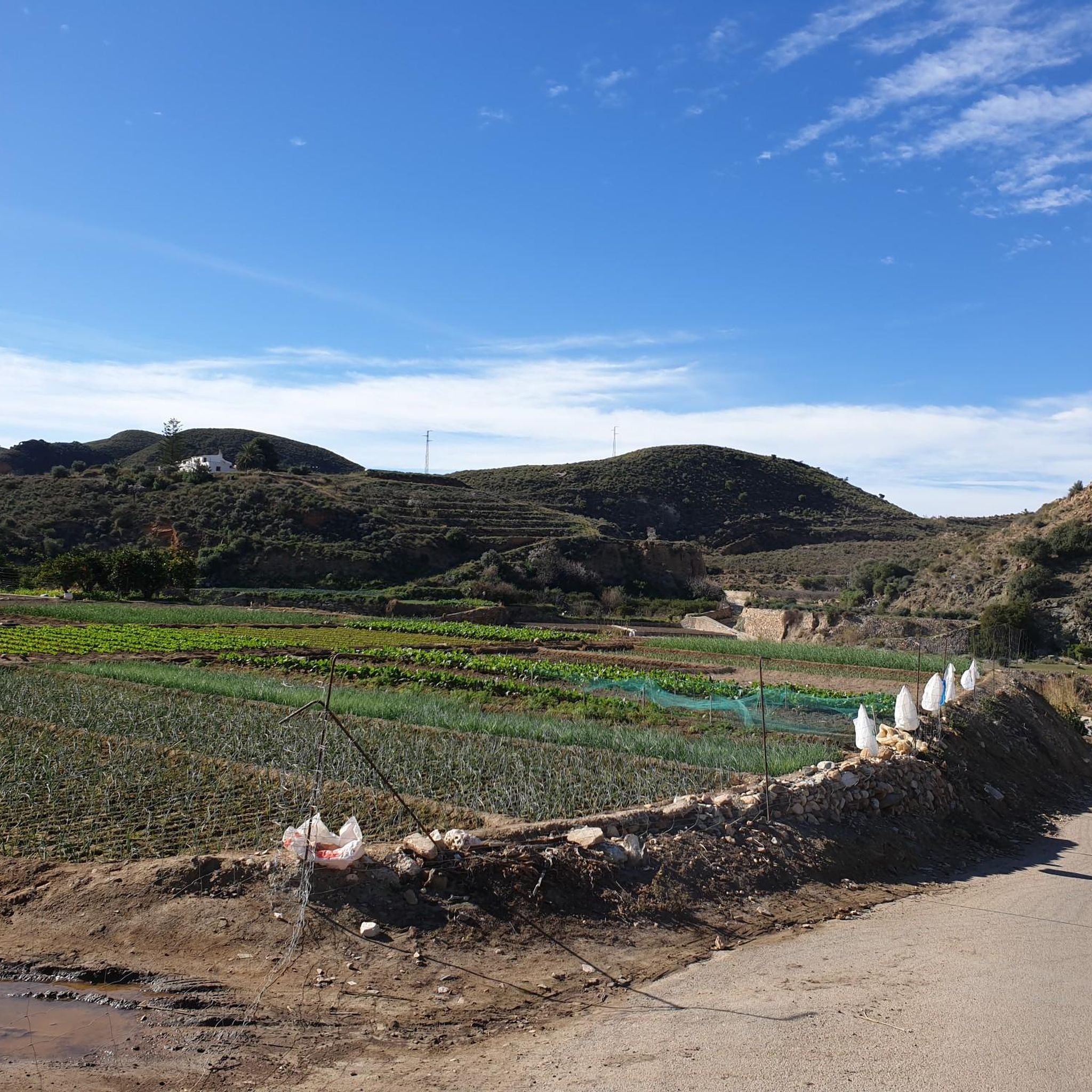
Remains of the deposit located a few meters from Cerro Huércal la Vieja, in the Sierra de Almagro.
2
0

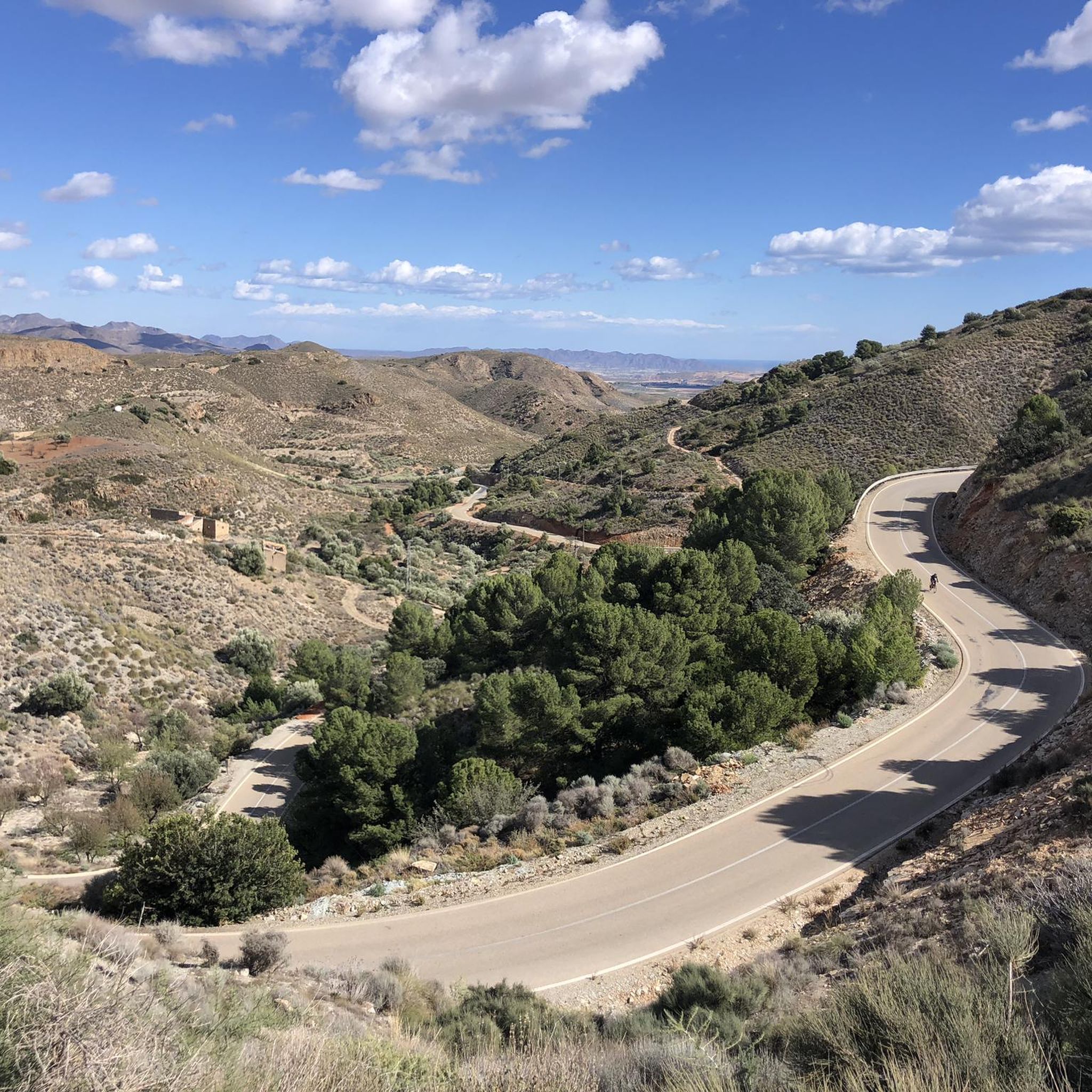
Interesting Castle & Square, you can ride into the Castle for free. It's steep climb up but worth it. On the way down, go via the Plaza de la Constitución.
0
0

Also known as Castillo de las Escobetas. It houses an exhibition on the marine environment.
1
0
Frequently Asked Questions
What types of historical sites and castles can I explore around Antas?
The Antas region offers a diverse range of historical sites, from ancient fortified settlements to coastal defense structures. You can visit the impressive Castle of the Marquis of Los Vélez, a 16th-century fortress and palace, or explore the ruins of the Ruins of Huércal la Vieja Fortress, which served as a small fortress or 'rábita' with exceptional viewpoints. The area also features coastal defense castles like Las Escobetas Castle (Garrucha Sea Museum), built in the 18th century to protect against pirates, and the Castillo de San Ramón and Nautarum Museum, which now houses a maritime museum. Additionally, the region is known for its archaeological heritage, including remnants of Bronze Age fortified towns.
Which castles offer the best historical insights into the region?
For deep historical insights, the Castle of the Marquis of Los Vélez is a prime example of Spanish Renaissance architecture, offering a museum dedicated to the area's archaeology and history. The Ruins of Huércal la Vieja Fortress provides a glimpse into ancient defensive strategies and Muslim settlements. The Castillo de San Ramón and Nautarum Museum, also known as Castillo de Escobetas, offers a unique perspective on coastal defense and maritime history, with its museum dedicated to the sea and fishing in Levante Almería.
Are there family-friendly castles to visit near Antas?
Yes, several sites are suitable for families. The Castle of the Marquis of Los Vélez is considered family-friendly, offering a museum and panoramic views. Both Castillo de San Ramón and Nautarum Museum and Las Escobetas Castle (Garrucha Sea Museum) are also listed as family-friendly, providing engaging experiences with their maritime exhibitions and historical context.
What outdoor activities can I do near these castles?
The region around Antas offers various outdoor activities. For cycling enthusiasts, there are numerous routes for gravel biking and road cycling. You can explore routes like the Mojácar Seafront Bike Path or venture on longer rides to Villaricos Archaeological Site. For those who prefer running, there are several running trails, including loops around Bédar Village and Antas itself. You can find more details on these activities in the Gravel biking around Antas, Running Trails around Antas, and Road Cycling Routes around Antas guides.
Are there good viewpoints at the castles around Antas?
Yes, many of the historical sites and castles in the Antas region offer excellent viewpoints. The Castle of the Marquis of Los Vélez provides panoramic views from its towers. The Ruins of Huércal la Vieja Fortress is nestled in an exceptional viewpoint, offering strategic vistas of the Almanzora Valley. Even the ruined Cerro de la Torre in Antas, Almería, though not a traditional castle, would have offered strategic views during its active period.
What do visitors enjoy most about the castles and historical sites in this region?
Visitors particularly appreciate the rich history and the strategic locations of these sites. For instance, the Castle of the Marquis of Los Vélez is praised for its magnificent Renaissance architecture and the opportunity to explore its museum and underground tunnels. The Ruins of Huércal la Vieja Fortress is valued for its historical significance as a 'rábita' and its exceptional viewpoint. The coastal castles like Las Escobetas Castle are enjoyed for their role in protecting the coast and their current use as maritime museums.
Is parking available at the castles around Antas?
While specific parking details for each site are not always provided, many historical sites and villages in the region, such as Lubrín, typically have designated parking areas or street parking nearby. For sites like the Castle of the Marquis of Los Vélez, visitors often find parking in the surrounding town or designated areas before a short walk up to the castle.
How much time should I allocate to visit the castles and historical sites?
The time required varies depending on the site. For a comprehensive visit to a larger site like the Castle of the Marquis of Los Vélez, including its museum, you might need 2-3 hours. Smaller ruins or viewpoints like the Ruins of Huércal la Vieja Fortress might take 1-2 hours. Coastal castles with museums, such as Castillo de San Ramón and Nautarum Museum, could also take 1-2 hours. It's advisable to check individual site opening hours and plan accordingly.
Can I visit the castles around Antas with my dog?
Information regarding dog-friendliness for specific castles and historical sites in the Antas region is not readily available. Generally, outdoor ruins or open-air sites might be more accommodating to dogs on a leash, but indoor museums or protected historical buildings often have restrictions. It is recommended to check with each specific site directly before planning your visit with a pet.
Are the castles and historical sites around Antas wheelchair accessible?
Accessibility can vary greatly among the sites. Many of the castles and historical ruins, especially those on elevated terrain or with uneven surfaces like the Ruins of Huércal la Vieja Fortress or the Lubrín Village and Castle, may present challenges for wheelchair users. More recently restored sites or museums, such as parts of the Castle of the Marquis of Los Vélez or the museums within the coastal castles, might offer better accessibility. It is best to contact the specific site you plan to visit for detailed accessibility information.
What is the significance of Lubrín Village and Castle?
Lubrín Village and Castle is a small town located at the eastern end of the Sierra de los Filabres. It's significant for its unique layout, with houses elevated on rocky outcrops and the church dominating the village. While the 'castle' aspect refers more to the historical settlement and its defensive position rather than a single grand fortress, it offers a glimpse into traditional Andalusian village life and historical architecture in a strategic location.
Most popular attractions around Antas

Get inspired with the komoot mobile app


Explore more
Looking for the best castles somewhere else? Discover other guides around Antas:
